
REVIEW · SERENGETI NATIONAL PARK SAFARIS
6 -Day Tarangire, Manyara, Serengeti & Ngorongoro
Some safaris feel like a checklist.
This one feels like a real wildlife road trip across Tarangire and the Serengeti, then into the crater and back out again. I like the mix of 2 nights in the Serengeti plus big time in the parks, so you are not just passing through. I also like that it is set up as a private tour, meaning your driver can focus on your group and your pace.
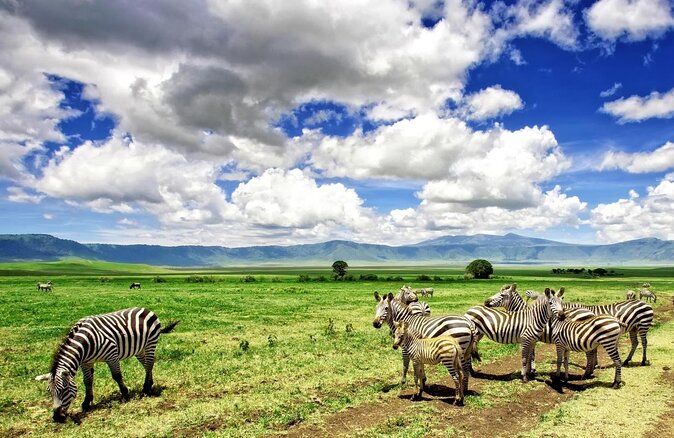
The best part is how the route strings together different ecosystems in just 6 days. You start with Tarangire’s dry-season concentration of wildlife, move to the Serengeti’s endless plains vibe, then finish with Ngorongoro’s tight ecosystem and Lake Manyara’s unique forest and pink-lake scenery. One possible drawback to plan for is time in the vehicle. With long drives between parks, you should pack for a lot of sitting, dust, and early starts.
In This Review
- Key points before you go
- A 6-day Tanzania circuit built for wildlife variety
- Tarangire National Park: elephants and the dry-season water story
- Heading into the Serengeti: timing, scale, and choosing your odds
- Early sunrise Serengeti game drive: your wildlife alarm clock
- Ngorongoro Crater: a whole ecosystem in one place
- Lake Manyara: forest monkeys and the pink-lake moment
- Maasai culture at Olpopongi: optional, but meaningful
- Meals, vehicle time, and how the schedule really feels
- Price and value: $4,800 per person, what you should weigh
- Who this safari suits best, and who might reconsider
- Final decision: should you book this 6-day safari?
- FAQ
- What parks are included in this safari?
- How many nights do I spend in the Serengeti?
- Is pickup from my hotel included?
- Are meals included?
- Is the Maasai cultural visit included?
- Are tickets or park fees included?
- Is this tour private?
- What is not included in the price?
- Is there free cancellation?
Key points before you go
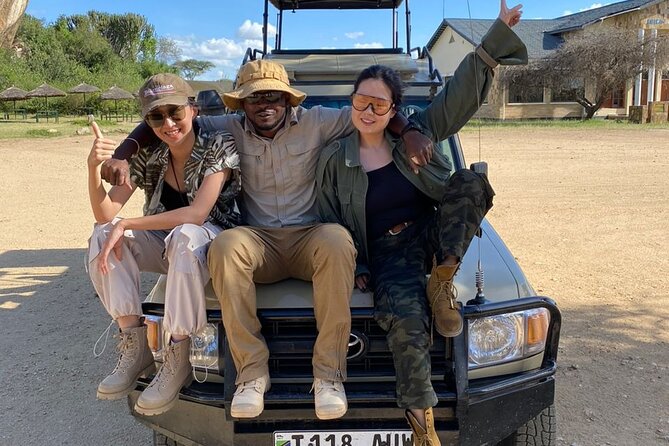
- Private group safari so your driver can tailor game-drive timing to your group
- Two nights in the Serengeti for more than one full day of wildlife time
- Ngorongoro Crater lunch inside the crater for maximum time in the main event area
- Lake Manyara’s groundwater forest where you can look for the Blue Monkeys and a rare-feeling ecosystem
- Optional Maasai visit at Olpopongi if you want cultural context alongside the animals
- Meals are mostly included (breakfasts, lunches, and dinners) to keep daily logistics simple
More of the Serengeti, drive by drive
- Balloon Safari & Bush Breakfast in Serengeti – Miracle Experience★ 5.0 · 1,646 reviews
- 3 Days Serengeti & Ngorongoro Group Camping Safari★ 5.0 · 574 reviews
- 5-Day Highlights mid-Range Crater, Serengeti, Tarangire★ 5.0 · 296 reviews
- 3-Day Classic Serengeti Safari★ 5.0 · 263 reviews
A 6-day Tanzania circuit built for wildlife variety
If you want Tanzania in one trip, this route is a strong match. It connects four major areas that look and feel different from each other: Tarangire, Serengeti, Ngorongoro Crater, and Lake Manyara. That matters, because animals behave differently in different habitats. A single “see wildlife” day can turn into a “see how wildlife lives” trip.
What I like most is the rhythm: early game drives, full park days, then a reset at camp before the next big drive. Also, this experience is priced at $4,800 per person, which puts it in the serious-safari zone. So you should expect real driving time, real park time, and service that holds together under stress, like when flights or arrivals run late.
Based on what I’ve read, the organization here is the kind that prevents your safari from turning into a scramble. One organizer name you’ll see is Pendo, described as highly professional and responsive when questions pop up. Another common theme is that the trip felt well organized and fun, with good lodge stays and a lot of animal sightings.
Tarangire National Park: elephants and the dry-season water story
Tarangire is often treated like a warm-up park. Don’t do that. It has a special logic to it, and it pays off if you understand what drives the animals there.
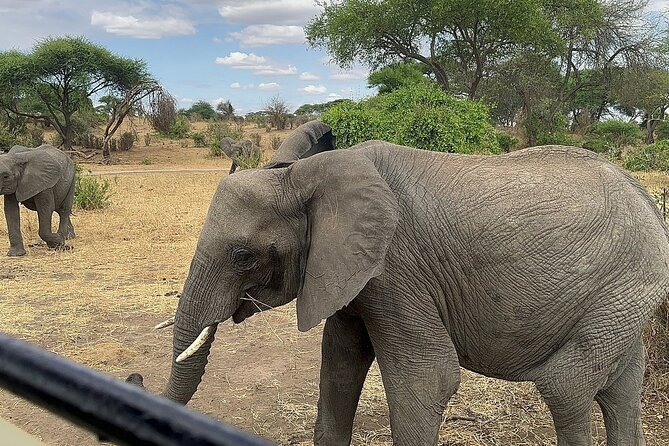
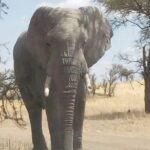
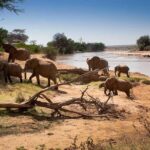
The park’s name comes from the Tarangire River, which is the key water source during the dry season. That means wildlife tends to concentrate around water, and your game drive can feel focused even when you are deep in the wilderness. The park is especially known for large herds of elephants, and you can also keep an eye out for lion and leopard. If birdlife is your thing, you’ll likely enjoy Tarangire’s variety, too.
The scenery is made for long looks. You get a mix of open bush country and areas tied to water, including Silale Swamp in the southern part of the park. Swamps can sound like a slow place, but on safari that can mean predictable animal activity when everything else gets dry.
Practical note: Tarangire is a full day, so wear layers. Mornings can feel cooler than you expect, and you’ll spend most of the day in a vehicle. The value here is that you start your trip with a park that can deliver without you needing perfect timing for a migration event.
Heading into the Serengeti: timing, scale, and choosing your odds
After Tarangire, you’ll drive into the Serengeti. The drive includes game on route, which is a nice way to start seeing animals before you even hit the main area. The Serengeti is huge, roughly compared to the size of Switzerland, so where you spend time depends on the season.
This is where your month matters. The Serengeti’s wildlife shifts by region. In the dry season, the northern areas connect to the Mara crossings. In the green season, the west and areas around the Grumeti River tend to be a focus. There’s also a transition period when migration herds can be spread around areas like Ndutu.
What you should take from that: the tour’s structure is set up to give you more than a single “hit the Serengeti and hope” day. You get 2 nights in the Serengeti, which translates into more opportunities to catch wildlife feeding, moving, and reacting as the day changes.
And yes, the “countless breathtaking moments” idea is real, but it’s better translated like this: you are going to see animals repeatedly through different light. Sunrise is one story, late afternoon is another, and it adds up.
Other ways down into the Ngorongoro Crater
Early sunrise Serengeti game drive: your wildlife alarm clock
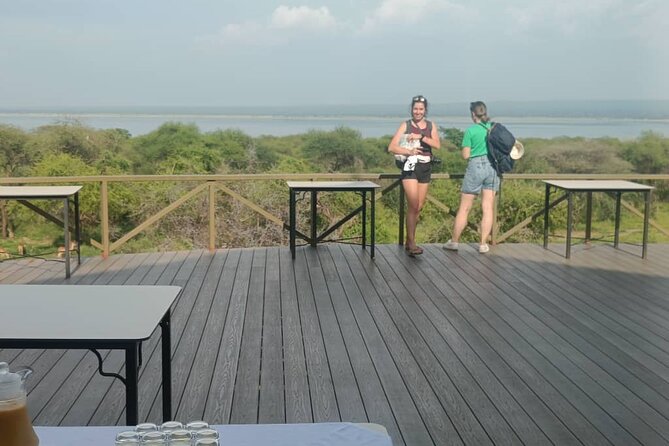
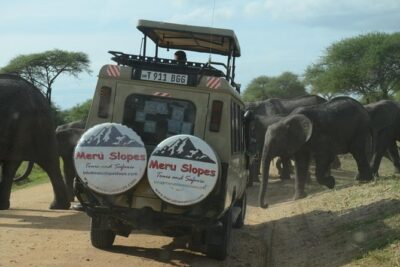
One of the smartest choices in this safari is the early start on a Serengeti game drive. The plan is to head out around 6 am, then return later for breakfast boxes around 8 or 9 am before continuing. It’s the kind of schedule that sounds intense until you feel how animals use the cooler hours.
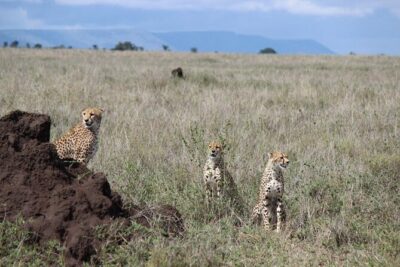
Early mornings often mean more movement, and you can watch predator-prey dynamics before the heat pushes everyone into slower behavior. The plains at sunrise can also change how you read distance. When you see acacia-dotted grasslands in the first light, animals seem to appear faster than they do in midday glare.
During this Serengeti day, expect a long outing, then a drive late afternoon to your camp. That last part is important. A good lodge stop is not just a bed. It is where your day resets so you can handle the next drive with energy.
If you’re hoping for classic big sightings, this is the part of the trip you protect. Try to keep your day flexible, avoid overplanning outside the safari, and treat the morning drive like the main event.
Ngorongoro Crater: a whole ecosystem in one place
Ngorongoro Crater is the day you should mentally picture as a single, contained world. The crater is described as the world’s largest intact collapsed caldera, and that matters because it makes the wildlife feel densely concentrated compared to open savanna.
Inside the crater, the ecosystem is self-contained, meaning animals live within a tighter range of space. That can lead to impressive variety in one day: lions, hyenas, great birdlife, serval, Cape buffalo, zebra, and dramatic landscapes. Rhinos are mentioned as an added advantage if you are lucky, so you should treat that as a possible bonus rather than a guarantee.
You’ll have lunch in the crater. That is one of those choices that seems minor until you realize it buys you time. Instead of leaving the main crater ecosystem to eat, you stay where the action is most concentrated. After lunch, you continue the game drive before driving to Karatu town in the late afternoon.
The only consideration here is altitude and weather shifts. The crater can feel different from the surrounding areas, and vehicle rides can be long. Plan for layers and for some slow moments where you are simply scanning the slopes.
Lake Manyara: forest monkeys and the pink-lake moment
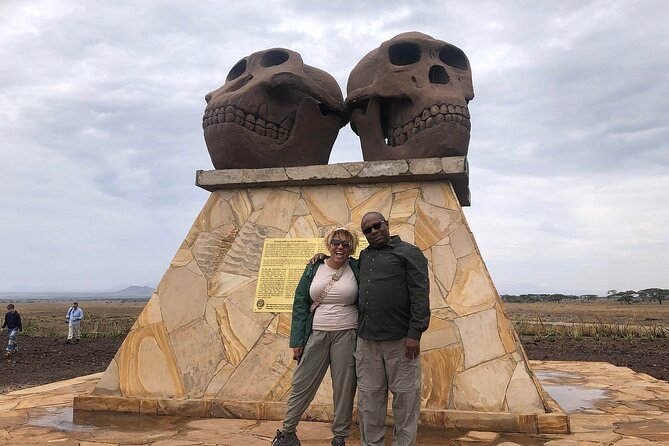
Lake Manyara is a change of pace after Serengeti and Ngorongoro. It sits roughly between Tarangire and Ngorongoro, and it has a special feature that you do not see everywhere in Tanzania: a groundwater forest, the only real forest in the country in this context. Forest habitat changes what you look for.
This is where Blue Monkeys become part of your checklist. You can also spot giraffe, elephants, lions, and leopards. It is not just about spotting mammals, though. The lake view can be a highlight, including a pink look in the distance with flamingos when conditions align.
The entrance to Lake Manyara is in Mto wa Mbu, and that matters for how you plan extra time. The area is known for the chance to arrange a village visit and even a local school visit. This tour’s core experience is the park drive, but the location gives you an easy add-on if you want it.
Even if you do not add anything, Lake Manyara can feel like a softer landing at the end of the itinerary. It gives you variety and different animal behavior than the open plains.
Maasai culture at Olpopongi: optional, but meaningful
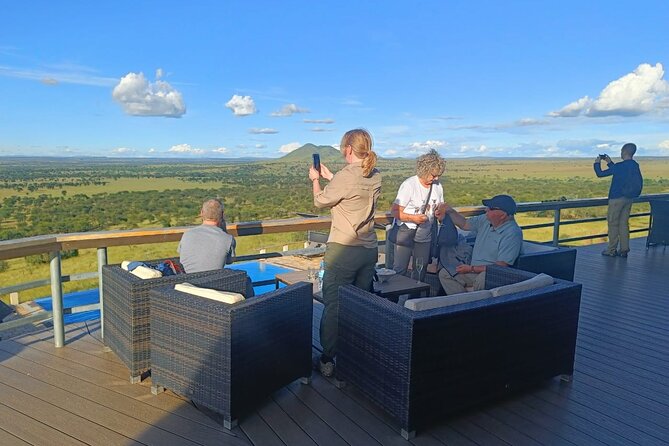
If you want context beyond animals, the included optional stop at Olpopongi in the Ngorongoro Highlands is your place to do it. The plan is a visit to a Maasai cultural village and museum, where you can meet elders, warriors, women, and children, and learn about beliefs and traditions.
This is included as an activity option, with admission listed as included. I like this kind of pause because it reminds you you are not watching wildlife from an empty world. There are people living in and around these landscapes, and cultural understanding can make your animal sightings feel more grounded.
Keep expectations realistic. This is a cultural visit, not a performance you need to be in a hurry to finish. If you go, you’ll get more out of it by asking calm questions and listening first.
Meals, vehicle time, and how the schedule really feels
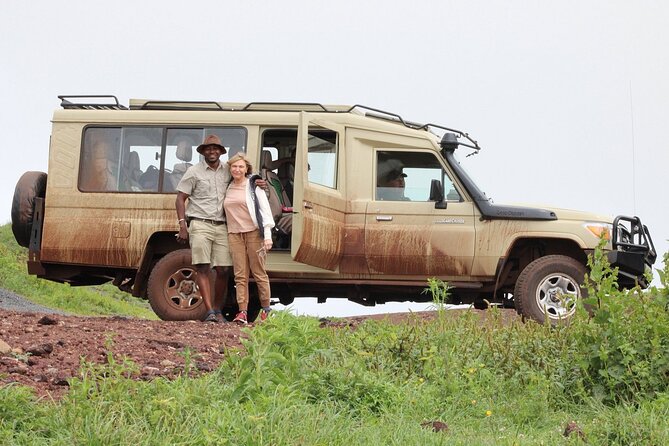
This safari includes breakfasts, lunches, and dinners. The package lists 5 breakfasts, 6 lunches, and 5 dinners. That helps you avoid the daily hunt for food when you are deep in safari logistics.
Park entrance and ticketing are shown as free on most days, with the cultural village and Ngorongoro crater listed as admission ticket included. Translation: a lot of your major costs are already handled, which is what you want on a safari with multiple parks.
It’s also a private tour/activity, meaning only your group participates. That matters more than it sounds. It usually means fewer waiting moments, less crowd pressure at key viewing stops, and more control over bathroom breaks and timing.
There’s a pickup option from your hotel. If you hate wasting time, that’s a real value. You start the day with less friction.
One practical detail to respect: CPAP machines are specifically mentioned. If you use one, you’ll want to bring your own battery-operated CPAP, since you are advised to do so.
Price and value: $4,800 per person, what you should weigh
At $4,800 per person, this tour is not a budget safari. So value comes down to how well the package fits your priorities.
Here are the value drivers I see from the provided details:
- Multiple top-tier ecosystems in one loop: Tarangire, Serengeti (with 2 nights), Ngorongoro Crater, and Lake Manyara
- Private service for your group, with pickup offered
- Meals included across most of your days
- Long full day drives built into the itinerary, not short token stops
- Organization strength, with past comments praising responsiveness and solid lodge stays
Where cost can feel harder is the tradeoff of vehicle time. You will be sitting between parks. If you dislike long days on roads, you might feel the strain. But if you can handle it, the payoff is more wildlife time, especially with the 2-night Serengeti block.
Also consider your timing. Serengeti sightings can shift by season, since the tour focuses on central areas plus another region depending on the time of year. Even when migrations are not at peak, the Serengeti still delivers, but your best odds for certain events depend on month.
Who this safari suits best, and who might reconsider
This experience is a strong fit if you want:
- A classic Tanzania big-park circuit in 6 days
- More than one chance in the Serengeti, thanks to 2 nights
- A private setup where your guide and driver can adjust pacing for your group
- A mix of wildlife and a cultural visit at Olpopongi (optional)
It may be less ideal if:
- You hate long vehicle days between parks
- You need a very short, low-stress itinerary
- You’re looking for a very specific migration moment and have zero flexibility on travel dates
For most people, it seems manageable because it’s described as suitable for most travelers, and the tour notes you can request dietary needs like vegetarian, vegan, or gluten-free as long as you indicate them at booking.
Final decision: should you book this 6-day safari?
If you want a well-paced Tanzania safari that mixes elephant-focused Tarangire, serious Serengeti time, dense Ngorongoro crater viewing, and Lake Manyara’s forest and pink-lake possibilities, this route makes sense. The private setup plus included meals also reduces the everyday stress that can drain the fun out of a safari.
I’d book it if your priorities match the structure: sunrise game drives, full park days, and the chance to see a lot of animals in natural habitat. I’d think twice if you are extremely sensitive to long drives and early mornings. The good news is you can plan smarter for that, by packing layers, snacks you like, and anything you need for comfort during long drives.
If you care about smooth coordination, this operator is the kind that seems to keep things moving, with the organizer Pendo named as responsive in past feedback. That alone is worth something when your trip includes multiple parks and tight schedules.
In short: if you want Tanzania that feels real, not rushed, this circuit is a strong bet.
FAQ
What parks are included in this safari?
You’ll visit Tarangire National Park, Serengeti National Park, Ngorongoro Crater, and Lake Manyara National Park.
How many nights do I spend in the Serengeti?
You have 2 nights in the Serengeti.
Is pickup from my hotel included?
Pickup is offered, and the tour starts with pickup from your hotel on the first day.
Are meals included?
Yes. The package includes breakfast (5), lunch (6), and dinner (5).
Is the Maasai cultural visit included?
An optional visit to Olpopongi Maasai Cultural Village & Museum is included, with admission listed as included.
Are tickets or park fees included?
Park admission is listed as free on multiple days, and admission is listed as included for Ngorongoro Crater and the Olpopongi cultural village.
Is this tour private?
Yes. It is listed as a private tour/activity, so only your group participates.
What is not included in the price?
Visa, tip, and gratuities are not included.
Is there free cancellation?
Yes. You can cancel up to 24 hours in advance for a full refund. If you cancel less than 24 hours before the experience start time, you will not receive a refund.
Tarangire and Its Baobabs
- 5-Day Highlights mid-Range Crater, Serengeti, Tarangire
★ 5.0 · 296 reviews - Private 6-Day Tarangire Manyara Crater and Serengeti with Mid-Range Lodges
★ 5.0 · 238 reviews - 5 Days Camping Tarangire, Serengeti & Ngorongoro crater & Visiting Maasai
★ 5.0 · 229 reviews - 4 Days Join Group tour Tarangire Serengeti and Ngorongoro crater
★ 5.0 · 219 reviews - 4-Day Safari from Arusha: Tarangire, Serengeti and Ngorongoro
★ 5.0 · 173 reviews
Still Thinking About the Crater?
- 3 Days Serengeti & Ngorongoro Group Camping Safari
★ 5.0 · 574 reviews - 5 Days Camping Tarangire, Serengeti & Ngorongoro crater & Visiting Maasai
★ 5.0 · 229 reviews - 4 Days Join Group tour Tarangire Serengeti and Ngorongoro crater
★ 5.0 · 219 reviews - 4-Day Safari from Arusha: Tarangire, Serengeti and Ngorongoro
★ 5.0 · 173 reviews - 2 Days Tarangire and Ngorongoro Group Camping Safari
★ 5.0 · 146 reviews
The Serengeti, Three More Ways
- Balloon Safari & Bush Breakfast in Serengeti – Miracle Experience
★ 5.0 · 1,646 reviews - 3 Days Serengeti & Ngorongoro Group Camping Safari
★ 5.0 · 574 reviews - 5-Day Highlights mid-Range Crater, Serengeti, Tarangire
★ 5.0 · 296 reviews - 3-Day Classic Serengeti Safari
★ 5.0 · 263 reviews - Private 6-Day Tarangire Manyara Crater and Serengeti with Mid-Range Lodges
★ 5.0 · 238 reviews
Just added from around Arusha

Serengeti National Park Safaris, compared.
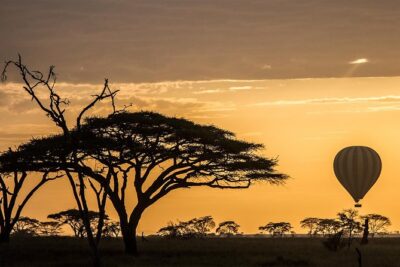 ★ 5.0Serengeti Balloon Safari and authentic bush breakfastFrom $5502,480 reviews
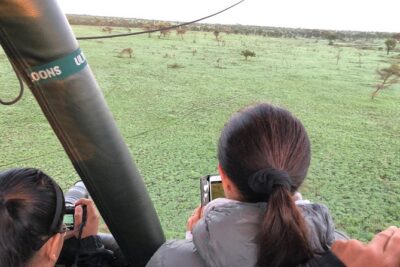 ★ 5.0Balloon Safari & Bush Breakfast in Serengeti – Miracle ExperienceFrom $5991,646 reviews
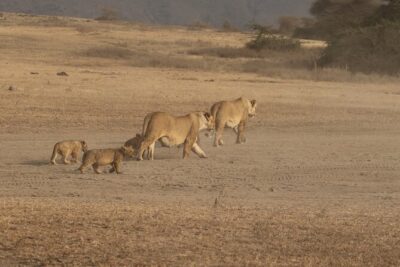 ★ 5.03 Days Serengeti & Ngorongoro Group Camping SafariFrom $815574 reviews
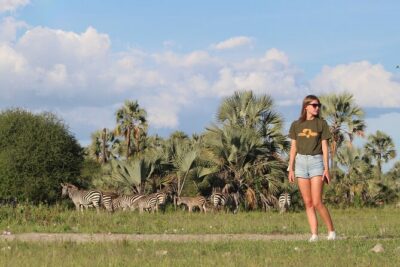 ★ 5.05-Day Highlights mid-Range Crater, Serengeti, TarangireFrom $2,327296 reviews
 ★ 5.0Safari Serengeti And NgorongoroFrom $2,845288 reviews
 ★ 5.03-Day Classic Serengeti SafariFrom $1,455263 reviews
 ★ 5.0Private 6-Day Tarangire Manyara Crater and Serengeti with Mid-Range LodgesFrom $2,685238 reviews
 ★ 5.05 Days Camping Tarangire, Serengeti & Ngorongoro crater & Visiting MaasaiFrom $1,254229 reviews
Browse the lists this tour appears in