
REVIEW · SERENGETI NATIONAL PARK SAFARIS
5-days Tarangire-Serengeti-Ngorongoro Safari
Five days can feel like a lot, in the best way.
This safari stacks Tarangire National Park, Serengeti National Park, and the Ngorongoro crater into one tight plan built for wildlife viewing, not just drive-by sightseeing. I especially like how Tarangire is famous for huge elephant numbers plus baobabs, and how the Serengeti timing can target the migration window with the Ndutu-area option. One thing to keep in mind: you start early (6:00 am) and you will spend serious hours in the vehicle, so it is not a slow, relaxed trip.
The value here comes from what is included, not just the checklist. You get park fees listed as included, meals as scheduled, drinking water each day, and roundtrip airport transfers, which helps you avoid the usual “Safari Surprise” add-ons. And yes, the Ngorongoro crater is the kind of place that makes you understand why people plan Tanzania trips around it.
Let’s break down what each day feels like, what you can realistically expect, and how to decide if this 5-day run is the right fit for your style and your budget.
In This Review
- Key points to know before you go
- Entering Tarangire from Arusha: day 1’s elephant and baobab payoff
- Serengeti, Ngorongoro, and that Ndutu timing you should understand
- A full day on the Serengeti plains: where your best sightings often come from
- Ngorongoro crater day 4: why the view from above is only half the story
- Day 5 in Mto-wa-mbu and your return to Arusha
- Price and what you get: is $2,116 good value?
- Your driver-guide and the daily safari rhythm
- What to pack and how to prepare for real wildlife days
- Who this safari suits best
- Should you book this 5-day Tarangire-Serengeti-Ngorongoro safari?
- FAQ
- What time does the safari start?
- Are pickups included from Arusha?
- Which parks are visited on this safari?
- Are meals included?
- Is park admission included?
- What is the cancellation timeline?
Key points to know before you go
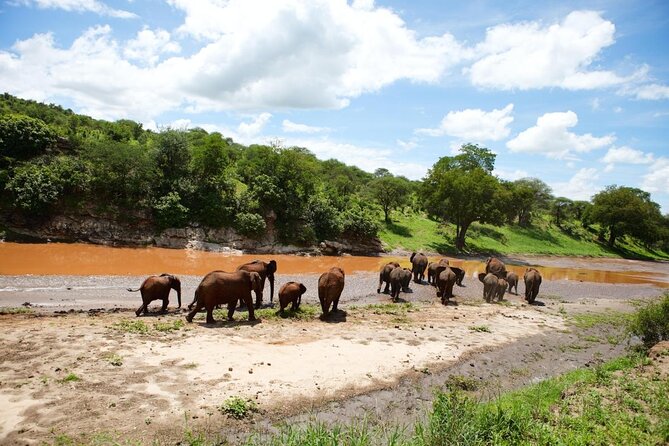
- Tarangire’s elephant focus with baobabs and river timing, where animals gather around water year-round.
- Serengeti migration strategy that may shift you to the Ndutu area, including Kati Kati Ndutu Tented Camp during early January to mid-March.
- A full day on the Serengeti plains, not just a half-day hit, giving you more chances at lions, cheetahs, hippos, and more.
- Ngorongoro crater game drives from the inside, with lunch at a picnic site near a hippo pool.
- Mto-wa-mbu as a final stop, for curio shopping and quick photo time before heading back to Arusha.
- Meals, water, transfers, and a pro driver-guide included, so you are paying for the experience, not nickel-and-diming basics.
More of the Serengeti, drive by drive
- Balloon Safari & Bush Breakfast in Serengeti – Miracle Experience★ 5.0 · 1,646 reviews
- 3 Days Serengeti & Ngorongoro Group Camping Safari★ 5.0 · 574 reviews
- 5-Day Highlights mid-Range Crater, Serengeti, Tarangire★ 5.0 · 296 reviews
- 3-Day Classic Serengeti Safari★ 5.0 · 263 reviews
Entering Tarangire from Arusha: day 1’s elephant and baobab payoff
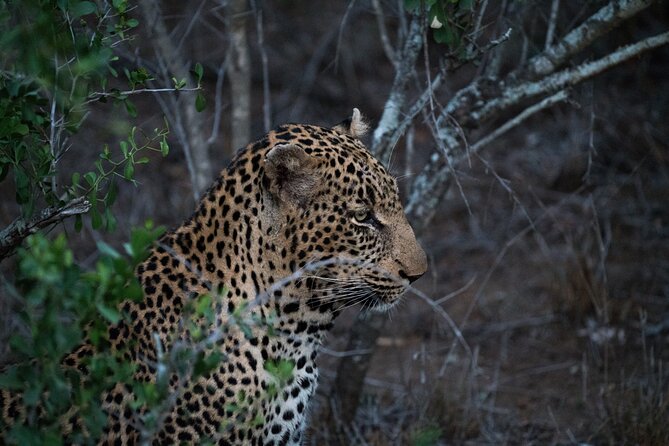
Your safari starts early, with pickup offered from your Arusha hotel or the airport, then a drive into Tarangire National Park. The plan is lunch at the park area, followed by an afternoon game drive. That timing matters because Tarangire can be especially rewarding when animals start to concentrate around the park’s water sources.
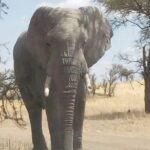
Tarangire is well known for two things: elephants and baobab trees. In a dry-season style park, baobabs look almost unreal, and they also act like landmarks for wildlife viewing. The other “secret” is the Tarangire River system, which keeps water available year-round. When the river beds become focal points, predators get a chance to capitalize on animals coming in close for water. In plain terms, you often get more action in the moments animals are forced to share space.
What to expect on this day:
- An afternoon rhythm, with game drive time after lunch.
- Lots of time watching elephant movement and the way smaller herds feed and drift along the river-adjacent areas.
- A smoother start compared to jumping straight into the Serengeti, because Tarangire’s wildlife patterns can feel very readable for first-time safari eyes.
Possible drawback: the day is only half game drive time. You are still building your “safari legs,” so if you want long continuous viewing right away, keep that in mind. Day 3 and the crater days bring the longer viewing blocks later.
Serengeti, Ngorongoro, and that Ndutu timing you should understand
Day 2 takes you from Tarangire to the Serengeti, with a drive that crosses the Ngorongoro Conservation area. You do morning transfer after breakfast, then you ease into Serengeti game drives slowly, and finish with a lodge or camp overnight.
Here is the smart part: the itinerary calls out a seasonal adjustment. If you travel between early January and mid-March, you stay at Kati Kati Ndutu Tented Camp, which is in the Serengeti but closer to the border of the Ngorongoro Conservation Area in the Ndutu zone. The reasoning is practical: being based in Ndutu during that time increases your chances of seeing the migration as herds can be on either side of the border.
Even if you do not know the migration schedule by heart, you can still benefit from this planning approach. Migration is not a guaranteed clockwork show. But your odds improve when your base is chosen for where the animals might be when you arrive. This is the difference between a generic Serengeti trip and one that tries to work with animal movement.
What you can expect:
- Broad Serengeti plains views from the road.
- A sense of “space,” where animals can be spotted at varying distances.
- Slow, paced drives as you travel from one area to another, so you are not rushing past potential sightings.
Small consideration: if you are traveling outside the early January to mid-March window, you will not use the Ndutu-specific base listed here. That means your exact migration odds will rely more on what the animals are doing at the time, and your guide will adjust your drive strategy accordingly.
A full day on the Serengeti plains: where your best sightings often come from
Day 3 is a full exploring day in Serengeti National Park, designed for wildlife viewing around the migration period for that time of year. This is the kind of day that helps you move beyond the “I saw animals” phase and into the “I understood what I was seeing” phase.
The itinerary lists a broad set of animals you might spot, including elephants, hippos, lions, zebras, wildebeests, cheetahs, leopards, and more. The wording is important: it is not a promise that you will see every species. It is a realistic expectation that Serengeti can deliver variety in one day when you are in the right zones and your timing matches activity.
Why a full day is valuable:
- You get more chances to see animals at different times of day.
- You can follow sightings as they change location.
- If the first morning feels quiet, you have enough day left to catch the next pulse of activity.
What I like about how this is set up is the focus on unhurried game drives. When your schedule forces constant moving, animals often feel like they happen right after you miss them. A full day gives your driver-guide time to reposition when sightings call for it.
Practical reality check: with longer days, your comfort matters. Plan to sit properly on the vehicle for hours, manage sun and dust, and remember that the best moments often come when you are patient, not when you rush.
Other ways down into the Ngorongoro Crater
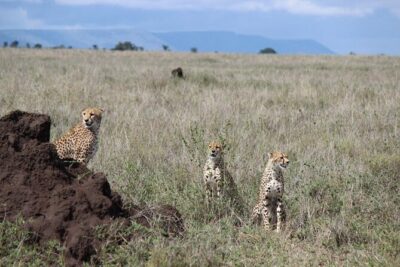
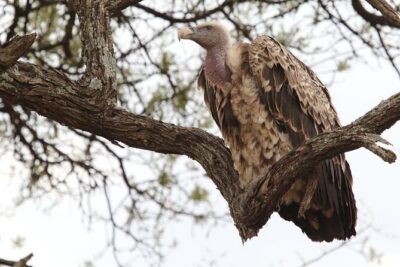
Ngorongoro crater day 4: why the view from above is only half the story
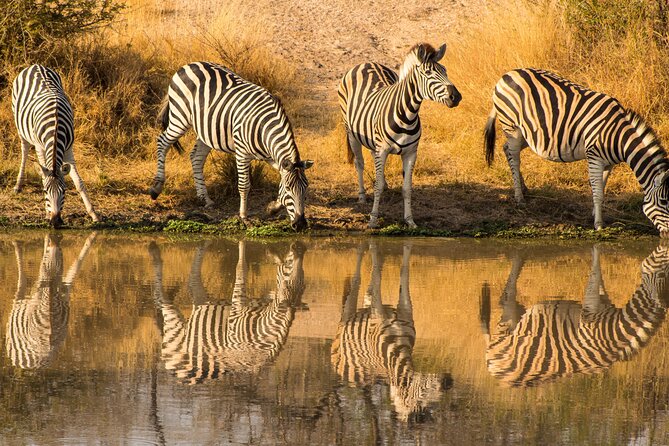
After breakfast on Day 4, you head for the Ngorongoro Conservation Area Authority, then you go down onto the crater floor for several hours. Lunch is planned at a designated picnic site near a hippo pool, followed by more game drives.
This crater format is one of the biggest reasons people love Ngorongoro. Getting down into the caldera concentrates wildlife in a way that can feel like a wildlife theater. The itinerary also sets expectations for species you may see on the crater floor, including lions, elephants, zebras, hippos, flamingos, jackals, rhinos, antelopes, and many birds. It even notes that with luck, the Big Five can be spotted during one game drive only.
Let’s translate that into real life:
- You might see rhinos or you might not, depending on where the animals are at that time.
- You are more likely to see a mix of species across drives because the crater environment supports reliable sighting opportunities.
- Hippo pool areas tend to be worth the time. If you are lucky, you get moments where you can watch feeding behavior or animals moving along the water.
A good part of the day plan is the lunch location. Eating near a hippo pool means you are not just “taking a break,” you are also staying in a viewing zone.
Drawback to consider: crater days are often intense because you are spending hours looking down into a bowl where wildlife can pop into view quickly. That is exciting, but it can also mean you need to stay alert and flexible. Your best viewing comes from letting the guide reposition you as sightings shift.
Day 5 in Mto-wa-mbu and your return to Arusha
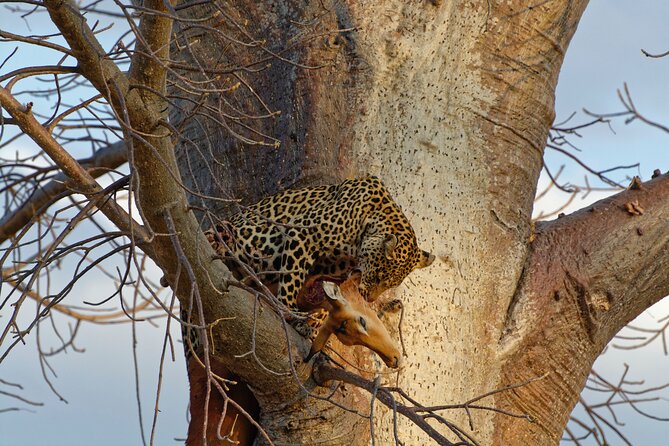
Your final day starts with breakfast, then you head to Mto-wa-mbu, a colorful town where you get time for last-minute pictures and curio shopping. After that, you transfer back to Arusha where the tour ends at the airport for your flight home.
This is a helpful structure if you like a clean landing at the end of a safari. After days of parks and long drives, it is nice to have a more human-scale stop where you can browse, photograph, and pick up souvenirs without squeezing in another full game drive.
What to expect:
- Short time to shop and take photos.
- A transition day that does not rely on crater or migration sightings.
- Enough buffer time to get to the airport, assuming your flight timing matches the operator’s schedule.
One thing to plan on: airport day tends to feel rushed by nature. If you want to buy souvenirs, bring a small amount of cash and keep your shopping list simple so you do not lose your whole afternoon to browsing.
Price and what you get: is $2,116 good value?
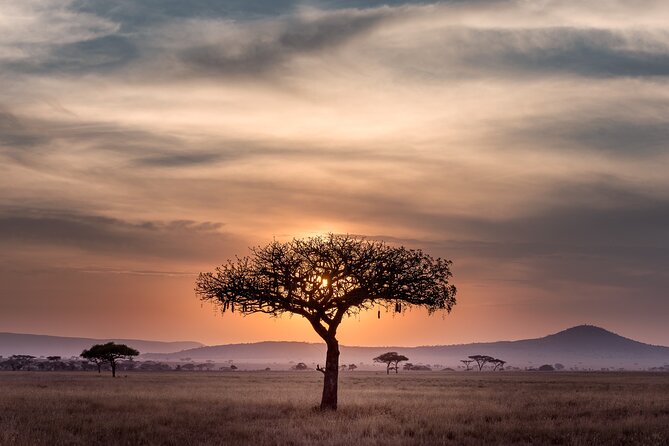
At $2,116 per person for about five days, this is not a budget safari. But it also is not priced like a luxury private yacht of Tanzania. The real question is what is included.
Here is what you are getting based on the tour details:
- Pickup and roundtrip airport transfer.
- A professional driver-guide.
- All transportation during the safari days.
- Park admissions marked as free in the tour notes (a major cost saver for park-heavy itineraries).
- Meals as specified: breakfast daily, plus lunch on the days listed and dinner on four nights.
- Drinking water on all days.
- All taxes and VAT.
- Mobile ticket.
- A tipping guideline listed at US$10 per person per day.
When I look at value, I do not just ask what parks you visit. I ask what you do not have to worry about. Here, meals, water, key transfers, and basic operational costs are taken care of, which usually reduces stress and makes comparisons easier.
Where the value can vary for you:
- If you are comfortable doing an early start and long days, the structure squeezes more wildlife time into five days.
- If you dislike vehicle time, you may feel the cost more keenly, because safari pricing is heavily tied to time in the field.
Bottom line: for a classic Tanzania trio of Tarangire + Serengeti + Ngorongoro, with meals and park costs handled, the price can represent solid value, especially if you want the itinerary to be straightforward and well-run.
Your driver-guide and the daily safari rhythm
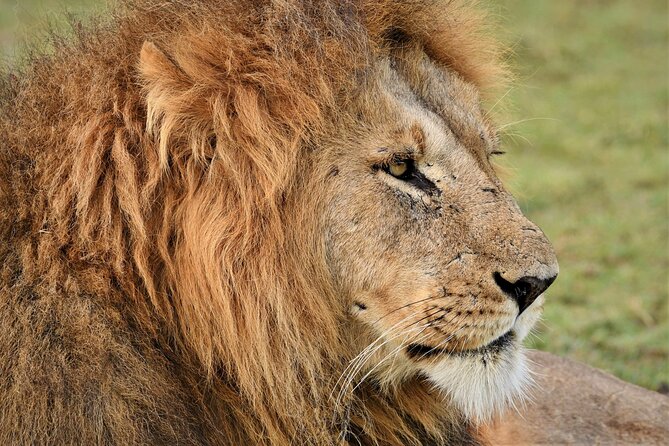
A safari lives or dies on the guide and the pacing. The feedback on this trip emphasizes that the driver-guide is professional, friendly, and genuinely helpful. It also highlights strong work from the chefs, with plenty of good food.
You can feel that kind of competence in practical ways:
- Your guide can explain what you are seeing, where to look, and why animals are behaving the way they are.
- Pro driving matters on rough tracks, especially when you are trying to reach sightings quickly.
- Good meals keep you functioning through long drives and early mornings.
Your day rhythm is also clear:
- Day 1 includes pickup, Tarangire lunch, and an afternoon drive.
- Days 2 and 3 are about moving and then committing to Serengeti viewing.
- Day 4 is the crater day, including crater descent and picnic lunch near a hippo pool.
- Day 5 is the town stop and airport run.
If you can handle early starts, this rhythm is efficient. If you love sleeping in, you will need a different strategy.
What to pack and how to prepare for real wildlife days
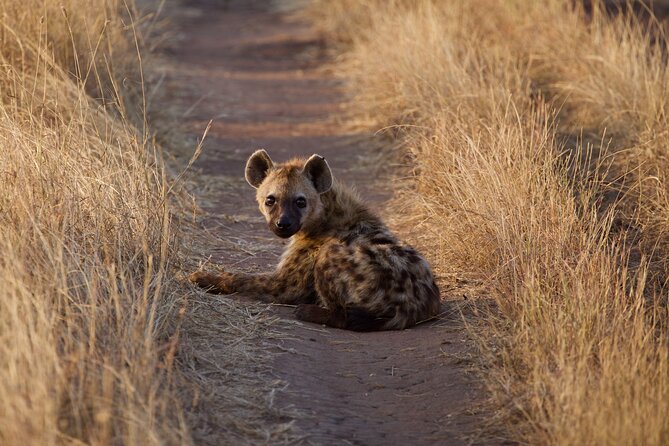
The itinerary gives you the bones of the safari, but your comfort is on you. A few practical tips that make a difference on safari vehicles and in parks:
- Bring a hat and sunscreen. You are exposed for long stretches, especially on plains drives.
- Use layers. Safari days can change quickly as you move between areas.
- Plan for dust. Even when conditions are fine, vehicle tracks and dry air can get into everything.
- Expect early morning. The tour start is listed as 6:00 am, so plan your sleep schedule around that.
- Keep your camera ready, but do not forget to look with your eyes too. The best sightings can happen fast.
Also, double-check your documentation. A mobile ticket is listed, so have your confirmation accessible on your phone.
Who this safari suits best
This 5-day route works well if you want the classic Tanzanian highlight set in one clean package:
- You want elephants and baobabs early in Tarangire.
- You care about the migration window and like the idea of the Ndutu-area option during early January to mid-March.
- You want crater viewing that is packed with species possibilities.
- You appreciate having meals, water, park admissions, and transfers included.
It may not be your best match if:
- You want a laid-back itinerary with minimal vehicle time.
- You only want one park, not three.
- You prefer flexible day-by-day independence rather than a set schedule.
Should you book this 5-day Tarangire-Serengeti-Ngorongoro safari?
I would book it if your priorities are straightforward: see big wildlife in top parks, get crater day in Ngorongoro, and keep the logistics simple with meals, water, and transfers included. The Ndutu-area option is also a smart seasonal touch if you are traveling between early January and mid-March.
I would pause if you hate early mornings or you know you will struggle with hours in a vehicle. This is a safari built for viewing time, not for spa-time pacing.
If you decide to go, I suggest you do two things:
- Plan your travel dates around the migration logic if that matters to you, especially the early January to mid-March window.
- Pack for sun and dust, and treat the vehicle seats like part of the experience, not a nuisance.
FAQ
What time does the safari start?
The start time is 6:00 am.
Are pickups included from Arusha?
Yes, pickup from your hotel in Arusha or the airport is offered, and there are also roundtrip airport transfers included.
Which parks are visited on this safari?
You visit Tarangire National Park, Serengeti National Park, and the Ngorongoro Conservation Area (including crater time).
Are meals included?
Yes. The tour includes breakfast (5), lunch (5), and dinner (4) as listed, plus drinking water on all days.
Is park admission included?
The itinerary notes admission ticket free for each day’s park time, indicating park admission is included in the tour details.
What is the cancellation timeline?
Free cancellation is offered up to 24 hours before the experience start time for a full refund, with local-time cutoffs.
Tarangire and Its Baobabs
- 5-Day Highlights mid-Range Crater, Serengeti, Tarangire
★ 5.0 · 296 reviews - Private 6-Day Tarangire Manyara Crater and Serengeti with Mid-Range Lodges
★ 5.0 · 238 reviews - 5 Days Camping Tarangire, Serengeti & Ngorongoro crater & Visiting Maasai
★ 5.0 · 229 reviews - 4 Days Join Group tour Tarangire Serengeti and Ngorongoro crater
★ 5.0 · 219 reviews - 4-Day Safari from Arusha: Tarangire, Serengeti and Ngorongoro
★ 5.0 · 173 reviews
Still Thinking About the Crater?
- 3 Days Serengeti & Ngorongoro Group Camping Safari
★ 5.0 · 574 reviews - 5 Days Camping Tarangire, Serengeti & Ngorongoro crater & Visiting Maasai
★ 5.0 · 229 reviews - 4 Days Join Group tour Tarangire Serengeti and Ngorongoro crater
★ 5.0 · 219 reviews - 4-Day Safari from Arusha: Tarangire, Serengeti and Ngorongoro
★ 5.0 · 173 reviews - 2 Days Tarangire and Ngorongoro Group Camping Safari
★ 5.0 · 146 reviews
The Serengeti, Three More Ways
- Balloon Safari & Bush Breakfast in Serengeti – Miracle Experience
★ 5.0 · 1,646 reviews - 3 Days Serengeti & Ngorongoro Group Camping Safari
★ 5.0 · 574 reviews - 5-Day Highlights mid-Range Crater, Serengeti, Tarangire
★ 5.0 · 296 reviews - 3-Day Classic Serengeti Safari
★ 5.0 · 263 reviews - Private 6-Day Tarangire Manyara Crater and Serengeti with Mid-Range Lodges
★ 5.0 · 238 reviews
Just added from around Arusha


Serengeti National Park Safaris, compared.
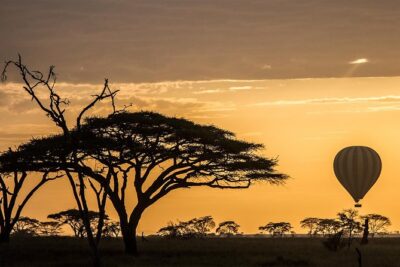 ★ 5.0Serengeti Balloon Safari and authentic bush breakfastFrom $5502,480 reviews
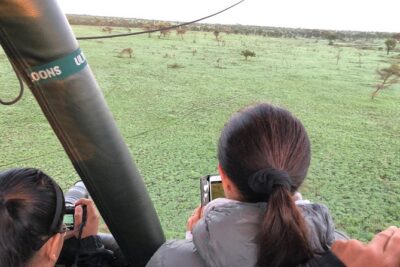 ★ 5.0Balloon Safari & Bush Breakfast in Serengeti – Miracle ExperienceFrom $5991,646 reviews
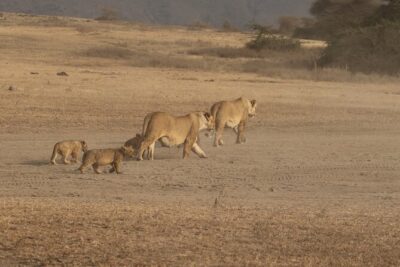 ★ 5.03 Days Serengeti & Ngorongoro Group Camping SafariFrom $815574 reviews
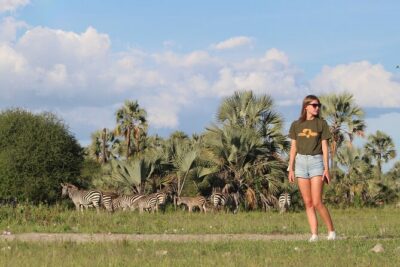 ★ 5.05-Day Highlights mid-Range Crater, Serengeti, TarangireFrom $2,327296 reviews
 ★ 5.0Safari Serengeti And NgorongoroFrom $2,845288 reviews
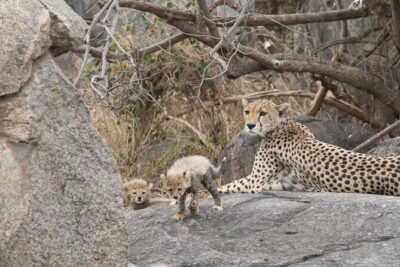 ★ 5.03-Day Classic Serengeti SafariFrom $1,455263 reviews
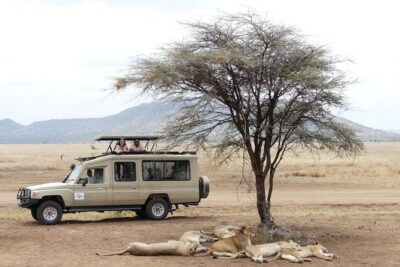 ★ 5.0Private 6-Day Tarangire Manyara Crater and Serengeti with Mid-Range LodgesFrom $2,685238 reviews
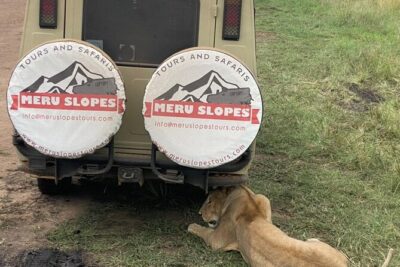 ★ 5.05 Days Camping Tarangire, Serengeti & Ngorongoro crater & Visiting MaasaiFrom $1,254229 reviews
Browse the lists this tour appears in