
REVIEW · SERENGETI NATIONAL PARK SAFARIS
5 Days Safari Tarangire, Serengeti, and Ngorongoro Crater
Five days of lion roars and baobab views. This private safari strings together Tarangire, Serengeti, and the Ngorongoro Crater for nonstop wildlife, from elephant herds to the rare black rhino. I love the close-up setup of the private safari vehicle, and I love the sheer animal density once you reach the crater. One consideration, the schedule starts early (6:30 am) and the days are long, so build in some patience for driving time.
I also like how the so-called camping feels more like a safari hotel in disguise. You sleep under canvas, but with proper beds, toilets, and real showers, and you are guided back to camp at night by a watchman using a whistle in each tent.
For the price, this trip looks strongest if you want a private experience with guides who can explain what you are seeing, and if you are happy spending your days in the bush. If you prefer a slower pace, or you get bothered by animal sounds at night, you might want to think about whether tent living is your thing.
In This Review
- Key moments you will remember
- The Northern Parks combo that makes 5 days feel full
- Arusha arrival at The Charity Hotel, then off to safari mode
- Tarangire National Park: baobabs, river pulls, and herds on the move
- Serengeti day: acacia plains, predator energy, and the migration pulse
- Ngorongoro Conservation Area en-route: a rim-side night at Rhino Hotel
- Ngorongoro Crater day: Big Five potential and Lake Magadi surprises
- Tented camps that are not really camping, plus night safety
- Your private vehicle and guide: how closeness actually happens
- Price and value: what $2,300 buys you, and what it does not
- Who should book this Northern Tanzania safari
- Should you book Shavi Tours and Safaris for this 5-day route?
- FAQ
- What time does the safari start?
- Is this safari private, or will I be sharing with others?
- Does the tour include pickup?
- Where do you stay on the first night?
- Where do you stay near Ngorongoro?
- What meals are included?
- Are park admissions included?
- What is not included in the price?
- Can I cancel and get a full refund?
Key moments you will remember
- Rooftop-up game viewing in a private vehicle that helps you spot animals fast
- Tarangire’s baobab grasslands and river-fed wildlife (especially in the dry season)
- Serengeti’s big-cat country plus migration energy during the rains
- Ngorongoro’s crater descent into one of the world’s largest intact calderas
- Lake Magadi flamingos and hippos showing up in the same dramatic bowl
- Tented comfort with a watchman system so nights still feel secure
More of the Serengeti, drive by drive
- Balloon Safari & Bush Breakfast in Serengeti – Miracle Experience★ 5.0 · 1,646 reviews
- 3 Days Serengeti & Ngorongoro Group Camping Safari★ 5.0 · 574 reviews
- 5-Day Highlights mid-Range Crater, Serengeti, Tarangire★ 5.0 · 296 reviews
- 3-Day Classic Serengeti Safari★ 5.0 · 263 reviews
The Northern Parks combo that makes 5 days feel full
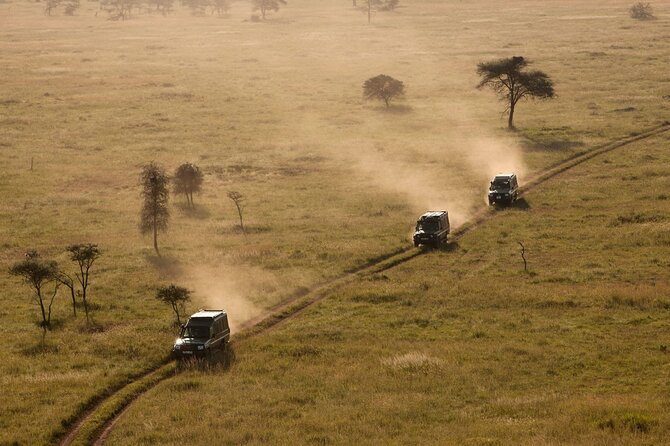
This is one of those safari routes that makes sense right away. Tarangire gives you scenic baobabs and river life, Serengeti delivers the world-famous plains and predator action, and Ngorongoro compresses huge biodiversity into a single, unforgettable geography. The value of the combo is that you get different types of wildlife habitat, not just the same scenery with different animals.
I also like that this is a private safari with your own driver and vehicle. That matters because you can spend less time waiting, and more time where animals actually are at that moment.
The pace is still busy. You should expect early mornings and long drives between parks. This trip is best for people who like being out in nature all day, not for those who want big chunks of free time.
Arusha arrival at The Charity Hotel, then off to safari mode
Day 1 is about getting grounded in Tanzania before the parks start eating your calendar. After you land at Kilimanjaro International Airport, a representative transfers you to Arusha, about a one-hour drive. You sleep at The Charity Hotel, roughly 3 km from the city center, with the Arusha airport only about 15 minutes away.
That hotel details matter more than you might think. When you are starting a safari early the next day, you want a predictable base, not a long commute or a chaotic check-in. The Charity Hotel also has practical in-room features like tea and coffee facilities and bathrooms with bath or shower, which helps when you have dust and long travel days coming.
Then comes the real work, mentally shift from airport pace to safari pace. Expect the next days to feel like you are living inside the wildlife calendar.
Tarangire National Park: baobabs, river pulls, and herds on the move
Tarangire is a favorite for a reason. The park has expansive views of baobab-studded grasslands, and it also has the Tarangire River, which stays permanent. In practical terms, that means animals keep returning to the water, especially during the dry season from June through November.
On the wildlife side, you are looking at a strong chance of seeing large herds like elephants, wildebeest, buffalo, zebra, and Grants’ gazelle. That is a very “classic safari” mix, but the way Tarangire sets it up feels different. You are not just driving through open plains. You are moving through a scenic system where trees, grass, and water all shape the action.
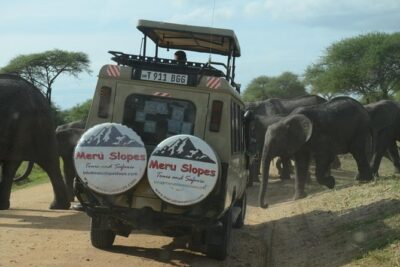
Your vehicle setup also supports seeing animals close up. Inside the parks, the rooftop goes up, and the vehicle includes 6 or 8 window seats, including the driver’s seat. The goal is simple: reduce barriers between you and the wildlife.
One small consideration is that animals can still be spread out. A private guide helps, but nothing is guaranteed in the bush. Tarangire’s river attraction boosts your odds more than many parks that rely only on random sightings.
Other ways down into the Ngorongoro Crater
Serengeti day: acacia plains, predator energy, and the migration pulse
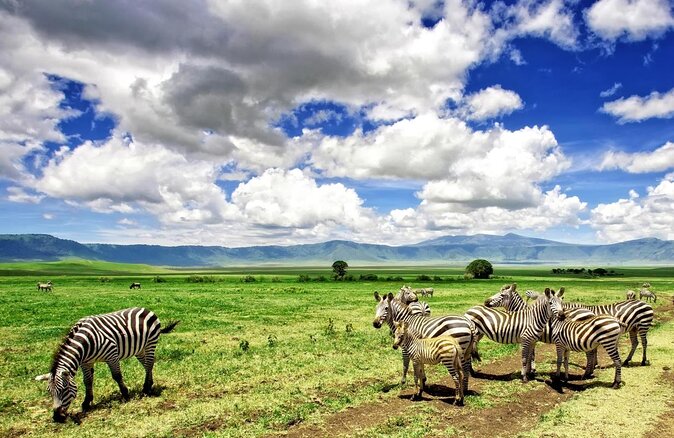
Serengeti is where people start talking in safari metaphors, the endless grass plains with acacia trees, the classic image everyone pictures. This tour leans into that, and it also gives you context for why the area feels alive year-round.
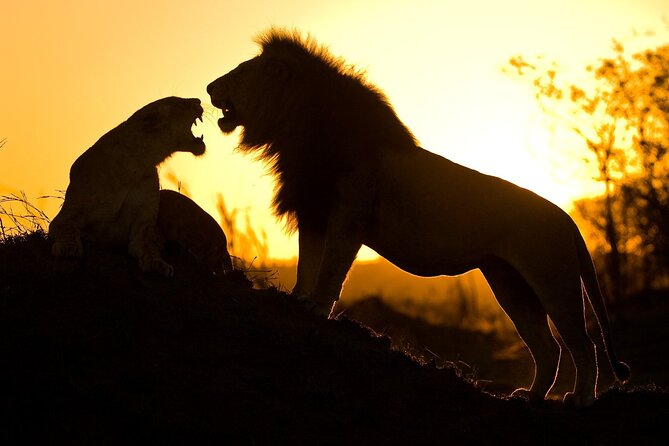
The big event you hear about is the wildebeest migration through Serengeti and Kenya’s Masai Mara Game Park. It is described as the largest land mammal movement on the planet, with more than a million animals following the rains. Even if you are not catching one exact migration moment, the point is that the plains are shaped by a rhythm that pulls predators, grazers, and scavengers into the same cycles.
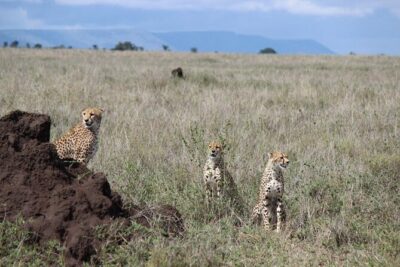
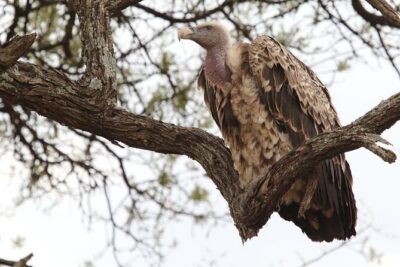
On top of migration, you can expect other wildlife highlights that Serengeti is famous for: lions, elephants, giraffes, and smaller grassland animals like gazelles and eland. This is the day you often feel the “hunting and waiting” side of safari, because big cats can be both present and hard to predict.
The tour runs long for a reason, about 10 hours. That gives your guide time to adjust your route as sightings happen. A shorter day would force more straight-line driving. Here, you get more flexibility.
Ngorongoro Conservation Area en-route: a rim-side night at Rhino Hotel
After breakfast, you do a morning game drive and then have an early lunch before heading to Ngorongoro. The drive is not treated like dead time. Your driver guides you through the route with explanations about en-route wildlife and natural beauty, which helps break up the travel into something more useful.
Then you spend the night outside the crater rim at Rhino Hotel, with dinner and overnight there. Staying just outside the crater rim is practical. It positions you well for the early morning crater visit without turning the descent and ascent into a chaotic day-long shuffle.
Rhino Hotel is your anchor point for Day 5. In safari terms, that matters because crater days require focus and timing. You do not want your morning to start with surprises like slow check-ins or last-minute logistics.
One consideration, the crater day is physically demanding for the simple reason that you descend into the crater floor. If you know you struggle with stairs or steep routes, plan accordingly.
Ngorongoro Crater day: Big Five potential and Lake Magadi surprises
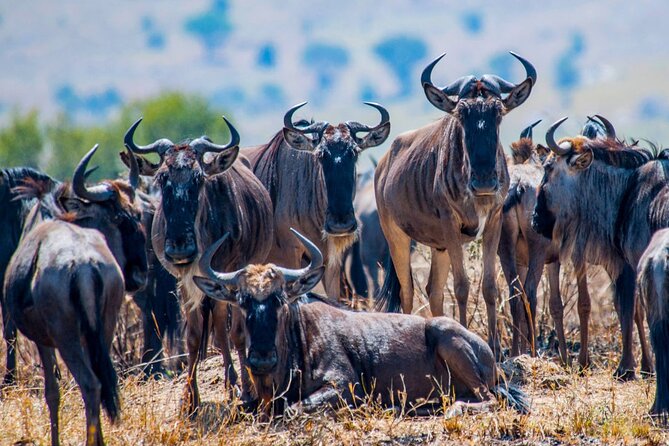
Ngorongoro Crater is the reason many people schedule an entire safari around it. The crater is described as the largest intact caldera in the world, formed by geology tied to a non-active volcano. Getting to the crater floor requires a significant descent, and that is part of the experience. You go from open-air rim views into a contained habitat where wildlife concentrates.
Wildlife viewing here is all about density. The tour states that all the Big Five animals can be found in the crater: elephant, black rhino, buffalo, leopard, and lion. The selling point for many people is the chance to see the rare black rhino. It does not mean you will see one, but it means the odds are higher here than in many places.
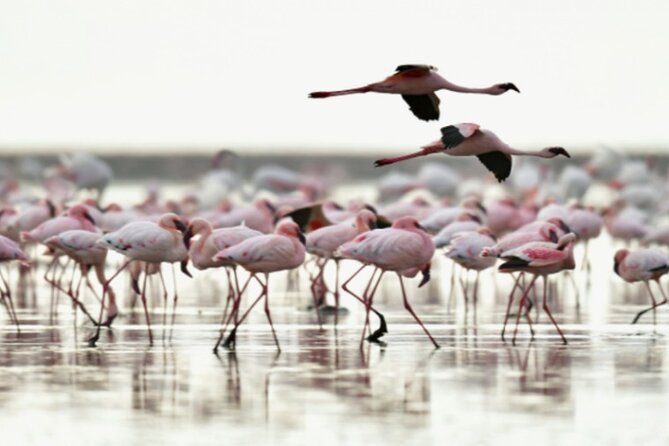
The crater also has its own water drama. Lake Magadi is an alkaline lake, and flamingos look for food there. Hippos cool down in sweet water pools after grazing outings at night. That mix of flamingos and hippos in the same crater ecosystem is exactly the kind of wildlife contrast that makes Ngorongoro feel special even if you have already seen elephants and predators in earlier parks.
This day is about more than ticking off species. You get a real sense of how a single geological bowl can hold multiple habitats and keep animals returning to reliable spots.
After lunch, you continue with a game drive. The key is that the crater day is structured so you do not rush straight through and miss the crater’s best viewing windows.
Tented camps that are not really camping, plus night safety
This safari uses “tented camps” that are more comfort-forward than the word camping makes it sound like. You sleep in a tent under canvas, but inside you have regular beds, a toilet, and a real shower. The tents are also described as being checked regularly by a team, and they are well-located for a sane safari schedule.
You should know about the soundscape. There is a good chance you hear hyenas crying or other animal sounds at night. The tour information is clear that it is absolutely safe. When it is dark after dinner, you are guided to your tent by a watchman, and there is a whistle in every tent to call the watchman.
That is one of the most practical details in the whole tour. If you are the type who worries about being alone at night, the whistle system and guided return can change the experience from “nervous” to “comfortable.”
If you are a light sleeper, the animal sounds might still bother you, but at least you will know what to expect.
Your private vehicle and guide: how closeness actually happens
This tour is built around the idea that you want a good seat and a good explanation, not just windshield miles. Your private driver comes with a private safari vehicle, and the information says the driver is well educated, knows the country and animals, and is passionate about what you are seeing.
That kind of guide is valuable because safari sightings often hinge on tiny clues. When an animal disappears into grass, the difference between “we missed it” and “we tracked it” is usually communication and decision-making.
The vehicle setup helps too. You get 6 or 8 window seats, including the driver’s seat, and inside parks the rooftop goes up. This is the kind of design that lets you see animals closer without contorting your body into a bad angle for hours.
Also, in most vehicles you can charge your phone or batteries. For most people, that matters because camera battery life is always worse than you plan for.
In short, this is not a “group minibus and hope” safari. It is a private viewing system.
Price and value: what $2,300 buys you, and what it does not
At $2,300 for 5 days, the best way to judge value is by what is included and how much is private. This is a private safari, and it covers multiple parks with a dedicated driver and private safari vehicle setup. It also includes meals across the trip: lunch 4 times, dinner 3 times, and breakfast 5 times.
You also have airport transfer on Day 1 from Kilimanjaro International Airport to Arusha via a representative. Pickup is listed as offered. That reduces the stress that can come with connecting flights and timing safari starts.
The itinerary also marks admission ticket as free for the park days shown, which is an important line item in many Africa safaris. If admissions are handled this way, it pushes the value in your favor.
What you still need to plan for is what is not included: tip and visa. Tipping is common in this type of service work, and the tour does not include it. You also need to budget for your visa separately.
So is it worth it? If you want privacy, comfortable tented accommodations with en-suite features, and a route that hits Tarangire, Serengeti, and Ngorongoro without cutting corners, it looks like solid value for the amount of ground you cover.
Who should book this Northern Tanzania safari
This safari fits best if you:
- Want private game drives through three top northern parks
- Like the idea of tented camps that are comfortable, with real showers and toilets
- Want a real shot at Ngorongoro crater wildlife, including black rhino potential
- Are okay with early mornings and long days outdoors
It also makes sense for first-time safari planners. The route offers the big icons, baobabs and river life in Tarangire, Serengeti’s predator and migration story, and Ngorongoro’s concentrated crater viewing.
If you hate long drives, or you cannot handle hearing animals at night, the tent experience may be a dealbreaker, even if the tour says it is safe and well managed.
Should you book Shavi Tours and Safaris for this 5-day route?
I would book this tour if your top goal is wildlife variety in a compact 5-day window, and you are excited about the “big crater morning” payoff. The private vehicle design and the early rim access for Ngorongoro are the two details that tell me the tour is engineered for sightings, not just transportation.
I would pause if you know you are sensitive to physical descent, or if the idea of tent nights with animal sounds makes you nervous. Also, because the schedule starts at 6:30 am, plan to be flexible about sleep.
If you match those conditions, this looks like a well-paced, high-value northern Tanzania safari.
FAQ
What time does the safari start?
The listed start time is 6:30 am.
Is this safari private, or will I be sharing with others?
This is a private tour/activity, so only your group participates.
Does the tour include pickup?
Pickup is offered, and the Day 1 plan includes a transfer from Kilimanjaro International Airport to Arusha.
Where do you stay on the first night?
Day 1 overnight is at The Charity Hotel in Arusha.
Where do you stay near Ngorongoro?
The night outside the crater rim is at Rhino Hotel, with dinner and overnight there.
What meals are included?
Lunch is included 4 times, dinner is included 3 times, and breakfast is included 5 times.
Are park admissions included?
The itinerary notes admission ticket free for the park days listed.
What is not included in the price?
Tips and visa are not included.
Can I cancel and get a full refund?
Yes. You can cancel up to 24 hours in advance for a full refund.
Tarangire and Its Baobabs
- 5-Day Highlights mid-Range Crater, Serengeti, Tarangire
★ 5.0 · 296 reviews - Private 6-Day Tarangire Manyara Crater and Serengeti with Mid-Range Lodges
★ 5.0 · 238 reviews - 5 Days Camping Tarangire, Serengeti & Ngorongoro crater & Visiting Maasai
★ 5.0 · 229 reviews - 4 Days Join Group tour Tarangire Serengeti and Ngorongoro crater
★ 5.0 · 219 reviews - 4-Day Safari from Arusha: Tarangire, Serengeti and Ngorongoro
★ 5.0 · 173 reviews
Still Thinking About the Crater?
- 3 Days Serengeti & Ngorongoro Group Camping Safari
★ 5.0 · 574 reviews - 5 Days Camping Tarangire, Serengeti & Ngorongoro crater & Visiting Maasai
★ 5.0 · 229 reviews - 4 Days Join Group tour Tarangire Serengeti and Ngorongoro crater
★ 5.0 · 219 reviews - 4-Day Safari from Arusha: Tarangire, Serengeti and Ngorongoro
★ 5.0 · 173 reviews - 2 Days Tarangire and Ngorongoro Group Camping Safari
★ 5.0 · 146 reviews
The Serengeti, Three More Ways
- Balloon Safari & Bush Breakfast in Serengeti – Miracle Experience
★ 5.0 · 1,646 reviews - 3 Days Serengeti & Ngorongoro Group Camping Safari
★ 5.0 · 574 reviews - 5-Day Highlights mid-Range Crater, Serengeti, Tarangire
★ 5.0 · 296 reviews - 3-Day Classic Serengeti Safari
★ 5.0 · 263 reviews - Private 6-Day Tarangire Manyara Crater and Serengeti with Mid-Range Lodges
★ 5.0 · 238 reviews
Just added from around Arusha
Serengeti National Park Safaris, compared.
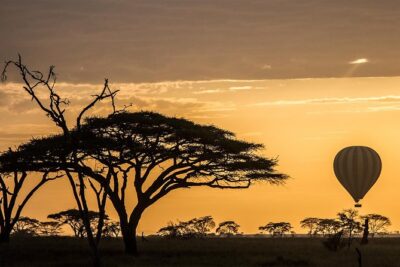 ★ 5.0Serengeti Balloon Safari and authentic bush breakfastFrom $5502,480 reviews
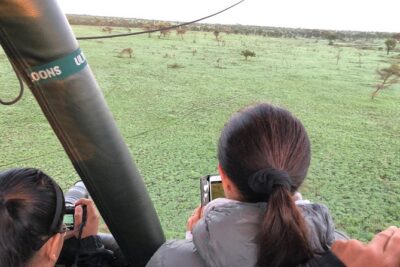 ★ 5.0Balloon Safari & Bush Breakfast in Serengeti – Miracle ExperienceFrom $5991,646 reviews
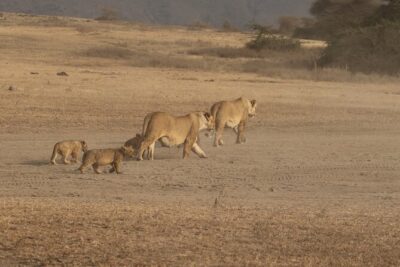 ★ 5.03 Days Serengeti & Ngorongoro Group Camping SafariFrom $815574 reviews
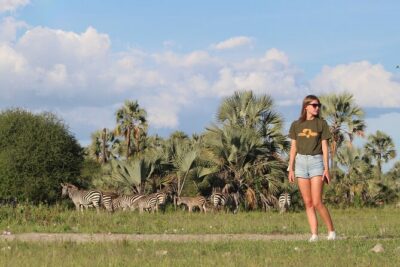 ★ 5.05-Day Highlights mid-Range Crater, Serengeti, TarangireFrom $2,327296 reviews
 ★ 5.0Safari Serengeti And NgorongoroFrom $2,845288 reviews
 ★ 5.03-Day Classic Serengeti SafariFrom $1,455263 reviews
 ★ 5.0Private 6-Day Tarangire Manyara Crater and Serengeti with Mid-Range LodgesFrom $2,685238 reviews
 ★ 5.05 Days Camping Tarangire, Serengeti & Ngorongoro crater & Visiting MaasaiFrom $1,254229 reviews
Browse the lists this tour appears in