
REVIEW · MULTI-DAY NORTHERN CIRCUIT SAFARI PACKAGES
5 Days Mid-Range Group Safari with Accommodation
Five days of wildlife, well paced. This mid-range group safari from Arusha strings together Tarangire, Lake Manyara, Serengeti, and Ngorongoro Conservation Area with certified guides and meals included all through the trip. I like the small group setup (max 7), which usually means fewer bottlenecks on game drives and more time to ask questions.
One thing to weigh is the pace. You’ll be in and out of vehicles for long chunks (often 6 to 8 hours), with early starts on safari days, and Ngorongoro runs on a sunrise schedule. If you want a slow, loungey vacation, this route might feel like a sprint.
In This Review
- Key highlights I’d plan around
- The “mid-range” sweet spot: comfort that doesn’t steal your focus
- Day 1 in Tarangire: baobabs, elephants, and a good first-game-drive setup
- Lake Manyara: early morning spotting, flamingos, and tree-climbing lion chances
- Serengeti days: Rift Valley travel time and a second chance for predator action
- Ngorongoro Conservation Area and the crater tour: sunrise is the main event
- Where you sleep and how the “mid-range” comfort shows up
- Guides, vehicles, and spotting: why this trip feels consistent
- Price and value check: what you pay for at $1,800 per person
- Who this safari suits best, and who should pause
- Should you book the Suricata Safaris 5-day safari?
- FAQ
- What parks are included on this 5-day safari?
- Is pickup offered, and where does the trip start?
- Are meals included in the price?
- Are park admission tickets included?
- How many people are in the group?
- What is the cancellation window for a full refund?
Key highlights I’d plan around
- Small group size (max 7) for more personal guiding and easier spotting from the vehicle
- Tarangire, Lake Manyara, Serengeti, and Ngorongoro in one tight 5-day route
- Park admission listed as free for this itinerary
- Ngorongoro sunrise and crater tour for serious wildlife concentration
- Meals are built in (breakfast, lunch, dinner included across the days)
- A certified guide who helps you read animal behavior, not just hunt for sightings
Longer northern circuit routes, side by side
- Tanzania Classic – 7 Days★ 5.0 · 1,151 reviews
- Tanzania Wildlife Encounters – 6 Days★ 5.0 · 277 reviews
- Group Safari 7 Days in Tanzania’s Main Parks★ 5.0 · 240 reviews
- 4 Days Join Group tour Tarangire Serengeti and Ngorongoro crater★ 5.0 · 219 reviews
The “mid-range” sweet spot: comfort that doesn’t steal your focus
A mid-range safari lives or dies on balance. You want a solid bed after game drives, decent meals, and clean, comfortable downtime. This trip’s structure is built for that rhythm: long wildlife hours in the parks, then a place to reset before the next drive.
The practical advantage of mid-range is that you do not need to sacrifice much time to logistics. You have a set rhythm of breakfasts, lunches, and dinners included, and the itinerary is paced so you are not constantly searching for food or figuring out where to be next. That matters on safari days, when your brain is already running on schedules and animal spotting.
One more thing I appreciate here is the vehicle time is used with intent. The route is not random hopping. You start with Tarangire, shift into Lake Manyara, then move into Serengeti plains, and finally finish with Ngorongoro’s crater experience. That order is handy because it builds momentum: first big landscapes and classic animals, then Serengeti’s action, then Ngorongoro’s concentrated payoff.
Day 1 in Tarangire: baobabs, elephants, and a good first-game-drive setup
Tarangire National Park is a strong kickoff because it mixes “wow factor” scenery with wildlife that is often easy to spot. You leave Arusha after breakfast, and the drive is listed at about two hours. That means you are not stuck transferring all morning before the first real sightings.
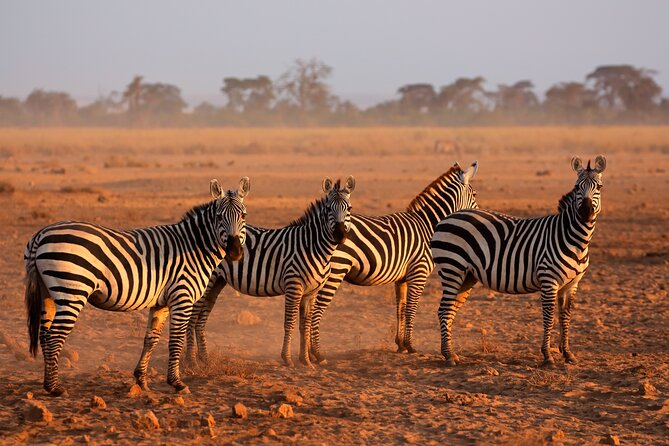
Once you arrive, your day centers on a game drive with time to slow down. Tarangire is known for the giant baobab trees, and that gives you an immediate sense of place. You’ll also be looking for elephants, zebras, and giraffes. I like how the day includes both a daytime drive and an afternoon continuation. A single drive can feel rushed, but two portions give you a better chance to catch different animal activity.
Lunch is a picnic lunch, which is exactly what you want after hours of driving. Then you wrap up by heading back to your lodge for the night, with the day ending at a pace that lets you rest. If you are new to safari timing, Day 1 is a friendly orientation, not a hard landing.
Lake Manyara: early morning spotting, flamingos, and tree-climbing lion chances
Lake Manyara has a different feel from Tarangire. Instead of the big open feel, you get lush pockets and a more layered habitat, with forest, open woodland, and a soda lake that can pull in large flocks of birds. Your game drive starts early, which is a big deal. Animals often move more in the cooler hours, and birds and predators can be easier before the day heats up.
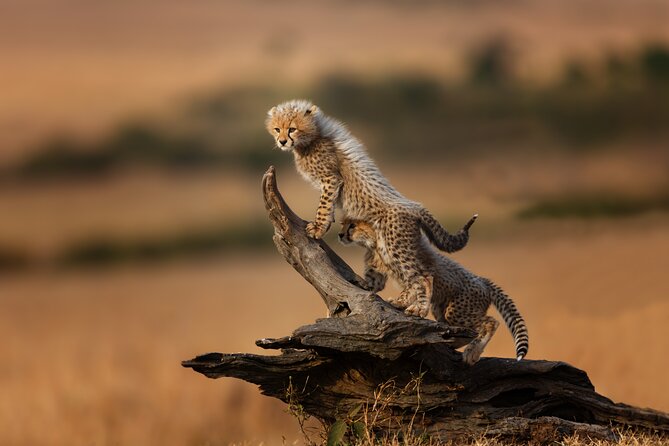
This park is tied to flamingos, and it’s also where Lake Manyara’s famous tree-climbing lions may show up. That is not guaranteed, but the fact that your itinerary explicitly includes the possibility tells you your guide is watching for the right spots and behavior.
In addition to the headline animals, you’re also on the lookout for baboons, zebra, and lots of bird species. That is a plus if you enjoy wildlife variety more than just one target. It also helps with photo sessions, because you are not only waiting for one dramatic moment.
Your day again includes a picnic lunch, then continues with more time for wildlife and scenery before heading to overnight. If your goal is learning to spot, Lake Manyara is a good lesson day. The park’s mix of habitats means you learn to scan more broadly, not just stare at the grassline.
Lodge safaris in the same bracket
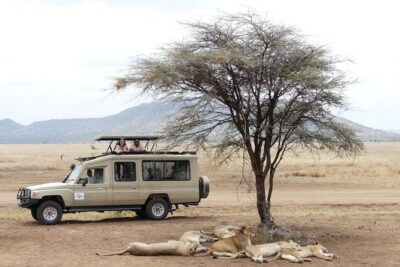
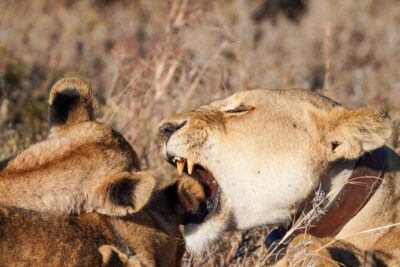
Serengeti days: Rift Valley travel time and a second chance for predator action
Serengeti is where most people’s safari expectations get confirmed or revised. Here, you get time in Serengeti across two days, which I think is the key value of this itinerary. One day can be magical, but two days usually means you get a better range of animal behavior.
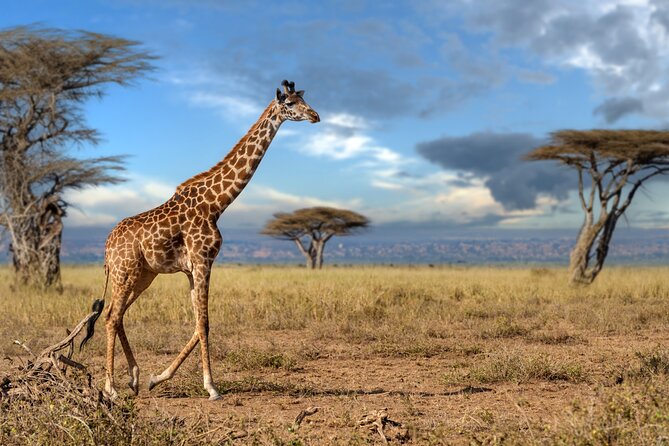
On Day 3, you travel from the Lake Manyara area into Serengeti. The drive is described as scenic, with Rift Valley views along the way. While you are on the road, you keep your eyes open for wildlife like wildebeest, giraffes, and even curious gazelles. That matters because it makes the travel part feel like part of the safari, not just a transfer.
Once you arrive, you begin a game drive in Serengeti. Then Day 4 brings a final morning game drive. Early hours are called out as especially good for spotting predators on the move. That’s a smart call. Predators often have a rhythm, and morning light plus animal movement can improve your odds.
After the morning drive, you have lunch, then you head toward Ngorongoro Conservation Area. You arrive in the evening and sleep near the crater area so Day 5 can start at sunrise. This is a practical design. It avoids a long, early morning transfer that would steal time from the crater experience.
Ngorongoro Conservation Area and the crater tour: sunrise is the main event
Ngorongoro is the finale for good reason. Waking early for sunrise over the crater is a classic move because it changes the whole mood, and it also lines up with the best chance of seeing animals in active positions below.
Day 5 begins with that sunrise moment, then you go into the crater with a guided tour. The crater is described as one of the world’s unique wildlife havens, and your odds include seeing a wide variety of animals, including the Big Five in their natural habitat. The important word here is natural habitat. Your guide’s job is to help you read behavior and position you for views.
The day structure is thoughtful: you spend time exploring different ecosystems inside the crater, from lush areas to more open grasslands. Then you enjoy a hot picnic lunch while taking in the views. That hot lunch detail is more than comfort. On crater days, conditions can shift, and a warm meal can keep you focused on spotting instead of just surviving the temperature.
In the afternoon, you head back toward Arusha. So the crater is not treated like a quick stop. You get it as a full day activity with time to slow down, scan, and let the wildlife come to you.
Where you sleep and how the “mid-range” comfort shows up
Accommodation is included throughout, and the idea is simple: you need a place to recover without turning your safari into a hotel vacation. The trip is described as cozy and comfortable, a retreat after each day’s adventures.
In the feedback you provided, some lodge names come up. A few examples include Suricata Boma Lodge near Manyara Lake, Tanzania Bush Camp in Serengeti, and a Tortillis Camp noted in one account. Whether your specific stay matches those names, the pattern is consistent: you sleep close enough to your driving schedule that you do not lose half your day to transit.
Food also gets attention. Many accounts highlight good meals and clean, comfortable lodges. One specific detail that stands out is that some departures mention a chef preparing lunch each day. Even if that detail varies, the itinerary itself is clear that breakfast is included four times, lunch five times, and dinner four times, so you should expect meals to be part of the flow, not an afterthought.
A reasonable consideration: one account notes accommodations were sometimes more luxurious than described as mid-range. That is not a downside. It just means your expectations might be pleasantly exceeded, and you should not worry if your stay feels like a step up.
Guides, vehicles, and spotting: why this trip feels consistent
On safari, the guide matters as much as the park. This operator includes a certified guide, and your trip experience depends on how well the guide turns wildlife sightings into real understanding.
In the names attached to the experience, you can see that guiding is treated as the main work: Adam, Amiri, Fredy, Damian Daniel, Damien, Freddie, Philix, Rocky, Felix, Elias, Barik, and Rasta Man are all mentioned in the feedback you supplied. That suggests the company puts real effort into getting skilled people behind the wheel and into the spotlight of interpretation.
What you should look for, even before you go, is how your guide handles three things:
- locating animals without wasting your time
- giving clear, practical information about fauna and vegetation
- choosing good photo spots without turning the drive into a traffic jam
Your itinerary gives your guide chances to do this because it includes multiple game drives across several parks. So you are not stuck with one drive that either works or does not.
Also, the group size is capped at 7 travelers, which is a real advantage. Smaller groups tend to move more smoothly when the vehicle is searching, and it’s easier for the guide to manage questions and keep everyone oriented.
Price and value check: what you pay for at $1,800 per person
At $1,800 per person for 5 days, this is not a bargain-basement safari, but it also does not read like a luxury-only budget. What makes it feel reasonable is what’s included.
You get:
- a certified guide
- accommodations for the trip
- breakfast, lunch, and dinner on the schedule listed
- park admission marked as free in the itinerary
- pickup offered and a mobile ticket
The value play here is time and stress reduction. You are paying for someone to connect the dots between parks, handle the day-to-day flow, and put you in the right place at the right hour. When you add that to included meals, the cost is easier to justify because you are not counting day after day of restaurant decisions.
One practical note: the tour duration is listed as approx. 5 days, and the driving blocks are long. If you hate being in a vehicle, this might feel expensive for the time you spend traveling. But if you want maximum time in real safari terrain, the structure is built to serve that.
Who this safari suits best, and who should pause
This trip is a good match if you want:
- a classic Tanzania circuit in a short time window
- a small-group experience with a single certified guide
- multiple chances for Big Five type opportunities, especially with Ngorongoro as the finale
- meals and lodging arranged so you can focus on the wildlife
It’s also described as suitable for most people and includes a maximum group size of 7. One account even mentions solo travel working smoothly, which makes sense given the smaller group and guided structure.
You might pause if:
- you want a low-energy, slow vacation with lots of downtime
- you are sensitive to early starts, especially for sunrise at Ngorongoro
- you prefer fewer long driving blocks during a trip
Also, remember this is a group safari. Even when it is well run, you share the rhythm with the people in your group.
Should you book the Suricata Safaris 5-day safari?
I’d book this safari if your goal is a well-paced Tanzanian wildlife circuit with included meals, included guide, and small-group structure. Tarangire sets the tone, Lake Manyara adds habitat variety and birdlife, Serengeti gives you time for plains action, and Ngorongoro is treated like the main event with sunrise and a full crater day.
I would not book it if you want lots of free time, lots of independent wandering, or you dislike long vehicle days. This itinerary is for people who want the safari to be the center of the trip, not the side quest.
FAQ
What parks are included on this 5-day safari?
The itinerary includes Tarangire National Park, Lake Manyara National Park, Serengeti National Park, and Ngorongoro Conservation Area (including the crater experience).
Is pickup offered, and where does the trip start?
Pickup is offered, and the trip starts from Arusha. The itinerary notes departure from Arusha after breakfast on Day 1 and return toward Arusha at the end.
Are meals included in the price?
Yes. Breakfast is included 4 times, lunch is included 5 times, and dinner is included 4 times, based on the tour’s inclusions.
Are park admission tickets included?
Park admission tickets are listed as free in the itinerary for the safari days.
How many people are in the group?
This tour has a maximum of 7 travelers.
What is the cancellation window for a full refund?
Free cancellation is offered. You can cancel up to 24 hours in advance for a full refund. If you cancel less than 24 hours before the start time, the amount paid is not refunded.
More Lodge Safaris
- 7-Day Premium Luxury Tanzania Safari All-Inclusive
★ 5.0 · 426 reviews - 5-Day Highlights mid-Range Crater, Serengeti, Tarangire
★ 5.0 · 296 reviews - Private 6-Day Tarangire Manyara Crater and Serengeti with Mid-Range Lodges
★ 5.0 · 238 reviews - 5 Days Best of Tanzania Luxury Safari Northern Circuit
★ 5.0 · 174 reviews - 5-Day Private midrange Tour in Arusha with Airport Pickup
★ 5.0 · 160 reviews
Longer Trips Through the North
- Tanzania Classic – 7 Days
★ 5.0 · 1,151 reviews - 7-Day Premium Luxury Tanzania Safari All-Inclusive
★ 5.0 · 426 reviews - Tanzania Wildlife Encounters – 6 Days
★ 5.0 · 277 reviews - Group Safari 7 Days in Tanzania’s Main Parks
★ 5.0 · 240 reviews - 4 Days Join Group tour Tarangire Serengeti and Ngorongoro crater
★ 5.0 · 219 reviews
Just added from around Arusha
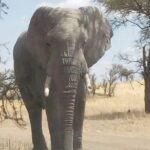
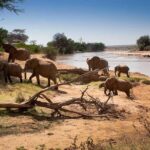
Multi-Day Northern Circuit Safari Packages, compared.
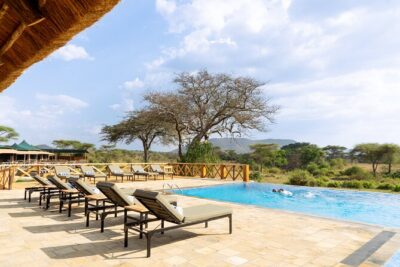 ★ 5.07-Day Premium Luxury Tanzania Safari All-InclusiveFrom $4,840426 reviews
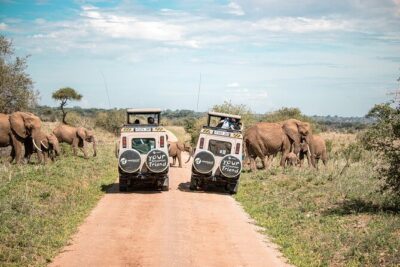 ★ 5.0Tanzania Wildlife Encounters – 6 DaysFrom $3,413277 reviews
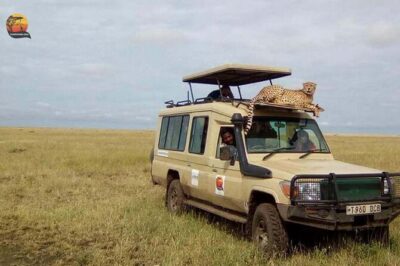 ★ 5.0Group Safari 7 Days in Tanzania’s Main ParksFrom $3,000240 reviews
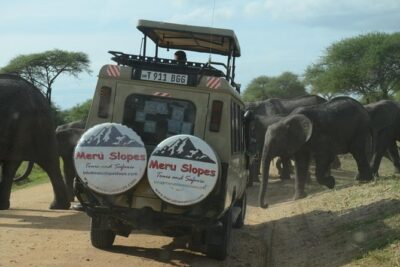 ★ 5.04 Days Join Group tour Tarangire Serengeti and Ngorongoro craterFrom $1,090219 reviews
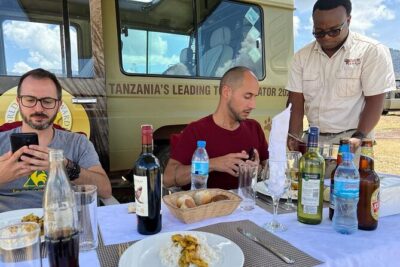 ★ 5.05-Day Private Northern Tanzania Safari from ArushaFrom $2,780182 reviews
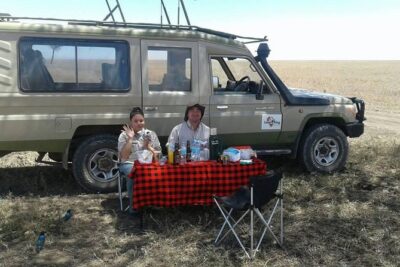 ★ 5.05 Days Best of Tanzania Luxury Safari Northern CircuitFrom $3,744174 reviews
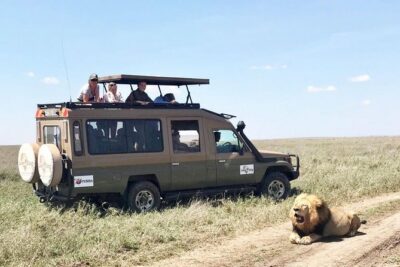 ★ 5.08 Day Spectacular Migration Serengeti mid -Range Tanzania SafariFrom $4,257161 reviews
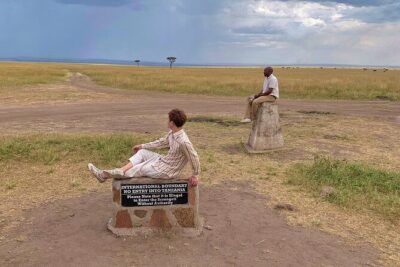 ★ 5.0Multi-Day Tanzania Odssey Safari from ArushaFrom $4,164120 reviews
Browse the lists this tour appears in