
REVIEW · SERENGETI NATIONAL PARK SAFARIS
5 Day Serengeti, Tarangire, & Ngorongoro & Manyara Grass Root Safari.
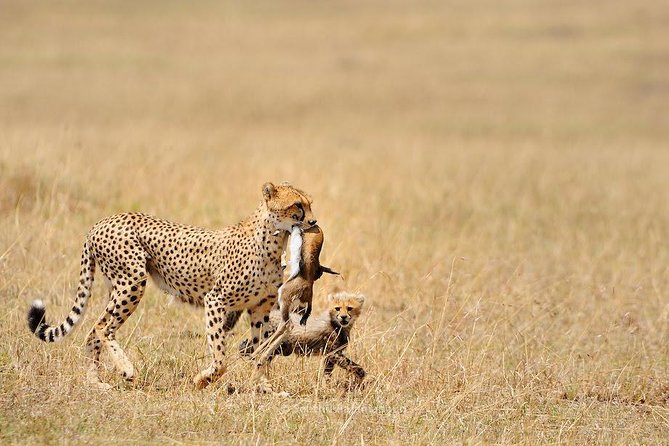
Craters and elephants in five days. This Northern Circuit safari strings together Tarangire and the Ngorongoro Crater for long wildlife days and dramatic scenery, with Serengeti and Lake Manyara in the mix too. I especially like the first-day rhythm in Tarangire, where the elephants are a headline act along the Tarangire River, and I also like the early descent into Ngorongoro, plus the picnic lunch at the hippo pools. The main drawback to plan for is the pace, with early starts and some bumpy drives inside the crater area that can feel tiring if you want a slow vacation.
What makes it practical is that this is run as a small-group safari, with a maximum of 7 travelers, and you get pickup support in Arusha from the airport or hotel. Just know the tour depends on good weather, so if conditions are rough, you might be offered a different date.
In This Review
- Key highlights worth packing for
- Entering Tanzania’s Northern Circuit: what this 5-day route really delivers
- Day 1, Arusha to Tarangire: elephants, river life, and your first wildlife check
- A practical expectation for Tarangire
- Day 2, Ngorongoro Conservation Area views into Serengeti: the journey sets the mood
- What you should do in Serengeti
- Day 3, the Endless Plain in Serengeti: big mammals plus serious birding
- A note on comfort and food
- Day 4, Ngorongoro Crater morning: early descent, hippo pools, and black rhino hopes
- What makes this day special
- Day 5, Lake Manyara: flamingos, monkeys, and a calmer close
- How to end the safari well
- Who runs the show: guides, drivers, and small-group value
- Price and value: what $1,100 buys you in real safari time
- Packing and comfort tips that match the itinerary
- Weather and timing: what can affect your day
- Should you book this grass-root safari route?
- FAQ
- What time does the safari start?
- Where will I be picked up?
- How many travelers are on this safari?
- Which parks are included?
- How long is the safari?
- Is a mobile ticket provided?
- How much does it cost?
- What if the weather is poor?
- When can I cancel for a full refund?
- Are service animals allowed?
Key highlights worth packing for
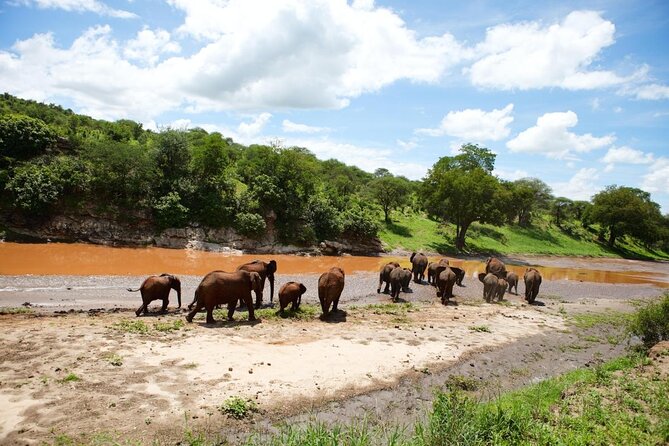
- Tarangire elephant focus right from day one, driven by the river that draws wildlife in.
- Ngorongoro Crater early descent with a fast shot at big animals and wide bird life.
- Serengeti Endless Plain game drives with the chance to see wildebeest, zebra, and other large mammals.
- Manyara flamingos and birds plus wildlife sightings around Lake Manyara.
- Small group size (max 7) which helps keep drives and logistics smooth.
More of the Serengeti, drive by drive
- Balloon Safari & Bush Breakfast in Serengeti – Miracle Experience★ 5.0 · 1,646 reviews
- 3 Days Serengeti & Ngorongoro Group Camping Safari★ 5.0 · 574 reviews
- 5-Day Highlights mid-Range Crater, Serengeti, Tarangire★ 5.0 · 296 reviews
- 3-Day Classic Serengeti Safari★ 5.0 · 263 reviews
Entering Tanzania’s Northern Circuit: what this 5-day route really delivers
If you want the classic Northern Tanzania highlights without doing a complicated planning puzzle, this route is built for you. In five days you hit four famous areas, moving in a loop that keeps you close to the action: Tarangire first, then Serengeti plains for the migration story, then Ngorongoro for the crater game viewing, and finally Lake Manyara for waterbirds and a different kind of wildlife scene.
The value here is not only where you go, it is how the days are structured. You get multiple game-drive sessions, including one early crater morning and a full day inside the caldera, and you also get picnic lunch moments that break up the travel. You are not just “passing through parks,” you are actually spending enough time in each place to feel the difference between ecosystems.
That said, this is a safari circuit, so you should expect long days in a safari vehicle. The crater descent happens early, and the tracks can be bumpy. If you hate early mornings or you get motion-sick easily, this is the part to think through before you book.
Day 1, Arusha to Tarangire: elephants, river life, and your first wildlife check
The day starts with pickup and a drive of about 120 km on tarmac toward Tarangire National Park. You are meeting your guide and driver at the airport or hotel, and you begin with game drives right away. That matters, because you do not waste your first day waiting around for park time.
Tarangire is named for the Tarangire River, and that is not trivia, it is the whole wildlife logic. When the river is active, animals concentrate around water, and that is when you can get those rewarding sightings fast. Elephants are the big draw here, with the park known for multiple elephant family groups that can add up to around a thousand in the broader area.
During your game drive, you are aiming at a mix of savannah favorites: zebra, wildebeest, buffalo, elephant, and giraffe. Lions and leopards are also part of the hunt. One review even credits the guide with showing animals including the Big Five, which is a reminder that good sightings are often about the guide’s ability to read movement and get you to the right viewing angles.
A practical expectation for Tarangire
Tarangire is a “do not blink” park. When wildlife is near water, it can change fast, so I’d go with a simple plan: keep your eyes forward, grab photos when the group stops moving, and let your guide handle the steering. If you want a relaxed first day, aim for comfortable clothes, water, and patience. You will likely feel the day by evening.
Other ways down into the Ngorongoro Crater
Day 2, Ngorongoro Conservation Area views into Serengeti: the journey sets the mood
After breakfast, the drive shifts toward the fertile highlands where wheat, coffee, and corn are grown by the Iraqw people. This is one of those stretches where you get brief glimpses of how land use changes as you climb and move toward the conservation zone.
You pass through the Ngorongoro Conservation Area, where you can get views of the Ngorongoro Crater before continuing on to Serengeti National Park. Reaching Serengeti by midday is a smart pacing choice, because it gives you time to settle in before the next wildlife-focused day.
Once you are on the plains, Serengeti gives you scale. The park covers about 15,000 km², with varied habitats including grassy plains, swamps, lakes, savannah, and mountainous zones. The big attraction is the migration story, where wildebeest, zebra, and antelope move in response to seasonal conditions.
Serengeti is also one of those parks where birds add a lot of value to the drive. Expect a long list of species, and in this circuit you are moving on days when bird life is part of the daytime experience, not only a side interest.
What you should do in Serengeti
Do not lock yourself into one expectation like seeing migration babies or a specific herd crossing. Instead, focus on seeing the whole system: grazers on open ground, predators watching edges, and birds moving in quick bursts. You will get more satisfaction that way, even if the exact animals are not in the exact place at the exact moment.
Day 3, the Endless Plain in Serengeti: big mammals plus serious birding
On your Serengeti day, you start with breakfast and then head out to enjoy game drives on the Endless Plain. The key fact here is the density. You are told about over three million large mammals in the park area, and that is why Serengeti keeps feeling alive even when you are not chasing a dramatic moment.
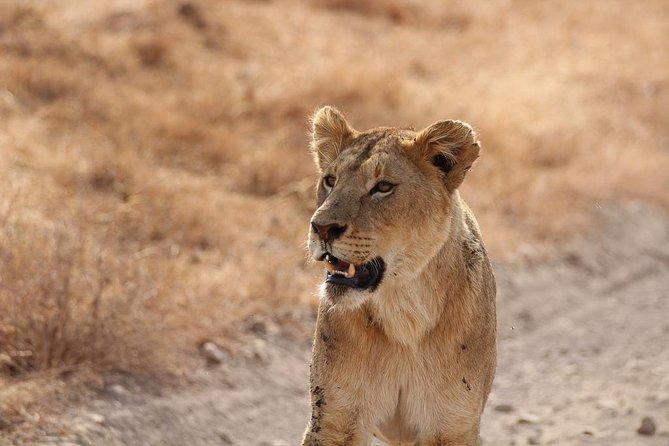
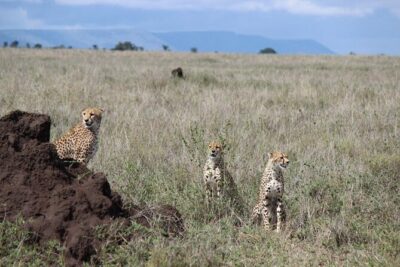
You are looking for the migration herds, but you are also scanning for other predators and browsers: cheetah, lion, leopard, buffalo, hartebeest, topi, eland, plus antelope types like Thomson’s and Grant’s gazelle. There are also crocs around water edges when conditions bring you close enough to spot them.
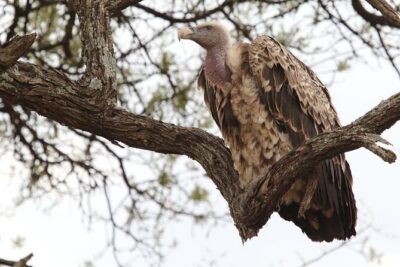
Bird lovers get a real win. Serengeti has over 500 bird species identified, and you may spot species such as secretary bird, marabou stork, ostrich, and the kori bustard, which is described as the largest flighted bird on Earth.
By late evening, the plan is to drive toward the crater rim area for dinner and overnight at a camp in the Simba public campsite area. This “timing trick” matters because it sets you up for the next day’s early crater descent.
A note on comfort and food
You are driving a lot, so the meals matter. Multiple reviews call out good food and a chef who prepared nice breakfasts and dinners. That is not a small detail, because it affects how “enjoyable” the tough days feel. Pack light, eat well, and sleep when you can, because the next morning comes early.
Day 4, Ngorongoro Crater morning: early descent, hippo pools, and black rhino hopes
Day four is the day most people remember, mainly because of the timing. You rise at 0600 hrs, eat breakfast, then descend a bumpy winding track into the crater. The drive is described as passing through several climatic zones quickly, which is why this crater feels like it is switching worlds in minutes.
Game viewing inside Ngorongoro starts fast. You can see animals like wildebeest, zebra, gazelle, and elephant pretty quickly, plus bird life since the area has more than 500 bird species called out in the itinerary.
There is also a specific wildlife hope baked into this day: with luck, you might glimpse the endangered black rhino through grass. That is a “chance,” not a guarantee, and you should treat it that way. The best way to maximize your odds is to stay calm, sit still when the guide stops, and let the guide explain why a spot makes sense.
After that, you have a picnic lunch at the hippo pools. It is a nice break because it is still inside the crater experience, not a detour that eats your time. Then you continue with a full afternoon inside the caldera.
What makes this day special
Ngorongoro is often called one of Africa’s wonders, and it is also UNESCO world heritage. The practical payoff is this: the crater concentrates animals into a tight area, which makes it easier to find and compare sightings as the day progresses. If you like seeing the whole animal list in a relatively controlled viewing setting, this is where you get it.
In one of the reviews, people highlighted seeing Big Five animals. That lines up with the fact that Ngorongoro has strong chances for multiple large mammals, including rhino, and with Tarangire and Serengeti feeding into your overall odds.
Day 5, Lake Manyara: flamingos, monkeys, and a calmer close
The final day shifts to Lake Manyara National Park. You get a morning pickup from the previous night’s area for a drive of about 130 km on good tarmac road, with a picnic lunch on board. Along the way, you pass Maasai roadside scenes where people tend cattle in colorful traditional clothing, framed by sweeping Rift Valley scenery.
Once you arrive, Manyara becomes a different kind of wildlife day. It is known for flamingos, and the bird numbers are again impressive, with over four hundred bird species mentioned in the itinerary. If you loved Serengeti’s bird life, Manyara can feel like a reward.
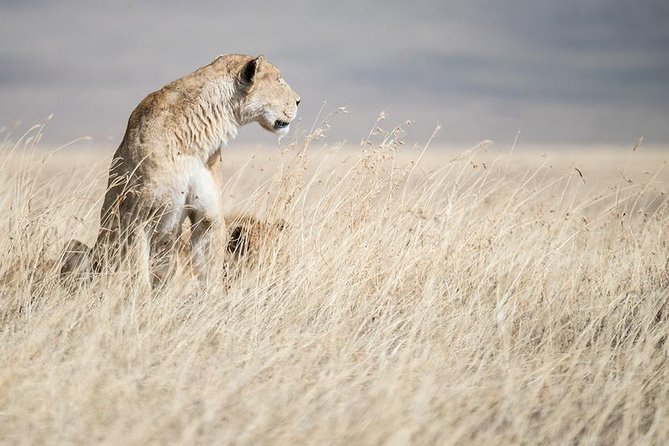
Wildlife possibilities include lion, hippo, elephant, zebra, buffalo, giraffe, plus baboon, blue and vervet monkeys, and warthog. The big theme is variety, because you move from waterbird focus to broader savannah species.
How to end the safari well
By day five, you might feel safari fatigue. To keep the day fun, I’d choose a small set of goals. For example, aim to photograph flamingos and then focus on a short list of mammals. That way you do not spend the last hours grumpy because every spot is not perfect.
Who runs the show: guides, drivers, and small-group value
This safari is offered by Signature Safari, and the reviews paint a clear picture of service culture. Pickup and drop-off are repeatedly described as smooth, with the owner Innocent involved in care when needed. One review says Innocent picked the traveler up from the airport and handled everything on arrival, plus answered questions about staffing and the overall plan.
You may also encounter different guides and drivers depending on your dates. Names that showed up include David, Apollo, Sulley, Marco, Adam, and Opolo. That matters because good guiding is not only about knowing animals, it is about spotting patterns fast and keeping the day flowing.
One reviewer also noted that their guide spoke Italian, even though they did not request it. So if you care about language support, it is worth asking during booking, but you should not assume everyone speaks every language.
The small-group cap of max 7 travelers is the quiet superpower here. With fewer people, game drives can feel less rushed, and your guide can spend more time explaining and adjusting stops based on what you are seeing.
Price and value: what $1,100 buys you in real safari time
At $1,100 per person, this is positioned as a budget safari circuit while still stacking major parks into one trip: Tarangire, Serengeti, Ngorongoro Crater, and Lake Manyara across about five days.
Here is why that number can feel fair based on what you actually get:
- Pickup support is included, meeting you at the airport or hotel.
- You get multiple game-drive days, including crater time with an early start.
- You get picnic lunches during travel and crater viewing.
- There is small-group structure with a maximum of 7.
- Lodging in Serengeti and Ngorongoro areas is described as excellent in reviews, and food quality comes up repeatedly, including breakfasts and dinners.
Where you should be careful is not the cost, it is your expectations. If you want a private safari with custom timing, this group format might feel too structured. If you want a solid route with strong animal potential and a workable price, this circuit checks the boxes.
Packing and comfort tips that match the itinerary
Since the schedule includes early starts and some bumpy drives, pack for comfort more than style. Practical items I’d bring:
- A light layer for early mornings, especially the 0600 hrs crater day.
- Motion-sickness help if you usually get carsick on uneven roads, since crater track descents can be rough.
- Sun protection for open plains days in Serengeti and savannah time in Tarangire.
- Refillable water and snacks for breaks, even though picnic lunches are part of the plan.
Also, plan your phone camera strategy. In a safari vehicle, the best shots happen when you are ready before the animals appear, not when you are fumbling with settings. Quick practice at home helps a lot.
Weather and timing: what can affect your day
This experience requires good weather. If conditions are poor enough to cancel, you are offered a different date or a full refund. That means you should keep your schedule flexible around travel dates if possible.
Timing also shapes your sightings. The early crater morning is designed for better chances. So if you feel tempted to sleep in, resist that urge. The whole point is to be ready for the descent when the day is still fresh.
Should you book this grass-root safari route?
You should book if you want a straightforward Northern Circuit safari that hits four iconic areas in five days, with small-group size and pickup support. It is a strong choice for first-timers who want the big names: Tarangire elephant country, Serengeti plains, Ngorongoro crater viewing, and Manyara for flamingos and birds.
I would think twice if you hate early mornings or you get uncomfortable on rough tracks, because day four includes a crater descent on a winding bumpy road and starts at 0600 hrs. If you are sensitive to that, consider a slower itinerary or plan to add comfort upgrades where possible.
FAQ
What time does the safari start?
The start time listed is 8:30 am.
Where will I be picked up?
Pickup is offered from the airport or your hotel in the Arusha area.
How many travelers are on this safari?
This tour has a maximum of 7 travelers.
Which parks are included?
The route includes Tarangire National Park, Serengeti National Park, Ngorongoro Conservation Area (Ngorongoro Crater), and Lake Manyara National Park.
How long is the safari?
The duration is 5 days (approx.).
Is a mobile ticket provided?
Yes, the tour includes a mobile ticket.
How much does it cost?
The price listed is $1,100.00 per person.
What if the weather is poor?
If the experience is canceled due to poor weather, you’ll be offered a different date or a full refund.
When can I cancel for a full refund?
You can cancel up to 24 hours in advance of the experience for a full refund.
Are service animals allowed?
Yes, service animals are allowed.
Tarangire and Its Baobabs
- 5-Day Highlights mid-Range Crater, Serengeti, Tarangire
★ 5.0 · 296 reviews - Private 6-Day Tarangire Manyara Crater and Serengeti with Mid-Range Lodges
★ 5.0 · 238 reviews - 5 Days Camping Tarangire, Serengeti & Ngorongoro crater & Visiting Maasai
★ 5.0 · 229 reviews - 4 Days Join Group tour Tarangire Serengeti and Ngorongoro crater
★ 5.0 · 219 reviews - 4-Day Safari from Arusha: Tarangire, Serengeti and Ngorongoro
★ 5.0 · 173 reviews
Still Thinking About the Crater?
- 3 Days Serengeti & Ngorongoro Group Camping Safari
★ 5.0 · 574 reviews - 5 Days Camping Tarangire, Serengeti & Ngorongoro crater & Visiting Maasai
★ 5.0 · 229 reviews - 4 Days Join Group tour Tarangire Serengeti and Ngorongoro crater
★ 5.0 · 219 reviews - 4-Day Safari from Arusha: Tarangire, Serengeti and Ngorongoro
★ 5.0 · 173 reviews - 2 Days Tarangire and Ngorongoro Group Camping Safari
★ 5.0 · 146 reviews
The Serengeti, Three More Ways
- Balloon Safari & Bush Breakfast in Serengeti – Miracle Experience
★ 5.0 · 1,646 reviews - 3 Days Serengeti & Ngorongoro Group Camping Safari
★ 5.0 · 574 reviews - 5-Day Highlights mid-Range Crater, Serengeti, Tarangire
★ 5.0 · 296 reviews - 3-Day Classic Serengeti Safari
★ 5.0 · 263 reviews - Private 6-Day Tarangire Manyara Crater and Serengeti with Mid-Range Lodges
★ 5.0 · 238 reviews
Just added from around Arusha

Serengeti National Park Safaris, compared.
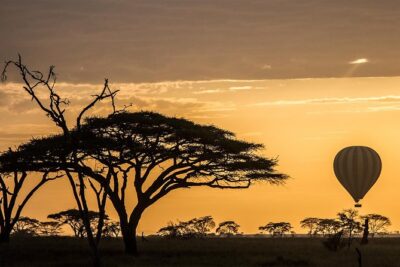 ★ 5.0Serengeti Balloon Safari and authentic bush breakfastFrom $5502,480 reviews
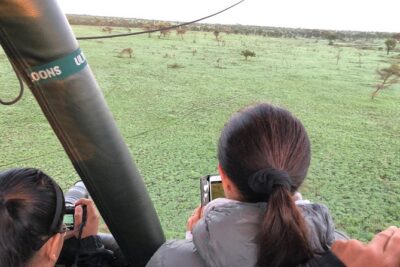 ★ 5.0Balloon Safari & Bush Breakfast in Serengeti – Miracle ExperienceFrom $5991,646 reviews
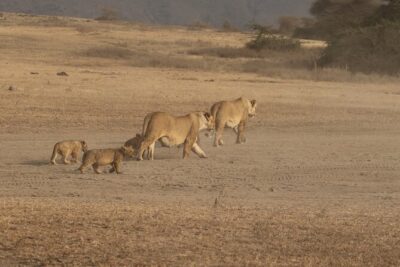 ★ 5.03 Days Serengeti & Ngorongoro Group Camping SafariFrom $815574 reviews
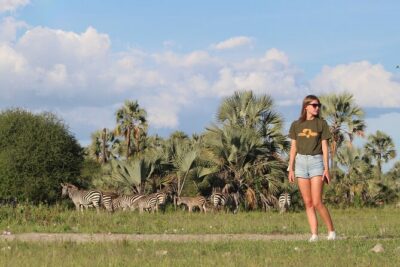 ★ 5.05-Day Highlights mid-Range Crater, Serengeti, TarangireFrom $2,327296 reviews
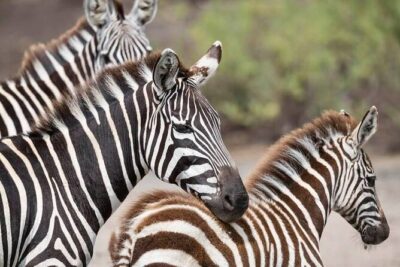 ★ 5.0Safari Serengeti And NgorongoroFrom $2,845288 reviews
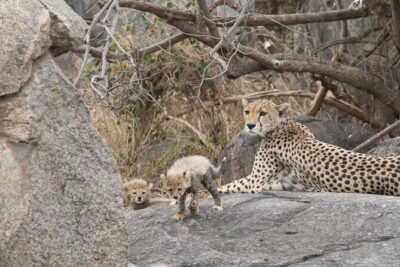 ★ 5.03-Day Classic Serengeti SafariFrom $1,455263 reviews
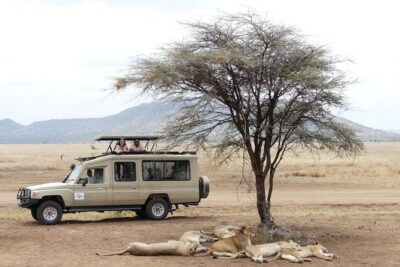 ★ 5.0Private 6-Day Tarangire Manyara Crater and Serengeti with Mid-Range LodgesFrom $2,685238 reviews
 ★ 5.05 Days Camping Tarangire, Serengeti & Ngorongoro crater & Visiting MaasaiFrom $1,254229 reviews
Browse the lists this tour appears in