
REVIEW · MULTI-DAY NORTHERN CIRCUIT SAFARI PACKAGES
5 Day Serena Luxury Tanzania Safari
A Big Five hunt, in a fast 5 days. This safari route is built for maximum wildlife time across Tarangire, Serengeti, and the Ngorongoro Crater. I like the way the days are structured around long game drives, with private transport and your own guiding attention, so you can follow animal activity instead of watching a bus queue.
Two things I really appreciate are the private safari feel and the focus on real sightings, including a good chance at the Big Five. Your best wildlife moments come from classic habitats like Tarangire’s elephant country and Serengeti’s open plains, plus a crater day where visibility and animals at the rim can be excellent. One possible drawback to plan for is the pace, expect long days in the vehicle, with early start timing and big chunks of hours spent scanning the bush.
If you care about comfort, this is also a practical kind of luxury: mineral water is included, meals are planned (not just vague promises), and park time is scheduled tightly. One reviewer specifically praised the Serena hotels and called the guide experience outstanding, with close views of wildlife and birds. Also note that this kind of safari runs on nature’s schedule, so you can have a great Big Five shot without a 100% guarantee.
In This Review
- Key highlights you should care about
- Where this 5-day Tanzania route makes sense
- Starting in Arusha: meeting point, timing, and comfort
- Tarangire National Park: elephants, baobabs, and rare wildlife
- Serengeti day 2: migration hunting and predator timing
- Serengeti day 3: a second chance with impala focus
- Ngorongoro Conservation Area: crater route, tracker-guide time, and big views
- Day 5 on the crater rim: the less common species search
- Luxury touches that are actually practical
- Big Five chances: a realistic way to think about it
- Price and value: what $2,974.36 per person really covers
- Who this safari suits best, and who might rethink it
- Booking tips to make this safari smoother
- Should you book this 5-day luxury Tanzania safari?
- FAQ
- Where does the safari start and where does it end?
- What time does the safari begin?
- Is this tour private?
- Which parks are included in the 5 days?
- What meals are included?
- What is not included in the tour price?
- Can I get a refund if I cancel?
Key highlights you should care about
- Tarangire elephant herds and giant baobabs: a strong first day for big animals and iconic scenery
- Serengeti plains game drive time: long sessions in prime habitat for predators and prey
- A second Serengeti day with a different focus: more chances to spot impala, big cats, and other plains wildlife
- Ngorongoro Conservation Area with a tracker-guide: targeted searching around the crater route
- Spotting less common species on the crater rim: the plan explicitly mentions chances for leopards, servals, and bat-eared foxes
- Private transport and private jeeps: less waiting, more control over where you look
Longer northern circuit routes, side by side
- Tanzania Classic – 7 Days★ 5.0 · 1,151 reviews
- Tanzania Wildlife Encounters – 6 Days★ 5.0 · 277 reviews
- Group Safari 7 Days in Tanzania’s Main Parks★ 5.0 · 240 reviews
- 4 Days Join Group tour Tarangire Serengeti and Ngorongoro crater★ 5.0 · 219 reviews
Where this 5-day Tanzania route makes sense
You’re not doing random ping-pong across the map. You’re stacking Tanzania’s best-known wildlife zones in a logical order that gives you different ecosystems on consecutive days. That matters because animals behave differently depending on water, grass, and temperature.
The week’s backbone is simple. Start in Tarangire for elephants and baobabs. Head to Serengeti for open-plains wildlife and predator action. Finish at Ngorongoro Crater for a concentrated, scenic day where careful searching pays off.
Starting in Arusha: meeting point, timing, and comfort
This safari begins at Mount Meru Hotel, in the Arusha-Taveta Road area, near Sekei. Pickup is offered, and the start time is 8:00 am. That early timing helps you maximize daylight for game driving, but it also means you’ll want an easy morning routine.
The tour is private, meaning it’s just your group. That’s a real value add on safari because you can move at your pace. It also makes the long drive days feel less like a cattle schedule and more like a guided expedition.
You end back at the same meeting point in Arusha. So you’re not trying to solve transport headaches after you’ve spent days on the road. If you like things tidy and predictable, that’s a plus.
Tarangire National Park: elephants, baobabs, and rare wildlife
Day 1 is all about Tarangire National Park, after breakfast. You’ll drive to the park and spend a full day on game drive with a picnic lunch.
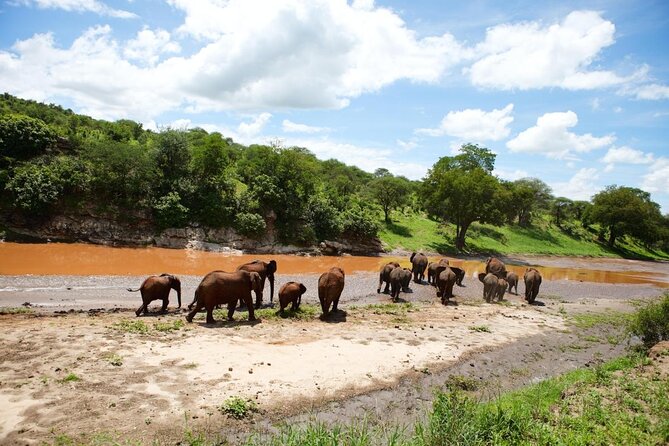
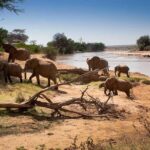
Tarangire’s wildlife logic is clear. The park has acacia woodland, giant baobab trees, and swamp areas that pull animals in during dry seasons. When water concentrates, wildlife does too. Elephants are the headline here, and the park is reputed for some of the largest elephant herds in Africa.
What I like about this day is that it’s not just generic safari time. The natural setting is described in a way that explains the sightings you want. If elephants and other animals are moving toward river and swamp areas, you’re not just hoping. You’re positioned to find them.
Tarangire also has a note-worthy angle for people who care about more than the big mammals. The plan calls out rare species such as Greater Kudu, Fringed-eared Oryx, and a few Ashy Starlings. Those are the kinds of sightings that make a wildlife trip feel personal, because they’re not the same obvious species everyone posts.
Practical consideration: Tarangire can be hot. Even if the drive is comfortable, you’ll still be outside scanning. Bring sunglasses, a hat, and sunscreen, and keep your water intake steady.
Lodge safaris in the same bracket
Serengeti day 2: migration hunting and predator timing
On Day 2, you head to Serengeti National Park for a long game drive day. You depart with picnic lunch boxes and enjoy wildlife searching across the plains.
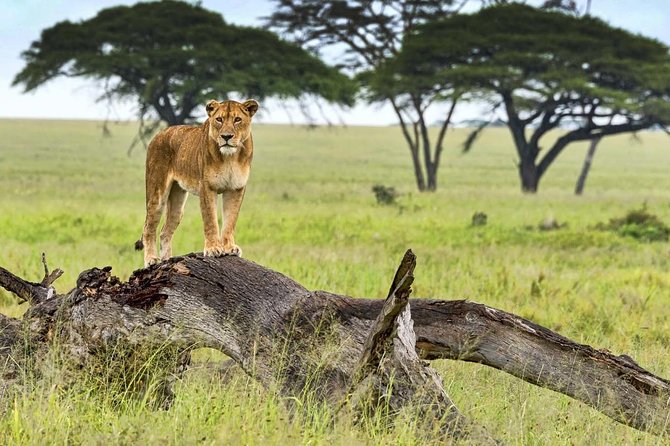
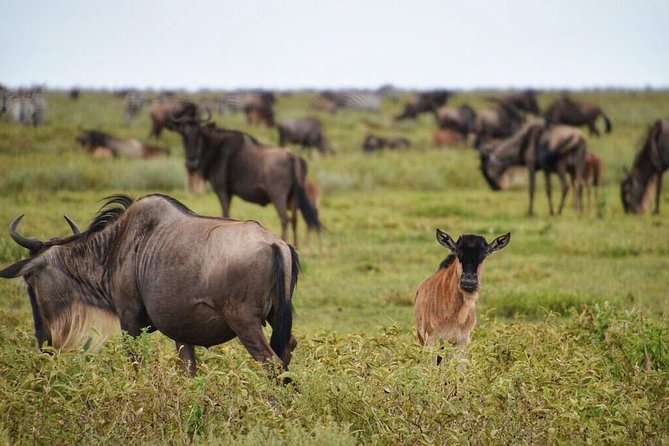
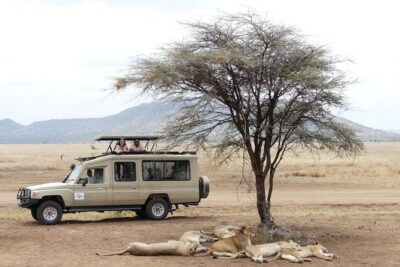
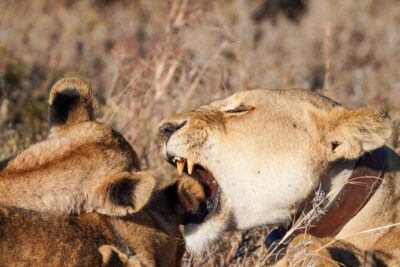
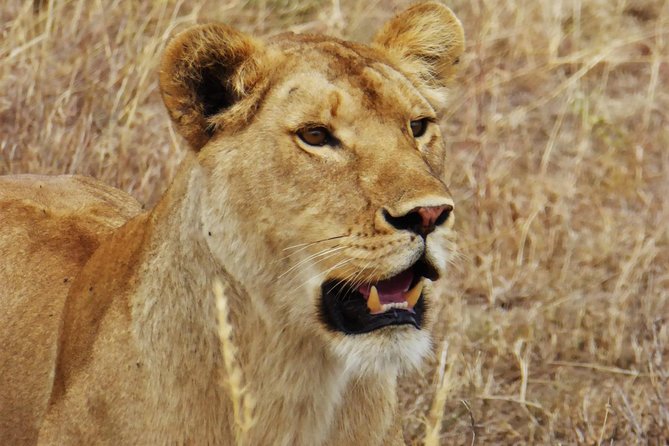
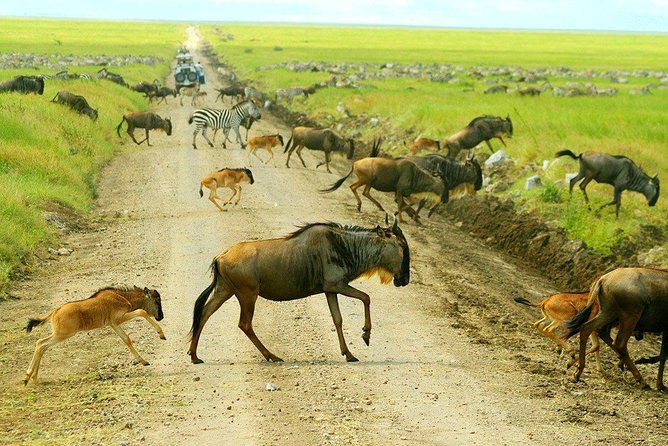
This is where Serengeti’s reputation turns practical. The plains are described as the largest concentration of plains game in the world, with wildebeest, zebra, and gazelle as the main cast. And importantly, the same area holds predators and scavengers, including lion and cheetah, plus hyena and jackals.
A key detail here is the private guiding style and the time you get. The plan mentions a private jeep and game drive time that runs until late evening. That’s useful because animal activity is not fixed. You might spot something early, then have a second wave of sightings later when temperatures shift and predators choose new hunting moments.
Another plus: the tour explicitly includes the wide cast you want in Serengeti, like elephant, buffalo, giraffe, and warthog, plus many other species. That variety matters because it increases your odds of having constant action, even when one animal group is quiet.
Possible drawback: Serengeti is huge, and that can lead to long stretches of scanning. If you hate waiting while the light changes, you’ll still be fine, but you should mentally prepare for the rhythm of safari, drive, stop, look, repeat.
Serengeti day 3: a second chance with impala focus
Day 3 stays in Serengeti, with another 7-hour game drive. This day starts with an exploratory drive through the park, described as Tanzania’s oldest and most recognized national park. The idea is to expand your view of what you saw on day 2, while also aiming at specific targets.
The plan highlights impala as the day’s focus. Impala are sometimes confused historically with gazelles, but the description notes they are classified differently due to their distinct features. That kind of detail is why a good guide matters, because they help you notice what’s actually happening, not just what you hope to see.
This day also names predators and other species you might find: leopards, cheetah, lions, and wild dogs. Even if every species is not guaranteed, listing them tells you how the search is being managed, not random wandering.
Why do a second Serengeti day instead of rushing elsewhere? Because Serengeti sightings are often about timing and repetition. Animals move, and prey dynamics change by hour and location. With two days, you get multiple chances for different behaviors, plus the ability to learn from what your guide notices on day 2.
I also think this is a strong match for wildlife photography. If you have the patience, you can use the second day to reframe your shots. You’ll know where to look and what movement patterns to watch for.
Ngorongoro Conservation Area: crater route, tracker-guide time, and big views
Day 4 is a major shift. You travel from Serengeti to the Ngorongoro Conservation Area, and your experience is built around a more targeted wildlife day with a personalized, experienced tracker-guide and private transportation.
The crater route matters. The plan says you’ll drive about 20 to 30 minutes to the Ngorongoro Park Gate, then another 20 minutes to the crater rim. That timing helps you avoid feeling like the day is only spent on transit. You’re not just driving there and staring out the window. You’re moving with a schedule that gets you to prime viewing time.
Ngorongoro Crater is described as the world’s largest inactive, intact, and unfilled volcanic caldera. That sounds scientific, but it matters for wildlife because a caldera creates an enclosed ecosystem where animals can concentrate.
What I like is the mention of using your guide and tracker-guide expertise to find wildlife efficiently once you descend. The crater day is where patience plus strategy usually pays off, especially for species people most want on Tanzania safaris.
Consideration: crater viewing can feel cooler than you expect at rim level, and the drive down can change conditions quickly. Bring layers if you run cold easily.
Day 5 on the crater rim: the less common species search
Day 5 begins with more crater time. You descend to the rim for game viewing, and the plan explicitly mentions the value of your guide’s recommended search patterns.
This is where the tour becomes more than a generic Big Five checklist. Your guide aims for less common species chances such as leopards, servals, and bat-eared foxes. Even if you never land that exact trio, the emphasis tells you this isn’t only about the loud, obvious animals. It’s about reading the terrain and searching with intent.
Then the day ends by returning you back to the meeting point in Arusha. That closing rhythm helps you avoid the stress of continuing onward right after a safari highlight.
Luxury touches that are actually practical
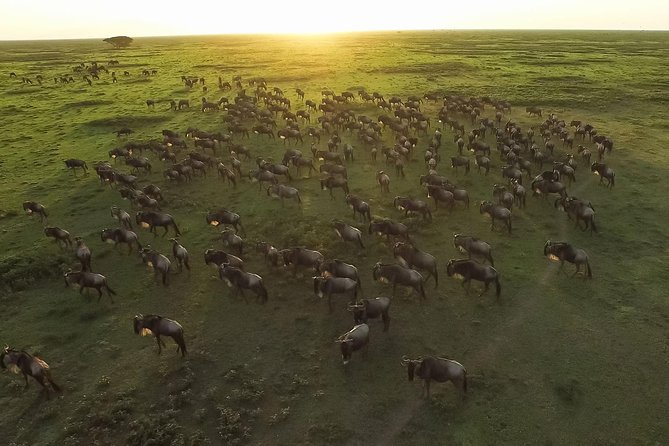
The “luxury” here is not just a marketing word. It shows up in small things that reduce friction.
Included items include bottles of mineral water, and meals are planned each day: breakfast is included for 4 days, and lunch is included for 5 days, plus 4 dinners. That matters because safari days are long. You don’t want to spend energy tracking down food, especially when you’re already scanning for animals.
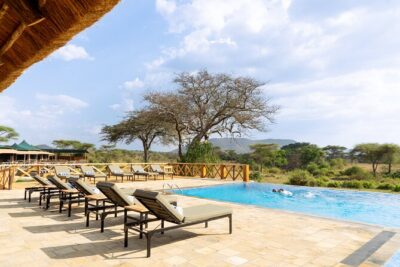
Accommodation is included according to the itinerary. One strong review highlight was that the Serena hotels were lovely, and that kind of praise matters because end-of-day comfort is not a minor detail on a safari circuit.
Another luxury element you can feel is private guiding. Reviews you may have seen for this operator talk about guide skill and passion, including a guide named Asser, who delivered a terrific experience with close-up views of birds and amazing wildlife, including the Big Five. When a guide is that dialed in, your day feels more intentional.
Practical note: even with water provided, you should still pack your own personal essentials. That includes sunscreen, insect repellent, and any comfort items you rely on.
Big Five chances: a realistic way to think about it
This safari is designed for a good chance to spot all the Big Five. The wording is optimistic, which is normal for safari planning because wildlife is never a schedule.
Here’s how I’d think about it as a smart traveler. Your odds improve when your itinerary hits the right habitats, at the right times of day, with a guide who can read behavior. This plan does hit the big habitats: Tarangire’s elephant-driven water pull, Serengeti’s plains predator and prey dynamics, and Ngorongoro’s crater concentration.
And your timing is designed for that too. The drives include late-day hours on Serengeti, and crater viewing happens on day 4 and day 5. More time in the right places generally means more chances for the hardest-to-find species.
If you want to manage expectations: treat the Big Five as a target, not a demand. The payoff is not only which animals show up, but the way you learn to observe what’s moving and why.
Price and value: what $2,974.36 per person really covers
At $2,974.36 per person, this is not a budget safari. The key question is whether the structure gives you more than just transportation and beds.
From what’s included, the price covers meaningful basics:
- accommodation across the days
- scheduled breakfasts, lunches, and dinners
- bottled mineral water
- park entry is listed as admission ticket free in the daily notes
- private guiding and private transport for your group
For many people, the biggest “value” is time and attention. A private safari is less about extra seats, and more about fewer delays and a cleaner wildlife search process.
Is it expensive? Yes, compared with group tours. Is it fair for a 5-day luxury circuit touching Tarangire, Serengeti, and Ngorongoro? For the level of private time and included meals, it can be strong value if you want a smooth, guided experience without gaps.
Who this safari suits best, and who might rethink it
This is a great fit if you:
- want private safari time rather than a shared vehicle with strangers
- like having a guide who can focus on birds and wildlife variety, not only the biggest names
- can handle long drive hours and want maximum game viewing across multiple parks
- care about comfort after full days, especially if the accommodation is in Serena hotels or similar quality lodges
You might rethink it if you:
- need very light days and hate long hours in the vehicle
- want a strict, nonstop action schedule with no scanning downtime
- are traveling with mobility constraints that make uneven terrain or longer periods outside harder
Safari rewards patience. If that’s your style, this circuit fits.
Booking tips to make this safari smoother
Before you go, I’d plan around the realities of a 5-day wildlife loop.
- Pack neutral layers for temperature shifts between rim, plains, and lodge evenings.
- Bring binoculars if you have them. If you do not, you might find them helpful for spotting birds and small mammals named in the plan.
- Keep your camera battery warm and charged. Long days use a lot of power.
- Use the guide’s search patterns. They are not random. They are how you get chances at species like leopards, servals, or bat-eared foxes.
Also, if you’re aiming for the Big Five, keep the mindset flexible. You’re buying a chance and a process, not a guaranteed checklist.
Should you book this 5-day luxury Tanzania safari?
Book it if you want a focused northern circuit with private guiding, planned meals, and a strong shot at Big Five wildlife across Tarangire, Serengeti, and Ngorongoro. The two Serengeti days plus the crater emphasis give you real repetition in prime habitat, and that often makes the difference between one good day and a string of great moments.
Skip it or compare alternatives if you strongly dislike long game-drive days, or if your budget can only support simpler group safaris. Nature is the boss here, and no itinerary can promise every animal.
If you do book, you’ll likely appreciate the kind of guide attention that turns sightings into stories, including the sort of close bird and wildlife viewing that guides like Asser have been praised for.
FAQ
Where does the safari start and where does it end?
The tour starts at Mount Meru Hotel on Arusha-Taveta Road in the Sekei area of Arusha, Tanzania, and it ends back at the same meeting point.
What time does the safari begin?
Start time is 8:00 am.
Is this tour private?
Yes. This is a private tour/activity, and only your group participates.
Which parks are included in the 5 days?
You visit Tarangire National Park, Serengeti National Park (two days), and Ngorongoro Conservation Area for crater viewing.
What meals are included?
Mineral water is included, and the tour includes 4 breakfasts, 5 lunches, and 4 dinners.
What is not included in the tour price?
Items of personal nature, tips and gratuities, and visas are not included.
Can I get a refund if I cancel?
Yes. Cancellation is free up to 24 hours in advance of the experience’s start time for a full refund. Canceling within 24 hours does not receive a refund.
More Lodge Safaris
- 7-Day Premium Luxury Tanzania Safari All-Inclusive
★ 5.0 · 426 reviews - 5-Day Highlights mid-Range Crater, Serengeti, Tarangire
★ 5.0 · 296 reviews - Private 6-Day Tarangire Manyara Crater and Serengeti with Mid-Range Lodges
★ 5.0 · 238 reviews - 5 Days Best of Tanzania Luxury Safari Northern Circuit
★ 5.0 · 174 reviews - 5-Day Private midrange Tour in Arusha with Airport Pickup
★ 5.0 · 160 reviews
Longer Trips Through the North
- Tanzania Classic – 7 Days
★ 5.0 · 1,151 reviews - 7-Day Premium Luxury Tanzania Safari All-Inclusive
★ 5.0 · 426 reviews - Tanzania Wildlife Encounters – 6 Days
★ 5.0 · 277 reviews - Group Safari 7 Days in Tanzania’s Main Parks
★ 5.0 · 240 reviews - 4 Days Join Group tour Tarangire Serengeti and Ngorongoro crater
★ 5.0 · 219 reviews
Just added from around Arusha
Multi-Day Northern Circuit Safari Packages, compared.
 ★ 5.07-Day Premium Luxury Tanzania Safari All-InclusiveFrom $4,840426 reviews
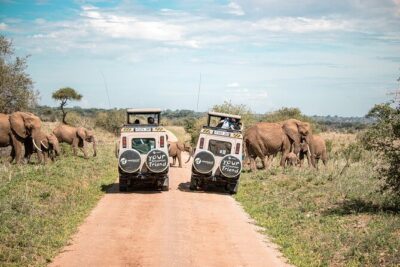 ★ 5.0Tanzania Wildlife Encounters – 6 DaysFrom $3,413277 reviews
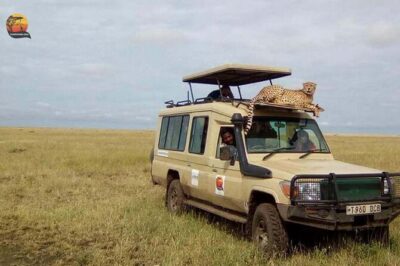 ★ 5.0Group Safari 7 Days in Tanzania’s Main ParksFrom $3,000240 reviews
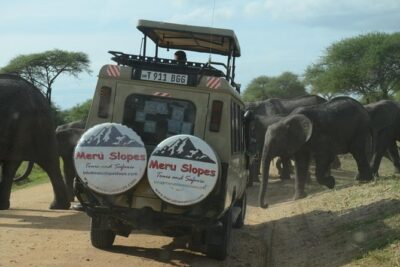 ★ 5.04 Days Join Group tour Tarangire Serengeti and Ngorongoro craterFrom $1,090219 reviews
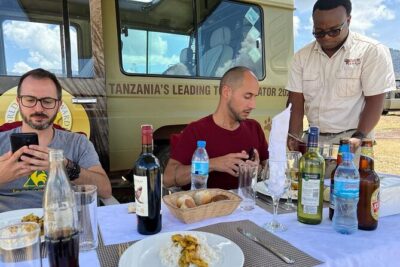 ★ 5.05-Day Private Northern Tanzania Safari from ArushaFrom $2,780182 reviews
 ★ 5.05 Days Best of Tanzania Luxury Safari Northern CircuitFrom $3,744174 reviews
 ★ 5.08 Day Spectacular Migration Serengeti mid -Range Tanzania SafariFrom $4,257161 reviews
 ★ 5.0Multi-Day Tanzania Odssey Safari from ArushaFrom $4,164120 reviews
Browse the lists this tour appears in