
REVIEW · SERENGETI NATIONAL PARK SAFARIS
5 day safari Tarangire Serengeti and Ngorongoro crater
Five days, three parks, one big African mission.
I like how this is a private safari with hot showers at night, so the days feel like real wildlife time and the evenings feel livable. I also enjoy that the route is built around places with repeatable animal concentrations, from Tarangire elephant herds to Serengeti big-cat territory, and guide names like John and Joseph show up again and again in the kind of feedback that talks about spotting early and staying patient. The only real drawback is the pace, you spend many hours on the road, and a tight schedule means you have less room to slow down if you fall in love with one perfect sighting.
You start at 8:30 am from Msumbi CoffeesTFA Shopping Complex in Arusha, and the tour runs daily through the year. It is private, so it is just your group in a 4×4 safari vehicle with a driver guide, plus a mobile ticket. Most of the trip is taken care of, including accommodation while on safari and daily meals, but you still need to plan for one thing outside the package: nights in Arusha and travel to get there.
You will bounce between three Tanzania standouts in about five days: Tarangire National Park, Serengeti National Park (including the Seronera area), and Ngorongoro Crater inside the Ngorongoro Conservation Area. If you want a classic sampler that keeps wildlife viewing front and center, this has a lot going for it.
In This Review
- Key safari takeaways
- Arusha departure to Tarangire National Park: acacia trees, baobabs, and elephant herds
- Serengeti transfer through Karatu and the Ngorongoro Conservation Area
- A full Serengeti day: lions, leopards, cheetahs, and birdsong
- Morning game drive plus the route to Ngorongoro Conservation Area
- Ngorongoro Crater: descent, density, black rhino odds, and a picnic below
- Your guides and why their eyes matter on this route
- Price and value: what $2,211.29 per person really buys
- Private group comfort, vehicle time, and the reality of a 5-day pace
- What to pack and how to stay comfortable
- When a mid-range experience beats a more expensive one
- Should you book this 5-day Tarangire, Serengeti, and Ngorongoro crater safari?
- FAQ
- What time does the safari start and where do we meet?
- Is this tour private?
- How many days is the safari?
- Which parks are included?
- What is included in the price?
- What is not included?
- Are park admission tickets included?
- What kind of lodging comfort is provided?
- What happens if the weather is bad?
- What is the cancellation policy?
Key safari takeaways
- Private 4×4 game drives with your own group, no sharing your bucket list moment with strangers
- Hot showers included in self-contained rooms, so you are not living in rinse-and-repeat discomfort
- Tarangire’s elephant concentrations plus baobabs and acacia woodland that hold animals in the dry season
- Serengeti Seronera River area for more consistent wildlife viewing by water
- Ngorongoro Crater density where around-the-clock habitat supports predators and a rumored black rhino chance
- Meals and water handled with drinking water plus breakfast, lunch, and dinner during the safari days
More of the Serengeti, drive by drive
- Balloon Safari & Bush Breakfast in Serengeti – Miracle Experience★ 5.0 · 1,646 reviews
- 3 Days Serengeti & Ngorongoro Group Camping Safari★ 5.0 · 574 reviews
- 5-Day Highlights mid-Range Crater, Serengeti, Tarangire★ 5.0 · 296 reviews
- 3-Day Classic Serengeti Safari★ 5.0 · 263 reviews
Arusha departure to Tarangire National Park: acacia trees, baobabs, and elephant herds
On Day 1, you drive out after breakfast to Tarangire National Park for a full day of game driving with a picnic lunch. This is one of those parks where the scenery has personality, acacia woodland with giant African baobab trees, plus swampy areas in the south. During Tanzania’s dry season, those swamps and the river act like magnets for animals, which is exactly what you want when you are squeezing three parks into five days.
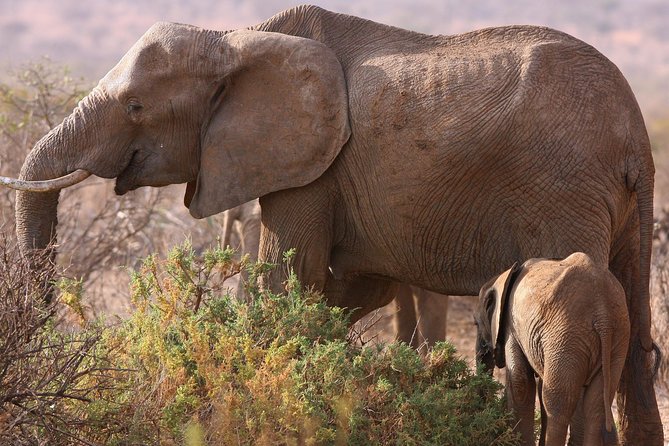
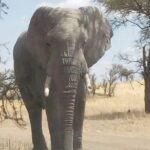
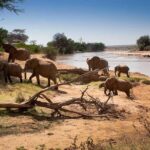
The star draw here is elephants. Tarangire is reputed for some of Africa’s largest elephant herds, and you do not just see a few individuals roaming around. You are more likely to catch the big groups moving with purpose, feeding, drinking, and sometimes pausing long enough to watch the whole scene play out from your vehicle.
I also like that Tarangire is not just about elephants. The park is mentioned as home to rare species such as the greater kudu and the fringe-eared oryx, and even the ashy starling is on the list. That matters because it shifts your safari from a one-note checklist to a more interesting mix. You still want the big moments, but you also get chances for smaller wins: a “wait, is that the one we learned about?” sighting that makes the day feel extra rewarding.
Practical consideration: Tarangire can be excellent in the dry season, but sightings are always wild-animal dependent. The best way to make Tarangire pay off is to stay calm and comfortable in your seat. Some of the best sightings happen after you have done the quiet watching part.
Serengeti transfer through Karatu and the Ngorongoro Conservation Area
Day 2 starts with a drive toward Serengeti National Park, going via Karatu and the Ngorongoro Conservation Area. The route change is not just about getting from point A to point B. You are moving from higher farmland country down into the broad, open Serengeti plains, so your first real impressions can feel like a switch flips from “country drive” to “wild Africa.”
You then target the central Serengeti area known as Seronera. The Seronera River is a key reason this area can produce a lot of wildlife variety, because water draws animals into a relatively predictable spot. In other words, you are not only chasing animals, you are chasing the conditions that bring them together.
This kind of planning helps you, especially on a multi-park trip. You do not have unlimited time to roam every corner of the Serengeti. By aiming for a water-centered zone, you improve your odds of seeing the kinds of species this park is famous for, not just the occasional lucky sighting.
Practical consideration: even when the game driving time is scheduled, you should expect movement, positioning, and waiting. When animals are active, you will feel it. When they are less active, a good guide helps you read the landscape, scan for signs, and keep you in the right places without rushing.
A full Serengeti day: lions, leopards, cheetahs, and birdsong
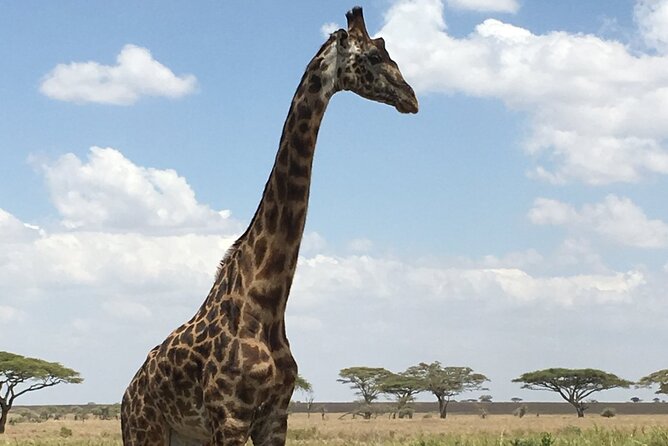
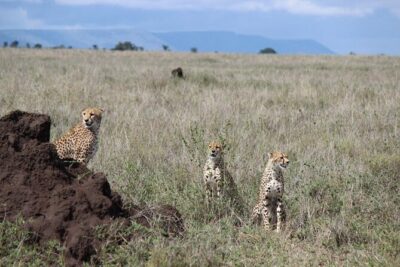
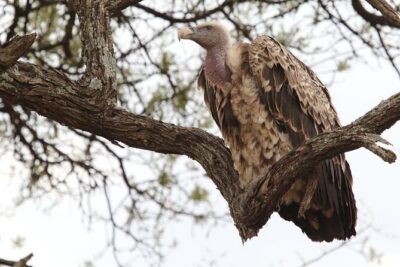
On Day 3 you get another full game drive day in Serengeti, with lunch at a lodge or campsite. This is where the Serengeti reputation gets real. The endless plain is described as home to lions, leopard, elephants, cheetah, buffalo, wildebeest migration, eland, wild dog, gazelle, crocodiles, and plenty more. You are also told to expect a variety of birds with different sounds, and that detail is not fluff. The birds often tell you when the day is starting to heat up and when animals are moving.
This day is valuable because it gives you time to do more than just pass through. With a shorter safari, you might see one great cat sighting and call it a day. With a longer push like this, you have a better chance of getting multiple animal stories, not one highlight reel.
I also like that lunch is built in properly. You are not stuck hunting for food in the middle of the day. After you eat, you can refocus and go right back out.
Practical consideration: the Serengeti can feel open and exposed, so sun protection matters. Bring what you need to stay comfortable in the vehicle for hours, because a perfect sighting can happen when you least expect it.
Other ways down into the Ngorongoro Crater
Morning game drive plus the route to Ngorongoro Conservation Area
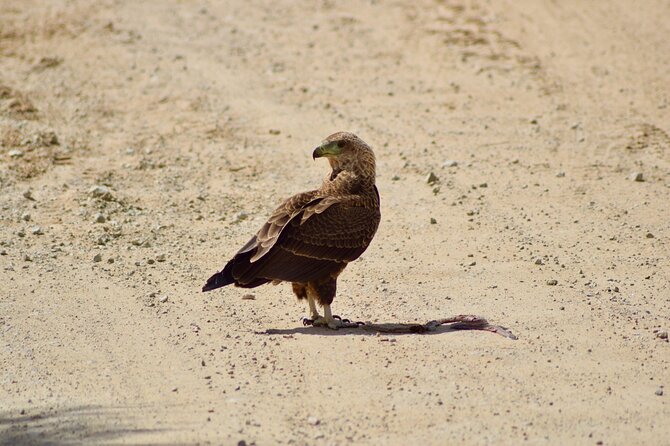
Day 4 is structured as early breakfast plus a morning game drive, then you depart for the Ngorongoro Conservation Area with game drive en route. That “en route” part matters more than people think. A transfer day is often when safaris feel like logistics. Here, you still keep wildlife viewing as part of the plan, so the day stays connected to the safari goal.
The timing also helps with momentum. Early in the morning is often when animals are more likely to be moving, feeding, or showing up near water and grazing areas. Then you transition toward the crater, building anticipation for the next day’s big moment.
Practical consideration: your comfort on transfer days depends on how well you handle early starts. If you are the type who hates waking up before sunrise, you will feel it on Day 4. If you can roll with it, you will likely find the payoff worth it.
Ngorongoro Crater: descent, density, black rhino odds, and a picnic below
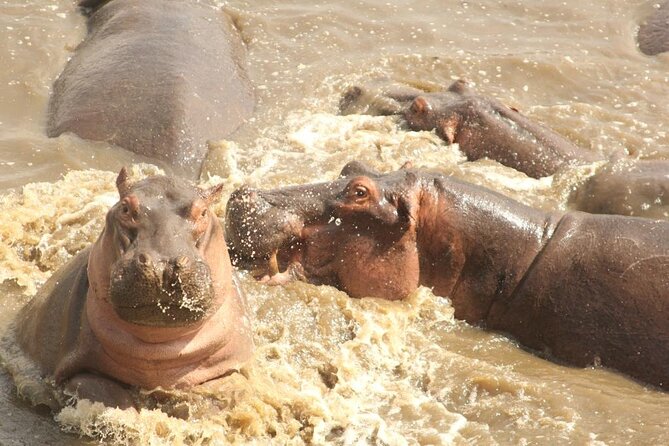
Day 5 is the money day. After breakfast, you descend into Ngorongoro Crater and enjoy game driving on the crater floor, with a picnic lunch at that level. Ngorongoro Crater is described as one of the most densely crowded African wildlife areas in the world, with an estimated 30,000 animals. That density is the main reason people love this stop, because the crater is not a guessing game in the same way as some open parks can be.
The crater is also said to support one of Tanzania’s last remaining black rhinos, with the overall habitat backed by year-round water supply and fodder. That matters because it explains why the crater can hold so many animals without the seasonal chaos you see in places where food and water disappear.
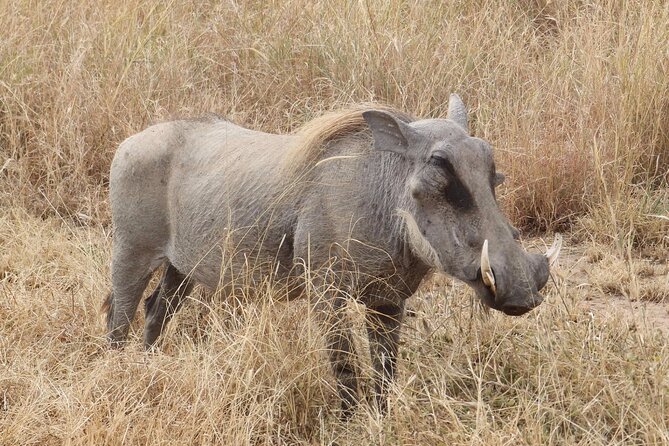
You should also expect a wide spread of species. The crater is listed with wildebeest, zebra, buffalo, eland, warthog, hippo, and giant African elephants. Predators are also a major focus: lions, hyenas, jackals, cheetahs, and the ever-elusive leopard.
Practical consideration: density is a double-edged sword. Because the crater is crowded with wildlife, it is also described as densely crowded by animals, which can make the experience feel busy at times. The upside is that it raises your chances of seeing something great. The tradeoff is that you may feel some limits on how long you can linger in one spot.
Your guides and why their eyes matter on this route
This safari works because it is built for spotting, not just driving. In the feedback and guide names associated with this operator, you see a pattern: guides such as Jackson, John, Joseph, Muro, and Sixie get praise for animal-spotting skill, calm driving, and staying alert for opportunities.
If you get a guide who can quickly spot what you would miss, the whole safari feels different. You see animals earlier. You get the context, like what species are feeding where, what tracks might mean, and how water access shapes what you are likely to find. You also tend to get more “yes, we can go see that” moments instead of “we can only hope.”
A small, practical tip: when you stop for sightings, give the guide the space to position the vehicle. Your job is to watch the same way they are watching. If everyone starts leaning around at once, you lose time and you miss details.
Price and value: what $2,211.29 per person really buys
At $2,211.29 per person, this is not a bargain safari. It is a mid-to-full service way to do three major parks in five days. The value comes from what is bundled.
The package includes all fees and taxes, driver guide, transport in a 4×4 safari vehicle, accommodation while on safari, and daily drinking water (1.5 liters per person per day). Meals are largely handled too: breakfasts (4), dinners (4), and lunches (5). Park admission is listed as free on Days 1 to 4, and included for Day 5.
That bundle matters because safari costs often hide in the add-ons. Here, you are paying for the parts that normally eat up your time and energy: logistics, vehicle, guiding, and food. For many people, that is the real vacation value. Less to organize, more time looking out the window.
What is not included is just as important for budgeting. You need to cover nights in Arusha, airport transfers, domestic and international flights, personal expenses (like drinks and laundry), optional extras such as balloon rides or a local village visit like Maasai Village, and tips for your driver guide and cook.
If you want to make this trip feel like a smooth experience, budget those gaps up front. It also helps to plan for at least one night in Arusha if your flight timings do not line up with your safari start.
Private group comfort, vehicle time, and the reality of a 5-day pace
The trip is private, so your schedule and your reactions are less likely to get hijacked by a group pace that is different from yours. That can be a big deal on safari, because one animal sighting can change how the day should feel.
Still, this is a five-day route across multiple ecosystems. You will spend time in the vehicle, and the days are structured around game drives and drives between parks. The upside is variety, Tarangire elephants, Serengeti cats and migration possibilities, then Ngorongoro crater density.
The downside is patience. Safari is part waiting, part luck, part knowing what to look for. A private setting helps because you can stay focused, but you still have to accept that wildlife does not perform on a timetable.
What to pack and how to stay comfortable
I cannot tell you a strict packing list because the tour data here does not provide one. But I can tell you what tends to make a difference on safaris like this.
Bring layers for early mornings and cooler crater moments, plus sun protection for long drives. If you have binoculars, bring them, because sightings often happen at varying distances. Wear shoes you can live in for hours, since getting in and out of the vehicle and walking short distances is part of the day.
Also, plan your camera battery and memory. The contrast from acacia and baobabs to Serengeti plains to Ngorongoro crater can make your photos look like a wildlife documentary.
When a mid-range experience beats a more expensive one
One theme that shows up in guide and guest praise tied to this kind of safari is that comfort can be as important as animal count. This route includes self-contained rooms with hot showers, which is a real quality-of-life upgrade after long days. It also includes accommodation while on safari, plus consistent meals.
That does not mean you should chase luxury. Instead, I suggest you chase reliability: good vehicle handling, good guiding, clean places to sleep, and meals that actually help you reset. The feedback around lodges and campsites being clean and the food being enjoyable supports that idea.
If you want a simpler way to choose, pick the option that keeps you comfortable enough to wake up ready for the next drive. A slightly less fancy room is still a win if it gets you good sleep and a hot shower when you need it.
Should you book this 5-day Tarangire, Serengeti, and Ngorongoro crater safari?
Book it if you want a classic Tanzania “greatest hits” safari without spending a week and a half on logistics. This route is a strong choice for first-time safari planners because it hits Tarangire’s elephant energy, Serengeti’s big-cat territory around the Seronera area, and Ngorongoro’s legendary crater density.
Do not book it if you hate road time. If you want a slow trip where you barely move between stops, this five-day plan may feel rushed. Also, if your main goal is a specific single animal, like leopard on cue, remember that wildlife viewing is never guaranteed, even in places where it is possible.
My final take: this is a well-structured safari for people who want lots of game drives and solid basics covered, especially hot showers, meals, and transport. If you can handle early mornings and long drives, you are in for a very full wildlife week.
FAQ
What time does the safari start and where do we meet?
The safari starts at 8:30 am at Msumbi CoffeesTFA Shopping Complex on Sokoine Rd in Arusha.
Is this tour private?
Yes. It is a private safari, and only your group participates.
How many days is the safari?
The duration is listed as 5 days (approximately).
Which parks are included?
The route includes Tarangire National Park, Serengeti National Park, and Ngorongoro Crater in the Ngorongoro Conservation Area.
What is included in the price?
All fees and taxes are included, along with drinking water (1.5 liters per person per day), the driver guide, transport in a 4×4 safari vehicle, accommodation while on safari, and meals (4 breakfasts, 4 dinners, and 5 lunches).
What is not included?
Not included are nights in Arusha, airport transfers, domestic and international flights, personal expenses, optional tours (like balloon rides and visiting places such as a Maasai Village), and tips for your driver guide and cook.
Are park admission tickets included?
Admission is listed as free for Days 1 to 4, and included for Day 5 (the crater day).
What kind of lodging comfort is provided?
The tour includes staying in self-contained rooms that include hot showers.
What happens if the weather is bad?
This experience requires good weather. If it is canceled due to poor weather, you will be offered a different date or a full refund.
What is the cancellation policy?
Free cancellation is available up to 24 hours in advance for a full refund. If you cancel less than 24 hours before the start time, the amount paid is not refunded. Changes made less than 24 hours before the start time are not accepted.
Tarangire and Its Baobabs
- 5-Day Highlights mid-Range Crater, Serengeti, Tarangire
★ 5.0 · 296 reviews - Private 6-Day Tarangire Manyara Crater and Serengeti with Mid-Range Lodges
★ 5.0 · 238 reviews - 5 Days Camping Tarangire, Serengeti & Ngorongoro crater & Visiting Maasai
★ 5.0 · 229 reviews - 4 Days Join Group tour Tarangire Serengeti and Ngorongoro crater
★ 5.0 · 219 reviews - 4-Day Safari from Arusha: Tarangire, Serengeti and Ngorongoro
★ 5.0 · 173 reviews
Still Thinking About the Crater?
- 3 Days Serengeti & Ngorongoro Group Camping Safari
★ 5.0 · 574 reviews - 5 Days Camping Tarangire, Serengeti & Ngorongoro crater & Visiting Maasai
★ 5.0 · 229 reviews - 4 Days Join Group tour Tarangire Serengeti and Ngorongoro crater
★ 5.0 · 219 reviews - 4-Day Safari from Arusha: Tarangire, Serengeti and Ngorongoro
★ 5.0 · 173 reviews - 2 Days Tarangire and Ngorongoro Group Camping Safari
★ 5.0 · 146 reviews
The Serengeti, Three More Ways
- Balloon Safari & Bush Breakfast in Serengeti – Miracle Experience
★ 5.0 · 1,646 reviews - 3 Days Serengeti & Ngorongoro Group Camping Safari
★ 5.0 · 574 reviews - 5-Day Highlights mid-Range Crater, Serengeti, Tarangire
★ 5.0 · 296 reviews - 3-Day Classic Serengeti Safari
★ 5.0 · 263 reviews - Private 6-Day Tarangire Manyara Crater and Serengeti with Mid-Range Lodges
★ 5.0 · 238 reviews
Just added from around Arusha
Serengeti National Park Safaris, compared.
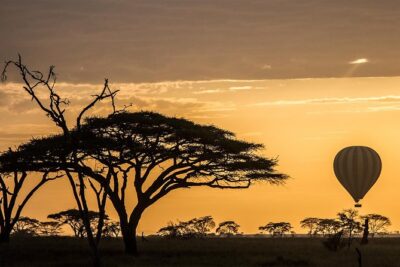 ★ 5.0Serengeti Balloon Safari and authentic bush breakfastFrom $5502,480 reviews
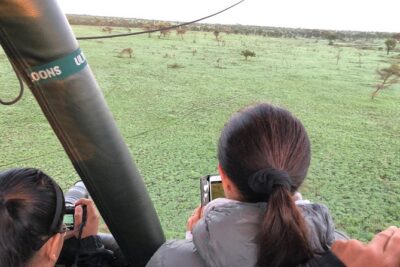 ★ 5.0Balloon Safari & Bush Breakfast in Serengeti – Miracle ExperienceFrom $5991,646 reviews
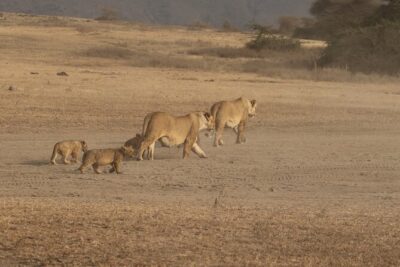 ★ 5.03 Days Serengeti & Ngorongoro Group Camping SafariFrom $815574 reviews
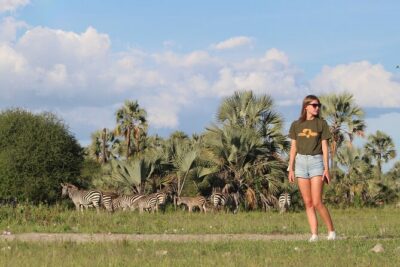 ★ 5.05-Day Highlights mid-Range Crater, Serengeti, TarangireFrom $2,327296 reviews
 ★ 5.0Safari Serengeti And NgorongoroFrom $2,845288 reviews
 ★ 5.03-Day Classic Serengeti SafariFrom $1,455263 reviews
 ★ 5.0Private 6-Day Tarangire Manyara Crater and Serengeti with Mid-Range LodgesFrom $2,685238 reviews
 ★ 5.05 Days Camping Tarangire, Serengeti & Ngorongoro crater & Visiting MaasaiFrom $1,254229 reviews
Browse the lists this tour appears in