
REVIEW · SERENGETI NATIONAL PARK SAFARIS
5 Day Private Lodge & Camping Tour of Tarangire, Serengeti & Ngorongoro Crater
Three parks. Five days. Private safari.
This 5-day private lodge and camping safari links Tarangire National Park, Serengeti, and Ngorongoro Crater in a tight route that’s built for wildlife spotting, big drives, and family time without the hassle of group touring. I like that it’s structured around prime animal hours, from Tarangire’s river elephants to Serengeti sunrise and the crater’s dense mix of life.
I love two things right away. First, the sunrise game drive in Serengeti is timed for predators, when you get cooler temperatures and more active hunting. Second, the basics are handled for you: binoculars, drinking water, and most meals are included, so you can spend your brain power on seeing animals instead of planning every stop.
One consideration: the pace is active. You’ll have early starts, long stretches in the vehicle, and full game-drive days, which can feel like a lot if you want slower travel.
In This Review
- Key things I’d notice before booking
- Why this safari route works so well from Arusha
- Price and what $3,600 per group actually buys
- Day 1 Tarangire National Park, river elephants and golden savannah
- Day 2 Serengeti National Park, big plains and that classic safari feeling
- Day 3 Serengeti at dawn, predator odds plus an optional balloon
- Day 4 Heading for the Ngorongoro rim, camping near Simba campsite
- Day 5 Ngorongoro Crater, full-day wildlife density and a crater-floor picnic
- Guides, briefings, and how you’ll get better wildlife sightings
- Food, drinks, and comfort on lodge and camping nights
- What to ask before you go (so the trip fits your family)
- Should you book this Tarangire, Serengeti, Ngorongoro safari?
- FAQ
- How many people is this private safari for?
- Where is the tour based, and do you get pickup?
- What is the start time for the experience?
- What parks are visited during the 5 days?
- Are meals and drinks included?
- Is there an option to add a hot air balloon safari?
- What’s not included in the price?
- What happens if weather is bad, or if I cancel?
Key things I’d notice before booking
- Private for up to two people, so the safari can run at your speed
- Tarangire’s river setting means elephants and other wildlife cluster where water is year-round
- Serengeti at dawn is planned for predator action, with an optional hot air balloon upgrade
- Ngorongoro Crater full-day drive, known for extremely dense wildlife and strong predator presence
- Meals and drinks included, including beer and wine, plus binoculars for spotting at distance
- Camping on the rim shifts the feel from lodge comfort to classic safari nights near the crater
More of the Serengeti, drive by drive
- Balloon Safari & Bush Breakfast in Serengeti – Miracle Experience★ 5.0 · 1,646 reviews
- 3 Days Serengeti & Ngorongoro Group Camping Safari★ 5.0 · 574 reviews
- 5-Day Highlights mid-Range Crater, Serengeti, Tarangire★ 5.0 · 296 reviews
- 3-Day Classic Serengeti Safari★ 5.0 · 263 reviews
Why this safari route works so well from Arusha
I like safaris that feel like a plan, not a scramble. This one runs from Arusha into Tarangire, then into Serengeti, then down into Ngorongoro Crater, hitting three of Tanzania’s best wildlife settings in one trip. It also keeps you in a rhythm: morning drives, lunch breaks, afternoon game viewing, then the next park.
For many families, couples, and even solo travelers, the biggest value in a private setup is control. You’re not juggling the needs of a big group. If someone needs a break, asks questions, or wants one more loop looking for a lion, your guide can usually manage it better.
The other smart move here is timing. Serengeti dawn drives tend to produce better predator odds, and Ngorongoro is most rewarding when you have enough hours to watch animals shift around the crater floor. This tour’s structure matches those realities, rather than trying to fit everything into short half-day chunks.
Price and what $3,600 per group actually buys
The price is $3,600 per group for up to two people, for roughly 5 days. That sounds like a lot until you look at what’s included.
In your package, you get drinking water, beer and wine, binoculars, and a large portion of your meals: 4 breakfasts, 5 lunches, and 4 dinners. Add in the fact that this is a private safari (your group only), and you’re paying for dedicated driving, guiding, and park time across multiple locations, not just a single park day.
What’s not included is also clear: travel insurance and tips for the guide and cook. So when you budget, plan for those extras, plus any optional upgrades like the balloon.
My practical take: if you compare this to piecing together separate park days, private guiding, and meal plans, the included meals and binoculars help justify the total. If you’re the type who hates stopping to negotiate logistics on the fly, this kind of bundled service tends to feel like good value.
Day 1 Tarangire National Park, river elephants and golden savannah
On day one, you depart Arusha after breakfast for the drive into Tarangire National Park, roughly two hours. Along the way, you pass through areas where you can see local life and open plains, which helps the trip feel like more than just “getting to the park.”
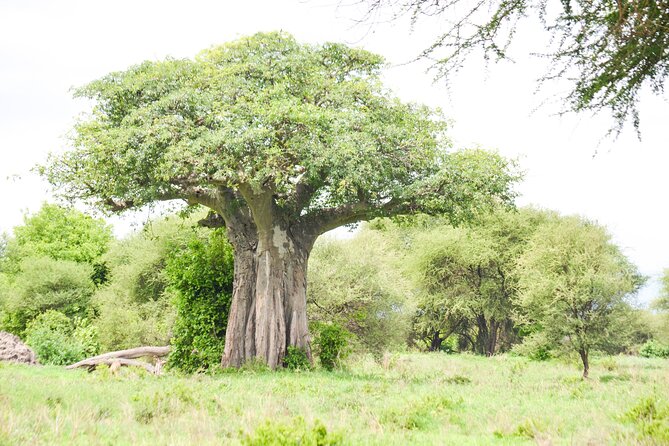
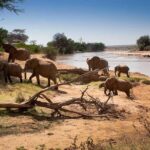
Tarangire is special because of the Tarangire River, which runs throughout the year. During the dry season, that steady water supply pulls in elephants and a wide range of other animals. You’ll see wildlife along a system of acacia and baobab trees, with zebras and antelopes also regularly visiting the river corridor.
I like how the day mixes guided game drive time with a calmer rhythm. You’ll have a picnic lunch once you’re in the park, so you’re not rushing from one viewpoint to the next without a break. For families, that matters. For photographers, it matters too, because it gives you time to look closely and adjust your plan when the animals decide to show up near the river.
A small downside to Tarangire as a first stop: if you’re expecting “everything everywhere” in your first hour, you may need a little patience. Tarangire’s best sightings often come from tracking where the animals are drinking and feeding.
Other ways down into the Ngorongoro Crater
Day 2 Serengeti National Park, big plains and that classic safari feeling
After day one, the tour moves you into Serengeti National Park. You start with an early breakfast because the day is built around getting you into position before the light and animal movement change.
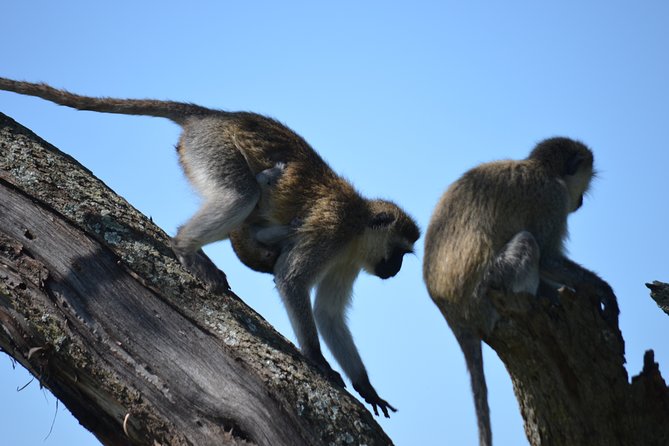
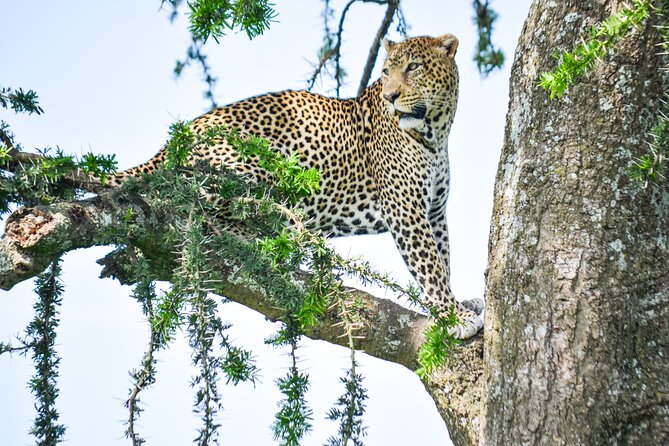
On the way, you travel through parts of the broader area that include mist-shrouded forests. Depending on conditions, you might spot animals in the undergrowth, including things like cape buffalo or even leopards, along with baboons or elephants. This adds variety before the Serengeti opens up.
Then comes lunch at the Serengeti picnic area, followed by more time exploring Serengeti’s open country. The goal is simple: spend enough hours out there to see multiple animal clusters, not just one “big moment.”
Dinner and overnight are handled inside the Serengeti area, based on the standard and accommodation type you request. That means you can choose how comfortable you want to be while still keeping the advantage of being close to the action the next morning.
Potential drawback: the drive time is real. Serengeti is large, and you’re covering ground to get you into the right spots. If you’re someone who gets car-sick, consider that your schedule includes full driving days, not just short transfers.
Day 3 Serengeti at dawn, predator odds plus an optional balloon
Day three begins before dawn with a sunrise game drive. This is the part I’d circle in red ink. Low light and cooler temperatures often mean predators are more active, and you tend to catch earlier movement from herbivores too.
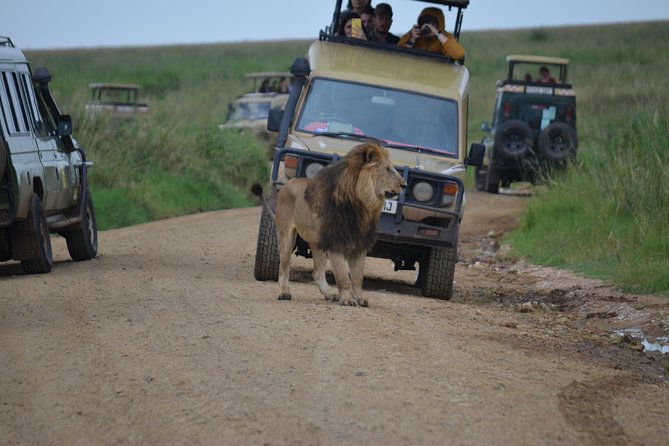
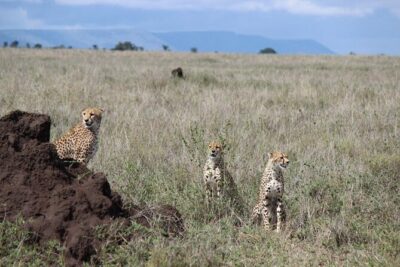
Your guide works the timing, and you’ll look for things like lions, leopards, and cheetahs, plus early activity from wildebeest, zebra, and other animals. Even when you don’t see a predator hunt in the moment, dawn viewing is usually when you see the most “alive” behavior, not just animals standing still for photos.
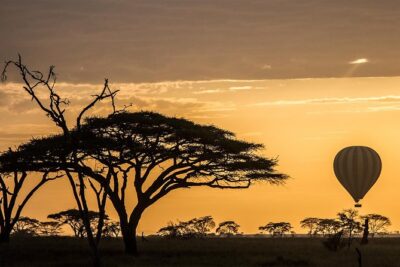
There’s also an optional upgrade: you can add a sunrise hot air balloon safari with a champagne breakfast. This isn’t listed as automatically included, so if it’s a must-do, ask your safari expert ahead of time so it can be scheduled with the rest of your days and weather in mind.
After the morning drive, you return to your lodge for a late breakfast. I like that. It keeps the early start from ruining the whole day.
One consideration: you’ll want to stay warm early. Even when the days feel sunny, dawn on safari can be chilly, and you’ll be outside and scanning for long stretches.
Day 4 Heading for the Ngorongoro rim, camping near Simba campsite
Day four shifts the feel. After an early breakfast, you continue with game viewing during the morning and early afternoon. Then you head toward camp for lunch and packing, and you’ll keep game driving as you exit Serengeti and transfer toward the Simba campsite near the rim of Ngorongoro Crater, about two hours away.
This day is valuable because it changes scenery and also changes the rhythm of your wildlife watching. Serengeti is about open country and tracking across plains. The rim area is different, with the crater looming ahead and a new set of animal patterns once you descend.
I also like the “packing plus game drive” approach. It prevents the travel day from feeling like dead time. Instead, you’re still out searching for animals, and you arrive at your overnight feeling like part of the safari, not an interruption.
Day 5 Ngorongoro Crater, full-day wildlife density and a crater-floor picnic
This is the big day. After breakfast, you descend into Ngorongoro Crater for a full day game drive. The crater is described as one of the most densely crowded wildlife areas in Africa, and it’s home to an estimated 30,000 animals, including Tanzania’s last remaining black rhino.
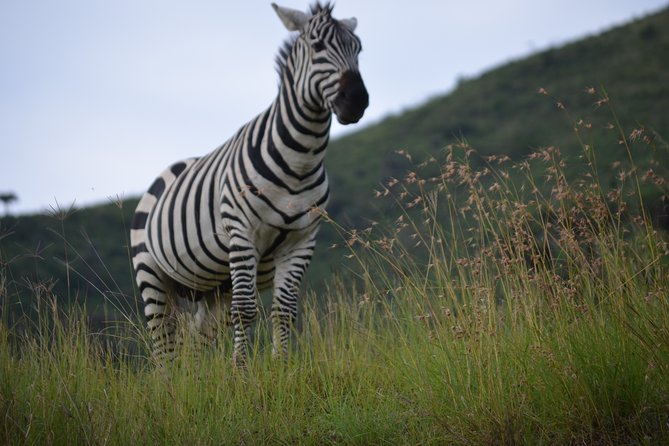
Ngorongoro’s year-round support system is a major reason animals concentrate so strongly: it has water supply and fodder that keep the crater productive even when conditions outside are harsher. On your drive, you can expect to look for animals like wildebeest, zebra, buffalo, eland, warthog, hippo, and giant African elephants. Predators are part of the mix too, including lions, hyenas, jackals, cheetahs, and the elusive leopard.
You’ll also stop for a picnic lunch on the crater floor. This is more than a meal break. It’s the chance to eat in the middle of where wildlife is actually moving and feeding, which makes the day feel like one continuous wildlife experience.
The practical tradeoff with Ngorongoro: it can be crowded because it’s famous for a reason. You may share viewpoints with other vehicles. The antidote is time. Since this is a full-day drive, you can adjust when and where you spend longer.
Late afternoon, you’ll drive back to Arusha, closing the loop on the trip.
Guides, briefings, and how you’ll get better wildlife sightings
In safari country, your guide is the difference between seeing animals and only seeing “tracks and dust.” This operator’s guides come through for good communication, timing, and the ability to find animals.
In past bookings, names like Frank, Elias, Stephano, and Elijah show up, and the common theme is strong guiding: knowing where to look, sharing details about animals and culture, and being professional and attentive day after day. I also like that some guides are known for giving more thoughtful explanation, even during evening downtime, so you’re learning while you relax.
For you, the best move is simple: ask your guide what they’re prioritizing each morning. Predator-focused drives and river-focused drives require slightly different scanning habits. If your guide can explain their plan, you’ll feel more confident while you’re searching.
Also, since binoculars are included, don’t be shy about using them constantly. Many sightings on safari are just out of clear view, and good spotting can turn a distant animal into a real moment.
Food, drinks, and comfort on lodge and camping nights
Meals are mostly covered here, which is a big quality-of-life upgrade on safari. You get drinking water, beer and wine, plus 4 breakfasts, 5 lunches, and 4 dinners.
That’s helpful because safaris can otherwise become a series of small purchases and short stops. With meals included, you can plan your hydration and energy without guessing.
Even the rhythm matters. You typically get a breakfast before a game drive, then a picnic lunch, then dinner back at camp or lodge. You’re not spending your best wildlife hours searching for food.
Accommodation varies based on the type and standard you request for your Serengeti nights, and day four includes an overnight at the Simba campsite near the Ngorongoro rim. Camping nights change the feel, usually in a good way. It can feel more connected to the landscape and the sounds of the evening, while still keeping you close to the crater for an early start.
My one comfort tip: bring layers. Safari mornings and nights can shift quickly, and your day includes both vehicle time and time outside spotting animals.
What to ask before you go (so the trip fits your family)
Before you confirm, I’d ask these questions. They keep the experience smoother, especially with kids or anyone with a short attention span.
- Who will be your guide, and what’s their style, focused on predators, river animals, or a mix?
- What accommodation level is being used in Serengeti based on your request?
- Is the sunrise balloon option available for your dates, and what extra cost or scheduling window applies?
- When exactly does the pickup happen, since the listed start time is 7:00 pm and your safari days mention morning departures? You want the timing lined up so nobody is surprised.
That last point matters. Some itineraries list a meeting time that feels late, while the first drive happens after breakfast. It’s not unusual, but it’s worth confirming so you’re not waiting around in Arusha.
Should you book this Tarangire, Serengeti, Ngorongoro safari?
I’d book it if you want a private, park-to-park safari that covers the big three, with real time in each place and included meals that keep the days from turning stressful. The best reason to choose it is the structure: Tarangire’s river focus, Serengeti at dawn for predator odds, and Ngorongoro for crater-floor concentration of wildlife.
I might hesitate if you dislike early starts or long drives, because this trip is built for maximum game-drive time, not slow tourism. Also, if you want a guaranteed balloon experience, treat it as an add-on that needs confirmation well ahead.
If your goal is a classic Tanzania safari with strong wildlife chances, a dedicated guide, and enough comfort to keep everyone happy, this family-friendly private lodge and camping setup is a solid match.
FAQ
How many people is this private safari for?
It’s a private tour/activity, so only your group participates. The price is listed per group for up to two people.
Where is the tour based, and do you get pickup?
The tour is based in Arusha, Tanzania, and pickup is offered.
What is the start time for the experience?
The start time is listed as 7:00 pm. You should confirm the exact pickup and meeting time included in your booking details.
What parks are visited during the 5 days?
You’ll visit Tarangire National Park, Serengeti National Park, and Ngorongoro Crater (inside the Ngorongoro Conservation Area).
Are meals and drinks included?
Yes. The package includes drinking water, beer and wine, plus breakfasts (4), lunches (5), and dinners (4).
Is there an option to add a hot air balloon safari?
Yes. There is an optional sunrise hot air balloon safari with a champagne breakfast. You’ll need to speak with your safari expert to add it.
What’s not included in the price?
Travel insurance is not included, and tips for the guide and cook are not included.
What happens if weather is bad, or if I cancel?
The experience requires good weather. If it’s canceled due to poor weather, you’ll be offered a different date or a full refund. Cancellation is free up to 24 hours in advance for a full refund; within 24 hours, the amount paid is not refunded.
Tarangire and Its Baobabs
- 5-Day Highlights mid-Range Crater, Serengeti, Tarangire
★ 5.0 · 296 reviews - Private 6-Day Tarangire Manyara Crater and Serengeti with Mid-Range Lodges
★ 5.0 · 238 reviews - 5 Days Camping Tarangire, Serengeti & Ngorongoro crater & Visiting Maasai
★ 5.0 · 229 reviews - 4 Days Join Group tour Tarangire Serengeti and Ngorongoro crater
★ 5.0 · 219 reviews - 4-Day Safari from Arusha: Tarangire, Serengeti and Ngorongoro
★ 5.0 · 173 reviews
Still Thinking About the Crater?
- 3 Days Serengeti & Ngorongoro Group Camping Safari
★ 5.0 · 574 reviews - 5 Days Camping Tarangire, Serengeti & Ngorongoro crater & Visiting Maasai
★ 5.0 · 229 reviews - 4 Days Join Group tour Tarangire Serengeti and Ngorongoro crater
★ 5.0 · 219 reviews - 4-Day Safari from Arusha: Tarangire, Serengeti and Ngorongoro
★ 5.0 · 173 reviews - 2 Days Tarangire and Ngorongoro Group Camping Safari
★ 5.0 · 146 reviews
The Serengeti, Three More Ways
- Balloon Safari & Bush Breakfast in Serengeti – Miracle Experience
★ 5.0 · 1,646 reviews - 3 Days Serengeti & Ngorongoro Group Camping Safari
★ 5.0 · 574 reviews - 5-Day Highlights mid-Range Crater, Serengeti, Tarangire
★ 5.0 · 296 reviews - 3-Day Classic Serengeti Safari
★ 5.0 · 263 reviews - Private 6-Day Tarangire Manyara Crater and Serengeti with Mid-Range Lodges
★ 5.0 · 238 reviews
Just added from around Arusha
Serengeti National Park Safaris, compared.
 ★ 5.0Serengeti Balloon Safari and authentic bush breakfastFrom $5502,480 reviews
 ★ 5.0Balloon Safari & Bush Breakfast in Serengeti – Miracle ExperienceFrom $5991,646 reviews
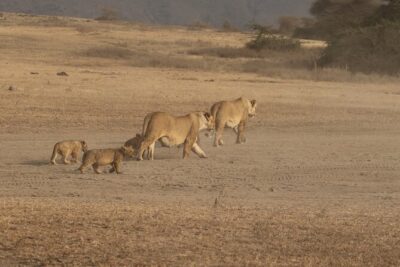 ★ 5.03 Days Serengeti & Ngorongoro Group Camping SafariFrom $815574 reviews
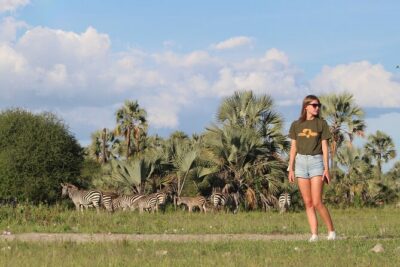 ★ 5.05-Day Highlights mid-Range Crater, Serengeti, TarangireFrom $2,327296 reviews
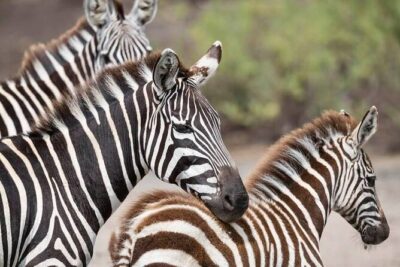 ★ 5.0Safari Serengeti And NgorongoroFrom $2,845288 reviews
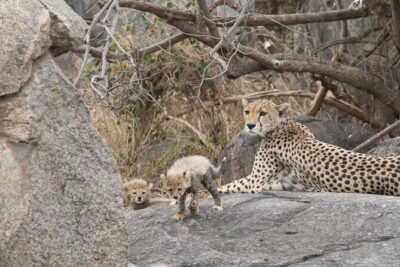 ★ 5.03-Day Classic Serengeti SafariFrom $1,455263 reviews
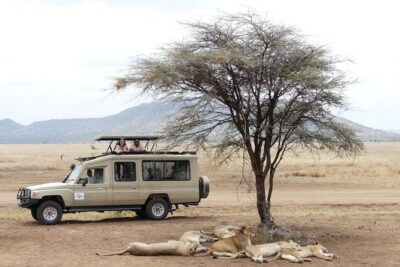 ★ 5.0Private 6-Day Tarangire Manyara Crater and Serengeti with Mid-Range LodgesFrom $2,685238 reviews
 ★ 5.05 Days Camping Tarangire, Serengeti & Ngorongoro crater & Visiting MaasaiFrom $1,254229 reviews