
REVIEW · SERENGETI NATIONAL PARK SAFARIS
5-Day Private Camping Tour to Serengeti, Ngorongoro & Tarangire
Three parks, five days, one big learning curve. This private camping safari from Arusha is a fast, focused way to see Tarangire elephants, chase the Serengeti’s wildlife rhythms, and sleep on the Ngorongoro crater rim for the big descent. I like how the schedule builds in real game-drive time instead of padding, and I also like that most park costs and camping basics are handled for you. The main drawback to think about is that you are signing up for long drives and early starts, plus actual camping, not a hotel bubble.
The best part, for me, is how much your guide matters. Feedback names guides like Isac and Swahib for sharp spotting and clear explanations, and I also saw praise for Deo Robert and Frank for professional care. That kind of guidance turns sightings into a story you can follow, not just a quick photo.
Value is another reason this works. You get all fees and taxes and camping equipment included, along with meals across the 5 days, so your budget is easier to manage. Just note tips are not included, and the tour assumes you’ll handle them at about $10 USD per person per day.
In This Review
- Key highlights worth planning around
- Why this 5-day Arusha safari circuit makes sense
- Tarangire National Park: elephants, baobabs, and a picnic lunch rhythm
- Serengeti National Park: entering through the Ngorongoro Conservation Area
- Full-day Serengeti game drives with morning and late-afternoon strategy
- Ngorongoro Conservation Area and the change from Serengeti rhythm
- Simba campsite and the crater rim advantage
- The crater descent: 600 meters, black rhino chances, and last-light photos
- Camping setup, meals, and what to expect from the daily rhythm
- Price and value: $2,051.29 per person, but what’s included matters
- Who this private camping safari is best for
- The final call: should you book this 5-day tour?
- FAQ
- What parks does this 5-day tour include?
- Does the tour include pickup from Arusha?
- Is camping equipment provided?
- What meals are included?
- Are park entry fees included in the price?
- What tips should I plan for?
- When does the tour start?
- What is the cancellation policy?
Key highlights worth planning around
- Tarangire first for the biggest elephant concentration and famous baobab scenery
- Serengeti time at two different moments of day, morning and late afternoon
- Ngorongoro rim camping at Simba campsite for crater access the next morning
- A steep 600-meter descent into the crater for your last wildlife viewing
- Big Five focus plus black rhino chances, with the reality that sightings are never guaranteed
- Private tour pacing that means it is only your group, not mixed crowds
More of the Serengeti, drive by drive
- Balloon Safari & Bush Breakfast in Serengeti – Miracle Experience★ 5.0 · 1,646 reviews
- 3 Days Serengeti & Ngorongoro Group Camping Safari★ 5.0 · 574 reviews
- 5-Day Highlights mid-Range Crater, Serengeti, Tarangire★ 5.0 · 296 reviews
- 3-Day Classic Serengeti Safari★ 5.0 · 263 reviews
Why this 5-day Arusha safari circuit makes sense
This route is built like a safari greatest-hits album, with enough days to do more than just “pass through.” In five days you get three different ecosystems and their own wildlife styles. Tarangire runs on drama and density, Serengeti runs on movement and variety, and Ngorongoro runs on a packed pocket of animals you can watch with efficient driving.
Starting from Arusha also helps your logistics. You spend time in the parks, not stuck in endless transfers. Still, you should expect a lot of time in the vehicle. The trade is simple: more wildlife and better timing in the parks, less time for lounging.
If you like your safari with structure, this one delivers. The days alternate between longer game drives, targeted transitions, and breaks for meals. You are also sleeping in designated campsites like Migombani and Simba, which keeps the pace realistic and avoids turning the trip into a “hotel-hunt” routine.
Tarangire National Park: elephants, baobabs, and a picnic lunch rhythm
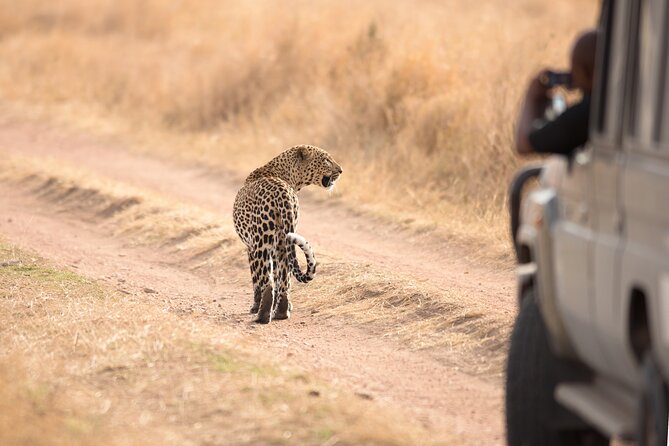
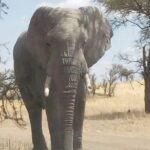
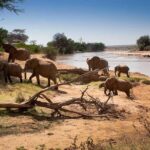
Day 1 is about getting your eyes trained fast. Tarangire National Park is known for old baobab trees, and you’ll also pass classic Maasai huts and grassland plains along the way, which sets the tone before you even reach the park. The park’s wildlife is the main event: it’s famous for one of the biggest concentrations of African elephants, plus predators like lions, leopards, and cheetahs.
What I like about putting Tarangire first is that it gives you an immediate win. If you are new to East African safaris, the first day is when you learn how to read the scenery, spot movement, and understand that animals often show up in clusters. Tarangire gives you that kind of practice right away.
A midday picnic lunch breaks up the driving day, then you continue the afternoon game drive. That split matters. Morning can be all about energy and first sightings, but afternoon is often when you catch behaviors like feeding and social interactions. You also keep a comfortable rhythm before rolling into your campsite for dinner and overnight at Migombani Campsite.
Possible drawback: Tarangire is a full day with significant driving time, so keep your expectations flexible. If you want a safari that feels slow and scenic only, this itinerary is more “see lots, then sleep hard.”
Serengeti National Park: entering through the Ngorongoro Conservation Area
The route from Tarangire to Serengeti is not just a transfer, it is part of the viewing. You drive from Migombani toward Serengeti and pass through the Ngorongoro Conservation Area, which gives you a breath-taking view of the crater along the way. It is one of those moments that helps your brain connect the dots before you ever descend.
The Serengeti approach can also bring surprise wildlife. The drive route sometimes has a significant concentration of game on the southern plains, so you might find that the “getting there” phase delivers sightings too, not only the official park hours.
Here’s another Serengeti detail I think you’ll appreciate: it is not only about mammals. The park has more than 500 identified bird species. That means the safari is layered. You might be scanning for lions one minute, then notice birds moving over the savannah. It’s also where you get to pick out species like secretary birds and ostriches in open areas, and black eagles that ride the air.
Practical tip: If birds are your thing, plan to spend time looking up. Game drives often focus on what’s on the ground, but the sky is busy, and that 500-plus bird list shows up as real-life spotting.
Other ways down into the Ngorongoro Crater
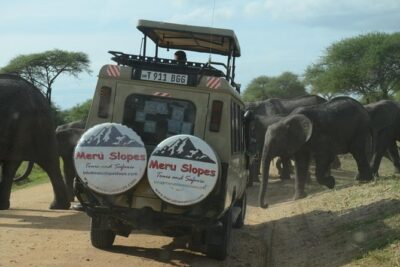
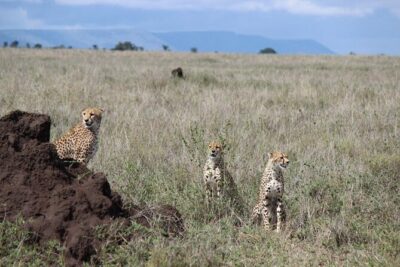
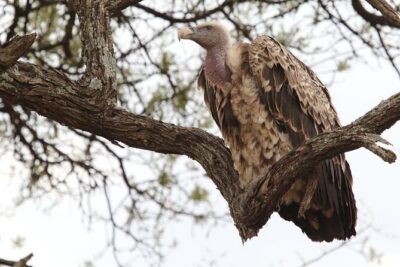
Full-day Serengeti game drives with morning and late-afternoon strategy
Day 3 is your classic Serengeti day: you are in the park at dawn and you run a full-day wildlife drive. The schedule is simple but smart. You set out after a light breakfast, enjoy a morning game drive, return for a cooked lunch, then head out again for a late afternoon game drive.
That two-part structure is worth caring about. Morning often gives you clearer conditions and strong chances for big cat sightings and active grazing. Late afternoon can shift the vibe. Animals move differently with temperature and light, and predators may start hunting when conditions feel right.
This is also the day the tour focuses on Big Five searching, so your guide is working the map of where animals tend to appear. Even if you do not get every target species, you still benefit because Serengeti wildlife is about patterns. When your guide spots tracks, calls, or small group clusters, you start to understand how sightings build.
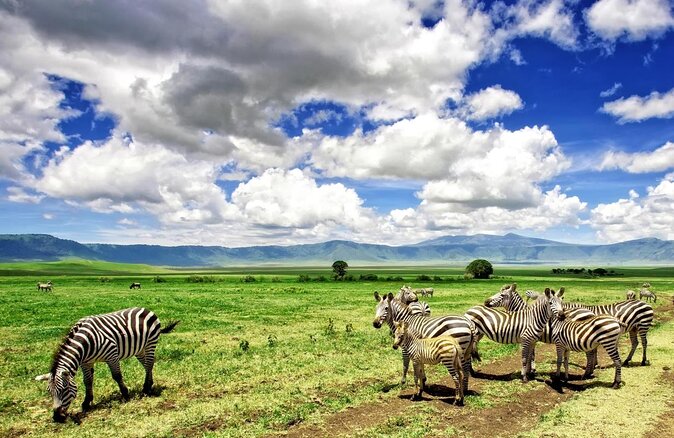
And yes, there is a real “feel” difference between Serengeti and the other parks. Serengeti tends to feel wider and more open, with animals spreading out across the plains. That changes how you photograph too. In wide country, you want to think about longer viewing time, not constant button-pressing.
Possible drawback: Full days in the vehicle add up. Bring what you need to stay comfortable, because the better your legs and neck feel, the more you notice.
Ngorongoro Conservation Area and the change from Serengeti rhythm
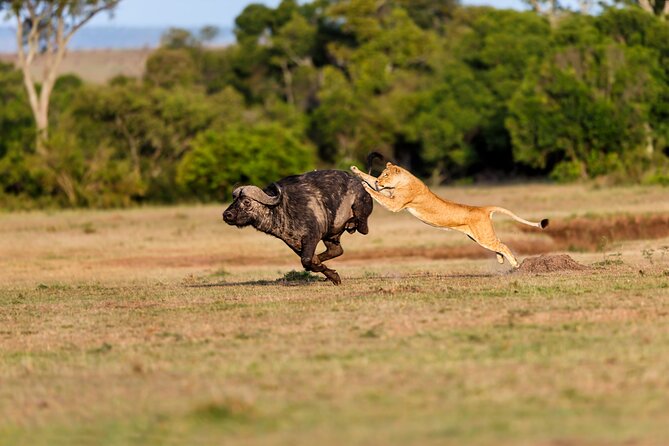
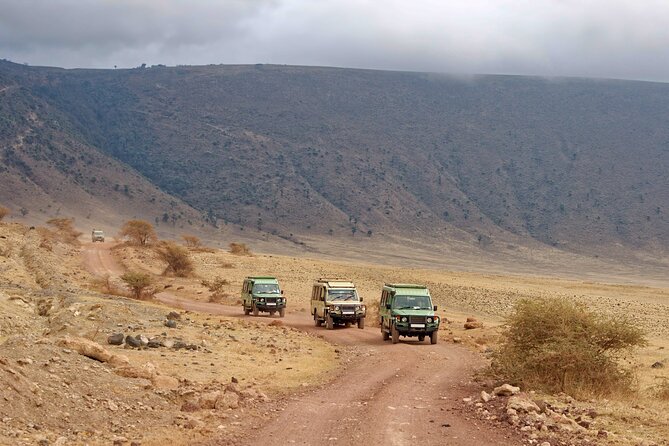
Day 4 is a transition day, but it is not wasted time. You do an early morning game drive with a packed lunch, then after you wrap up, you head toward Ngorongoro Conservation Area. The drive includes stops for additional wildlife viewing, then you arrive at Simba campsite on the rim of the crater.
Sleeping at the rim is more than a nice idea. It sets you up for a more efficient crater experience the next morning. It also changes the whole mood of the trip. Instead of constant moving, you now have the crater as your centerpiece, looming close enough that the weather and light can feel dramatically different from the surrounding plains.
This day also functions as your “last Serengeti goodbye.” You already used one day for full-day exploration, so this is more of a focused farewell with a long early drive and then time to transition. If you are someone who loves routine, you’ll like how the itinerary keeps the structure: early start, long drive, break for lunch, then travel.
Possible drawback: You are stacking a game drive plus a transfer plus campsite setup. If you get motion sick, you’ll want to plan for it.
Simba campsite and the crater rim advantage
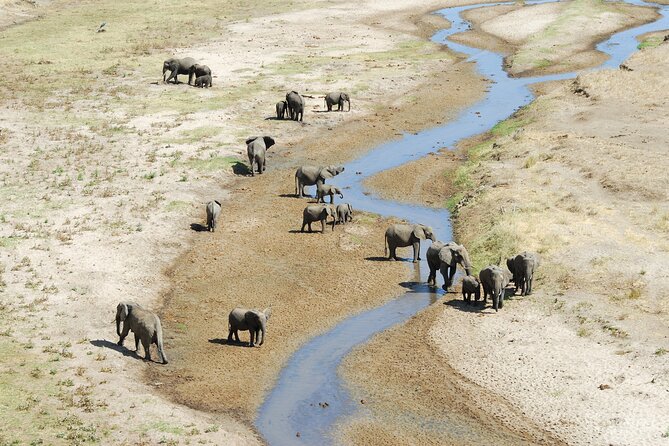
Your stop at Simba campsite is where Ngorongoro starts feeling real. The crater rim gives you a natural viewpoint advantage, and it also changes the logistics of the next day’s big moment: the descent.
This part of the trip is not only about wildlife. It’s about timing. In Ngorongoro, the animals are concentrated, and the crater walls can shape where animals move and how you view them. Staying near the rim helps you be ready early and take advantage of the best viewing window.
Also, the tour schedule gives you time for crater-adjacent viewing before the descent day, which means you are not going from “packed vehicle all day” straight to “steep descent, no break.” You get a night to adjust.
Camping reality check: campsite life is part of this trip. If you plan for it, it can be a highlight. If you ignore it, it can feel like a chore. I always recommend you treat campsite time as part of your safari, not as downtime you can resent.
The crater descent: 600 meters, black rhino chances, and last-light photos
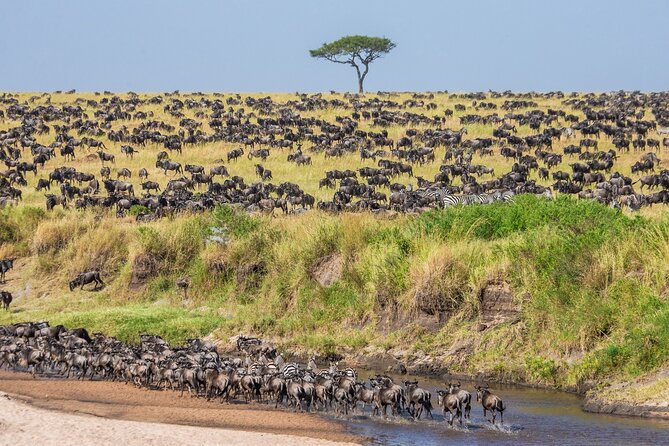
Day 5 is the grand finale. After an early breakfast, you descend about 600 meters into the crater for your last wildlife viewing. This is one of those routes where you can feel the “stage” shift. You go from rim perspective to crater floor viewing, and the chance of seeing many species increases because the crater acts like a giant natural enclosure.
The crater is described as the world’s largest intact and unfilled volcanic caldera. In plain terms, you get a rare, closed system with wildlife densities that can be very high. Ngorongoro is also known for a strong concentration of animals, including the Big Five. The black rhino is the star possibility, and the tour is honest that you might get lucky.
Lunch is served at the crater base near a hippo lake. That detail matters because it anchors your day to a specific area. Hippos also signal that water is nearby, and water points often influence where other wildlife gathers.
After lunch, you take last photos in the park, then head back to Arusha.
Possible drawback: The crater can be busy, and your time is limited by the day’s viewing plan. If you want an ultra-structured photo marathon, you might feel slightly rushed compared with a longer stay in the crater.
Camping setup, meals, and what to expect from the daily rhythm
The tour includes camping equipment and most key meals. You get 3 breakfasts, 4 lunches, and 4 dinners, plus the picnic and packed-lunch style breaks that keep long drives from turning into constant snacking.
That matters because safari days are about stamina. If you are eating at the right times, you stay alert during game drives, and you recover enough for the next day’s start.
Dinner and overnight are planned each night with specific campsites like Migombani and Simba. So you are not left guessing where you’ll sleep or scrambling for last-minute arrangements.
Still, camping is camping. Expect basic conditions and plan to bring a comfortable sleeping setup if the tour gear does not fully match your comfort needs. If you have questions about what’s included in the camping equipment, it’s worth asking before you go, because “camping equipment” can mean different levels of comfort depending on the operator.
Practical packing priorities for this itinerary:
- Layers for early mornings and cooler crater air
- A rain shell or waterproof layer, since safaris depend on weather and road conditions
- Sunscreen and a hat for open plains days
- Binoculars if you have them, especially for birds and crater sightings
- Small daypack for snacks, water, and camera gear
Price and value: $2,051.29 per person, but what’s included matters
At $2,051.29 per person, this is not a budget safari. But it can be good value because it includes a lot of the costs that usually surprise people after they book.
Here is what’s covered:
- All fees and taxes
- Camping equipment
- Entry and admission for Tarangire, Serengeti, and Ngorongoro
- Meals across the trip (breakfasts, lunches, dinners)
When the park admissions and fees are included upfront, you avoid the common “nickel-and-dime” effect. You also avoid the added stress of trying to calculate day-by-day costs.
What’s not included:
- Tips, recommended at $10 USD per person per day
- International flights
- Visa fees (varies by nationality)
- Souvenirs and personal expenses
- Extra accommodation before or after the tour
So the real question is whether this itinerary matches your travel style. If you want three parks, private participation, and an efficient camping-based pace, the price is easier to justify. If you mainly want a relaxed, hotel-based safari, you may find this cost hard to swallow for the camping portion.
Who this private camping safari is best for
This tour fits best if you want:
- A private experience, meaning only your group participates
- Big wildlife targets in a short trip, especially the crater chance for black rhino
- A safari structure that mixes driving time with planned breaks for food and recovery
- A willingness to sleep at campsites, not in city hotels
It might be less ideal if:
- You dislike early mornings or long days in a vehicle
- You want a purely comfortable, room-service style trip
- You expect every day to be a guaranteed Big Five highlight, because sightings depend on animal movement
On the plus side, the itinerary is timed for early action. Meeting is scheduled in the early window, from 6:00 AM to 7:30 AM, Monday through Sunday. That is exactly how safaris work best: you start early, and you use the day for animals instead of traffic.
The final call: should you book this 5-day tour?
I’d book this if you want a strong “three-park combo” with camping included, and if you’re excited by the idea of ending on Ngorongoro crater floor viewing. The big selling points for me are the day-to-day rhythm, the included park admissions, and the thoughtful way the tour builds toward the crater descent.
I would hold off if camping is a hard no for you, or if you need a lot of down time between drives. Also, if black rhino is your number one must-see, go in with optimism but accept that luck is part of the deal.
If your goal is a real safari experience that teaches you how to see, where to look, and how wildlife patterns work across parks, this is a compelling choice.
FAQ
What parks does this 5-day tour include?
It includes Tarangire National Park, Serengeti National Park, and Ngorongoro Crater (within the Ngorongoro Conservation Area).
Does the tour include pickup from Arusha?
Yes. Pickup is offered, and the tour starts from the Arusha area.
Is camping equipment provided?
Yes. Camping equipment is included in the tour.
What meals are included?
The tour includes 3 breakfasts, 4 lunches, and 4 dinners.
Are park entry fees included in the price?
Yes. Entry and admission are included for Tarangire, Serengeti, and Ngorongoro Crater.
What tips should I plan for?
The tour lists tips as recommended at $10 USD per person per day, and tips are not included in the price.
When does the tour start?
The listed opening hours are 6:00 AM to 7:30 AM, Monday through Sunday.
What is the cancellation policy?
You can cancel for a full refund if you cancel at least 24 hours in advance of the experience start time. If you cancel less than 24 hours before, the amount paid will not be refunded.
Tarangire and Its Baobabs
- 5-Day Highlights mid-Range Crater, Serengeti, Tarangire
★ 5.0 · 296 reviews - Private 6-Day Tarangire Manyara Crater and Serengeti with Mid-Range Lodges
★ 5.0 · 238 reviews - 5 Days Camping Tarangire, Serengeti & Ngorongoro crater & Visiting Maasai
★ 5.0 · 229 reviews - 4 Days Join Group tour Tarangire Serengeti and Ngorongoro crater
★ 5.0 · 219 reviews - 4-Day Safari from Arusha: Tarangire, Serengeti and Ngorongoro
★ 5.0 · 173 reviews
Still Thinking About the Crater?
- 3 Days Serengeti & Ngorongoro Group Camping Safari
★ 5.0 · 574 reviews - 5 Days Camping Tarangire, Serengeti & Ngorongoro crater & Visiting Maasai
★ 5.0 · 229 reviews - 4 Days Join Group tour Tarangire Serengeti and Ngorongoro crater
★ 5.0 · 219 reviews - 4-Day Safari from Arusha: Tarangire, Serengeti and Ngorongoro
★ 5.0 · 173 reviews - 2 Days Tarangire and Ngorongoro Group Camping Safari
★ 5.0 · 146 reviews
The Serengeti, Three More Ways
- Balloon Safari & Bush Breakfast in Serengeti – Miracle Experience
★ 5.0 · 1,646 reviews - 3 Days Serengeti & Ngorongoro Group Camping Safari
★ 5.0 · 574 reviews - 5-Day Highlights mid-Range Crater, Serengeti, Tarangire
★ 5.0 · 296 reviews - 3-Day Classic Serengeti Safari
★ 5.0 · 263 reviews - Private 6-Day Tarangire Manyara Crater and Serengeti with Mid-Range Lodges
★ 5.0 · 238 reviews
Just added from around Arusha
Serengeti National Park Safaris, compared.
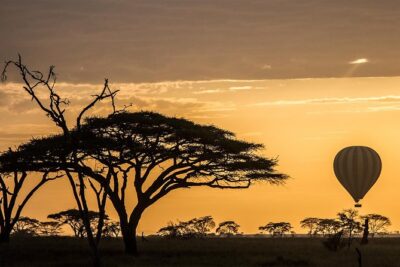 ★ 5.0Serengeti Balloon Safari and authentic bush breakfastFrom $5502,480 reviews
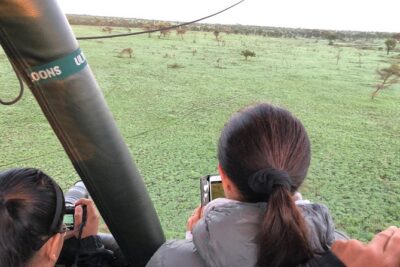 ★ 5.0Balloon Safari & Bush Breakfast in Serengeti – Miracle ExperienceFrom $5991,646 reviews
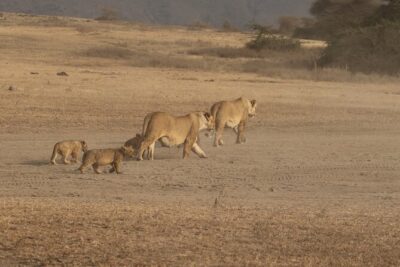 ★ 5.03 Days Serengeti & Ngorongoro Group Camping SafariFrom $815574 reviews
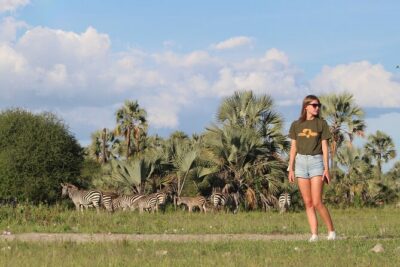 ★ 5.05-Day Highlights mid-Range Crater, Serengeti, TarangireFrom $2,327296 reviews
 ★ 5.0Safari Serengeti And NgorongoroFrom $2,845288 reviews
 ★ 5.03-Day Classic Serengeti SafariFrom $1,455263 reviews
 ★ 5.0Private 6-Day Tarangire Manyara Crater and Serengeti with Mid-Range LodgesFrom $2,685238 reviews
 ★ 5.05 Days Camping Tarangire, Serengeti & Ngorongoro crater & Visiting MaasaiFrom $1,254229 reviews