
REVIEW · SERENGETI NATIONAL PARK SAFARIS
4 days Tarangire, Serengeti & Ngorongoro
Four days, three parks, one wild obsession. This small-group safari starts in Arusha and takes you on game drives aimed at the Big Five, with camping on the edge of major ecosystems and the chance to learn how protection work actually plays out on the ground.
I love the value here. Camping with full board means you are not mentally budgeting every meal, and the safari structure gives you real time in Tarangire, Serengeti, and Ngorongoro instead of constant rushing. I also like the focus of a small group, capped at 6 travelers, so your guide can adjust when animals show up close or when roads get bumpy.
One possible drawback: this is camping, not a hotel safari. If you need polished comfort, or you do not love early starts and long days in the vehicle, you might feel the tradeoff.
In This Review
- Key things I’d circle before you go
- Arusha start at 6:30 am, and why that matters
- Tarangire National Park: elephants, river life, and a picnic lunch rhythm
- Serengeti National Park, Seronera nights: the open plains effect
- Ngorongoro Conservation Area: shifting worlds, then sleeping on the rim
- Crater floor Big Five day: the most intense viewing block
- Price and logistics: why $1,070 can be good value here
- The guide and chef factor: small details that can make or break days
- What to pack for this camping Big Five run
- Who this safari suits best
- Should you book this 4-day Tarangire, Serengeti, Ngorongoro safari?
- FAQ
- What time does the safari start and where do we meet in Arusha?
- How long is the safari?
- How many travelers are in the group?
- Is pickup offered?
- What parks and areas are included?
- Is accommodation and food included?
- What is the cancellation policy?
Key things I’d circle before you go
- Small group cap (6 travelers): more eyes on the wildlife and more time to ask questions.
- Camping with full board: dinner, sleep, and meals are part of the package.
- Two UNESCO stops: Serengeti National Park and Ngorongoro Conservation Area are UNESCO World Heritage sites.
- Big Five mission: the schedule is built to maximize chances at lions, elephants, buffalo, leopards, and rhinos.
- Late-day game drives: you are not only doing daytime spotting when animals hide or move differently.
- Budget-friendly pricing: $1,070 per person for multiple major parks can feel like a smart shortcut.
More of the Serengeti, drive by drive
- Balloon Safari & Bush Breakfast in Serengeti – Miracle Experience★ 5.0 · 1,646 reviews
- 3 Days Serengeti & Ngorongoro Group Camping Safari★ 5.0 · 574 reviews
- 5-Day Highlights mid-Range Crater, Serengeti, Tarangire★ 5.0 · 296 reviews
- 3-Day Classic Serengeti Safari★ 5.0 · 263 reviews
Arusha start at 6:30 am, and why that matters
Your safari day starts early. You meet at Shoppers Supermarket in Arusha at 6:30 am, and the plan is built around getting into the parks while wildlife is active and roads are calmer.
That early push is not just about tradition. During a safari, the light changes how animals behave and how easy it is for your guide to spot movement in tall grasses and along river lines. Getting an early start also means you spend more time actually driving the park tracks and less time stuck outside the gates.
This tour also offers pickup, and you get a mobile ticket. If you like feeling organized before you leave your hotel, that small admin stuff helps. And since the meeting point is near public transportation, it is easier to build your Arusha day around the safari without panic.
Tarangire National Park: elephants, river life, and a picnic lunch rhythm
Day one focuses on Tarangire National Park, and it sets the tone right away. After an early breakfast, you head out for a game drive and you have a picnic lunch in the park. You finish the day with dinner and an overnight stay at Tarangire campsite.
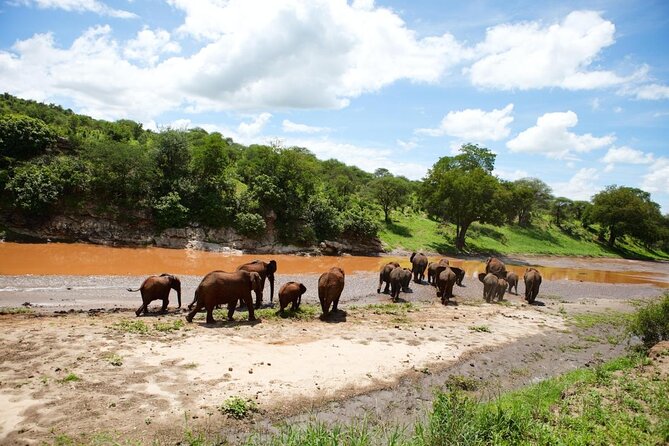
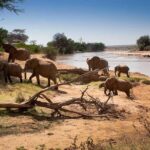
Tarangire has a reputation for elephants and for wildlife that concentrates around water. Even if you are coming only for the Big Five, this is a great first day because the ecosystem is easier to read when you are fresh and the animals are moving. You are often looking for patterns: tracks near water, groups feeding, and the way predators position themselves when herbivores are gathered.
I also like the rhythm of the day. A full morning drive, a picnic lunch, then more time afterward keeps your energy steady. You are not stuck waiting around for long stretches with nothing happening.
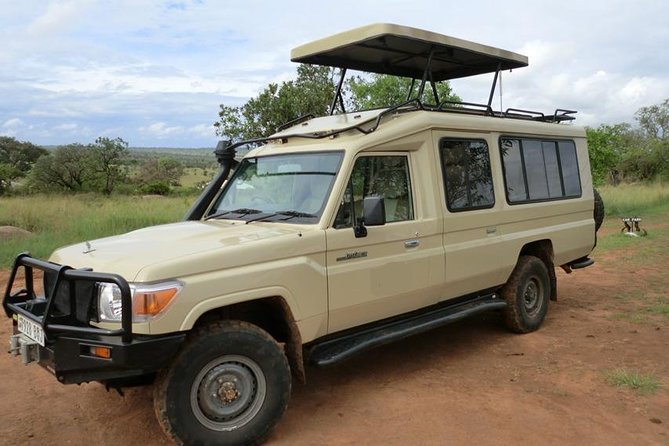
Practical note: Tarangire is a big park with varying terrain. You’ll be in a safari vehicle for long chunks of time, and conditions can get bumpy. If your back dislikes it, pack a small cushion and keep your water within reach.
Serengeti National Park, Seronera nights: the open plains effect
Day two moves you into Serengeti National Park, with a morning drive and then a late evening game drive. You overnight at Seronera campsite.
Serengeti is famous because of what you feel when you look out across the plains. The animal spotting game becomes about scanning. Your guide reads the land: where the herds might funnel, where shade lines sit, and how animals react to vehicle distance and direction.
A late evening drive is a smart addition. Some animals shift activity as daylight fades. Even when nothing spectacular happens in a single hour, that timing often gives you different sightings than a midday drive would.
And Seronera is a practical staging area. You get to sleep right in the wildlife zone, so you do not lose the night to extra driving. For many people, that is the best way to keep the safari feeling like a safari, not a travel day.
One detail I really appreciate from guides you might meet on trips like this: they tend to communicate quickly, scan constantly, and adjust routes when terrain or visibility changes. In past experiences, guides such as Nuru, Malisa, and Robert have been praised for their hands-on skill and calm problem solving on rougher ground, and that kind of competence matters when you are trying to keep the ride comfortable and the spotting chances high.
Other ways down into the Ngorongoro Crater
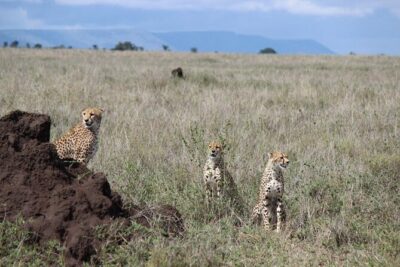
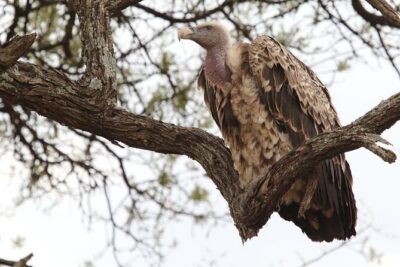
Ngorongoro Conservation Area: shifting worlds, then sleeping on the rim
Day three is the transition day, and it is set up in two chunks. You go from Serengeti into the Ngorongoro Conservation Area, with game viewing on the way. You arrive late evening and sleep at the Crater Rim at Simba Campsite. The next morning you head out again for crater-focused viewing.
This is where the safari’s pacing really changes. Serengeti can feel wide open, like the land is stretching forever. Ngorongoro feels contained, the crater acting like a natural amphitheater. The location of your overnight on the rim is key because you are not only visiting the crater, you are setting your base near the crater’s edge.
Sleeping at the crater rim often means you are ready for early crater time without extra logistics. And it also means your day can start with that specific crater mood, the cool air, the dramatic views, and the anticipation of going down.
Simba Campsite on the crater rim is part of why this itinerary feels like a true “see it” package. You get to experience the geography first, then use it. For me, that is the difference between sightseeing and safari time.
Crater floor Big Five day: the most intense viewing block
Day four is the payoff. After breakfast, you go directly to the crater floor for a day game tour, with picnic lunches down at the crater. You return to Arusha in the evening.
This is the day where you try to put the Big Five mission into motion. In Ngorongoro, there are concentrated opportunities: different habitats inside the crater, shade and grass patches, and water-driven movement patterns that can keep animals in view for longer than in a totally open plain.
Even with a strong plan, nothing in wildlife is guaranteed. But the structure helps you stack the odds. Going down early, staying flexible, and spending time where your guide finds activity are the tools that matter.
If you want one practical strategy, it is this: be ready to change your attention quickly. One minute you are scanning for a specific species, the next minute you are following any movement, because a predator could be near grass lines and you might only see it if you stay alert.
Also, crater days can feel longer than you expect. The viewing can be intense, and you’ll likely be tempted to take photos nonstop. Bring water, protect your skin from sun, and plan for moments where you simply watch instead of shooting. The best memories often come from slow attention.
Price and logistics: why $1,070 can be good value here
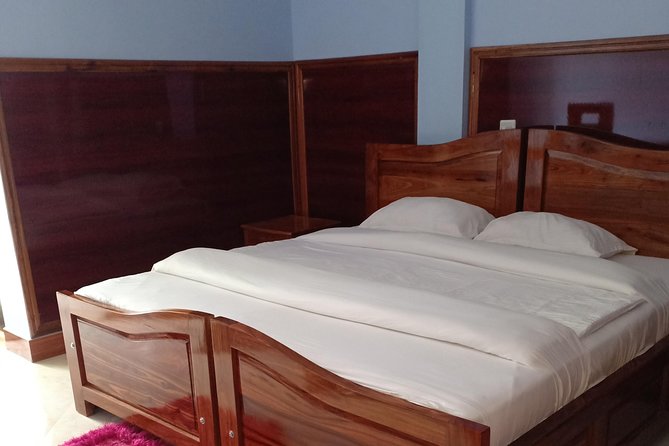
At $1,070 per person for a 4-day safari, this falls into the “budget-smart, not bargain-basement” category. The value comes from what is included and how many major parks you hit in a short window.
Two big value drivers:
- Full board with camping: you are not paying separate lodging every night, and you have dinner included each day you are in camp.
- Major-park coverage in a small group: Tarangire plus Serengeti plus Ngorongoro is not a light schedule, and the small group cap helps keep the experience from turning into a traffic jam.
Your also see admission tickets listed as free. That matters because park fees can add up fast in multi-park plans.
Now the honest tradeoff: camping. Campsites on safari can be comfortable enough for many people, but they are still outdoors, and you should expect basic facilities. If you are the type who wants a private bathroom every night and a thick pillow, adjust your expectations now.
The best way to think about the price is this: you are buying time, access, and planning help, not luxury finishes. For people who care more about animals than linens, this is a strong deal.
The guide and chef factor: small details that can make or break days
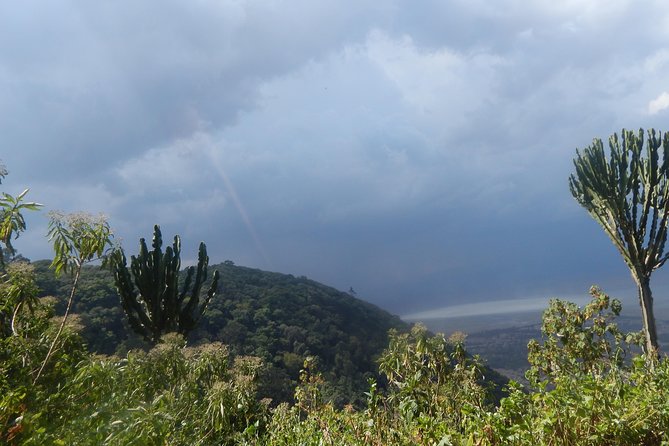
In every safari, the guide matters. You need someone who can locate animals, explain what you are seeing, and drive skillfully over changing terrain. You also need someone who can keep your group moving smoothly without making it feel rushed.
A lot of the praise you’ll see for operators running safaris like this focuses on exactly those points. People have highlighted guides such as Nuru, Malisa, Robert, Deogratius, Asantel, Luther, Yuma, and Adam, along with chefs like Dula, Gidion, Godfrey, Salim, and Msefiri.
Even if you do not get the same team as someone else, this gives you a clue about what to look for:
- Guides who stay calm when the road gets rough
- Drivers who keep you in a good position for spotting while respecting animal viewing rules
- Chefs who make campsite meals genuinely enjoyable, so you are not eating just to survive
For me, the chef part is underrated. After a long drive, the food is not just calories. It is morale. When meals are excellent, you wake up less grumpy, and you are more likely to enjoy the next early start.
What to pack for this camping Big Five run
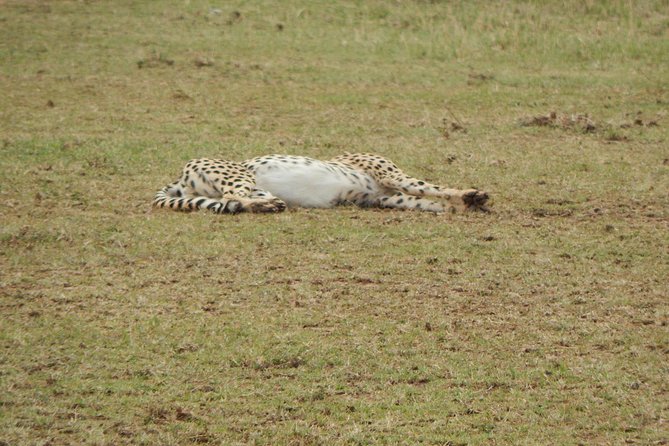
You can make this safari easier on yourself with a few simple choices. Based on the camping style and long drive days, I’d plan for:
- A light day bag for water, sunscreen, and your phone or camera
- Sun protection (hats and sunscreen), because you will be in bright open country
- Comfortable closed-toe shoes for campsite time
- A small layer for early mornings and crater rim evenings
- A reusable water bottle
- Basic insect protection for camp areas, since you are sleeping in the bush
Also consider comfort tweaks for the vehicle. Seat time adds up fast on safari. If you tend to feel stiff after long rides, a small cushion can help.
Who this safari suits best
This experience fits you if:
- You want to see Tarangire, Serengeti, and Ngorongoro in one trip
- You care about the Big Five mission and want a schedule built around wildlife viewing
- You are okay with camping in exchange for value
- You like small groups where your guide can give attention and adjust when animals show up
If you want hotel-style comfort every night, or you dislike outdoor camping setups, you might find the camping side a tough match. If you are flexible and focus on wildlife, you should be in your element.
Also, the group cap at 6 travelers is a big deal. It keeps the safari more personal and makes it easier for the guide to find your exact preferences, like spending more time on a sighting or moving sooner if the action shifts.
Should you book this 4-day Tarangire, Serengeti, Ngorongoro safari?
I’d book it if you want a focused, Big Five flavored route at a price that does not force you into a luxury budget. The combination of small group size, full board camping, and the two UNESCO stops (Serengeti and Ngorongoro) makes this a practical way to experience Tanzania’s top landscapes quickly.
I would hesitate only if camping comfort is a dealbreaker for you, or if you are sensitive to long vehicle days and early starts. This safari is built for the early and the outdoorsy.
If you can handle that, you will likely come away with the kind of wildlife memories that feel oddly unreal, the kind where you spend days afterward replaying sightings and asking yourself how you got that lucky.
FAQ
What time does the safari start and where do we meet in Arusha?
The safari starts at 6:30 am, and the meeting point is Shoppers Supermarket in Arusha, Tanzania.
How long is the safari?
The duration is approximately 4 days.
How many travelers are in the group?
The tour has a maximum of 6 travelers.
Is pickup offered?
Pickup is offered.
What parks and areas are included?
The safari includes Tarangire National Park, Serengeti National Park, and the Ngorongoro Conservation Area, including time down on the crater floor.
Is accommodation and food included?
Yes. Camping accommodation with full board is included, with dinner and overnight at the campsites during the trip and picnic lunches on game drive days.
What is the cancellation policy?
You can cancel for free up to 24 hours in advance of the experience for a full refund. If you cancel less than 24 hours before the start time, you will not receive a refund.
Tarangire and Its Baobabs
- 5-Day Highlights mid-Range Crater, Serengeti, Tarangire
★ 5.0 · 296 reviews - Private 6-Day Tarangire Manyara Crater and Serengeti with Mid-Range Lodges
★ 5.0 · 238 reviews - 5 Days Camping Tarangire, Serengeti & Ngorongoro crater & Visiting Maasai
★ 5.0 · 229 reviews - 4 Days Join Group tour Tarangire Serengeti and Ngorongoro crater
★ 5.0 · 219 reviews - 4-Day Safari from Arusha: Tarangire, Serengeti and Ngorongoro
★ 5.0 · 173 reviews
Still Thinking About the Crater?
- 3 Days Serengeti & Ngorongoro Group Camping Safari
★ 5.0 · 574 reviews - 5 Days Camping Tarangire, Serengeti & Ngorongoro crater & Visiting Maasai
★ 5.0 · 229 reviews - 4 Days Join Group tour Tarangire Serengeti and Ngorongoro crater
★ 5.0 · 219 reviews - 4-Day Safari from Arusha: Tarangire, Serengeti and Ngorongoro
★ 5.0 · 173 reviews - 2 Days Tarangire and Ngorongoro Group Camping Safari
★ 5.0 · 146 reviews
The Serengeti, Three More Ways
- Balloon Safari & Bush Breakfast in Serengeti – Miracle Experience
★ 5.0 · 1,646 reviews - 3 Days Serengeti & Ngorongoro Group Camping Safari
★ 5.0 · 574 reviews - 5-Day Highlights mid-Range Crater, Serengeti, Tarangire
★ 5.0 · 296 reviews - 3-Day Classic Serengeti Safari
★ 5.0 · 263 reviews - Private 6-Day Tarangire Manyara Crater and Serengeti with Mid-Range Lodges
★ 5.0 · 238 reviews
Just added from around Arusha
Serengeti National Park Safaris, compared.
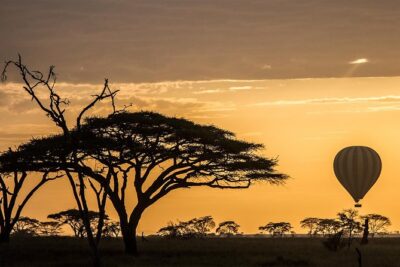 ★ 5.0Serengeti Balloon Safari and authentic bush breakfastFrom $5502,480 reviews
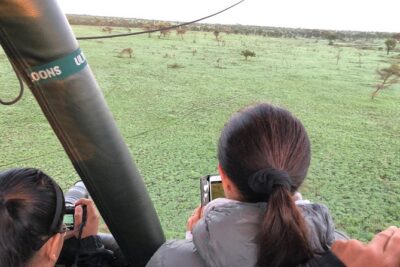 ★ 5.0Balloon Safari & Bush Breakfast in Serengeti – Miracle ExperienceFrom $5991,646 reviews
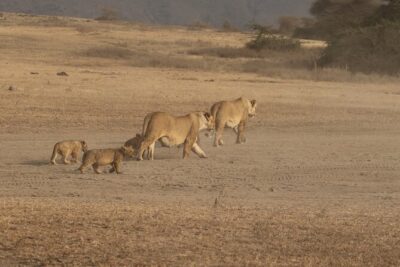 ★ 5.03 Days Serengeti & Ngorongoro Group Camping SafariFrom $815574 reviews
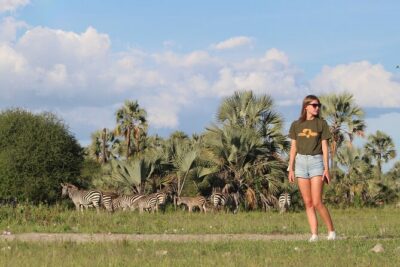 ★ 5.05-Day Highlights mid-Range Crater, Serengeti, TarangireFrom $2,327296 reviews
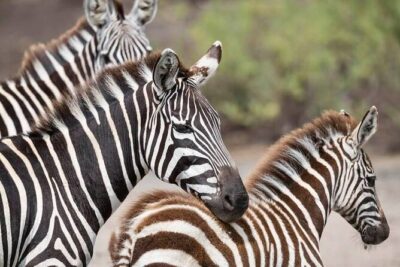 ★ 5.0Safari Serengeti And NgorongoroFrom $2,845288 reviews
 ★ 5.03-Day Classic Serengeti SafariFrom $1,455263 reviews
 ★ 5.0Private 6-Day Tarangire Manyara Crater and Serengeti with Mid-Range LodgesFrom $2,685238 reviews
 ★ 5.05 Days Camping Tarangire, Serengeti & Ngorongoro crater & Visiting MaasaiFrom $1,254229 reviews
Browse the lists this tour appears in