

REVIEW · SERENGETI NATIONAL PARK SAFARIS
4 Days Tarangire, Serengeti & Ngorongoro Crater Joining Group
Three parks in four days, no wasted motion. This 4-day joining-group safari is built for people with limited time who still want serious wildlife time across Tarangire, Serengeti, and Ngorongoro. You start with hotel pickup in Arusha, then spend days on game drives spotting everything from elephants to black rhino odds.
I really like the tight, efficient routing that targets three of Tanzania’s most famous habitats, instead of stretching your trip into something you may never finish. I also like the small group size (max 7), because it usually means more eyes on the spotting game and less chaos when you’re trying to get good views.
One consideration: this tour runs on early starts and long drive days, so it is not a slow, sleep-in style vacation. If you want a relaxed pace with lots of free afternoon time, you might feel rushed.
In This Review
- Key highlights I’d bet on
- How this 4-day safari circuit works, and why it’s a smart fit
- Day 1 Tarangire: elephants, baobab trees, and classic safari odds
- Day 2 Serengeti: the long drive payoff and the plains stretch feeling
- Day 3: a second Serengeti morning, then Ngorongoro’s crater world
- Day 4 Ngorongoro Conservation Area: crater-floor driving and back to Arusha
- Camping equipment, meals, and what you really get for your money
- The guide factor: Safari G.O.A.T.S and Eddy’s planning touch
- What to know before you go, so the schedule doesn’t surprise you
- Value check: is $1,030 per person a good deal?
- Who this tour is best for
- Should you book this 4-day joining-group safari?
- FAQ
- How long is the 4-day safari?
- What is the starting location for the tour?
- What time does the tour start?
- What is the maximum group size?
- Which parks are included in this safari?
- What wildlife can I expect to see?
- What meals are included?
- What is not included in the tour price?
- Is free cancellation available?
Key highlights I’d bet on
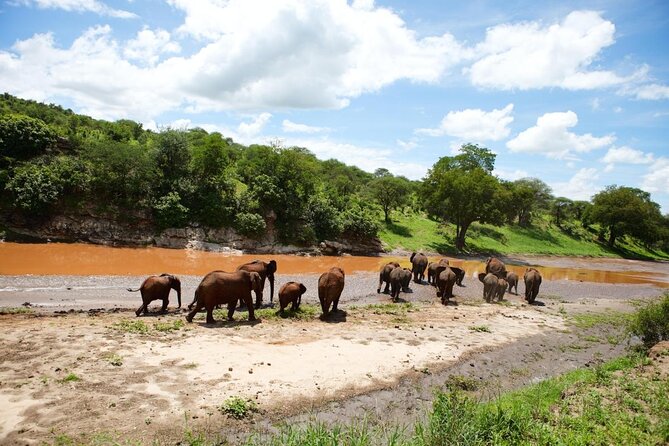
- Tarangire elephants and baobabs set the stage fast, with a heavy elephant presence and classic tree-lined scenery
- Serengeti “endless plains” energy gives you big-sky viewing across a huge 18,000 sq km park
- Early morning game drives boost animal activity and give you a chance at standout sunrise light
- Ngorongoro’s crater floor variety means you’re not just watching plains wildlife, you’re watching a whole miniature ecosystem
- Black rhino viewing possibility is a real reason people want Ngorongoro in their itinerary
- Meals plus park fees are included, and park entrance tickets are listed as free
More of the Serengeti, drive by drive
- Balloon Safari & Bush Breakfast in Serengeti – Miracle Experience★ 5.0 · 1,646 reviews
- 3 Days Serengeti & Ngorongoro Group Camping Safari★ 5.0 · 574 reviews
- 5-Day Highlights mid-Range Crater, Serengeti, Tarangire★ 5.0 · 296 reviews
- 3-Day Classic Serengeti Safari★ 5.0 · 263 reviews
How this 4-day safari circuit works, and why it’s a smart fit
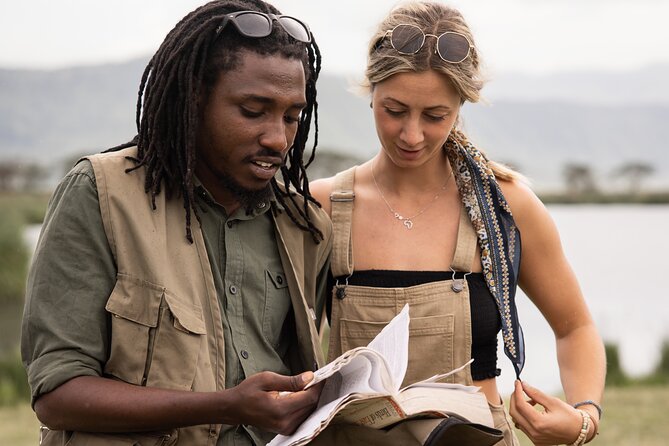
If you’re choosing Tanzania on a schedule, this type of joining-group itinerary has a clear advantage. You’re not trying to cover every park in the country. You’re focusing on three that deliver different safari “moods,” Tarangire for elephants and baobabs, Serengeti for open-plains drama, and Ngorongoro for crater-floor concentration.
The tour is also structured around early mornings and game drives, which is when animals tend to be most active. The day-by-day rhythm is designed to get you onto the best terrain at the right time, not to pad the day with long sightseeing stops that don’t help your wildlife odds.
You’ll be picked up at your Arusha hotel, and the group is kept to a maximum of 7 people. That matters more than it sounds. In a bigger group, you can lose time aligning vehicles and scanning. Here, the math is simpler: more people, less spacing, and fewer missed opportunities.
Finally, the price includes key essentials you’d normally have to budget separately: park fees and entrance, plus multiple meals. At $1,030 per person, this is not a budget safari, but it can still feel like good value because the big-ticket logistics are handled and the itinerary is tightly focused.
Day 1 Tarangire: elephants, baobab trees, and classic safari odds
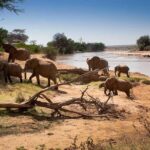
Tarangire National Park is often the “starter hit” of a northern circuit, and this itinerary leans into that. You’re going straight to one of Tanzania’s most elephant-dense landscapes, famous not just for size, but for how they move through a park shaped by baobab trees. The combo matters, because baobabs create that instantly recognizable safari look: wide views, big trunks, and animals framed against rugged ground.
From a wildlife standpoint, the tour messaging is direct. You can expect all the Big Five categories listed plus other big game: lions, leopards, elephants, buffalo, and the full set of “watch-for-it” safari animals that typically make people’s cameras work overtime. You also have hippos on the radar, plus giraffes and zebra, which usually show up in different parts of the ecosystem depending on season and water.
A practical point: if you’ve never driven in a national park before, Tarangire is a good first day because you start with a strong “wow factor.” Even if you’re not seeing everything immediately, the elephant presence and the scenery do a lot of heavy lifting early in the trip.
Day 2 Serengeti: the long drive payoff and the plains stretch feeling
Serengeti is the park people talk about for a reason. The itinerary builds your day around getting there and then getting time on the plains. You’ll leave after an early breakfast and head toward Serengeti, with the drive itself described as spectacular. That means you’re not just transiting, you’re transitioning into a different kind of safari environment.
Once you reach the Serengeti, the “endless plains” idea is more than a marketing line. The park stretches across roughly 18,000 sq km, and the experience you’re aiming for is the sense that the grassland keeps going past what your brain expects. That changes how you spot animals, too. You’re looking across distance, tracking movement, and reading the horizon instead of hunting for animals tucked into dense bush.
This park is tied to the Great Migration, and the scale mentioned is huge: around 2 million wildebeest plus hundreds of thousands of zebras and other antelope. You don’t need to know migration routes to enjoy it. Even outside peak movement weeks, Serengeti’s sheer size usually gives you constant motion and frequent sightings.
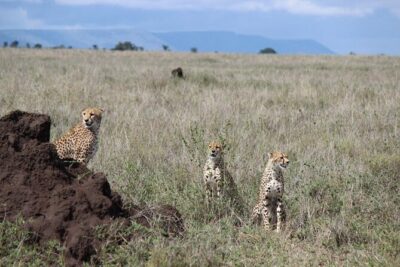
Wildlife-wise, Serengeti is where you’re likely to stack up the “big cat hope” hours. Lions and leopards are part of the tour’s target list, and zebras plus antelope create the kind of food web you want for predator viewing. Giraffes also fit well here because they’re built for spotting from distance.
Other ways down into the Ngorongoro Crater
Day 3: a second Serengeti morning, then Ngorongoro’s crater world
Day 3 is where the tour leans hard into early starts and big scenery. The plan suggests a very early wake-up for an early morning game drive. The reason is simple: early hours can mean more active animals, and the light is often better for both spotting and photos.
After that early game drive, you return to camp for brunch, then head toward Ngorongoro. The crater is described in bold, practical terms: about 102 sq miles in spread and 2,000 ft walls. Those numbers matter because they explain why the crater can feel like a separate world. You’re not driving through one habitat. You’re descending into a natural bowl that concentrates wildlife in ways that can be hard to match elsewhere.
Ngorongoro is also the place where the tour’s most specific target comes up: black rhino. The information you’re given is that the crater is one of the rare areas on the continent where you can witness them. That alone is a reason many people build a safari around Ngorongoro, because black rhino viewing is never something to take for granted in the way it might be with easier-to-see species.
What else helps this day feel “worth it” is the crater’s variety. The tour notes that there’s a river and swamps, plus other water areas, which is exactly how you get more species showing up closer to where your drive route can reach them.
Day 4 Ngorongoro Conservation Area: crater-floor driving and back to Arusha
Your final day starts very early again. You’ll descend into the crater floor for a morning of wildlife viewing, which is smart for two reasons. First, you usually get the clearest spotting when animals are moving and the light is fresh. Second, Ngorongoro can feel like a long, intense game drive experience, so getting it done early helps keep you from feeling rushed by afternoon fatigue.
After the morning drive, you’ll have time for a picnic lunch near hippo lake. That matters because it turns the crater from just a driving story into a full sensory day. Even if you’re focused on sightings, a real lunch stop helps reset your eyes and energy, and hippo lake is a named feature, so it feels tied to the place rather than just a generic break.
Then there’s time for a short game drive before you ascend out of the conservation area and head back to Arusha. The expectation is to return around 5pm, with flexibility depending on situations like a flight you might need to catch. If you have a travel day after this safari, plan it for late afternoon or evening when you can, because early starts can push timelines around.
Camping equipment, meals, and what you really get for your money

This is a joining-group safari that includes camping equipment, and that changes the value calculation versus an all-lodge safari. Instead of paying for every accommodation and transfer detail on top of the parks, you’re covered for core logistics, meals, and park entrance fees.
The meal inclusions are clearly listed:
- Breakfast (4)
- Lunch (4)
- Dinner (3)
You’ll want to match your expectations to that. With dinners listed as 3, it implies you might not be included for dinner on one of the four days, or it’s structured around the drive and camp timing. The good news is that the big daytime meals are handled, and you’ll be fed enough to stay focused on wildlife, not hungry and cranky.
Also included are three dinners, so you’re not constantly searching for food after long drives. That alone is worth something. On safari days, the best sighting window is also the part of the day where you need energy.
On top of meals, the tour includes all park fee and entrance, and the day entries show admission ticket pricing as free. That means you’re paying the tour price, not stacking additional park fees later.
What’s not included is also important:
- Tipping
- Visas
So your real “trip budget” should include those two items on your checklist before you go.
The guide factor: Safari G.O.A.T.S and Eddy’s planning touch
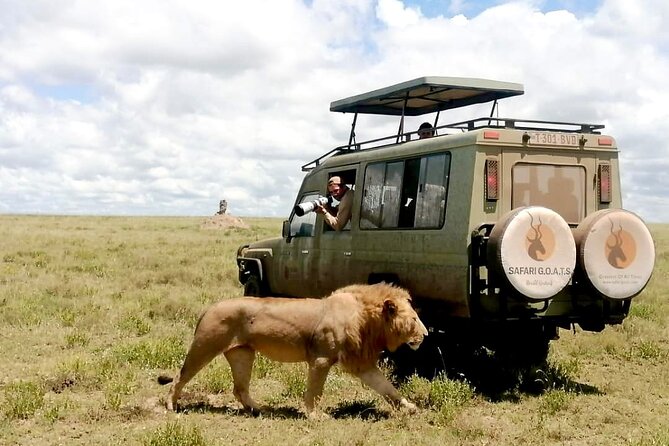
One of the most praised aspects tied to this safari is the planning and guidance. The experience is operated by Safari G.O.A.T.S, and one guide name shows up as Eddy. In the feedback, Eddy is highlighted for clear communication, helpful guidance, and making sure the safari experience stays comfortable and enjoyable from start to finish.
That doesn’t just mean friendly vibes. On a safari, good guidance can affect how long you spend searching in the right places and how quickly you understand what you’re seeing. When you’re covering Tarangire, Serengeti, and Ngorongoro in four days, the “how” matters. Your time on the ground is limited. A strong guide helps you use it well.
The same praise also points to responsiveness to needs and a push to make sure your wildlife targets are part of the plan. Even when animals do what animals do, the best-run safaris feel like they’re constantly working the odds.
What to know before you go, so the schedule doesn’t surprise you

This tour starts at 7:30am, and it’s built around early departures. That schedule is part of the wildlife logic, but it can still feel like a lot if you’re used to later mornings.
Because the days include drives between parks, you should expect:
- long driving stretches during the transition days
- repeated early wake-ups
- game drives that fill much of your daylight hours
If you hate losing hours to transit, you may feel the cost of efficiency. If you can handle early starts, you’ll likely appreciate the way the itinerary uses time like a tool.
Also keep in mind the group is capped at 7 travelers. That’s great for getting around together, but it still means you’re sharing the rhythm with others. If you’re a solo traveler who wants complete independence, a “joining group” model might feel less free than a private safari. Still, the small size keeps the experience closer to personal than mass tours.
One more practical note: the tour offers hotel pickup in Arusha and lists near public transportation. That suggests the provider’s logistics are set up for easy meeting points, which is reassuring if you’re arriving from elsewhere in Tanzania.
Value check: is $1,030 per person a good deal?
At $1,030 per person for a four-day safari covering three major parks, you’re paying for concentration. You’re not buying a long vacation where daily costs average out across lots of downtime. You’re buying days of transportation, guiding, and park fees, plus meals and camping equipment.
Where the value lands well is in what’s included:
- park fee and entrance
- multiple breakfasts, lunches, and dinners
- camping equipment
- hotel pickup in Arusha
Where you still need to budget is also clear:
- tipping
- visas
If you’re comparing safari options, I’d look for tours that truly include park fees and meals, not just the vehicle. A lot of “cheap” safaris get expensive after you add those items. Here, the cost structure feels more straightforward, and the limited parks list means you’re not paying to move between too many different ecosystems.
Who this tour is best for
This itinerary fits best if:
- you have only four days and want the headline Tanzania parks
- you like the idea of small-group safari time rather than a huge convoy
- you’re fine with early starts for better game drive odds
- you want a guided, organized plan with meals and park fees handled
It may not be ideal if:
- you want a slow, low-structure vacation with lots of afternoon downtime
- you dislike early wake-ups and long drive days
- you want zero group coordination, since this is a joining-group experience
Should you book this 4-day joining-group safari?
Yes, if your goal is a concentrated Tanzania safari with serious wildlife destinations and a schedule that prioritizes morning drives. The combination of Tarangire elephants, Serengeti plains scale, and Ngorongoro crater viewing plus black rhino possibility is exactly the kind of “high-impact in limited time” plan that many people dream about when they only have a short window.
I’d book it with two mindsets. First, go in expecting early days and lots of drive-time movement between parks. Second, treat the wildlife as the main event, not the schedule. When you do that, the tour’s structure makes sense, and the included meals and park fees help you relax and focus on spotting.
If you want, tell me your travel month and whether you’re most excited about Big Cats, elephants, or black rhino odds. I can suggest how to prioritize your energy and what to watch for each day based on the park focus.
FAQ
How long is the 4-day safari?
It runs for about 4 days.
What is the starting location for the tour?
The tour is based in Arusha, Tanzania, and the provider picks you up at your hotel.
What time does the tour start?
The start time is listed as 7:30am.
What is the maximum group size?
The tour has a maximum of 7 travelers.
Which parks are included in this safari?
It includes Tarangire National Park, Serengeti National Park, and Ngorongoro Conservation Area (with time inside Ngorongoro Crater).
What wildlife can I expect to see?
The tour information highlights animals including elephants, lions, giraffes, hippos, leopards, and zebras, and it specifically mentions black rhino in Ngorongoro.
What meals are included?
Breakfast is included 4 times, lunch is included 4 times, and dinner is included 3 times.
What is not included in the tour price?
Tipping and visas are not included.
Is free cancellation available?
Yes. You can cancel up to 24 hours in advance for a full refund.
Tarangire and Its Baobabs
- 5-Day Highlights mid-Range Crater, Serengeti, Tarangire
★ 5.0 · 296 reviews - Private 6-Day Tarangire Manyara Crater and Serengeti with Mid-Range Lodges
★ 5.0 · 238 reviews - 5 Days Camping Tarangire, Serengeti & Ngorongoro crater & Visiting Maasai
★ 5.0 · 229 reviews - 4 Days Join Group tour Tarangire Serengeti and Ngorongoro crater
★ 5.0 · 219 reviews - 4-Day Safari from Arusha: Tarangire, Serengeti and Ngorongoro
★ 5.0 · 173 reviews
Still Thinking About the Crater?
- 3 Days Serengeti & Ngorongoro Group Camping Safari
★ 5.0 · 574 reviews - 5 Days Camping Tarangire, Serengeti & Ngorongoro crater & Visiting Maasai
★ 5.0 · 229 reviews - 4 Days Join Group tour Tarangire Serengeti and Ngorongoro crater
★ 5.0 · 219 reviews - 4-Day Safari from Arusha: Tarangire, Serengeti and Ngorongoro
★ 5.0 · 173 reviews - 2 Days Tarangire and Ngorongoro Group Camping Safari
★ 5.0 · 146 reviews
The Serengeti, Three More Ways
- Balloon Safari & Bush Breakfast in Serengeti – Miracle Experience
★ 5.0 · 1,646 reviews - 3 Days Serengeti & Ngorongoro Group Camping Safari
★ 5.0 · 574 reviews - 5-Day Highlights mid-Range Crater, Serengeti, Tarangire
★ 5.0 · 296 reviews - 3-Day Classic Serengeti Safari
★ 5.0 · 263 reviews - Private 6-Day Tarangire Manyara Crater and Serengeti with Mid-Range Lodges
★ 5.0 · 238 reviews
Just added from around Arusha

Serengeti National Park Safaris, compared.
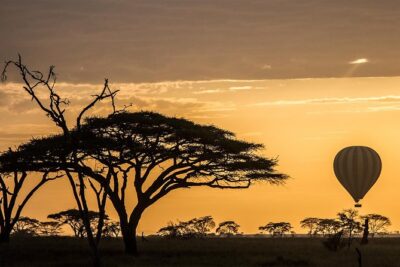 ★ 5.0Serengeti Balloon Safari and authentic bush breakfastFrom $5502,480 reviews
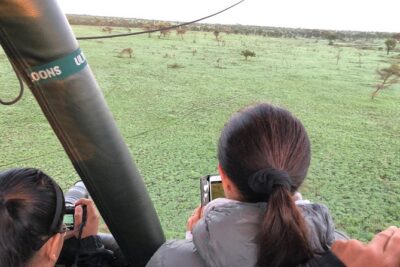 ★ 5.0Balloon Safari & Bush Breakfast in Serengeti – Miracle ExperienceFrom $5991,646 reviews
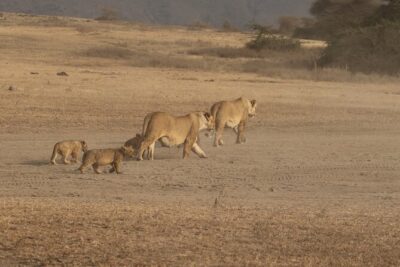 ★ 5.03 Days Serengeti & Ngorongoro Group Camping SafariFrom $815574 reviews
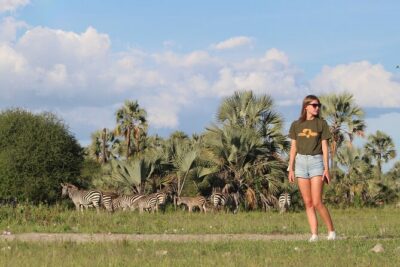 ★ 5.05-Day Highlights mid-Range Crater, Serengeti, TarangireFrom $2,327296 reviews
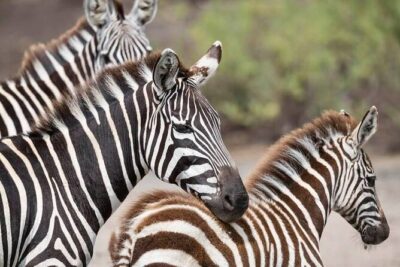 ★ 5.0Safari Serengeti And NgorongoroFrom $2,845288 reviews
 ★ 5.03-Day Classic Serengeti SafariFrom $1,455263 reviews
 ★ 5.0Private 6-Day Tarangire Manyara Crater and Serengeti with Mid-Range LodgesFrom $2,685238 reviews
 ★ 5.05 Days Camping Tarangire, Serengeti & Ngorongoro crater & Visiting MaasaiFrom $1,254229 reviews