
REVIEW · SERENGETI NATIONAL PARK SAFARIS
4 Days Tanzania Safari – Tarangire, Serengeti And Ngorongoro
A 4-day safari hits hard. You get Tarangire, the Serengeti, and Ngorongoro Crater in one go, with guided game drives, hotel pickup, and camping-style overnights. I like that it’s built for people with limited time in Tanzania, yet still aims for big wildlife moments. I also like the focus on practical comfort: meals are included and the drive plan keeps you moving without feeling totally rushed on each day.
Your biggest consideration is simple: this is a lot of driving and long game-drive hours, so you have to be fine with early starts and spending serious time in a safari vehicle. Also, the itinerary references a low season of certainty, since wildlife sightings depend on animals and weather on the day.
In This Review
- Key points to know before you go
- A fast Tanzania wildlife loop, not a slow wander
- The way the park hops are paced (and why it matters)
- Day 1 in Tarangire: elephants, tree tops, and Kizumba Camp
- Day 2 in Serengeti via Manyara: Rift Valley drive and optional Maasai visit
- Day 3 in Northern Serengeti: migration-style viewing and a long day
- Day 4 in Ngorongoro: a crater full of animals, including black rhino
- What you actually get beyond the route
- Big Five chances, and how to keep your head straight
- Price and value at about $890.95 per person
- Where you will sleep, and why it shapes your experience
- Who should book, and who should think twice
- Should you book this 4-day Tarangire, Serengeti, Ngorongoro safari?
- FAQ
- How long is the safari?
- Where does the tour go?
- What meals are included?
- Is hotel pickup included?
- Is there an optional cultural stop?
- What is the group size?
Key points to know before you go
- Two days in Serengeti, with a Northern Serengeti migration-style timing and plenty of time on the ground
- Ngorongoro Crater for hours, where dense wildlife can mean standout predator and black rhino odds
- Hotel pickup and transport included, so you avoid the stress of organizing park-to-park logistics
- Camping and campsites (Kizumba Camp, Pimbi Campsite, Simba campsite), which fit this “do more in less time” style
- Small group size, max 2 travelers, which usually means less waiting and more attention from your driver-guide
- Meals are supported with breakfast and lunch boxes, plus dinners at camp and in Arusha
More of the Serengeti, drive by drive
- Balloon Safari & Bush Breakfast in Serengeti – Miracle Experience★ 5.0 · 1,646 reviews
- 3 Days Serengeti & Ngorongoro Group Camping Safari★ 5.0 · 574 reviews
- 5-Day Highlights mid-Range Crater, Serengeti, Tarangire★ 5.0 · 296 reviews
- 3-Day Classic Serengeti Safari★ 5.0 · 263 reviews
A fast Tanzania wildlife loop, not a slow wander
This safari is designed for people who want a real wildlife trip without a week-long commitment. In four days, you cover three major stops: Tarangire National Park, Serengeti National Park, and Ngorongoro Crater, then return to Arusha for your last night.
What makes the route smart is the variety. Tarangire is known for elephants and the chance to spot predators around open areas. Serengeti is about big movement and wide-open wildlife viewing. Ngorongoro is a different world altogether, a crater bowl where animals concentrate and the game drive stays intense for hours.
The way the park hops are paced (and why it matters)
The itinerary is built around long, full days. You leave after breakfast, you ride between parks, and you spend a big chunk of each day on safari. That can be perfect if you like “see it now” travel, but it also means you should pack like you mean it.
A practical tip: plan for sun and dust. You’ll be outdoors a lot, and even if the camps are comfortable, you’ll still return to your vehicle day after day. Bring layers for early morning and late afternoon, plus a small dry bag for items you do not want to risk in dust or quick weather changes.
The small group limit, max 2 travelers, is a big deal here. Fewer people usually means you get more flexible guiding, less time spent gathering everyone, and more direct attention when you want to ask questions about what you are seeing.
Day 1 in Tarangire: elephants, tree tops, and Kizumba Camp
Your first day starts with pickup from your hotel, then a straight drive to Tarangire National Park. You’ll have a picnic lunch before or during your first stretch of game drive, and the plan aims for wildlife right away.
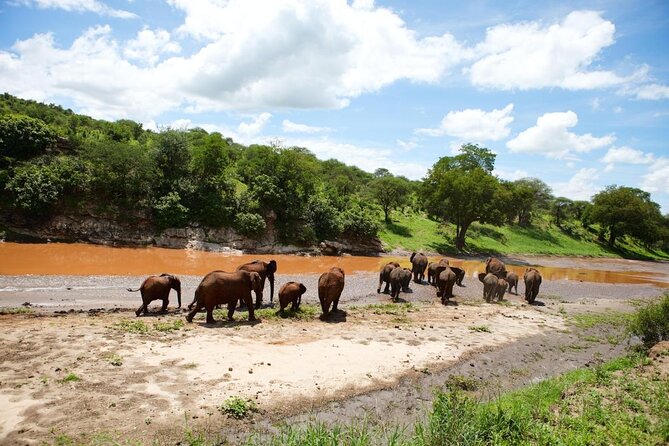
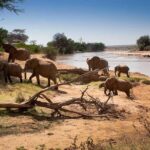
Tarangire is a solid opener because it can deliver elephants early and often. The schedule specifically points to elephant herds, with 10 to 20 noted as a common range, and sometimes higher. Along with elephants, you may also see buffalo, impala, zebra, warthogs, and giraffe.
One detail I love in this day plan is the reminder to look up. The itinerary nudges you to scan treetops, because you might catch a leopard up there. Even if that leopard moment does not happen, that habit of watching higher ground improves your odds for birds and predators that do not announce themselves.
You finish late evening with a drive to Kizumba Camp for dinner and overnight. This is the kind of first night that helps your body adjust. You are not jumping straight to a full-day marathon on empty sleep.
Other ways down into the Ngorongoro Crater
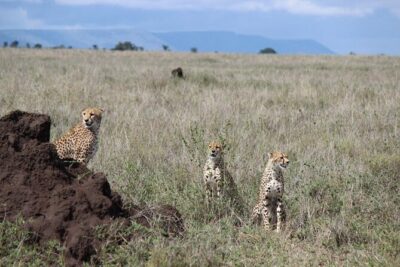
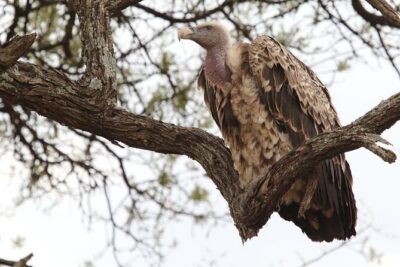
Day 2 in Serengeti via Manyara: Rift Valley drive and optional Maasai visit
Day two shifts you toward Serengeti National Park, with a route described as going via Manyara and across Rift Valley scenery on the way. You get an early breakfast, then you stow your camping gear in the safari jeep and head out.
The itinerary includes an optional Masai village visit on your way to Serengeti. If cultural stops are your thing, this can add context to what you are seeing on safari, especially when you want to understand how people have lived near wildlife areas for generations. If you prefer pure wildlife time, you can likely skip it and focus only on game drives.
When you arrive by evening, you go for an evening game drive in Serengeti, then sleep at Pimbi Campsite for dinner and overnight. Evening drives can be great for activity because animals start moving again as the heat eases. You also tend to get better light for spotting details like movement between trees and grasses.
Day 3 in Northern Serengeti: migration-style viewing and a long day
Day three is where the safari starts to feel like a real wildlife highlight reel. After breakfast, you do a morning game drive with a lunch box packed for the field. The plan points you toward the Northern Serengeti for migration-related viewing, with the chance to see wildebeest and zebra, plus other species like topi hartebeest, eland, and multiple antelope types.
The itinerary also calls out predators and scavengers you might spot, including hyena. Birds are included in the viewing notes too, with mention of different types singing on trees. That matters because it helps you enjoy the safari beyond just the “big moments.” Even if the migration scenes do not look exactly like you imagined from photos, Serengeti is still active in ways you can feel: birds calling, insects, and animals shifting just out of sight.
After lunch, the plan keeps you driving for more game view until you reach the gate of Serengeti. Then you shift gears and head toward Ngorongoro Crater, with dinner and overnight at Simba campsite.
The drawback here is the sheer length. This is one of the busiest days on paper, and the best way to handle it is to keep your expectations flexible. Some days animals are everywhere. Other days they are quiet and hiding. Either way, your driver-guide’s ability to read the terrain and animal behavior becomes the difference between a good day and a great one.
Day 4 in Ngorongoro: a crater full of animals, including black rhino
Ngorongoro Crater is the closer that makes this safari worth doing. After breakfast, you descend into the crater for a long game drive, and the itinerary says more than six hours on the crater floor, with a lunch box included.
The numbers given here are part of the excitement: the crater supports an estimated 30,000 animals, and it is home to some of Tanzania’s last remaining black rhino. That is the big draw. Black rhino are rare, and even when sightings do not happen, the fact that the ecosystem supports them is a big reason people prioritize Ngorongoro.
The plan also lists a wide set of wildlife you might see in this area: wildebeest, zebra, buffalo, eland, warthog, hippo, and giant African elephants. Predators are part of the expectation too, with lions, hyenas, jackals, cheetahs, and the ever-elusive leopard mentioned as possibilities.
Then late afternoon, you drive back to Arusha for dinner and overnight at your hotel. Ending in Arusha is helpful because it gives you a soft landing. After days in open-air viewing and campsite routines, a hotel night feels like a reset.
What you actually get beyond the route
This trip is not just a checklist of parks. The package includes three dinners and four breakfasts and lunches. In safari terms, that matters because it lets you focus on wildlife instead of planning meals day by day.
It also includes admission ticket support noted as free for the first three days, and admission ticket included for day four. That kind of coverage can make a meaningful difference in what you end up paying at the time you would rather be spending on a guide tip, snacks, or a small souvenir.
One more practical benefit is that transport is included, with pickup from your hotel. On a safari, that reduces friction. You are not trying to coordinate local taxis, timing, or entry procedures when you should be watching for elephants.
Based on past experiences shared by guests of the same safari style, I also see a pattern of praise for the team side: friendly staff, clean, well kept accommodations, and guides who know how to explain what you are seeing. Names that show up in the feedback include guides such as Amani and Safiri, and cooks such as George. Even if you do not meet those exact people, it signals the kind of guiding and food support the operator tends to deliver.
Big Five chances, and how to keep your head straight
The safari highlights a good chance of seeing the Big Five. In reality, the Big Five is never a guarantee. What you can do is set your strategy correctly.
Here is a smart way to think about it:
- Ngorongoro is your best bet for the rare black rhino angle, because it is specifically described as home to some of the last remaining black rhino.
- Serengeti gives you the highest chance of seeing a variety of predators and lots of herd movement, especially with the migration-style timing.
- Tarangire can set you up with elephants and the possibility of predators like leopard, especially if you actively scan treetops.
If you miss one of the Big Five, you can still end the trip happy. The parks offer many non-Big Five moments that are genuinely worth your attention, like the variety of antelope types, close wildlife behavior, and predator activity patterns.
Price and value at about $890.95 per person
At $890.95 per person for a roughly four-day safari, you are paying for a lot of logistics done for you: park-to-park transport, hotel pickup, guide services, multiple days of game drives, and food support across the trip.
What makes the value math better here is the way inclusions are structured. You are getting breakfasts and lunch boxes for field time, plus dinners. You are also getting admission ticket coverage described as free on three days, and included on day four. For many independent travelers, the cost of adding those pieces up quickly gets messy.
The other value piece is time. This itinerary squeezes Tarangire, Serengeti, and Ngorongoro into four days. If you were trying to do the same sequence yourself, you would spend a lot of energy on scheduling, entry days, and the driving between regions.
That said, you should compare this price to your comfort level. If you dislike camping-style overnights or long days in a vehicle, the “value” may not feel like value. This tour is built for people who can enjoy the ride, not just the destination.
Where you will sleep, and why it shapes your experience
Your overnight plan is part of the safari’s personality. You sleep at:
- Kizumba Camp after Day 1
- Pimbi Campsite after Day 2
- Simba campsite after the Serengeti-to-Ngorongoro transition
- Then you return to an Arusha hotel for Day 4 dinner and overnight
Camping and campsites bring you closer to the rhythm of safari life. The flip side is that it can feel less like a hotel stay and more like a functional base. If you like simple, outdoors-focused travel, you will probably appreciate it. If you need lots of room, quiet, and luxury details, you may want a different style of safari.
The good news is that feedback for this operator’s safari setup frequently mentions accommodations that are clean and well kept, and that staff are service minded. Names like Rodrigue and Erick show up in guest notes, reinforcing that the experience is often about the whole team, not just the parks.
Who should book, and who should think twice
This is a great fit if:
- You have limited time and still want a serious safari circuit
- You want guided game drives with a chance at predators and herd action
- You prefer a small group experience, max 2 travelers
- You are okay with camping or campsite overnights
- You care about the Ngorongoro black rhino possibility and the long crater drive
It may be a tougher fit if:
- You hate long days in the vehicle and early starts
- You want lots of free time to explore on your own
- You expect a completely hands-off experience where nothing changes day to day, because safari days depend on wildlife movement and conditions
A key mindset: arrive flexible. This safari is about seeing what the wild decides to show you, and the route gives you the best shot within four days.
Should you book this 4-day Tarangire, Serengeti, Ngorongoro safari?
If your goal is maximum wildlife variety in minimal time, I think this itinerary makes sense. You get a strong mix of ecosystems, and the Ngorongoro Crater portion is exactly the kind of “wow” day that people remember for years, especially with the black rhino context and the long crater-floor drive.
Book it if you are excited by the idea of long game drives, a tight park route, and camping-style nights that keep the adventure moving. Skip it or compare alternatives if you need a more relaxed pace or if vehicle time feels like punishment instead of part of the fun.
If you do book, plan to pack for sun, dust, and comfort in transit. And when you are inside the crater or out on Serengeti, do the simple thing the itinerary suggests: scan widely, and look up too. That is often where the surprise moments live.
FAQ
How long is the safari?
The safari is listed as 4 days, with an approximate schedule across Tarangire, Serengeti, and Ngorongoro Crater.
Where does the tour go?
It covers Tarangire National Park, Serengeti National Park, and Ngorongoro Crater, starting and ending in Arusha.
What meals are included?
The tour summary states that three dinners and four breakfasts and lunches are included. The daily plan also references lunch boxes for game drives.
Is hotel pickup included?
Yes. Pickup from your hotel and transport are included.
Is there an optional cultural stop?
There is an optional Masai village visit mentioned on the way to Serengeti.
What is the group size?
The tour lists a maximum of 2 travelers.
Tarangire and Its Baobabs
- 5-Day Highlights mid-Range Crater, Serengeti, Tarangire
★ 5.0 · 296 reviews - Private 6-Day Tarangire Manyara Crater and Serengeti with Mid-Range Lodges
★ 5.0 · 238 reviews - 5 Days Camping Tarangire, Serengeti & Ngorongoro crater & Visiting Maasai
★ 5.0 · 229 reviews - 4 Days Join Group tour Tarangire Serengeti and Ngorongoro crater
★ 5.0 · 219 reviews - 4-Day Safari from Arusha: Tarangire, Serengeti and Ngorongoro
★ 5.0 · 173 reviews
Still Thinking About the Crater?
- 3 Days Serengeti & Ngorongoro Group Camping Safari
★ 5.0 · 574 reviews - 5 Days Camping Tarangire, Serengeti & Ngorongoro crater & Visiting Maasai
★ 5.0 · 229 reviews - 4 Days Join Group tour Tarangire Serengeti and Ngorongoro crater
★ 5.0 · 219 reviews - 4-Day Safari from Arusha: Tarangire, Serengeti and Ngorongoro
★ 5.0 · 173 reviews - 2 Days Tarangire and Ngorongoro Group Camping Safari
★ 5.0 · 146 reviews
The Serengeti, Three More Ways
- Balloon Safari & Bush Breakfast in Serengeti – Miracle Experience
★ 5.0 · 1,646 reviews - 3 Days Serengeti & Ngorongoro Group Camping Safari
★ 5.0 · 574 reviews - 5-Day Highlights mid-Range Crater, Serengeti, Tarangire
★ 5.0 · 296 reviews - 3-Day Classic Serengeti Safari
★ 5.0 · 263 reviews - Private 6-Day Tarangire Manyara Crater and Serengeti with Mid-Range Lodges
★ 5.0 · 238 reviews
Just added from around Arusha

Serengeti National Park Safaris, compared.
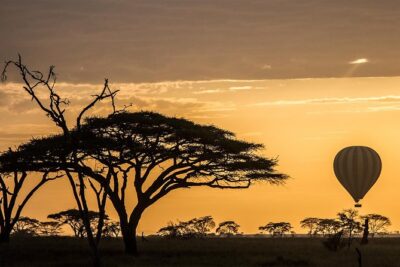 ★ 5.0Serengeti Balloon Safari and authentic bush breakfastFrom $5502,480 reviews
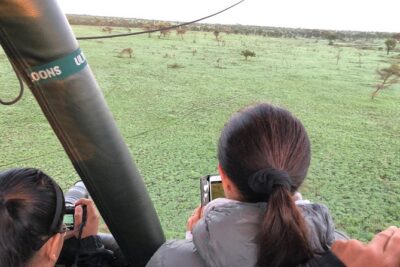 ★ 5.0Balloon Safari & Bush Breakfast in Serengeti – Miracle ExperienceFrom $5991,646 reviews
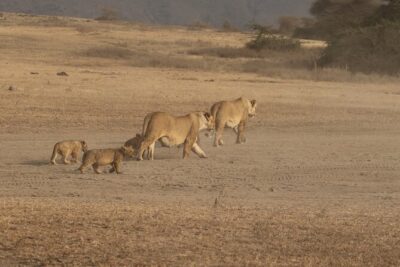 ★ 5.03 Days Serengeti & Ngorongoro Group Camping SafariFrom $815574 reviews
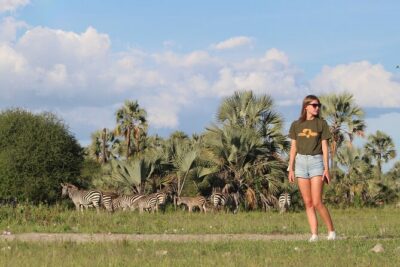 ★ 5.05-Day Highlights mid-Range Crater, Serengeti, TarangireFrom $2,327296 reviews
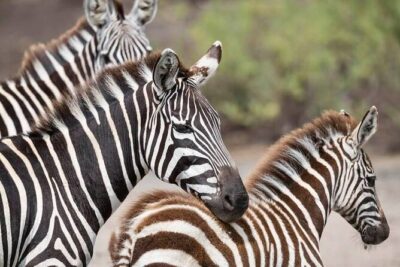 ★ 5.0Safari Serengeti And NgorongoroFrom $2,845288 reviews
 ★ 5.03-Day Classic Serengeti SafariFrom $1,455263 reviews
 ★ 5.0Private 6-Day Tarangire Manyara Crater and Serengeti with Mid-Range LodgesFrom $2,685238 reviews
 ★ 5.05 Days Camping Tarangire, Serengeti & Ngorongoro crater & Visiting MaasaiFrom $1,254229 reviews