
REVIEW · SERENGETI NATIONAL PARK SAFARIS
4 Days Serengeti, Ngorongoro and Tarangire Safari
Three parks, one nonstop wildlife week.
This 4-day loop is interesting because you trade in one habitat for the next, from Tarangire elephants to Serengeti’s Big Five country to Ngorongoro’s crater game. I like that the days are built around full day drives, not rushed quick stops. I also like that your safari is kept simple with full-board meals and park access handled for you. The possible drawback is the schedule is intense, with a 6:00am start and long driving blocks that can wear you out if you hate early mornings.
For $2,458 per person, you’re paying for a full package, including 4×4 Land Cruiser transport, park fees and taxes, and accommodation with breakfast, lunch, and dinner through the safari days. You’ll meet at Verona Advocates & Associates, Swahili St, Arusha, and you’ll be back there when the service ends. It’s offered as a private tour for your group, plus you get a mobile ticket and group discount options.
In This Review
- Key highlights at a glance
- Big Five in 4 days, without the usual chaos
- Arusha pickup, 6:00am start, and how the timing works
- Day 1 Tarangire National Park: elephants and birds in a quieter rhythm
- Day 2 Serengeti: the endless plains feeling, plus Big Five odds
- Day 3 Serengeti Seronera game drive, then Karatu for a smart night
- Day 4 Ngorongoro Conservation Area: early crater viewing is the move
- Lodging and meals: full board keeps your day simple
- What the price really covers, and what you still need to budget
- Guides and drivers: why the human factor shows up in wildlife watching
- Practical tips: how to pack and how to tip
- Should you book this 4-day Tarangire, Serengeti, Ngorongoro safari?
- FAQ
- What time does the safari start?
- Which parks are included in the 4 days?
- Are park fees and tickets included?
- What meals are included?
- What kind of vehicle do you use?
- What is not included in the price?
- Can I get a refund or change dates after booking?
Key highlights at a glance
- Tarangire first, a calmer start that gives you elephants and birds without the full Serengeti pressure
- Serengeti “endless plains” drives focused on resident wildlife and Big Five chances
- Seronera-area game viewing plus an easy shift to Karatu for a better pace into Ngorongoro
- Ngorongoro Crater early morning timing that fits wildlife viewing best
- Full-board meals (breakfast, lunch, dinner) so you stay in safari mode
- Guides and drivers recognized by name, including Johnny, Samuel, Emmanuel, Charles, and the operator team around Sébastien
More of the Serengeti, drive by drive
- Balloon Safari & Bush Breakfast in Serengeti – Miracle Experience★ 5.0 · 1,646 reviews
- 3 Days Serengeti & Ngorongoro Group Camping Safari★ 5.0 · 574 reviews
- 5-Day Highlights mid-Range Crater, Serengeti, Tarangire★ 5.0 · 296 reviews
- 3-Day Classic Serengeti Safari★ 5.0 · 263 reviews
Big Five in 4 days, without the usual chaos
A short safari has a simple challenge. You want a lot of wildlife in a limited number of days, but you also want time to actually watch, not just drive. This circuit is designed to do both. Tarangire adds a different flavor from the classic Serengeti, Serengeti gives you the huge-plains feel and resident action, and Ngorongoro gives you the dramatic crater setting where many species gather.
The other thing I like is that it’s not pretending every day is guaranteed Big Five sightings. Instead, the itinerary builds a strong base: park fees and taxes are included, you’re in a 4×4 Land Cruiser, and you get game drives with time to spot animals as they move. That combination matters more than fancy words.
Arusha pickup, 6:00am start, and how the timing works
This safari starts early, at 6:00am. That’s not unusual for Tanzania safaris, but it does mean you’ll want a good night of sleep and an easy morning routine. Your day is built around morning driving and full day game viewing, so you’re not spending time scrambling for coffee, luggage, or last minute details.
You’ll meet at Verona Advocates & Associates, Swahili St, Arusha 23102. After the 4 days, the service ends back at the meeting point. That “start and finish in the same place” setup is practical, especially if you’re planning your own add-ons in Arusha or at Kilimanjaro after the safari.
The driving times are part of the deal. You’ll cover about:
- Tarangire: 120 km, around 2 hours
- Serengeti: 205 km, around 4.30 hours
- Serengeti to Karatu: 145 km, around 3.30 hours
- Karatu to Ngorongoro and back toward Arusha: about 245 km, around 4 hours
That doesn’t mean it’s unbearable. It does mean you should pack with comfort in mind and expect long seated hours.
Day 1 Tarangire National Park: elephants and birds in a quieter rhythm
Day 1 begins with a morning drive into Tarangire National Park after breakfast. You’ll also get picnic lunch boxes before you head out for the day. The driver handles the gate procedures, so you’re not standing around doing paperwork or hunting down permissions.
Tarangire is described as a lovely quiet park, and that’s the big advantage of starting here. It’s often easier to get your eyes on wildlife early because the atmosphere feels less frantic than the most famous stretches. Tarangire is especially known for elephant activity and for birding, so if you enjoy spotting smaller details, you’ll likely have fun here even when the big predators are less obvious.
A practical note: because the park sits slightly off the main safari route, the vibe can feel more relaxed. That can help you settle in after your Arusha start and get into the safari rhythm fast.
By evening, you drive to your camp or lodge for leisure time and overnight with breakfast, lunch, and dinner included.
Other ways down into the Ngorongoro Crater
Day 2 Serengeti: the endless plains feeling, plus Big Five odds
On Day 2, you head to Serengeti National Park, about 205 km and roughly 4.30 hours of driving. After breakfast, the trip starts right away, so you’ll be transitioning from Tarangire’s calmer feel into Serengeti’s bigger, louder wildlife stage.
Serengeti is known for resident wildlife, and the itinerary specifically highlights Big Five country, with a focus on lions, leopards, elephants, rhinos, and buffalo. It also points you to the classic grazing dynamics: zebras, Thomson’s gazelles, and wildebeests share space, and the sheer scale of animal movement is part of what makes Serengeti so memorable.
Here’s how I’d frame it for you. Serengeti rewards patience. You’ll likely spend long minutes scanning open plains, then suddenly the whole scene changes when animals cluster, cross, or react to activity. That’s why the full-day game drive matters. In a shorter stop, you might miss the moment when the day clicks.
Evening is back on the road to your accommodation for leisure and overnight.
Day 3 Serengeti Seronera game drive, then Karatu for a smart night
Day 3 keeps you in Serengeti for another full day of viewing, specifically in the Seronera area. The Seronera reference is important because it anchors this day in the middle of serious Serengeti action. This is also where the itinerary points to the annual migration story, describing millions of hooves and the rhythmic push of grazing across the plains.
After your game drive day, you shift gear and head to Karatu or the Ngorongoro Conservation Area for your camp or lodge. That move is practical. It positions you for an early start on Day 4 without wasting your morning in long-distance transit.
Another small thing I like: the pace changes between parks, but your day structure stays similar. Breakfast, then game viewing, then a planned drive to your overnight location. It reduces stress, especially if you’re traveling as a couple or family and want everything to run smoothly.
Day 4 Ngorongoro Conservation Area: early crater viewing is the move
Day 4 starts with breakfast, then a short drive toward the Ngorongoro Conservation Area. You get an early morning game drive inside the crater.
That early timing is not just tradition. Wildlife tends to be more active and easier to spot when it’s cooler and the day is just starting. You get the chance to see animals in the dramatic bowl of the crater, which is one reason Ngorongoro is such a high-demand stop in Northern Tanzania.
The itinerary also adds context on why Ngorongoro is protected. The Ngorongoro Conservation Area was established to conserve wildlife and other natural resources, and it also safeguards the interests of indigenous people while promoting tourism. That matters because it reframes the crater from being only a sightseeing bowl. It’s a working conservation landscape where tourism is one part of a bigger system.
Later, you drive back toward Arusha or toward Kilimanjaro International Airport for onward plans, ending the service.
Lodging and meals: full board keeps your day simple
Meals are included for four safari days: breakfast, lunch, and dinner. That’s a big quality-of-life perk. In many safari trips, you’re constantly asking what’s included, where lunch happens, and whether you’ll have time for food. Here, you can focus on wildlife because the basics are covered.
The itinerary also mentions you’ll have evening leisure time at your camp or lodge. That’s important after long days of driving and scanning. If you’re the type who gets tired fast, you’ll appreciate having downtime built in.
About lodging style, your specific camp or lodge isn’t listed in the information you shared, but the overall experiences associated with this operator include praised stays such as tented overnight options, and some accounts highlight luxury tent setups out on the savannah. Even without knowing your exact camp name, it’s reasonable to expect a comfortable safari base since the safari is sold as full-board and organized end-to-end.
What the price really covers, and what you still need to budget
The price is $2,458 per person. For that, you’re told the package includes:
- Park fees and taxes
- Transport by 4×4 Land Cruiser
- All accommodation during safari
- Dinner, breakfast, and lunch across the safari days
What’s not included:
- International flights from and to home
- Tips, with tipping guidance of US$20 per person per day
- Travel insurance and medical repatriation
- Personal items like souvenirs
- Visa fees and other personal travel costs
So is the cost good value? For many people, it is because the safari essentials are bundled. Park fees and taxes can add up quickly, and transport plus accommodation are usually the biggest line items.
The only caution I’d give you is to plan the tip and travel insurance early. Tips are not included, and insurance is not included either. If you show up without those pieces, you may feel surprised on the ground.
Guides and drivers: why the human factor shows up in wildlife watching
Wildlife viewing can be luck-heavy. But it is not purely luck. The guide and driver’s skill affects where you spend your time and how well you read animal behavior.
Across the experiences connected to this operator, you’ll see names like Johnny and Samuel highlighted for doing everything possible to help people see key animals. Other named mentions include Emmanuel and Charles for getting you close to wildlife and keeping comfort in mind. People also call out operator responsiveness through Sébastien, with additional team members named Jaz and Ousmane.
Even if your own guide and driver are different, the consistent theme is attention. That matters in practical ways, like adjusting during a day so you don’t miss prime viewing windows, and keeping the ride comfortable during long drives.
If you care about Big Five sightings, I’d treat that as a partnership goal with your driver, not a solo quest. Ask questions, tell them what you want to prioritize, and then trust the rhythm they set during game drives.
Practical tips: how to pack and how to tip
This is a safari, so your packing should prioritize comfort and visibility. You might find it helpful to plan for:
- Sun protection for long plains scanning days
- Layers for early mornings and cooler crater time
- A day bag for your picnic lunches while you’re out on game drives
On tipping: the guidance is US$20 per person per day. Since this isn’t included, you’ll want to have cash ready and plan it in advance so the end of the trip is smooth.
Also, because pickup is offered and you’ll start at a fixed meeting point, arrive with time to get oriented. Early departures can run on schedule.
Finally, use the mobile ticket if it’s provided for your booking. Digital tickets reduce admin time, which matters when your day starts at 6:00am.
Should you book this 4-day Tarangire, Serengeti, Ngorongoro safari?
I think you should book this if you want a well-paced Northern Tanzania wildlife circuit in a short time window. This itinerary hits three major areas known for different kinds of wildlife and viewing styles, and it keeps your day structure organized with full-board meals, park access included, and 4×4 transport.
You might want to look elsewhere if:
- You know you struggle with early mornings and long road hours
- You want fewer driving days and more downtime in each location
- You’re expecting a guarantee of every Big Five animal on every trip
If you fit the usual safari mold, couples, families, and wildlife-focused travelers will likely find this format efficient and satisfying. The most praised part of this kind of safari is how close you can get to animals without losing your comfort, and how responsive the guiding team is in helping you see as much as possible.
FAQ
What time does the safari start?
The start time is 6:00am, with pickup arranged from the meeting point in Arusha.
Which parks are included in the 4 days?
You visit Tarangire National Park, Serengeti National Park, and Ngorongoro Conservation Area, including an early morning game drive in Ngorongoro Crater.
Are park fees and tickets included?
Yes. Park fees and taxes are included, and the itinerary indicates admission ticket free for the safari days.
What meals are included?
Breakfast, lunch, and dinner are included during the safari (full board across the four days), as listed in the inclusions.
What kind of vehicle do you use?
Transport is provided using a 4×4 Land Cruiser.
What is not included in the price?
International flights, tips (guidance US$20 per person per day), travel insurance and medical repatriation, personal items (such as souvenirs), and visa fees are not included.
Can I get a refund or change dates after booking?
No. The experience is non-refundable and cannot be changed for any reason. If you cancel or request an amendment, the amount you paid will not be refunded.
If you want, tell me your travel month and whether you’re hoping hardest for lions, elephants, or rhinos, and I’ll suggest how to think about priorities on this exact 4-day route.
Tarangire and Its Baobabs
- 5-Day Highlights mid-Range Crater, Serengeti, Tarangire
★ 5.0 · 296 reviews - Private 6-Day Tarangire Manyara Crater and Serengeti with Mid-Range Lodges
★ 5.0 · 238 reviews - 5 Days Camping Tarangire, Serengeti & Ngorongoro crater & Visiting Maasai
★ 5.0 · 229 reviews - 4 Days Join Group tour Tarangire Serengeti and Ngorongoro crater
★ 5.0 · 219 reviews - 4-Day Safari from Arusha: Tarangire, Serengeti and Ngorongoro
★ 5.0 · 173 reviews
Still Thinking About the Crater?
- 3 Days Serengeti & Ngorongoro Group Camping Safari
★ 5.0 · 574 reviews - 5 Days Camping Tarangire, Serengeti & Ngorongoro crater & Visiting Maasai
★ 5.0 · 229 reviews - 4 Days Join Group tour Tarangire Serengeti and Ngorongoro crater
★ 5.0 · 219 reviews - 4-Day Safari from Arusha: Tarangire, Serengeti and Ngorongoro
★ 5.0 · 173 reviews - 2 Days Tarangire and Ngorongoro Group Camping Safari
★ 5.0 · 146 reviews
The Serengeti, Three More Ways
- Balloon Safari & Bush Breakfast in Serengeti – Miracle Experience
★ 5.0 · 1,646 reviews - 3 Days Serengeti & Ngorongoro Group Camping Safari
★ 5.0 · 574 reviews - 5-Day Highlights mid-Range Crater, Serengeti, Tarangire
★ 5.0 · 296 reviews - 3-Day Classic Serengeti Safari
★ 5.0 · 263 reviews - Private 6-Day Tarangire Manyara Crater and Serengeti with Mid-Range Lodges
★ 5.0 · 238 reviews
Just added from around Arusha

Serengeti National Park Safaris, compared.
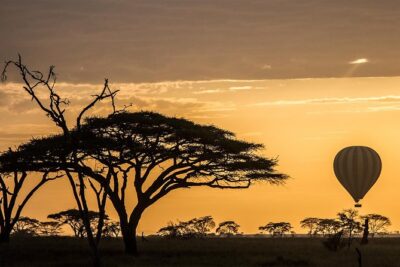 ★ 5.0Serengeti Balloon Safari and authentic bush breakfastFrom $5502,480 reviews
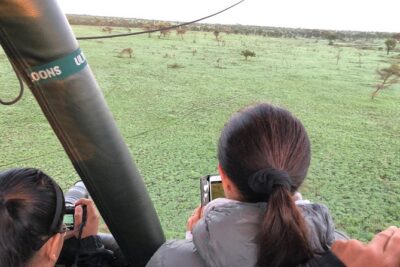 ★ 5.0Balloon Safari & Bush Breakfast in Serengeti – Miracle ExperienceFrom $5991,646 reviews
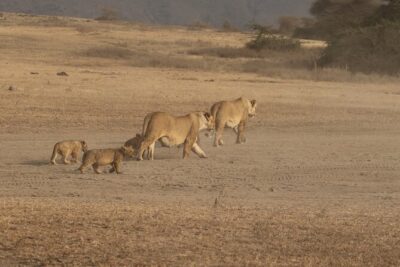 ★ 5.03 Days Serengeti & Ngorongoro Group Camping SafariFrom $815574 reviews
 ★ 5.05-Day Highlights mid-Range Crater, Serengeti, TarangireFrom $2,327296 reviews
 ★ 5.0Safari Serengeti And NgorongoroFrom $2,845288 reviews
 ★ 5.03-Day Classic Serengeti SafariFrom $1,455263 reviews
 ★ 5.0Private 6-Day Tarangire Manyara Crater and Serengeti with Mid-Range LodgesFrom $2,685238 reviews
 ★ 5.05 Days Camping Tarangire, Serengeti & Ngorongoro crater & Visiting MaasaiFrom $1,254229 reviews
Browse the lists this tour appears in