

REVIEW · SERENGETI NATIONAL PARK SAFARIS
4 Days scenic Tarangire, Ngorongoro, Serengeti Group Safari
A crater stare-down makes the trip feel real fast. This 4-day safari around Arusha mixes early wildlife drives with the kind of scenery you can’t scroll past. You also get the chance for the seasonal drama of wildebeest and zebra movement, plus flamingos tied to the Lake Manyara side of the route.
I love how the timing is built for animals, with long park hours and a Serengeti start around 6:30 am. I also like the value math, since the package covers private transportation, lunch, all fees and taxes, and bottled water.
One thing to consider is the physical side of the crater day. The Ngorongoro plan includes a very steep descent to the floor, and you’ll also spend big chunks of time in the vehicle over multiple days. Add in that tips are not included, and you’ll want a small budget buffer.
In This Review
- Key highlights at a glance
- The route you’re signing up for, Tarangire to Serengeti
- Day 1 Tarangire National Park game drive, picnic lunch, camping night
- Day 2 Ngorongoro Crater, the steep descent and half-day wildlife tour
- Days 3 and 4 Serengeti game drives from about 6:30 am
- Why this schedule helps you see more animals (and waste less time)
- Staff, food, and what the “serious operator” approach feels like
- Price and value, what $1,000 covers and what to plan for
- Who should book this safari, and who might want something else
- Should you book 4 Days scenic Tarangire, Ngorongoro, Serengeti?
- FAQ
- What parks are included in this 4-day safari?
- How long is the safari?
- Is pickup included, and is transportation private?
- What is included in the price?
- What is not included?
- What happens if weather is poor or I cancel?
Key highlights at a glance
- Serengeti mornings starting around 6:30 am for 6 to 7 hours of game drive time
- Ngorongoro Crater descent of about 2,000 feet to reach wildlife at eye level
- Private transportation for just your group, so the pace is easier to manage
- Picnic lunches and bottled water included, which keeps the day smooth
- Guide support that can pay off fast, including guides like Mike and William mentioned in feedback
- Big-animal odds are the point, with seasonality tied to migration herds and grazing action
More of the Serengeti, drive by drive
- Balloon Safari & Bush Breakfast in Serengeti – Miracle Experience★ 5.0 · 1,646 reviews
- 3 Days Serengeti & Ngorongoro Group Camping Safari★ 5.0 · 574 reviews
- 5-Day Highlights mid-Range Crater, Serengeti, Tarangire★ 5.0 · 296 reviews
- 3-Day Classic Serengeti Safari★ 5.0 · 263 reviews
The route you’re signing up for, Tarangire to Serengeti
This safari is designed as a classic Tanzania circuit: Lake Manyara National Park, Tarangire National Park, Ngorongoro Crater, and Serengeti National Park. The idea is simple. You stack different ecosystems close together, then let wildlife decide your exact sightings. That matters, because Serengeti is not the only show in town, and Tarangire has its own crowd-pleasers too.
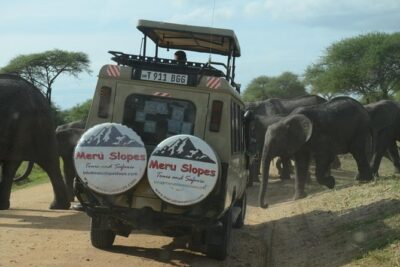
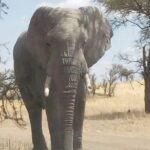
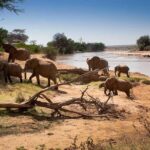
Tarangire is known for its unusually large elephant population, and the park setup makes it feel like the animals are doing their own guided tour. Ngorongoro Crater gives you that enclosed, dramatic “world inside a world” feeling, where you can spot predators and grazers from a big vantage point after a steep descent. Then Serengeti is where the schedule leans hard into early starts, when animals are up and moving and visibility tends to be at its best.
You’ll also see the seasonal angle built in. The trip overview points to thousands of wildebeest and zebras crossing the grassland savannah, plus flamingos as part of the Lake Manyara side of the experience. Just remember that migration timing can shift year to year, so think of this as a migration-chasing safari, not a guaranteed calendar event.
Day 1 Tarangire National Park game drive, picnic lunch, camping night
Day one begins after arrival in Arusha, with pickup from the airport or your hotel. Then it’s straight to Tarangire, a strong choice for a first day because elephants are part of the park’s identity, not just an occasional bonus.
You’ll get a game drive with a picnic lunch. That combo is practical. You spend less time hunting for food stops and more time watching behavior, like how herds move between feeding grounds and water sources. Tarangire also tends to deliver the kind of close, steady wildlife viewing that gets your brain out of planning mode and into noticing mode.
Dinner and your overnight stay are at your camping accommodation. That can be a plus if you like the more hands-on safari vibe. It can also be a consideration if your idea of “camping” is more comfy than outdoors. The good news is that feedback highlights staff support and solid food, which usually makes the nighttime part feel easier.
If you’re sensitive to long days, keep in mind this is the day you start the engine and set the rhythm. You’re not just driving, you’re also doing your first serious park hours. Going in with a flexible mindset helps.
Day 2 Ngorongoro Crater, the steep descent and half-day wildlife tour
Day two has an early breakfast and then a crater-focused plan. You’ll take picnic lunch boxes with you, then drive to Ngorongoro Crater for the crater tour. The star detail is the descent: you’ll drop about 2,000 feet to the floor, over roughly 600 meters, where wildlife activity gathers in a concentrated way.
That steep, big-move component is the biggest “consider this” factor on the entire itinerary. It’s not just the descent, it’s the come-back, and it happens in a single day bracket. If you know you don’t love steep grades or long standing time in rough terrain, plan accordingly.
On the plus side, crater mornings often feel like wildlife has fewer places to hide. From the floor, you can look across grazing areas and spot animals close enough to see how they interact. The itinerary calls this a half-day crater tour, which is a smart length. It gives you meaningful time on the crater floor without turning the whole day into an exhausting transit marathon.
After the crater portion, the schedule continues your safari arc toward Serengeti. Net result, you start your “big park” time with a dramatic setup that feels like a natural reset, then you roll into the open savannah world.
Other ways down into the Ngorongoro Crater
Days 3 and 4 Serengeti game drives from about 6:30 am
These are your big wildlife days. Both days start with early breakfast, then game drive departures around 6:30 am. You’ll spend 6 to 7 hours exploring Serengeti, which is exactly the kind of time block that lets you get more than quick sightings. It also gives your guide time to reposition based on what’s actually happening in front of you, not just what looked best on paper.
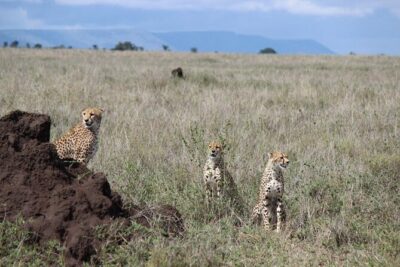
The itinerary spells out the kinds of animals you’re hoping to find: impala, buffalo, crocodile, and hippo, with plenty of time for the broad savannah cast. Serengeti is also where the migration math shows up. The overview gives specific numbers, including about 250,000 zebras, around 1.5 million wildebeest, and roughly half a million antelope. Those are huge herd counts, but what matters for you is the payoff, when the land fills with movement and you start seeing grazing, hunting, and predator behavior line up.
The practical reality is that sightings depend on where the animals are that day. That’s why an early start helps. Morning light and cooler temperatures often mean more visible activity, and it also buys you longer viewing before fatigue sets in. With a 6 to 7 hour drive window, you’re not stuck doing constant short stops. You can settle into watching.
Day four ends with heading back to Arusha. That final return is part of why the itinerary is structured tightly. You’re not left guessing how to connect the logistics. You finish the safari arc, then you get back to your base.
Why this schedule helps you see more animals (and waste less time)
Safari success is partly luck, but timing helps you stack your odds. This itinerary is built around two timing choices.
First, early departures. Serengeti starts around 6:30 am on both days. That means you’re on the move when animals are more active, and you’re not burning prime viewing hours later in the day. Second, the itinerary uses different habitats on different days, rather than repeating the same kind of drive back to back. Tarangire gives you elephants and a different scenic rhythm. Ngorongoro Crater tightens the field and concentrates action. Serengeti opens out again for migration-style viewing.
Another quiet win is the inclusion of picnic lunches and bottled water. You spend less time breaking the day into logistics. That matters on a multi-day safari because every extra stop adds time stress. Instead, you stay focused on the driving and scanning rhythm that guides do best.
Also, this is set up as a private safari. “Only your group will participate” is a big deal for comfort and control. It typically means fewer compromises on pacing, fewer people you have to coordinate with, and a better chance to request adjustments if your energy is running high or low. In the feedback, guides like Mike and William are specifically called out for knowing the animals and where to find them, which usually means better use of that on-road time.
Staff, food, and what the “serious operator” approach feels like
A safari can fall apart if the behind-the-scenes part is sloppy. This one is described as having attentive staff and strong personal assistance, with food that gets called out as amazing. That lines up with what you want on an itinerary like this, where you’re doing early mornings and long days. When meals are handled well, you’re less likely to feel drained before you even reach the parks.
The guide quality comes through in how the day feels. When a guide knows animals well, you don’t just spot random movement. You start understanding why the animals are there, what behavior means, and what to look for next. Feedback specifically mentions Mike knowing animals perfectly and William credited with helping the group see a wide range of wildlife, including Big Five sightings for at least one party. I can’t promise every safari will produce the same list, but I can say this type of guide support is exactly what turns driving into real wildlife learning.
Then there’s the nighttime side. Your first overnight is camping accommodation, and the difference between “camping that works” and “camping that drags” is usually staff and food. If the team runs a tight ship, you wake up ready for day two.
Price and value, what $1,000 covers and what to plan for
The price is listed as $1,000 per person for the roughly 4-day safari. On its face, that sounds straightforward, but the value story is in what’s included.
Your package includes:
- private transportation
- lunch (and picnic meals during drives)
- all fees and taxes
- bottled water
And pickup is offered, plus you get a mobile ticket. Tips are not included, so you should set aside money for that part.
Here’s how I think about value for a safari like this. If you try to cobble together transportation and park entry fees separately, you can end up paying more and having more uncertainty. With this package, you’re buying a system. That matters on a short 4-day window, because you do not have extra time to fix surprises.
The other value factor is time. Two long Serengeti game-drive days, plus Tarangire and a crater day, means your schedule is dense. A “cheap” safari can sometimes give you short drive windows or weak planning. This itinerary is structured around meaningful blocks, not token park visits.
Who should book this safari, and who might want something else
This safari fits best if you want a strong hits-per-day itinerary. You’ll see multiple major parks in a compact timeframe, and the schedule leans into early starts. If you enjoy wildlife drives and you’re comfortable spending long hours on roads and in vehicles, you’ll likely be happy with this format.
It also suits couples and groups that like a more personal experience. Since it’s private and only your group participates, you can set a more relaxed tone for the day. The feedback also suggests the operator and guide support are a major part of the positive experience.
If you’re someone who hates steep terrain, the crater day deserves extra thought. The descent to the crater floor is a key part of what makes Ngorongoro special, but it’s not a walk in the park. Also, because one overnight is camping accommodation, you’ll want to be okay with that style of lodging.
If you’re a solo traveler, you should ask how departures are handled. The trip is described as private, but some operators sometimes combine lone bookings into shared departures to keep schedules moving.
Should you book 4 Days scenic Tarangire, Ngorongoro, Serengeti?
I’d book this if you want a short Tanzania safari that gets serious about wildlife time. The mix of Tarangire elephants, the Ngorongoro crater concentration, and long Serengeti morning drives is a proven pattern. The inclusions help your trip feel organized, and the staff and food reputation matters when you’re up early and moving all day.
Don’t book it blindly if you’re worried about steep descents or you want a slower pace with lots of downtime. This is a drive-and-watch itinerary, not a leisurely sightseeing vacation.
If you do book, my advice is to prepare for the mornings. You’ll be out early, and that’s the whole point. Also, budget for tipping since it’s not included. If you can handle that, you’re set up for an animal-heavy, classic circuit safari that uses the time you’re spending in Tanzania wisely.
FAQ
What parks are included in this 4-day safari?
The route is described as visiting Lake Manyara National Park, Tarangire National Park, the Ngorongoro Crater, and Serengeti National Park.
How long is the safari?
It runs for 4 days approximately.
Is pickup included, and is transportation private?
Pickup is offered, and the tour includes private transportation. It is described as a private tour where only your group participates.
What is included in the price?
Included items are private transportation, lunch, all fees and taxes, and bottled water.
What is not included?
Tips are not included.
What happens if weather is poor or I cancel?
This experience requires good weather. If it’s canceled due to poor weather, you’ll be offered a different date or a full refund. You can cancel up to 24 hours in advance for a full refund, and within 24 hours there is no refund.
Tarangire and Its Baobabs
- 5-Day Highlights mid-Range Crater, Serengeti, Tarangire
★ 5.0 · 296 reviews - Private 6-Day Tarangire Manyara Crater and Serengeti with Mid-Range Lodges
★ 5.0 · 238 reviews - 5 Days Camping Tarangire, Serengeti & Ngorongoro crater & Visiting Maasai
★ 5.0 · 229 reviews - 4 Days Join Group tour Tarangire Serengeti and Ngorongoro crater
★ 5.0 · 219 reviews - 4-Day Safari from Arusha: Tarangire, Serengeti and Ngorongoro
★ 5.0 · 173 reviews
Still Thinking About the Crater?
- 3 Days Serengeti & Ngorongoro Group Camping Safari
★ 5.0 · 574 reviews - 5 Days Camping Tarangire, Serengeti & Ngorongoro crater & Visiting Maasai
★ 5.0 · 229 reviews - 4 Days Join Group tour Tarangire Serengeti and Ngorongoro crater
★ 5.0 · 219 reviews - 4-Day Safari from Arusha: Tarangire, Serengeti and Ngorongoro
★ 5.0 · 173 reviews - 2 Days Tarangire and Ngorongoro Group Camping Safari
★ 5.0 · 146 reviews
The Serengeti, Three More Ways
- Balloon Safari & Bush Breakfast in Serengeti – Miracle Experience
★ 5.0 · 1,646 reviews - 3 Days Serengeti & Ngorongoro Group Camping Safari
★ 5.0 · 574 reviews - 5-Day Highlights mid-Range Crater, Serengeti, Tarangire
★ 5.0 · 296 reviews - 3-Day Classic Serengeti Safari
★ 5.0 · 263 reviews - Private 6-Day Tarangire Manyara Crater and Serengeti with Mid-Range Lodges
★ 5.0 · 238 reviews
Just added from around Arusha

Serengeti National Park Safaris, compared.
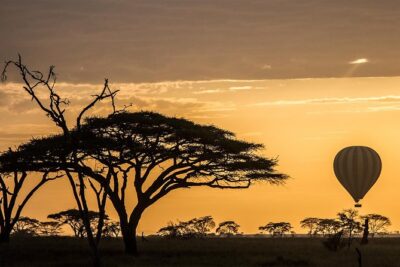 ★ 5.0Serengeti Balloon Safari and authentic bush breakfastFrom $5502,480 reviews
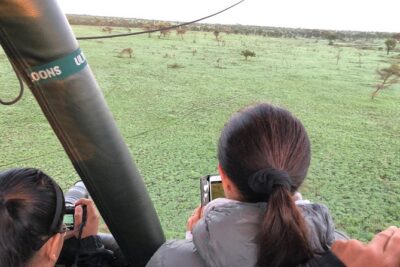 ★ 5.0Balloon Safari & Bush Breakfast in Serengeti – Miracle ExperienceFrom $5991,646 reviews
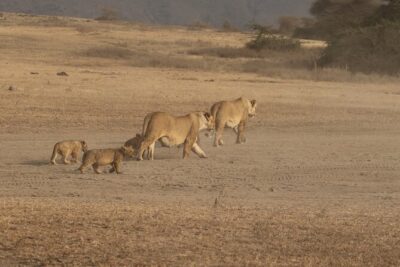 ★ 5.03 Days Serengeti & Ngorongoro Group Camping SafariFrom $815574 reviews
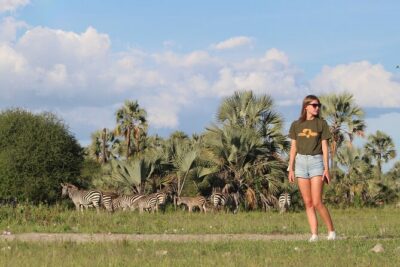 ★ 5.05-Day Highlights mid-Range Crater, Serengeti, TarangireFrom $2,327296 reviews
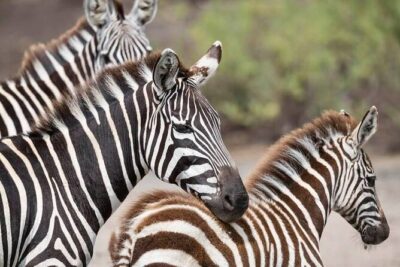 ★ 5.0Safari Serengeti And NgorongoroFrom $2,845288 reviews
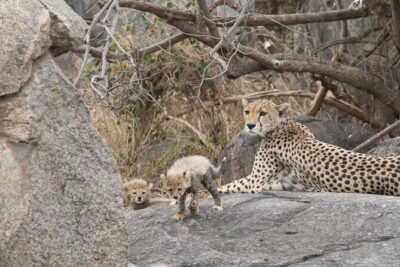 ★ 5.03-Day Classic Serengeti SafariFrom $1,455263 reviews
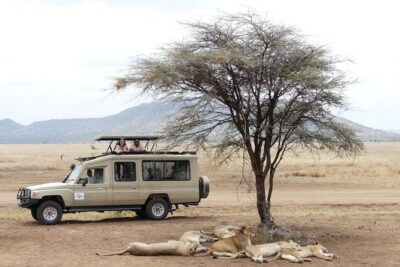 ★ 5.0Private 6-Day Tarangire Manyara Crater and Serengeti with Mid-Range LodgesFrom $2,685238 reviews
 ★ 5.05 Days Camping Tarangire, Serengeti & Ngorongoro crater & Visiting MaasaiFrom $1,254229 reviews