
REVIEW · SERENGETI NATIONAL PARK SAFARIS
4 Days Safari to Tarangire, Serengeti and Ngorongoro
Four days, three legends of wildlife. This tight circuit packs early game drives and the black rhino chance that makes Ngorongoro famous, with a dramatic Rift Valley day at Lake Manyara and a once-in-a-lifetime Serengeti hit. I really like how the schedule is built for sightings, not just sightseeing. One thing to think about though, you only spend one night in Serengeti, so you’ll be moving fast and your Great Migration timing may not match your dream map.
You start early from Arusha, with a 7:00 am meeting time and hotel pickup offered, then you return to Arusha around 5 pm on the last day. The company keeps groups to a maximum of 100, and the basics are covered: a professional guide, park fees, unlimited drinking water, and multiple meals. If you hate long driving days, this may feel like a sprint.
In This Review
- Key highlights to watch for
- Why a 4-Day Serengeti and Ngorongoro push makes sense
- Day 1 Lake Manyara: acacia shade, baboons, hippos, and Rift Valley views
- Day 2 Serengeti: the endless plains feeling you came for
- Day 3 early wake-up sunrise drive, then on to Ngorongoro
- Day 4 Ngorongoro crater floor: early descent, Hippo Lake picnic, then back to Arusha
- Guides, timing, and the little things that safari guides do for you
- Price and value: what $1,450 covers, and what you should budget for
- Who this safari suits best, and who should consider a longer trip
- Should you book this 4-Day Safari to Tarangire, Serengeti, and Ngorongoro?
- FAQ
- What parks are included on this 4-day safari?
- How long is the safari?
- Where does the tour start, and what time?
- Is park fees included?
- What meals are included?
- Is drinking water included?
- What’s not included in the price?
- How big are the groups?
- What is the cancellation policy?
- Should I bring anything for the safari?
Key highlights to watch for
- Lake Manyara’s lake-ringed game drives, with hippos and lots of tree shade country
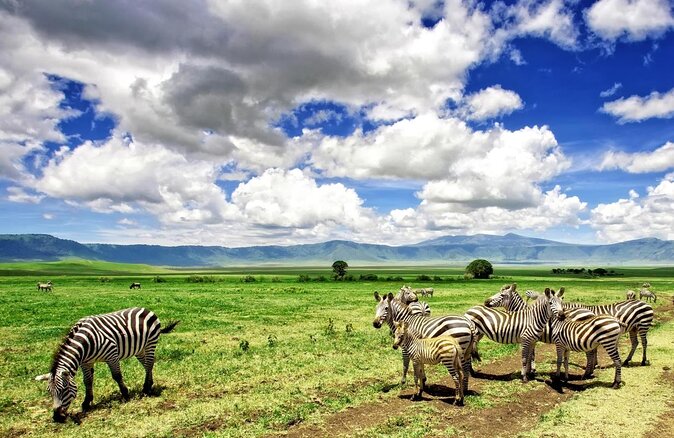
- Serengeti at “endless plains” scale, including massive numbers of wildebeest and zebra
- A very early sunrise drive in Serengeti, when animals often show up more actively
- Ngorongoro crater wildlife concentration, with a real black rhino possibility
- Hippo Lake lunch timing, tucked into the crater experience
More of the Serengeti, drive by drive
- Balloon Safari & Bush Breakfast in Serengeti – Miracle Experience★ 5.0 · 1,646 reviews
- 3 Days Serengeti & Ngorongoro Group Camping Safari★ 5.0 · 574 reviews
- 5-Day Highlights mid-Range Crater, Serengeti, Tarangire★ 5.0 · 296 reviews
- 3-Day Classic Serengeti Safari★ 5.0 · 263 reviews
Why a 4-Day Serengeti and Ngorongoro push makes sense
If you only have a few days, this is one of the most efficient ways to sample Tanzania’s top wildlife regions. You’re not choosing between parks, you’re stacking them: Lake Manyara for scenery plus character species, Serengeti for the big plains drama, then Ngorongoro for the crater funnel of animals.
The tradeoff is speed. You get one night in Serengeti, so you’re not doing the slow, day-after-day migration tracking that longer trips can offer. Still, if this is your first time in the country, you’ll come away with the core “I get it now” moments: the open grasslands, the Rift Valley geography, and the crater that feels like a natural zoo.
Day 1 Lake Manyara: acacia shade, baboons, hippos, and Rift Valley views
You’ll start the adventure with pickup from your hotel at the early hour of the day, then settle in for a full game drive at Lake Manyara National Park. This park is smaller than the headline parks, about 205 square miles, but it makes up for it with variety. You’re not just scanning from one angle. You’re driving a route that gives you constant scenery changes along the lake area and the surrounding habitat.
What I like here is that Lake Manyara is described as lush, with acacia forest and big trees like giant figs and mahogany. That matters because wildlife doesn’t only hang out in open grass. You get chances for animals framed by trees, plus the kind of “around the bend” viewing that keeps your eyes moving.
The animal mix is also strong for a first day. You can expect resident wildlife like giraffes, elephants, impalas, and buffaloes, plus a growing population of baboons and blue monkeys. And yes, hippos call Lake Manyara home in a big way. If you love that big, noisy wildlife energy, this is a great opener because the lake keeps feeding your imagination for photos, even when you’re not seeing your target species every few minutes.
One practical note: the day is “full day,” so bring patience for stops and timing. You’ll spend hours on the road and in the vehicle, and you’ll want to be ready to pull your camera fast when things happen.
Day 2 Serengeti: the endless plains feeling you came for
Day two is the classic jump into Serengeti. After breakfast, you head toward the park and it’s a long drive, but the route is part of the magic. As you go deeper, the scenery does something that’s hard to describe until you see it: the plains can stretch toward the horizon in a way that messes with distance.
This is where Serengeti earns its reputation for scale. The park is about 18,000 square kilometers, and it’s often called “endless plains” because from the vehicle it can feel like the grass goes on forever. That open space is not just pretty. It creates wildlife visibility that’s different from dense forest parks. When you spot animals here, it often looks like they’re stepping onto a stage.
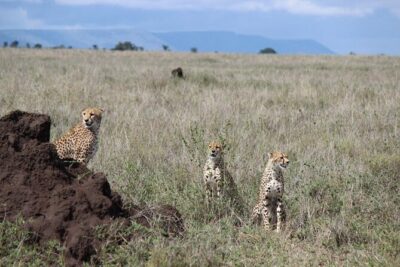
The tour focus for Serengeti is the Great Migration. You’re in the home range of about 2 million wildebeest, plus hundreds of thousands of zebra and other antelope species. And because predators live in the ecosystem, your guide should be able to help you search smarter, not just drive randomly. Lions, cheetahs, and other large predators are part of the Serengeti story, and the park is widely known for them.
A drawback to be aware of: with only one night in the park overall, this day is not the time to expect a slow, “we’ll follow one herd all day” approach. It’s more like: you get the signature Serengeti experience, you see the big picture, and you try to catch good wildlife moments while you’re there.
Other ways down into the Ngorongoro Crater
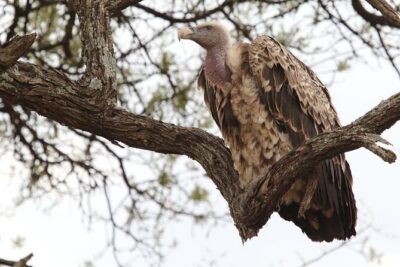
Day 3 early wake-up sunrise drive, then on to Ngorongoro
This is where your itinerary starts working like a pro. You’ll get an early wake-up call to do an early morning game drive in Serengeti. The timing is deliberate. Early hours often mean more active animals, less heat, and sometimes better visibility for spotting movement before it becomes obvious.
The tour also frames this morning as a sunrise opportunity. Even if you’re not the sunrise type, there’s a practical benefit: the light can make animals easier to see against the grass, and the whole mood of the plains changes fast from dark to bright.
After the drive, you’ll head back to camp for brunch. Then you move on toward Ngorongoro. This is a long day, but it’s also the bridge between two styles of safari. Serengeti is open and wide. Ngorongoro is enclosed and dramatic, with animals that can feel closer because of the crater’s shape.
Ngorongoro Conservation Area is described as the eighth wonder of the natural world, and you can feel why once you arrive. The crater spreads about 102 square miles with walls around 2,000 feet high. It’s often described like an ark because so many East African species have a place there. And this is one of the rare places where you can witness the black rhino, which is the big headline you’ll hear once you start planning this trip.
You also get terrain variety: there’s a river, swamps, and a soda lake. That means you’re not just driving through “one kind of land.” You’re moving through different water and grass conditions that attract different animals.
Day 4 Ngorongoro crater floor: early descent, Hippo Lake picnic, then back to Arusha
Day four starts with a very early start because the crater morning is the point. You descend into the crater floor for an incredible morning of wildlife viewing. This is the most “concentrated” style of game drive in the trip: animals tend to come into your sightline in a compact area, and the crater walls create a natural sense of drama all around.
After the morning drive, you’ll have a picnic lunch near Hippo Lake. That specific detail matters because it builds a full crater day, not just a quick drop and exit. Hippo Lake is part of why Ngorongoro feels alive. The water keeps activity nearby, and the area is known for hippos.
Then there’s time for a short game drive before you ascend and exit the conservation area. You’ll head back to Arusha, with an expected arrival around 5 pm, and they say they’re flexible if you have a flight to catch or something else comes up.
If you’re the type who wants to check multiple big boxes, this last day is where you’ll feel the payoff most. Serengeti gives you the scale. Ngorongoro gives you the density, including the black rhino possibility.
Guides, timing, and the little things that safari guides do for you
A safari lives or dies on the guide’s ability to find animals while keeping you comfortable and safe. In the feedback, I saw repeated praise for the people behind the wheel and behind the explanations.
John, the CEO, came up in one review for being smooth and responsive during communication. That kind of attention before you ever step onto the vehicle helps you arrive with less stress and more confidence.
For on-the-ground guiding, I saw names like Augustin and Manfred. One person highlighted Augustin as a veteran guide and advised getting your camera ready fast, because sightings can happen quickly once the guide points. Another mentioned Manfred as an exceptional leader with extensive wildlife knowledge and a strong sense of what to do next.
You’ll also benefit from basics that are usually annoying to manage yourself. The tour includes unlimited drinking water, which is huge on long days in Tanzania heat. You’re also covered for park fees, so you’re not worrying about where to pay at the gate with time slipping away.
One more practical detail: meals are included. Breakfast is listed for all four days. Lunch is included four times, and dinner is included three times. That means fewer scramble moments and more predictable energy for game drives.
Price and value: what $1,450 covers, and what you should budget for
At $1,450 per person, this isn’t a budget safari. But for a 4-day route that hits Lake Manyara, Serengeti, and Ngorongoro, it starts to look more reasonable when you account for what’s included.
Included items are the big cost drivers on safari: park fees, a professional guide, and meals (breakfast all four days, lunch all four days, and dinner three nights). Unlimited drinking water is included too. That combination saves you time and reduces friction, especially because safari days run early and long.
What’s not included is also clearly listed: visa, international flights, and tips. There’s also an extra charge if pickup is outside 30 km from where they’re coordinating, set at $50.
Now, one more “plan for reality” note. I saw a review mentioning accommodations felt tent-based and advising bringing your own sleeping bag, with advice that a room might have been preferable. Since your exact lodging details aren’t spelled out in the tour summary, I can’t promise the same setup. But it’s smart to ask the operator what accommodation style you’ll get, especially if you’re sensitive to cold nights or prefer a private room.
Value-wise, this tour makes the most sense if you want a high-impact safari within a short window. If you can spare extra days, you might get more time in Serengeti and improve your odds of matching the exact Great Migration moment you’re hoping for. But if you’re time-limited, the included structure keeps your costs and logistics tighter.
Who this safari suits best, and who should consider a longer trip
This tour fits you well if you want the “greatest hits” without needing a full week. It’s also a smart choice for first-time visitors because it gives you a variety of habitats in only four days: tree and lake energy at Lake Manyara, open plains at Serengeti, then crater walls and water features at Ngorongoro.
You’ll also like it if you can handle early mornings. Day three includes a very early wake-up for sunrise viewing and an early drive. Day four is early again for the crater descent. If you’re a late sleeper, this itinerary will feel like you’re constantly switching gears.
On the other hand, you may want more days if you’re serious about Serengeti migration watching. With only one night in Serengeti, your Great Migration story depends on where the herds are at the time you travel. You can still see plenty of wildlife either way, but you’re not guaranteed the full slow chase across multiple regions.
Also, consider your tolerance for long driving stretches. This is the kind of trip where comfort matters because you spend many hours in the vehicle.
Should you book this 4-Day Safari to Tarangire, Serengeti, and Ngorongoro?
I’d book it if you’re chasing maximum “wildlife wow” with limited time. The mix makes sense: Lake Manyara for character and water-edge action, Serengeti for that massive plains feeling and Migration scale, and Ngorongoro for the crater drama and the black rhino possibility.
I would pause and ask questions before booking if you’re picky about accommodation comfort or you want a longer Serengeti stay. Also, if you hate early mornings, this tour’s schedule is not subtle.
If you want a well-run plan that saves you from juggling park fees, meals, timing, and guides, this one is built for that. And if you’re willing to rise early and stay flexible, you should leave Tanzania with real memories, not just photos of distant animals.
FAQ
What parks are included on this 4-day safari?
This tour includes game drives at Lake Manyara National Park, Serengeti National Park, and the Ngorongoro Conservation Area.
How long is the safari?
It’s listed as 4 days (approximately).
Where does the tour start, and what time?
The meeting point start time is 7:00 am in Arusha, Tanzania. Pickup from your hotel is offered.
Is park fees included?
Yes, park fees are included.
What meals are included?
Breakfast is included for 4 days, lunch is included for 4 days, and dinner is included for 3 days.
Is drinking water included?
Yes, unlimited drinking water is included.
What’s not included in the price?
Visa, international flights, and tips are not included. There may also be an extra pickup charge of $50 if pickup is outside 30 km.
How big are the groups?
The tour has a maximum of 100 travelers.
What is the cancellation policy?
Free cancellation is available. You can cancel up to 24 hours in advance for a full refund.
Should I bring anything for the safari?
The tour data doesn’t list packing items. Based on a published review, you might consider bringing your own sleeping bag if your accommodation ends up being tent-style.
Tarangire and Its Baobabs
- 5-Day Highlights mid-Range Crater, Serengeti, Tarangire
★ 5.0 · 296 reviews - Private 6-Day Tarangire Manyara Crater and Serengeti with Mid-Range Lodges
★ 5.0 · 238 reviews - 5 Days Camping Tarangire, Serengeti & Ngorongoro crater & Visiting Maasai
★ 5.0 · 229 reviews - 4 Days Join Group tour Tarangire Serengeti and Ngorongoro crater
★ 5.0 · 219 reviews - 4-Day Safari from Arusha: Tarangire, Serengeti and Ngorongoro
★ 5.0 · 173 reviews
Still Thinking About the Crater?
- 3 Days Serengeti & Ngorongoro Group Camping Safari
★ 5.0 · 574 reviews - 5 Days Camping Tarangire, Serengeti & Ngorongoro crater & Visiting Maasai
★ 5.0 · 229 reviews - 4 Days Join Group tour Tarangire Serengeti and Ngorongoro crater
★ 5.0 · 219 reviews - 4-Day Safari from Arusha: Tarangire, Serengeti and Ngorongoro
★ 5.0 · 173 reviews - 2 Days Tarangire and Ngorongoro Group Camping Safari
★ 5.0 · 146 reviews
The Serengeti, Three More Ways
- Balloon Safari & Bush Breakfast in Serengeti – Miracle Experience
★ 5.0 · 1,646 reviews - 3 Days Serengeti & Ngorongoro Group Camping Safari
★ 5.0 · 574 reviews - 5-Day Highlights mid-Range Crater, Serengeti, Tarangire
★ 5.0 · 296 reviews - 3-Day Classic Serengeti Safari
★ 5.0 · 263 reviews - Private 6-Day Tarangire Manyara Crater and Serengeti with Mid-Range Lodges
★ 5.0 · 238 reviews
Just added from around Arusha
Serengeti National Park Safaris, compared.
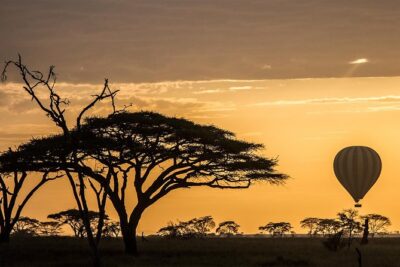 ★ 5.0Serengeti Balloon Safari and authentic bush breakfastFrom $5502,480 reviews
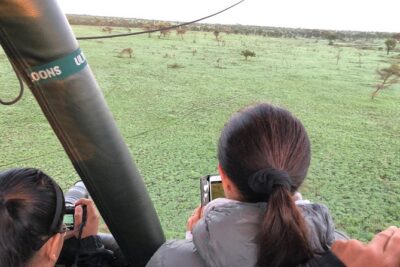 ★ 5.0Balloon Safari & Bush Breakfast in Serengeti – Miracle ExperienceFrom $5991,646 reviews
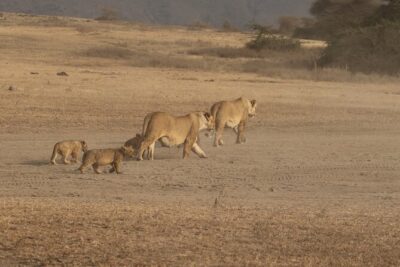 ★ 5.03 Days Serengeti & Ngorongoro Group Camping SafariFrom $815574 reviews
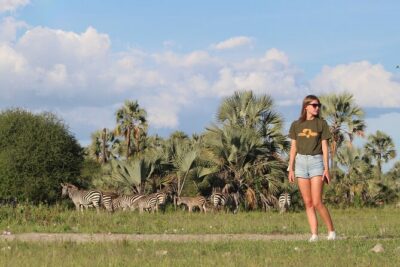 ★ 5.05-Day Highlights mid-Range Crater, Serengeti, TarangireFrom $2,327296 reviews
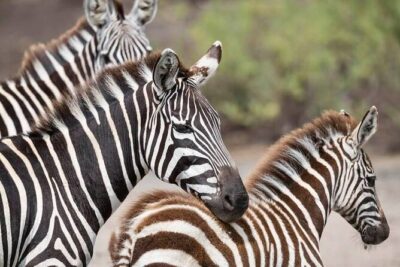 ★ 5.0Safari Serengeti And NgorongoroFrom $2,845288 reviews
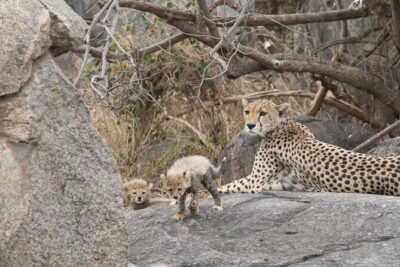 ★ 5.03-Day Classic Serengeti SafariFrom $1,455263 reviews
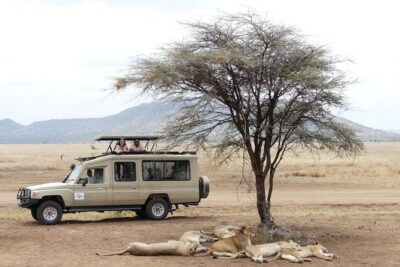 ★ 5.0Private 6-Day Tarangire Manyara Crater and Serengeti with Mid-Range LodgesFrom $2,685238 reviews
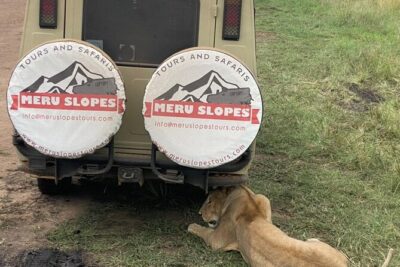 ★ 5.05 Days Camping Tarangire, Serengeti & Ngorongoro crater & Visiting MaasaiFrom $1,254229 reviews
Browse the lists this tour appears in