
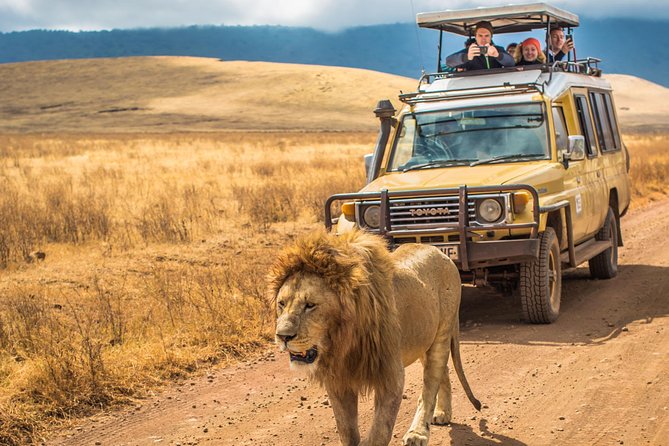
REVIEW · SERENGETI NATIONAL PARK SAFARIS
4 Days Private Safari – Tarangire, Serengeti & Ngorongoro Crater
A safari circuit like this moves fast, in a good way. I like how it stacks Tarangire elephant herds with Serengeti’s classic plains, then caps it with the Ngorongoro Crater’s concentrated wildlife. I also like the practical camp setup, waterproof 2-person tents with mosquito nets, plus meals and camping gear included.
One thing to factor in: you’re sleeping at public campsites, so it’s not a quiet, private lodge night. And like many safaris, the ride quality can vary a lot depending on the vehicle day and road conditions, so you’ll want a little patience for bumpy drives.
In This Review
- Quick hits before you book
- Why Tarangire, Serengeti, and Ngorongoro fit together
- Day 1 in Tarangire: elephants, baobabs, and dry-season water
- Day 2 in Serengeti: Seronera River and the Big Five kind of searching
- Day 3 to Ngorongoro Conservation Area: Maasai grazing and one more Serengeti morning
- Day 4 inside the crater: 5 hours, black rhino, and predator odds
- Camp life: waterproof tents, mosquito nets, and public campsite reality
- Wildlife priorities by park: what to watch for and why
- Price and value at $1,500 per person
- Getting picked up, moving between parks, and what affects comfort
- Guides, cooks, and the human side of the safari
- Who this safari suits best
- Should you book this 4-day private safari?
- FAQ
- What parks are included in this 4-day safari?
- What wildlife are you likely to see?
- What is included in the price?
- Are tents provided?
- Is hotel pickup included?
- Is the tour private?
- Do I need to bring my own camping gear?
- Are tips included?
- What tickets do you receive?
- What if weather is bad?
Quick hits before you book
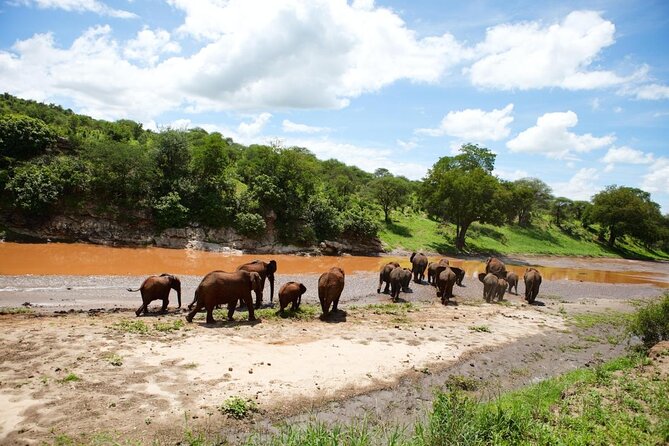
- Tarangire for elephants and rare antelope: expect big elephant herds and a shot at species like greater kudu and fringed-eared oryx.
- Serengeti in the Seronera zone: you’ll focus on the central park area around the Seronera River, a key water magnet.
- Ngorongoro is managed by Maasai people: Maasai grazing happens alongside wildlife, which shapes the experience.
- Crater time with a long drive: plan for about 5 hours of game drive inside the crater.
- Camping that is built for bugs and weather: waterproof tents, mosquito nets, and included camp setup.
- Personal service matters: guidance names like Pendael, Erasto, Bakari, Joseph, and Mirage show up in feedback for strong animal-spotting.
More of the Serengeti, drive by drive
- Balloon Safari & Bush Breakfast in Serengeti – Miracle Experience★ 5.0 · 1,646 reviews
- 3 Days Serengeti & Ngorongoro Group Camping Safari★ 5.0 · 574 reviews
- 5-Day Highlights mid-Range Crater, Serengeti, Tarangire★ 5.0 · 296 reviews
- 3-Day Classic Serengeti Safari★ 5.0 · 263 reviews
Why Tarangire, Serengeti, and Ngorongoro fit together
This is a smart three-park mix because each place plays a different role. Tarangire gives you the Safari Starter Pack: elephants, baobab trees, acacia woodland, and water channels that pull animals in during the dry season. Serengeti is the open-stage act, where you’re looking across long grass and scanning for predators, herds, and the animals that define the Big Five dream. Ngorongoro Crater then compresses it all into one of the most dense wildlife viewing areas on Earth, so your odds of seeing multiple species in a short time go up.
The pace is also realistic. In four days you’re not just collecting stamps. You actually get meaningful time in each wildlife zone: a full day in Tarangire, an afternoon game drive plus another morning in Serengeti, then a crater morning with a long drive and a picnic on the crater floor.
Day 1 in Tarangire: elephants, baobabs, and dry-season water
You start with a hotel pickup at 8:30 AM, then drive to Tarangire National Park for a full day game drive. Tarangire’s habitat is mostly acacia woodland with giant African baobabs, plus swampy areas in the south. That matters because during the dry season, rivers and swamps act like a magnet for wildlife.
What I like about this day plan is the focus. You’re not bouncing around half the park with no time on your side. You’ve got a full-day block, plus a picnic lunch, which keeps the rhythm of the day smooth instead of feeling like constant stops and resets.
Tarangire also has a strong track record for elephants. The park is reputed for some of the largest elephant herds in Africa, so if your dream includes close-up elephant behavior, this is the day to be wide-eyed and patient. It’s also one of the best chances on this itinerary for rare species. The route includes targets like greater kudu, fringed-eared oryx, and even ashy starlings, so your guide will likely slow down when they spot likely habitats.
Practical note: game drives in this region can feel bumpy, and one account called out that the safari ride was bumpy but still worth it. I’d plan for that. Bring motion sickness basics if you’re sensitive, and keep your camera strap secure.
Day 2 in Serengeti: Seronera River and the Big Five kind of searching
After breakfast, the drive pushes you toward Serengeti via Karatu farmland and the Ngorongoro Conservation Area, then down into the Serengeti itself. You arrive in time for lunch and then get an afternoon game drive.
Why I like the specific area choice: you head for the central park zone around Seronera. The Seronera River is a key water supply, so it tends to attract wildlife that represent a lot of Serengeti’s species. In plain terms, it’s easier to find animals when the habitat is consistently offering water.
This is also where the Big Five logic gets real. The tour is built around a chance to see lion, leopard, rhino, elephant, and African buffalo. You might not see all five in the time you have, but the itinerary gives you multiple game drive windows across the circuit, which improves your chances.
You’re also operating in a landscape where spotting depends on timing. The best viewing often happens when the light is changing and animals move between feeding and water. That’s why getting both afternoon and another morning game drive later is such a big deal. One long session is good. Two different sessions often means you catch different behavior.
Other ways down into the Ngorongoro Crater
Day 3 to Ngorongoro Conservation Area: Maasai grazing and one more Serengeti morning
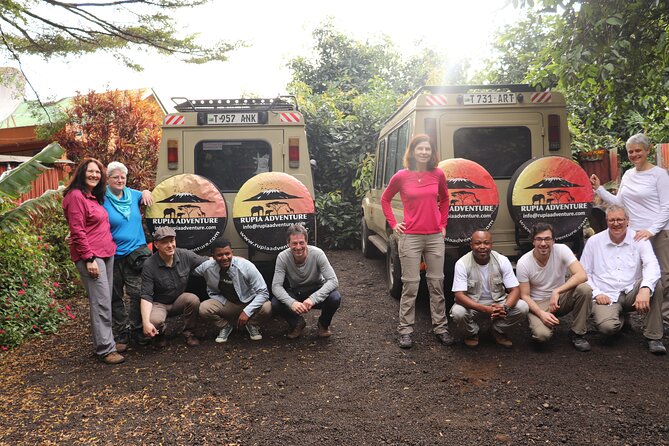
Day three starts with early breakfast and a last morning game drive in Serengeti, then you depart for Ngorongoro Conservation Area with an en-route game drive and picnic lunch.
Here’s a key detail people forget: Ngorongoro is a conservation area, not a national park. It’s managed for both wildlife and local Maasai people who graze cattle alongside indigenous wildlife. That isn’t just trivia. It changes the vibe you experience on the route and around viewing points. You’re seeing a working landscape shaped by people and wildlife living close to each other.
The en-route game drive is helpful too. You’re not only spending your time in the crater. You’re stacking additional chances to spot animals as you go. When the day is built that way, a single slow stretch doesn’t ruin the whole safari.
One more Serengeti morning also gives you a second bite at the apple for predators. Leopard and lion sightings can be timing-sensitive, and the morning light often helps you notice movement faster. If you’ve been hoping for rare sightings, this is the day that can surprise you.
Day 4 inside the crater: 5 hours, black rhino, and predator odds
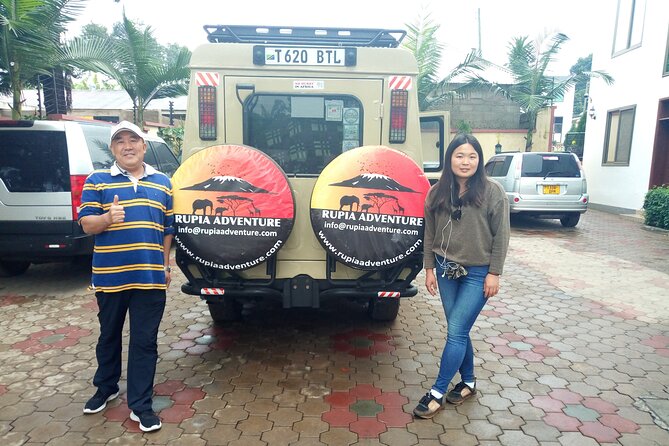
On day four, after breakfast you descend into Ngorongoro Crater for about 5 hours of game drive, plus a picnic lunch on the crater floor. If you love the idea of wildlife concentration, this is the payoff.
The crater is described as one of the most densely crowded African wildlife areas in the world, with an estimated 30,000 animals. That’s a huge number, but what really matters for your eyes is what those animals represent. The crater supports a wide mix because there’s year-round water supply and fodder. You can expect animals like wildebeest, zebra, buffalo, eland, warthog, hippo, and giant African elephants.
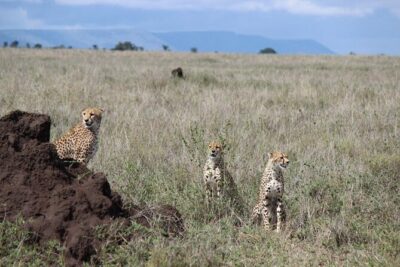
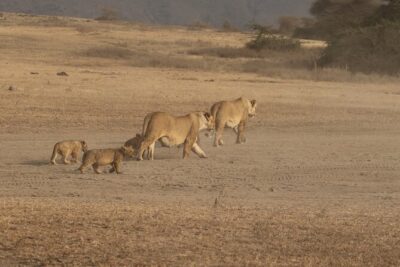
And yes, the black rhino is the headline. Ngorongoro is home to some of Tanzania’s last remaining black rhino, which is why many safari wish lists include this crater. Predators are also a big draw: lions, hyenas, jackals, cheetahs, and the elusive leopard. Because the viewing area is concentrated, your odds of seeing multiple predator types in one crater day are better than in more spread-out areas.
My suggestion for this day: slow down your expectations and let the crater do its work. Instead of chasing every movement, watch the grazing patterns and the edges of open areas, then you’ll get more time to notice predator behavior when it appears.
Camp life: waterproof tents, mosquito nets, and public campsite reality
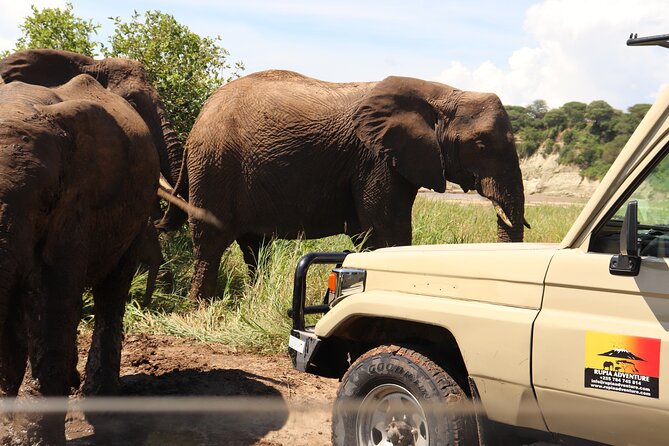
The safari includes camping equipment and meals, with accommodations in waterproof 2-person tents fitted with mosquito nets. That setup is practical for Tanzania’s nights. You don’t need to figure out tent logistics, and the mosquito net detail matters for comfort.
You’ll stay at public campsites, either inside or outside the parks. That’s the honest tradeoff. Public campsites are part of the safari world, not a luxury bubble. You should expect shared facilities and the normal sounds of being outdoors.
A couple of practical comfort notes from feedback: some people praised the tents as comfortable, while one mentioned a small mattress underground. That tells me the comfort level is functional, not hotel-level plush. If you’re picky about sleep, plan to bring your own comfort upgrades.
For the evenings, think of camp as the calm center of a long day. The good part is that you’re eating and resting without having to manage cooking or hauling gear. A chef named David shows up in multiple accounts for preparing very good meals, and that makes a difference when you’re tired from game drives.
Wildlife priorities by park: what to watch for and why
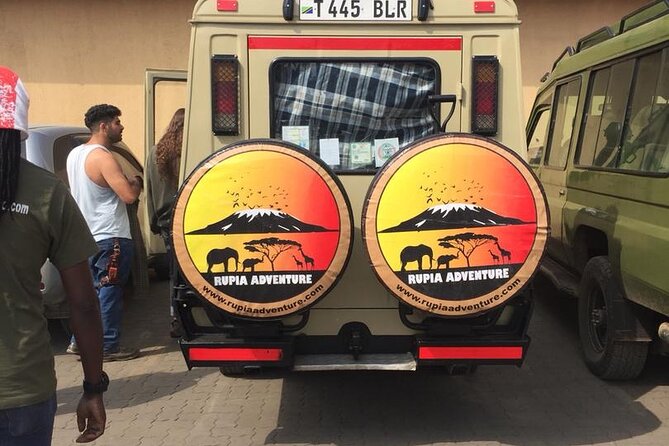
This itinerary is built with wildlife priorities in mind, and each park offers a different best-case pattern.
Tarangire focuses on elephants and specific rare species. Watch for movement around water and swamps in the dry season. If you’re hoping for kudu and oryx, don’t treat them as guaranteed, but do treat Tarangire as your best shot on the route.
Serengeti is about water-dependent sightings and predator chances. By targeting the Seronera area, you’re aiming for a water magnet. That increases the odds you’ll see a cross-section of species, and it keeps game drives active instead of turning into long drives through empty grass.
Ngorongoro Crater is concentration viewing. Here you’re looking for variety in short time. Rhino, hippo, buffalo, elephants, and predators all share the crater stage. That’s why the long crater drive and picnic lunch plan matter. You get sustained viewing instead of a quick drive-by.
One more thought: the tour also aims for Big Five sightings overall. You might see different pieces of the Big Five on different days. With Tarangire’s elephant reputation and Serengeti’s predator and big cat focus, your best strategy is to keep your attention wide, not single-target.
Price and value at $1,500 per person
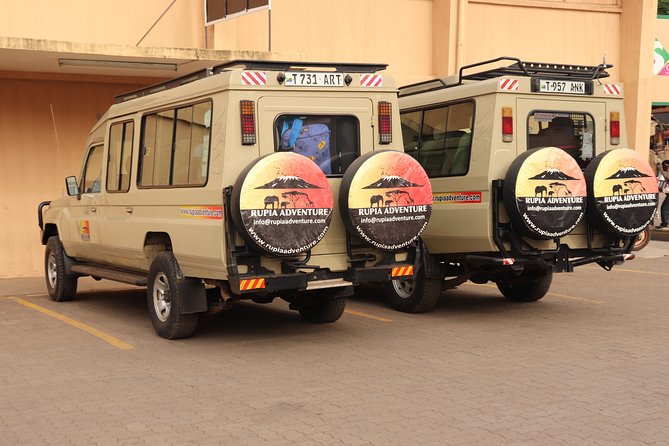
At $1,500 per person for four days, this sits in the mid-to-upper range for a Tanzania safari, but the value comes from what’s included. Your package lists all fees and taxes, plus meals (breakfast 3 times, lunch 4 times, dinner 3 times). It also includes camping equipment and the tents themselves.
So you’re not just paying for vehicle time. You’re paying for park access, food, and camp setup that would otherwise add up quickly. For many people, that’s the hidden value. When camping gear and meals are handled, you spend less time negotiating logistics and more time watching animals.
The other value point is personalization. The tour is a private tour/activity, meaning only your group participates. Private usually means you can move with your own schedule and get guide attention without competing for focus with strangers.
That said, there’s a balance to keep in mind. In one negative account, the vehicle was described as in very bad condition and stops were frequent, with logistic problems. That’s not something you can ignore. The best way to protect value is to confirm vehicle condition and ask what vehicle type you’ll have for your dates, then communicate clearly on day one.
Getting picked up, moving between parks, and what affects comfort
You’re picked up from your hotel at 8:30 AM on day one, then you’re on the road between parks for multiple legs. That’s a big part of any northern Tanzania safari, but it affects your comfort more than people expect.
The itinerary also includes picnic lunches on driving days, which keeps you from losing whole half-days to meal planning. In a system like this, timing is everything. If you’re always running late, wildlife activity gets missed. That’s why on-time pickups matter, and one positive review praised the company for being on time or even early for pickups.
Guide quality is another comfort factor. Names like Pendael, Erasto, Bakari, Joseph, Miraji, and Mirage show up in feedback as drivers and guides with strong animal and bird spotting. One person also highlighted that the guide was patient and the driver explained wildlife and even trees. That kind of explanation turns game drive time from just seeing to actually understanding what you’re looking at.
Finally, bring the right attitude for open-country driving. One account noted the safari was bumpy. Even with a good driver, the roads can be rough. I treat that as normal, then focus on making the most of every viewing stop.
Guides, cooks, and the human side of the safari
Safari success is not only about animals. It’s about people who know when to stop and how to read animal behavior.
Multiple feedback snippets praise the guide and driver side. I’ve seen mentions of guides like Pendael, Erasto, Bakari, Joseph, and Miraji for being professional, safe, and good at finding animals. One account even said safety and the driver’s skill were major concerns, which the guide was able to address.
On the food side, the chef David comes up repeatedly. People said meals were delicious and well prepared, with fresh daily cooking. When you’re sleeping in the bush, good food keeps morale high.
On the planning side, the contact name Matt appears as responsive during booking and able to accommodate requests. If you like to tailor your trip, that kind of communication matters.
Who this safari suits best
This tour is a strong fit if you want:
- A classic northern Tanzania combo (Tarangire plus Serengeti plus Ngorongoro Crater) in a short window
- Camping that is practical: waterproof tents, mosquito nets, included gear
- More than one game drive window in Serengeti, not just a quick pass
- A guide who helps you spot animals, not only a driver who gets you from point A to point B
It’s also a good option for couples or small groups because the accommodation is designed for two people per tent and the tour is private.
If you’re the type who needs luxury, silent lodges, and predictable comfort with smooth roads, you’ll want to think hard. Camping is part of this package, and public campsites are part of the reality.
Should you book this 4-day private safari?
If your dream includes elephants and a real shot at Big Five sightings, this itinerary makes a lot of sense. The value equation is strengthened by included park fees, meals, and camping gear, plus the long crater drive that many people treat as the main event. The best signs in the feedback are consistent: guides who are good at spotting and explaining, and a cook who can actually feed you well.
My only caution is quality control. The experience can be excellent, but one negative account raised serious concerns about vehicle condition and logistics. Before you commit, ask the operator what you’ll be riding in and how they handle maintenance and day-to-day timing.
If they can reassure you and you’re comfortable with camping nights and possible bumpy roads, this is a compelling way to see northern Tanzania in four days.
FAQ
What parks are included in this 4-day safari?
You visit Tarangire National Park, Serengeti National Park, and Ngorongoro Crater within the Ngorongoro Conservation Area.
What wildlife are you likely to see?
The tour aims for Big Five sightings in Serengeti, and highlights large elephant herds in Tarangire. Ngorongoro Crater is highlighted for black rhino, plus many animals including wildebeest, zebra, buffalo, hippo, and predators like lions, hyenas, jackals, cheetahs, and leopard.
What is included in the price?
The package includes all fees and taxes, meals (breakfast 3 times, lunch 4 times, dinner 3 times), and camping equipment.
Are tents provided?
Yes. Accommodation is described as waterproof 2-person tents with mosquito nets.
Is hotel pickup included?
Pickup is offered. The itinerary specifies pick up from your hotel at 8:30 AM on day one.
Is the tour private?
Yes. It is a private tour/activity, and only your group participates.
Do I need to bring my own camping gear?
No. Camping equipment is included.
Are tips included?
No. Tips are not included.
What tickets do you receive?
The tour includes a mobile ticket.
What if weather is bad?
The experience requires good weather. If it is canceled due to poor weather, you will be offered a different date or a full refund.
Tarangire and Its Baobabs
- 5-Day Highlights mid-Range Crater, Serengeti, Tarangire
★ 5.0 · 296 reviews - Private 6-Day Tarangire Manyara Crater and Serengeti with Mid-Range Lodges
★ 5.0 · 238 reviews - 5 Days Camping Tarangire, Serengeti & Ngorongoro crater & Visiting Maasai
★ 5.0 · 229 reviews - 4 Days Join Group tour Tarangire Serengeti and Ngorongoro crater
★ 5.0 · 219 reviews - 4-Day Safari from Arusha: Tarangire, Serengeti and Ngorongoro
★ 5.0 · 173 reviews
Still Thinking About the Crater?
- 3 Days Serengeti & Ngorongoro Group Camping Safari
★ 5.0 · 574 reviews - 5 Days Camping Tarangire, Serengeti & Ngorongoro crater & Visiting Maasai
★ 5.0 · 229 reviews - 4 Days Join Group tour Tarangire Serengeti and Ngorongoro crater
★ 5.0 · 219 reviews - 4-Day Safari from Arusha: Tarangire, Serengeti and Ngorongoro
★ 5.0 · 173 reviews - 2 Days Tarangire and Ngorongoro Group Camping Safari
★ 5.0 · 146 reviews
The Serengeti, Three More Ways
- Balloon Safari & Bush Breakfast in Serengeti – Miracle Experience
★ 5.0 · 1,646 reviews - 3 Days Serengeti & Ngorongoro Group Camping Safari
★ 5.0 · 574 reviews - 5-Day Highlights mid-Range Crater, Serengeti, Tarangire
★ 5.0 · 296 reviews - 3-Day Classic Serengeti Safari
★ 5.0 · 263 reviews - Private 6-Day Tarangire Manyara Crater and Serengeti with Mid-Range Lodges
★ 5.0 · 238 reviews
Just added from around Arusha
Serengeti National Park Safaris, compared.
 ★ 5.0Serengeti Balloon Safari and authentic bush breakfastFrom $5502,480 reviews
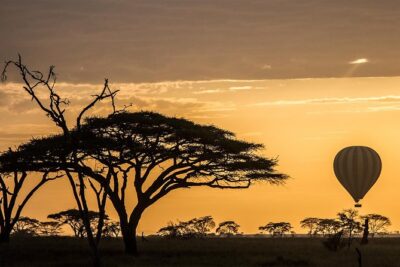
 ★ 5.0Balloon Safari & Bush Breakfast in Serengeti – Miracle ExperienceFrom $5991,646 reviews
 ★ 5.03 Days Serengeti & Ngorongoro Group Camping SafariFrom $815574 reviews
 ★ 5.05-Day Highlights mid-Range Crater, Serengeti, TarangireFrom $2,327296 reviews
 ★ 5.0Safari Serengeti And NgorongoroFrom $2,845288 reviews
 ★ 5.03-Day Classic Serengeti SafariFrom $1,455263 reviews
 ★ 5.0Private 6-Day Tarangire Manyara Crater and Serengeti with Mid-Range LodgesFrom $2,685238 reviews
 ★ 5.05 Days Camping Tarangire, Serengeti & Ngorongoro crater & Visiting MaasaiFrom $1,254229 reviews
Browse the lists this tour appears in