
REVIEW · SERENGETI NATIONAL PARK SAFARIS
4-Day Tarangire, Serengeti, Ngorongoro Crater
Big parks, big animals, zero guesswork on the drive schedule. This 4-day private safari strings together Tarangire, Serengeti, and Ngorongoro Crater for a classic Tanzania hit list.
I like that the pace is structured for wildlife time, not just driving time. Each day builds toward game drives, with picnic lunches and meals handled, so you can focus on spotting and learning. I also love that the trip is private, which usually means you get more flexibility to ask questions and adjust where you spend your attention.
One consideration: you are moving fast across three major regions in just a few days. If you hate early starts, long days, or back-to-back parks, this may feel like a sprint, not a slow travel vacation.
In This Review
- Key highlights I’d put on your shortlist
- Why this 4-day safari loop makes sense for first-timers
- Starting in Arusha, with pickup and a private guide rhythm
- Day 1 Tarangire National Park: baobabs, river elephants, and a full day out
- Day 2 Serengeti National Park: big plains, big herds, and lion shade time
- Day 3 Ngorongoro Conservation Area: the road into the crater region
- Day 4 Ngorongoro Crater floor game drive: lions, hippos, flamingos, and big bird spotting
- UNESCO World Heritage and the Maasai cohabitation angle
- Accommodation and meals: what “included” really means for your planning
- Price and value: $2,656 per person, what you are buying
- Who this safari fits best
- Should you book the 4-Day Tarangire, Serengeti, Ngorongoro Crater tour?
- FAQ
- What time does pickup start in Arusha?
- Is this a private tour?
- What meals are included in the tour?
- What does the price exclude?
- Do I need a passport, and what info is required?
- What is the cancellation policy and what happens if weather is poor?
Key highlights I’d put on your shortlist
- Private guide focus: guides like Francisco, Martin, and Joseph are noted for placing you well for animals and photos.
- Tarangire baobabs and elephant herds: a full day built around river life under towering baobab trees.
- Serengeti afternoon grasslands: time to watch lions and the big grazing herds on open plains.
- Ngorongoro crater floor game drive: a long descent and a concentrated wildlife day in a natural bowl.
- Meals included all days: 4 breakfasts, 4 lunches, 4 dinners, plus picnic lunches on drive days.
- UNESCO parks + Maasai cohabitation theme: the route is designed to connect wildlife viewing with the human story around these protected lands.
More of the Serengeti, drive by drive
- Balloon Safari & Bush Breakfast in Serengeti – Miracle Experience★ 5.0 · 1,646 reviews
- 3 Days Serengeti & Ngorongoro Group Camping Safari★ 5.0 · 574 reviews
- 5-Day Highlights mid-Range Crater, Serengeti, Tarangire★ 5.0 · 296 reviews
- 3-Day Classic Serengeti Safari★ 5.0 · 263 reviews
Why this 4-day safari loop makes sense for first-timers
A Tanzania safari is a mix of two things: animal luck and good planning. This tour is built around the planning side. You get a private setup from Arusha, set game drive blocks each day, and a route that hits three of the most famous wildlife zones in the country.
The value is not just that the parks are famous. It is that each one delivers a different “camera angle” on wildlife. Tarangire is river elephants and baobabs. Serengeti is open grassland stalking and big-herd energy. Ngorongoro is a crater full of animals condensed into one dramatic bowl. If you only have a few days, that variety is how you get more than one kind of safari memory.
The tradeoff is intensity. Expect long days on the road, early breakfasts, and a lot of time scanning for animals. The upside is you are not wasting half your trip on logistics. You spend the time where it counts: on safari.
Starting in Arusha, with pickup and a private guide rhythm
You start in Arusha with a pickup offered and a listed start time around 8:00 am. The first day pickup is described at 8:30 am, so plan for a morning that feels like a real beginning, not a leisurely start.
This is a private tour/activity, meaning it is just your group. That matters more than it sounds. A private guide can help you:
- decide when to push for a sighting versus when to slow down,
- position you better for wildlife behavior,
- keep the day flowing without waiting for other groups.
And the guide lineup is a real part of the experience. In the feedback for this operator, Francisco is praised for being responsive during planning and for his in-the-field knowledge. Other guides named include Martin and Joseph, with mentions of spotting harder species and keeping the focus on animals and the environment.
Day 1 Tarangire National Park: baobabs, river elephants, and a full day out
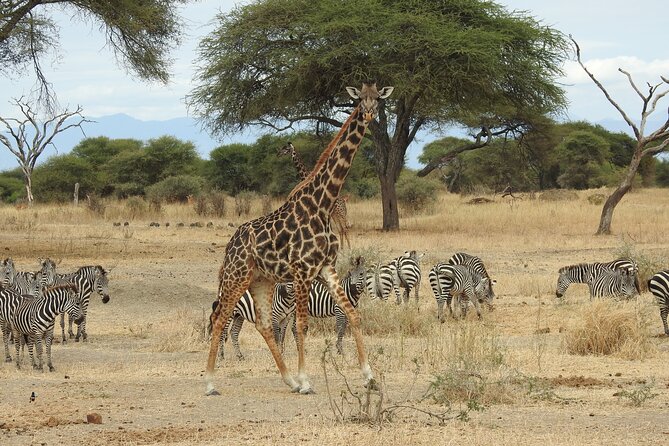
Tarangire is Tanzania’s third largest national park, and it is the kind of place where the scenery helps you understand why animals gather. The standout feature is the baobab trees dotting the area, dwarfing the animals that feed beneath them. It sounds like a “pretty detail,” but it also helps with spotting. When you know where the food and shade zones are, your game drive scanning becomes smarter.
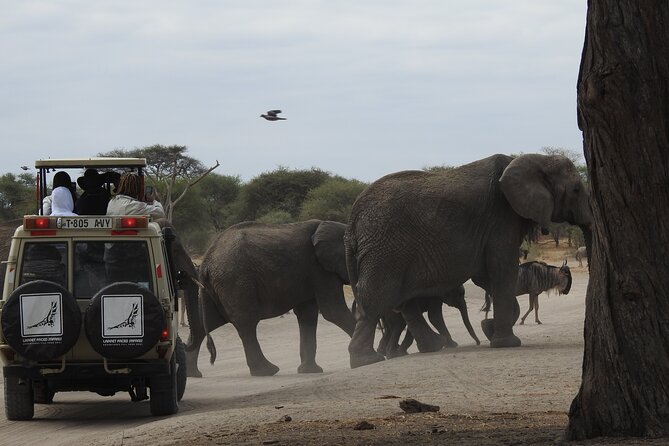
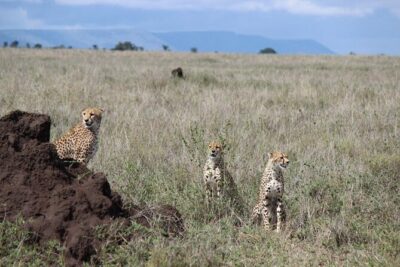
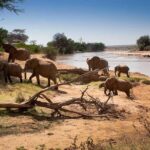
The Tarangire River is the centerpiece, and it is famous for some of the largest elephant herds in Africa. On your full day game drive, you may see a wide mix beyond elephants, including lions, leopards, cheetah, lesser kudu, buffalo, oryx, eland, giraffe, and zebra.
This day is also set up like a proper safari day, not a half-day detour. You get a picnic lunch during the drive and then return to your camp or lodge for dinner.
How to set yourself up for success on this day
- Bring sun protection and a light layer, since conditions can shift during long drives.
- Expect long periods of “nothing, then everything.” Tarangire has payoff, but it is not instant-gratification every minute.
Possible drawback
- If you have limited stamina for long car time, Day 1 can feel like a big first ask. You are aiming for a full-day circuit, so pack for comfort as much as for wildlife.
Other ways down into the Ngorongoro Crater
Day 2 Serengeti National Park: big plains, big herds, and lion shade time
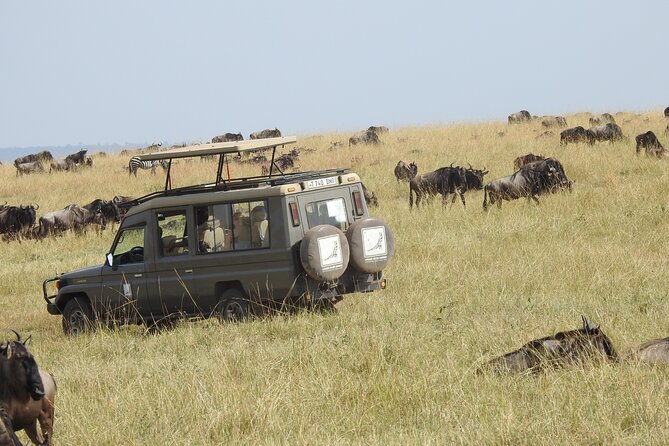
Serengeti is the name people know before they ever book a safari. Here, the value comes from how the day is timed. You travel toward Serengeti after breakfast, spending your journey through the long stretches of grassland.
Then you get an afternoon game drive. Afternoon is often a sweet spot because animal movement can pick up, and you also get lighting that helps with viewing and photography.
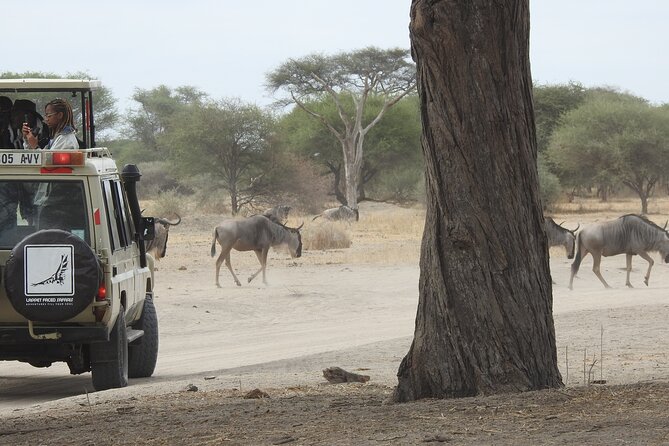
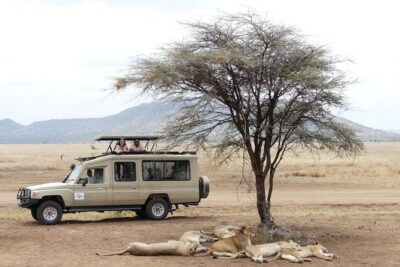
Your odds here are built around the big Serengeti trio: wildebeest, zebra, and gazelles, plus the chance of a pride of lions lounging in the shade. Even when the action is quieter, Serengeti rewards you for patience. The terrain is open, so you can scan farther and keep your eyes busy.
What I like about this setup
It is not trying to do everything at once. An afternoon drive can be more satisfying than a rushed morning, especially if you want to watch behavior rather than just chase sightings.
One possible consideration
Serengeti sightings can be wide-ranging in where they happen. Your guide’s job is to find where the animals are. That is why the private guide factor matters.
Day 3 Ngorongoro Conservation Area: the road into the crater region
Day 3 starts with breakfast, then you head out for a morning game drive in Serengeti, before later departing for the Ngorongoro Conservation Area with a picnic lunch.
The crater area is the reason this safari earns its bucket-list status. Ngorongoro Crater is described as the largest collapsed volcanic crater in the world. You are also getting a sense of scale from the “fourteen kilometers” of isolated natural beauty, and the crater sits within a ring of extinct volcanoes.
Wildlife density is the main pitch, and the tour description gives a bold number: the crater floor shelters about 30,000 animals around watering holes. That concentration changes the feel of the game drive. Instead of chasing animals across endless distance, you are dealing with a contained ecosystem where animals come to you, at least more often.
The day ends with a heavy dinner and a good night’s rest back at your accommodation.
Practical tip for this day
Even though you are not yet on the crater floor (that is Day 4), I’d treat the day as part of your acclimation. You are heading deeper into a different kind of terrain, and your eyes will need to adjust from plains to crater-bowl viewing.
Day 4 Ngorongoro Crater floor game drive: lions, hippos, flamingos, and big bird spotting
This is the “main event” day. After an early breakfast, you descend to the crater floor for a game drive lasting about five hours.
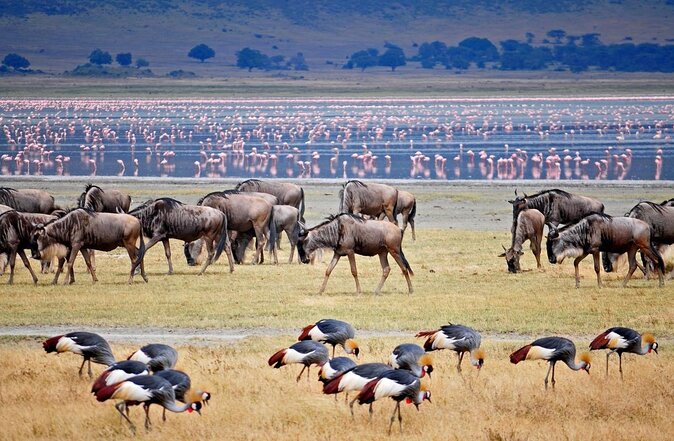
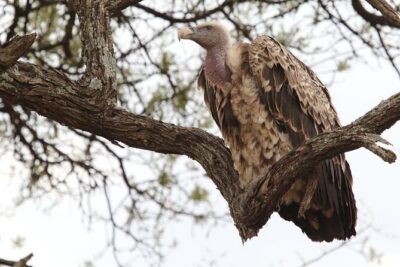
The animal list here is detailed, and that tells you what the route expects you to focus on. You can expect to see lions, elephants, zebras, hippos, flamingos, jackals, and rhino antelopes. Birds are a big part of the Ngorongoro experience too, including eagles, vultures, and flamingos at the crater lake. The bird list also mentions storks, bats, giant vultures, sacred ibis, kori bustard, blacksmith plover, long necked heron, and cattle eagles.
Then you eat lunch at the hippo pool, followed by the steep climb back up to the crater exit. The day closes with about a 2-hour drive left to your accommodation in Karatu, and a freshly made dinner at your chosen place there.
What you should know before you go down
- Down days are often cooler in feeling and can be breezy. Bring a layer.
- When you come back up, the drive feels longer because the crater climb is physically noticeable. Plan to eat and rest when you get back.
Possible drawback
Ngorongoro is a must-see, but it can also feel like the most “scheduled” day. If you love roaming with no structure at all, you might find this day more guided and timed. Still, it is timed for a reason, you get a long crater-floor window.
UNESCO World Heritage and the Maasai cohabitation angle
This tour highlights two UNESCO World Heritage sites. The strong match is Serengeti and Ngorongoro Crater, since those are UNESCO-linked in Tanzania’s safari world.
And the itinerary messaging also includes the idea of how the Masai tribes cohabit with wildlife. You should expect this to be more of a cultural context component than a “stadium show” kind of moment. In practice, it means the guide is likely to connect what you see in the parks with the human presence and land-use realities around protected areas.
Why this matters for you
If you go into a safari only thinking animals, you might miss the bigger point. The ecosystem is not just about wildlife. It is about how people live in the same broader region and how conservation shapes both sides. Even a little context can make the drive and the scenery feel more meaningful.
Accommodation and meals: what “included” really means for your planning
The tour includes breakfast, lunch, and dinner every day, listed as 4 of each. That is a big practical benefit because safari days can make it hard to hunt down food options, especially once you leave town.
You also get picnic lunches during drive days, rather than time spent searching for a stop. That keeps your day focused and reduces the chance that hunger disrupts your wildlife attention.
The tradeoff is that your food will be tightly scheduled. In safari terms, that is normal. It is usually a net win because you spend fewer minutes in transit between “must see” moments.
Price and value: $2,656 per person, what you are buying
At $2,656.00 per person, this is not a budget safari. But it is also not priced like a luxury-only experience, and the structure gives you real value signals:
- Private tour means you are paying for dedicated time and attention.
- Meals included remove a lot of daily decision fatigue.
- Admission ticket details are listed as included or free depending on the day. In plain terms, you are not bearing every park cost separately in the itinerary you were given.
What you should still budget for
- Visa
- International flights
- Travel insurance
- Tips: $20 to $25 per vehicle
Tips are one of those things that people forget to plan for, then suddenly feel stressed about at the end. If you want a smooth trip, I’d set aside that range from the start and think of it as part of the real safari cost.
Who this safari fits best
This safari works especially well if:
- you want a first-time Tanzania route without having to stitch parks together yourself,
- you value a private guide and want questions answered on the spot,
- you like a structured itinerary that keeps your daily wildlife time high.
It might feel intense if:
- you prefer slow travel with lots of free time,
- you are sensitive to long days in a vehicle,
- you want only one park area instead of a multi-park circuit.
If you are traveling with family, the tour data says children can participate as long as they are accompanied by an adult, and the minimum age is 2 years.
Should you book the 4-Day Tarangire, Serengeti, Ngorongoro Crater tour?
I’d book this if you want the classic Tanzania trio in a tight window, with meals handled and a private guide leading the sightings. The best reasons to choose it are the park variety within a short time and the emphasis on getting you into good viewing positions, something the guides Francisco, Martin, and Joseph are praised for.
I would pause if you hate early mornings and long road days, or if you would rather spend many days in one park instead of sampling three. For most people doing a bucket-list safari for the first time, this is a strong fit.
FAQ
What time does pickup start in Arusha?
Your start time is listed as 8:00 am, and the Day 1 pickup is described at 8:30 am from your hotel in Arusha.
Is this a private tour?
Yes. It is listed as a private tour/activity, meaning only your group will participate.
What meals are included in the tour?
Breakfast, lunch, and dinner are included for all 4 days. Picnic lunches are also included during the drive days.
What does the price exclude?
The tour data lists visa, international flights, travel insurance, and tips (20 to 25 dollars per vehicle) as not included.
Do I need a passport, and what info is required?
Yes. A current valid passport is required on the day of travel, and you will need to provide passport name, number, expiry, and country at the time of booking.
What is the cancellation policy and what happens if weather is poor?
You can cancel up to 24 hours in advance for a full refund. If the experience is canceled due to poor weather, you will be offered a different date or a full refund.
Tarangire and Its Baobabs
- 5-Day Highlights mid-Range Crater, Serengeti, Tarangire
★ 5.0 · 296 reviews - Private 6-Day Tarangire Manyara Crater and Serengeti with Mid-Range Lodges
★ 5.0 · 238 reviews - 5 Days Camping Tarangire, Serengeti & Ngorongoro crater & Visiting Maasai
★ 5.0 · 229 reviews - 4 Days Join Group tour Tarangire Serengeti and Ngorongoro crater
★ 5.0 · 219 reviews - 4-Day Safari from Arusha: Tarangire, Serengeti and Ngorongoro
★ 5.0 · 173 reviews
Still Thinking About the Crater?
- 3 Days Serengeti & Ngorongoro Group Camping Safari
★ 5.0 · 574 reviews - 5 Days Camping Tarangire, Serengeti & Ngorongoro crater & Visiting Maasai
★ 5.0 · 229 reviews - 4 Days Join Group tour Tarangire Serengeti and Ngorongoro crater
★ 5.0 · 219 reviews - 4-Day Safari from Arusha: Tarangire, Serengeti and Ngorongoro
★ 5.0 · 173 reviews - 2 Days Tarangire and Ngorongoro Group Camping Safari
★ 5.0 · 146 reviews
The Serengeti, Three More Ways
- Balloon Safari & Bush Breakfast in Serengeti – Miracle Experience
★ 5.0 · 1,646 reviews - 3 Days Serengeti & Ngorongoro Group Camping Safari
★ 5.0 · 574 reviews - 5-Day Highlights mid-Range Crater, Serengeti, Tarangire
★ 5.0 · 296 reviews - 3-Day Classic Serengeti Safari
★ 5.0 · 263 reviews - Private 6-Day Tarangire Manyara Crater and Serengeti with Mid-Range Lodges
★ 5.0 · 238 reviews
Just added from around Arusha
Serengeti National Park Safaris, compared.
 ★ 5.0Serengeti Balloon Safari and authentic bush breakfastFrom $5502,480 reviews
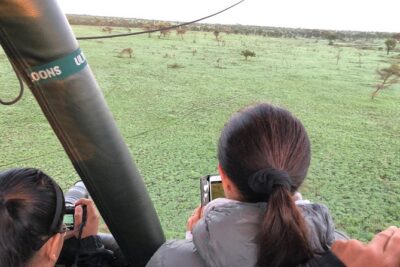 ★ 5.0Balloon Safari & Bush Breakfast in Serengeti – Miracle ExperienceFrom $5991,646 reviews
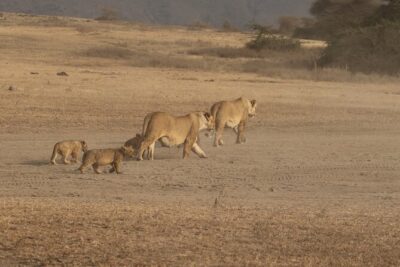 ★ 5.03 Days Serengeti & Ngorongoro Group Camping SafariFrom $815574 reviews
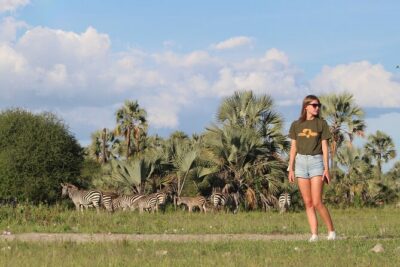 ★ 5.05-Day Highlights mid-Range Crater, Serengeti, TarangireFrom $2,327296 reviews
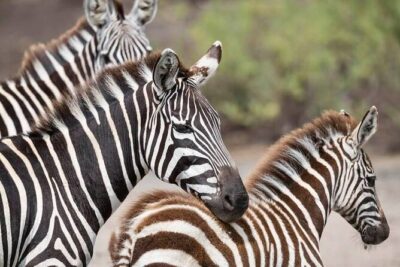 ★ 5.0Safari Serengeti And NgorongoroFrom $2,845288 reviews
 ★ 5.03-Day Classic Serengeti SafariFrom $1,455263 reviews
 ★ 5.0Private 6-Day Tarangire Manyara Crater and Serengeti with Mid-Range LodgesFrom $2,685238 reviews
 ★ 5.05 Days Camping Tarangire, Serengeti & Ngorongoro crater & Visiting MaasaiFrom $1,254229 reviews
Browse the lists this tour appears in