
REVIEW · SERENGETI NATIONAL PARK SAFARIS
4 Day Serengeti and Ngorongoro crater
Serengeti and Ngorongoro in four days sounds unreal. This safari route gives you serious private safari time across the plains and then down into the crater, with guides who can be names like Jackson or Joseph, and a style that is all about spotting animals and answering your questions. I also like the practical side: meals and key costs are bundled, with water during the safari days and a full transport setup so you are not constantly negotiating details.
The main thing to plan for is the pace. You will spend long stretches in the 4×4 on game-drive days, and this itinerary is built to cover a lot in a short window, so it can feel full-on rather than relaxed.
In This Review
- Key highlights at a glance
- A four-day Serengeti-to-Ngorongoro route that works for short trips
- Pickup in Arusha: meeting point, timing, and what it means
- Day 1 in central Serengeti (Seronera): first wildlife in big open space
- Day 2 full-day Serengeti game drive: lions, migration country, and birds
- Day 3 from Serengeti toward Ngorongoro: repositioning for crater day
- Day 4 Ngorongoro crater descent: picnic lunch on the floor
- Private safari value: what you get for the $1,980.52 price tag
- Lodging and meals: tented-camp comfort with real downtime
- How guides like Jackson and Joseph shape your sightings
- What to watch for, seasonally and practically, before you book
- Should you book this 4-day Serengeti and Ngorongoro safari?
- FAQ
- How long is the 4 day safari?
- Where does the tour start and where does it end?
- What are the pickup hours listed for this experience?
- Is this a private safari?
- What meals are included?
- Is drinking water included?
- What wildlife can you expect to see?
- Are park admissions included?
- What is not included in the price?
- What is the cancellation policy?
Key highlights at a glance
- Seronera area in central Serengeti for a river corridor that draws wildlife
- A true full day game drive on Day 2, with time for big-cat and bird sightings
- Ngorongoro crater day with an estimated 30,000 animals and black rhino mentioned on the route
- Hotel pickup and private 4×4 transportation so your group controls the tempo
- Meals, drinking water, and safari fees included to reduce surprises
- Guides and planning support you may see reflected in experienced driver-guide names like Jackson, Joseph, Moro, Peter, Freeman, and Stephen
More of the Serengeti, drive by drive
- Balloon Safari & Bush Breakfast in Serengeti – Miracle Experience★ 5.0 · 1,646 reviews
- 3 Days Serengeti & Ngorongoro Group Camping Safari★ 5.0 · 574 reviews
- 5-Day Highlights mid-Range Crater, Serengeti, Tarangire★ 5.0 · 296 reviews
- 3-Day Classic Serengeti Safari★ 5.0 · 263 reviews
A four-day Serengeti-to-Ngorongoro route that works for short trips
If you only have a few days, this is the kind of safari plan that makes sense. You get multiple game-drive blocks in Serengeti National Park first, then you finish with the unforgettable crater experience in the Ngorongoro Conservation Area.
What makes this itinerary click is the order. Starting in Serengeti gives you time on the open plains where lions, leopards, elephants, and the rest of the ecosystem move through day-to-day. Then you use Day 4 for the one place where the animals feel packed into one dramatic bowl, with a picnic lunch on the crater floor.
The tradeoff is that you are not lingering anywhere. This is an action plan, not a slow travel plan. If you want to watch one area for days and do nothing but wait for the perfect moment, you might feel the pressure of the schedule.
Pickup in Arusha: meeting point, timing, and what it means
You start at Msumbi Coffees TFA Shopping Complex on Sokoine Rd in Arusha. The activity window is listed for 8:30 AM to 9:00 AM, and the day is organized so the tour returns to the same meeting point.
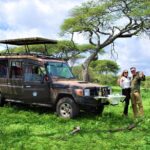
Because pickup is offered and transportation during the safari is in a 4×4 safari vehicle, you are not left piecing things together on your own. That matters on safari, where delays can snowball quickly. A private setup also helps with comfort, since your group can move as one unit rather than matching schedules with strangers.
Two small practical notes: airport transfers are not included, and nights in Arusha are not included. If you are arriving late or leaving early, you will want to think about where you will sleep and how you will get to the meeting point.
Day 1 in central Serengeti (Seronera): first wildlife in big open space
Day 1 begins with a safari briefing, then the drive into Serengeti National Park. The route is described as passing through farmland and then descending from the highlands into the park. That shift is part of the magic, because the air and the scenery change the moment you leave the cultivated zones behind.
You head to the Seronera area in central Serengeti. This is positioned around the Seronera River, and the idea is simple: a reliable water source pulls animals in. That usually means stronger odds for seeing wildlife even on your first day, since you are not guessing in the middle of nowhere.
The upside of starting here is momentum. You get about six hours in the park on Day 1, and the setting is the classic Serengeti view, rolling plains stretching far beyond the horizon. The only drawback is that you are still early in the trip, so you have not yet had your full “best-positioning” time for Ngorongoro.
Other ways down into the Ngorongoro Crater
Day 2 full-day Serengeti game drive: lions, migration country, and birds
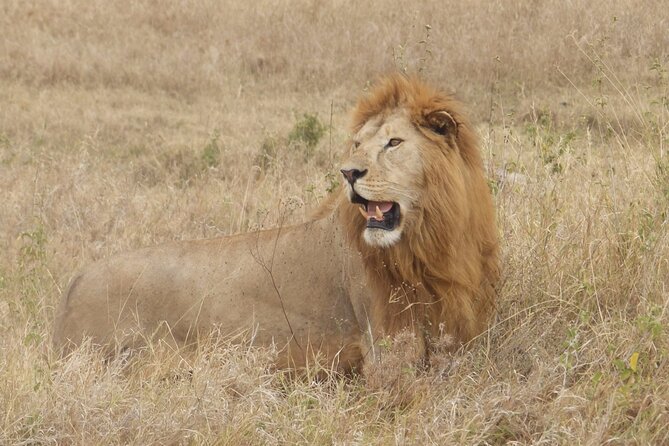
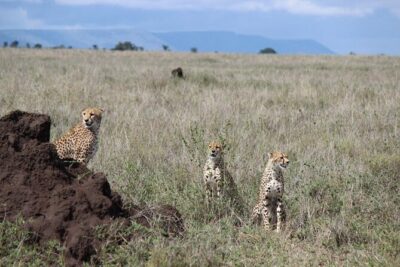
Day 2 is the heavy one: a full day game drive with lunch at the lodge or campsite. The park is described as home to major players like lion, leopard, elephant, cheetah, buffalo, plus wildebeest migration country, along with species like eland, wild dog, gazelle, and even crocodiles.
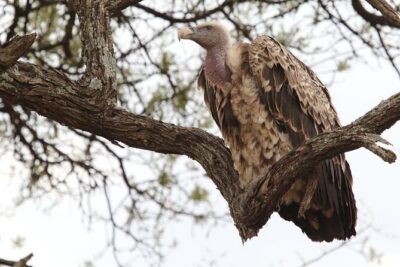
You also get something people often forget to plan for: birdlife. The itinerary notes birds that create different sounds across the park, and that kind of detail is actually helpful. It tells you this is not only about the big four. When you are watching lions and elephants, the background noise matters too. It makes the whole ecosystem feel alive rather than staged.
Practical reality check: a Day 2 like this is long and you will spend lots of time scanning. If your group gets tired quickly, bring your patience, not just your camera. The flip side is that this is exactly the day where your guide can steer you toward the best sightings as the morning and afternoon move.
If you are choosing a safari for the photos, this Day 2 block is where the value usually shows. You are not rushing through one quick look. You are giving the park time to show you what it wants to show you.
Day 3 from Serengeti toward Ngorongoro: repositioning for crater day
On Day 3, you start with an early breakfast followed by a morning game drive in Serengeti. Then you move toward the Ngorongoro Conservation Area, with a game drive en route. So you are not simply “leaving Serengeti and waiting.” You keep the wildlife-focus moving even during the transfer day.
This matters for two reasons. First, it reduces the feeling of a travel day. Second, you build toward the main event: Day 4’s crater descent.
The route timing is also a big clue that the crater is treated like the finale. You spend the morning searching and then you transition, giving you Day 4 for the dense concentration of animals in one place. If your goal is to maximize both diversity and drama, this split is a smart one.
Day 4 Ngorongoro crater descent: picnic lunch on the floor
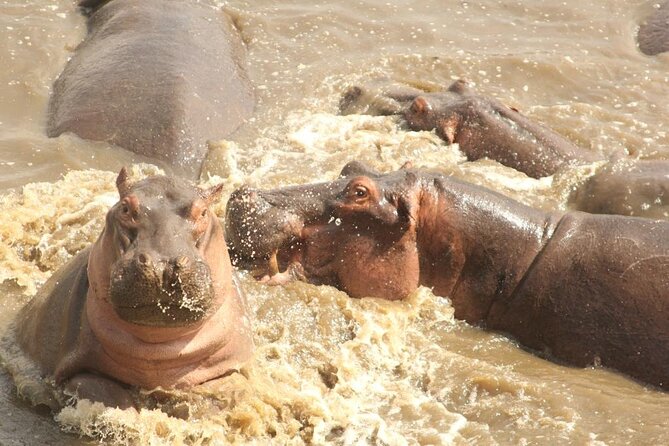
Day 4 is the day most people picture when they think of Ngorongoro. After breakfast, you descend into the crater and do a game drive there. The itinerary states Ngorongoro is one of the most densely crowded wildlife areas in the world, home to an estimated 30,000 animals, and it specifically calls out black rhino among the possible wildlife.
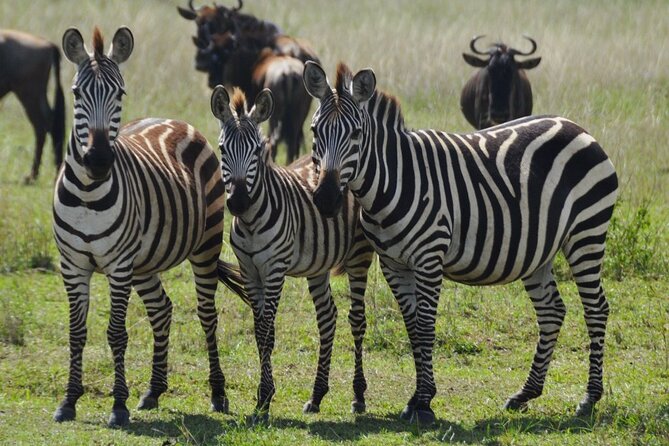
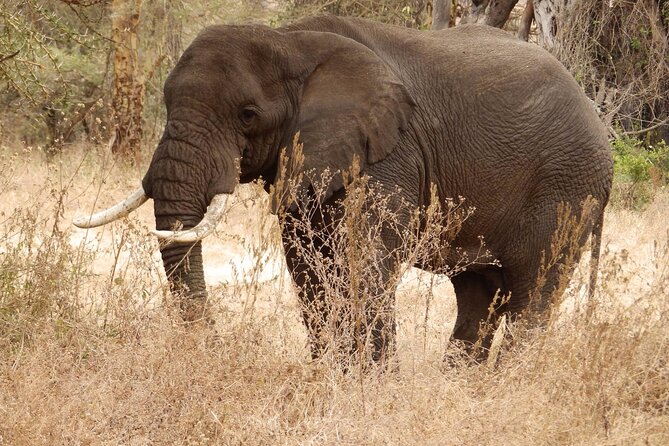
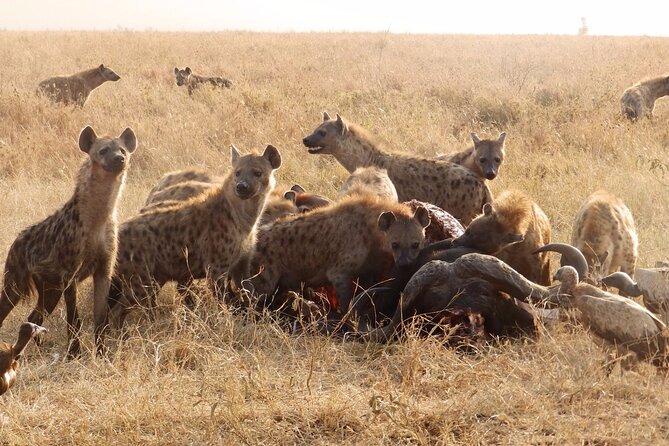
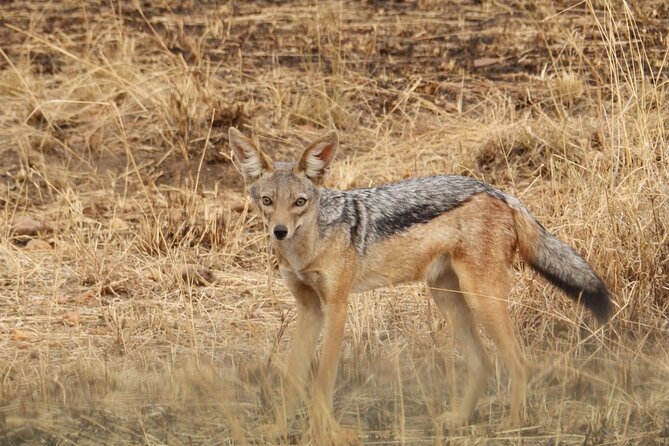
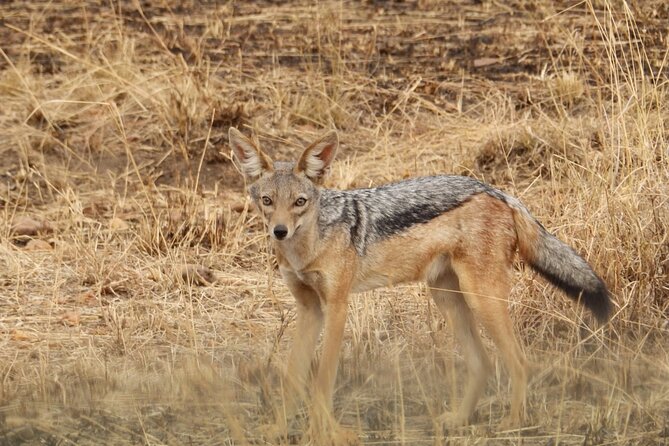
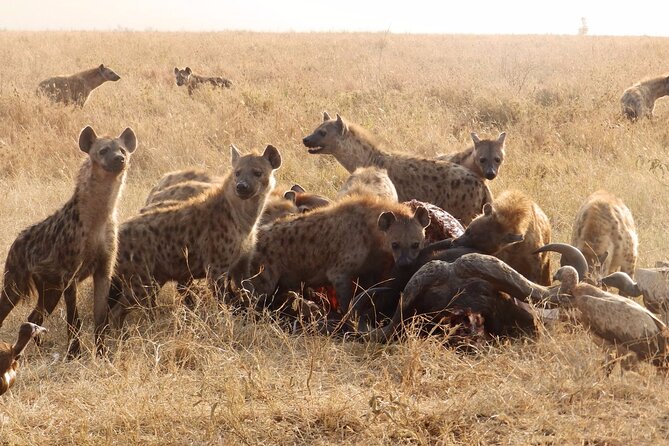
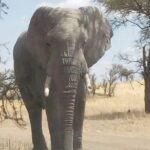
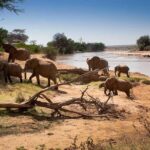
The reason the crater is so famous is that it has year-round water supply and fodder. That makes the crater more than a viewpoint, it becomes a living system that supports herds and predators. The listed wildlife mix includes wildebeest, zebra, buffalo, eland, warthog, hippo, and giant African elephants, plus predators like lions, hyenas, jackals, cheetahs, and the ever-elusive leopard.
The tour also includes a picnic lunch on the crater floor. That detail sounds small until you experience it in person. Eating there means you are not constantly moving, and you get the crater atmosphere all around you, not only during the drive.
Late in the day you drive back to Arusha. This is a long finale, but it is also the moment where your “how do I fit it all in” questions finally answer themselves with a dramatic dose of wildlife in one compact space.
Private safari value: what you get for the $1,980.52 price tag
The listed price is $1,980.52 per person, and the biggest question is value. The good news is that the tour is structured to reduce the usual hidden-cost creep.
Included items include:
- All fees and taxes
- Driver guide
- Transport while on safaris in a 4×4 safari vehicle
- Accommodation while on safaris
- Drinking water, listed as 1.5 liters per person per day
- Meals: breakfast (3), lunch (4), dinner (3)
On a safari, that bundle matters. You are paying for the planning and logistics as much as you are paying for the view. A private safari also means your schedule is tailored to your group, not built around random drop-offs.
What is not included is equally important:
- Airport transfers
- Nights in Arusha
- Domestic and international flights
- Personal expenses (things like laundry, phone use, beverages)
- Optional tours like balloon rides or a local village visit such as Maasai Village
- Tips for your driver guide and cook
So the “real” cost depends on what you already have covered. If you need help getting from the airport, that is extra. If you want add-ons like a balloon ride, that is extra too. The safari portion itself is pretty closed-out, with fees and taxes handled.
Lodging and meals: tented-camp comfort with real downtime
This safari uses tented camps or lodges, and the overview notes hot showers and meals included. That is not a tiny detail. Safari days can be rough on the body, and shower time helps you recover so you can stay sharp for the next game drive.
Meals are included throughout the safari period, with vegetarian and non-vegetarian options available. That matters for two reasons: first, you are not hunting down food during long driving days; second, it means your group will not be split between people who eat and people who wait.
Because the itinerary lists meals by count, you can expect structure rather than “maybe we eat somewhere.” That predictability can make the difference between a smooth trip and a stressful one when you are tired.
How guides like Jackson and Joseph shape your sightings
On safari, your guide is not just holding the map. They are reading the land, positioning the vehicle, and communicating what they see.
From the names linked with this kind of trip, you may run into guides like Jackson or Joseph, and drivers like Moro. The pattern in the provided details is consistent: these guides are described as experienced, attentive, and able to explain animal behavior while also keeping your group comfortable.
There is also a management layer described with names like Peter, focused on planning and responsiveness, plus support roles like Freeman and Stephen in some cases. Even if you never meet the same people, the point for you is that the service is built around organization and communication, not just “we will take you and hope.”
If you care about learning while you watch, this kind of guide setup is where your safari becomes more than a checklist of animals.
What to watch for, seasonally and practically, before you book
This experience requires good weather. If it is canceled due to poor weather, you are offered a different date or a full refund. That is a real point because Serengeti and crater areas can be affected by conditions.
The other practical watch-out is pacing. The schedule includes long game-drive blocks and a crater descent day that ends with the drive back to Arusha. If you are traveling with someone who hates sitting in a vehicle for hours, plan for breaks and keep water intake in mind, especially since the itinerary includes 1.5 liters per person per day.
Finally, remember what is optional: balloon rides and village visits like Maasai Village are not included. If those are a must for you, you should budget for them and schedule them intentionally.
Should you book this 4-day Serengeti and Ngorongoro safari?
You should book if you want the classic combo: multiple days in Serengeti and then the big finale in Ngorongoro crater, with a private 4×4 and meals plus water covered. The value is strongest when you want fewer logistics headaches, since all fees and taxes and the main safari transport are handled.
You might skip or adjust if you:
- Need airport transfers and want them included
- Want multiple nights in Arusha beyond the safari days
- Prefer a slower pace with fewer long driving hours
- Are counting on optional add-ons like ballooning, since those cost extra
If you want a tight, well-supported route that hits the two biggest safari names in Tanzania, this is a solid bet. The structure is clear, the wildlife focus is heavy, and the service style described through guide names like Jackson and Joseph points to a trip that is organized, question-friendly, and built for real sightings.
FAQ
How long is the 4 day safari?
It is listed as about 4 days.
Where does the tour start and where does it end?
It starts at Msumbi Coffees TFA Shopping Complex on Sokoine Rd in Arusha and ends back at the same meeting point.
What are the pickup hours listed for this experience?
The opening hours are listed as 8:30 AM to 9:00 AM, Monday through Sunday.
Is this a private safari?
Yes. It is a private tour/activity, meaning only your group will participate.
What meals are included?
Breakfast is included for 3 days, lunch for 4 days, and dinner for 3 days. Vegetarian and non-vegetarian options are available.
Is drinking water included?
Yes. Drinking water is listed as 1.5 liters per person per day.
What wildlife can you expect to see?
The itinerary highlights lions, leopards, elephants, gazelles, and birdlife in Serengeti. Ngorongoro is described as home to many animals including wildebeest, zebra, buffalo, eland, hippo, giant African elephants, and predators such as lions, hyenas, jackals, cheetahs, and leopards. It also mentions black rhino.
Are park admissions included?
The Serengeti admission ticket is listed as free on the Serengeti days. Ngorongoro crater admission is listed as included.
What is not included in the price?
Airport transfers, nights in Arusha, domestic and international flights, personal expenses, optional tours such as balloon rides or a local village visit, and tips for your driver guide and cook are not included.
What is the cancellation policy?
Free cancellation is available if you cancel up to 24 hours in advance for a full refund. The experience may also be canceled due to poor weather, in which case you will be offered a different date or a full refund.
Still Thinking About the Crater?
- 3 Days Serengeti & Ngorongoro Group Camping Safari
★ 5.0 · 574 reviews - 5 Days Camping Tarangire, Serengeti & Ngorongoro crater & Visiting Maasai
★ 5.0 · 229 reviews - 4 Days Join Group tour Tarangire Serengeti and Ngorongoro crater
★ 5.0 · 219 reviews - 4-Day Safari from Arusha: Tarangire, Serengeti and Ngorongoro
★ 5.0 · 173 reviews - 2 Days Tarangire and Ngorongoro Group Camping Safari
★ 5.0 · 146 reviews
The Serengeti, Three More Ways
- Balloon Safari & Bush Breakfast in Serengeti – Miracle Experience
★ 5.0 · 1,646 reviews - 3 Days Serengeti & Ngorongoro Group Camping Safari
★ 5.0 · 574 reviews - 5-Day Highlights mid-Range Crater, Serengeti, Tarangire
★ 5.0 · 296 reviews - 3-Day Classic Serengeti Safari
★ 5.0 · 263 reviews - Private 6-Day Tarangire Manyara Crater and Serengeti with Mid-Range Lodges
★ 5.0 · 238 reviews
Just added from around Arusha
Serengeti National Park Safaris, compared.
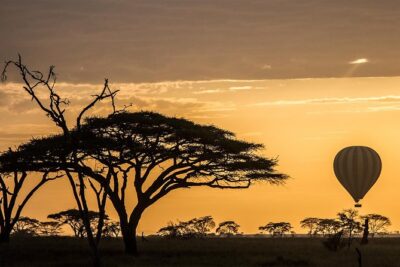 ★ 5.0Serengeti Balloon Safari and authentic bush breakfastFrom $5502,480 reviews
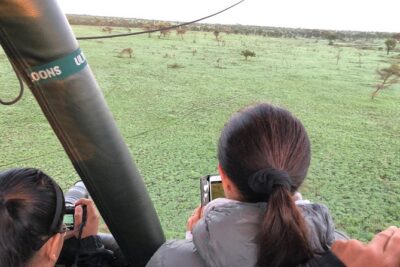 ★ 5.0Balloon Safari & Bush Breakfast in Serengeti – Miracle ExperienceFrom $5991,646 reviews
 ★ 5.03 Days Serengeti & Ngorongoro Group Camping SafariFrom $815574 reviews
 ★ 5.05-Day Highlights mid-Range Crater, Serengeti, TarangireFrom $2,327296 reviews
 ★ 5.0Safari Serengeti And NgorongoroFrom $2,845288 reviews
 ★ 5.03-Day Classic Serengeti SafariFrom $1,455263 reviews
 ★ 5.0Private 6-Day Tarangire Manyara Crater and Serengeti with Mid-Range LodgesFrom $2,685238 reviews
 ★ 5.05 Days Camping Tarangire, Serengeti & Ngorongoro crater & Visiting MaasaiFrom $1,254229 reviews
Browse the lists this tour appears in