
REVIEW · SERENGETI NATIONAL PARK SAFARIS
4-Day Safari to Tarangire ,Serengeti and Ngorongoro crater from Arusha
If you love animals, this route is a fast hit of action. In four days you cover Tarangire, Serengeti, and the Ngorongoro Crater edge, with early drives timed for when wildlife is most active. It is a classic Tanzania combo, built for big sightings without feeling like you are sprinting nonstop.
I like that the plan mixes parks with very different signatures. Tarangire is about elephants and open-vehicle game viewing, Serengeti is about the endless plains and predators, and Ngorongoro is about density, from swamps to a soda lake. I also really like the practical package: professional guide, park fees covered, drinking water daily, and meals laid out across the days.
One thing to consider is the schedule. It starts with a 7:30 am start time and keeps you moving with sunrise drives, so you should be ready for early mornings and a lot of time in the vehicle.
In This Review
- Key points I’d highlight before you go
- The Tarangire, Serengeti, and Ngorongoro plan that fits 4 days
- Day 1 in Tarangire National Park: elephants, big days, and Fig Tree Lodge
- Day 2 in Serengeti: crater rim views and why calving season changes everything
- Day 3: sunrise drive in Serengeti, then heading to Simba campsite
- Day 4 at Ngorongoro Conservation Area: early morning crater viewing and black rhino country
- Price and value: what $1,515 buys you, and where the costs really land
- The real day to day feel: timing, vehicles, meals, and staying sane on safari time
- Guides and spotting: who can make or break the Big Five chase
- What to watch for on this route (so expectations match reality)
- Who this safari is best for
- Should you book this 4-day safari from Arusha?
- FAQ
- What parks are included on this 4-day safari from Arusha?
- How long is the safari?
- What time does the tour start?
- Is hotel or airport pickup included?
- What accommodation is included during the safari?
- Are park entry fees included?
- What meals are included?
- Is drinking water included?
- What is not included in the price?
- What is the cancellation policy?
Key points I’d highlight before you go
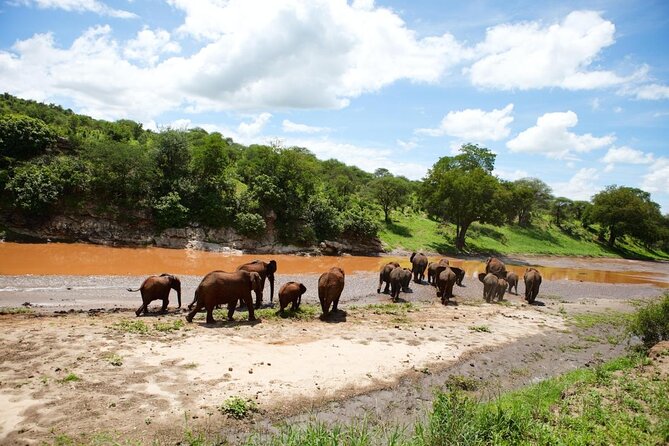
- Big variety in a short window, from Tarangire’s elephant herds to Serengeti’s predator cycles and Ngorongoro’s packed crater wildlife
- Sunrise game drives on Day 3 and Day 4, when animals tend to be more active and the light is best
- January to April calving season timing, when wildebeest births can add extra drama to your sightings
- Guides focused on serious targets, including efforts toward the Big Five, with standout reports of rhino spotting
- Comfort-first logistics, with hotel pickup, water daily, and meals plus camping equipment included
- Private format for your group, which usually means fewer compromises during drives and stops
More of the Serengeti, drive by drive
- Balloon Safari & Bush Breakfast in Serengeti – Miracle Experience★ 5.0 · 1,646 reviews
- 3 Days Serengeti & Ngorongoro Group Camping Safari★ 5.0 · 574 reviews
- 5-Day Highlights mid-Range Crater, Serengeti, Tarangire★ 5.0 · 296 reviews
- 3-Day Classic Serengeti Safari★ 5.0 · 263 reviews
The Tarangire, Serengeti, and Ngorongoro plan that fits 4 days
This safari works because it does not try to do everything everywhere. You concentrate on three sites that each feel different on the map and in the game viewing.
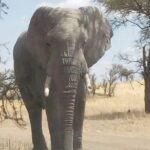
Tarangire gives you a strong chance at elephants, plus the kind of scenes where you look up and see giraffes and then scan down for zebra and wildebeest. Serengeti then shifts to huge open plains, where predator sightings often come with lots of tracking and patience. Ngorongoro is the closer, a sunrise morning that can feel like everything is happening in one basin.
There is also a good rhythm built into the itinerary. You get a full day in Tarangire, then you move into Serengeti for the heart of the action, and finish with an early Ngorongoro crater drive that is especially about timing.
Day 1 in Tarangire National Park: elephants, big days, and Fig Tree Lodge
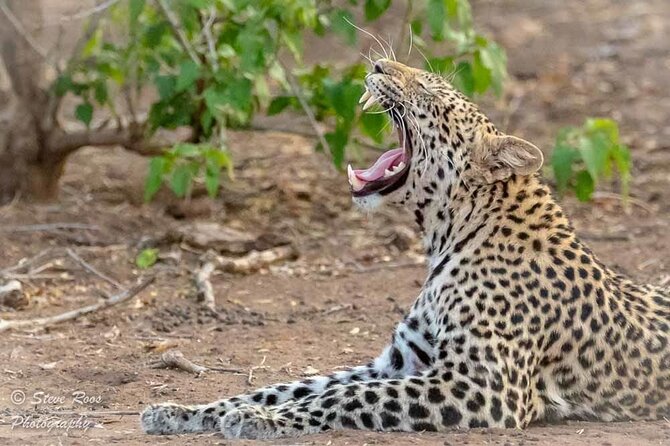
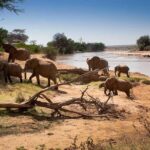
On Day 1, you eat breakfast and then get hotel pickup with a driver guide to Tarangire National Park. Tarangire is famous for elephant herds, so the whole day has that as its core theme.
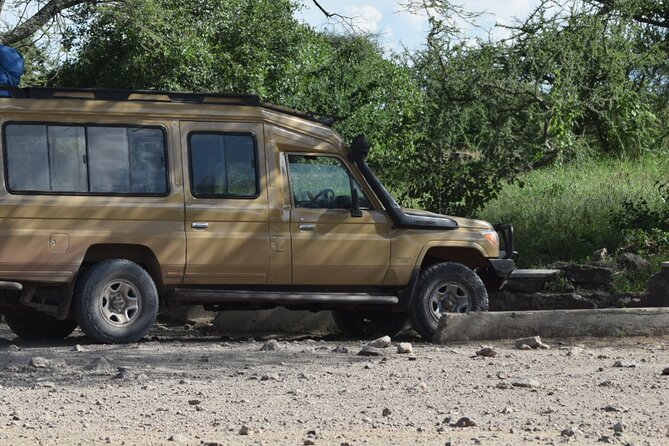
The safari vehicle is open roof, which matters more than people think. In a place where you will be scanning all day, open viewing helps you spot movement faster, and it makes dust and branches feel less like barriers. As you drive along the savanna and through seasonal swamp areas, you are looking for elephants first, then zebra, wildebeest, buffalo, giraffe, and the usual predators that may appear if you are in the right area.
You might also catch brief predator action, like a lion stalking or leopards resting in trees. It is not a guarantee, but the park is set up so animal drama can pop up without warning.
In the evening, you head to Fig Tree Lodge for dinner and overnight. That is a smart pairing after a long day, since the first full night sets the tone for how much you can enjoy the next two driving-heavy days.
Day 2 in Serengeti: crater rim views and why calving season changes everything
Day 2 shifts you from Tarangire into Serengeti. The drive starts with the crater highlands, and you stop at the rim for a big view before continuing into the Serengeti plains.
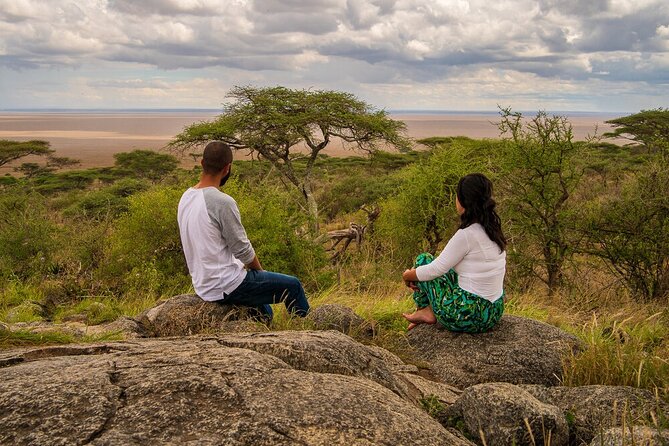
That rim stop is more than a photo moment. It helps you understand the scale, so when you later see animals spread out across grassland, it does not feel random. Serengeti is huge, described as an “endless plain,” and the size is part of what makes the wildlife behavior feel natural.
Serengeti’s highlight in the tour plan is the wildebeest story. With more than two million wildebeest in the park, your best “big movement” chances often come when births are happening. The tour specifically points out January to April as the calving period, when wildebeest give birth to calves, and when zebras and Thomson’s gazelles are also present in large numbers.
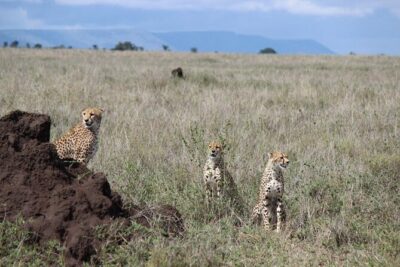
That timing matters because predators respond to food availability. Lions, cheetahs, and hyenas are drawn to the area when prey is concentrated, and it is easier to spot predator behavior when the ecosystem is busy.
You are also dealing with the practical side of wildlife viewing. Animals are distributed, so your guide has to work angles, wind direction, and herd movement. This is where having a focused guide can pay off, and the company’s guides are repeatedly praised for their ability to find targets and keep going when sightings are slower.
Other ways down into the Ngorongoro Crater
Day 3: sunrise drive in Serengeti, then heading to Simba campsite
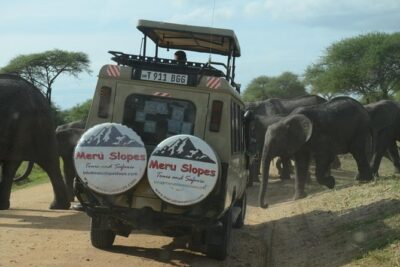
Day 3 starts with a very early morning sunrise game drive. This is one of the best parts of the whole program because the park is quieter, temperatures are lower, and animals often show more activity before the heat sets in.
The plan is structured so you get two looks at Serengeti on different ends of the day. After the sunrise session, you return around noon for brunch or lunch. Then you go back out for an afternoon game drive, which is great because it gives you a second chance at anything you missed early on.
In the evening, you then drive to Simba campsite in the Ngorongoro area for overnight. That change of location is important. It sets you up for the next morning’s crater-focused drive, where being close to the conservation area can help you start early enough to enjoy sunrise.
If you want a real mindset shift for Day 3, take the advice that shows up again and again in feedback: do not rush the experience. Animals do not run on your schedule, and the best sightings often come after you slow down and let your guide read the ground, the herds, and the gaps between cars.
Day 4 at Ngorongoro Conservation Area: early morning crater viewing and black rhino country
Day 4 is an early wake-up for another safari before breakfast. The goal here is both practical and emotional: see animals when they are active, and catch the sunrise over the savanna.
After that early drive, you head into the Ngorongoro area for crater viewing. Ngorongoro is described as having almost every East African wildlife species present, including the rare black rhino, and the tour emphasizes that the crater holds one of the highest concentrations of wildlife anywhere.
What makes Ngorongoro different is the mix of micro-habitats in one bowl. You can see a river, swamps, and a soda lake that, from the top, looks like steam, plus flamingos around the soda lake area. There is also forest and open plains, so you are not hunting only one type of scenery. That variety helps because it gives predators, grazers, and browsers multiple places to show up.
The tour also highlights bull elephants living in this area, which is a strong reason to do the early drive seriously. In some parks, elephants drift through predictable paths. In Ngorongoro, the density and habitat variety can keep things interesting for longer.
This is also the day when rhino sightings feel like the “real win” if they happen. One of the strongest themes from feedback is that guides work hard for Big Five targets, and some named guides have been the first on their groups to locate rhino.
Price and value: what $1,515 buys you, and where the costs really land
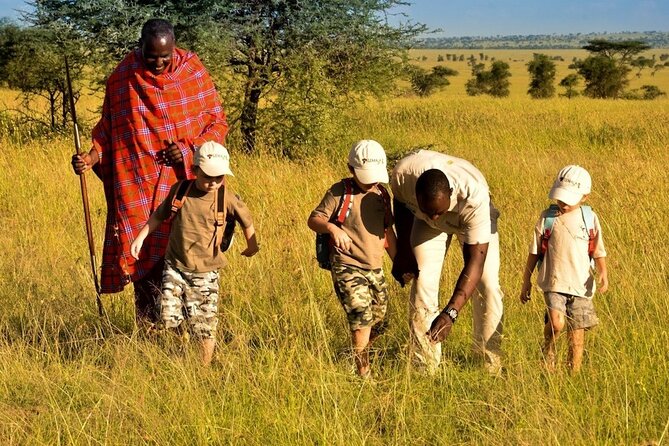
At $1,515 per person for a 4-day safari, you are paying for more than “a car and some animals.” You are buying a package that includes a lot of behind-the-scenes essentials.
The tour includes all fees and taxes, a professional guide, camping equipment, drinking water on all days, and meals. You also get free airport pick up and drop off and free accommodation before and after the safari. That kind of “getting you there and keeping you fed” coverage is a big part of why safaris can feel smooth, even when the drives are long.
Meals are specified: dinner (3), breakfast (4), and lunch (4). That consistency helps because you do not have to hunt for food between parks during peak safari hours.
So what is not included? Tips for the guide and cook, international flights, domestic flights, and personal items like souvenirs and travel insurance. Visa fees are also listed as not included.
My advice on value: budget for tipping, even if you are usually careful with gratuities. When a guide and cook are doing real work daily, your tip is part of how that service chain stays strong. Also, double-check your flight plan. This tour includes airport pickup and drop off, but you still need to get yourself to Tanzania.
Finally, private format matters. The activity is private, meaning it is only your group. That usually helps with comfort, timing, and control when you want to stop for a sighting without getting squeezed by strangers’ preferences.
The real day to day feel: timing, vehicles, meals, and staying sane on safari time

Safari days have their own clock. You start early, drive during peak viewing windows, and take breaks when the itinerary allows.
The day structure is clear: a full day in Tarangire, then Serengeti day 2 and day 3 with sunrise and an afternoon drive, then Ngorongoro on the final morning. Your schedule includes brunch or lunch on Day 3 before the afternoon session, and breakfast is part of the routine before the early crater drive on Day 4.
Drinking water is included on all days. That is practical. Safari days can be dry, and getting hydrated supports your ability to stand and scan for longer periods.
You also get camping equipment included. Based on the itinerary stops, you spend nights at park or lodge style settings, including Fig Tree Lodge on Day 1 and Simba campsite near Ngorongoro on Day 3.
One more small but useful detail: the tour includes a mobile ticket and you get confirmation at booking. If you are the kind of person who hates last-minute paperwork surprises, that helps.
Guides and spotting: who can make or break the Big Five chase
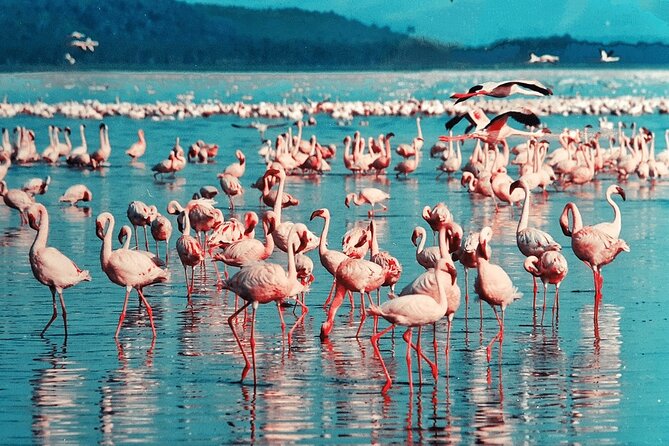
The wildlife is the headline, but the guide is what turns “animals are there” into “we found them.”
From the feedback, the named team members include Omar, Maliaki, Innocent, Joseph, David Simba, Aaron, Simon, and Jose, plus drivers such as Assad. Organizer support is also mentioned with Mohamed and William showing up as key names in communication and hosting.
Several comments emphasize that guides put effort into seeing the Big Five. For example, one guide named Maliaki is credited with being the first to find rhino, and multiple guides are praised for spotting lions and other major targets. Even when animals do not cooperate, that kind of persistence changes your experience.
Also pay attention to how the guides work with your pace. One comment stresses that you should not be in a hurry and that you have to work on the animals’ time. That may sound like a motivational poster, but it is actually a viewing strategy. The longer you stay, the more likely you are to catch the moment something moves.
What to watch for on this route (so expectations match reality)
No safari guarantees specific animals on a specific timetable. What this itinerary does well is maximize your chances by using the right parks in the right order.
Tarangire gives you strong elephant odds and a good chance of predator glimpses if you are paying attention. Serengeti is a “system park,” where season matters, and January to April can be extra exciting because of wildebeest births and the cascade effect on predators. Ngorongoro is a dense finale, where micro-habitats increase your odds across one early morning drive.
One consideration is that you are spending long hours in vehicles. You should plan for sun protection, comfortable layers for early mornings, and a steady routine so you can enjoy the waiting part.
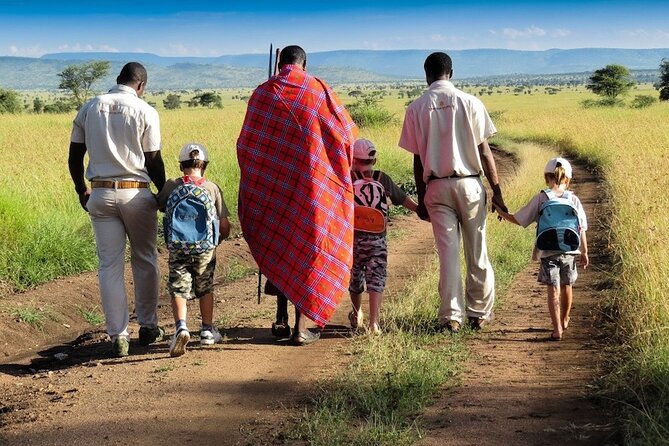
If you are traveling with kids, this safari can work. Feedback includes a family experience with a young child, and the tour style is organized and structured, which generally helps when you need predictable meals and clear stops.
Who this safari is best for
This tour is ideal if you want a classic Tanzania safari in four days without sacrificing the big icons.
You will likely enjoy it most if:
- You want one guide-led plan with meals and park access handled
- You are flexible about early starts and slow animal pacing
- You want Serengeti as the centerpiece, with Tarangire and Ngorongoro as major add-ons
- You care about season timing, especially January to April for calving
It may be less ideal if you hate early mornings or if you need downtime every afternoon. This itinerary keeps you actively viewing most of the day, especially with the Day 3 and Day 4 early starts.
Should you book this 4-day safari from Arusha?
I would book this safari if you want an efficient, well-supported route across three of Tanzania’s biggest wildlife stages, and you like the idea of sunrise drives as a core feature. The included package, especially guide service, meals, water, camping equipment, park fees, and airport pickup support, makes the cost feel more grounded than “paying for transport only.”
Before you click confirm, make sure your travel dates line up with the season you care about. If you are traveling January to April, this plan leans into wildebeest calving season, which can add real intensity to sightings.
Also, think about your tipping comfort. Tips for the guide and cook are not included, so decide your plan ahead of time so you do not scramble at the end.
If you want a safari that is structured, animal-focused, and built around the best viewing windows, this is a strong match.
FAQ
What parks are included on this 4-day safari from Arusha?
You visit Tarangire National Park, Serengeti National Park, and the Ngorongoro Conservation Area.
How long is the safari?
It is listed as 4 days approximately.
What time does the tour start?
The meeting start time is 7:30 am.
Is hotel or airport pickup included?
Yes. Pickup is offered from your hotel, and free airport pick up and drop off are included.
What accommodation is included during the safari?
The itinerary includes overnight stays at Fig Tree Lodge on Day 1 and Simba campsite in Ngorongoro on Day 3. Free accommodation before and after the safari is also included.
Are park entry fees included?
Yes. All fees and taxes are included, and the itinerary shows admission tickets as free.
What meals are included?
Dinner is included for 3 days, and breakfast and lunch are included for 4 days each, as specified in the day-by-day section.
Is drinking water included?
Yes. Drinking water is included on all days.
What is not included in the price?
Tips for the safari guide and cook, international flights, domestic flight, and personal items like souvenirs and travel insurance are not included.
What is the cancellation policy?
Free cancellation is available up to 24 hours in advance for a full refund. If you cancel within 24 hours of the start time, the amount paid is not refunded.
Tarangire and Its Baobabs
- 5-Day Highlights mid-Range Crater, Serengeti, Tarangire
★ 5.0 · 296 reviews - Private 6-Day Tarangire Manyara Crater and Serengeti with Mid-Range Lodges
★ 5.0 · 238 reviews - 5 Days Camping Tarangire, Serengeti & Ngorongoro crater & Visiting Maasai
★ 5.0 · 229 reviews - 4 Days Join Group tour Tarangire Serengeti and Ngorongoro crater
★ 5.0 · 219 reviews - 4-Day Safari from Arusha: Tarangire, Serengeti and Ngorongoro
★ 5.0 · 173 reviews
Still Thinking About the Crater?
- 3 Days Serengeti & Ngorongoro Group Camping Safari
★ 5.0 · 574 reviews - 5 Days Camping Tarangire, Serengeti & Ngorongoro crater & Visiting Maasai
★ 5.0 · 229 reviews - 4 Days Join Group tour Tarangire Serengeti and Ngorongoro crater
★ 5.0 · 219 reviews - 4-Day Safari from Arusha: Tarangire, Serengeti and Ngorongoro
★ 5.0 · 173 reviews - 2 Days Tarangire and Ngorongoro Group Camping Safari
★ 5.0 · 146 reviews
The Serengeti, Three More Ways
- Balloon Safari & Bush Breakfast in Serengeti – Miracle Experience
★ 5.0 · 1,646 reviews - 3 Days Serengeti & Ngorongoro Group Camping Safari
★ 5.0 · 574 reviews - 5-Day Highlights mid-Range Crater, Serengeti, Tarangire
★ 5.0 · 296 reviews - 3-Day Classic Serengeti Safari
★ 5.0 · 263 reviews - Private 6-Day Tarangire Manyara Crater and Serengeti with Mid-Range Lodges
★ 5.0 · 238 reviews
Just added from around Arusha
Serengeti National Park Safaris, compared.
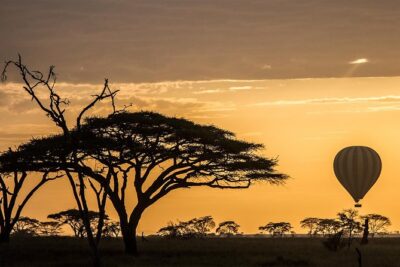 ★ 5.0Serengeti Balloon Safari and authentic bush breakfastFrom $5502,480 reviews
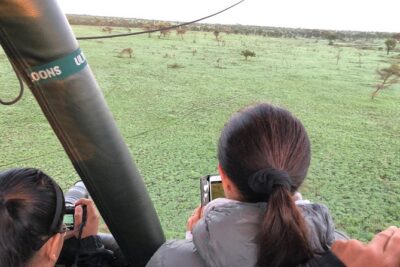 ★ 5.0Balloon Safari & Bush Breakfast in Serengeti – Miracle ExperienceFrom $5991,646 reviews
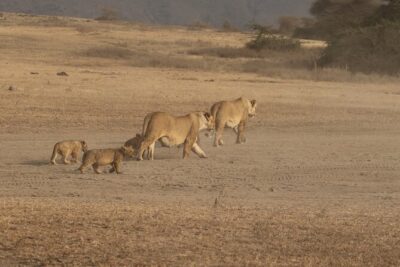 ★ 5.03 Days Serengeti & Ngorongoro Group Camping SafariFrom $815574 reviews
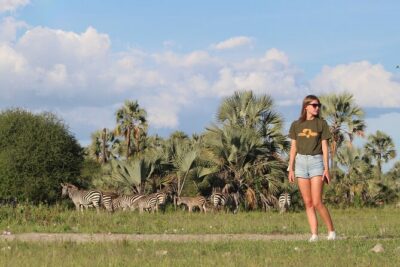 ★ 5.05-Day Highlights mid-Range Crater, Serengeti, TarangireFrom $2,327296 reviews
 ★ 5.0Safari Serengeti And NgorongoroFrom $2,845288 reviews
 ★ 5.03-Day Classic Serengeti SafariFrom $1,455263 reviews
 ★ 5.0Private 6-Day Tarangire Manyara Crater and Serengeti with Mid-Range LodgesFrom $2,685238 reviews
 ★ 5.05 Days Camping Tarangire, Serengeti & Ngorongoro crater & Visiting MaasaiFrom $1,254229 reviews
Browse the lists this tour appears in