
REVIEW · SERENGETI NATIONAL PARK SAFARIS
4 Day Safari- Tarangire,Ngorongoro and Serengeti
Big cats and crater walls, all in one route. This Northern Safari Circuit is built around three heavy hitters, Tarangire, Serengeti, and the Ngorongoro Conservation Area, with real game-driving time and that open-roof view that makes every spotting feel close.
One thing I really like is the way the safari runs from an open-roof Land Cruiser, so you get wide sightlines and you can actually see what your guide sees.
I also like the human side. You’ll travel with a professional English-speaking safari guide, and in the feedback I saw, guides like Ezekiel and Chaman came through with friendly, patient explanations and strong attention to comfort, including clean vehicles and binoculars. The one drawback to plan for is practical: this is not a cheap safari, and tips for your guide ($30 to $50 per car per day) are not included, plus safari days depend on good weather.
In This Review
- Key highlights to know before you go
- How this Northern Circuit Safari really plays out from Arusha
- Price and value: what $3,984 actually covers
- Vehicle comfort: open-roof driving plus the small gear details
- Guides and the rhythm of the day
- Tarangire National Park: elephants, the dry-season river, and baobab views
- Serengeti National Park: migration scale, plus the day-to-day reality
- Ngorongoro Conservation Area: crater views, Big Five odds, and rhino hopes
- Where you sleep: Tloma Lodge and Acacia Central Camp
- Timing, pace, and physical comfort
- Things you should plan to bring (and not forget)
- Should you book this 4-day Safari, Tarangire, Ngorongoro, and Serengeti?
- FAQ
- How long is the safari?
- Where does the safari start and end?
- Is pickup offered?
- What vehicle will I use during the safari?
- What is included in the price?
- What is not included?
- Will the guide speak English?
- Is there any emergency or medical support?
- Is this a private tour, and can I cancel for free?
Key highlights to know before you go
- Open-roof Land Cruiser driving that keeps you connected to the action, not trapped behind glass
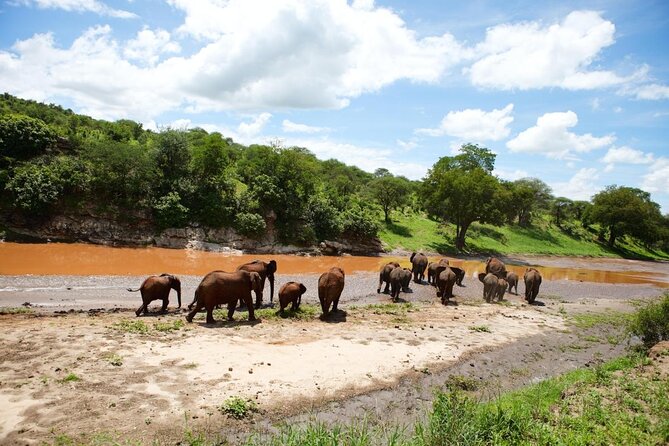
- Tarangire in the dry season focus, when the Tarangire River draws elephants and other wildlife
- Serengeti migration country, where you can witness the scale of wildebeest, zebra, and antelope movement
- Ngorongoro Crater Big Five odds, including the chance to spot rare rhino in a protected setting
- Safety and support built in, including AMREF Flying Doctors air ambulance coverage and 24/7 phone support
- Camping basics included, with tent and mattress provided, plus lodge nights during the trip
More of the Serengeti, drive by drive
- Balloon Safari & Bush Breakfast in Serengeti – Miracle Experience★ 5.0 · 1,646 reviews
- 3 Days Serengeti & Ngorongoro Group Camping Safari★ 5.0 · 574 reviews
- 5-Day Highlights mid-Range Crater, Serengeti, Tarangire★ 5.0 · 296 reviews
- 3-Day Classic Serengeti Safari★ 5.0 · 263 reviews
How this Northern Circuit Safari really plays out from Arusha
This safari is designed as a “three-park punch” across northern Tanzania. You’re not just ticking off names on a map. The goal is a sequence of very different wildlife settings, from Tarangire’s river-linked dry-season concentrations to Serengeti’s vast migration country, then into Ngorongoro’s volcanic crater walls where animals gather tightly.
You start in Arusha and the activity ends back at the same starting point. That matters because it keeps your logistics simpler than multi-city trips, and it usually means less time spent in transit and more time with game on the road.
Even if you do not control where animals are, you do control your odds by choosing a route that matches wildlife patterns. This one leans into those patterns: Tarangire for elephants and birds, Serengeti for migration energy, and Ngorongoro for the Big Five search, including rhino.
Price and value: what $3,984 actually covers
At $3,984 per person, the sticker price is serious. So I look at what is included that you would otherwise pay for separately.
Here is what the package covers that usually adds up fast on safari:
- Park fees and taxes
- Transport in a 4×4 Land Cruiser with an open roof
- Tent and mattress
- 1.5 bottles of water per day
- Professional English-speaking safari guide
- AMREF Flying Doctors air ambulance service
- 24/7 phone support
Not included is also important:
- Travel insurance, visa and passport fees
- Any increases in park fees where applicable
- Tips for your safari guide (given as $30 to $50 per car per day)
- Alcohol and extra activities
- Local and international flights
For me, the best value indicators are the things that protect your time and your peace of mind: guide service, park fees, and the fact that the vehicle is set up for game viewing (open roof). The AMREF air ambulance coverage is another big one. You hope you never need it, but it changes the feel of the trip.
If your budget can handle it, this price makes more sense than tours that advertise “lower” rates but then charge extra for park access, the vehicle type, or basic essentials.
Vehicle comfort: open-roof driving plus the small gear details
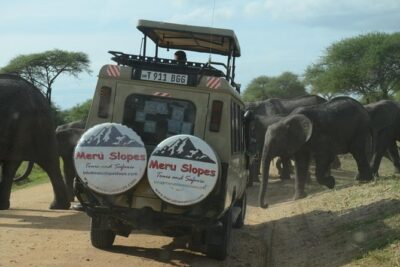
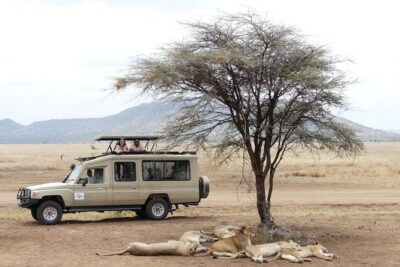
The transport is a 4×4 Land Cruiser with an open roof. That matters more than people expect. Safari sighting is fast. Animals can appear where the road bends, or they can pause in that perfect line-of-sight moment. With an open roof, you get a natural viewing angle without constantly craning or fighting glare.
The vehicle also helps with comfort. In the feedback I saw, people liked that the car was clean and that each passenger had their own seat space with visibility. Another detail worth noting is binoculars. One account specifically called out binoculars in the vehicle, which is a practical plus for spotting distant birds and animals without having to bring or buy gear on the trip.
Practical note for you: open-roof driving often means you will want to dress in layers. Morning and late-day air can feel different than midday, and dust is part of the experience. Plan for sun and wind, even when the day looks calm.
Other ways down into the Ngorongoro Crater
Guides and the rhythm of the day
This is not just a car and a route. It’s also the people guiding your attention. You’ll have a professional English-speaking safari guide, and the feedback highlighted a few guide traits that make a safari smoother:
- friendly hospitality that helps when schedules feel intense
- patient explanations when you are asking lots of questions
- solid awareness of where to look and how to read animal behavior
In particular, the guide names Ezekiel and Chaman came up in different experiences, and both were praised for how they handled the day. I’d take that as a clue about what to expect from the guiding style, not a guarantee of those exact individuals.
The schedule itself follows safari logic: drive, scan, stop, watch, and move when the animal story changes. That rhythm is why being in a vehicle built for visibility matters, and why a guide’s ability to manage your viewing time makes the difference between a good day and a great one.
Tarangire National Park: elephants, the dry-season river, and baobab views
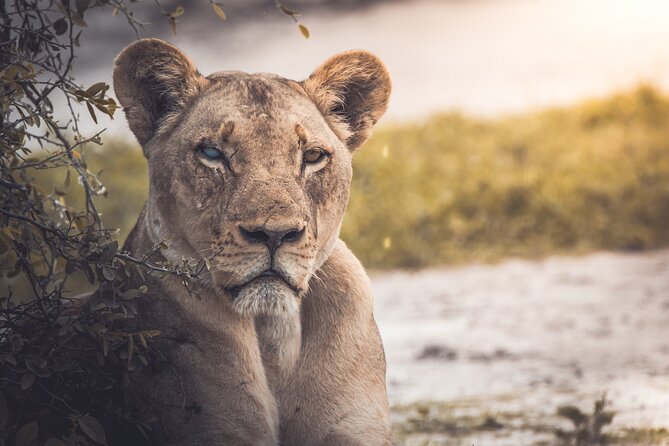
Tarangire National Park is a favorite for a reason. If you want big pachyderms and strong dry-season wildlife action, Tarangire is often where people get their first real “wow” of the trip.
What makes it special here:
- A large elephant population
- The Tarangire River as the main water source in the dry season, which means animals tend to cluster
- Birding opportunities, especially since Tarangire is known for birds as well as mammals
- Baobab trees adding real visual structure to the scenery, so the photos do not look flat
Potential drawback to keep in mind: Tarangire can feel less about dramatic open “big sky” plains and more about concentrated animal viewing around key areas. That is not a bad thing, it just changes the pace. If you prefer constant long-distance spotting across open grassland, you may find Serengeti is more your style. Tarangire still delivers, it just delivers differently.
A smart way to enjoy Tarangire is to shift your attention from only mammals. Birds and smaller wildlife are often the details that make the day feel full. And since your guide will be working the viewing windows, your job is to stay patient and keep looking when the spotting slows down.
Serengeti National Park: migration scale, plus the day-to-day reality
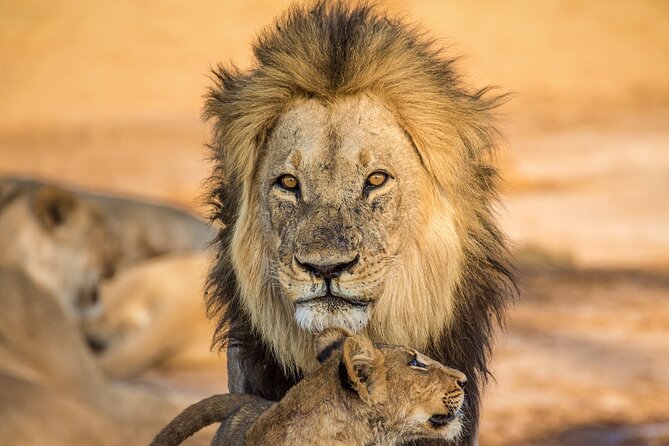
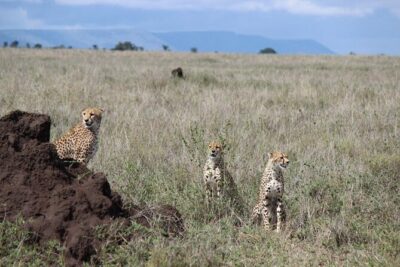
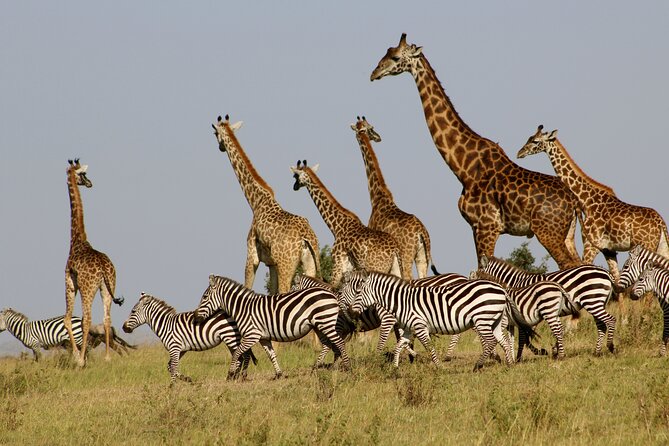
Serengeti National Park is famous because of the Great Wildlife Migration. The scale described for this region is huge, with two million wildebeests, zebras, and antelopes stretching across the plains during migration. That is the kind of number that makes your brain pause. It helps you understand why Serengeti feels like more than just one park drive.
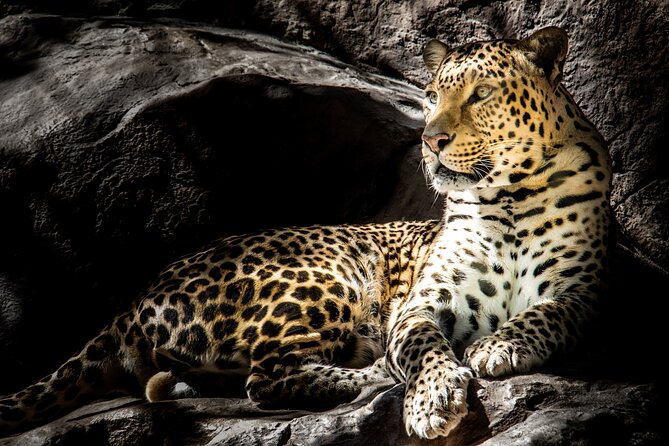
Also, Serengeti is described as a large, wild game park where Big Five country exists. That means you can see more than just migration herds. You may find predators and other wildlife in the mix, depending on where and when you travel.
Possible drawback to plan for: migration is not a switch you flip. You can go to Serengeti and still not see one exact herd you imagined from photos. This is where your guide helps. Their job is to read signs and put you where the action is likely to be.
If you’re serious about maximizing migration energy, the trip’s focus on Serengeti is still the right call. You are not going to a small park with limited options. Serengeti gives the ecosystem room to surprise you, and your open-roof vehicle gives you the viewing access you need when animals decide to appear close.
Ngorongoro Conservation Area: crater views, Big Five odds, and rhino hopes
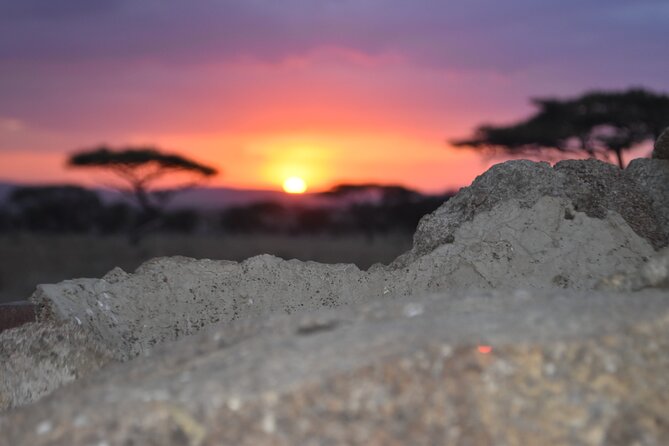
Ngorongoro Conservation Area is the emotional centerpiece for many safaris because the Ngorongoro Crater is volcanic and dramatic, and the wildlife viewing can be intense.
Here is what you can look forward to in the area:
- the Big Five search, including elephant, lion, leopard, buffalo, and rhino
- a setting where herds like wildebeest and zebra may traverse plains around the crater
- the unique presence of Maisa tribe livestock grazing alongside wild animals, which gives the place a human rhythm, not just a wildlife exhibit
Rhino is the big draw. The description is clear that the crater is one of the places where you can spot one of the rare rhinos. I would still treat rhino sighting as a chance, not a promise. Wildlife control is never complete. But if rhino is on your list, this area is where your odds are best.
A small context point I love about Ngorongoro is that the region connects to deep time. The Olduvai Gorge area is known for hominin fossils millions of years old. Even if you do not spend the day there, being in this conservation landscape makes that scientific depth feel real. You are looking at a place where geology and human origins both matter.
Practical viewing note: crater conditions can change your visibility. Light can shift fast, and distance spotting can be tricky. Your guide and binoculars become especially important.
Where you sleep: Tloma Lodge and Acacia Central Camp
Your accommodations in this safari include:
- Tloma lodge for one day
- Acacia Central Camp for two days
I like that the lodging names are specific. It helps you imagine the experience more clearly. Camping and camps can feel basic compared with resort stays, but they can also give the safari a more grounded rhythm, especially after long driving days.
Also, the inclusions mention tent and mattress. That suggests at least some nights follow a camping-style setup rather than a standard hotel room. So think about what you like after a day in dusty open vehicles. If you prefer a super predictable, hotel-style bed and routine, ask your operator how the tent nights feel in practice. If you are fine with a simpler setup, the camp structure often makes the trip feel more authentic.
The feedback you have here also points to good food variety and friendly staff at the hotels people stayed in. That is not just “nice to hear.” It matters when you are eating energy-heavy meals during a physically tiring safari schedule.
Timing, pace, and physical comfort
This safari is listed for moderate physical fitness. That sounds mild, but safari days can still be demanding. You may be getting in and out of the vehicle, walking short distances for viewpoints, and spending long hours seated while tracking wildlife.
A realistic expectation for you:
- you will spend significant time outdoors
- you will likely be on a tight schedule between driving segments
- you will need patience when animals do not show up on cue
Good comfort planning makes a difference. Bring sunglasses, sunscreen, and a hat. Wear shoes with grip. If you get cold easily, pack a light layer for early starts and windy moments around crater edges or open plains.
Also note: the experience requires good weather. If conditions are poor, your day may shift. That’s part of safari life, and it is why the operator includes support and an air ambulance safety net.
Things you should plan to bring (and not forget)
Even when the safari includes water and essentials like park fees, you still need to be ready for a long wildlife routine. Based on how safaris typically work, and what this one signals in its inclusions, I recommend you pack for:
- sun protection (hat, sunscreen, sunglasses)
- dust protection (light face covering can help)
- layers for changing conditions
- a camera you can use quickly and safely from the vehicle
- a small day bag for water and essentials
If binoculars are available in the vehicle, you can travel lighter. Still, if you have your own binoculars or a compact spotting scope, you might prefer them. The open-roof setup makes quick repositioning easier, so anything you can hold steady and use fast is a win.
Finally, have a plan for tipping. Since guide tips are not included and are set at $30 to $50 per car per day, decide in advance how you want to handle it so the payment moment does not distract you from the trip.
Should you book this 4-day Safari, Tarangire, Ngorongoro, and Serengeti?
I’d say book it if you want a first-class Northern Circuit that targets three iconic ecosystems in one go, and you value viewing comfort from an open-roof 4×4 more than ticking off “lots of stops.” The included park fees, guide, and safety coverage like AMREF Flying Doctors make it a stronger deal than many barebones packages.
I would hesitate or ask questions first if:
- your budget is tight and the $3,984 price will stretch you
- you hate the idea of paying additional costs like guide tips, alcohol, and flights
- you are not comfortable with long seated days and the moderate physical fitness expectation
If you’re excited by elephants at Tarangire, the scale of Serengeti’s migration energy, and the crater-driven Big Five search at Ngorongoro, this itinerary matches those priorities well. You are choosing a route where each park has a reason for being there, not just a name for a checklist.
FAQ
How long is the safari?
It is listed as a duration of about 5 days, described as a 4-day safari.
Where does the safari start and end?
It starts in Arusha, Tanzania, and ends back at the same meeting point.
Is pickup offered?
Yes, pickup is offered.
What vehicle will I use during the safari?
You travel by 4×4 Land Cruiser with an open roof.
What is included in the price?
The package includes park fees and taxes, tent and mattress, transport in the 4×4, 1.5 bottles of water per day, a professional English-speaking safari guide, AMREF Flying Doctors air ambulance service, and 24/7 phone support.
What is not included?
Not included are travel insurance, visa and passport fees, any increases in park fees where applicable, tips for the safari guide (listed as $30 to $50 per car per day), alcoholic beverages and extra activities, and local and international flights.
Will the guide speak English?
Yes, the safari guide is professional and English speaking.
Is there any emergency or medical support?
Yes. The tour includes an air ambulance service by AMREF Flying Doctors, plus 24/7 phone support.
Is this a private tour, and can I cancel for free?
Yes, it is private, meaning only your group participates. It also offers free cancellation up to 24 hours in advance for a full refund, and if poor weather causes cancellation, you are offered a different date or a full refund.
Tarangire and Its Baobabs
- 5-Day Highlights mid-Range Crater, Serengeti, Tarangire
★ 5.0 · 296 reviews - Private 6-Day Tarangire Manyara Crater and Serengeti with Mid-Range Lodges
★ 5.0 · 238 reviews - 5 Days Camping Tarangire, Serengeti & Ngorongoro crater & Visiting Maasai
★ 5.0 · 229 reviews - 4 Days Join Group tour Tarangire Serengeti and Ngorongoro crater
★ 5.0 · 219 reviews - 4-Day Safari from Arusha: Tarangire, Serengeti and Ngorongoro
★ 5.0 · 173 reviews
Still Thinking About the Crater?
- 3 Days Serengeti & Ngorongoro Group Camping Safari
★ 5.0 · 574 reviews - 5 Days Camping Tarangire, Serengeti & Ngorongoro crater & Visiting Maasai
★ 5.0 · 229 reviews - 4 Days Join Group tour Tarangire Serengeti and Ngorongoro crater
★ 5.0 · 219 reviews - 4-Day Safari from Arusha: Tarangire, Serengeti and Ngorongoro
★ 5.0 · 173 reviews - 2 Days Tarangire and Ngorongoro Group Camping Safari
★ 5.0 · 146 reviews
The Serengeti, Three More Ways
- Balloon Safari & Bush Breakfast in Serengeti – Miracle Experience
★ 5.0 · 1,646 reviews - 3 Days Serengeti & Ngorongoro Group Camping Safari
★ 5.0 · 574 reviews - 5-Day Highlights mid-Range Crater, Serengeti, Tarangire
★ 5.0 · 296 reviews - 3-Day Classic Serengeti Safari
★ 5.0 · 263 reviews - Private 6-Day Tarangire Manyara Crater and Serengeti with Mid-Range Lodges
★ 5.0 · 238 reviews
Just added from around Arusha
Serengeti National Park Safaris, compared.
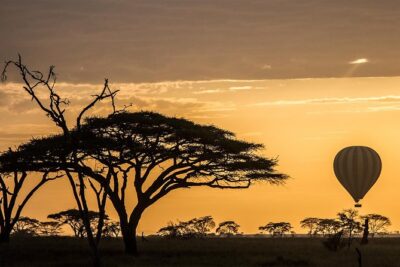 ★ 5.0Serengeti Balloon Safari and authentic bush breakfastFrom $5502,480 reviews
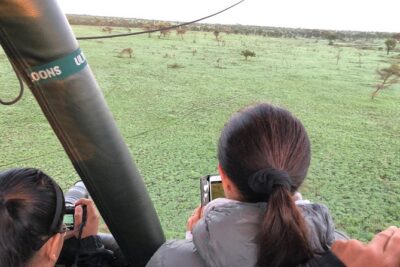 ★ 5.0Balloon Safari & Bush Breakfast in Serengeti – Miracle ExperienceFrom $5991,646 reviews
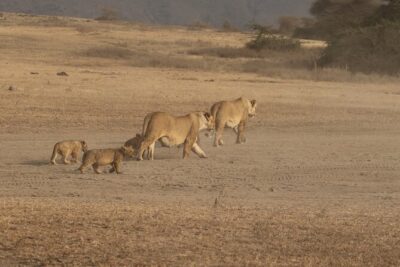 ★ 5.03 Days Serengeti & Ngorongoro Group Camping SafariFrom $815574 reviews
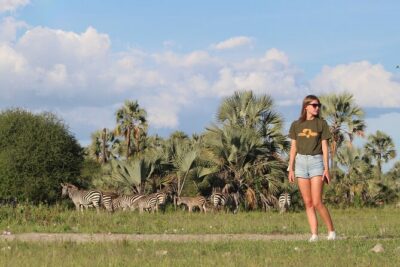 ★ 5.05-Day Highlights mid-Range Crater, Serengeti, TarangireFrom $2,327296 reviews
 ★ 5.0Safari Serengeti And NgorongoroFrom $2,845288 reviews
 ★ 5.03-Day Classic Serengeti SafariFrom $1,455263 reviews
 ★ 5.0Private 6-Day Tarangire Manyara Crater and Serengeti with Mid-Range LodgesFrom $2,685238 reviews
 ★ 5.05 Days Camping Tarangire, Serengeti & Ngorongoro crater & Visiting MaasaiFrom $1,254229 reviews
Browse the lists this tour appears in