
REVIEW · SERENGETI NATIONAL PARK SAFARIS
4-Day Safari from Arusha: Tarangire, Serengeti and Ngorongoro
Four days, three parks, one long game-drive daydream. This Arusha safari strings together Tarangire, Serengeti, and Ngorongoro for the classic Tanzania combo of big herds, predator luck, and that famous crater view. You’ll also be in a private setup, so the schedule is built around your group instead of rushing a crowd.
What I like most is how “complete” the trip feels once you’re in the bush. You get lodge or tented-camp stays in self-contained rooms with hot shower, plus breakfast, lunch, and dinner for both vegetarian and non vegetarian diets, along with 1.5 liters of drinking water per person per day. One consideration: wildlife sightings are never fully predictable, and one past group called out the importance of matching your guide language to your needs, so ask what languages your guide can use before you go.
In This Review
- Key things that make this safari worth your attention
- A 4-day route that hits Tarangire, Serengeti, and Ngorongoro Crater
- Price and what you really get for $1,754.88
- Day 1 in Tarangire: elephants, baobabs, and dry-season water pull
- Day 2 in Serengeti: Seronera area and the power of the river
- Day 3: a morning in Serengeti, then the move to Ngorongoro
- Day 4 in Ngorongoro Crater: density, predators, and the black rhino chance
- Lodge and tented camps: hot shower comfort vs the call of the wild
- Guides and spotting skills: why this safari lives or dies on the driver-guide
- Timing, pickup, and how not to waste safari hours
- Who this safari fits best, and who should think twice
- Should you book this 4-day safari from Arusha?
- FAQ
- Where is the pickup location and what time does the safari start?
- Is this safari private?
- Which parks are included in the 4-day safari?
- What kind of accommodation will we have?
- Are meals included, and do they offer vegetarian options?
- Does the tour include drinking water?
- What is included in the tour price, and what is not included?
- Are park admission tickets included?
- How does cancellation work?
Key things that make this safari worth your attention
- Private safari flow: minimum 2 people per booking, so your driver guide can focus on your group instead of constant reshuffling.
- Hot-shower comfort: lodge and tented-camp rooms are self-contained with hot water, a big deal after long drives.
- Meals handled for you: breakfast, lunch, and dinner included, with vegetarian and non vegetarian options.
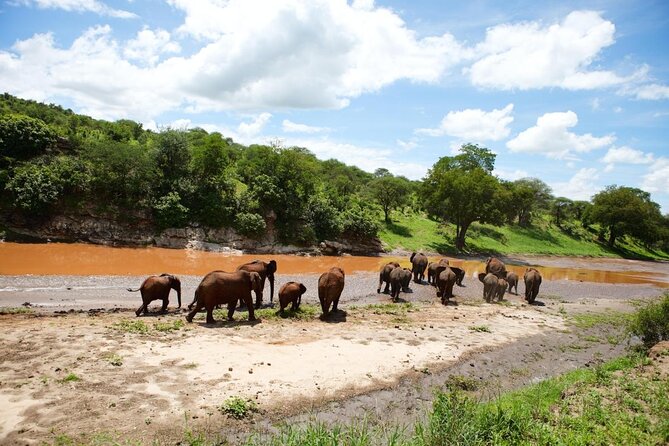
- Tarangire’s big-elephant reputation: a park known for large elephant herds, plus baobabs and acacia woodland.
- Serengeti Seronera area: a strong wildlife zone tied to the Seronera River and year-round attraction to water.
- Ngorongoro’s crater density: one area where you can realistically rack up many species in a single day, including black rhino (where present).
More of the Serengeti, drive by drive
- Balloon Safari & Bush Breakfast in Serengeti – Miracle Experience★ 5.0 · 1,646 reviews
- 3 Days Serengeti & Ngorongoro Group Camping Safari★ 5.0 · 574 reviews
- 5-Day Highlights mid-Range Crater, Serengeti, Tarangire★ 5.0 · 296 reviews
- 3-Day Classic Serengeti Safari★ 5.0 · 263 reviews
A 4-day route that hits Tarangire, Serengeti, and Ngorongoro Crater
This itinerary is built around three very different ecosystems. That matters because Tanzania wildlife doesn’t live in one kind of scenery. Tarangire feels woodsy and dramatic, Serengeti is all about open plains and wide sight lines, and Ngorongoro gives you that crater-floor “everything is close” effect.
Day 1 is Tarangire National Park, a strong start if your priority is seeing elephants and dry-season concentration around water. Day 2 and Day 3 are Serengeti, with time aimed at the central Seronera area. Day 4 is the crater itself, where the whole place can feel packed with animals due to the steady supply of water and food on the crater floor.
If you’ve never done a safari, this is also a smart way to avoid “one-park regret.” A 4-day format gives you a good mix of famous regions without spending your whole trip just traveling between places.
Price and what you really get for $1,754.88
At $1,754.88 per person for about 4 days, this is not a budget safari. But it’s also not “paying for nothing.” The value comes from the parts that usually cost you extra once you try to piece a safari together yourself.
Your package includes:
- All fees and taxes
- A driver guide
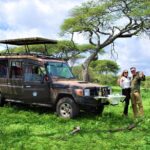
- Transport in a 4×4 safari vehicle
- Accommodation during the safari (lodge or tented camps)
- All meals (breakfast, lunch, dinner) and drinking water (1.5 liters per person per day)
What’s not included is equally important: airport transfers, nights in Arusha, flights, personal expenses, tips, and optional add-ons like balloon rides or a local village visit. So the “real cost” depends on whether you’re already handling flights and where you’ll sleep in Arusha before pickup.
The best way to judge value here is to compare it to your likely total if you did it piecemeal. Most travelers underestimate how quickly daily vehicle time, park fees, and guide service add up. This package tries to bundle those core safari costs into one rate, which is exactly what you want when you’re counting days in the bush.
Day 1 in Tarangire: elephants, baobabs, and dry-season water pull
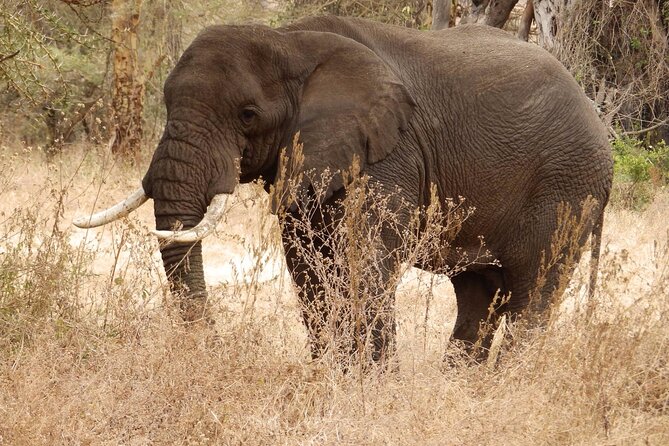
Tarangire National Park is a great opener because the park’s structure does a lot of the work for you. Acacia woodland and huge African baobabs create a scenic “natural cathedral” feeling, while the southern swamps and the water sources act like magnets for wildlife during Tanzania’s dry season.
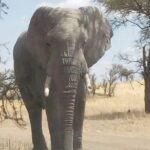
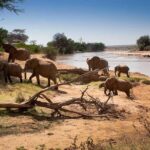
Expect your main activity to be a full day game drive with a picnic lunch. The goal is simple: find the animals where they have to be, near water and reliable feeding spots. Tarangire also has a reputation for large elephant herds, which is often the fastest way to kick your safari off with real impact.
Tarangire is also known for a few more “special-interest” species. The park is home to three rare or notable animals mentioned in the route description:
- Greater Kudu
- Fringed-eared Oryx
- Ashy Starlings (listed as a few individuals)
Practical note: if you’re the type who likes to photograph behavior, elephants can keep you busy for a while, because you might catch herd movement, drinking, and social interactions in one sitting.
A possible drawback on Day 1 is the simple one: you’re in the bush for most of the day, and the drive time can feel long if you start from an early Arusha pickup. Pack for comfort, not just style, because you’ll spend hours in your seat.
Other ways down into the Ngorongoro Crater
Day 2 in Serengeti: Seronera area and the power of the river
After breakfast, you head toward Serengeti, passing through Karatu farmland and the Ngorongoro Conservation Area. This transition is part of the experience. As you leave the highlands behind, the scenery flattens into classic open-country Serengeti views, which makes spotting animals a lot easier.
The route focuses on the central park area, known as the Seronera area. In Serengeti, water is often the secret sauce, and the Seronera River provides a steady source that attracts wildlife. That means your chances improve when the day’s driving can stay near that core zone rather than spreading too thin.
On Day 2, your safari time in Serengeti is around 4 hours. With a schedule like this, your guide’s skill matters. The most consistent praise tied to this kind of safari is usually about animal-spotting. One past group credited guides with an eye for movement and distance, including spotting a rhino from very far away.
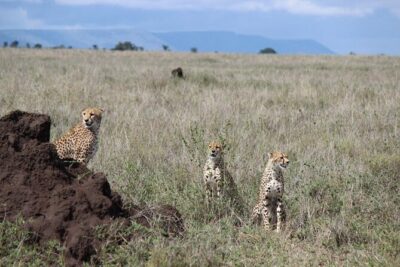
What you’ll likely see in Seronera depends on season and animals’ positions, but the general pattern is lots of herbivores near water, with predators making their moves around those concentrations. If you’re hoping for big cats, this is the day to keep your camera ready and your eyes wider than your lens.
Day 3: a morning in Serengeti, then the move to Ngorongoro
Day 3 is a useful pacing day. You start with early breakfast and a morning game drive in Serengeti. Then you depart toward the Ngorongoro Conservation Area with a game drive en route.
Morning drives often feel like a different game than late-day drives. Animals are usually more active earlier, and the light can be forgiving for photography. You also get that classic safari rhythm: breakfast, roll out, scan for movement, pause, then watch something unfold.
Then comes the transition into Ngorongoro territory. Even when you think you’re just “traveling,” the game drives en route are a chance to find animals in transit zones, not just at your final destination. It’s a good way to avoid the empty-feeling hours that happen on some safaris where the drive is purely logistical.
One thing to plan for: by Day 3, your body knows it’s a safari trip. Bring layers, keep hydrated, and don’t treat this day like a sightseeing stroll. The windshield time builds up fast.
Day 4 in Ngorongoro Crater: density, predators, and the black rhino chance
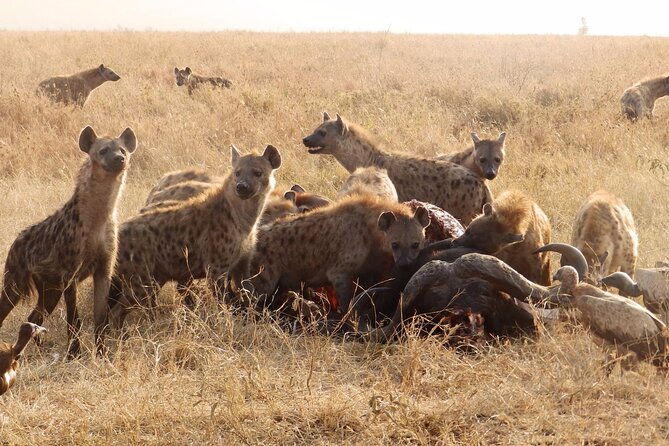
Ngorongoro Crater is the closer for many safari itineraries for a reason. The crater is described as one of the most densely crowded wildlife areas in the world, and it’s home to an estimated 30,000 animals.
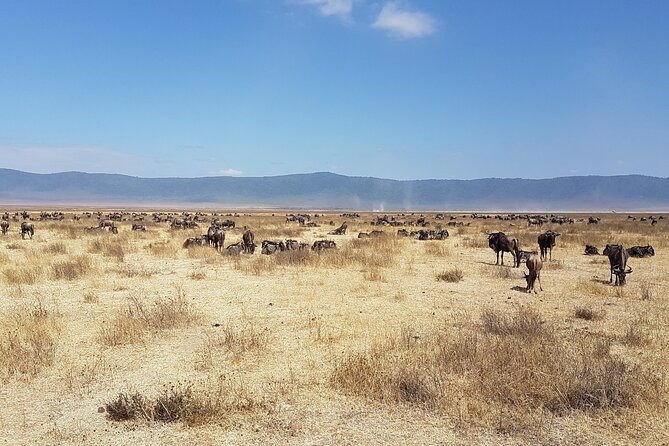
The big reason it works is the year-round support. With a constant water supply and fodder, the crater can sustain a broad mix of species without forcing animals to constantly roam elsewhere. That means your game drive can feel like a “greatest-hits sampler” in a single day.
Your Day 4 plan includes descending into the crater for a game drive, plus a picnic lunch on the crater floor. The route description lists the following animals as part of what you can encounter:
- Wildebeest
- Zebra
- Buffalo
- Eland
- Warthog
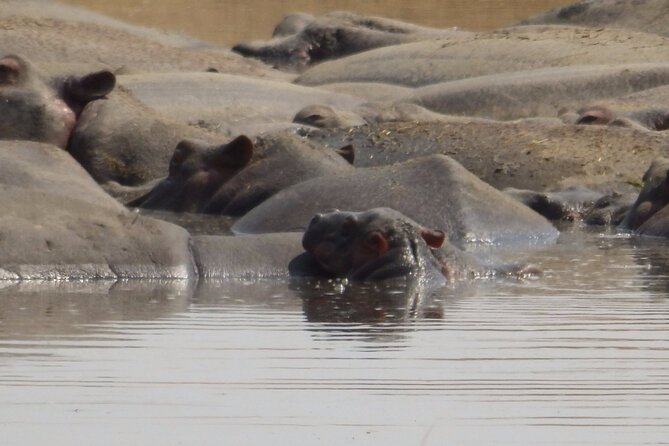
- Hippo
- Giant African elephants
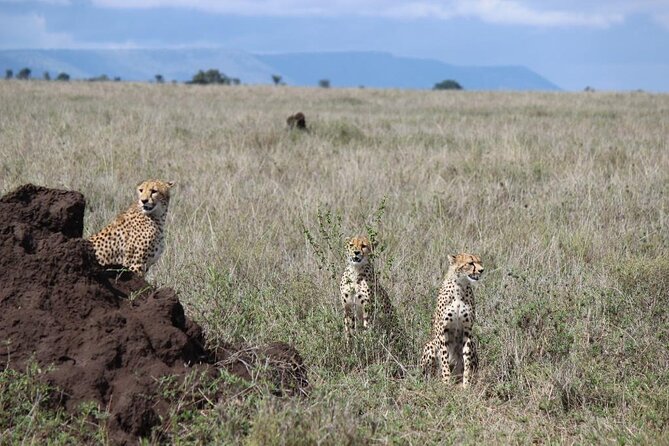
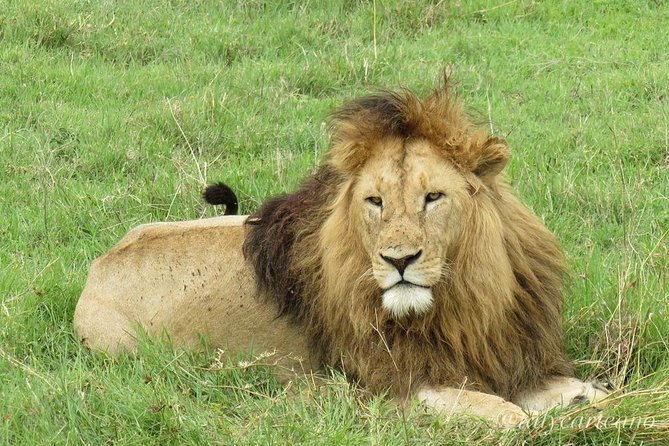
- Predators such as lions, hyenas, jackals, cheetahs, and sometimes the leopard
And the special headline is black rhino. The description notes that the crater is home to some of Tanzania’s last remaining black rhino. Reality check: rhino sightings depend on where they are that day, so consider the rhino an excellent possibility, not a guaranteed checkbox.
This day is where Ngorongoro feels different from the open plains. You’re surrounded by the crater walls and the viewing can feel more enclosed, almost like a natural amphitheater. It’s easy to get a bit stunned staring at how many animals exist in one area.
Lodge and tented camps: hot shower comfort vs the call of the wild
This safari uses lodge and tented-camp accommodations. The description is clear about room comfort: self-contained rooms with hot shower.
That’s a rare combo in many “classic safari” itineraries where people either suffer or pay extra. Here, the hot water matters because you’ll likely return to camp dusty and sun-tired. A proper shower helps you actually enjoy the next day, instead of feeling grim for days.
Tented camps can also deliver a specific kind of safari atmosphere. One past group mentioned sleeping in a tent with hyenas calling, zebras and buffalo grazing close to the camp, and lions moving through the area at night. If you like that raw Africa feeling, tented-camp nights can be unforgettable. If you prefer silence and predictable sleep, you might still be fine, but expect that wildlife can be part of your soundtrack.
Meal time usually becomes the social hub. You’re included for breakfast, lunch, and dinner, so you don’t have to hunt for restaurants between parks. That keeps the trip moving and helps you conserve energy.
Guides and spotting skills: why this safari lives or dies on the driver-guide
If you’ve ever wondered why one safari feels like a wildlife documentary and another feels like just driving, the answer is usually the driver guide’s ability to read the landscape and spot animals early.
Across the named guides, the strongest theme is spotting and patience. Past groups gave high praise to guides such as:
- John and Anouk, credited with spotting rhino far away
- Isaac, praised for a smoothly run 4 days to Tarangire, Serengeti, and Ngorongoro
- Six, described as kind, very familiar with the surroundings and wildlife, and a strong driver
- Ali and Joseph, highlighted for showing big five of Tanzania along with other animals
- Kaana, noted for close support with another part of the operation
- Joseph, praised for being friendly, patient, and very good at spotting
Managers also got credit for fast responses to questions, with Peter mentioned as the person who answered promptly.
Here’s the practical takeaway for you: when you book, ask your operator about your guide assignment and whether they can accommodate your language needs. One group had a negative experience tied to expectations around a Spanish-speaking guide, so it’s worth being proactive.
Also ask about binoculars if you have them, or bring your own. You don’t need fancy gear, but even basic optics can turn “I think I saw something” into “I can track the behavior.”
Timing, pickup, and how not to waste safari hours
This safari starts at 8:30 am from Msumbi CoffeesTFA Shopping Complex on Sokoine Rd in Arusha. It returns to the meeting point at the end of the activity, and it’s framed as a safari package that doesn’t include nights in Arusha.
So do this math in your head: if you’re flying in the same day, you might feel rushed. If you arrive early, you can sleep in Arusha the night before and keep your first morning smooth. If you’re planning to add a Zanzibar trip after, give yourself buffer time, since delays happen and you do not want to miss your pickup.
Transport is handled in a 4×4 safari vehicle, which is the right tool for Tanzania roads and park conditions. Expect long drives, lots of scanning, and frequent stops. It’s not a “sit and watch from a screen” kind of tour. Your eyes do some work too, and that’s half the fun.
One more value detail: park admission is effectively covered through all fees and taxes. That means you’re less likely to face surprise charges when you reach the gate.
Who this safari fits best, and who should think twice
This safari is a strong fit if:
- You want a classic big safari circuit in a short 4-day window
- You prefer a private setup (your group only)
- You like the idea of both lodge and tented-camp options without giving up hot showers
- You want meals and water handled so you can focus on wildlife
It may be less perfect if:
- You need highly specific guide language support and are not willing to confirm it in advance
- You’re sensitive to early mornings and long driving hours
- You treat wildlife sightings like guaranteed outcomes. Nature is nature, and weather and animal movement decide a lot.
On the accommodation side, if you know you hate nighttime sounds, you should ask how tented camps will be managed for your comfort.
Should you book this 4-day safari from Arusha?
I think it’s a yes for many people because the package is built around the big three parks that most wildlife lovers come to Tanzania for, and the trip includes the key comforts that make safari time enjoyable: hot-shower rooms, a private structure, and meals plus water taken care of.
I’d book it if you want:
- a straightforward 4-day plan with no daily meal hunting
- a route with real wildlife concentration logic (Tarangire water pull, Seronera river area, Ngorongoro density)
- the kind of guide experience that often gets praised for spotting far-away animals
I’d ask extra questions before booking if:
- your group depends on a specific language for explanations
- you’re traveling with someone who struggles with long drive days
- you want very high certainty for black rhino or leopard sightings. Those are possible, but not controllable.
If good weather becomes an issue, the experience can be adjusted, with a different date offered or a full refund. That matters because this kind of safari depends on conditions.
FAQ
Where is the pickup location and what time does the safari start?
Pickup is at Msumbi CoffeesTFA Shopping Complex, JMFH+RR3, Sokoine Rd, Arusha, Tanzania, starting at 8:30 am.
Is this safari private?
Yes. It’s a private safari with only your group participating, with a minimum of 2 people per booking.
Which parks are included in the 4-day safari?
The safari visits Tarangire National Park, Serengeti National Park, and Ngorongoro Crater in the Ngorongoro Conservation Area.
What kind of accommodation will we have?
Accommodation is in lodge and tented camps, with self-contained rooms and hot showers.
Are meals included, and do they offer vegetarian options?
Yes. Breakfast, lunch, and dinner are included, with meals available for both vegetarian and non vegetarian.
Does the tour include drinking water?
Yes. Drinking water is included at 1.5 liters per person per day.
What is included in the tour price, and what is not included?
Included: all fees and taxes, driver guide, 4×4 safari transport, safari accommodation, meals (breakfast, lunch, dinner), and drinking water. Not included: airport transfers, nights in Arusha, flights, personal expenses, optional tours (like balloon rides or visiting a local village), and tips.
Are park admission tickets included?
The itinerary lists admission ticket Free for each park day, and all fees and taxes are included in the package.
How does cancellation work?
You can cancel for a full refund up to 24 hours in advance. If it’s canceled due to poor weather, you’ll be offered a different date or a full refund.
Tarangire and Its Baobabs
- 5-Day Highlights mid-Range Crater, Serengeti, Tarangire
★ 5.0 · 296 reviews - Private 6-Day Tarangire Manyara Crater and Serengeti with Mid-Range Lodges
★ 5.0 · 238 reviews - 5 Days Camping Tarangire, Serengeti & Ngorongoro crater & Visiting Maasai
★ 5.0 · 229 reviews - 4 Days Join Group tour Tarangire Serengeti and Ngorongoro crater
★ 5.0 · 219 reviews - 4-Day Safari from Arusha: Tarangire, Serengeti and Ngorongoro
★ 5.0 · 173 reviews
Still Thinking About the Crater?
- 3 Days Serengeti & Ngorongoro Group Camping Safari
★ 5.0 · 574 reviews - 5 Days Camping Tarangire, Serengeti & Ngorongoro crater & Visiting Maasai
★ 5.0 · 229 reviews - 4 Days Join Group tour Tarangire Serengeti and Ngorongoro crater
★ 5.0 · 219 reviews - 4-Day Safari from Arusha: Tarangire, Serengeti and Ngorongoro
★ 5.0 · 173 reviews - 2 Days Tarangire and Ngorongoro Group Camping Safari
★ 5.0 · 146 reviews
The Serengeti, Three More Ways
- Balloon Safari & Bush Breakfast in Serengeti – Miracle Experience
★ 5.0 · 1,646 reviews - 3 Days Serengeti & Ngorongoro Group Camping Safari
★ 5.0 · 574 reviews - 5-Day Highlights mid-Range Crater, Serengeti, Tarangire
★ 5.0 · 296 reviews - 3-Day Classic Serengeti Safari
★ 5.0 · 263 reviews - Private 6-Day Tarangire Manyara Crater and Serengeti with Mid-Range Lodges
★ 5.0 · 238 reviews
Just added from around Arusha
Serengeti National Park Safaris, compared.
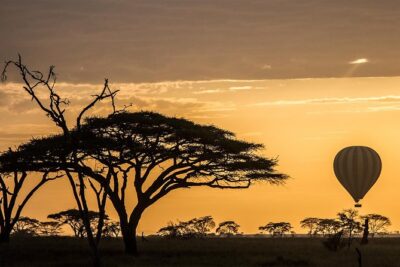 ★ 5.0Serengeti Balloon Safari and authentic bush breakfastFrom $5502,480 reviews
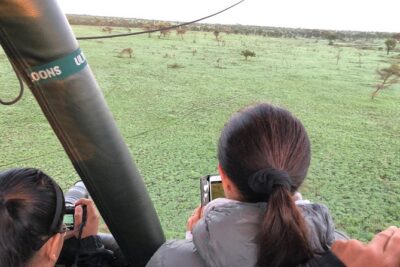 ★ 5.0Balloon Safari & Bush Breakfast in Serengeti – Miracle ExperienceFrom $5991,646 reviews
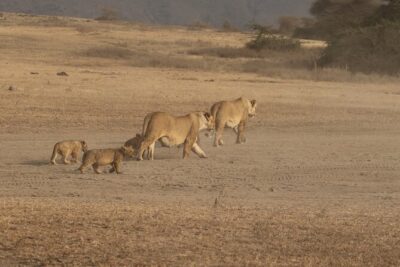 ★ 5.03 Days Serengeti & Ngorongoro Group Camping SafariFrom $815574 reviews
 ★ 5.05-Day Highlights mid-Range Crater, Serengeti, TarangireFrom $2,327296 reviews
 ★ 5.0Safari Serengeti And NgorongoroFrom $2,845288 reviews
 ★ 5.03-Day Classic Serengeti SafariFrom $1,455263 reviews
 ★ 5.0Private 6-Day Tarangire Manyara Crater and Serengeti with Mid-Range LodgesFrom $2,685238 reviews
 ★ 5.05 Days Camping Tarangire, Serengeti & Ngorongoro crater & Visiting MaasaiFrom $1,254229 reviews
Browse the lists this tour appears in