
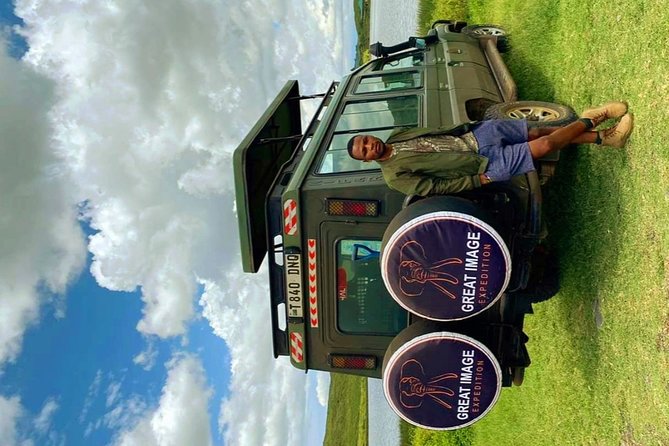
REVIEW · SERENGETI NATIONAL PARK SAFARIS
3days Serengeti National park and Ngorongoro Crater Tanzania Safari
Wildlife, packed into three days. This safari pairs Serengeti game drives with a crater-floor day in Ngorongoro Crater, so you get both wide-open plains and the drama of predators below the rim.
I like how the timing is built around animal activity, with early departures and long enough park time to actually find things, not just pass by. I also like the way the trip leans into comfort, with two nights in luxury tented camps, plus organized meals like picnic lunches and dinners inside the park area.
One thing to consider is the pace. You will have long drives, including a roughly 7 AM departure from Arusha on Day 1 and a very full Day 3, so you should be ready for a Safari that feels efficient, not relaxed. Weather also matters here, since the experience requires good conditions.
In This Review
- Key things that make this safari work
- Why Serengeti plus Ngorongoro fits in only three days
- Day 1: Arusha to Serengeti at 7 AM, then dinner in the park
- Day 2: Another early Serengeti drive, then down toward Ngorongoro
- Day 3: Ngorongoro crater floor tracking, picnic lunch at Ngoitoktok Springs
- Camps and meals: luxury tented camps that keep the vibe safari
- Guides and vehicle time: where quality shows up fast
- Big Five odds: how this itinerary improves your chances
- Price and value: what $1,499 per person is really buying
- Who this safari suits best, and who might want more time
- Should you book this 3-day Serengeti and Ngorongoro safari?
- FAQ
- Where does the safari start and end?
- Which parks are included?
- How long is the safari?
- What is the Day 1 timing and drive time like?
- Is there an optional stop on the way between Serengeti and Ngorongoro?
- Where do you have lunch on Day 3?
- Are park admissions included?
- What happens if weather is poor?
- Is there free cancellation?
Key things that make this safari work
- Early game drives that line up with when animals are most active
- Serengeti-to-Ngorongoro routing that gives you two very different wildlife worlds
- Luxury tented camps in the middle of it so you spend less time traveling and more time watching
- Optional Olduvai Gorge stopover if you want a bit of human-history context
- Ngorongoro crater tracking on the floor with strong odds for classic big sightings
More of the Serengeti, drive by drive
- Balloon Safari & Bush Breakfast in Serengeti – Miracle Experience★ 5.0 · 1,646 reviews
- 3 Days Serengeti & Ngorongoro Group Camping Safari★ 5.0 · 574 reviews
- 5-Day Highlights mid-Range Crater, Serengeti, Tarangire★ 5.0 · 296 reviews
- 3-Day Classic Serengeti Safari★ 5.0 · 263 reviews
Why Serengeti plus Ngorongoro fits in only three days
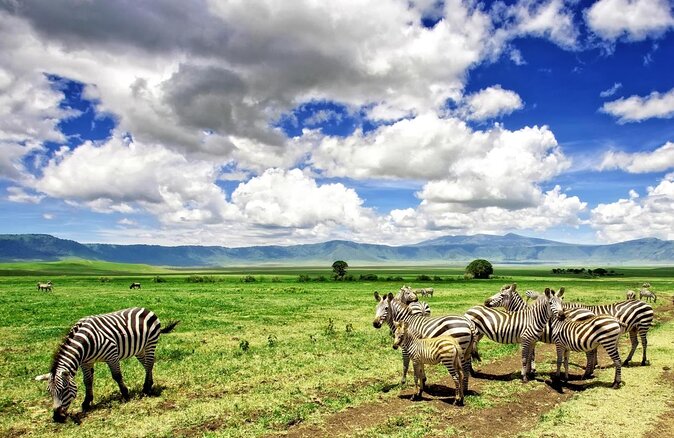
This itinerary is built for people who want the famous stuff without spending a week on the road. Serengeti delivers the classic feel, with endless grasslands where herds and predators move like they are on schedule. Then you drop into Ngorongoro Crater, where the terrain funnels animals toward predictable viewing areas.
I also like that the trip keeps you in the parks for major parts of each day. That matters because safari success is often about time on the hunt, not just the number of days listed on paper. You get picnic lunches to reduce long breaks, and that helps you stay out scanning longer.
Day 1: Arusha to Serengeti at 7 AM, then dinner in the park
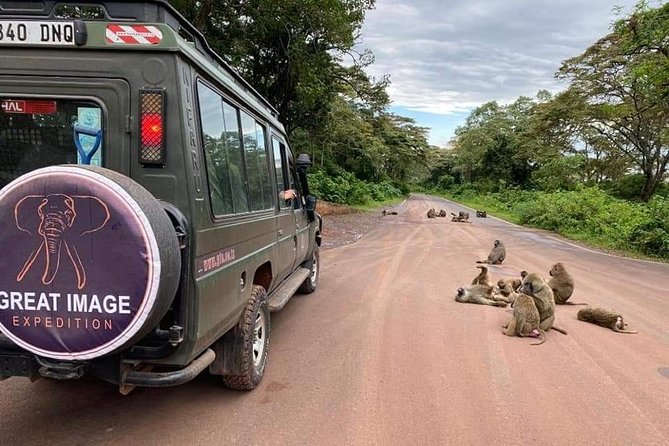
On Day 1, pickup is from your hotel in Arusha at 7:00 AM, followed by an approximately 5-hour drive to Serengeti. If you are thinking in practical terms, that means you get moving early enough to waste less of the day and still arrive before the park’s best viewing windows really fade.
Once you reach Serengeti, your afternoon is focused on the park experience, not ticking boxes. You have a picnic lunch around 1:00 PM, then you settle in for dinner in the heart of Serengeti. The overnight is at Kubukubu luxury tented camp, which is the kind of stay that makes evenings feel like part of the safari, not just a stopover.
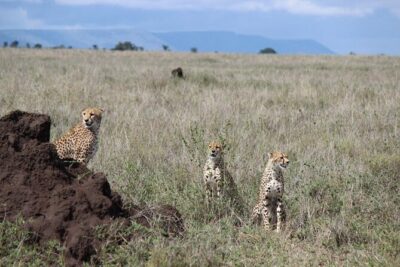
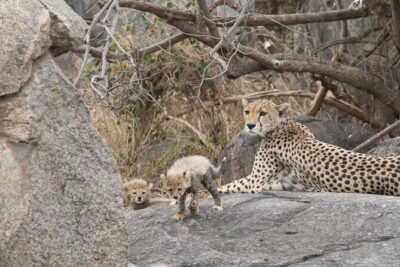
What you can realistically expect on the Serengeti side is variety. The park is known for predators like lions and other hunters such as hyenas, cheetahs, and leopards, and you can also find hippos and crocodiles around the Grumeti River area. Even when you do not catch a specific moment of the migration, the constant motion of grazers and the chance of predators make the plains feel alive.
Day 2: Another early Serengeti drive, then down toward Ngorongoro
Day 2 starts with breakfast and an early morning game drive, which is the smart way to use Serengeti time. Early drives tend to be when you catch active feeding and more predictable animal movement, so you increase your odds of good sightings without needing extra days.
You stop for a picnic lunch, then you leave Serengeti and head toward Ngorongoro. There is an optional Olduvai Gorge stopover if you want the science and human-history angle along the way. If you prefer pure wildlife focus, you can treat that as a flexible add-on rather than a must-do.
By evening, you aim for the rim of Ngorongoro Crater, where dinner and overnight happen at Ngorongoro Lions Paw Luxury Tented Camp. Staying at the rim is important because it reduces back-and-forth movement on Day 3, and it puts you in position for the crater-floor session when visibility and animal behavior are at their best.
One more practical note: this is a day that balances game driving with driving. That can be great if you like momentum, but it also means you will want to keep your gear easy to access, since you will switch locations and vehicles in a single day.
Other ways down into the Ngorongoro Crater
Day 3: Ngorongoro crater floor tracking, picnic lunch at Ngoitoktok Springs
Day 3 is the payoff day. You begin with an early morning game drive, then breakfast, and the schedule allows for another game drive later depending on timing and how the morning goes. After that, you fully commit to the crater: you depart for a full day of tracking game on the crater floor with your picnic lunch.
This is where Ngorongoro earns its reputation. The crater bowl creates a natural viewing arena because the geography concentrates animals. The itinerary explicitly notes a very high possibility of spotting the Big Five in one day, which is exactly the kind of promise you only make when the day is designed for long crater time and active tracking.
You also get a specific lunch stop: Ngoitoktok Springs picnic site on the crater floor. That detail matters because it signals you are not just driving past viewpoints. You are spending time where animals come to drink and where movement patterns often make sightings easier.
Late afternoon brings the return drive back to Arusha, listed at about 9 hours. So yes, it is a long day, but it is also a focused one: more crater time, fewer random diversions.
Camps and meals: luxury tented camps that keep the vibe safari
This trip is built around staying in luxury tented camps at two key points: Kubukubu in Serengeti and Ngorongoro Lions Paw at the rim. That does two useful things for you. First, it keeps you close to the morning game drives, which matters because you want to start scanning early. Second, it gives you a more memorable “in-the-wild” feel at night.
From past experiences associated with this operator, the camps and food have been repeatedly described as delicious and well-handled. I find that reassuring, because on safari, meals can make or break your mood. If breakfast and lunch are predictable and dinner is actually enjoyable, you stay patient and rested for the next day’s early start.
Also, the schedule uses picnic lunches instead of long restaurant waits. That helps you keep your attention on wildlife, not logistics.
Guides and vehicle time: where quality shows up fast
Safari quality usually comes down to two things: driving skill and wildlife interpretation. The experiences linked to this operator highlight guides like Raymond and drivers such as Joh, praised for being steady and for spotting animals other people might miss. That is the difference between simply being on safari and actually getting quality sightings.
You will also see names like Yunus, Modi, Daniel, Humphree, and Jordan connected with past trips. Even if you do not meet the same guide, the pattern is consistent: people talk about knowledgeable guiding, good safety habits, and calm organization that keeps the day running smoothly.
One smart way to use your time on safari is to lean into your guide’s scanning process. Ask quick questions when you stop, and then let them do their work. In places like Serengeti and Ngorongoro crater, animals can appear close or far depending on the moment, so the guide’s attention to micro-signals matters.
Big Five odds: how this itinerary improves your chances
You should think of this safari as a high-odds plan, not a guaranteed formula. The itinerary explicitly states a very high possibility of spotting the Big Five during Day 3 inside Ngorongoro. That makes sense because Ngorongoro’s crater-floor setup often concentrates predators and big herbivores into a more trackable area.
Here is how the schedule supports your odds in practical terms:
- Early starts give you more daylight hours when animals are moving and feeding
- Full-day crater tracking prevents the common mistake of treating the crater as a quick drive-by
- Consecutive days in wildlife areas reduce wasted travel time between sightings
Also, Serengeti adds the breadth. Even if you do not get every iconic animal in Serengeti, it sets you up with confidence, pattern recognition, and “animal eyes.” By the time you reach Ngorongoro, you know what movement styles look like and what to ask for when you spot signs from a distance.
Price and value: what $1,499 per person is really buying
At $1,499 per person, you are paying for a compact three-day circuit that includes major transfers from Arusha, repeated game driving, and two luxury tented camp nights. You are also paying for an itinerary that treats your time in the parks as the main event.
One value clue is how the itinerary handles admissions. The trip notes admission ticket free for Day 1 and Day 2, and admission ticket included for Day 3. Even if the exact paperwork details vary by departure, the important takeaway is that you are not expected to solve park-entry problems on your own.
You also get pickup offered and a mobile ticket, which matters more than most people think. On safari, smooth transfers reduce stress, and less stress means you stay present during long drives and early mornings.
Private tour style is also part of the value. It is listed as a private tour/activity, meaning your group stays together rather than merging into a large mixed tour crowd. That often translates into more flexible timing when wildlife appears close or when you want to slow down for a specific sighting.
Who this safari suits best, and who might want more time
This safari is a strong fit if you:
- Want classic Serengeti plus Ngorongoro without a longer multi-park itinerary
- Like early departures and can handle long days
- Prefer luxury tented camps and organized meal stops like picnic lunches
- Care about a guide-led hunt, where someone actively finds animals rather than hoping you will spot them
It might be less ideal if you:
- Get cranky with long driving days and early starts
- Want a slow travel pace with lots of downtime between parks
- Are sensitive to weather disruptions, since the experience requires good weather
Should you book this 3-day Serengeti and Ngorongoro safari?
I think this is a yes for the right traveler. If you want the headline wildlife moments in a short time, the route makes sense: Serengeti for the plains and predator action, then Ngorongoro crater for crater-floor tracking and strong Big Five odds.
Before you book, do two quick checks. First, confirm you are comfortable with a schedule that includes a very long Day 3 return drive back toward Arusha. Second, plan with weather in mind, since the experience requires good conditions and can be rescheduled if conditions are poor.
If those points fit your style, you will likely appreciate the balance of serious wildlife time plus the comfort level of luxury tented camps that keeps the safari feeling special after the game drives end.
FAQ
Where does the safari start and end?
The trip starts in Arusha, Tanzania. You are picked up from your hotel, and on Day 3 you return to Arusha in the late afternoon after the crater day.
Which parks are included?
You visit Serengeti National Park for two days and Ngorongoro Crater on the final day.
How long is the safari?
It is listed as 3 days (approximately).
What is the Day 1 timing and drive time like?
Day 1 includes hotel pickup at 7:00 AM in Arusha, followed by an approximately 5-hour drive to Serengeti. Lunch is a picnic around 1:00 PM, and you have dinner in the heart of Serengeti.
Is there an optional stop on the way between Serengeti and Ngorongoro?
Yes. On Day 2 there is an optional stopover at Olduvai Gorge before heading to Ngorongoro.
Where do you have lunch on Day 3?
Day 3 includes a picnic lunch at the Ngoitoktok Springs picnic site on the crater floor.
Are park admissions included?
The experience notes admission ticket free for Day 1 and Day 2, and admission ticket included on Day 3.
What happens if weather is poor?
The experience requires good weather. If it is canceled due to poor weather, you will be offered a different date or a full refund.
Is there free cancellation?
Yes, there is free cancellation. You can cancel up to 24 hours in advance for a full refund. If you cancel within 24 hours, the amount you paid is not refunded.
Longer Trips Through the North
- Tanzania Classic – 7 Days
★ 5.0 · 1,151 reviews - 7-Day Premium Luxury Tanzania Safari All-Inclusive
★ 5.0 · 426 reviews - Tanzania Wildlife Encounters – 6 Days
★ 5.0 · 277 reviews - Group Safari 7 Days in Tanzania’s Main Parks
★ 5.0 · 240 reviews - 4 Days Join Group tour Tarangire Serengeti and Ngorongoro crater
★ 5.0 · 219 reviews
Still Thinking About the Crater?
- 3 Days Serengeti & Ngorongoro Group Camping Safari
★ 5.0 · 574 reviews - 5 Days Camping Tarangire, Serengeti & Ngorongoro crater & Visiting Maasai
★ 5.0 · 229 reviews - 4 Days Join Group tour Tarangire Serengeti and Ngorongoro crater
★ 5.0 · 219 reviews - 4-Day Safari from Arusha: Tarangire, Serengeti and Ngorongoro
★ 5.0 · 173 reviews - 2 Days Tarangire and Ngorongoro Group Camping Safari
★ 5.0 · 146 reviews
The Serengeti, Three More Ways
- Balloon Safari & Bush Breakfast in Serengeti – Miracle Experience
★ 5.0 · 1,646 reviews - 3 Days Serengeti & Ngorongoro Group Camping Safari
★ 5.0 · 574 reviews - 5-Day Highlights mid-Range Crater, Serengeti, Tarangire
★ 5.0 · 296 reviews - 3-Day Classic Serengeti Safari
★ 5.0 · 263 reviews - Private 6-Day Tarangire Manyara Crater and Serengeti with Mid-Range Lodges
★ 5.0 · 238 reviews
Just added from around Arusha
Serengeti National Park Safaris, compared.
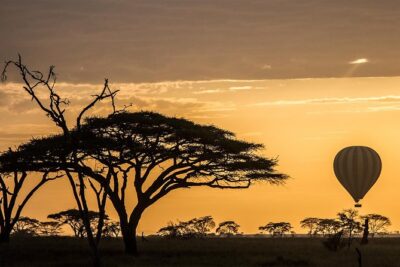 ★ 5.0Serengeti Balloon Safari and authentic bush breakfastFrom $5502,480 reviews
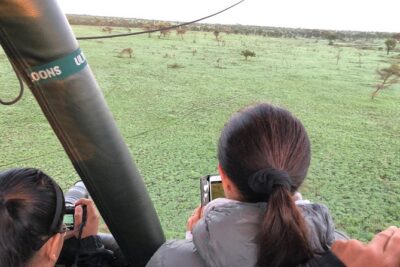 ★ 5.0Balloon Safari & Bush Breakfast in Serengeti – Miracle ExperienceFrom $5991,646 reviews
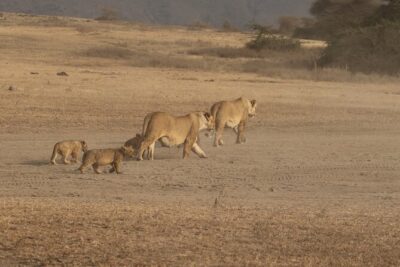 ★ 5.03 Days Serengeti & Ngorongoro Group Camping SafariFrom $815574 reviews
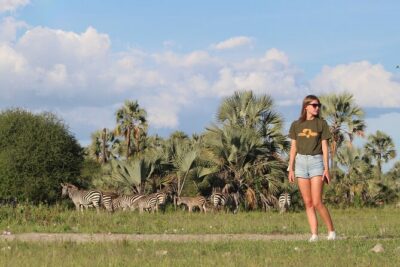 ★ 5.05-Day Highlights mid-Range Crater, Serengeti, TarangireFrom $2,327296 reviews
 ★ 5.0Safari Serengeti And NgorongoroFrom $2,845288 reviews
 ★ 5.03-Day Classic Serengeti SafariFrom $1,455263 reviews
 ★ 5.0Private 6-Day Tarangire Manyara Crater and Serengeti with Mid-Range LodgesFrom $2,685238 reviews
 ★ 5.05 Days Camping Tarangire, Serengeti & Ngorongoro crater & Visiting MaasaiFrom $1,254229 reviews
Browse the lists this tour appears in