
REVIEW · SERENGETI NATIONAL PARK SAFARIS
3 days to Serengeti NP and Ngorongoro Crater Tour in Tanzania
Three days, two of Tanzania’s biggest hits. You start with Serengeti plains and a hippo habitat visit, then overnight at Simba Campsite before the Ngorongoro crater descent for a real shot at the black rhino.
I really like the way this trip mixes big wildlife time with variety. I love the chance to work both the open savannah and the Seronera area with its acacia and Kopjes rock hills, plus the fact you get a proper English speaking guide like Eddy, not just a driver doing the basics.
One thing to consider: you do a lot of driving. Expect long road hours between regions, so you’ll want to be comfortable with sitting, getting dusty, and staying flexible with timing.
In This Review
- Key highlights to know before you go
- Serengeti and Ngorongoro in 3 days, the practical version
- Arusha pickup, breakfast timing, and the big Serengeti drive
- Southern plains, Seronera Valley, and how Kopjes shape sightings
- Hippo habitat stop: why it’s more than a break
- Day 2: half-day Serengeti game drive, then on to Ngorongoro
- Ngorongoro crater descent and the black rhino challenge
- Simba Campsite night, packing rhythm, and the return toward Arusha
- Price and value at $800 per person, what’s actually included
- Who should book this safari, and who should skip it
- Should you book Safari G.O.A.T.S for Serengeti and Ngorongoro?
- FAQ
- How long is the safari, and when does it start?
- Will there be pickup from my Arusha accommodation?
- Where do we stay overnight?
- What meals are included during the 3 days?
- Are park fees included in the price?
- Do I receive a mobile ticket?
- What is the group size?
- Is the guide available in English?
- Is tipping included?
- What is the latest time to cancel for a full refund?
Key highlights to know before you go

- Small group, max 7 people, which makes it easier for the guide to manage sightings and keep everyone together
- Serengeti focus on South/Central/Seronera, mixing endless plains with acacia dotted views and Kopjes country
- A hippo habitat stop that adds more than the usual game drive rhythm
- Early crater morning, with the descent timed for searching for the hardest animal to spot in the crater
- Simba Campsite overnight, so you’re based in the Ngorongoro Conservation Area for Day 3
- Park fees and meals included, which helps you understand the real cost up front
More of the Serengeti, drive by drive
- Balloon Safari & Bush Breakfast in Serengeti – Miracle Experience★ 5.0 · 1,646 reviews
- 3 Days Serengeti & Ngorongoro Group Camping Safari★ 5.0 · 574 reviews
- 5-Day Highlights mid-Range Crater, Serengeti, Tarangire★ 5.0 · 296 reviews
- 3-Day Classic Serengeti Safari★ 5.0 · 263 reviews
Serengeti and Ngorongoro in 3 days, the practical version
This is a fast safari. That can sound stressful, but it actually works well if you want the headlines of Tanzania without burning a whole week on transit. You get your Serengeti time first, then you shift to Ngorongoro for the crater experience, with a night in between at Simba Campsite.
The best part is the structure. You’re not just bouncing around randomly. You start with major driving to get you into the park, then you spend actual hours on game drives across multiple zones, including Seronera. After that, you move to Ngorongoro Conservation Area and build your next day around descending the crater floor.
There’s also a useful mix of wildlife hunting and wildlife context. You’ll have time for searching and spotting from the road, plus a hippo habitat stop that breaks up the day. If you like learning while you watch animals, this kind of guided flow is a good fit.
The tradeoff is effort. You’ll be up early and you’ll ride in the vehicle for long stretches. If you hate road time, a longer safari might feel better. If you can handle a packed schedule, this one is a solid value way to hit both parks.
Arusha pickup, breakfast timing, and the big Serengeti drive
You start in Arusha with pickup offered from your accommodation. The tour start time is listed at 7:00 am, and the day’s rhythm lines up like this: breakfast around 7:30 am, pickup around 8:00 am, then a major drive into the southern part of Serengeti National Park via Ngorongoro gate.
That drive is about 6 hours and roughly 335 km. It’s long, but it’s also the reason this itinerary can fit both parks. You’re not wasting days crossing Tanzania at the start, and you don’t spend your whole trip stuck on transfer days.
Once you reach the park, you transition into game drive mode. Day 1 focuses on the southern and central areas, then brings you into the Seronera Valley area. If you’ve ever seen photos of Serengeti with that wide, open savannah look, this is where you’re aiming. The area is often described as Maasai called it Serengit, meaning land of endless plains, and the namesake idea shows up in how much open ground you travel through.
What to keep in mind on this first day: you may spend your “eyes-on” time both during the drive-in and after you enter the park. Bring patience for the long road and focus on the learning part, because the guide can help you notice patterns like grazing areas and where animals tend to gather.
Southern plains, Seronera Valley, and how Kopjes shape sightings
Day 1 is built around two different “reading” styles of the Serengeti. In the southern zone, the views emphasize endless plain and savannah grassland, where grazing animals like wildebeest, zebra, Coke’s hartebeest, waterbuck, Grant’s and Thomson gazelle, and impala can be found.
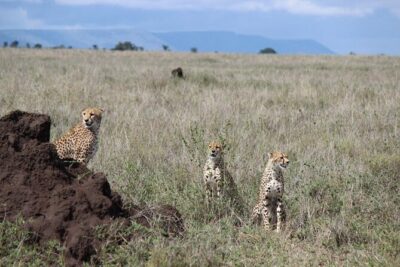
Then you shift your attention to Seronera Valley. This area includes dotted acacia vegetation and Kopjes. Kopjes are those clusters of rock outcrops that rise from the plains, creating natural lookout points and shaded spots animals use. Even without getting too technical, you’ll notice how Kopjes change the game drive.
In practice, Kopjes often mean you’ll get more chances to see animals at different distances, because you’re not always scanning completely flat ground. From the vehicle, the rock features can guide your sightlines, and the vegetation provides cover while keeping the area open enough for spotting.
This is where a good driver-guide matters. In the reviews, Eddy comes up as personable and very strong on wildlife and the area. That matters on Day 1 because sightings are not just random luck. It’s route choices, patience, and knowing where to look when you’re dealing with a massive park.
Also, remember you’re dealing with a moving landscape. The itinerary is designed so you’re not just stuck in one tiny corner. You get a taste of the “endless plains” look and the Kopjes-and-acacia look in the same day.
Other ways down into the Ngorongoro Crater
Hippo habitat stop: why it’s more than a break
One of the more interesting details in this safari is that you include a hippo habitat visit on the Serengeti side. That’s not the same as a crater drive, and it’s not the same as scanning open grassland for grazers.
This stop adds variety in two ways. First, it changes what you’re paying attention to. Hippos are about water, timing, and behavior, not just movement across the plains. Second, it gives you a chance to move beyond the classic “see big animals from the vehicle” pattern and add something more specific.
Even if you’re mainly chasing the big-name sightings, I think this kind of targeted stop is valuable. It makes the days feel less repetitive, and it helps you remember that Serengeti is not just a backdrop. It’s full of habitats, and the guide’s job is to point out how those habitats influence what you see.
If you like a safari that feels like a mix of wildlife and learning, this hippo habitat component helps. It’s also a nice counterweight to the later focus on the crater’s animals, where the challenge is different.
Day 2: half-day Serengeti game drive, then on to Ngorongoro
Day 2 starts with a half-day game drive in Serengeti, and you depart with a lunch box. That matters, because it keeps the day moving without forcing you to break your schedule for a late lunch. You’ll spend the morning and early afternoon hunting for sightings, then shift gears toward Ngorongoro Conservation Area.
You continue with game driving on the route, so the day doesn’t feel like pure transport. Still, you should expect another long day of transit, because by the end of Day 2 you check in at Simba Campsite for dinner and overnight.
This is one of the key reasons to choose an itinerary like this instead of trying to piece everything together on your own. It’s not just the driving. It’s how the schedule handles the transition from one major ecosystem to another.
What’s special on Day 2 is the timing. You’re doing Serengeti first, then moving toward Ngorongoro before the night. That means Day 3 can start with an early breakfast and an on-crater schedule that focuses on descent and spotting.
If you’re the kind of traveler who wants to maximize time on animals rather than waste time figuring out connections, this sequencing is where the value shows up.
Ngorongoro crater descent and the black rhino challenge
Day 3 is the centerpiece: you have early breakfast, then descend the Ngorongoro Crater for game viewing. The itinerary explicitly highlights black rhino as the goal, and it also notes a key reality: rhinos are the hardest to spot in the crater.
That makes sense in a simple way. Even when you’re in a beautiful crater, your view can be limited by the terrain and how animals position themselves. Many animals are easier to spot because of where they move, how they use open spaces, or how they react. But black rhino can stay hidden, and the viewing game becomes about patience and right-place timing.
This is where your guide’s skill matters again. You’re not just riding into a viewpoint. You’re doing a crater search, where small choices can affect your chances. Eddy’s reputation for taking care of the group and staying on top of what’s happening is exactly the kind of support that helps you enjoy the attempt, even if the rhino is shy that day.
After descent and searching, you’ll have lunch, then continue game drive time and ascend the crater. The pacing is designed so you’re not spending the whole morning and then rushing the rest. You get both the search moment and the broader crater drive.
One practical note: crater days tend to be mentally exhausting because you’re scanning constantly. The upside is that you’re not guessing where to go. The schedule takes you through the main crater flow, including the ascent back out toward camp.
Simba Campsite night, packing rhythm, and the return toward Arusha
On Day 2, your overnight is at Simba Campsite in the Ngorongoro Conservation Area. The schedule includes dinner and overnight there, so you’re not hauling luggage around between segments. In a tight itinerary, having a fixed base matters.
Then Day 3 ends with a rhythm you should plan around. After you’ve done crater game drive time and ascend back to camp, the itinerary says you pack and start the trip back to Arusha town. That final transfer wraps up the safari loop.
This “sleep close, then do the crater early” format is valuable. It means Day 3 begins with energy rather than with another long, pre-dawn road push from far away. You’ll still drive back, but you avoid starting the crater day too late.
If you’re traveling as a family or as a small group, this structure also helps with logistics. You can keep everyone moving on a known schedule and reduce the time spent negotiating timing between different legs of the safari.
And yes, long drives can be tiring. That’s the one tradeoff that keeps coming up with safaris that compress multiple destinations. But when the itinerary is tight like this, the goal is to reduce the total number of days you spend in transit.
Price and value at $800 per person, what’s actually included
At $800.00 per person for about 3 days, this tour is priced as a guided, all-in-the-park experience rather than a barebones transport plan. The included items are the big cost drivers for many travelers: a professional English speaking driver/guide, all park fees, plus meals.
You get 3 breakfasts, 3 lunches, and dinner. You also get pickup and a mobile ticket. That’s a lot of the annoying details handled for you, especially the park fee part. In many safari budgets, park fees and guiding are where costs climb quickly, so having them included helps you avoid surprise budgeting.
What’s not included is also clearly listed: tipping and visas. So you should plan for tipping as an extra cost, even if the listing price looks straightforward at first glance. You’ll also need to handle your visa paperwork yourself.
From a value perspective, the max group size of 7 is another factor. A small group can mean more attention from the guide and less waiting around. It also tends to feel less chaotic than larger safari vehicles when you’re trying to spot wildlife and keep everyone in sync.
If your priority is seeing Serengeti and Ngorongoro without spending extra days, this pricing can feel reasonable. If you hate early starts and long drives, the value might not matter, because you might spend the trip counting minutes rather than animals.
Who should book this safari, and who should skip it
This tour is a good fit if you want a small group, guided safari with park fees handled and meals provided. If you’re okay with a busy schedule, you’ll like the way the itinerary moves from Serengeti plains into the Ngorongoro crater experience in just 3 days.
It’s also a strong choice for couples and small families who want more structure than self-planning. The reviews highlight family-friendly satisfaction and a guide who feels personable and careful with the group, like Eddy. That kind of attention matters when you’re sharing the day with kids, older relatives, or anyone who needs a clear, calm plan.
You might want to look for a different option if you want slow travel. This safari is not built for long lazy mornings or multiple full days in one park. It’s built for the highlights and for moving efficiently.
Also, if you’re extremely sensitive to road time, be honest with yourself. You’ll be in the vehicle a lot, with Day 1 alone including a long 6-hour drive into the park, and Day 2 and Day 3 built around additional transfers.
Should you book Safari G.O.A.T.S for Serengeti and Ngorongoro?
My take: yes, if you want the classic Tanzania combo with a tight schedule and minimal hassle. The included meals, park fees, and English speaking driver-guide make it easier to plan, and the group size cap helps keep things manageable.
The part I’d focus on before booking is your comfort with a packed itinerary. If you can handle early mornings and long drives, you’ll get good value out of seeing Serengeti and then doing an early crater descent for black rhino odds.
If you book, the best strategy is mental preparation. This is a search, not a guarantee. Even with a great guide like Eddy, rhinos can be hard to spot. Go with patience, enjoy the different habitats you’ll see, and let the day unfold.
FAQ
How long is the safari, and when does it start?
The tour is about 3 days. The listed start time is 7:00 am, with breakfast around 7:30 am and pickup around 8:00 am on Day 1.
Will there be pickup from my Arusha accommodation?
Yes. Pickup is offered, and you are picked up from your accommodation on Day 1.
Where do we stay overnight?
You overnight at Simba Campsite in the Ngorongoro Conservation Area.
What meals are included during the 3 days?
Breakfast is included 3 times, lunch is included 3 times, and dinner is included once.
Are park fees included in the price?
Yes. All park fees are included, and the itinerary lists admission ticket details as free.
Do I receive a mobile ticket?
Yes. The tour includes a mobile ticket.
What is the group size?
The maximum group size is 7 travelers.
Is the guide available in English?
Yes. The tour includes a professional driver/guide who speaks English.
Is tipping included?
No. Tipping is not included.
What is the latest time to cancel for a full refund?
You can cancel up to 24 hours in advance of the experience start time for a full refund.
Still Thinking About the Crater?
- 3 Days Serengeti & Ngorongoro Group Camping Safari
★ 5.0 · 574 reviews - 5 Days Camping Tarangire, Serengeti & Ngorongoro crater & Visiting Maasai
★ 5.0 · 229 reviews - 4 Days Join Group tour Tarangire Serengeti and Ngorongoro crater
★ 5.0 · 219 reviews - 4-Day Safari from Arusha: Tarangire, Serengeti and Ngorongoro
★ 5.0 · 173 reviews - 2 Days Tarangire and Ngorongoro Group Camping Safari
★ 5.0 · 146 reviews
The Serengeti, Three More Ways
- Balloon Safari & Bush Breakfast in Serengeti – Miracle Experience
★ 5.0 · 1,646 reviews - 3 Days Serengeti & Ngorongoro Group Camping Safari
★ 5.0 · 574 reviews - 5-Day Highlights mid-Range Crater, Serengeti, Tarangire
★ 5.0 · 296 reviews - 3-Day Classic Serengeti Safari
★ 5.0 · 263 reviews - Private 6-Day Tarangire Manyara Crater and Serengeti with Mid-Range Lodges
★ 5.0 · 238 reviews
Just added from around Arusha
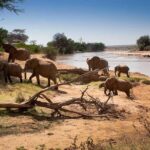
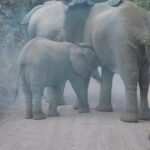
Serengeti National Park Safaris, compared.
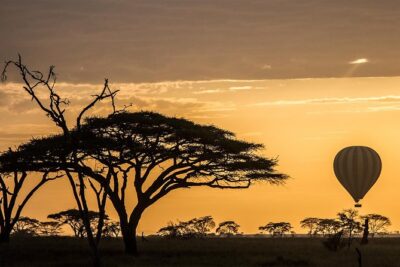 ★ 5.0Serengeti Balloon Safari and authentic bush breakfastFrom $5502,480 reviews
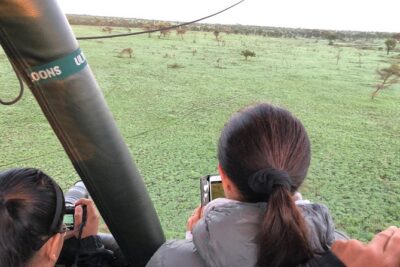 ★ 5.0Balloon Safari & Bush Breakfast in Serengeti – Miracle ExperienceFrom $5991,646 reviews
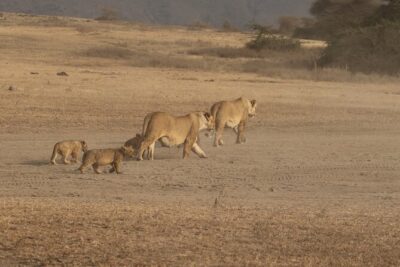 ★ 5.03 Days Serengeti & Ngorongoro Group Camping SafariFrom $815574 reviews
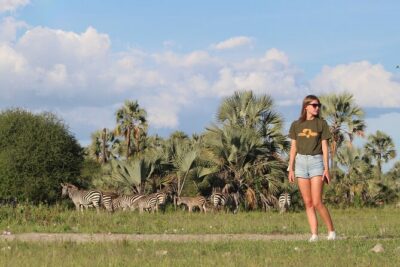 ★ 5.05-Day Highlights mid-Range Crater, Serengeti, TarangireFrom $2,327296 reviews
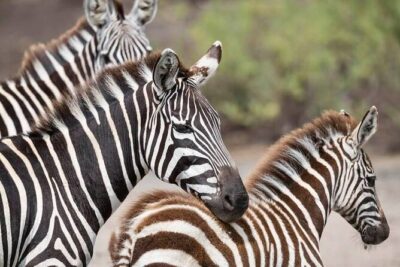 ★ 5.0Safari Serengeti And NgorongoroFrom $2,845288 reviews
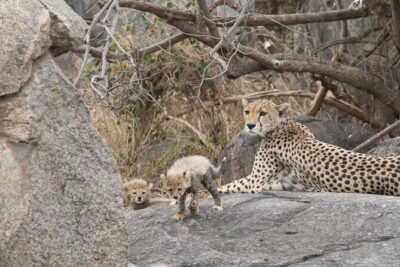 ★ 5.03-Day Classic Serengeti SafariFrom $1,455263 reviews
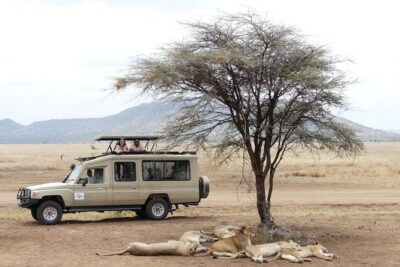 ★ 5.0Private 6-Day Tarangire Manyara Crater and Serengeti with Mid-Range LodgesFrom $2,685238 reviews
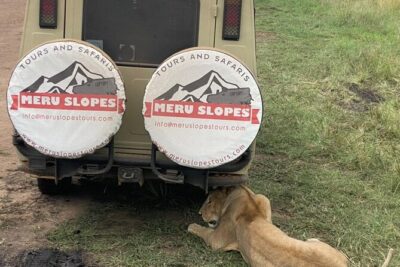 ★ 5.05 Days Camping Tarangire, Serengeti & Ngorongoro crater & Visiting MaasaiFrom $1,254229 reviews
Browse the lists this tour appears in