
REVIEW · SERENGETI NATIONAL PARK SAFARIS
3 Days Serengeti & Ngorongoro Tour
A safari this short still hits the good stuff. This 3-day Serengeti and Ngorongoro plan is built for people who want two major UNESCO wildlife areas without a week of logistics, and it runs in a small group (max 6) so your guide can actually answer questions and adjust pacing. The tradeoff is simple: with only three days, you will be moving a lot and you will have fewer chances to re-try the best sightings.
I especially like the way the itinerary leans into what makes these places different. Serengeti’s endless grasslands and kopjes (those granite rock outcrops) are a big deal for predator viewing, and you also get game drive time in Seronera Valley where wildebeest and zebra numbers are often huge. On top of that, the Ngorongoro side is about descending into a caldera that concentrates wildlife, so you can realistically spend your limited time chasing the Big Five.
One possible drawback: early mornings and long drive days are part of the package, and that can feel like a sprint if you hate waking up at daybreak. Also, while most reviews are glowing, there is at least one mention of poor service, so I’d verify key details with the operator before you go and keep your expectations clear.
In This Review
- Key points I’d plan around
- Serengeti and Ngorongoro in 3 days, what that pace really means
- Day 1 in Serengeti: endless plains, kopjes, and looking up for leopards
- Day 2: Seronera wildlife drives, picnic lunch, then Ngorongoro edge sunset
- Day 3 inside Ngorongoro: a crater built for fast Big Five odds
- Guides and food: the human difference you can feel on this small-group safari
- Price and value: does $800 make sense for two UNESCO parks?
- Who should book this tour, and who should skip it
- One last practical note before you commit
- Should you book 3 Days Serengeti and Ngorongoro?
- FAQ
- How long is the 3 Days Serengeti & Ngorongoro tour?
- Where does the tour start and end?
- What is the group size limit?
- Is pickup included?
- Do I get a mobile ticket?
- Are park admission tickets included?
- What kind of accommodation and meals are included?
- Which wildlife areas are visited?
- What time is the tour scheduled to start?
- Can I fly back the same night?
- What is the cancellation policy?
Key points I’d plan around
- Max 6 travelers means more guide attention and less chaos on the vehicle
- Serengeti kopjes and Seronera Valley are set up for big-cat odds, especially leopard country
- Ngorongoro edge sunset camping at Simba campsite puts you in the right mood for crater wildlife
- Camping plus full board keeps the budget predictable and removes hotel planning stress
- Big Five chances within a couple of hours is the main Ngorongoro selling point on this schedule
- Park tickets listed as included (Admission Ticket Free) helps make the $800 price feel more straightforward
More of the Serengeti, drive by drive
- Balloon Safari & Bush Breakfast in Serengeti – Miracle Experience★ 5.0 · 1,646 reviews
- 3 Days Serengeti & Ngorongoro Group Camping Safari★ 5.0 · 574 reviews
- 5-Day Highlights mid-Range Crater, Serengeti, Tarangire★ 5.0 · 296 reviews
- 3-Day Classic Serengeti Safari★ 5.0 · 263 reviews
Serengeti and Ngorongoro in 3 days, what that pace really means
This tour is designed as a tight loop out of the Arusha area, starting near Kilimanjaro International Airport and ending back at the meeting point. The listed start time is 12:30 am, which signals an early departure style. If you’re used to slow travel, treat this as a mission, not a lazy weekend.
The upside is momentum. You do game drives in Serengeti National Park first, then pivot toward Ngorongoro for the crater experience. That matters because Serengeti is about open plains, predators hunting around natural landmarks like kopjes, and large herds moving through the landscape. Ngorongoro is about concentration, because the crater’s geography funnels animals into a smaller stage.
You should also know that this is a shared safari. With a maximum of 6 travelers, it should feel more personal than a big bus safari, but it still won’t be a private full-control operation. The best time to manage expectations is before you leave: decide what matters most to you, Big Cats, Big Five, or just a strong safari rhythm with a great guide.
Day 1 in Serengeti: endless plains, kopjes, and looking up for leopards
Serengeti is the kind of place where the name actually makes sense. The word Siringitu is linked to the Masai meaning endless plains, and you will see why: grassland savannah stretches toward the horizon, interrupted by kopjes. Those kopjes are granite outcrops shaped by weathering, and they act like landmarks and ambush points in predator country.
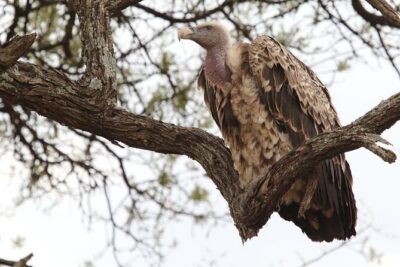
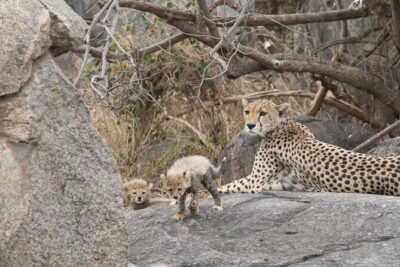
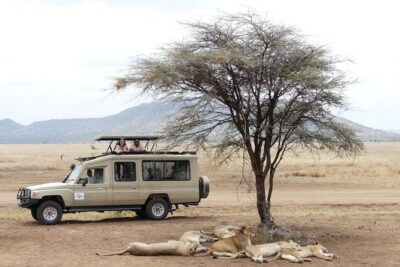
A nice practical detail here is the vehicle setup. The plan notes a viewing chance for leopards through the vehicle’s open roof. In Serengeti, leopards can be tricky because they may blend into rock and shade, so the best strategy is good positioning and patience. This route is built for both, because it links the landscape (kopjes) to your sighting opportunities.
The day then transitions into camping in the Seronera Valley area, in central Serengeti. Seronera is a logical base because it supports wildlife year-round and often delivers dense sightings. The itinerary also frames this day to get you out during the afternoon game time, then in place for the next morning push.
What I’d watch for on day 1: timing and energy. You’ll be doing a full safari day (the schedule lists about 6 hours), and you’ll then sleep in camp. If you hate sleeping in tents, this isn’t the right format. If you’re okay with a safari camp experience, you’ll probably find day 1 sets the tone fast.
Day 2: Seronera wildlife drives, picnic lunch, then Ngorongoro edge sunset
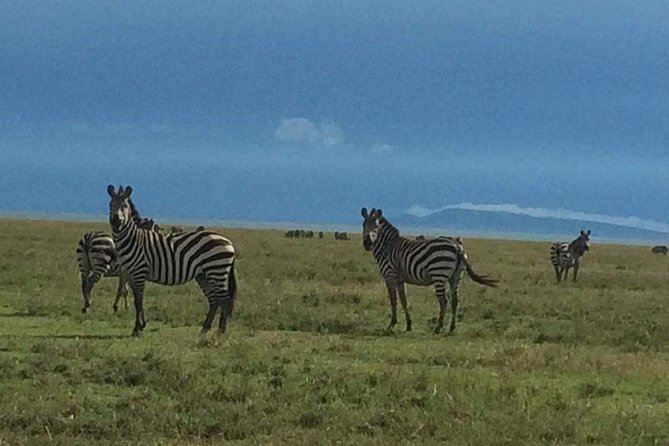
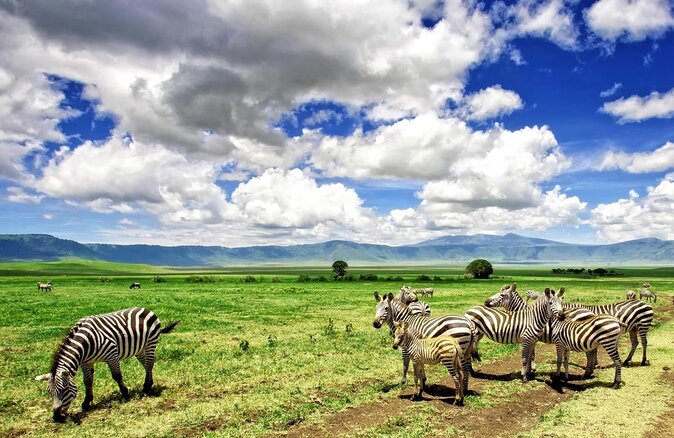
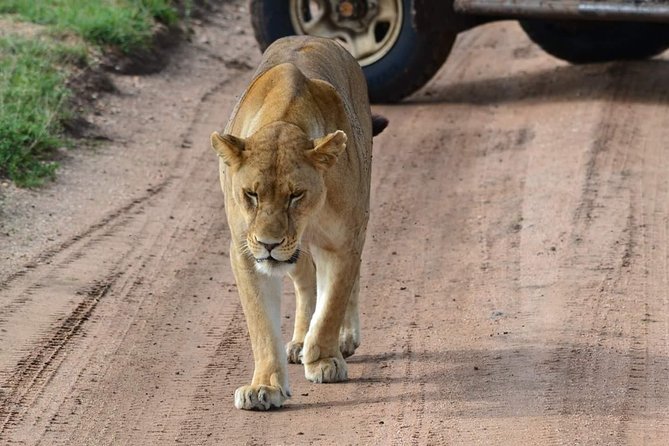
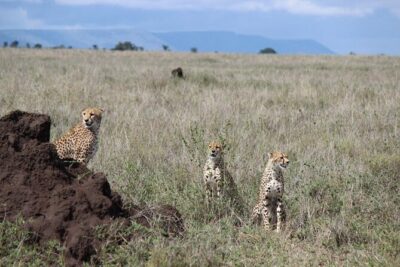
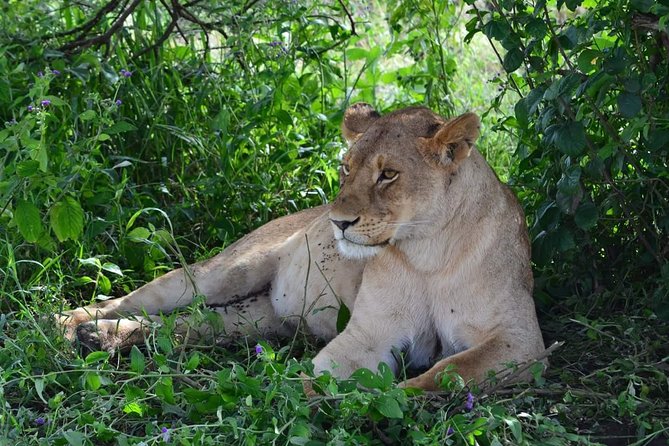
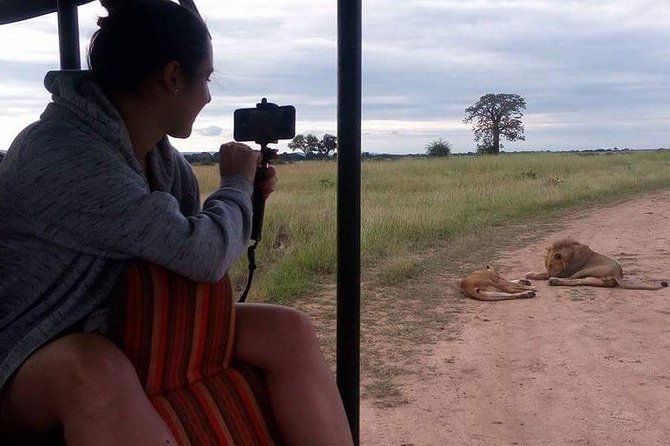
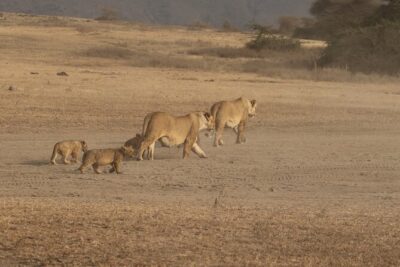
Day 2 starts with more Serengeti driving after breakfast. The focus is on the kind of big-herd action Serengeti is famous for: you can expect hundreds of wildebeests and zebras in the Seronera Valley area, plus the predators that follow them. The route explicitly calls out the possibility of lions and other big cats such as leopards and cheetahs.
Then you get lunch at a picnic site before heading toward Ngorongoro. This is a smart pacing choice for most people. Instead of cramming everything into one park, you’re given a dedicated Serengeti day and then a clean transition.
When you reach the crater rim, the tour leans into the wow factor with a broad view of the caldera. That rim perspective matters because it helps you understand what you will do the next day: descend into a place where multiple habitats sit inside one large bowl. After that, you camp for the night on the crater’s edge at Simba campsite, with time to enjoy the sunset view.
Here’s the value in that approach. Camping on the edge does two things. First, it saves you the hassle of trying to day-trip from far away. Second, it puts you at the right location for early crater viewing on day 3, since you don’t have to cross the whole distance twice.
One thing to plan for: the day is split between long wildlife time and long road time. That is part of getting both parks in three days. If you want zero driving and maximum lounging, you’ll feel the limits of a short itinerary.
Other ways down into the Ngorongoro Crater
Day 3 inside Ngorongoro: a crater built for fast Big Five odds
Day 3 is where Ngorongoro becomes more than a scenic detour. You start with early breakfast at daybreak, then drive down into the crater. Ngorongoro Crater is described as the largest unbroken caldera, and the core promise is wildlife diversity that packs a lot into a short window.
The plan highlights the main habitat zones you’ll move through: grass steppe and acacia tree woods. This matters because the species you see often depends on vegetation and shade. The tour also notes an interesting exception pattern: you will find almost all East African savannah species represented inside the crater, except topis, giraffes, and impalas.
The Big Five angle is the big headline here, with the itinerary saying you can often observe lion, elephant, buffalo, rhino, and leopard within a couple of hours. That’s not a guarantee, because wildlife is wildlife, but it is a realistic design goal for how Ngorongoro works. The crater’s concentration gives you more chances within limited time.
Later, you drive back toward Arusha for an overnight at a hotel, with timing options for your return flight. The schedule says you can fly back at night the same day or on the second day. So you should pick a flight plan that gives you buffer, especially if you want to avoid sprinting after the crater drive.
Guides and food: the human difference you can feel on this small-group safari
A lot of safari reviews come down to one thing: did the guide work the terrain for you? On this tour, the operator has strong signals of personal attention, and you can see it in the named guide experiences shared in reviews.
People mention the owner Humphrey being highly responsive even before arrival, then continuing that helpful vibe once you’re in Tanzania. That matters because it can reduce confusion when you’re trying to align your schedule with an early start.
Guides that show up in the feedback include Hassan, Bakarai, Amani, Francis, Dio, and others. The common thread is that they’re presented as skilled at taking people to the best areas and staying focused on what you want to see. If you’re the kind of traveler who will ask for animal targets in plain language, a guide who responds to that can make your limited days feel less rushed.
Then there is food. Reviews call out chefs such as Dadri, Safiri, and Raymond, with comments that the meals were excellent. Since the tour includes camping accommodation and full board, the food isn’t an added cost or a scavenger hunt. You’re also camping, so a good chef makes camp feel like a home base instead of a hardship.
Price and value: does $800 make sense for two UNESCO parks?
At $800 per person for a 3-day package, the value question is really about what’s included and how much of your safari budget gets eaten by logistics. Here, several inclusions help.
You’re getting:
- Serengeti and Ngorongoro, described as two UNESCO World Heritage sites
- Camping accommodation plus full board
- Pickup offered
- A mobile ticket
- Park admission listed as free on the activity details
When those pieces are bundled, your spending shifts from hunting for separate hotel nights, meals, and park entry to focusing on the main safari experience. In other words, it becomes easier to budget and harder for costs to creep in mid-trip.
The also-important part is group size. Max 6 travelers usually means the vehicle time and guide attention are less diluted. That can be a value win because you get more interaction per person.
What I’d consider is your comfort with camping. This isn’t a lodge-based safari package. If you want a private suite and room service, $800 is not the deal you should chase. If you’re happy with a tented camp setup and you care more about seeing animals than having a polished hotel experience, the price can feel fair.
Who should book this tour, and who should skip it
This tour is a strong fit if you:
- Have limited time and want two major parks in a short window
- Like the idea of a small group (max 6) rather than a big group safari
- Want a camping safari with full board included
- Care about big wildlife targets like leopards in Serengeti and Big Five odds in Ngorongoro
It may not be ideal if you:
- Want slow travel, minimal driving, and lots of downtime
- Dislike tent camping enough that it will ruin the experience for you
- Need a perfectly private experience, since this is shared and you’re working with a group schedule
If you’re coming from the airport area, the meeting point is near Kilimanjaro International Airport, and pickup is offered. If you’re already in Arusha, you’ll want to confirm how pickup is handled for your exact location, since the details are tied to the meeting point.
One last practical note before you commit
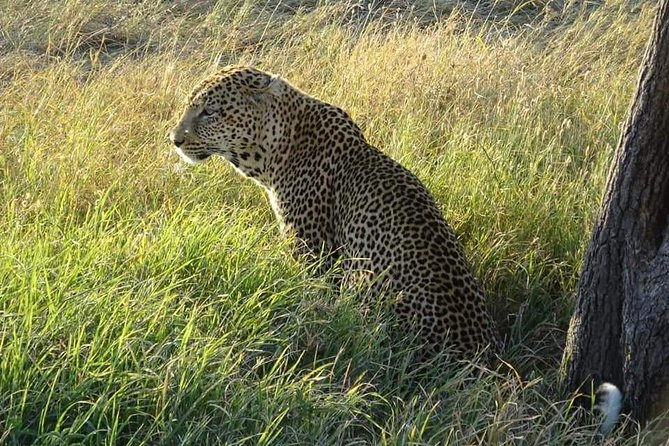
Because the itinerary is tightly scheduled and begins at a very early listed start time, your success depends on alignment: show up rested enough to handle daybreak starts, and keep your priorities straight.
The other practical tip is to be proactive with the guide. This tour format gets praised for guides like Francis, Amani, Hassan, and others doing their best to find what you want to see. Your job is to communicate your interests early, then let the guide run the plan.
Also, because one negative service review exists, I would confirm the basics in writing when you book: guide name if assigned, camp setup expectations, and your return flight timing option. The better your clarity, the smoother your safari days.
Should you book 3 Days Serengeti and Ngorongoro?
Book it if you want a compact safari that combines Serengeti’s big-cat landscape with Ngorongoro’s fast wildlife concentration, and you’re comfortable with camping and early starts. With its small group size, two UNESCO sites, and full board included, it’s built to deliver a lot of safari time without ballooning costs.
Skip it if you want a totally relaxed schedule, or if tent camping is a hard no. In that case, you’ll likely feel the “short and intense” nature of this itinerary.
Overall, if Big Cats and Big Five odds are on your list, this is a smart way to spend three days in Tanzania, especially if you value responsive guidance and a plan that doesn’t leave you guessing where your meals and beds come from.
FAQ
How long is the 3 Days Serengeti & Ngorongoro tour?
It runs for about 3 days.
Where does the tour start and end?
It starts at Kilimanjaro International Airport, and it ends back at the same meeting point.
What is the group size limit?
The maximum group size is 6 travelers.
Is pickup included?
Yes, pickup is offered.
Do I get a mobile ticket?
Yes, the tour includes a mobile ticket.
Are park admission tickets included?
The activity details list admission tickets as free, so park admission is included in the tour.
What kind of accommodation and meals are included?
Camping accommodation and full board are included.
Which wildlife areas are visited?
You visit Serengeti National Park and the Ngorongoro area (including a crater visit).
What time is the tour scheduled to start?
The listed start time is 12:30 am.
Can I fly back the same night?
The tour information says your return flight can be the same day at night or on the second day, depending on your schedule.
What is the cancellation policy?
You can cancel for a full refund up to 24 hours in advance. If you cancel less than 24 hours before the start time, the amount paid is not refunded.
Still Thinking About the Crater?
- 3 Days Serengeti & Ngorongoro Group Camping Safari
★ 5.0 · 574 reviews - 5 Days Camping Tarangire, Serengeti & Ngorongoro crater & Visiting Maasai
★ 5.0 · 229 reviews - 4 Days Join Group tour Tarangire Serengeti and Ngorongoro crater
★ 5.0 · 219 reviews - 4-Day Safari from Arusha: Tarangire, Serengeti and Ngorongoro
★ 5.0 · 173 reviews - 2 Days Tarangire and Ngorongoro Group Camping Safari
★ 5.0 · 146 reviews
The Serengeti, Three More Ways
- Balloon Safari & Bush Breakfast in Serengeti – Miracle Experience
★ 5.0 · 1,646 reviews - 3 Days Serengeti & Ngorongoro Group Camping Safari
★ 5.0 · 574 reviews - 5-Day Highlights mid-Range Crater, Serengeti, Tarangire
★ 5.0 · 296 reviews - 3-Day Classic Serengeti Safari
★ 5.0 · 263 reviews - Private 6-Day Tarangire Manyara Crater and Serengeti with Mid-Range Lodges
★ 5.0 · 238 reviews
Just added from around Arusha

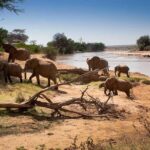
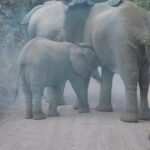
Serengeti National Park Safaris, compared.
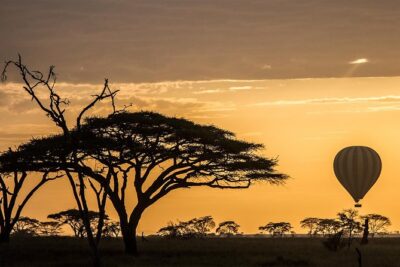 ★ 5.0Serengeti Balloon Safari and authentic bush breakfastFrom $5502,480 reviews
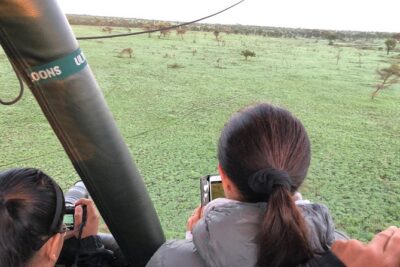 ★ 5.0Balloon Safari & Bush Breakfast in Serengeti – Miracle ExperienceFrom $5991,646 reviews
 ★ 5.03 Days Serengeti & Ngorongoro Group Camping SafariFrom $815574 reviews
 ★ 5.05-Day Highlights mid-Range Crater, Serengeti, TarangireFrom $2,327296 reviews
 ★ 5.0Safari Serengeti And NgorongoroFrom $2,845288 reviews
 ★ 5.03-Day Classic Serengeti SafariFrom $1,455263 reviews
 ★ 5.0Private 6-Day Tarangire Manyara Crater and Serengeti with Mid-Range LodgesFrom $2,685238 reviews
 ★ 5.05 Days Camping Tarangire, Serengeti & Ngorongoro crater & Visiting MaasaiFrom $1,254229 reviews
Browse the lists this tour appears in