
REVIEW · SERENGETI NATIONAL PARK SAFARIS
3 Days Safari to Serengeti National Park & Ngorongoro Crater in Tanzania
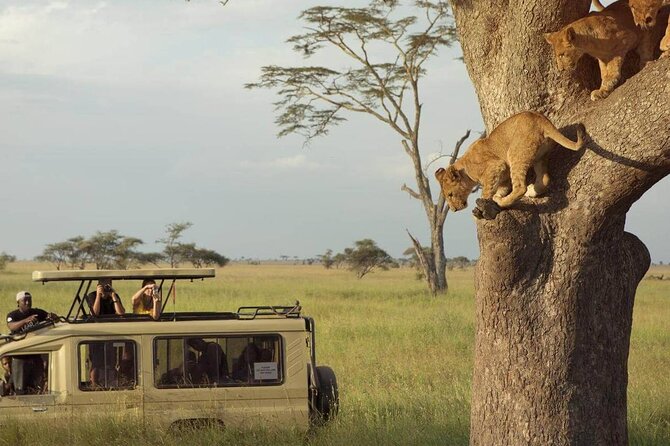
Three days, two big ecosystems, one wild ride. I like this safari because it pairs serious wildlife time in the Serengeti with a crater day at Ngorongoro, where animals show up in a way that feels almost unfair. I also like how the guides bring the day to life, with names like Albert, Jordan, and Ismael showing up in the stories people tell, and they focus on what you are seeing instead of just pointing. One consideration: the schedule is built around early starts and long drives, so if you want lazy mornings, this is not the tour for you.
The other potential tradeoff is comfort. You sleep on a camping setup, with tents and mats provided, so you should be good with basic safari lodging and getting up when the morning light hits.
In This Review
- Key takeaways before you go
- What this 3-day Serengeti and Ngorongoro safari is really about
- Day 1: Serengeti pickup, picnic lunch, and first big-cat luck
- Day 2: Morning game drives, then Olduvai Gorge and human evolution
- Day 3: Descending Ngorongoro, Big Five odds, and the soda lake break
- Private 4×4 safari vehicle: why it changes your experience
- Food, camping setup, and comfort on a safari that moves
- Wildlife highlights you can plan around, not just hope for
- Price and value: is $1,200 per person fair for what you get?
- Logistics that affect your day (and your patience)
- Who this safari suits best
- Quick practical tips to get the most out of it
- Should you book this Serengeti and Ngorongoro safari?
- FAQ
- How long is the safari?
- Where does the safari start and end?
- How many people are in the group?
- Is pickup included?
- What vehicle do you use for game drives?
- What meals are included?
- Is camping equipment provided?
- Are park fees included?
- Do you get a ticket for entry or access?
- What is not included in the price?
Key takeaways before you go
Private, custom 4×4 with fuel included means you can chase the best sightings without sharing a bus-style vehicle with strangers.
Serengeti plus Ngorongoro in only 3 days is a fast pace, but it is a great first safari combo.
Olduvai Gorge stop with an evolution museum adds a thoughtful break from pure wildlife hunting.
Black rhino is part of the promise at Ngorongoro, and the crater also brings flamingos to the soda lake area.
Small group size up to 7 travelers keeps the vibe friendly and flexible on game drives.
Food and staffing show up in the praise with chefs named like John and Mtumishi helping make the trip feel well cared for.
More of the Serengeti, drive by drive
- Balloon Safari & Bush Breakfast in Serengeti – Miracle Experience★ 5.0 · 1,646 reviews
- 3 Days Serengeti & Ngorongoro Group Camping Safari★ 5.0 · 574 reviews
- 5-Day Highlights mid-Range Crater, Serengeti, Tarangire★ 5.0 · 296 reviews
- 3-Day Classic Serengeti Safari★ 5.0 · 263 reviews
What this 3-day Serengeti and Ngorongoro safari is really about
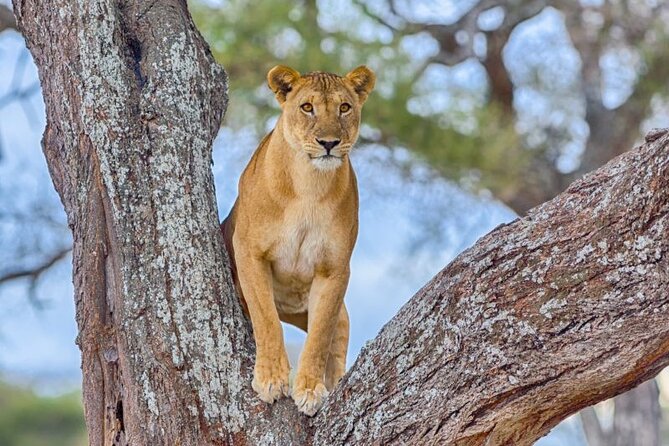
This is a classic Tanzania sampler, built for people who want two headline ecosystems without spending a week in transit. Day 1 and Day 2 center on the Serengeti National Park, with game drives timed for the hours when animals are most active. Day 3 is the big crater move, where you descend into Ngorongoro Crater for close-up wildlife watching.
The value angle is not just that you get famous parks. It is how the experience is packaged: pickup from Arusha, a private 4×4 custom safari vehicle, English-speaking guiding, and meals that keep you going from early morning to the evening. It is also structured for small groups, with a maximum of 7 travelers, which matters when you are trying to hear the guide and get everyone positioned for sightings.
If you care about seeing real behavior, not just photos, the timing helps. Serengeti game drives are often best early, and the tour explicitly leans into mornings. Then Ngorongoro shifts the game, because the crater setting can concentrate wildlife within a day.
Day 1: Serengeti pickup, picnic lunch, and first big-cat luck
Your day starts early. Breakfast is around 0600, then pickup happens about 0700 from your Arusha hotel area. From there, you drive into the Great Serengeti National Park with a picnic lunch packed along the way.
The reason this opening day matters is simple. In the Serengeti, your first hours tend to shape your expectations. You are going in with the right mindset because the tour is designed around being out when wildlife is on the move, not when the day is already cooking.
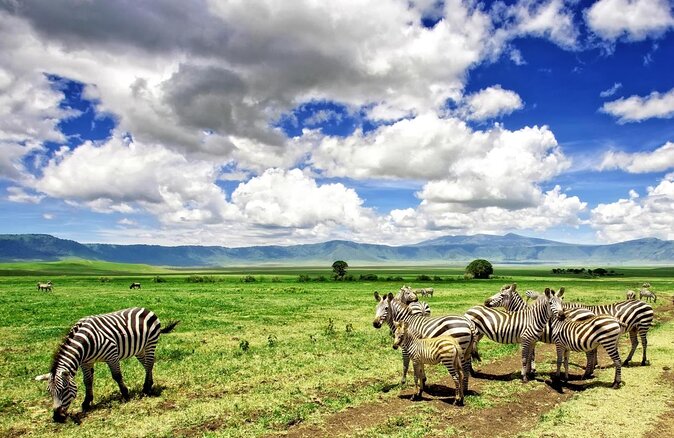
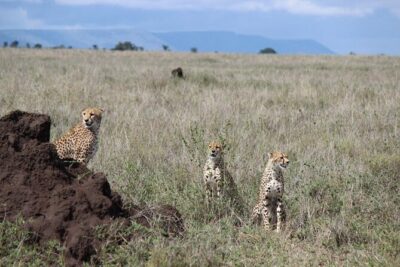
Once you are in the park, you are in the thick of what Serengeti is famous for. The animal list is wide, including lions, leopards, elephants, cheetahs, buffalo, zebra, wildebeest, eland, wild dog, gazelles, and even crocodiles. Even if you do not see everything, the park is set up for that kind of variety. One moment you are watching zebras and wildebeest feeding, and the next you might get a glimpse of a predator patterning its approach.
Practical tip: this is a long day with a lot of sitting and scanning from the vehicle. Bring something for the early morning chill and be ready for dust. You will get the best results if you stay alert right away, not after lunch.
Day 2: Morning game drives, then Olduvai Gorge and human evolution
Day 2 ramps up even faster in spirit. You wake around 0600 for early game drives at about 0900, then head back to breakfast. After that, the tour gives you a smart change of pace by adding Olduvai Gorge.
This is where you go beyond animals and into the human story of the region. The stop includes the Olduvai Gorge area and a small museum that documents archaeological discoveries connected to human evolution. The highlights include the role of Louis and Mary Leakey, who pioneered excavation work. It is not a long museum marathon, but it gives context, and it helps you see why this part of Tanzania is more than a wildlife postcard.
Then you transition back to the wildlife rhythm. You check out and drive with lunch and game viewing en route to the Ngorongoro Crater Rim. That in-between time is useful, because it prevents the day from feeling like a hard switch from safari to sightseeing. It stays connected.
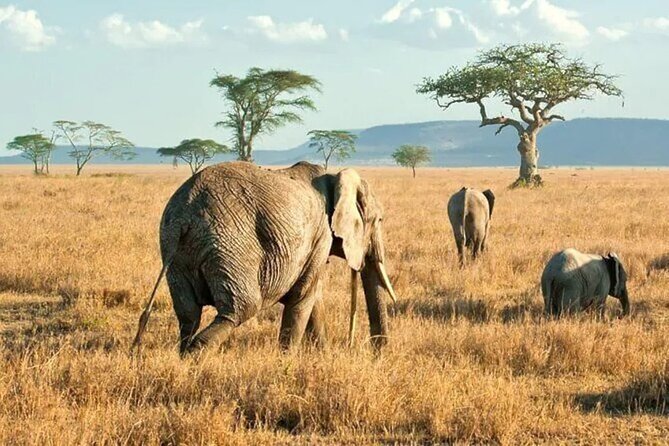
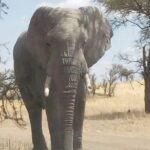
There is also an interesting educational angle built into the animal talk. The tour includes learning about elephant life stages, and the way it is framed helps you notice details you might otherwise miss. Instead of just seeing elephants, you start looking at how they move through different stages of life and behavior.
Other ways down into the Ngorongoro Crater
Day 3: Descending Ngorongoro, Big Five odds, and the soda lake break
Ngorongoro Crater is where the tour earns its reputation. You have breakfast early, then depart about 0700 to drive to the crater. The key event is the descent into the crater floor for game drives.
The numbers alone are worth picturing. The crater is about 19.2 km in diameter and roughly 610 m deep, with around 304 sq km of crater floor. That “bowl” effect is part of the magic, because it can concentrate wildlife in a way that feels easier to work with than spreading out across endless savanna.
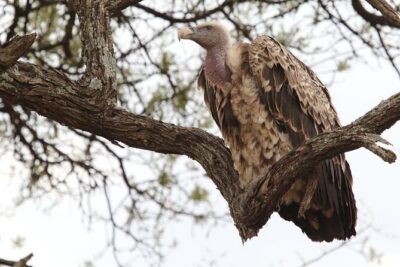
Inside the crater, the tour focuses on classic targets. The big five are part of the promise here: rhino, lion, leopard, buffalo, and elephant. Birds are also a major deal. The itinerary specifically mentions flamingos on the Soda Lake, plus geese, storks, and vultures. Even when you are focused on the big mammals, bird moments can be surprisingly memorable in Ngorongoro’s crater setting.
Lunch is taken at the Ngoitoktok spring picnic site. This matters more than it sounds. You get a break that is actually located in the crater area, so you are not rushed through eating and then immediately back into scanning mode.
Wildlife note: the black rhino is often what people come for. The tour’s framing makes that the featured highlight, and Ngorongoro is one of Tanzania’s best places for seeing rhinos. Still, wildlife is wildlife. You should go with a mindset of high probability and flexible expectations.
Private 4×4 safari vehicle: why it changes your experience
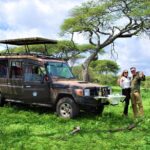
A private safari vehicle is not a luxury add-on here. It is part of how you get better views and better timing. This tour uses a private 4×4 custom-built safari vehicle with a knowledgeable driver/guide and fuel included.
What that translates to in real life: you can adjust. If your guide sees a promising animal line or a safer approach route, you can move without waiting on a group schedule. You can also spread out inside the vehicle better when everyone is not sharing the same cramped space with too many strangers.
Small group size helps too. With a maximum of 7 travelers, the guide can keep track of what everyone wants to see. People also call out how the driving and spotting skills made a difference, with guides and drivers named in the stories like Frankie and Bryson. There is a pattern there: people feel like they were put in the right positions at the right time.
Food, camping setup, and comfort on a safari that moves
You get two dinners and two lunches, plus breakfast. Breakfast and meals are built into the daily timing, so you are not stuck hunting for food during peak wildlife hours.
The included camping equipment covers the essentials: tents, sleeping mats, and camping furniture. That means you are not relying on your own gear for the big items. But it does mean you should pack for conditions rather than expecting hotel bedding.
Based on the feedback themes, food quality is a standout part of the experience. Chefs named in reviews include John and Mtumishi, and the praise focuses on meals that keep you well fed and ready to go again in the morning. That matters because in safari life, energy is everything. If you get behind on meals, the whole trip feels harder than it should.
One consideration: camping is part of the deal. If you want private bathrooms, padded beds, and room service vibes, you will likely want a different style of safari that stays in lodges.
Wildlife highlights you can plan around, not just hope for
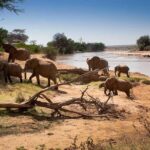
This tour is built around the idea that you should see a mix of predators, herbivores, and birds. The Serengeti days list animals across the food chain, including lions, cheetahs, leopards, elephants, buffalo, zebra, wildebeest, eland, and wild dog. That wide spread is what keeps each game drive feeling different.
There is also a recurring theme in the stories people share: successful sightings. Some groups report seeing the Big Five on their run, and a few mention multiple rhinos. You should not count on a specific species count, but the overall probability is supported by the parks themselves and by the fact that the tour prioritizes game-drive timing.
Ngorongoro adds the crater and soda lake angle. Flamingos on the Soda Lake, plus the chances for rhino and the classic big mammals, make it feel like two safaris in one trip. One day you are watching movement across open plains, then the next you are watching life in a natural amphitheater.
Price and value: is $1,200 per person fair for what you get?
At $1,200 per person for an about 3-day safari, the value depends on what you compare it to. What you are paying for here is not just vehicle time in the parks. You are also getting national park fees included, camping equipment provided, and a private 4×4 with fuel, plus an English-speaking guide.
You also get meals across the full schedule: breakfast, lunch twice, and dinner twice. In Tanzania safari budgeting, those inclusions matter because meals and transport can add up fast when you do things on your own.
Another value lever is the group size and vehicle style. A smaller group and a private vehicle often translate into better sighting logistics and a more relaxed pace inside the vehicle. That can be the difference between rushing and really watching.
So is it a bargain? For the structure you get, it often feels like strong value. Just remember what is not included: international flights, Tanzania visa, tips, travel insurance, and personal expenses like laundry and communication. Those extras can shift the total cost.
Logistics that affect your day (and your patience)
The driving and timing matter a lot on safari. Breakfast is around 0600, pickup is around 0700, and your game drives are planned around daylight activity. That means you will want to sleep early the night before each big drive day.
The itinerary also includes transfers back to your starting meeting point at the end of the activity. So the experience is designed as a closed loop from Arusha and back.
Also note the tour uses a mobile ticket. That is handy because it reduces paper chasing. You still want to make sure your phone battery is solid on travel days.
Finally, group cap at 7 can help with timing. But it also means the tour is not a giant machine. If you are the type who thrives on constant change and social chaos, this might feel calmer than you expect.
Who this safari suits best
This tour fits best if you want a first-time or first-big-park safari that hits two major Tanzania highlights in a short window. It is also a good match for people who value guiding and explanations, since the included learning moments go beyond spotting.
If you are traveling with kids, the reports are encouraging, because early sightings like lions and zebras can land hard in the memory. The tour is also described as organized and well paced, which helps families manage the early hours.
If you are an older traveler or someone who hates rough sleep setups, camping could be the limiting factor. The tour says most travelers can participate, but your comfort preference will decide whether the camping style works.
Quick practical tips to get the most out of it
- Pack for layers. Mornings can feel cool early, and afternoons can warm up quickly.
- Bring a hat and sun protection. Safari days add up under bright sky.
- Plan for dusty conditions. If you hate grit, wipe-down wipes and a small towel help.
- Have realistic expectations about rhinos. Ngorongoro gives strong odds, but wildlife never promises a guaranteed sighting.
- Bring patience for the early schedule. The best game-drive energy comes when you are not grumpy.
Should you book this Serengeti and Ngorongoro safari?
If you want a compact safari that hits Serengeti and Ngorongoro Crater with private 4×4 driving, meals included, and camping gear covered, I think this is a solid choice. It is also strong for first-timers because the route is built around common beginner questions: when to drive, what to look for, and how to make sense of animal behavior.
I would only hesitate if you need lodge-level comfort or you really cannot do early mornings and long sitting hours. For everyone else, this is a great way to get close to big wildlife and still fit in the Olduvai evolution museum stop, which gives your trip depth beyond the savanna photo hunt.
FAQ
How long is the safari?
The safari runs for about 3 days.
Where does the safari start and end?
It starts in Arusha, Tanzania and ends back at the meeting point.
How many people are in the group?
The maximum group size is 7 travelers.
Is pickup included?
Yes, pickup from your hotel is offered.
What vehicle do you use for game drives?
You use a private 4×4 custom safari vehicle with a knowledgeable driver/guide and fuel included.
What meals are included?
Breakfast is included, plus lunch (2) and dinner (2) during the trip.
Is camping equipment provided?
Yes. Camping equipment such as tents, sleeping mats, and camping furniture is included.
Are park fees included?
Yes, national park fees are included.
Do you get a ticket for entry or access?
A mobile ticket is provided, and national park fees are included in the package.
What is not included in the price?
International flights, Tanzania visa, tips, personal expenses like laundry and communication, and travel insurance are not included.
Still Thinking About the Crater?
- 3 Days Serengeti & Ngorongoro Group Camping Safari
★ 5.0 · 574 reviews - 5 Days Camping Tarangire, Serengeti & Ngorongoro crater & Visiting Maasai
★ 5.0 · 229 reviews - 4 Days Join Group tour Tarangire Serengeti and Ngorongoro crater
★ 5.0 · 219 reviews - 4-Day Safari from Arusha: Tarangire, Serengeti and Ngorongoro
★ 5.0 · 173 reviews - 2 Days Tarangire and Ngorongoro Group Camping Safari
★ 5.0 · 146 reviews
The Serengeti, Three More Ways
- Balloon Safari & Bush Breakfast in Serengeti – Miracle Experience
★ 5.0 · 1,646 reviews - 3 Days Serengeti & Ngorongoro Group Camping Safari
★ 5.0 · 574 reviews - 5-Day Highlights mid-Range Crater, Serengeti, Tarangire
★ 5.0 · 296 reviews - 3-Day Classic Serengeti Safari
★ 5.0 · 263 reviews - Private 6-Day Tarangire Manyara Crater and Serengeti with Mid-Range Lodges
★ 5.0 · 238 reviews
Just added from around Arusha
Serengeti National Park Safaris, compared.
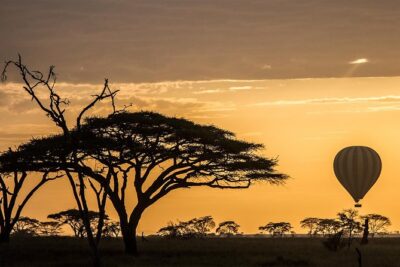 ★ 5.0Serengeti Balloon Safari and authentic bush breakfastFrom $5502,480 reviews
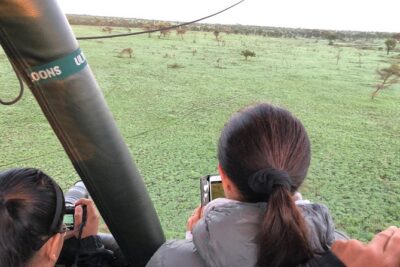 ★ 5.0Balloon Safari & Bush Breakfast in Serengeti – Miracle ExperienceFrom $5991,646 reviews
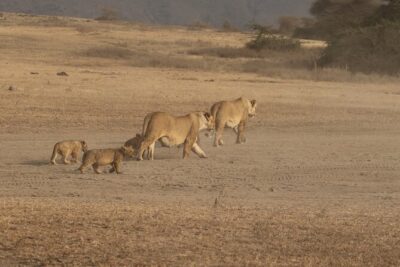 ★ 5.03 Days Serengeti & Ngorongoro Group Camping SafariFrom $815574 reviews
 ★ 5.05-Day Highlights mid-Range Crater, Serengeti, TarangireFrom $2,327296 reviews
 ★ 5.0Safari Serengeti And NgorongoroFrom $2,845288 reviews
 ★ 5.03-Day Classic Serengeti SafariFrom $1,455263 reviews
 ★ 5.0Private 6-Day Tarangire Manyara Crater and Serengeti with Mid-Range LodgesFrom $2,685238 reviews
 ★ 5.05 Days Camping Tarangire, Serengeti & Ngorongoro crater & Visiting MaasaiFrom $1,254229 reviews
Browse the lists this tour appears in