
REVIEW · SERENGETI NATIONAL PARK SAFARIS
3 Days Safari Serengeti & Ngorongoro Crater
Three days, two parks, lots of wildlife. This safari strings together Serengeti and Ngorongoro Crater with camping, park fees, and time in the field to chase everything from big cats to black rhino. With a max group size of 6, it also feels more personal than the usual mega-safari shuffle.
I especially like the way the schedule leans into the best daylight for animals, with early starts on both wildlife-heavy days. And I like that the trip isn’t just game drives, it’s also built around meals included plus camping gear so you are not scrambling after a long day.
One consideration is the pace. You’ll deal with an 8-hour drive from Arusha to reach the Serengeti area, and the early mornings keep coming, especially on Day 2 and Day 3.
In This Review
- Key points at a glance
- Two parks in three days: how Serengeti and Ngorongoro complement each other
- Day 1 from Arusha to Serengeti, plus Ngorongoro viewpoint and Maasai village
- Day 2 early Seronera game drive and sleeping at Simba campsite
- Day 3 black rhino odds on the crater floor, then back to Arusha
- Camping setup, gear, and meals that keep the safari moving
- Your guide and vehicle style, what to watch for in the field
- Price and value: what the $750 covers and what you should budget
- Who should book, and who might want a slower option
- Should you book this 3-day Serengeti and Ngorongoro safari?
- FAQ
- Do you get picked up in Arusha?
- How many people are in the group?
- Which parks are included?
- Are park entrance and vehicle fees included?
- What meals are included?
- Is camping gear provided?
- What is not included in the price?
- What time do you descend into the crater?
- Can I cancel for a full refund?
Key points at a glance
- Small group size (max 6) for a calmer safari experience and more flexibility during drives
- Serengeti + Ngorongoro covers two very different wildlife settings in just 3 days
- Early game drives (including a crater descent at 6:15 am) for better odds at key sightings
- Camping is handled for you with tents plus sleeping bag and mattress
- All park and vehicle fees included, so fewer surprise costs at the gates
- Optional Maasai village visit adds cultural context if it fits your interests
More of the Serengeti, drive by drive
- Balloon Safari & Bush Breakfast in Serengeti – Miracle Experience★ 5.0 · 1,646 reviews
- 3 Days Serengeti & Ngorongoro Group Camping Safari★ 5.0 · 574 reviews
- 5-Day Highlights mid-Range Crater, Serengeti, Tarangire★ 5.0 · 296 reviews
- 3-Day Classic Serengeti Safari★ 5.0 · 263 reviews
Two parks in three days: how Serengeti and Ngorongoro complement each other
This is a smart combo because Serengeti and Ngorongoro Crater do different things for wildlife viewing. Serengeti is open and wide, so you’re in “spot and track” mode. Ngorongoro is a floor crater, so you’re in “watch them come to you” mode, especially as animals gather in predictable areas.
In practice, that means you’re not hoping for one miracle. You’re stacking chances across multiple drives. I also like that the itinerary includes a crater viewpoint stop early on Day 1, so you get a mental picture of what’s coming before the full descent on Day 3.
The other big value here is the camping framework. Two nights of camping keeps you closer to the action instead of wasting daylight on long hotel shuttles. It’s not glamorous, but it is efficient, and efficiency matters when you’re trying to maximize wildlife sightings.
Day 1 from Arusha to Serengeti, plus Ngorongoro viewpoint and Maasai village
Day 1 starts with breakfast in Arusha, then you hit the road for about an 8-hour drive. The timing isn’t just about getting there, it’s about how you’re routed through the Ngorongoro conservation area. Along the way, you’ll make a brief stop at the crater gate and viewpoint for about 20 minutes.
That short viewpoint stop is genuinely useful. Ngorongoro is hard to understand from a map, but from above you can grasp the scale of the crater bowl and why sightings feel different once you descend. Even with just a quick look, it helps you notice things later on Day 3.
After that, your Day 1 includes an optional Maasai village visit. If you choose to go, you’ll hear stories tied to Maasai culture and traditions. The tour description notes warrior traditions connected to hunting lions historically and cultural practices that have changed over time. It also mentions drinking raw animal blood as a tradition that is said to have become rare, with exception of drinking blood still described in some contexts.
If you do the Maasai village visit, keep expectations grounded. This is a cultural stop, not a wildlife guarantee. Plan to be respectful, ask questions, and treat it like a chance to learn how people interpret their own heritage.
By the end of the long travel day, you’re set up to spend the next morning in deeper Serengeti game-viewing time.
Day 2 early Seronera game drive and sleeping at Simba campsite
Day 2 is where the safari rhythm really kicks in. You start with an early breakfast at 6:30 am, then go on an early game drive. Early driving matters because animals are often more active, and mornings tend to offer clearer sightings.
This day focuses on Serengeti with an extended chunk of time for wildlife spotting, then you shift gears toward camp. You’ll head to camp for lunch, and during the afternoon you do additional driving while exiting Serengeti toward Simba campsite, which sits near the rim of Ngorongoro.
One detail I like: animals can be spotted around the campsite area. That means you’re not “off safari” after lunch. Even if you’re resting, the environment can still deliver surprises.
Sleep setup is practical. Your camping package includes tents, and you’re provided with a sleeping bag and mattress. Comfort won’t be the same as a hotel bed, but the point is you’re not left to figure out gear logistics on your own.
Overnight is at Simba campsite Ngorongoro, which positions you perfectly for the crater-focused day ahead.
Other ways down into the Ngorongoro Crater
Day 3 black rhino odds on the crater floor, then back to Arusha
Day 3 is all about timing and the crater experience. After an early breakfast, you descend into Ngorongoro at 6:15 am. The tour is explicit about why that matters: black rhino is described as the hardest rhino to spot, and the crater floor can make visibility and detection the challenge.
Here’s the honest way to plan your expectations. You can do everything right, follow your guide’s lead, and still not see black rhino. But you’re in the right place and the schedule is built for your best shot, with the day starting early.
After the crater descent and the morning search, you’ll return for lunch. Then you do more game driving and ascend back out toward camp to pack for the trip back to Arusha town. Depending on your flight time, a safari transfer to the airport is included.
One reason this day feels intense is because the crater is concentrated. Wildlife tends to show up in patterns, and when it does, it can be surprisingly close and easy to observe from the vehicle without chasing distances all day.
Camping setup, gear, and meals that keep the safari moving
This is one of the best “comfort to effort” ratios I’ve seen for a short safari. The tour provides camping equipment including tents plus a sleeping bag and mattress, and it includes meals for the full 3 days.
Meal count is straightforward:
- Breakfast: 2
- Lunch: 3
- Dinner: 2
That matters because camping safaris can fall apart when you are hungry or eating inconsistently. Here, you are covered from morning through night, including lunch on driving days when you really need fuel to stay alert.
The food quality shows up in the feedback with repeated praise for breakfast, lunch, and dinner. I also saw mentions of a chef and meals prepared in camp that keep the day from feeling like a chore. When the meals are solid, you’re more willing to get up early and stay patient during slower wildlife moments.
A practical note for you: camping still means wind, dust, and early mornings. Your best move is to pack light layers, keep a small dry-bag for camera gear, and accept that “sleeping like at home” is not the goal. The goal is waking up ready to search for animals again.
Your guide and vehicle style, what to watch for in the field
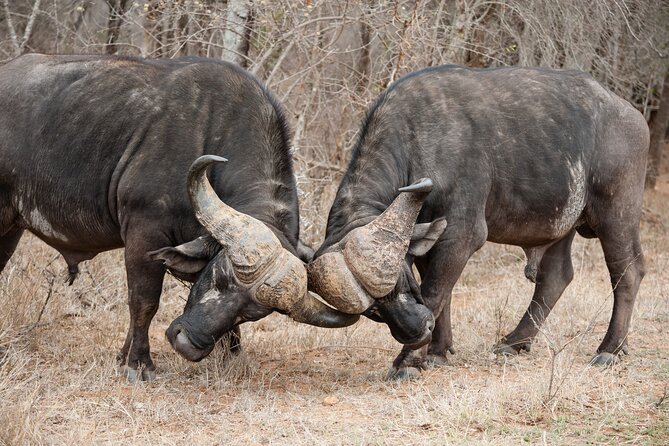
The safari experience lives or dies with the guide. This operator is associated with guides such as Assad, David, and Mike in the provided info, and you’ll get a similar theme regardless of which name you end up with.
The consistent emphasis is spotting ability and communication. Guides are described as scanning carefully, explaining animal behavior, and working hard to find animals without wasting your time. That’s not just nice for learning, it also boosts your odds of seeing more because you’re reacting to what’s actually happening on the ground.
Vehicle care also gets mentioned. There are notes about a driver being skilled and maintaining the vehicle well, which matters when roads get rough and you want the ride to stay smooth enough for long game drive days.
If you want to get the most out of the day, pay attention to how your guide handles stops. Good guiding means:
- slowing down when something looks promising
- repositioning for sightlines without being jerky
- explaining what you’re seeing, not just naming animals
Also, if you can, ask your guide what they are targeting that morning. With a schedule that includes a crater descent for black rhino, your guide can often tailor the search strategy.
Price and value: what the $750 covers and what you should budget
The price is $750 per person for roughly 3 days. That is not cheap, but the value is clearer when you look at what’s included.
Included costs cover:
- All park entrances and taxes
- Vehicle fees
- Camping equipment (tents, sleeping bag, mattress)
- All meals listed earlier
- Two nights of camping, one at Simba campsite near Ngorongoro
That’s the big deal. A lot of safari pricing gets messy fast when you add fees separately. Here, park and vehicle fees are bundled into the cost, so you’re paying for the actual safari logistics rather than getting hit later at gate points.
What’s not included is also clear:
- flights
- tips
- visas fee
My practical advice: budget a little extra for tips if you feel the service matches the effort. And if you’re coming from overseas, treat flight costs as your separate line item, since the safari price does not include them.
As for drinks, there are mentions of a supply of drinks during the journey, including both non-alcohol and alcohol on some trips. The tour data doesn’t spell this out as a formal inclusion, so I would ask ahead if you care about what’s available.
Who should book, and who might want a slower option
This safari fits best if you want a strong wildlife hit in a compact time window. It’s a good choice for:
- first-time safari travelers who want two major ecosystems (Serengeti and Ngorongoro)
- people who prefer camping that is organized for them
- couples or small groups who like having the vehicle and guide more focused on them
It may be less ideal if you:
- hate early mornings and long travel days
- want a fully relaxed pace with lots of downtime
- need hotel-style comfort every night
The wording says most travelers can participate, but that’s not the same as guaranteeing comfort for every body type. If you have mobility concerns, I’d look at the crater descent schedule and the early start intensity and make sure that pace works for you.
There’s also room to personalize. In the information provided, some people described changes to the route that added other parks and village stops. If you have a must-see list, it’s worth asking what customization might be possible within this general format.
Should you book this 3-day Serengeti and Ngorongoro safari?
I’d book it if you want a high-odds wildlife itinerary that also handles the practical stuff. Small group size, included park fees, and organized camping gear remove a lot of friction. The schedule is built around early viewing time, and the Ngorongoro descent at 6:15 am is the kind of planning that increases your chance of seeing harder targets like black rhino.
I would not book it if you want a lazy vacation pace. This is active travel with a long first driving day and early starts that do not slow down.
If you’re deciding between this and a longer safari, think about your priority. If your priority is seeing both Serengeti and Ngorongoro without spending a week on the road, this delivers. If your priority is comfort and zero pressure, you may prefer a longer route with fewer transitions.
FAQ
Do you get picked up in Arusha?
Yes, pickup is offered. The tour starts in Arusha, Tanzania.
How many people are in the group?
The group size is capped at a maximum of 6 travelers.
Which parks are included?
The safari includes game drives in Serengeti National Park and the Ngorongoro Crater area within the Ngorongoro Conservation Area.
Are park entrance and vehicle fees included?
Yes. Park entrances and taxes, plus vehicle fees, are included.
What meals are included?
You get breakfast for 2 days, lunch for 3 days, and dinner for 2 days.
Is camping gear provided?
Yes. Camping equipment is included, including tents plus a sleeping bag and mattress.
What is not included in the price?
Flights are not included. Tips and visa fees are also not included.
What time do you descend into the crater?
You descend into Ngorongoro at 6:15 am on Day 3.
Can I cancel for a full refund?
Yes. Free cancellation is available if you cancel at least 24 hours in advance of the start time for a full refund. If you cancel less than 24 hours before, the amount paid will not be refunded.
Still Thinking About the Crater?
- 3 Days Serengeti & Ngorongoro Group Camping Safari
★ 5.0 · 574 reviews - 5 Days Camping Tarangire, Serengeti & Ngorongoro crater & Visiting Maasai
★ 5.0 · 229 reviews - 4 Days Join Group tour Tarangire Serengeti and Ngorongoro crater
★ 5.0 · 219 reviews - 4-Day Safari from Arusha: Tarangire, Serengeti and Ngorongoro
★ 5.0 · 173 reviews - 2 Days Tarangire and Ngorongoro Group Camping Safari
★ 5.0 · 146 reviews
The Serengeti, Three More Ways
- Balloon Safari & Bush Breakfast in Serengeti – Miracle Experience
★ 5.0 · 1,646 reviews - 3 Days Serengeti & Ngorongoro Group Camping Safari
★ 5.0 · 574 reviews - 5-Day Highlights mid-Range Crater, Serengeti, Tarangire
★ 5.0 · 296 reviews - 3-Day Classic Serengeti Safari
★ 5.0 · 263 reviews - Private 6-Day Tarangire Manyara Crater and Serengeti with Mid-Range Lodges
★ 5.0 · 238 reviews
Just added from around Arusha
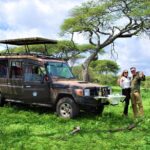
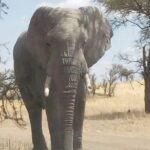
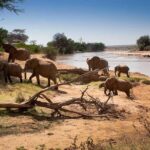
Serengeti National Park Safaris, compared.
 ★ 5.0Serengeti Balloon Safari and authentic bush breakfastFrom $5502,480 reviews
 ★ 5.0Balloon Safari & Bush Breakfast in Serengeti – Miracle ExperienceFrom $5991,646 reviews
 ★ 5.03 Days Serengeti & Ngorongoro Group Camping SafariFrom $815574 reviews
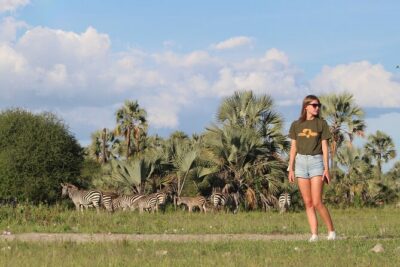 ★ 5.05-Day Highlights mid-Range Crater, Serengeti, TarangireFrom $2,327296 reviews
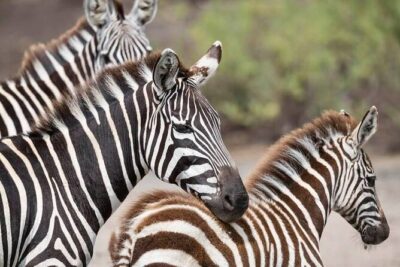 ★ 5.0Safari Serengeti And NgorongoroFrom $2,845288 reviews
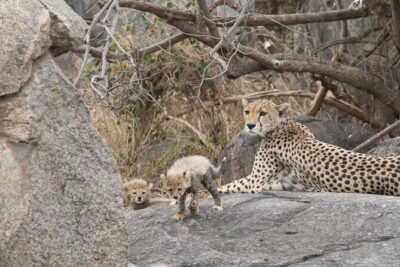 ★ 5.03-Day Classic Serengeti SafariFrom $1,455263 reviews
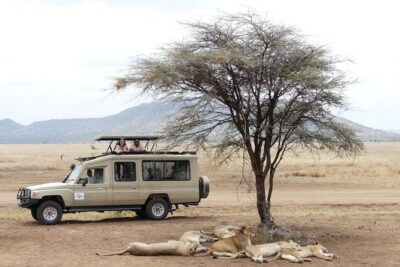 ★ 5.0Private 6-Day Tarangire Manyara Crater and Serengeti with Mid-Range LodgesFrom $2,685238 reviews
 ★ 5.05 Days Camping Tarangire, Serengeti & Ngorongoro crater & Visiting MaasaiFrom $1,254229 reviews
Browse the lists this tour appears in