
REVIEW · SERENGETI NATIONAL PARK SAFARIS
3 Days Safari Ngorongoro Crater and Serengeti National Park
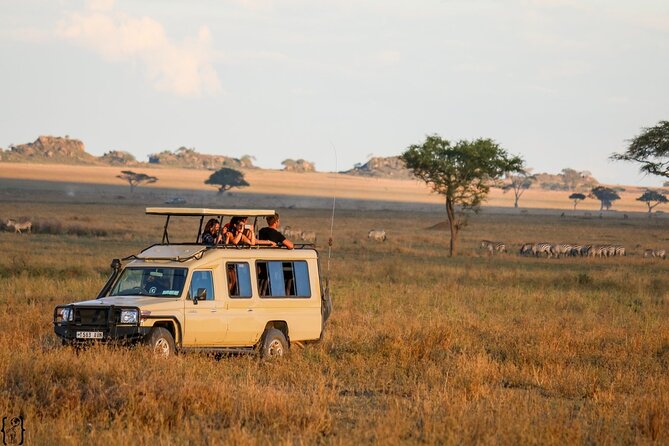
Big skies, serious wildlife, short days. This 3-day camping safari links Serengeti National Park and the Ngorongoro Conservation Area, with game drives built around changing habitats and animal movement.
Two things I like a lot are the focus on both open-plains Serengeti and the crater’s enclosed ecosystem, plus the strong human factor. You’ll typically be looked after by a small team, and guides often named in past trips include Felix, Christian, Bulldozer, and Simon, with support and quick replies that can happen by WhatsApp or phone.
One consideration: this route is fast, and some animals are not a sure thing. In Ngorongoro, for example, giraffes, oribi, cheetahs, spotted hyenas, and other species are described as rarely seen, so this is best for people who enjoy wildlife surprises more than a guaranteed checklist.
In This Review
- Key highlights that matter
- Serengeti to Ngorongoro in 3 days: why the pacing works
- Day 1 in Serengeti: southern parks, Serengit plains, and hippos
- Day 2 in Serengeti: kopjes, elephant stories, and a night near Ngorongoro
- Ngorongoro Crater on Day 3: Big Five odds, Maasai bomas, and Leakey connections
- Camping safari reality check: what the included meals and tents mean
- Guide and group size: small group means less chaos
- Price and value for $810: what you’re really buying
- What you might see, and what to set aside for later
- Practical packing and preparation for quick safari days
- Should you book this 3-day Serengeti and Ngorongoro camping safari?
- FAQ
- How long is the 3 Days Safari Ngorongoro Crater and Serengeti National Park?
- Where does the safari start?
- What parks will I visit?
- Is camping included?
- What meals are included?
- Are park admission tickets included?
- How many people are in the group?
- Do I need to pay tips or a visa separately?
- Can I cancel for a full refund?
Key highlights that matter
- Serengeti through the Ngorongoro gate: you start in the southern sector, then work your way across major regions like Seronera Valley.
- Hippo habitat stop: you get a close-up wildlife moment beyond the usual open-road game drive.
- Moru Kopjes and predator viewpoints: kopjes give you vantage points predators use to spot prey.
- Ngorongoro crater time plus a night in the park: staying close helps you catch crater wildlife without rushing back immediately.
- Big Five chances in a day: Ngorongoro is described as offering year-round Big Five viewing potential.
- All meals covered for the safari days: 2 breakfasts, 3 lunches, and 2 dinners are included.
More of the Serengeti, drive by drive
- Balloon Safari & Bush Breakfast in Serengeti – Miracle Experience★ 5.0 · 1,646 reviews
- 3 Days Serengeti & Ngorongoro Group Camping Safari★ 5.0 · 574 reviews
- 5-Day Highlights mid-Range Crater, Serengeti, Tarangire★ 5.0 · 296 reviews
- 3-Day Classic Serengeti Safari★ 5.0 · 263 reviews
Serengeti to Ngorongoro in 3 days: why the pacing works
This safari earns its value by doing two headline areas in one trip: Serengeti first, then Ngorongoro crater as the finale. In a short time, that matters, because you avoid the most common mistake on Tanzania safaris, which is seeing only one ecosystem.
Serengeti gives you the wide, “endless plains” feeling the Maasai call Serengit. Ngorongoro gives you the opposite mood: a ring of dramatic crater terrain where animals can concentrate, and where sightings are often easier to find because the environment funnels movement.
You’ll also travel with a small group, maximum 6 travelers. That tends to make the whole day run smoother, from getting into and out of the vehicle to hearing the guide’s wildlife spotting calls clearly.
Day 1 in Serengeti: southern parks, Serengit plains, and hippos
Your day starts early, with breakfast at 7:00 a.m., then pickup from your accommodation at 8:00 a.m. The drive is a long one, about 6 hours and roughly 335 km, heading into southern Serengeti through the Ngorongoro gate.
Once you’re in, you focus on the southern, central, and Seronera Valley regions. The southern zone is described as savannah grassland with grazing space year-round. That’s important for first-time safari visitors, because it helps explain why you can see a mix of animals even when you are not there in peak migration season.
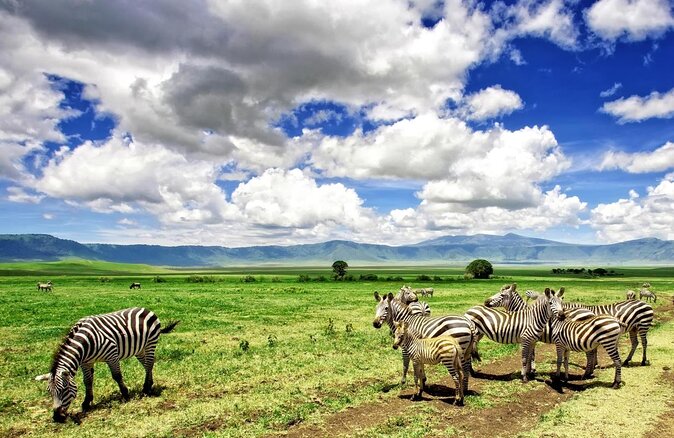
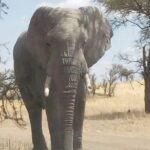
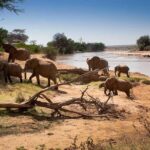
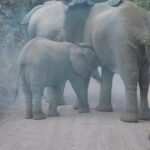
What you can reasonably expect to look for in this part of Serengeti includes wildebeest, zebra, Coke’s hartebeest, waterbuck, Grant’s and Thomson gazelle, impala, and more. Elephants are also noted as abundant on the plains, which usually translates into steady chances as you scan grass edges and open areas.
This day also includes a hippo habitat visit. Even if you spend your main time on the vehicle, this kind of stop adds variety, because hippos change the whole mood of a safari. You go from watching movement across grass to observing a wildlife “home base” where you can see behavior and not just passing silhouettes.
A small practical point: bring something for the long drive. The day is efficient, and you’ll want to arrive alert for the first serious game drive.
Day 2 in Serengeti: kopjes, elephant stories, and a night near Ngorongoro
Day 2 starts with more Serengeti, and it sounds like it’s designed to shift your experience from open plains to rocky detail. Elephants are again called out, including matriarchal herds in some regions, so keep your eyes up and down, not just scanning the horizon.
Then come the kopjes, especially Moru Kopjes, described as rising like islands from the plains. On a safari, kopjes matter because they create edges: shadows for prey, lookout points for predators, and places where animals pause as they travel. You also get a strong sense of landscape texture here, including candelabra trees and short-lived flowers during the right conditions.
One of the more memorable details you should look forward to is the mention of black rhinos in this area. Black rhino sightings are never guaranteed on any safari, but the fact they are specifically referenced here tells me the route is chosen with potential in mind, not just scenery.
You’ll also get the central Serengeti experience, where the guide can use natural landmarks to tell you where you are in the ecosystem. The route references places like gong rock, plus Maasai cave paintings of elephants, shields, and abstract patterns. That matters because it gives context for what you see. When you understand why kopjes and valleys get traffic, wildlife spotting feels less random and more logical.
At some point on day two, you’ll transition toward Ngorongoro Conservation Area for your crater time and then spend the night in the park. That night is a big deal for timing and energy. Instead of day-tripping in and out, you sleep close to where you’ll drive the next day.
Other ways down into the Ngorongoro Crater
Ngorongoro Crater on Day 3: Big Five odds, Maasai bomas, and Leakey connections
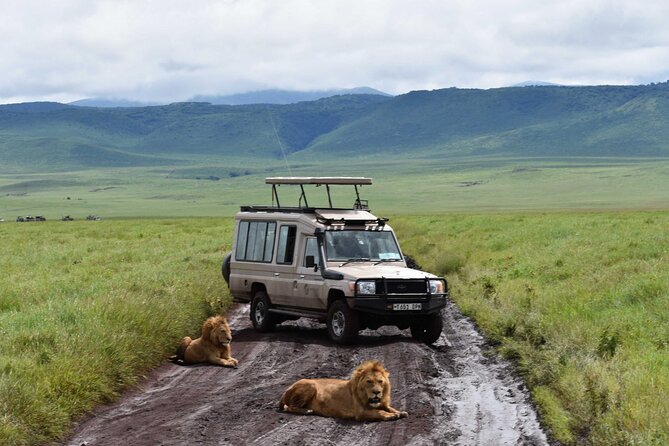
If Serengeti is about distance, Ngorongoro is about enclosure. The crater is described as Tanzania’s standout year-round place for Big Five viewing potential, and you’re positioned to take advantage of that.
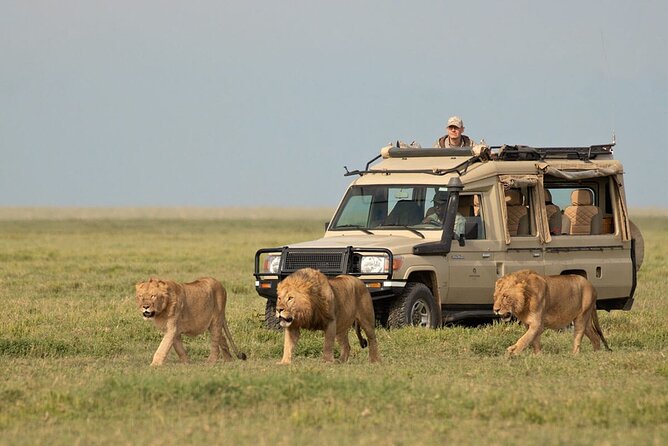
Your day includes a game drive in the conservation area, with wildlife listed such as wildebeest, gazelle, golden jackals, bat-eared foxes, African wild dogs, African leopards, and ungulates like waterbuck, buffalo, and eland. Hippopotamus are also included in the list, along with other smaller predators and scavengers you might pick up as you scan drier slopes and grasslands.
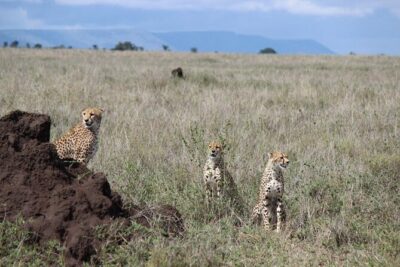
Not all animals are easy here. The plan specifically notes giraffes, oribi, topi, spotted hyenas, cheetahs, impalas, and some others are rarely seen in the park. I’d read that as good advice for setting expectations. Choose Ngorongoro because you love the crater ecosystem and want strong odds at major species, not because you’re hunting one “missing piece.”
You’ll also get cultural and educational stops. Ngorongoro is connected to Maasai families who live in circular homesteads called Bomas. And it’s also described as a strong place to learn about early human evolution tied to Mary and Louis Leakey. If you enjoy learning while you travel, this combo makes the crater day more than just photo stops.
At the end, you return to Arusha, bringing the whole 3-day loop to a close.
Camping safari reality check: what the included meals and tents mean
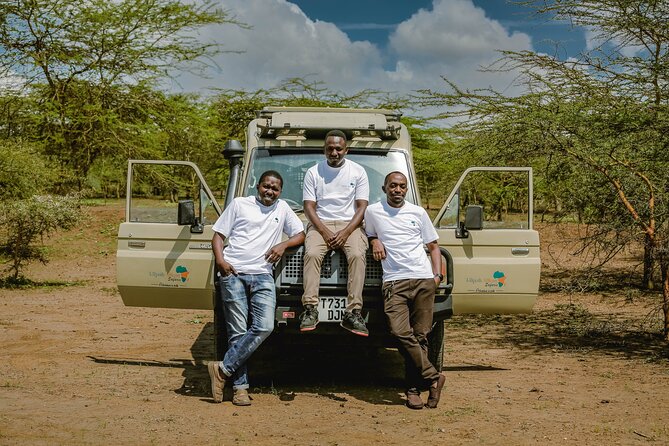
This is a camping expedition, and at least some versions of this trip have included sleeping in tents both nights. That’s a common tradeoff on shorter safaris. You pay less than you would for upgraded lodges, and you gain time near the parks, but you accept simpler accommodations.
The good news is that meals are handled. Breakfast is included twice, lunch is included three times, and dinner is included twice. In real life, that matters more than people expect. When you’re bouncing between parks daily, having food planned reduces stress, and it keeps you from starting game drives on an empty stomach.
Food quality shows up in the feedback patterns, including praise for the cook and the meals provided. For your comfort, I’d still prepare for “safari food,” meaning hearty and practical rather than restaurant-style fine dining. You’ll likely eat close to game-drive schedules, not at leisurely times.
Bring a small layer strategy for evenings in the crater area. Even when daytime feels warm, safari nights can get cool. A headlamp is handy too, especially around tent setups after dark.
Guide and group size: small group means less chaos
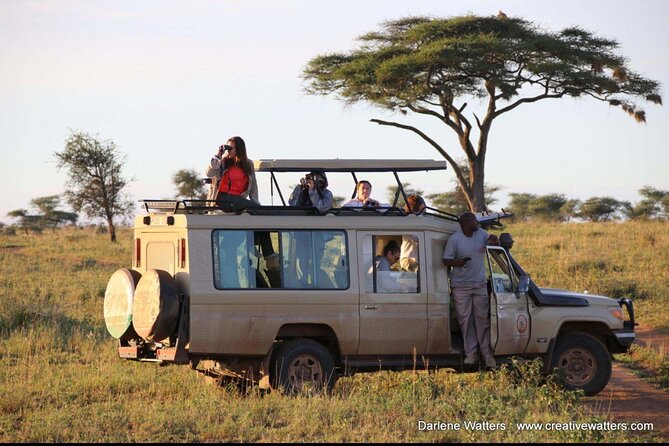
This safari runs with a maximum of 6 travelers, which is the sweet spot for many people. In a small group, the driver can spend more time locating animals rather than managing crowded vehicle logistics, and you can often hear explanations without shouting.
Guides come up constantly in the positive feedback, with names like Felix, Christian, Bulldozer, and Simon credited for keeping things smooth and fun. The biggest recurring theme is that communication and responsiveness helped travelers feel prepared before the trip even started.
That’s worth paying attention to. When you have questions about pickup, timing, or what to bring, fast answers reduce last-minute stress. It’s also a sign the operator likely coordinates schedules with less guesswork.
Also, don’t underestimate driver skill. Spotting is a game of patience and reading terrain. A good driver helps you see more with the same time, just by positioning the vehicle well and knowing what to look for next.
Price and value for $810: what you’re really buying
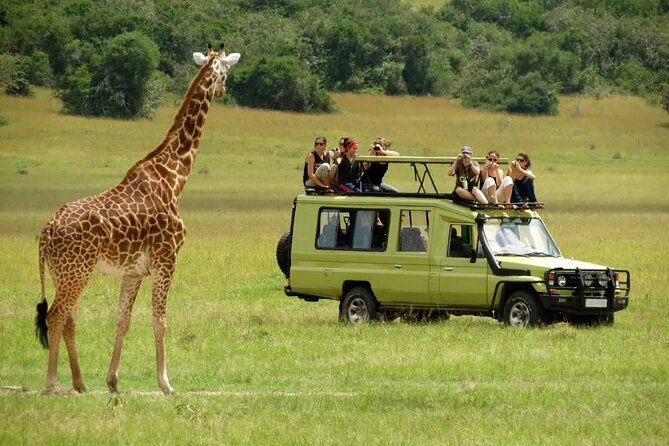
The price is listed at $810.00 per person for about 3 days. That number looks big until you break down what’s wrapped into it.
First, you get two major ecosystems in one loop: Serengeti and Ngorongoro crater. Second, the tour includes meals across the safari days, including 2 breakfasts, 3 lunches, and 2 dinners. Third, park admission is marked as free in the itinerary, which can significantly reduce the “hidden costs” feeling of safari travel.
What’s not included is also clear. Tips for the driver and safari cook are not included, and visas are not included. So if you budget only the sticker price, you’ll feel surprised later.
For most people, the value sweet spot is this: you want a short trip that still hits headline locations and you’re okay with camping. If you want a slow luxury pace, you may want to look at higher-end lodge options instead.
What you might see, and what to set aside for later
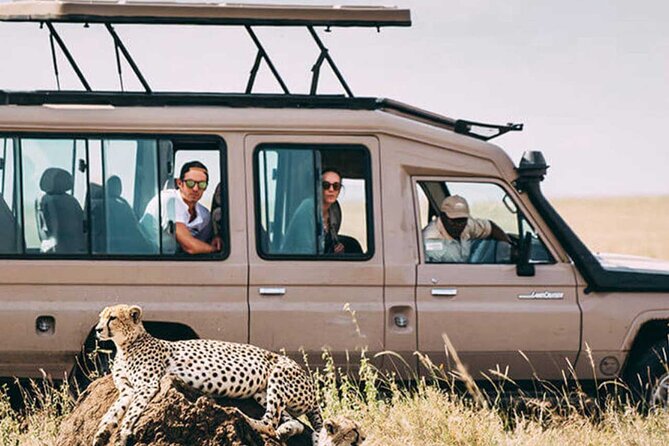
One of the smartest ways to enjoy a 3-day safari is to treat it like a concentrated sampler, not a full game-list guarantee.
In Serengeti, the plan points you toward plains grazing animals and elephants, plus kopje terrain that can attract predators. In Ngorongoro, the Big Five odds are emphasized, with a wide list of predators and large mammals possible.
But also take the “rarely seen” list seriously. If cheetahs or giraffes are your obsession, you might not get that moment here, even if the experience is still excellent.
Season can shape the difficulty of spotting too. One piece of feedback specifically notes that in October the Serengeti can have lots of dry grass, which can make certain sightings harder. If you’re traveling in a similar time window, pack patience and stay focused on behavior, not just visibility.
Practical packing and preparation for quick safari days
For a 3-day route that starts early and moves constantly, pack light but smart.
Bring:
- Binoculars if you have them, or plan to share and rotate
- A light rain jacket or poncho (safari weather shifts fast)
- Warm layers for mornings and evenings, especially around crater areas
- Sunscreen and a hat for long open-sun driving
- Insect repellent
- A small day bag that fits under your seat
Also plan your camera habits. You’ll be photographing from a moving vehicle, so keep your camera reachable and your settings consistent. When animals show up, you’ll want to react fast.
Lastly, hydrate. Even when it feels cool, driving and sun exposure add up over 6-hour chunks.
Should you book this 3-day Serengeti and Ngorongoro camping safari?
I think this safari is a strong choice if you want an efficient, high-impact Tanzania experience: Serengeti plains first, then Ngorongoro crater for serious wildlife odds, with camping and meals included. It’s especially appealing if you like small-group travel and you want a trip that stays organized from pickup through the final return to Arusha.
I would not choose it if you need a slow pace, guaranteed sightings of every iconic animal, or lodge-level comfort every night. Ngorongoro can still deliver big moments, but some species are described as rarely seen, and the route moves quickly.
If you’re flexible, excited by wildlife surprises, and happy to trade luxury for being close to the action, you’ll likely find this is one of the best ways to do two Tanzania heavy-hitters without spending a full week on the road.
FAQ
How long is the 3 Days Safari Ngorongoro Crater and Serengeti National Park?
It runs for about 3 days.
Where does the safari start?
The safari is based in Arusha, Tanzania, and pickup is offered from your accommodation.
What parks will I visit?
You’ll visit Serengeti National Park and the Ngorongoro Conservation Area (including Ngorongoro Crater).
Is camping included?
Yes, it’s described as a camping expedition, with options that include sleeping in tents during the two nights.
What meals are included?
Breakfast is included 2 times, lunch is included 3 times, and dinner is included 2 times.
Are park admission tickets included?
Admission tickets are listed as free in the itinerary.
How many people are in the group?
The experience has a maximum of 6 travelers.
Do I need to pay tips or a visa separately?
Tips for the driver guide and safari cook are not included, and visas are also not included.
Can I cancel for a full refund?
Yes, free cancellation is offered. You can cancel up to 24 hours in advance for a full refund. If you cancel less than 24 hours before the start time, the amount paid is not refunded.
Still Thinking About the Crater?
- 3 Days Serengeti & Ngorongoro Group Camping Safari
★ 5.0 · 574 reviews - 5 Days Camping Tarangire, Serengeti & Ngorongoro crater & Visiting Maasai
★ 5.0 · 229 reviews - 4 Days Join Group tour Tarangire Serengeti and Ngorongoro crater
★ 5.0 · 219 reviews - 4-Day Safari from Arusha: Tarangire, Serengeti and Ngorongoro
★ 5.0 · 173 reviews - 2 Days Tarangire and Ngorongoro Group Camping Safari
★ 5.0 · 146 reviews
The Serengeti, Three More Ways
- Balloon Safari & Bush Breakfast in Serengeti – Miracle Experience
★ 5.0 · 1,646 reviews - 3 Days Serengeti & Ngorongoro Group Camping Safari
★ 5.0 · 574 reviews - 5-Day Highlights mid-Range Crater, Serengeti, Tarangire
★ 5.0 · 296 reviews - 3-Day Classic Serengeti Safari
★ 5.0 · 263 reviews - Private 6-Day Tarangire Manyara Crater and Serengeti with Mid-Range Lodges
★ 5.0 · 238 reviews
Just added from around Arusha
Serengeti National Park Safaris, compared.
 ★ 5.0Serengeti Balloon Safari and authentic bush breakfastFrom $5502,480 reviews
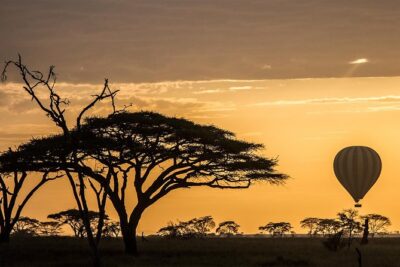
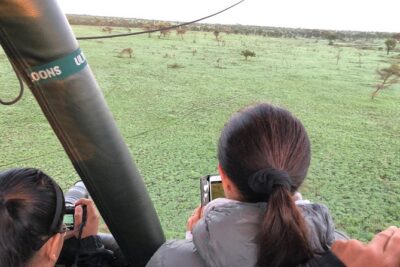 ★ 5.0Balloon Safari & Bush Breakfast in Serengeti – Miracle ExperienceFrom $5991,646 reviews
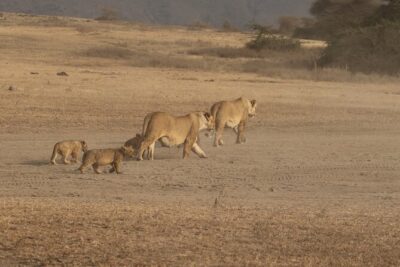 ★ 5.03 Days Serengeti & Ngorongoro Group Camping SafariFrom $815574 reviews
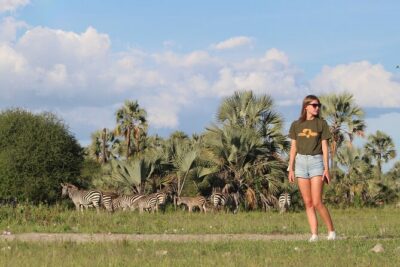 ★ 5.05-Day Highlights mid-Range Crater, Serengeti, TarangireFrom $2,327296 reviews
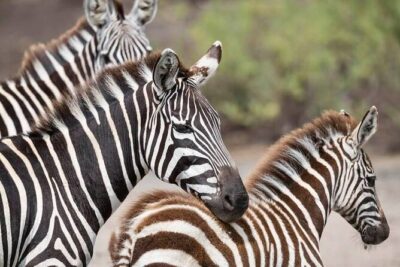 ★ 5.0Safari Serengeti And NgorongoroFrom $2,845288 reviews
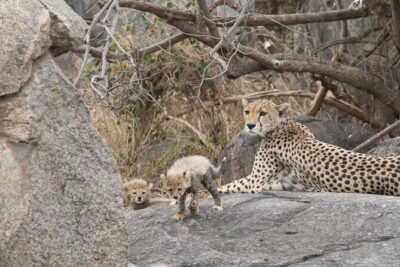 ★ 5.03-Day Classic Serengeti SafariFrom $1,455263 reviews
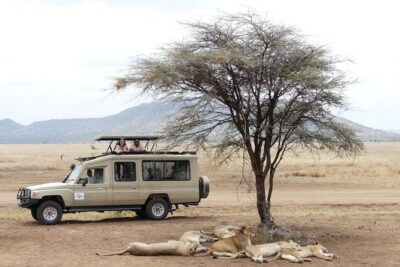 ★ 5.0Private 6-Day Tarangire Manyara Crater and Serengeti with Mid-Range LodgesFrom $2,685238 reviews
 ★ 5.05 Days Camping Tarangire, Serengeti & Ngorongoro crater & Visiting MaasaiFrom $1,254229 reviews
Browse the lists this tour appears in