
REVIEW · TARANGIRE NATIONAL PARK SAFARIS
3 Days Lake Manyara, Ngorogoro Crater, Tarangire National Park
You can hit three parks fast. This 3-day Tanzania safari from Arusha is built for maximum wildlife time, with a private safari jeep and an English-speaking guide guiding your search across Tarangire, Ngorongoro Crater, and Lake Manyara.
I like that the trip is structured to keep your schedule tight without feeling like a rushed drive-by, since you get dedicated game-drive time in each stop. You’ll also hear conservation-focused context from your guide, which helps you understand what you’re seeing beyond the photo moment.
I also like that the “where does the money go” part is handled upfront: park entry is included, and you get meals laid in across the days. That matters because safari costs can add up quickly once you start paying at every park gate.
One possible drawback is the lodging standard can be uneven for the price, especially after long vehicle days. One review noted they wanted better shower pressure and a room with more space after a day of driving, so it is worth setting expectations and asking what “private room and bathroom” means for your exact lodge.
In This Review
- Key highlights to know before you go
- Price and what $730 per person actually covers
- How the 3-day route keeps wildlife odds high
- Day 1 in Tarangire National Park: elephants, baobabs, and river water
- Day 1 tip
- Day 2 Ngorongoro Crater: birds, flamingos, and real odds for black rhino
- One practical mindset
- Day 3 Lake Manyara and Mto wa Mbu: wildlife morning, culture afternoon
- Day 3 tip
- Lodging on safari: private rooms, private bathrooms, and the reality check
- The guide matters: conservation talk and smarter spotting
- Is the pace right for you?
- Should you book this 3-day Lake Manyara, Ngorongoro, Tarangire safari?
- FAQ
- How long is the safari?
- Where does the safari start?
- Is pickup included?
- Is this tour private, and how many people go?
- Which parks are included?
- Are park fees and admission included?
- What meals are included?
- Is WiFi available during the safari?
- What is not included in the price?
- Is there free cancellation?
Key highlights to know before you go
- Small group, private feel: maximum 6 travelers, with pickup offered from your Arusha hotel
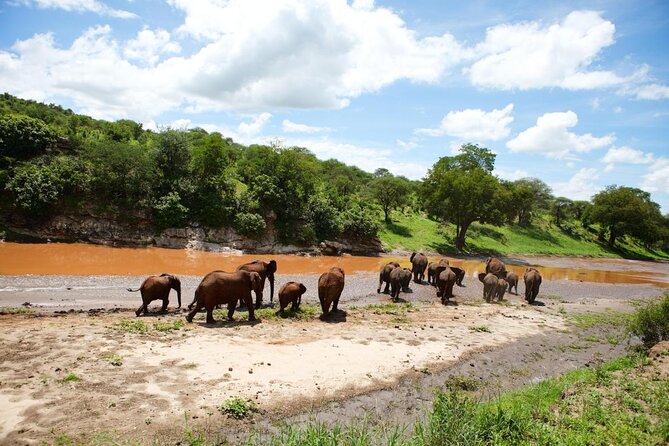
- Elephant-heavy Tarangire day: elephants, baobabs, and river watering patterns that draw wildlife
- Ngorongoro Crater as the main event: birds, flamingos, and a real chance for black rhino sightings
- Two UNESCO World Heritage sites: the circuit hits UNESCO areas tied to both crater and Lake Manyara regions
- Free WiFi in the jeep: handy for sharing, though don’t plan your day around it
- Culture at Mto wa Mbu: a local visit built around community life and Tanzanian food
Tarangire again, with different operators
- 5-Day Highlights mid-Range Crater, Serengeti, Tarangire★ 5.0 · 296 reviews
- Private 6-Day Tarangire Manyara Crater and Serengeti with Mid-Range Lodges★ 5.0 · 238 reviews
- 5 Days Camping Tarangire, Serengeti & Ngorongoro crater & Visiting Maasai★ 5.0 · 229 reviews
- 4 Days Join Group tour Tarangire Serengeti and Ngorongoro crater★ 5.0 · 219 reviews
Price and what $730 per person actually covers
At $730 per person, this is not a budget hop-on safari. The reason it can still feel like good value is that it bundles several “extras” that usually cost more separately, including all fees and taxes, park entry, and meals. You also get a professional, English-speaking guide and a safari vehicle with free WiFi inside the jeep.
You are also not stuck with a huge group. With a maximum of 6 travelers and a private tour style, you tend to get more flexible pacing, and the guide can shift focus when sightings appear. For wildlife days, small changes in timing can mean the difference between “just one sighting” and “a full parade.”
One more note: the tour is typically booked about 28 days in advance. If you can, booking earlier is smart, especially for the exact lodge category you want inside the circuit.
How the 3-day route keeps wildlife odds high
This safari is built as a fast circuit: three parks in three days, with overnight lodge stays to keep you from sleeping in transit. That design is about one thing, giving you more chances at different species and habitats in a short time.
Each day has a distinct wildlife “logic”:
- Tarangire focuses on elephant movement and river attraction around the Tarangire River.
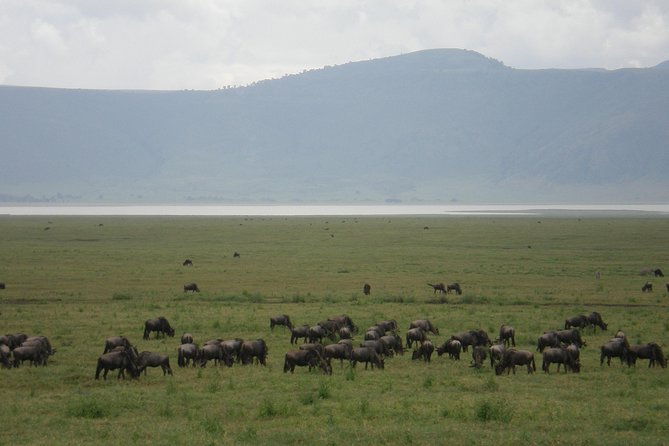
- Ngorongoro Crater focuses on concentrated wildlife in a dramatic volcanic bowl, plus birdlife and possible black rhino.
- Lake Manyara pairs well with dry-season animal gathering along the river and swamps, followed by Mto wa Mbu for cultural context.
If you are going for a checklist-style safari, this route makes sense. If you want long, slow drives and maximum lodge downtime, you may feel the pace is intense.
Day 1 in Tarangire National Park: elephants, baobabs, and river water
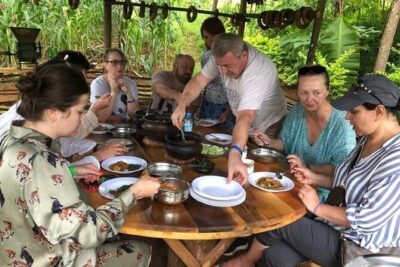
You start with pickup from your Arusha hotel at 8:00 am, then it is about a 3-hour drive to Tarangire National Park. Tarangire sits around 115 km from Arusha and covers about 2,800 km², so you are heading into a real chunk of protected land, not a small detour.
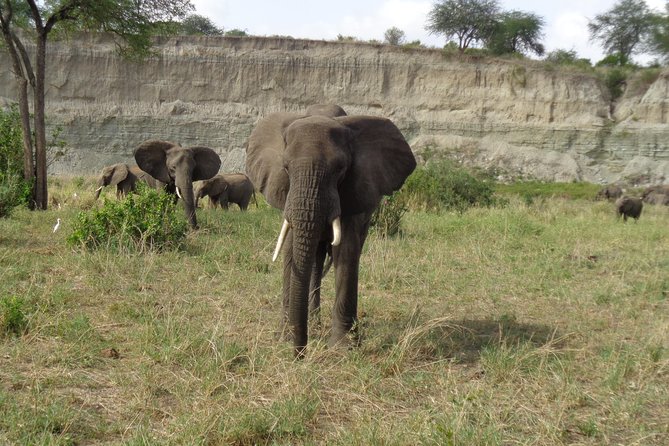
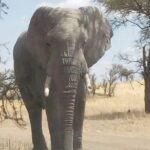
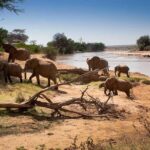
Once you arrive, you get a full day game drive inside Tarangire. This park is famous for elephants, and it makes sense when you learn the setup: animals come to drink at the Tarangire River, and the name Tarangire is tied to that watering role.
What you should look for in Tarangire:
- Elephant herds concentrated around water and foraging areas
- Baobab trees, which create strong visual landmarks in the dry season light
- Sightings of predators like lions and leopards, plus other animals your guide spots along the way
- Wildlife you might not expect on a first safari, like python sightings in the ecosystem and the way animals use trees and open ground
The timing matters too. A full day drive gives your guide room to reposition as the day changes, instead of trying to cram everything into one short window.
After the game drive, you drive to Jambo Lodge for dinner and overnight. That lodge stop is part of what makes the day work: you get a real reset after a long wildlife day, rather than trying to “just keep moving.”
Lake Manyara trips we also sat with
Day 1 tip
Bring a headlamp or small flashlight for lodge time, and keep your camera batteries warm if mornings feel chilly. Early starts are part of the deal here.
Day 2 Ngorongoro Crater: birds, flamingos, and real odds for black rhino
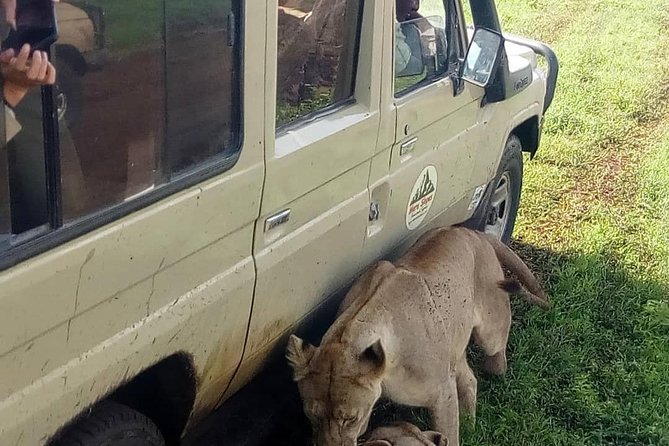
Day two is the heavy hitter: you wake up around 6:30 am, then head down to Ngorongoro Crater floor. This is not a quick stop, it is a full day on the crater floor with lunch there too, which helps you stay in position when wildlife activity shifts.
Ngorongoro Crater is often described as a giant inactive volcanic caldera, formed by an explosion and collapse about 2 to 3 million years ago. It is also tied to the “Seven Natural Wonders of Africa” recognition in 2015, and even without the trivia, the crater’s shape does the work. Wildlife tends to funnel into certain zones, and your guide can scan from the same general vantage area while you move slowly by vehicle.
What you can expect inside the crater:
- Big Five possibilities, including the big five concept people aim for in this region
- Birdlife, because the crater holds a wide variety of species
- Flamingos with high concentrations at certain times, plus the chance to see them as the day unfolds
- The possibility of black rhino sightings, which is one of the reasons Ngorongoro feels like a serious safari day rather than a quick nature drive
Lunch inside the crater is a small detail that changes the whole day. You do not lose your best daylight hours to travel back out for food. You stay in the habitat, and that often helps spotting quality.
One practical mindset
Ngorongoro can be magical, but it is not a vending machine. I like that this day is built for patience, since it is structured as a full day rather than a rushed half-day.
Day 3 Lake Manyara and Mto wa Mbu: wildlife morning, culture afternoon
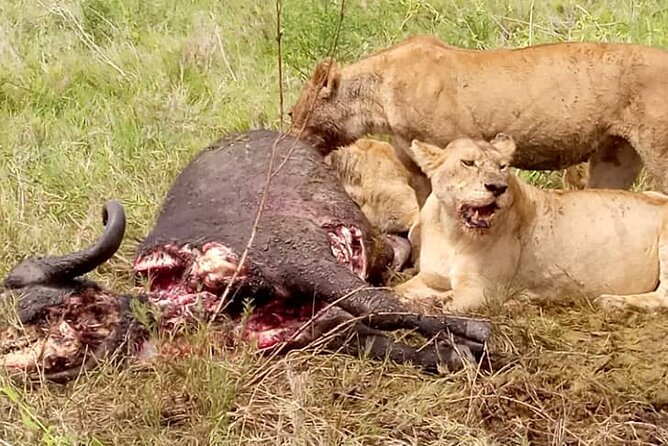
Day three starts after breakfast, and the plan includes another game-drive block plus time at Lake Manyara National Park. Lake Manyara sits on the Great Rift Valley floor, with low-lying hills and natural vegetation that includes acacia woodland and giant African baobabs. In the south, the habitat shifts toward huge swamp areas.
Why that matters for wildlife:
- During Tanzania’s dry season, the river and swamps act like magnets for animals
- Tarangire is elephant-forward, and Lake Manyara can deliver a different mix of behavior, often tied to water edges and calmer habitat zones
Lake Manyara is also reputed for large elephant herds. If you are lucky, you might see them moving through woodland or using the water-rich zones.
The park is also described as home to rare species, including:
- Greater Kudu
- Fringed-eared Oryx
- Ashy Starlings (a named bird species you may not see anywhere else)
After the wildlife time, you head to Mto wa Mbu for a cultural tour. The village offers community-led activities focused on traditional life and community projects. You can taste Tanzanian foods and experience an authentic local interaction, plus there are walking, hiking, and biking options in different lengths.
If you want a safari that includes more than animals on a game drive, Mto wa Mbu is a strong pairing. It is a reminder that conservation and tourism live inside real communities.
In the afternoon, you drive back to Arusha for dinner and overnight. This keeps the trip from turning into a travel day marathon.
Day 3 tip
For Mto wa Mbu, wear shoes that can handle dust and uneven ground. Game-drive boots are fine, but avoid flimsy sandals if you plan to walk.
Lodging on safari: private rooms, private bathrooms, and the reality check
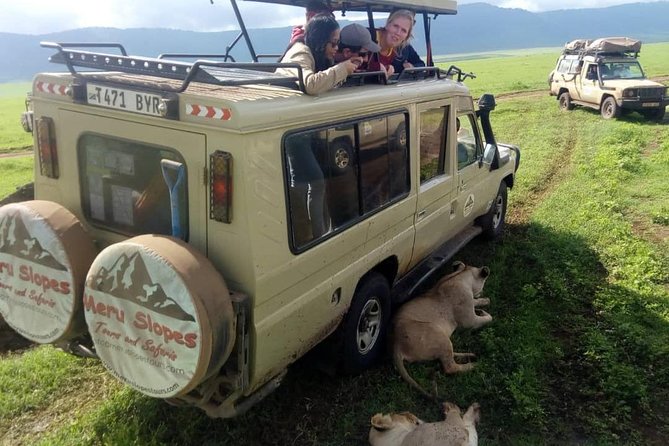
The tour includes two night’s accommodation, with private rooms and bathrooms described as part of the comfort setup. In practice, safari lodge “comfort” is a range, and it depends on the exact property you receive.
One itinerary detail places you at Jambo Lodge on the first night. That is your anchor for the opening day, and it is a common type of stop: dinner, sleep, and ready you for early morning viewing.
A balanced expectation helps here. One review commented that, for the paid rate, they wished for better shower pressure and a room with more space. That is not a dealbreaker, but it is useful to know if you are the type of person who truly notices water pressure and room size after a day of dust and dusting off your gear.
If you care about comfort more than most, ask your operator what lodge category you are booked into and what bathroom setup looks like.
The guide matters: conservation talk and smarter spotting
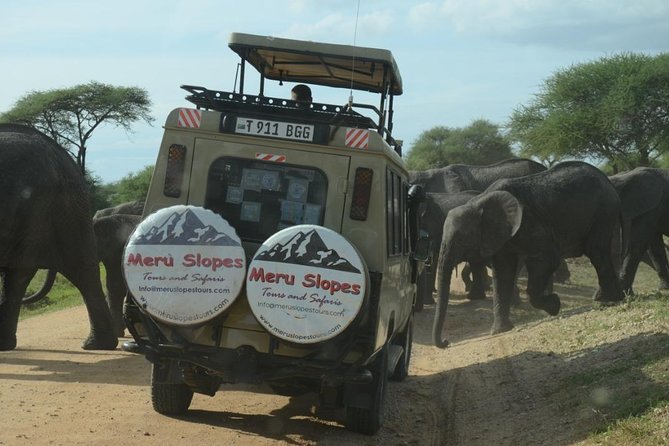
This safari leans on a professional English-speaking guide, and that is not just for storytelling. Your guide’s job is to read signs, reposition for best viewing, and explain what you are seeing in a way that connects to conservation.
The tour specifically highlights learning about local conservation efforts from your guide. That context tends to change how you watch animals. Instead of treating wildlife like a checklist, you start noticing patterns: where animals gather, why certain areas are protected, and what happens when habitats change.
One recent review gave a name to that experience through their guide, Noodles, and praised his ability to push for key sightings, including the Big Five and the so-called Ugly 5 concept. The main lesson for you is simple: a good guide works the plan, but also knows when to pivot, because wildlife does not move on a schedule.
Also note the guide is tied to a small-group style, with a maximum of 6. That can make scanning and photo positioning easier than in a larger caravan.
Is the pace right for you?
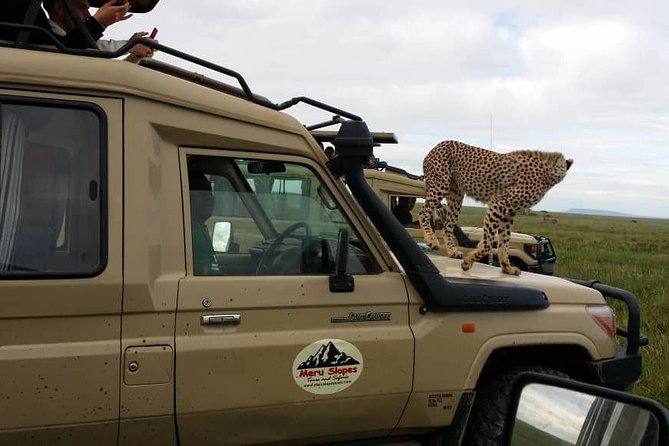
This is a short safari with intense daily viewing. You are traveling between parks, waking early, and spending the day in vehicles and viewing zones. It suits people who:
- Want to see multiple parks in a single trip rather than picking just one
- Like a structured plan with guided game drives
- Are comfortable with early mornings and long days outdoors
It may not suit you if:
- You want large chunks of free time to chill at the lodge
- You are sensitive to vehicle hours and prefer a slower rhythm
- You need consistently high-luxury lodging features (like strong showers and larger rooms)
The balance here is that you trade flexibility for variety. In a 3-day window, that trade usually works.
Should you book this 3-day Lake Manyara, Ngorongoro, Tarangire safari?
I think this is a strong choice if you want a high-output Tanzania safari circuit from Arusha, especially if your priorities are wildlife variety and a memorable crater day. The combination of Tarangire elephants, Ngorongoro Crater concentration, and Lake Manyara’s river and swamp habitat is a logical set of habitats in a short time.
Book it if:
- You want park entry, meals, and fees handled in the package
- You like a private tour feel with a max of 6 people
- You value conservation context plus a culture stop at Mto wa Mbu
Consider a different option if:
- You are very picky about lodge room size and shower performance
- You want more downtime and less “on the road” time
FAQ
How long is the safari?
The tour is listed as 3 days.
Where does the safari start?
The meeting point is Arusha, Tanzania, with ticket redemption at Arusha.
Is pickup included?
Yes, pickup is offered.
Is this tour private, and how many people go?
This is described as a private tour, and the maximum group size is 6 travelers.
Which parks are included?
The route includes Tarangire National Park, Ngorongoro Crater, and Lake Manyara National Park, plus a cultural visit to Mto wa Mbu.
Are park fees and admission included?
Yes. The tour lists all fees and taxes as included, and admission ticket free is stated.
What meals are included?
Meals are included: breakfast (4), lunch (3), and dinner (2).
Is WiFi available during the safari?
Yes, free WiFi inside the safari jeep is included.
What is not included in the price?
The tour does not include Tanzania visa or tips and gratuities.
Is there free cancellation?
Yes, you can cancel for a full refund up to 24 hours in advance. If you cancel less than 24 hours before the start time, the amount paid is not refunded.
Down at Lake Manyara
- Private 6-Day Tarangire Manyara Crater and Serengeti with Mid-Range Lodges
★ 5.0 · 238 reviews - 3 Days Tarangire, Ngorongoro & Lake Manyara Group Camping Safari
★ 5.0 · 102 reviews - 3 Days Private Safari – manyara, Ngorongoro & Tarangire
★ 5.0 · 94 reviews - 05 Days Tarangire, Serengeti, Ngorongoro and Lake Manyara
★ 5.0 · 54 reviews - 5 Days 4 Nights Tarangire, Serengeti , Ngorongoro & Manyara Wildlife Safari
★ 5.0 · 40 reviews
Tarangire and Its Baobabs
- 5-Day Highlights mid-Range Crater, Serengeti, Tarangire
★ 5.0 · 296 reviews - Private 6-Day Tarangire Manyara Crater and Serengeti with Mid-Range Lodges
★ 5.0 · 238 reviews - 5 Days Camping Tarangire, Serengeti & Ngorongoro crater & Visiting Maasai
★ 5.0 · 229 reviews - 4 Days Join Group tour Tarangire Serengeti and Ngorongoro crater
★ 5.0 · 219 reviews - 4-Day Safari from Arusha: Tarangire, Serengeti and Ngorongoro
★ 5.0 · 173 reviews
Just added from around Arusha
Tarangire National Park Safaris, compared.
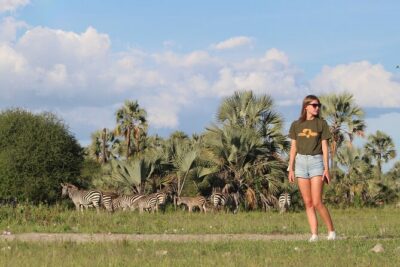 ★ 5.05-Day Highlights mid-Range Crater, Serengeti, TarangireFrom $2,327296 reviews
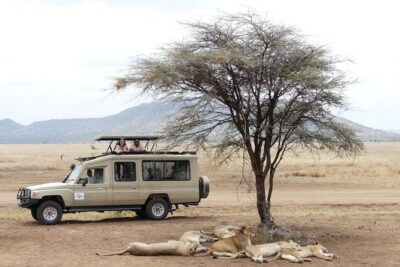 ★ 5.0Private 6-Day Tarangire Manyara Crater and Serengeti with Mid-Range LodgesFrom $2,685238 reviews
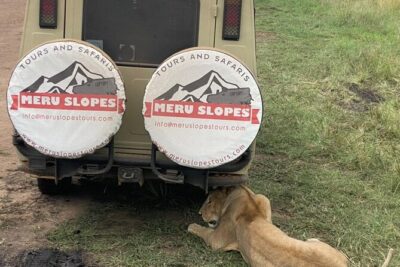 ★ 5.05 Days Camping Tarangire, Serengeti & Ngorongoro crater & Visiting MaasaiFrom $1,254229 reviews
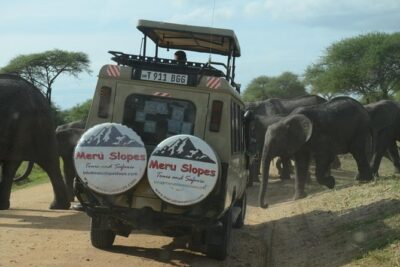 ★ 5.04 Days Join Group tour Tarangire Serengeti and Ngorongoro craterFrom $1,090219 reviews
 ★ 5.04-Day Safari from Arusha: Tarangire, Serengeti and NgorongoroFrom $1,753173 reviews
 ★ 5.02 Days Tarangire and Ngorongoro Group Camping SafariFrom $550146 reviews
 ★ 5.04 Days Tarangire Serengeti Ngorongoro CraterFrom $900117 reviews
 ★ 5.03 Days Tarangire, Ngorongoro & Lake Manyara Group Camping SafariFrom $700102 reviews
Browse the lists this tour appears in