
REVIEW · SERENGETI NATIONAL PARK SAFARIS
3 Days 2 Nights Serengeti, Ngorongoro & Tarangire Wildlife Lodge Safari
Big cats and big skies, in three days. I love how the route pairs Ngorongoro Crater rim views with the wide-open Serengeti plains where the Great Migration stage is set. I also love how guides like Joseph and Godlove tune your eyes for animals and birds, but one drawback is the long drive rhythm between parks, so stay ready for early starts and flexible timing if a vehicle hiccup pops up.
This is a private tour with pickup in Arusha, so you are not sharing your schedule with a crowd. Breakfast, lunch, and dinner are included, and park admission is shown as included too, which makes budgeting easier and keeps your focus on spotting wildlife.
For about $2,000 per person, you are paying for three major ecosystems plus private transportation, not just a single park day. If you want breadth in limited time, this route can feel like good math, just treat it as an active, full-days kind of trip.
In This Review
- Quick reasons this safari works
- From Arusha pickup to real safari time: what the driving feels like
- Serengeti National Park: the rim-to-plains trick for seeing more
- Ngorongoro Crater: descending into Lake Magadi and the Big Five odds
- Tarangire National Park: elephants, predators, and birding that actually matters
- Lodging and meals across two nights: the part you often forget to plan
- Price and value: what you get for about $2,000 per person
- How to get better sightings: practical tips that match how guides work
- Should you book this 3-day Serengeti, Ngorongoro and Tarangire safari?
- FAQ
- What is included in the safari price?
- Where does the safari start and end?
- Is pickup offered?
- Which parks are included in the experience?
- Is park admission included?
- What do I need to pay for that is not included?
- Is free cancellation available?
Quick reasons this safari works
- Rim-first views: you get a birds-eye look down into Ngorongoro before you even descend
- Serengeti scale: the huge park size and animal numbers set you up for frequent sightings
- Ngorongoro’s Lake Magadi: alkaline lake scenery is a key crater feature where animals come to drink
- Tarangire variety: elephants, predators, and lots of birds, with 450 species recorded
- Guides who help you see: Joseph, Godlove, Tom, and Noel/Noeli are repeatedly praised for teaching and safe driving
- Mechanical issues are handled: one review noted car problems that the guide worked through without derailing the experience
More of the Serengeti, drive by drive
- Balloon Safari & Bush Breakfast in Serengeti – Miracle Experience★ 5.0 · 1,646 reviews
- 3 Days Serengeti & Ngorongoro Group Camping Safari★ 5.0 · 574 reviews
- 5-Day Highlights mid-Range Crater, Serengeti, Tarangire★ 5.0 · 296 reviews
- 3-Day Classic Serengeti Safari★ 5.0 · 263 reviews
From Arusha pickup to real safari time: what the driving feels like
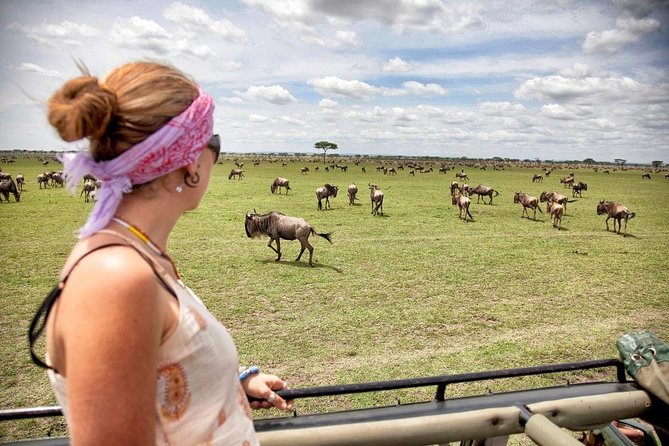
You start and finish back in the Arusha meeting point, with pickup offered. The tour is private, so you typically get a vehicle to yourselves, which matters because safari timing is everything, and it is easier to respond quickly when you spot an animal cluster.
The tradeoff is that you spend meaningful time on the road. Your day includes crater highlands driving on the way into the Serengeti area, then more transfer time to Ngorongoro and later to Tarangire. On a trip like this, I treat the driving as part of the adventure, not a commute, because it is when you switch ecosystems and your whole wildlife “lens” changes.
Also, plan your mindset for early and late hours. One review specifically highlighted a guide who managed unexpected car issues smoothly, which is a reminder that in remote regions, mechanical hiccups can happen. You want a guide who stays calm, keeps you safe, and finds a solution fast. That theme shows up again and again in the guide praise, especially around Joseph’s safe driving.
Serengeti National Park: the rim-to-plains trick for seeing more
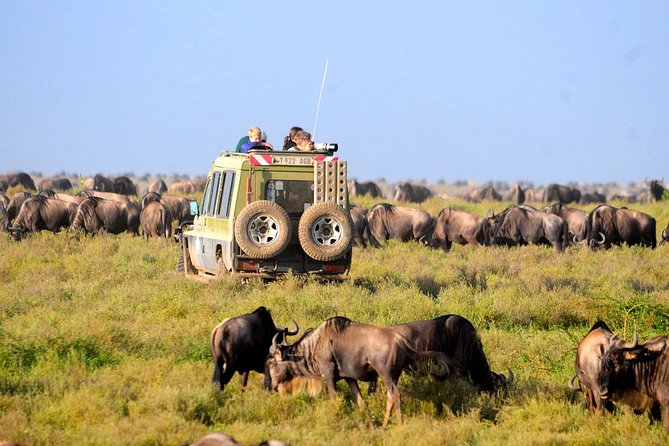
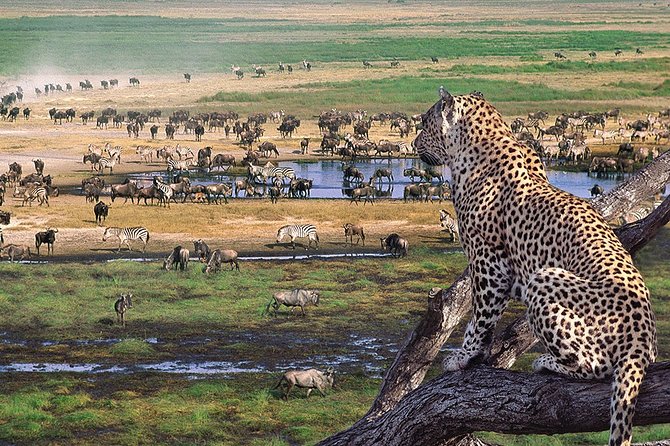
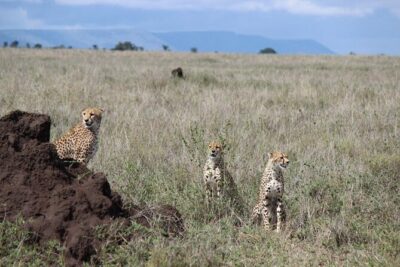
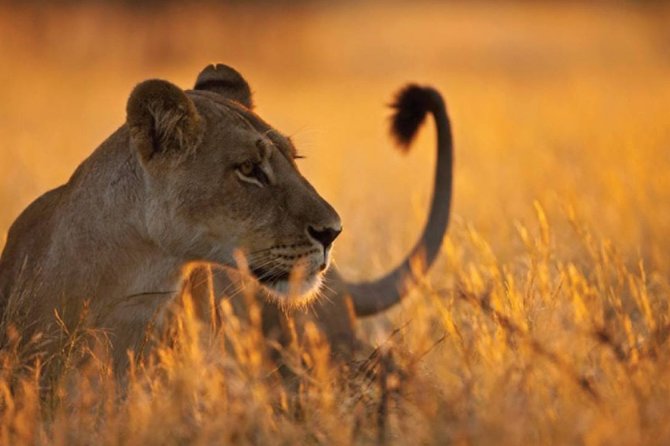
Serengeti is called the endless plains in Kiswahili, and the numbers are the point. You are looking at roughly 18,000 sq km with more than two million large animals, including more than a million wildebeest and hundreds of thousands of plains zebras and gazelles. That is why the predators show up. When prey is abundant and moving through the park, lions, cheetahs, and hyenas are drawn in, and your odds of meaningful sightings rise.
What I like about this safari route is the way it sets you up for your first “big wow” early. You head toward the crater highlands, you stop at the rim for a birds-eye view of Ngorongoro, and then you continue as the Serengeti opens out ahead. That first rim stop is more than a photo break. It helps you get orientation. You understand where you are in the bigger system, and you can picture how these valleys and plains connect.
On the Serengeti day, the game drives are built around scanning for animals and reading patterns. In practice, that means slow driving at good visibility points, quick stops when something shifts in the grass, and a lot of “eyes up” driving. This is also where guide skills matter. Several reviews mention guides with a strong talent for spotting and explaining birds, and birds often act like the early-warning system for where the action might be.
A possible drawback: the sheer scale of Serengeti means you might go long stretches without a close-up view, even with a great guide. That is not a failure of the trip, it is how the park works. If you keep your expectations flexible and your patience switched on, the payoffs tend to feel bigger.
Ngorongoro Crater: descending into Lake Magadi and the Big Five odds
Ngorongoro is the headline act for many first-time Tanzania safaris, and with good reason. The crater is described as a thick volcanic caldera that is unflooded and unbroken, and once you descend to the crater floor, it feels like you just stepped into a natural amphitheater.
You will go to Lake Magadi, a large but shallow alkaline lake in the southwestern corner of the crater. Even if the water is not “pretty postcard blue,” it is still a magnet. Animals use the crater floor and especially the water points, and that is where you improve your odds for the famous big-game viewing.
In this crater setting, the best results come from staying observant rather than chasing. Things happen quickly sometimes, but many sightings build. A lion might be resting until the light shifts. A herd might move after a change in wind. This is also where your guide’s animal and bird spotting skills can really pay off, because you are constantly checking not only for the obvious big mammals, but also for the smaller signs of movement and feeding.
The goal here is a chance at the Big Five and other mammals. The crater’s density often makes sightings feel more concentrated than in more open parks. One review praised the experience of seeing the Big Five and specifically called out wildebeest as a highlight. On a trip like this, you cannot guarantee exact species, but the crater’s ecology is designed for close-range viewing.
One consideration: crater days can be intense. The descent and the time inside the caldera mean you are focused and on the move. Bring a calm attitude for long, concentrated wildlife hours, because you might feel like you are “on safari” nonstop during the crater portion.
Other ways down into the Ngorongoro Crater
Tarangire National Park: elephants, predators, and birding that actually matters
Tarangire is a different vibe from both Serengeti and Ngorongoro. It covers about 2,850 sq km, and the animal list is wide. You are in for lion and leopard possibilities, plus elephants, buffalo, and the kind of mixed habitats where you might also spot zebra, oryx, impala, and even a python if you get lucky with timing and attention.
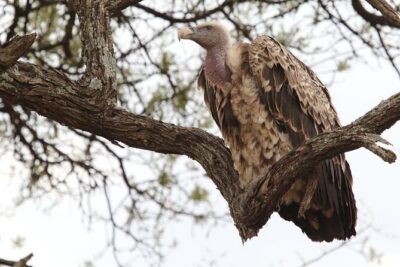
What I really like about Tarangire as a third stop is the birds. The park has been observed with over 450 species of birds. That is not just trivia. Birds can help you “read” the day. When birds concentrate, you often find feeding areas, water activity, and insects that pull in other animals. If your guide is good at bird spotting, your safari gets deeper than big mammals alone.
Your Tarangire day includes breakfast at 0700am, then you drive on tarmac road to get into the park. Lunch is a picnic there, and you continue with afternoon game viewing. That pacing is smart because it gives you a lighter morning transfer, then time for viewing when animals are more active, and then a rest-and-recharge break before the late-day search.
A small practical warning: afternoon heat and shadows can affect visibility. If you know your camera settings or you rely on phone cameras, practice focusing quickly. If you do not, trust your eyes first and your gear second. A good guide will also manage routes to keep sightlines open.
Lodging and meals across two nights: the part you often forget to plan
The package includes breakfast, lunch, and dinner, so you are not chasing meals between parks. That matters more than it sounds, because in safari regions, a rushed meal hunt can eat into your best wildlife hours.
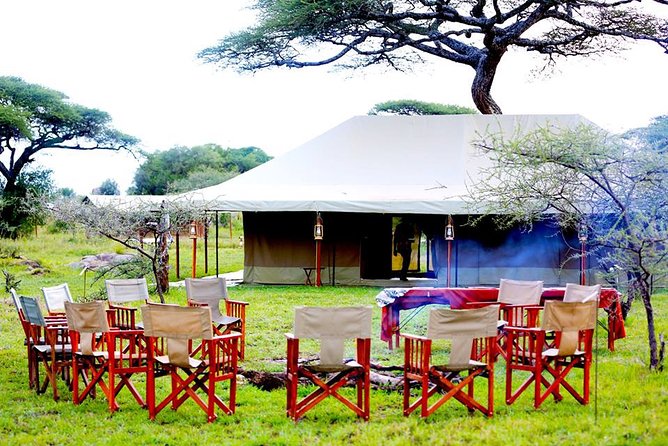
One review mentioned a tent lodge in the Serengeti area and described it as amazing. You should expect a “close to nature” style of stay in some setups, which can be a big part of why people enjoy this circuit. That said, the exact lodge details are not spelled out in the information you provided, so I would treat lodging as a likely standout rather than a guaranteed luxury brand-name experience.
Timing-wise, you already have one anchor: breakfast at 0700am on the Tarangire day. The rest of the meal timing is not listed, but the structure is clear enough that you will have set meal windows around driving and game viewing blocks. The main thing is to pack water and snacks for breaks between meals. Your stomach will thank you, and it is easier to stay patient when you are not hungry.
If you are sensitive to early mornings, plan for it now. This kind of safari run gives you more wildlife hours, which means you will trade some sleep. You do not need to dread it, just treat it like part of the deal.
Price and value: what you get for about $2,000 per person
At $2,000 per person, this is not a budget safari. You are paying for three top-tier Tanzania wildlife destinations plus private transportation and included meals.
Here is what the price covers based on the info provided:
- Breakfast, lunch, and dinner
- All fees and taxes
- Private transportation
- Pickup offered, and a mobile ticket is part of the setup
- Park admission is shown as free
That set of inclusions is where the value comes from. A lot of safari costs are hidden until late in the planning. Here, those core costs appear handled, so you can focus on the safari itself rather than counting pennies mid-trip.
What is not included:
- International flight
- Insurance
- Visa
- Tips for guide and personal expenses like laundry
So the real planning question is whether you are comfortable covering those extras yourself. Also remember that private safaris cost more because you are paying for exclusivity. In exchange, you get a tighter schedule and more control over where the vehicle goes.
In my view, this is a strong value choice if you want Serengeti plus Ngorongoro plus Tarangire in one go, and you prefer private transport over joining a larger group. If you are mainly chasing one park and you are okay with slower pace, a simpler itinerary could be cheaper. But for breadth, this route makes sense.
How to get better sightings: practical tips that match how guides work
This safari rewards the basics done well. If you want more lion-and-leopard moments, the trick is less about luck and more about rhythm: scanning, stopping, listening, and letting your guide manage the hunt.
Here are my best practical tips for a trip like this:
- Bring binoculars. Many sightings are at a distance, and you will see more without cropping photos.
- Wear neutral colors and comfortable shoes. Safari walking is not always required, but you will step out to reposition and for crater and lodge breaks.
- Pack layers. Mornings and highlands can feel cooler than you expect, and you do not want to sweat through viewing windows.
- Keep your camera ready, but do not block your own field of vision. If you are constantly looking through a lens, you might miss the animal that appears in the corner of your sight.
- Use your guide’s bird skills. Reviews praise guides who explain animals particularly birds, and birds often lead you toward the action.
And one more thing: you will likely hear stories from different guides in different vehicle moments, including who is driving and how they handle surprises. One review highlighted a driver named Joseph as especially safe behind the wheel, and another credited Godlove with doing everything to make the safari memorable. That is the real experience difference. When you trust the driver and you feel supported, you stay relaxed. Relaxed people spot more.
Should you book this 3-day Serengeti, Ngorongoro and Tarangire safari?
Book it if you want maximum wildlife variety in a short window, and you like the idea of moving through big ecosystems rather than spending your whole time in one park. The route is built for strong first-time impact, with Serengeti’s sheer animal scale, Ngorongoro’s concentrated crater viewing with Lake Magadi, and Tarangire’s elephant and bird-heavy world.
Skip it, or adjust expectations, if you hate long driving days or if you expect a totally relaxed pace. Also be clear that this is a private safari package with included meals and fees, but you still need to handle your flight, visa, and insurance.
If you are the kind of traveler who loves learning what you are seeing, this is a good match. The repeated theme from guide praise is simple: the best safaris come from guides who help you notice more, including birds, not just the biggest mammals.
FAQ
What is included in the safari price?
The package includes breakfast, lunch, and dinner, all fees and taxes, and private transportation.
Where does the safari start and end?
It starts in Arusha, Tanzania, and ends back at the meeting point.
Is pickup offered?
Yes, pickup is offered.
Which parks are included in the experience?
Serengeti National Park, Ngorongoro Crater, and Tarangire National Park are included.
Is park admission included?
Admission is listed as free.
What do I need to pay for that is not included?
Not included are international flight, insurance, visa, tips for guide, and personal expenses such as laundry.
Is free cancellation available?
Yes. Free cancellation is available up to 24 hours in advance for a full refund, with cut-off times based on local time.
Tarangire and Its Baobabs
- 5-Day Highlights mid-Range Crater, Serengeti, Tarangire
★ 5.0 · 296 reviews - Private 6-Day Tarangire Manyara Crater and Serengeti with Mid-Range Lodges
★ 5.0 · 238 reviews - 5 Days Camping Tarangire, Serengeti & Ngorongoro crater & Visiting Maasai
★ 5.0 · 229 reviews - 4 Days Join Group tour Tarangire Serengeti and Ngorongoro crater
★ 5.0 · 219 reviews - 4-Day Safari from Arusha: Tarangire, Serengeti and Ngorongoro
★ 5.0 · 173 reviews
Still Thinking About the Crater?
- 3 Days Serengeti & Ngorongoro Group Camping Safari
★ 5.0 · 574 reviews - 5 Days Camping Tarangire, Serengeti & Ngorongoro crater & Visiting Maasai
★ 5.0 · 229 reviews - 4 Days Join Group tour Tarangire Serengeti and Ngorongoro crater
★ 5.0 · 219 reviews - 4-Day Safari from Arusha: Tarangire, Serengeti and Ngorongoro
★ 5.0 · 173 reviews - 2 Days Tarangire and Ngorongoro Group Camping Safari
★ 5.0 · 146 reviews
The Serengeti, Three More Ways
- Balloon Safari & Bush Breakfast in Serengeti – Miracle Experience
★ 5.0 · 1,646 reviews - 3 Days Serengeti & Ngorongoro Group Camping Safari
★ 5.0 · 574 reviews - 5-Day Highlights mid-Range Crater, Serengeti, Tarangire
★ 5.0 · 296 reviews - 3-Day Classic Serengeti Safari
★ 5.0 · 263 reviews - Private 6-Day Tarangire Manyara Crater and Serengeti with Mid-Range Lodges
★ 5.0 · 238 reviews
Just added from around Arusha
Serengeti National Park Safaris, compared.
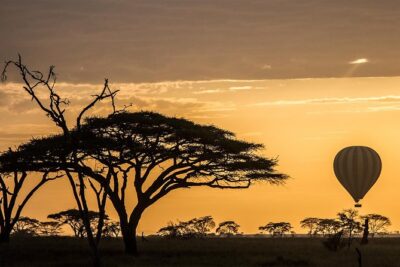 ★ 5.0Serengeti Balloon Safari and authentic bush breakfastFrom $5502,480 reviews
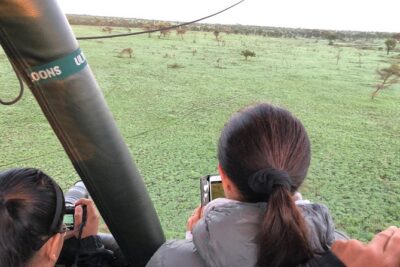 ★ 5.0Balloon Safari & Bush Breakfast in Serengeti – Miracle ExperienceFrom $5991,646 reviews
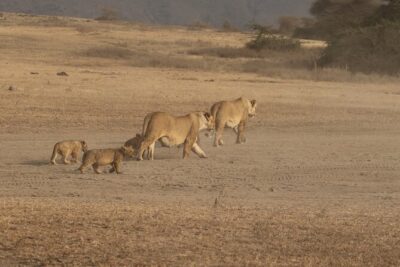 ★ 5.03 Days Serengeti & Ngorongoro Group Camping SafariFrom $815574 reviews
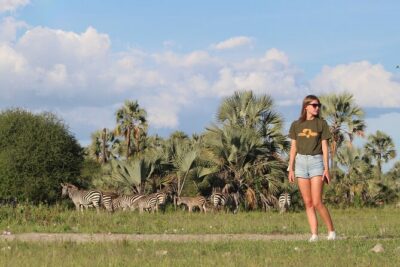 ★ 5.05-Day Highlights mid-Range Crater, Serengeti, TarangireFrom $2,327296 reviews
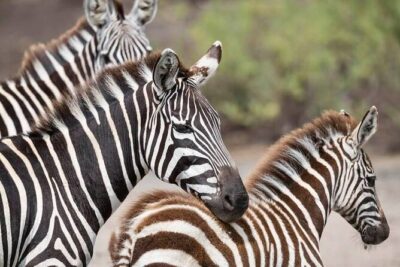 ★ 5.0Safari Serengeti And NgorongoroFrom $2,845288 reviews
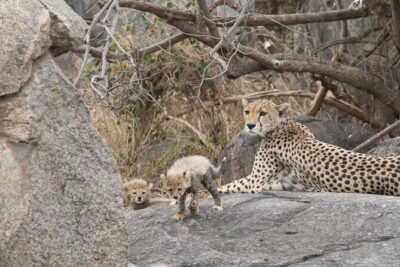 ★ 5.03-Day Classic Serengeti SafariFrom $1,455263 reviews
 ★ 5.0Private 6-Day Tarangire Manyara Crater and Serengeti with Mid-Range LodgesFrom $2,685238 reviews
 ★ 5.05 Days Camping Tarangire, Serengeti & Ngorongoro crater & Visiting MaasaiFrom $1,254229 reviews