
REVIEW · SERENGETI NATIONAL PARK SAFARIS
3-Day Safari in Serengeti & Ngorongoro(Mid-range)
Serengeti never stays quiet. This 3-day safari strings together two serious Serengeti game drives and then the big one, an early descent into Ngorongoro Crater. You get classic dry-plains views first, then a dramatic shift to the crater’s grassy floor, forests, and fever-tree zone that lets you spot animals where the scenery does the talking.
What I like most is the pacing and the value you get for the time. You leave Arusha early, you’re on safari across multiple sessions, and you’re not just rushing for a highlight reel. One small consideration to factor in is that details can matter on game drives, and in one trip the guide forgot binoculars, so I’d pack your own just in case (or be ready to improvise).
In This Review
- Key points to know before you go
- Serengeti’s Endless Plains, then Ngorongoro’s Volcanic Caldera
- Day 1 in Serengeti National Park: Arrival, Lunch Stop, and First Afternoon Drive
- Day 2 in Serengeti: Second Location, More Wildlife Time, then Toward Ngorongoro
- Day 3 at Ngorongoro Crater: Descent Through Forest, Fever Trees, and Early Game Drives
- Rhino Lodge Overnight: Why the Night Between Parks Counts
- Pickup, Private Touring, and How Service Affects Your Safari
- Value Check: Is $2,480 a Good Deal for This 3-Day Route?
- What to Watch For: Gear Habits That Improve Your Chances
- Who This Safari Fits Best (and Who Might Want Something Else)
- Should You Book Safari Njema Adventures for Serengeti and Ngorongoro?
- FAQ
- Where does the safari start?
- How long is this safari?
- Which parks will you visit?
- Is pickup included?
- Is this tour private?
- Do you use a mobile ticket?
- Is admission included?
- Where do you overnight?
- Who can participate?
- What is the cancellation policy?
Key points to know before you go
Two Serengeti days, not one for wider chances at seeing different animals and behaviors.
Early Ngorongoro crater timing with safari vehicles that have pop-up roofs for better viewing angles.
Big scenery contrast from endless plains to a volcanic caldera with open grassland and forest pockets.
Rhino Lodge dinner and overnight after you push on from the Serengeti toward the crater area.
Private tour format means just your group participates, with pickup included from Arusha accommodations.
Bring your own binoculars because even with a great guide, gear hiccups can happen.
More of the Serengeti, drive by drive
- Balloon Safari & Bush Breakfast in Serengeti – Miracle Experience★ 5.0 · 1,646 reviews
- 3 Days Serengeti & Ngorongoro Group Camping Safari★ 5.0 · 574 reviews
- 5-Day Highlights mid-Range Crater, Serengeti, Tarangire★ 5.0 · 296 reviews
- 3-Day Classic Serengeti Safari★ 5.0 · 263 reviews
Serengeti’s Endless Plains, then Ngorongoro’s Volcanic Caldera
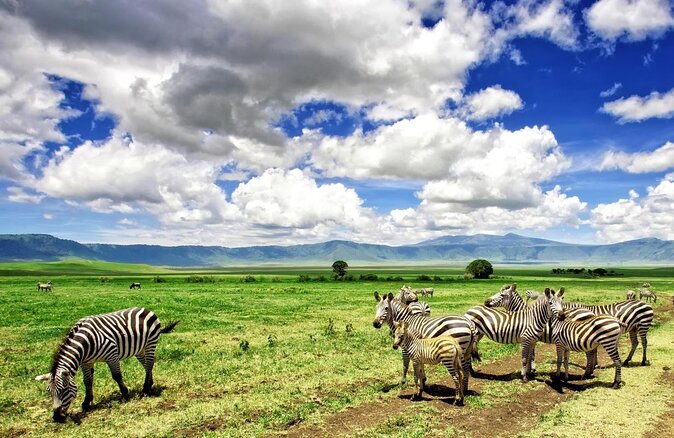
This is the kind of safari plan that makes sense if you want variety without burning your whole trip on driving. You start in the Serengeti, famous for the “endless plains” feel and the Great Migration story, then you end at Ngorongoro Crater, a collapsed volcano caldera where the ecosystem changes quickly once you descend.
The Serengeti portion covers a huge area, listed at 14,763 sq km. Even if you never see a dramatic crossing moment, the scale hits you. The name itself comes from the Maasai language, and that idea of endless plains is not just a slogan. On this route, you also get two separate days in Serengeti from different locations, which is a practical way to increase your odds of good sightings.
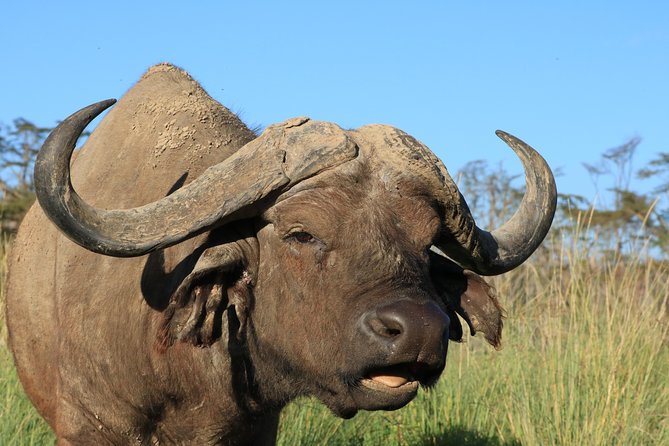
Ngorongoro is a different mood. This crater formed when a giant volcano exploded and collapsed about two to three million years ago. On the crater floor you’ll ride on grassy terrain and pass through areas like a fever-tree forest and forest patches on the way down, where elephants and buffaloes are mentioned as common possibilities. In plain terms: you’re not just looking for animals, you’re also watching the land change shape around you.
Day 1 in Serengeti National Park: Arrival, Lunch Stop, and First Afternoon Drive
Day 1 starts with pickup from your accommodation in Arusha, then a drive toward Serengeti National Park. The plan calls for lunch either on the way to the park or just before entering, which is helpful because it keeps you from feeling like you’re stuck waiting for food mid-drive.
Once you arrive, you do an afternoon game drive. That timing can be a sweet spot. You’re not facing the whole day of heat and long exposure on the first day, and you still get meaningful daylight for spotting animals. Also, Serengeti afternoon light can make the scenery feel extra dramatic, especially across those wide open plains.
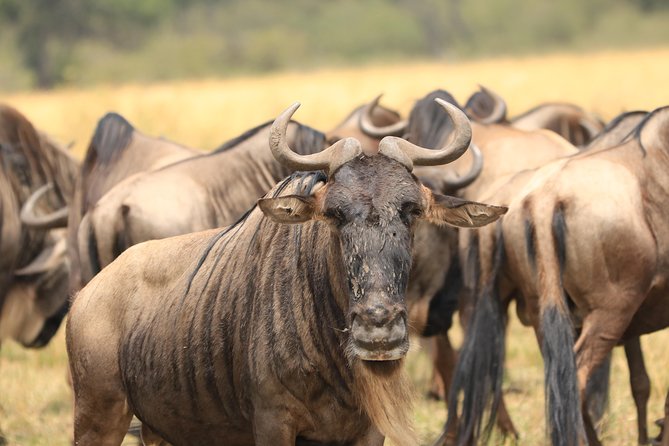
This is also where the Great Migration context matters. The route explicitly points out the scale of the migration, with over a million wildebeests making a roughly 600-mile pilgrimage during the annual exodus north. Even if your timing doesn’t perfectly match a specific migration spectacle, it’s useful information because it helps you understand why the Serengeti is so alive with hoofed animals in general.
A small detail that affects your experience: your viewing setup will likely be vehicle-based, and on safari you get the best results when you stay patient and keep your focus. Wildlife spotting can feel like it comes in bursts, and the first drive is where you’ll train your eyes for what’s normal out there.
Day 2 in Serengeti: Second Location, More Wildlife Time, then Toward Ngorongoro
Day 2 keeps you in Serengeti for another wildlife viewing day, again with an afternoon schedule that gives you time for a second block of driving. The itinerary frames the park as a sanctuary that shows you “the world as it was in the beginning,” but what that really means for you is that it’s about scale and natural behavior, not staged encounters.
You’ll be moving between areas within the Serengeti. The plan describes the second day as coming from a deeper part of the park, with the idea that there are literally hundreds of thousands of hoofed animals in the ecosystem. This matters because it’s not just about seeing more animals overall. It’s about seeing how animals use space, how herds spread out, and how movement patterns change from one part of the park to another.
After the safari time, you transition toward Ngorongoro Crater. You’ll overnight near the crater and enjoy dinner at Rhino Lodge. That overnight matters because it sets you up for an early start the next morning, when crater viewing is most productive.
One practical note: this day is a classic “two-part day.” You have safari hours and then the transfer evening. When you pack, plan for it. Bring a comfortable layer for the evening and keep your small essentials easy to reach in the vehicle, because once you’re in crater mode, you’ll want to move fast in the morning.
Other ways down into the Ngorongoro Crater
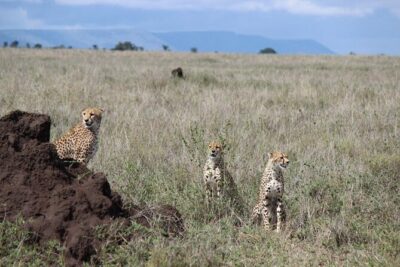
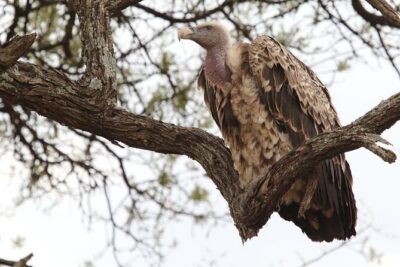
Day 3 at Ngorongoro Crater: Descent Through Forest, Fever Trees, and Early Game Drives
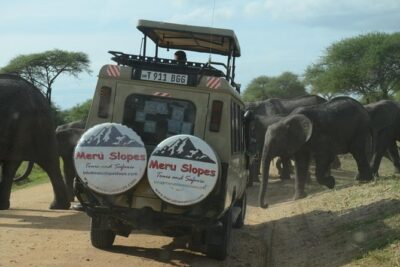
Day 3 is the crater day, and the itinerary is clear that game drives begin early in the morning with safari vehicles that have pop-up roofs. That roof detail is not just a gimmick. It’s a real viewing advantage, especially when the best sightings happen at awkward heights or when you’re trying to photograph through the vehicle.
You’ll descend into the crater, and the route highlights why this part is scenic, not only practical. The drive down goes through lush forests where elephants and buffaloes are specifically mentioned, then you reach the crater’s grassy floor. The crater itself is described as mostly open grassland with two small wooded areas, so once you’re down, the terrain can feel like a natural stage.
The itinerary also points out the fever tree forest, plus a view that includes the crater floor as you ride. Those micro-environments are exactly what you want in a limited-time day. If you only had open plains, spotting could feel repetitive. With grassland plus forest pockets, you get more variety in where animals can be and where your eyes can rest.
This is also where having a good guide makes a difference, because crater drives are all about reading sign and staying calm while you wait for movement. One of the praised themes from similar safari experiences is guides who don’t rush you. You’ll get more value when you can take time for photos and actually look, not just pass through.
Rhino Lodge Overnight: Why the Night Between Parks Counts
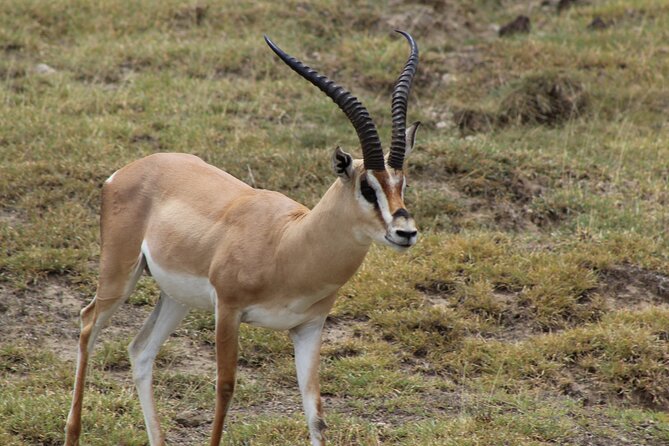
The itinerary includes dinner at Rhino Lodge during your overnight after the Serengeti portion. This is a smart setup because it reduces the stress of trying to do both parks in one long day. You’re not guessing where to sleep, and you’re not hoping you’ll arrive at the crater area in time for a decent early departure.
What “mid-range” usually means on safari is a tradeoff: you’re paying for a balance of comfort and service rather than going ultra-luxury. Dinner at Rhino Lodge likely gives you a solid place to reset after long drives. The day before the crater is physically and mentally tiring, and the lodge stop is where you recharge so the morning doesn’t feel like punishment.
In practical terms, think about how early you’ll want to be up. If the crater game drive starts early, you’ll want your basic items ready the night before. Pack the layer you’ll use outside and keep small essentials together so you’re not hunting around in the dark.
Pickup, Private Touring, and How Service Affects Your Safari
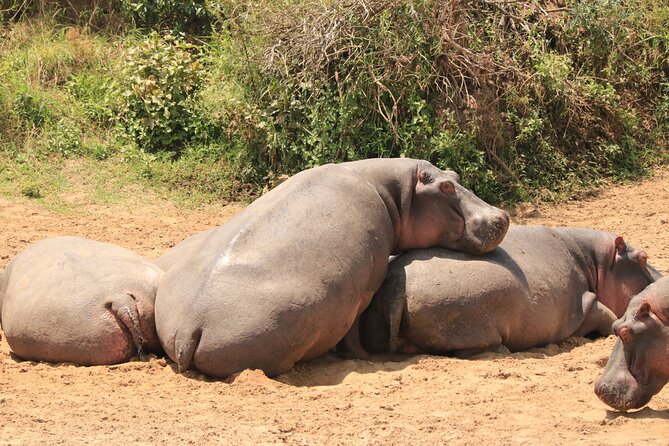
This tour includes pickup offered from your Arusha accommodation and it’s described as a private tour/activity, meaning only your group participates. That setup can feel small on paper, but it matters in the bush. Private means you’re not stuck with someone else’s schedule, and the guide can focus on your group rather than the logistics of multiple parties.
One experience tied to this route also showed how smooth coordination can be when you book through a hostel base in Arusha. In one example, staff at The White House helped arrange the safari, and pickup and drop-off worked directly through that location. That kind of support can be a big deal if you arrive in Arusha with just a few days to spare or if you’re trying to keep things simple.
You might also notice that transport details come up in people’s memories. In one trip, Issa was mentioned as the pilot of the van. It’s a reminder that you’re not only relying on a guide, you’re also relying on the driver or pilot for safe, timely travel on rough roads and for getting you to game drives at the right times.
Service doesn’t only mean friendly staff. It also means practical decisions, like making sure you’re ready for the crater day and not losing time to avoidable mistakes.
Value Check: Is $2,480 a Good Deal for This 3-Day Route?
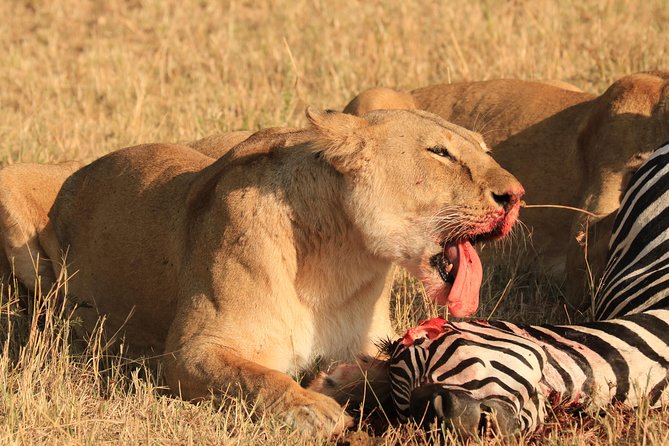
At $2,480 per person, this is not a budget safari. The value is in how the days are structured and what’s included. You’re getting roughly three days in total with multiple wildlife-focused drives across Serengeti and Ngorongoro, plus a crater day where Ngorongoro admission is listed as included.
The itinerary also indicates Serengeti admission ticket is listed as free. That can change the math in a big way, especially on safari where park fees can add up. On top of that, you have pickup included and a mobile ticket format, so you’re not dealing with paper hassles.
Where you should look closely is in the word mid-range. Mid-range typically means you’re paying for comfort and solid guiding without paying for top-tier extras. For many people, that’s exactly what you want: enough service to relax and enjoy the wildlife, but not so much spend that you cut corners elsewhere in Tanzania.
Also consider opportunity cost. Three days is short for two major ecosystems. If you try to DIY this, you’ll burn time on logistics, negotiations, and waiting around. With a set plan and private format, you buy time and reduce stress.
Finally, remember the real wildcard in any safari: animal sightings. Even with excellent viewing opportunities, luck plays a role. The best value you can get is when your guide watches the same way you do, and when they give you enough time to look properly.
What to Watch For: Gear Habits That Improve Your Chances
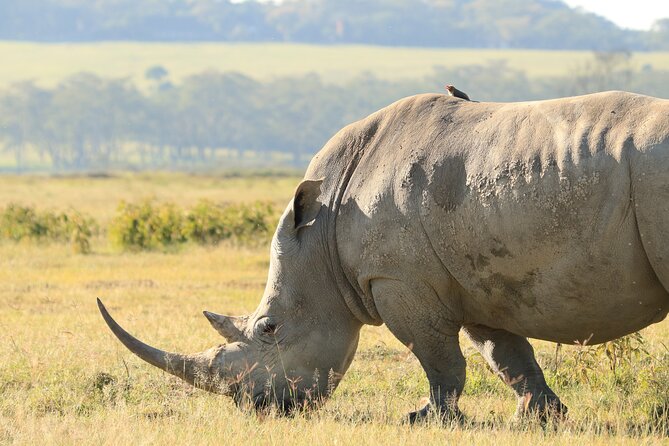
On safari, small gear choices can save your photos and your sanity. One experience included a moment where the guide forgot binoculars. Animals can be close at times, but there will still be moments where you’ll want magnification.
So here’s my practical advice: bring your own binoculars if you have them. If you don’t, consider renting before you head out, or at least ask your operator what’s available. Don’t count on everything being in the vehicle.
Also bring a camera strap or a secure way to hold your phone, because crater mornings and long drives can mean constant shifting and quick moments. The safari rhythm can be stop, scan, wait, then sudden movement. If your hands are busy digging through bags, you lose time.
For clothing, plan for long days and early starts. The itinerary mentions early crater drives and a bright-and-early pickup from Arusha. That usually means you’ll be outside for enough time to want layers, not one heavy outfit.
Who This Safari Fits Best (and Who Might Want Something Else)
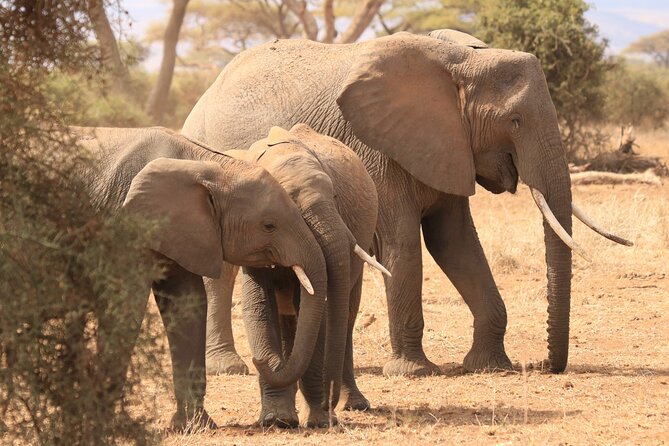
I think this safari fits best if you want a classic Northern Tanzania mix of big scenery and real game-drive time, without going longer than three days. If you’re short on days, this is a smart compromise: two Serengeti days plus one major crater morning.
You’ll also like it if you value private pacing. Only your group participates, and that often means your guide can slow down for your questions and your photos. Reviews tied to similar experiences emphasize guides who explain well and give time to see and take pictures.
It may be less ideal if you’re extremely focused on one specific kind of wildlife moment, like a very specific migration event. With a short schedule, you’re always working within timing. This route is still strong, but it’s wiser to treat the migration as context, not a guaranteed event.
Should You Book Safari Njema Adventures for Serengeti and Ngorongoro?
If you’re weighing this route against a longer safari or a cheaper one, I’d base the decision on your priorities. This plan gives you Serengeti twice, then Ngorongoro once, and it includes the crater day with admission listed as included. For most people, that combination is a good use of limited time.
Book it if you want balanced park time, pickup from Arusha, and a set overnight at Rhino Lodge that makes crater morning realistic. Skip it or compare options if you’re allergic to any possibility of missing a specific wildlife spectacle, because no safari can promise one exact moment on one exact day.
One more tip that helps: confirm the exact pickup time. The listed start time shows 12:00 am, but the day-one experience is described as bright and early. That gap is likely just a format issue, but it’s worth clarifying so you’re not surprised.
FAQ
Where does the safari start?
The tour starts with pickup from your accommodation in Arusha.
How long is this safari?
The duration is listed as approximately 3 days.
Which parks will you visit?
You’ll visit Serengeti National Park for two days and Ngorongoro Crater for the third day.
Is pickup included?
Yes, pickup from your Arusha accommodation is offered, and you’ll also be driven back.
Is this tour private?
Yes, it is private, so only your group participates.
Do you use a mobile ticket?
Yes, the tour notes a mobile ticket.
Is admission included?
Serengeti National Park admission is listed as free on this tour, and Ngorongoro Crater admission is listed as included.
Where do you overnight?
You overnight and have dinner at Rhino Lodge.
Who can participate?
Most travelers can participate.
What is the cancellation policy?
You can cancel for free up to 24 hours in advance of the experience start time for a full refund.
More Lodge Safaris
- 7-Day Premium Luxury Tanzania Safari All-Inclusive
★ 5.0 · 426 reviews - 5-Day Highlights mid-Range Crater, Serengeti, Tarangire
★ 5.0 · 296 reviews - Private 6-Day Tarangire Manyara Crater and Serengeti with Mid-Range Lodges
★ 5.0 · 238 reviews - 5 Days Best of Tanzania Luxury Safari Northern Circuit
★ 5.0 · 174 reviews - 5-Day Private midrange Tour in Arusha with Airport Pickup
★ 5.0 · 160 reviews
Still Thinking About the Crater?
- 3 Days Serengeti & Ngorongoro Group Camping Safari
★ 5.0 · 574 reviews - 5 Days Camping Tarangire, Serengeti & Ngorongoro crater & Visiting Maasai
★ 5.0 · 229 reviews - 4 Days Join Group tour Tarangire Serengeti and Ngorongoro crater
★ 5.0 · 219 reviews - 4-Day Safari from Arusha: Tarangire, Serengeti and Ngorongoro
★ 5.0 · 173 reviews - 2 Days Tarangire and Ngorongoro Group Camping Safari
★ 5.0 · 146 reviews
The Serengeti, Three More Ways
- Balloon Safari & Bush Breakfast in Serengeti – Miracle Experience
★ 5.0 · 1,646 reviews - 3 Days Serengeti & Ngorongoro Group Camping Safari
★ 5.0 · 574 reviews - 5-Day Highlights mid-Range Crater, Serengeti, Tarangire
★ 5.0 · 296 reviews - 3-Day Classic Serengeti Safari
★ 5.0 · 263 reviews - Private 6-Day Tarangire Manyara Crater and Serengeti with Mid-Range Lodges
★ 5.0 · 238 reviews
Just added from around Arusha
Serengeti National Park Safaris, compared.
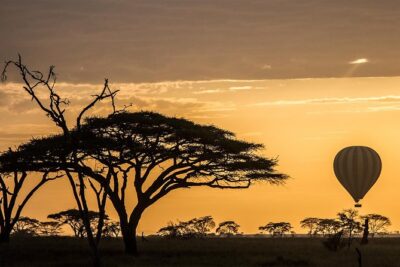 ★ 5.0Serengeti Balloon Safari and authentic bush breakfastFrom $5502,480 reviews
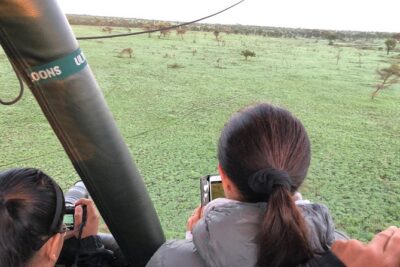 ★ 5.0Balloon Safari & Bush Breakfast in Serengeti – Miracle ExperienceFrom $5991,646 reviews
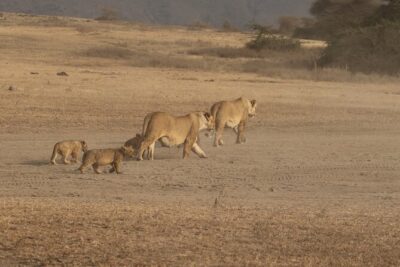 ★ 5.03 Days Serengeti & Ngorongoro Group Camping SafariFrom $815574 reviews
 ★ 5.05-Day Highlights mid-Range Crater, Serengeti, TarangireFrom $2,327296 reviews
 ★ 5.0Safari Serengeti And NgorongoroFrom $2,845288 reviews
 ★ 5.03-Day Classic Serengeti SafariFrom $1,455263 reviews
 ★ 5.0Private 6-Day Tarangire Manyara Crater and Serengeti with Mid-Range LodgesFrom $2,685238 reviews
 ★ 5.05 Days Camping Tarangire, Serengeti & Ngorongoro crater & Visiting MaasaiFrom $1,254229 reviews
Browse the lists this tour appears in