
REVIEW · SERENGETI NATIONAL PARK SAFARIS
04 Days Tarangire, Serengeti and Ngorongoro crater group (Camping
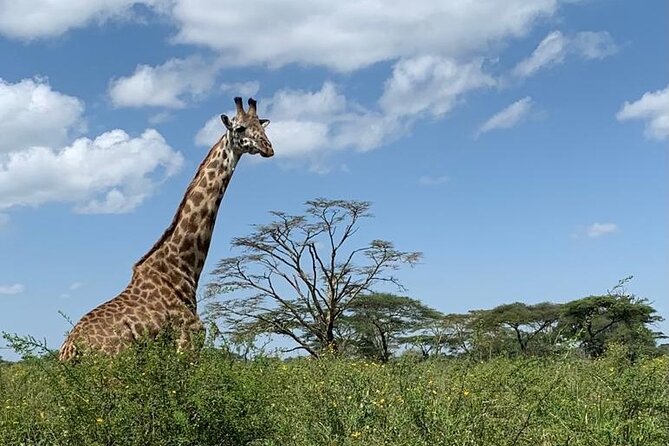
A first look at Tanzania from a single trip, with Tarangire, Serengeti, and Ngorongoro all in one run. I like how the day plans are simple and practical, with packed lunches and meals kept in motion so you spend more time outside and less time figuring things out.
The best part is the human layer: you get a driver-guide who explains what you are seeing, plus a team that’s organized enough to keep camp and game drives flowing. The one thing to consider is the pace. You will be in the car for long stretches each day, and camping means you should be good with basic comforts.
In This Review
- Key Highlights You Will Feel Immediately
- Why This 4-Day Camping Loop Makes Sense for First-Time Safari Planning
- Your Starting Point: Arusha Timing and What a 8:00 AM Start Means
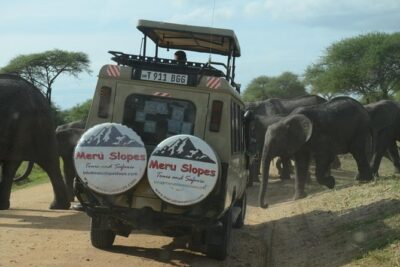
- Day 1 Tarangire: Elephant Country and a Game Drive That Gets You Outside Fast
- Day 2 Serengeti via Naabi Hills: Full-Day Motion and a Sunset Camp Dinner
- Day 3 Ngorongoro Rim Night: The Calm Setup Before the Crater Floor
- Day 4 Ngorongoro Crater Floor: Long Game Drive Time Down in the Caldera
- Food on Safari: Why the Meal System Feels Like Part of the Experience
- Wildlife Viewing Reality Check: You Will See a Lot, But You Still Need Patience
- Camping and Comfort: What You Should Expect, and How to Prepare
- Price and Value: Is $970 Per Person Fair for This Route?
- Who This Safari Fits Best (And Who Might Want a Different Style)
- Final Decision: Should You Book This 4-Day Crater, Serengeti, Tarangire Camping Safari?
- FAQ
- Where does the tour start and what time?
- How long is the safari?
- Which parks are included?
- Is pickup offered?
- Is this tour private?
- Are meals included during the safari?
- Are park admissions included?
- What kind of accommodation is used?
- How much game drive time do you get in Ngorongoro Crater?
- What cancellation terms apply?
- Do I receive a mobile ticket?
Key Highlights You Will Feel Immediately
- Tarangire morning game drive with packed lunch boxes, built for maximum wildlife time
- Naabi Hills gate and Seronera area timing, including sunset camp dinner after a full day on the move
- Ngorongoro rim overnight at Ngorongoro Simba campsite, so crater day feels unhurried and focused
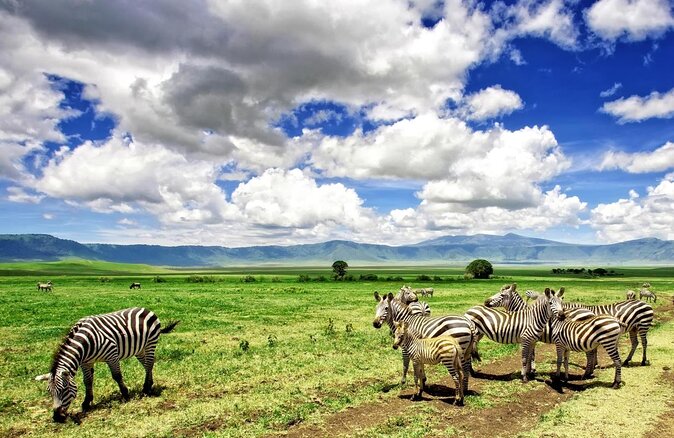
- Crater floor game drive with picnic lunches, timed for a long look down in the caldera
- Responsive team communication, with past guests praising the smooth WhatsApp back-and-forth
- Extra effort on meals, including vegetarian-friendly options mentioned in guest feedback
More of the Serengeti, drive by drive
- Balloon Safari & Bush Breakfast in Serengeti – Miracle Experience★ 5.0 · 1,646 reviews
- 3 Days Serengeti & Ngorongoro Group Camping Safari★ 5.0 · 574 reviews
- 5-Day Highlights mid-Range Crater, Serengeti, Tarangire★ 5.0 · 296 reviews
- 3-Day Classic Serengeti Safari★ 5.0 · 263 reviews
Why This 4-Day Camping Loop Makes Sense for First-Time Safari Planning
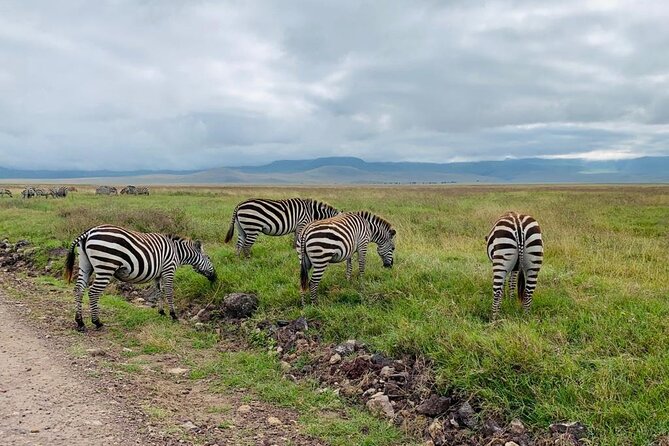
If Tanzania is on your bucket list, this kind of loop is the cleanest way to do it. Tarangire brings one kind of wildlife and scenery, Serengeti brings another, and Ngorongoro changes the whole game because you are literally looking down into a natural amphitheater. Doing all three in four days is a smart tradeoff. You get variety without paying for extra transfers or adding too many hotel changes.
I also like that the trip is built around a steady rhythm: drive early, search for animals during the best light, then eat well and keep moving. The tour plan calls out three meals a day, plus packed lunch boxes for game drives and picnic lunches during crater time. That matters more than people think, because nothing kills a safari day like hunting for food you are not prepared to find.
There is a drawback to any multi-park circuit: you will trade some flexibility for efficiency. This itinerary uses full days and travel time between regions. If you hate long drives, plan to treat the transfer hours as part of the experience, not wasted time.
Your Starting Point: Arusha Timing and What a 8:00 AM Start Means
You start at Kilimanjaro Airport at 8:00 am. That early departure is normal for safari. It helps you reach the parks with enough daylight to see animals when they are active, and it reduces the chance you arrive too late and miss the best viewing windows.
You also get pickup offered. That takes stress off your first morning in Tanzania. You do not need to coordinate your own transport from Arusha to the safari zone and then mentally reset after travel.
One more practical note: the tour uses a mobile ticket, and confirmation is sent at booking. In plain terms, you can expect a digital paper trail rather than scrambling for physical documents.
Day 1 Tarangire: Elephant Country and a Game Drive That Gets You Outside Fast
Day 1 starts with breakfast and a drive to Tarangire National Park for a game drive. The plan includes packed lunch boxes, so you do not lose precious wildlife hours to finding a restaurant. After the game drive, you continue on to Karatu for dinner and overnight.
Why Tarangire works so well on day one
Tarangire has a reputation for strong animal sightings, especially around water sources and open areas where animals move predictably. Even without getting fancy about it, you will feel the difference between driving into Tarangire and driving somewhere more crowded. The rhythm is more focused on finding, watching, and then positioning yourself for the next chance.
What to expect during the drive and game time
You are likely to spend several hours in the park that first day. The exact plan lists about 7 hours total for Day 1, which typically means enough time to actually settle into spotting rather than just doing a quick lap.
A small but helpful detail: the tour says admission ticket free for this day. That can make budgeting feel easier, because you are less likely to face add-on surprises.
Possible drawback for day one
If you are the type who wants to ease into the trip, day one can feel like a sprint. You start the morning early, then you get a game drive almost immediately. Think of it as a “start fast, then settle” plan.
Other ways down into the Ngorongoro Crater
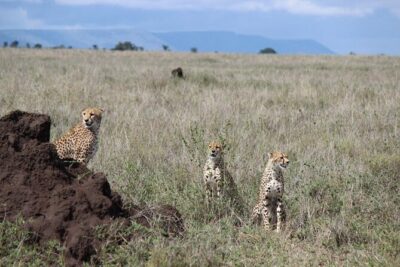

Day 2 Serengeti via Naabi Hills: Full-Day Motion and a Sunset Camp Dinner
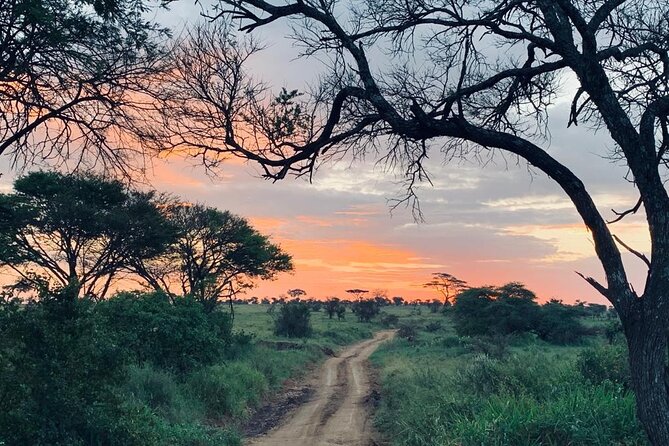
On day two, you drive to Serengeti National Park. The plan includes game viewing en route until late afternoon as you pass through the Ngorongoro Conservation Area. You then stop at Naabi Hills gate for lunch, and later continue toward Seronera campsite for dinner and overnight after sunset camp dinner timing.
The Serengeti effect is real, and it happens because of how you are moved through it
A lot of safaris waste time changing plans mid-day. This one keeps the schedule moving so you can track animals through shifting positions and light. Past guests also described seeing huge numbers of animals in general categories, including zebras, elephants, giraffes, lions, and more. That does not mean you will see every animal every day, but it is a good sign that the tour’s approach to timing and game drive style tends to produce solid viewing.
Naabi Hills gate is a good checkpoint
You do not just pass through. The itinerary calls out Naabi Hills gate with lunch and a break before the day’s later driving and camp time. That matters because you get a mental reset and you avoid the kind of dehydration and fatigue that makes spotting harder.
Evening drive to Seronera
The plan says you begin around the sun set period and continue until nightfall, then settle into Seronera campsite. That means you are not rushing to arrive “just to arrive.” You are using the day’s light and then shifting to night camp life.
Two practical considerations for you
First, day two is listed at about 8 hours. You will likely feel it in your legs by the end of the day, especially if you are not used to long vehicle sits.
Second, it is a big day to be photo-focused. If you want crisp photos, bring a lens you can use comfortably from a vehicle, and plan to shoot during pauses when animals are still.
Park admission is listed as free for this day too, which helps the value picture.
Day 3 Ngorongoro Rim Night: The Calm Setup Before the Crater Floor
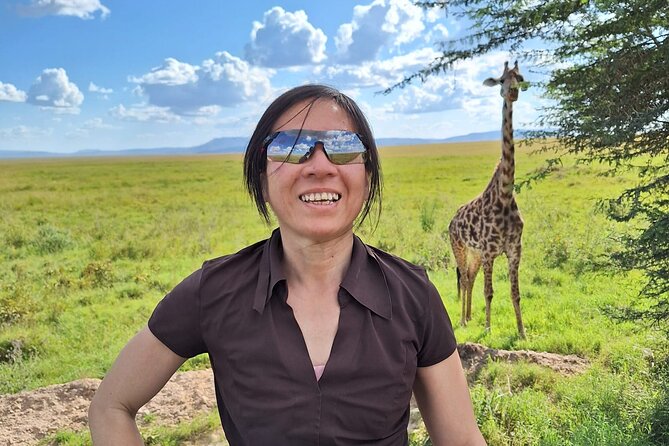
Day three is where the trip changes tone. You have a relaxing morning and an early lunch, then you proceed toward Ngorongoro. Your driver-guide explains wildlife and natural beauty along the way as you move through the Serengeti toward the crater region. You spend the night at Ngorongoro Simba campsite on the crater rim, with dinner and overnight.
Why the rim overnight is worth paying attention to
Spending the night on the rim can make the crater day feel more like a focused expedition rather than a rushed dash. You wake up closer to the crater than if you had to drive a long distance in the morning. In practical terms, it often means better timing for getting down when conditions are best, and more time watching from multiple angles.
You also get a “storytelling” travel moment
The itinerary specifically notes an experienced driver who guides you and explains what you are seeing en route. This is one of the biggest quality markers of a safari. When you can understand what habitats you are entering and why animals behave the way they do, the sightings feel less random.
Who you might travel with
In guest feedback, guides and team members named include people like Charles and Samuel, and the organizing coordinator Emmanuel. The point here is not names for fun. It is the human factor. When a company has consistent staff, your trip tends to run smoother, especially when plans shift due to animal movement.
Potential drawback on day three
You are still driving, even with the more relaxed morning. You should treat this day as part transition, part “warming up” for crater time. If you hate uncertainty, remember wildlife movement can change positioning, and guides will often adjust in the field.
Admission for day three is listed as included.
Day 4 Ngorongoro Crater Floor: Long Game Drive Time Down in the Caldera
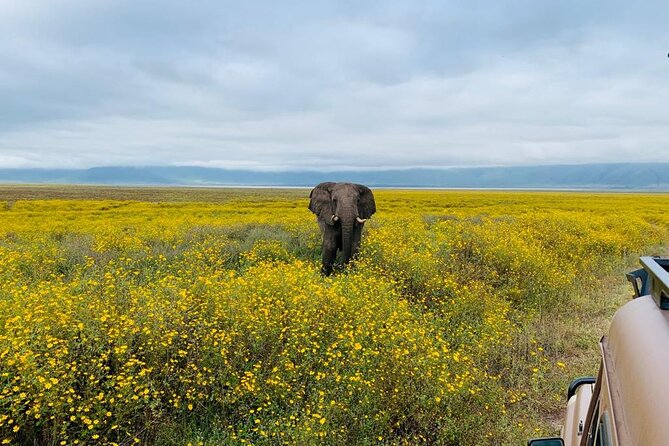
Day four starts with breakfast, then you proceed directly to the crater floor for a crater tour and about 6 hours of game drive time with picnic lunches. Later you head back to Arusha.
This is the main event day
Ngorongoro is famous because the crater concentrates wildlife and gives you repeated opportunities for close viewing without changing locations constantly. The crater floor also makes it easier to understand why animals move where they do, because you can watch them against a contained backdrop.
Why the picnic lunch format helps
You are not forced to cut your game drive short just to eat. The tour plan explicitly includes picnic lunches, which means you can take a break and return to spotting without losing a huge chunk of the day.
The schedule value
Day four is about 6 hours, which is substantial for the crater. It is enough time for animals to wander through your viewing window, and for you to re-position as needed.
A practical note for your comfort
Crater game drives usually mean long periods sitting and scanning. Bring water you can manage easily, keep snacks handy if you eat between meals, and wear layers you can adjust as the temperature changes.
Admission for day four is also listed as included.
Food on Safari: Why the Meal System Feels Like Part of the Experience
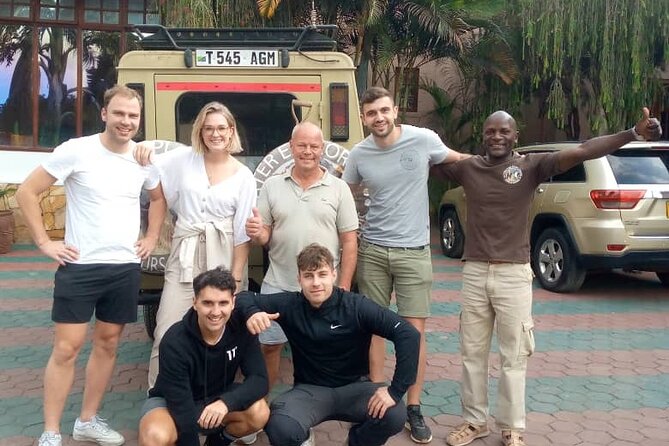
This trip is marketed with three meals a day, and that shows up in how it is designed. Game drives include packed lunch boxes, and the crater day includes picnic lunches. That is not just convenience. It is how you keep energy steady enough to keep watching.
What you can count on from the team side
In guest feedback, the cooking team gets praised, including names like Tito for chef work and Emmanuel for overall organization. The practical takeaway is that meals seem to be a real strength, not an afterthought.
Vegetarian options show up too
One of the most specific positives in the feedback is that there are many vegetarian options. If you eat vegetarian, this is a real advantage. Safari days can be tough when food planning is vague, so it helps that the team appears prepared.
What you should do
Even with good meal planning, still bring basic personal extras: tea or coffee preferences if you have them, a few snacks you love, and any dietary needs you know you cannot compromise on. Then you can enjoy the included meals without worrying.
Wildlife Viewing Reality Check: You Will See a Lot, But You Still Need Patience
No safari schedule can guarantee specific animals. But the trip’s viewing strategy is built on time on the ground, day length, and smart positioning across three ecosystems. That is exactly why many guests describe seeing strong variety, from big cats like lions to grazers like zebras, plus elephants, giraffes, and more.
What you will likely feel on this trip
- You will do a lot of scanning from a vehicle
- You will learn to watch behavior, not just species
- You will get better at spotting once you see patterns in water, movement, and shade
A simple technique I recommend
When you find a group of animals, do not just stare at the one closest to you. Scan the edges. Many sightings come from noticing who is moving toward the water or feeding area.
Also, remember the pacing
Because the itinerary includes multiple parks in a short time, you are less likely to have a full day to slow down and search endlessly. The tradeoff is you get variety and you cover the core icons of northern Tanzania.
Camping and Comfort: What You Should Expect, and How to Prepare
The tour is a camping style safari. That usually means you trade luxury for the freedom of being right where the experience happens. It is also part of why the trip can stay priced lower than many lodge-based options.
What camping means in practice for you
- You will likely spend more time thinking about layers and weather
- Sleep comfort depends on season and your own packing
- You should treat evenings as part relaxation, part reflection, part wildlife recap
How to pack for a camping safari without overthinking it
Bring layers, a hat, and sun protection. Bring a simple day bag that works from the vehicle. Consider a small flashlight for camp basics after dark. And for long drive days, pack something for posture support if you tend to get sore.
Price and Value: Is $970 Per Person Fair for This Route?
At $970 per person, you are paying for a lot of movement and three major areas: Tarangire, Serengeti, and Ngorongoro. The value comes from how the trip bundles the main costs you would otherwise chase yourself.
Here is what helps the value equation
- Meals are included, with three meals a day
- Packed lunches and picnic lunches reduce downtime
- Park admissions are listed as free for Days 1 and 2
- Park admissions are listed as included for Days 3 and 4
- You get a guided format with pickup offered, which reduces your logistics work
What you should weigh before booking
If you are comparing this to self-drive or cheaper group options, note that the schedule is tight and you are paying for coordination. If you compare it to higher-end lodge safaris, you are paying less because camping is part of the deal.
My honest take on value
For a four-day loop that hits the big three regions, the price looks like it targets travelers who want classic Tanzania without turning the trip into a budget-buster. If you are fine with camping and long drive days, it is likely a good fit.
Who This Safari Fits Best (And Who Might Want a Different Style)
This tour fits you if:
- You want one efficient route through Tarangire, Serengeti, and Ngorongoro
- You prefer having meals handled and logistics managed
- You like guides who explain what you are seeing
- You are okay with a camping style and long but rewarding days
It might not fit you as well if:
- You hate car time and want a slow pace
- You need lots of downtime between parks
- You expect lodge-style comfort every night
Final Decision: Should You Book This 4-Day Crater, Serengeti, Tarangire Camping Safari?
I would book it if you want a classic northern Tanzania safari route and you care about smooth organization more than luxury extras. The biggest reasons are the structure of the days, the meal system that keeps you moving, and the crater rim night that sets you up for a strong crater floor day.
If you are picky about comfort, do not treat “camping” as a throwaway detail. Pack for it, plan for it, and you will feel happier at camp. If you treat the safari days as the whole point, this itinerary feels built for that mindset.
If you want, tell me your travel month and your comfort level with camping. I can suggest what to prioritize in packing and how to time your expectations for best sightings.
FAQ
Where does the tour start and what time?
The start point is Kilimanjaro Airport, with a start time of 8:00 am.
How long is the safari?
The duration is 4 days, approximately.
Which parks are included?
You visit Tarangire National Park, Serengeti National Park, and Ngorongoro Crater.
Is pickup offered?
Yes, pickup is offered.
Is this tour private?
Yes. It is a private tour/activity, and only your group participates.
Are meals included during the safari?
Yes. The tour overview states that you enjoy three delicious meals a day, plus packed lunch boxes or picnic lunches during game drives.
Are park admissions included?
Admission tickets are listed as free for Day 1 and Day 2, and included for Day 3 and Day 4.
What kind of accommodation is used?
This is a camping safari, with overnight stays at camp sites such as Seronera campsite and Ngorongoro Simba campsite.
How much game drive time do you get in Ngorongoro Crater?
On Day 4, the tour includes about 6 hours of crater game drive time with picnic lunches.
What cancellation terms apply?
Free cancellation is available. You can cancel up to 24 hours in advance of the experience start time for a full refund.
Do I receive a mobile ticket?
Yes. The tour includes mobile ticket information.
Tarangire and Its Baobabs
- 5-Day Highlights mid-Range Crater, Serengeti, Tarangire
★ 5.0 · 296 reviews - Private 6-Day Tarangire Manyara Crater and Serengeti with Mid-Range Lodges
★ 5.0 · 238 reviews - 5 Days Camping Tarangire, Serengeti & Ngorongoro crater & Visiting Maasai
★ 5.0 · 229 reviews - 4 Days Join Group tour Tarangire Serengeti and Ngorongoro crater
★ 5.0 · 219 reviews - 4-Day Safari from Arusha: Tarangire, Serengeti and Ngorongoro
★ 5.0 · 173 reviews
Still Thinking About the Crater?
- 3 Days Serengeti & Ngorongoro Group Camping Safari
★ 5.0 · 574 reviews - 5 Days Camping Tarangire, Serengeti & Ngorongoro crater & Visiting Maasai
★ 5.0 · 229 reviews - 4 Days Join Group tour Tarangire Serengeti and Ngorongoro crater
★ 5.0 · 219 reviews - 4-Day Safari from Arusha: Tarangire, Serengeti and Ngorongoro
★ 5.0 · 173 reviews - 2 Days Tarangire and Ngorongoro Group Camping Safari
★ 5.0 · 146 reviews
The Serengeti, Three More Ways
- Balloon Safari & Bush Breakfast in Serengeti – Miracle Experience
★ 5.0 · 1,646 reviews - 3 Days Serengeti & Ngorongoro Group Camping Safari
★ 5.0 · 574 reviews - 5-Day Highlights mid-Range Crater, Serengeti, Tarangire
★ 5.0 · 296 reviews - 3-Day Classic Serengeti Safari
★ 5.0 · 263 reviews - Private 6-Day Tarangire Manyara Crater and Serengeti with Mid-Range Lodges
★ 5.0 · 238 reviews
Just added from around Arusha

Serengeti National Park Safaris, compared.
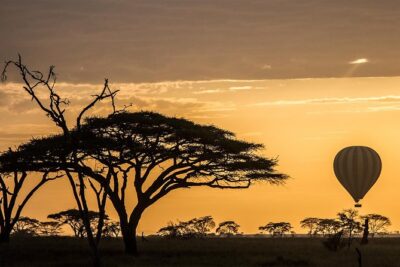 ★ 5.0Serengeti Balloon Safari and authentic bush breakfastFrom $5502,480 reviews
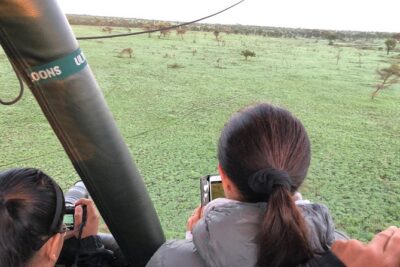 ★ 5.0Balloon Safari & Bush Breakfast in Serengeti – Miracle ExperienceFrom $5991,646 reviews
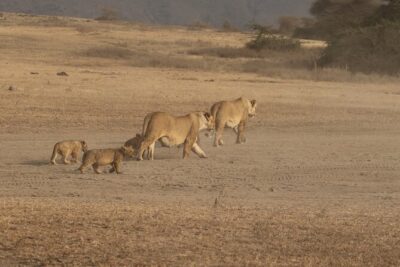 ★ 5.03 Days Serengeti & Ngorongoro Group Camping SafariFrom $815574 reviews
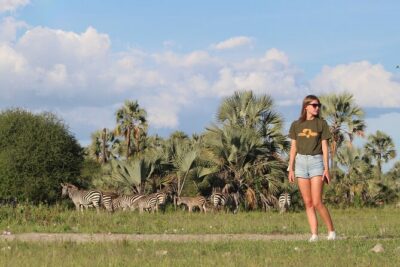 ★ 5.05-Day Highlights mid-Range Crater, Serengeti, TarangireFrom $2,327296 reviews
 ★ 5.0Safari Serengeti And NgorongoroFrom $2,845288 reviews
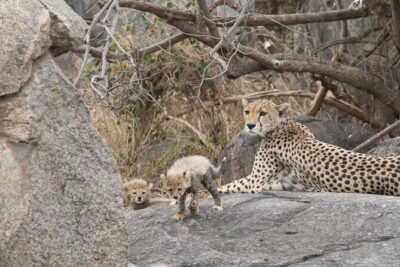 ★ 5.03-Day Classic Serengeti SafariFrom $1,455263 reviews
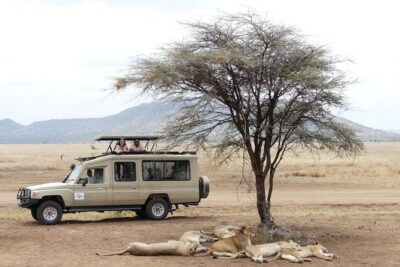 ★ 5.0Private 6-Day Tarangire Manyara Crater and Serengeti with Mid-Range LodgesFrom $2,685238 reviews
 ★ 5.05 Days Camping Tarangire, Serengeti & Ngorongoro crater & Visiting MaasaiFrom $1,254229 reviews
Browse the lists this tour appears in