
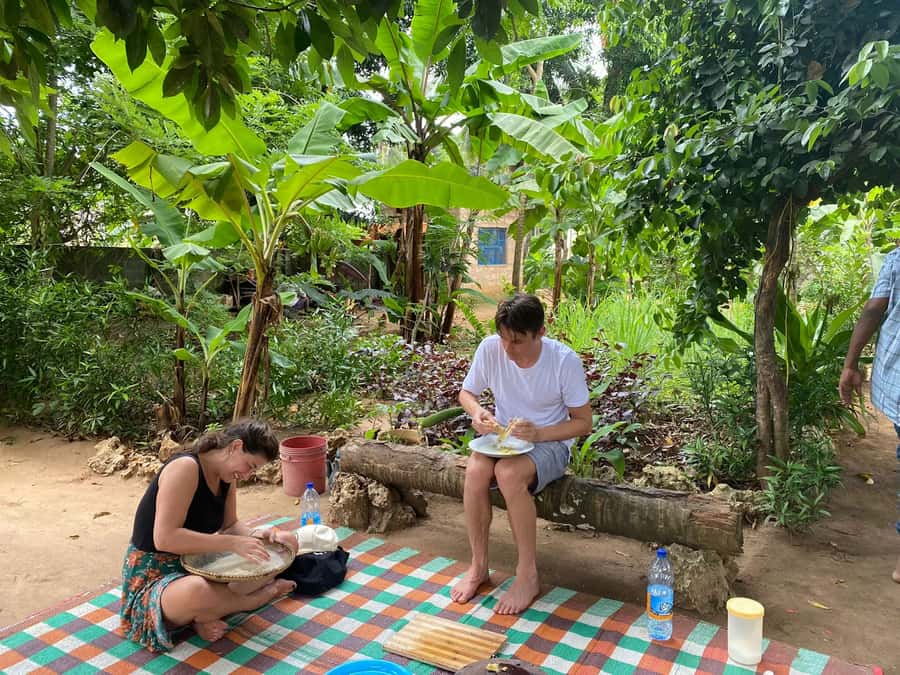
REVIEW · ZANZIBAR SPICE FARMS AND PLANTATIONS
Zanzibar: Walking Spice Farm with Local Cooking Class
Your nose gets the tour first. I loved the spice farm walk, where you stop to smell and taste clove, lemongrass, nutmeg, turmeric, and fruit growing all around you, and I also liked the practical cooking lesson that ends with a shared meal. One possible drawback to plan for: the cooking portion can feel more like a guided demonstration than a fully independent class.
The whole experience runs about 6 hours, with hotel pickup options around Stone Town, Zanzibar, and Unguja North Region. You’ll have a live guide in English, German, or French, and because it’s a private group, the pace tends to feel more flexible, with extra care for guests who need safer walking routes.
You’ll also get lunch, and tips for farm workers are included in the tour price. At the end there’s a spice stall where packaged spices are sold cash only, so you’ll want some small bills ready.
In This Review
- Key things you’ll notice on this Zanzibar spice walk and cooking session
- Why this Zanzibar spice-farm day feels practical, not touristy
- Tangawizi Spice Farm, the shamba walk, and the smelling game
- What to consider on the walk
- From spices to Swahili food, what the cooking session really looks like
- The dishes you may see made (and why they teach you flavor)
- The meal format: three meals, dessert, and how it might land on your plate
- What I’d do to get the most out of lunch
- The spice stall at the end, cash-only shopping, and what to buy
- How to spend smart at the stall
- Tips, too
- Timing and pickup: making a 6-hour plan that still feels relaxed
- Who should book this Zanzibar spice farm and cooking tour
- Value check: why $50 can feel fair or not, depending on your priorities
- Should you book this Zanzibar spice farm cooking experience?
- FAQ
- Where is this Zanzibar spice farm and cooking tour located?
- How long is the experience?
- How much does it cost?
- What’s included in the price?
- What pickup and drop-off locations are offered?
- What languages does the live guide speak?
- Is this a private group tour?
- What do you do during the spice farm part?
- Is the cooking part a hands-on class or more of a demonstration?
- Is there a cash-only stop for shopping?
- What are the cancellation and payment options?
Key things you’ll notice on this Zanzibar spice walk and cooking session
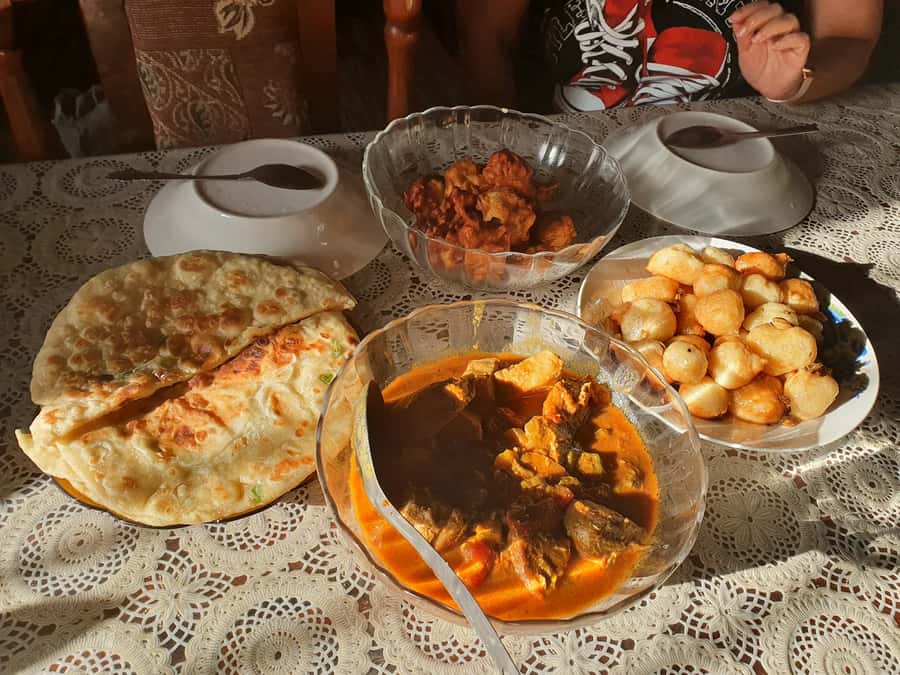
- Tasting spices and fruit right on the plants like clove, nutmeg, cinnamon, turmeric, vanilla, jackfruit, papaya, cassava, and oranges
- A shamba walk that explains how the farm works and why Zanzibar became famous for spice production
- Coconut power in the kitchen with coconut milk made fresh by hand
- Real cooking in a simple, open-air setup with wood fire and charcoal burners
- A shared meal at the end that may run buffet-style, plus fruit later
- A cash-only spice stall stop where you can buy packaged spices and other farm products
More spice farm afternoons on the island
- Spice Tour + Stone Town Tour + Prison Island★ 4.5 · 130 reviews
- Zanzibar: Stone Town & Spice Farm Tour with Lunch★ 4.5 · 97 reviews
- Zanzibar: Spice Farm Tour with Traditional Cooking Lesson★ 4.8 · 77 reviews
- Zanzibar Cooking Class & Spice Tour★ 4.5 · 77 reviews
Why this Zanzibar spice-farm day feels practical, not touristy
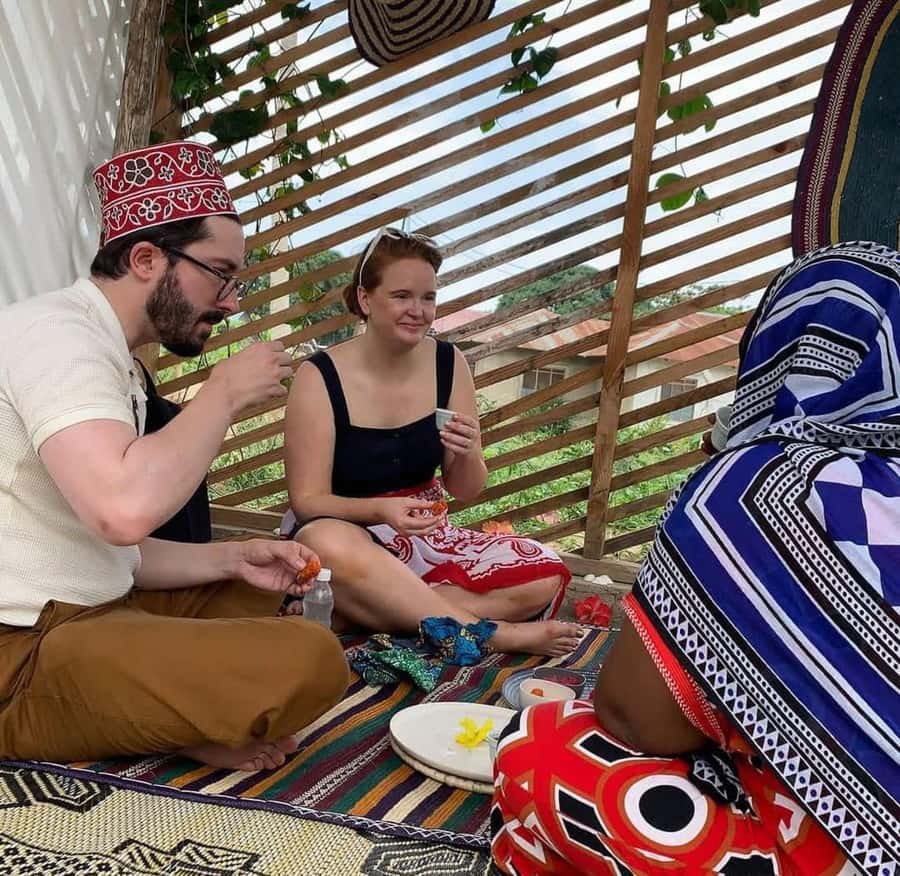
Zanzibar’s spice reputation is real, but it can turn into a museum story if the day is staged wrong. Here, the value is in the “hands first” approach: you walk through the shamba, smell what you’re seeing, taste what you learn, then go straight to cooking.
I especially like how the tour connects three things that usually feel separate when you travel. First, you see the plants. Then you learn what they do in food. Finally, you sit down to eat what you helped prepare. You’ll leave with a mental map of common Swahili flavor building blocks, not just a list of spice names.
One thing to keep your expectations grounded: the cooking segment may not feel like a full class where you personally handle every step. The format can be more guided and demonstration-heavy, with you participating when possible, then sharing the meal together. If you’re the type who wants total control in the kitchen, know that up front.
Tangawizi Spice Farm, the shamba walk, and the smelling game
Most spice tours brag about plants. This one turns it into something you can actually do: stop, smell, and taste. On the Tangawizi Spice Farm walk, you’ll move through an organic farm setting and get a guide-led look at spices, herbs, and tropical fruits that Zanzibar is known for.
You’ll likely encounter a lineup that can include:
- clove, nutmeg, and cinnamon
- lemongrass, turmeric, vanilla
- black pepper and cardamom
- coconut, papaya, chili, jackfruit
- cassava and oranges
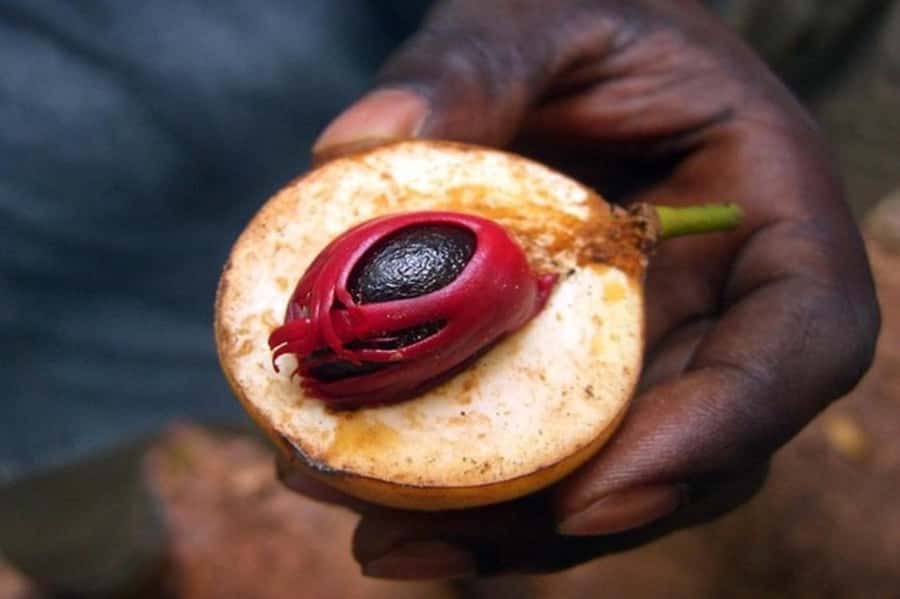
That’s not just a trivia list. Smelling fresh spices is a different experience than smelling a jar at home. You start noticing things like how bright lemongrass can be, or how cinnamon aromas shift when they are fresh versus dried. Even if you do not consider yourself a “food person,” you’ll feel your senses working.
A nice bonus from real-world tour experiences is that the farm day often includes more than strictly plant talk. You may catch cultural touches like singing while someone climbs to reach fruit from a tree, or craft-style moments like making small crowns and ties as you move through the grounds. These extras don’t replace the core farm education, but they make the day feel more like a living place than a staged stop.
What to consider on the walk
Because this is a walking tour, plan for uneven paths and time on your feet. If mobility is a concern, there’s some evidence that guides can be mindful and choose safer walking routes. Still, you should mention your needs clearly before you go so the team can set expectations and route you as well as possible.
More Zanzibari kitchens to sit in


From spices to Swahili food, what the cooking session really looks like
After the farm walk, you return to the cooking area for the practical lesson. The goal is not just to watch someone cook. You’ll prepare meals and learn the steps behind Swahili-style cooking using the spices you smelled during the walk.
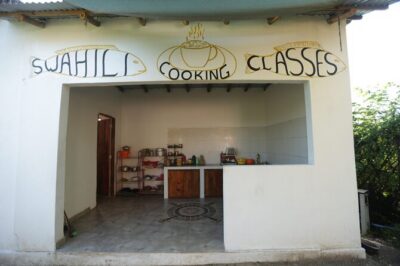
In real terms, the cooking setup is simple. Think open-air with low metal sides, roofing made from coconut fronds, and burners arranged around the space. One wood fire and a couple of charcoal burners are used to move the cooking along while keeping things efficient.
One of the most memorable parts for many people is coconut handling. You may see the women scrape coconut meat from the shell and squeeze coconut milk that is then used in dishes. It’s a slow, careful process that makes you appreciate why coconut flavor is so central in Zanzibar cooking.
The dishes you may see made (and why they teach you flavor)
You might watch or help prepare dishes such as:
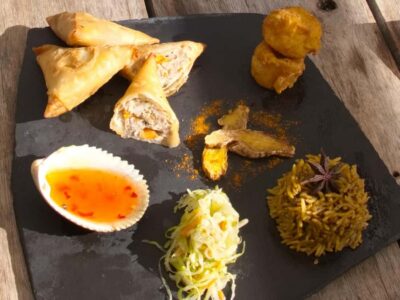
- Pilau rice, where multiple spices combine for the rice flavor
- a tomato, onion, herb-style sauce that can include items like spinach and fish
- plantain as part of the meal
- fish marinated with lime and salt, then fried
The teaching value here is the “cause and effect” link between spice and outcome. When you see rice get its aroma from several spices at once, you understand that Swahili cooking is about balance, not single-note spice punches. And when fish is marinated simply, then cooked with a clear flavor goal, you see that technique matters as much as ingredients.
The meal format: three meals, dessert, and how it might land on your plate
The tour description frames the end of the day as a shared meal experience that includes multiple courses, often described as three meals plus a dessert. In practice, the dining portion can come across more like a buffet-style lunch plus fruit later, which still feeds you well but may not feel like a formal sit-down four-course plating.
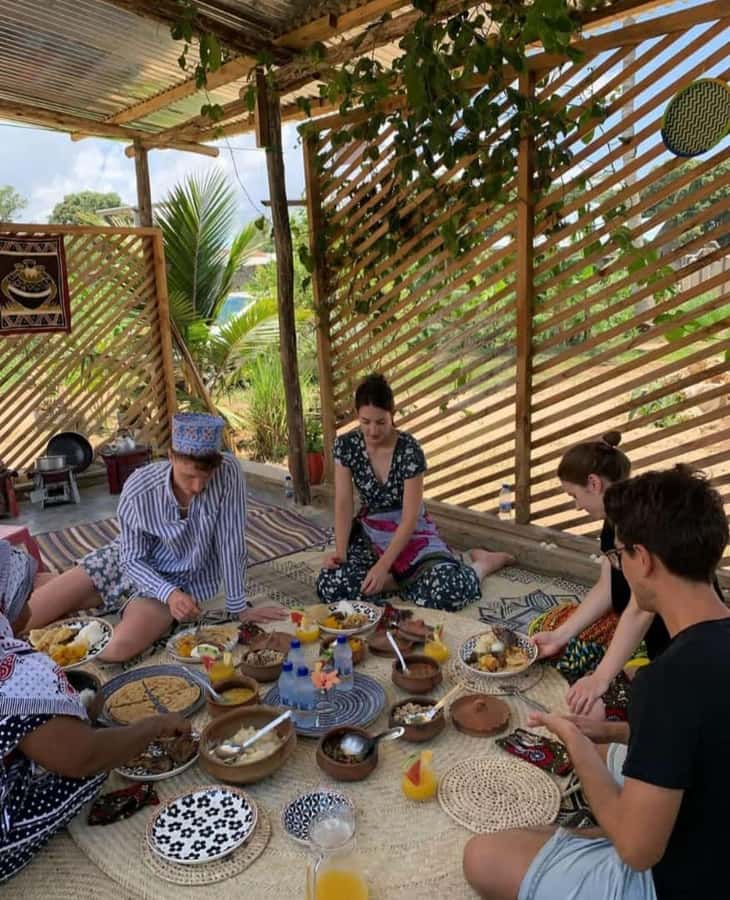
Either way, the best part is the communal eating. You sit together after the cooking portion and try the foods while the scents are still fresh in your mind. If you paid attention during the farm walk, tasting becomes a quiz you actually want to answer.
What I’d do to get the most out of lunch
To make lunch meaningful, don’t just eat fast. Pause and match what you tasted to what you smelled earlier. If you detect clove or cinnamon warmth, try to recall where that plant was on the farm walk. It’s a small trick that turns lunch from “nice food” into a learning moment you’ll remember.
Also, come hungry. You’re going from spice walks to fire-cooked food, and the day is built around feeding you.
The spice stall at the end, cash-only shopping, and what to buy
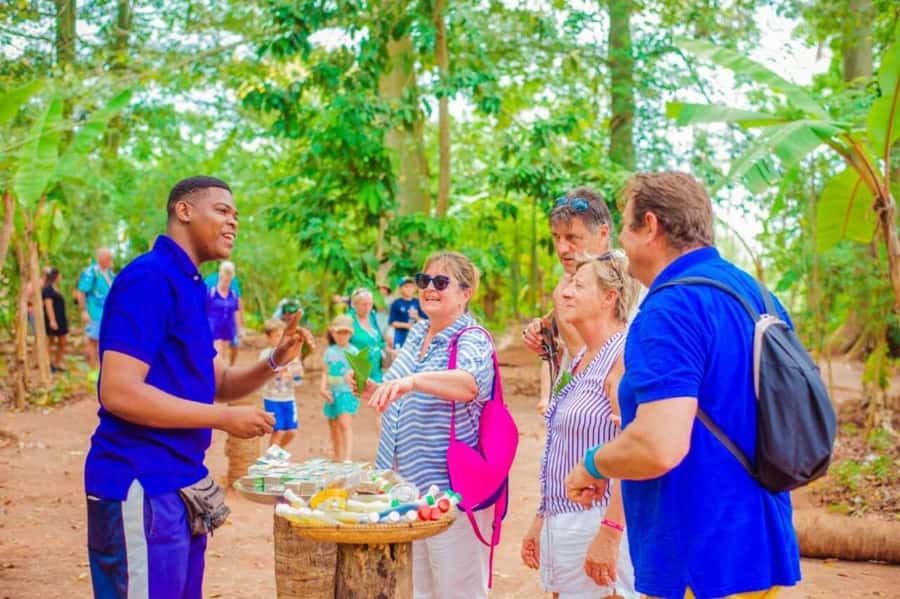
The tour finishes with a stop at a spice stall where fresh packaged spices are sold, cash only. This matters for planning because many tourists expect card payments. Have cash ready so you can buy what you want without stress.
People often use this stop to buy spices they can take home and cook with later. You may also see other farm-made or related products like soaps and creams, which some visitors enjoy picking up as gifts.
How to spend smart at the stall
If you want good value, buy fewer things and choose what you’ll actually cook. Zanzibar spices often overlap in flavor uses, so it’s easy to end up with jars you will not open. I recommend picking:
- one or two baking-friendly spices like cinnamon or nutmeg
- one aromatic spice like vanilla or cardamom
- one everyday cooking spice like turmeric or black pepper
Then add chili if you like heat. This keeps your home stash useful instead of decorative.
Tips, too
The tour price includes tips for farm workers, so you do not need to worry about that part. Still, it can be wise to carry small bills, because you might also want to tip your guide or help with extra hands-on moments. Having cash makes you feel in control, not frantic.
Timing and pickup: making a 6-hour plan that still feels relaxed
This is a 6-hour tour, and the rhythm matters. You get hotel pickup from options that can include Stone Town, Zanzibar, and Unguja North Region. The instruction is to wait in the hotel reception before pickup, about ten minutes before your scheduled time.
That means you’ll want your day organized around that window. It’s not a quick half-hour stop, so don’t stack another activity immediately after. Instead, schedule a slower evening so you can digest the food and the smells.
Because it’s a private group, the day may feel more paced than the big group bus tours. Even if you end up with only a few people, you can expect a guided sequence: farm walk first, then cooking and eating.
Who should book this Zanzibar spice farm and cooking tour
I think this tour is a great fit if you want a few key things:
- You enjoy food learning that connects directly to ingredients
- You like smelling and tasting as part of the experience
- You want a practical Swahili cooking window without needing to be a chef
- You’re traveling with family or mixed ages, since the program is described as welcoming for people of all ages and offered year-round
It may be less perfect if:
- You want a purely hands-on cooking class where you fully operate every step
- You hate walking on uneven ground for several hours
- You prefer shopping-free days, since the end includes a cash-only spice stall stop
Value check: why $50 can feel fair or not, depending on your priorities
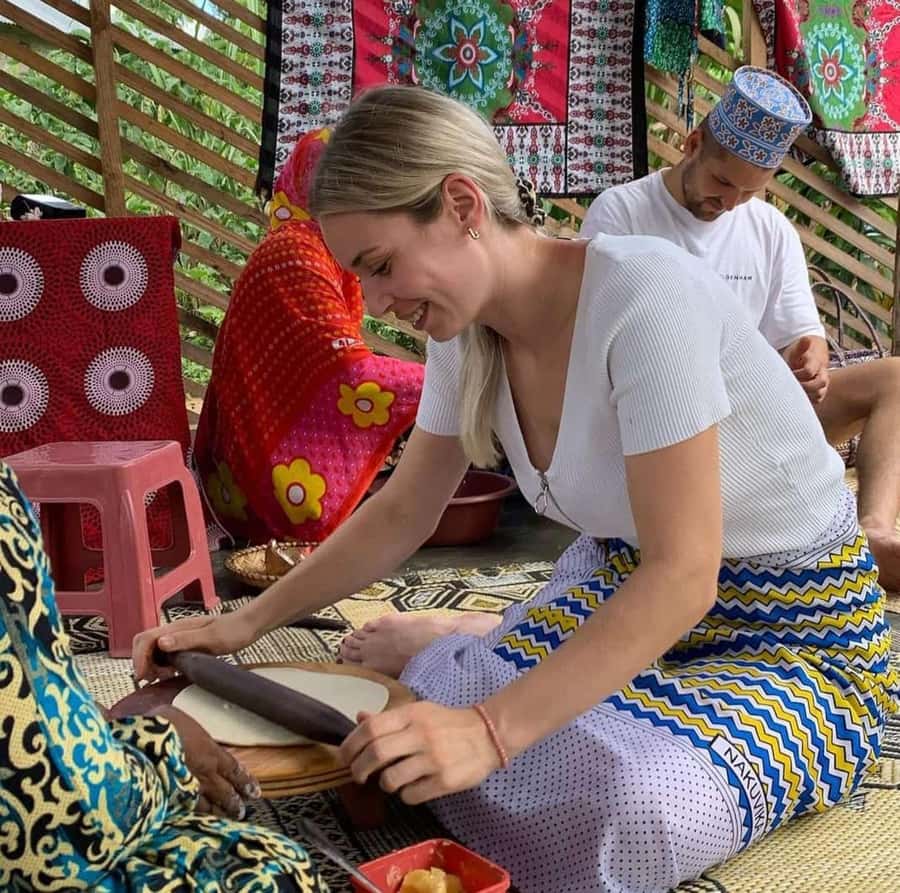
At $50 per person for a roughly six-hour experience with hotel pickup, a guided farm walk, and lunch included, the value comes down to what you expect to take away.
If you treat it as a meal experience plus a guided food education, it’s priced reasonably. You get transportation, an organized sequence, and ingredients delivered as part of the day. The fact that farm-worker tips are included also helps you avoid the awkward end-of-tour calculations.
If your main goal is cooking technique mastery, you might feel a mismatch if the session leans more toward demonstration and communal meals than full hands-on work. In that case, still go, just adjust your mindset: you’re learning flavor and food logic, not running the kitchen.
Either way, bring your curiosity. This kind of tour rewards attention more than it rewards speed.
Should you book this Zanzibar spice farm cooking experience?
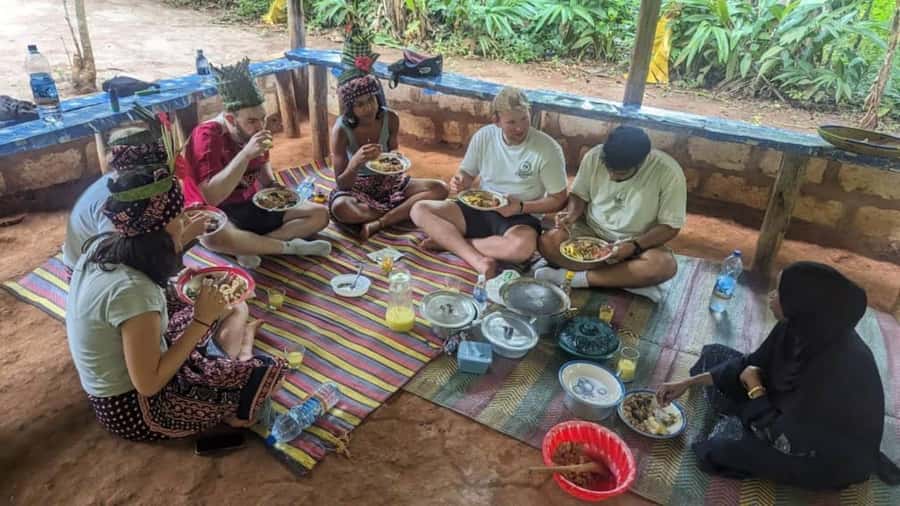
I’d book it if you want a day that’s equal parts sensory education and real food. The farm walk gives you direct contact with spices and fruits you often only see packaged, and the cooking portion turns those aromas into something you can recognize on your plate.
Before you book, set one expectation carefully: the cooking time can feel more like a guided cooking demonstration than a full, take-home-itinerary style class where you do everything yourself. If that still sounds fun, you’ll have a great time.
If you’re traveling with limited mobility, message the operator ahead of time and highlight your needs. The guide may be able to choose safer routes, but you want the team prepared.
And if you like souvenirs, plan for the cash-only spice stall at the end. It’s part of the day, so go in with a small plan for what you want to buy.
FAQ
Where is this Zanzibar spice farm and cooking tour located?
The tour takes place in the Unguja South Region of Tanzania, and the spice farm stop is at Tangawizi Spice Farm.
How long is the experience?
It lasts about 6 hours.
How much does it cost?
The price is $50 per person.
What’s included in the price?
Hotels pickup and drop-off and lunch are included.
What pickup and drop-off locations are offered?
Pickup options include Stone Town, Zanzibar, and Unguja North Region. Drop-off options include Unguja North Region, Stone Town, and Zanzibar.
What languages does the live guide speak?
The live tour guide speaks English, German, and French.
Is this a private group tour?
Yes, the group type is listed as private group.
What do you do during the spice farm part?
You walk the spice farm and learn about spices, herbs, and fruits. The experience includes opportunities to smell and taste items such as clove, lemongrass, nutmeg, cinnamon, turmeric, vanilla, coconut, papaya, chili, black pepper, jackfruit, cardamom, cassava, and oranges.
Is the cooking part a hands-on class or more of a demonstration?
The tour is described as a cooking class with a practical cooking lesson. Some experiences describe it as more demonstration-style than a fully hands-on class, with the group preparing and then eating the meals together.
Is there a cash-only stop for shopping?
Yes. The tour finishes with a spice stall selling fresh packaged spices, and it’s listed as cash only.
What are the cancellation and payment options?
You can cancel up to 24 hours in advance for a full refund, and the tour offers a reserve now and pay later option.
More Zanzibari Kitchens
- Stonetown: Food Markets and Street Food Walking Tour
★ 4.7 · 151 reviews - Zanzibar Cooking Class & Spice Tour
★ 4.5 · 77 reviews - Zanzibar: Spice Farm Tour with Traditional Cooking Lesson
★ 4.8 · 77 reviews - Authentic Street Food Tours in Stone Town, Zanzibar
★ 5.0 · 46 reviews - Mamas of Zanzibar – A Unique Cultural & Culinary Experience
★ 5.0 · 45 reviews
More Spice Farm Afternoons
- Spice Tour + Stone Town Tour + Prison Island
★ 4.5 · 130 reviews - Zanzibar: Stone Town & Spice Farm Tour with Lunch
★ 4.5 · 97 reviews - Zanzibar: Spice Farm Tour with Traditional Cooking Lesson
★ 4.8 · 77 reviews - Zanzibar Cooking Class & Spice Tour
★ 4.5 · 77 reviews - From Stone Town: Spice Tour of Zanzibar
★ 4.0 · 71 reviews
Just added from around Zanzibar





Zanzibar Spice Farms and Plantations, compared.
 ★ 4.4Zanzibar: Stone Town, Spice Tour, Prison Island with LunchFrom $681,219 reviews
 ★ 4.5Zanzibar: Prison Island, Stone Town, & Spice Farm TourFrom $70579 reviews
★ 4.6Zanzibar: Stone Town, Spice tour & Prison Island with LunchFrom $55453 reviews
★ 4.5Zanzibar: Prison Island, Stone Town, & Spice Farm TourFrom $70579 reviews
★ 4.6Zanzibar: Stone Town, Spice tour & Prison Island with LunchFrom $55453 reviews
 ★ 4.5Full-Day Private Stone Town +Spice Farm and Prison Island TourFrom $100216 reviews
 ★ 4.5Spice Tour + Stone Town Tour + Prison IslandFrom $140130 reviews
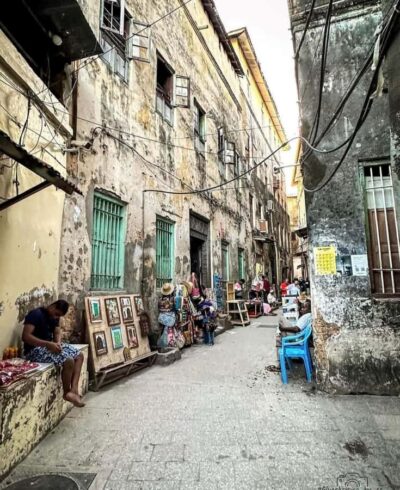 ★ 4.8Zanzibar: Spice Tour & Stone Town Walking TourFrom $95115 reviews
 ★ 4.5Zanzibar: Stone Town & Spice Farm Tour with LunchFrom $7397 reviews
 ★ 4.7Zanzibar: The Swahili Spice Experience – Spice Tour + Culinary JourneyFrom $2196 reviews
Browse the lists this tour appears in