
REVIEW · STONE TOWN HERITAGE WALKS
Zanzibar: Stone Town City Tour and Spice Farm with Lunch
Spices and street history, in one day. This private tour strings together Stone Town landmarks with hands-on spice tasting, so you get the story and the senses, not just photos. The main catch is timing and extra cash needs, since pickups can run late and some sites require cash at the door.
I like that the day is built around what Zanzibar actually makes and sells, with cloves, nutmeg, cinnamon, and black pepper explained where they grow. You’ll also get food moments that feel real, like watching fish auctions at the market and trying young coconuts picked for you. Just be ready to manage the schedule and come with small bills, because money talk can be part of the experience.
In This Review
- Key things I’d mark on your map
- Stone Town first: why this UNESCO town still feels like a puzzle
- Old Slave Market area, Anglican Church, and the City Market fish auctions
- Palace Museum, House of Wonders, Old Fort, and Freddie Mercury’s house
- The organic spice farm: cloves, nutmeg, cinnamon, and black pepper up close
- Spice farm entrance and shopping: plan cash before you arrive
- Lunch at the end of the spice day, and what the price really means
- The money-pressure factor, and how you can stay in charge
- Pickup and timing in Stone Town: the part that can make or break your day
- Language and guide match
- A quick note about potential extra pickup costs
- Who this Stone Town and spice farm tour fits best
- Should you book this tour or skip it?
- FAQ
- How much does the Stone Town City Tour and Spice Farm cost?
- What’s included in the tour price?
- What entrance fees are not included?
- Do I need cash during the tour?
- Is pickup available from my hotel?
- What places will I see in Stone Town?
- What do you do at the spice farm?
- What languages are available for the guide?
- Can I change my plans after booking?
Key things I’d mark on your map
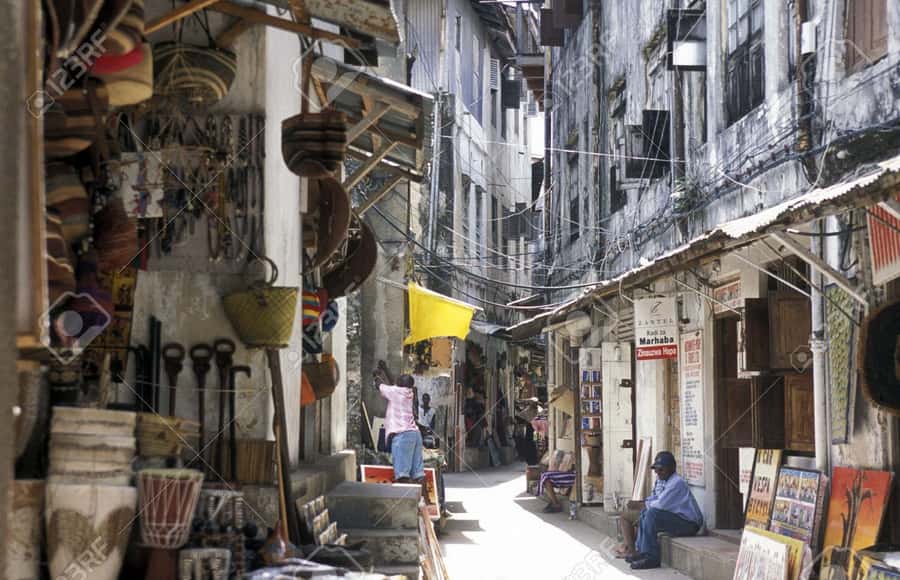
- Old Stone Town sites like the Old Slave Market area, Anglican Church, and City Market
- Fish auctions at the City Market, a loud, quick window into daily life
- Spice farm hands-on work, touch, smell, and taste spices from the plants
- Coconut tree climber tasting, plus coconut milk making and cassava leaf harvesting
- Food tastings like jackfruit, including the fact it is the largest fruit in the world
- House of Wonders and Old Fort, with stops that connect names and buildings to the city’s past
Other Stone Town walks we followed
- Zanzibar: Stone Town, Spice Tour, Prison Island with Lunch★ 4.4 · 1,219 reviews
- Zanzibar: Prison Island, Stone Town, & Spice Farm Tour★ 4.5 · 579 reviews
- Zanzibar: Stone Town, Spice tour & Prison Island with Lunch★ 4.6 · 453 reviews
- Stone Town Private Walking Tour★ 5.0 · 371 reviews
Stone Town first: why this UNESCO town still feels like a puzzle
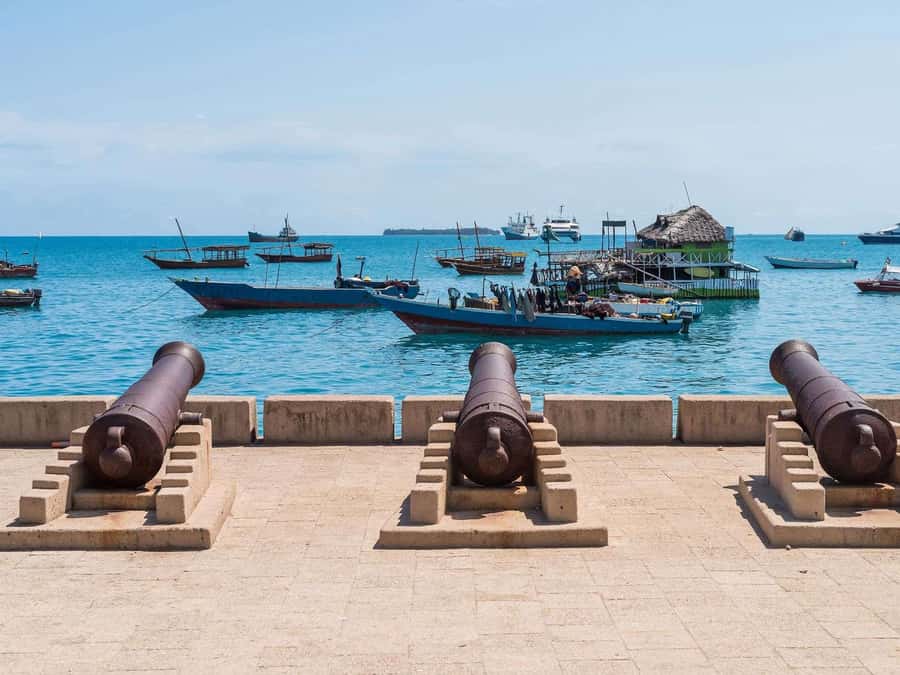
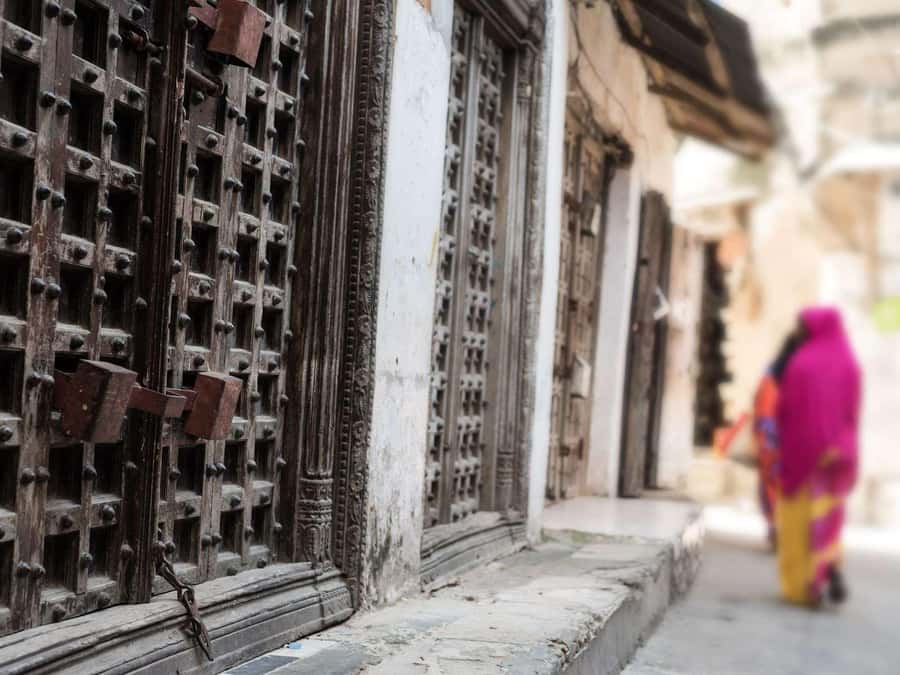
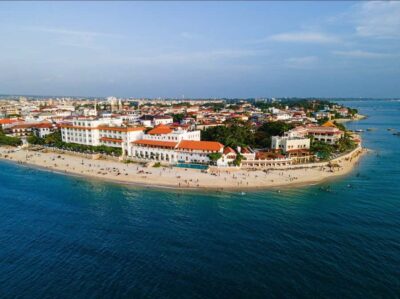
Stone Town is Zanzibar’s most walkable kind of lesson, where architecture does the explaining. In one small area you’ll spot the blend of Arab, Persian, Indian, and European influences that shaped this coast for centuries, and that UNESCO recognition came in 2000.
What makes it worth pairing with a spice farm is simple: Stone Town is where the trading system landed, and spices are the product that powered it. As you move through narrow lanes, you’ll start noticing how places are arranged for people and goods, not just scenery.
Old Slave Market area, Anglican Church, and the City Market fish auctions
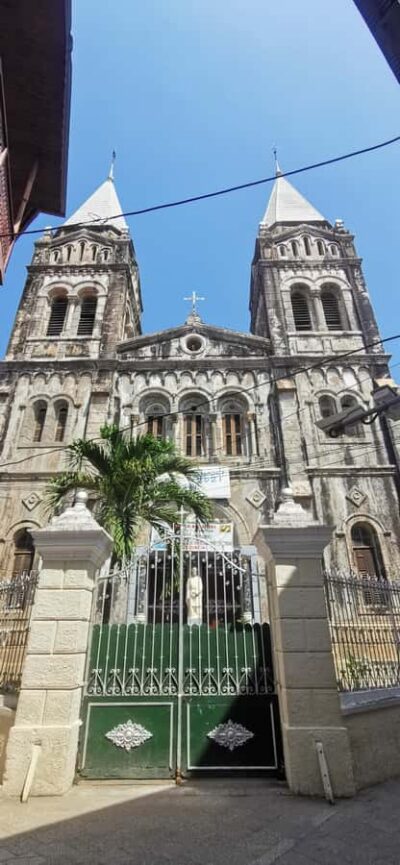
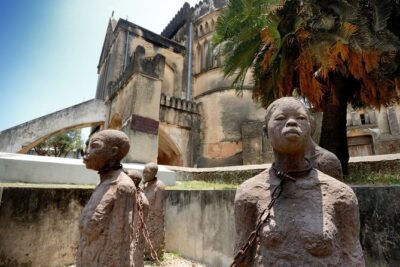
The morning starts in the Old Town core, with a stop around the Old Slave Market site and the Anglican Church. That combination matters because it helps you see the city as more than postcard streets, it’s also a place marked by painful trade history.
Next you head toward the City Market, where the energy shifts fast. You can expect to see fresh produce and locals buying and selling, and the fish auctions are the headline if you like watching daily work happen up close. This part can feel intense, so keep your pace steady, and don’t treat it like a show, just watch and learn.
Practical note: the Old Slave Market entrance is not included and is listed as a cash-only extra fee of $10 per person, paid on the spot. If you show up without cash, you risk missing part of the planned stops.
Palace Museum, House of Wonders, Old Fort, and Freddie Mercury’s house
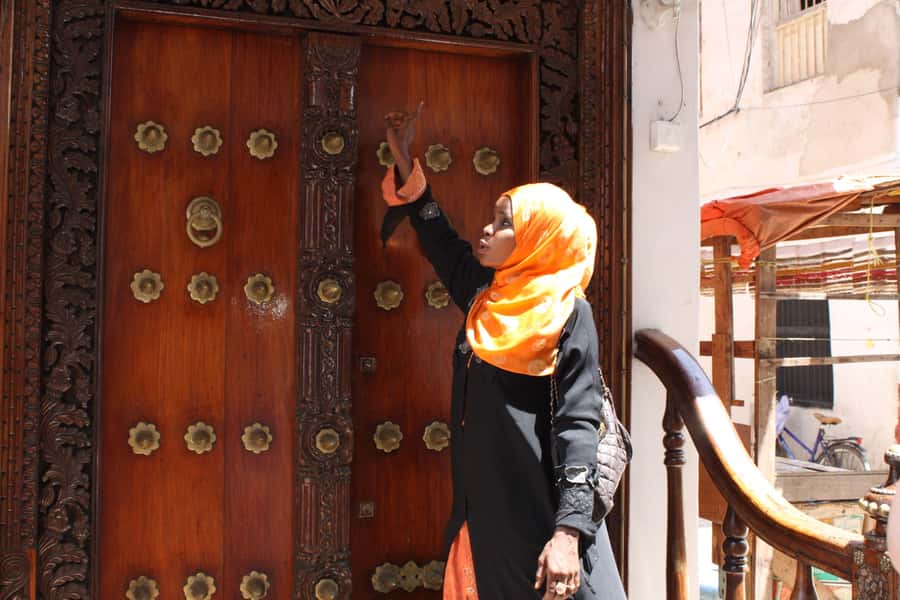
Once you’re oriented, the tour turns into a sweep of major buildings that people come to Zanzibar to understand. The Palace Museum stop is there for context on how power and culture were displayed in this city.
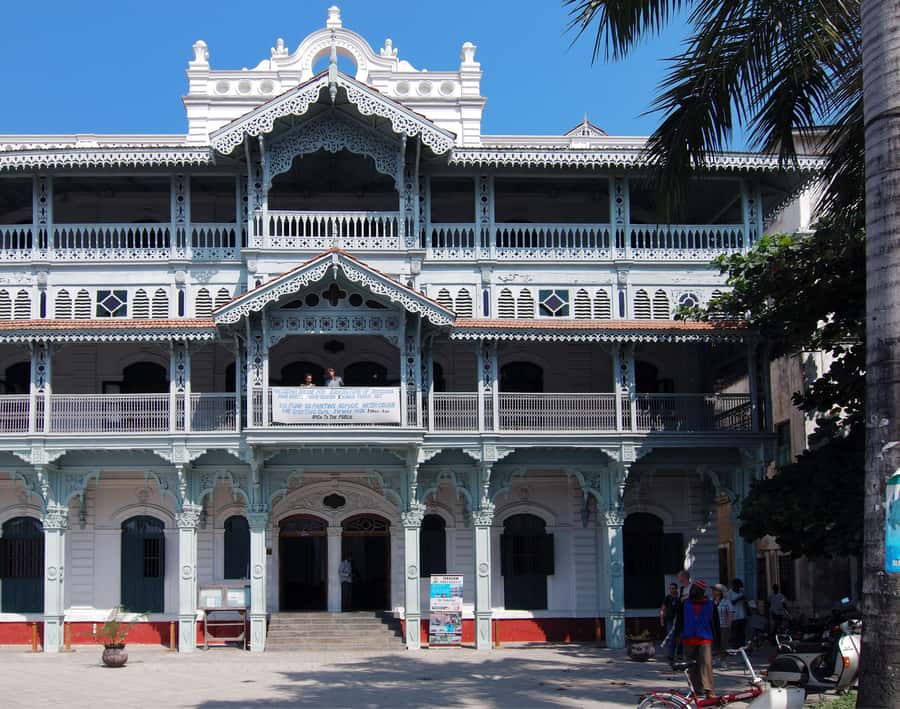
Then you’ll run into the House of Wonders (Bait-al-ajab), described as the largest and tallest building in Stone Town. Whether you look in close detail or just take in the scale from the street, it helps you feel how ambition traveled here too.
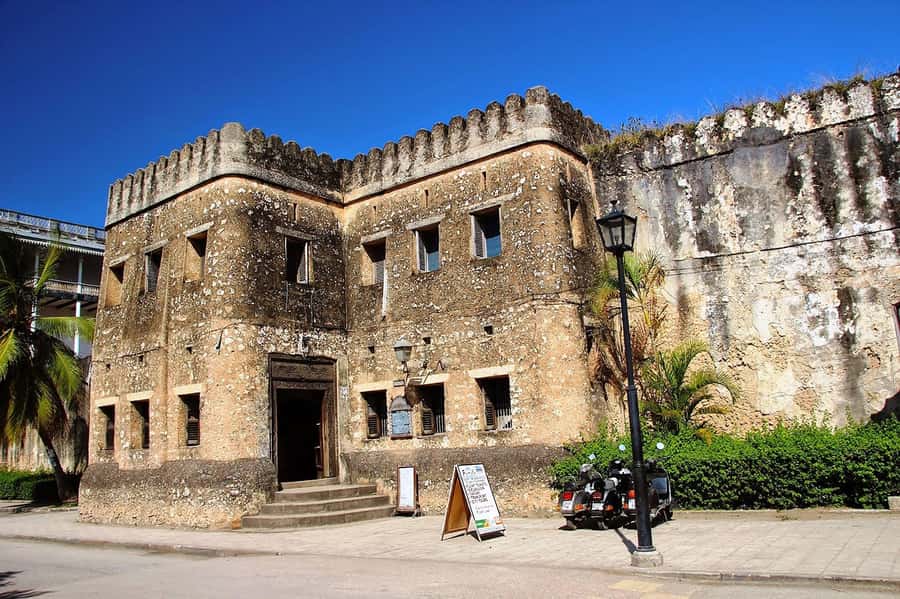
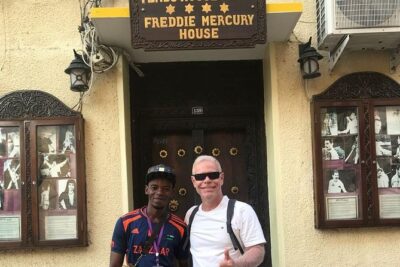
After that, the route continues with the Old Fort, Tippu Tip’s House, and the famous Freddie Mercury’s House. You’ll also pass additional sites like the Peace Memorial and the Natural History Museum, depending on timing.
Small reality check: in past experiences with this kind of combo tour, timing is the variable. If the day runs late, you may get less time at each building than you hoped, so bring the mindset of a “best effort” overview rather than a perfectly timed gallery visit.
More spice farm afternoons on the island
The organic spice farm: cloves, nutmeg, cinnamon, and black pepper up close
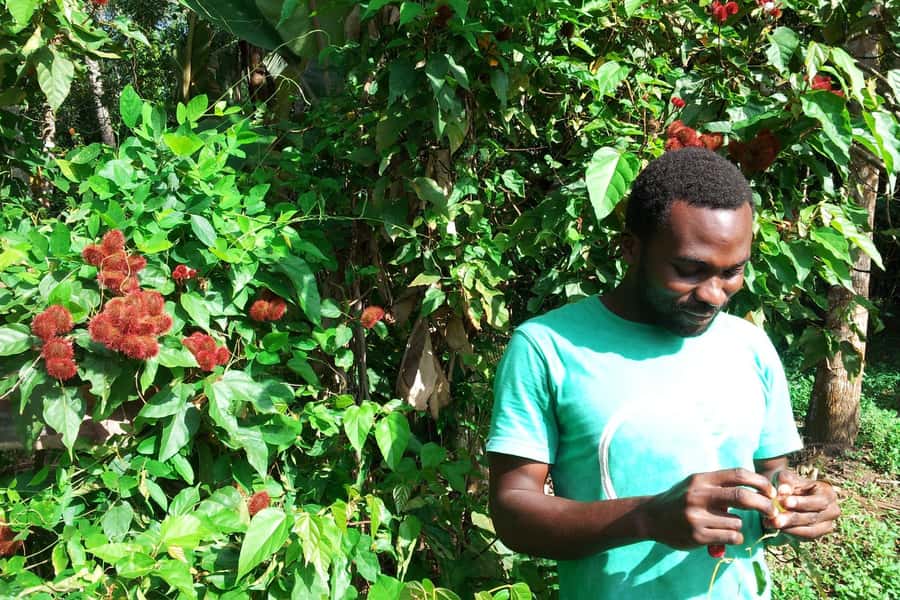
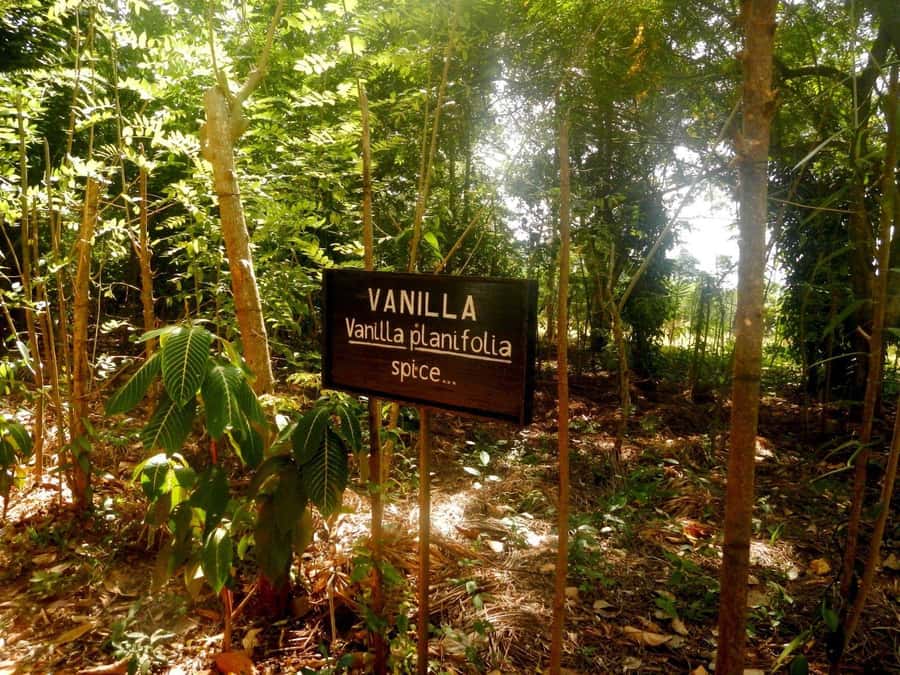
This is the part that most people remember. The spice farm visit focuses on the islands’ key crops, including cloves, nutmeg, cinnamon, and black pepper, and explains how Zanzibar and Tanzania’s Mafia Island earned the nickname Spice Islands.
On the ground, your guide shows you how spices are grown and how they’re used in cooking and medicine. The tour is meant to be hands-on, so you should be ready to touch, smell, and taste spices directly from the plants.
This is where I’d tell you to slow down a little. Smelling spices fresh from the source teaches you more than tasting powders at home, because the intensity and the aroma notes are different when you’re right at the plant.
Also expect a food-focused add-on activity list. You may do a cassava leaf harvest, help make coconut milk, and practice some simple cooking techniques. A coconut tree climber will also pick fresh young coconuts for you to try, which is a fun and memorable way to understand why coconut is so central here.
And yes, there’s jackfruit tasting too, including the note that it is the largest fruit in the world. It’s a good reality check that Zanzibar’s agriculture is not only about spices.
Spice farm entrance and shopping: plan cash before you arrive
The spice farm entrance is not included, and the fee is listed as $10 per person paid cash on the spot. That cash requirement also shows up later at the farm shop, since spices are described as cash only for purchases.
If you rarely carry cash, this matters. Without it, you might still enjoy the farm experience, but your ability to buy souvenirs you actually want could be limited. I strongly recommend bringing enough cash for both the slave market and spice farm entrance fees, plus a little extra if you want to stock your kitchen with the real stuff.
Lunch at the end of the spice day, and what the price really means
The tour price is listed as $32 per person, and lunch at a local restaurant is included, plus water and a professional guide. On paper, that looks like solid value for a private Stone Town city tour plus a full farm experience.
But the true cost is the extras. Since the slave market and spice farm entrances are listed as $10 per person each, you should budget about $20 more if both apply to your route, paid in cash on the spot. That brings a realistic total closer to $52 per person before any optional tipping or purchases.
Now, about that lunch. It’s scheduled after the farm activities, which is smart because you’ll have a better appetite after the tasting and coconut work. I’d treat lunch as part of the experience, not an afterthought, especially if you prefer eating what locals actually eat rather than only trying tourist set menus.
The money-pressure factor, and how you can stay in charge
A few experiences with this type of outing have a common theme: people felt steered toward tips or purchases. In some cases, guides pushed for tips and insisted on spending, and that can turn a cultural day into a sales pitch.
You can avoid that vibe by setting your limits early. Decide what you’ll tip, if anything, and decide what you’ll buy before you’re worn out by walking, heat, and smell-testing. If the day starts to feel transactional, switch your focus to the practical learning you came for, spice by spice, not shop by shop.
Also, be aware that some people reported confusion about when extra payments were required, including situations where extra fees were asked after the tour had already been paid. The best fix is simple: confirm what entrance fees apply to you before the day starts, and keep your receipt-style info and cash ready.
Pickup and timing in Stone Town: the part that can make or break your day
This tour includes hotel pickup and drop-off if you select that option, and you’re asked to provide your hotel name and room number to receive the pickup time. That’s good service in theory, and it usually means less scrambling on arrival.
In practice, the schedule can wobble. One experience described pickup starting much later than expected, with confusion around picking up another couple, and the Stone Town portion starting well after the planned time. Another experience reported the tour starting late and feeling shortened compared with what was expected.
You should build a buffer if your day is packed. If you’re connecting to a later transfer back to Nungwi or another area, plan extra time so a late pickup does not force you to miss your next step.
Language and guide match
The tour is available in English, French, German, and Italian. That’s great if you want your guide to match your language.
One warning from a real experience: if you requested a French-speaking guide and ended up with someone else, it created an awkward moment that also involved extra demands for cash. You can prevent this by confirming the language before pickup, ideally in writing, and asking your provider to confirm the guide details for your booking.
A quick note about potential extra pickup costs
One report mentioned that requested pickup could cost about $20 more per person, not listed in the main information. I can’t promise it applies to every route, but it’s worth asking your provider up front, especially if you’re staying outside the Stone Town area.
Who this Stone Town and spice farm tour fits best
This is a great fit if you want two Zanzibar experiences in one day: the city story and the spice reality. If you’re a first-timer in Stone Town, the landmark sweep helps you orient quickly, and the farm gives you a sensory lesson you can’t get from a quick market stop.
It’s also a good fit if you enjoy cooking and food. The coconut milk making, cassava leaf harvest, and cooking techniques are hands-on rather than just watching from the sidelines.
It may not be ideal if you hate schedule slippage, because the day can run late depending on pickup flow. It also may not suit you if you strongly prefer low-pressure shopping, because there can be emphasis on tips and purchases.
If you are lucky with your guide, it can be excellent. One positive example named Capuchino, described as patient and kind, with good answers to questions and solid communication.
Should you book this tour or skip it?
If you want a practical Zanzibar combo and you’re willing to manage cash and timing, I’d say it’s worth considering. The hands-on spice tasting, coconut moments, and Stone Town landmark loop hit the key highlights without requiring you to organize multiple bookings.
But if you’re cash-light, extremely time-sensitive, or allergic to any hint of pressure for tips and shopping, I’d pause. Ask clear questions first: which entrances are extra and when you pay, what language your guide will use, and what pickup costs apply based on your hotel and location.
If those answers are clean and you can travel with a little flexibility, you’ll likely leave with a better understanding of why Zanzibar smells the way it does, and how the city and the spice fields connect.
FAQ
How much does the Stone Town City Tour and Spice Farm cost?
The price is listed as $32 per person.
What’s included in the tour price?
The tour includes hotel pickup and drop-off if you select that option, visits in Stone Town, a visit to the spice farm, a professional guide, water, and lunch at a local restaurant.
What entrance fees are not included?
The slave market entrance and the spice farm entrance are not included. The listed fee is $10 per person for each, paid cash on the spot.
Do I need cash during the tour?
Yes. Entrance fees are cash on the spot, and the spice shop is described as cash only for purchases.
Is pickup available from my hotel?
Pickup is included if you select the hotel pickup option. You’ll need to provide your hotel name and room number to send the pickup time.
What places will I see in Stone Town?
The route includes stops such as the Old Slave Market site area, Anglican Church, City Market, Palace Museum, the House of Wonders (Bait-al-ajab), Old Fort, Tippu Tip’s House, Freddie Mercury’s House, and additional sites like the Peace Memorial and Natural History Museum.
What do you do at the spice farm?
You’ll visit an organic spice farm and learn how spices are grown and used. You can touch, smell, and taste spices directly from the plants, and you may also take part in cassava leaf harvesting and coconut milk making, plus cooking techniques and coconut tasting.
What languages are available for the guide?
The tour is offered in English, French, German, and Italian.
Can I change my plans after booking?
The information says you can cancel up to 24 hours in advance for a full refund. It also notes a reserve and pay later option, so you can book and pay nothing today.
More Spice Farm Afternoons
- Zanzibar: Stone Town, Spice Tour, Prison Island with Lunch
★ 4.4 · 1,219 reviews - Zanzibar: Prison Island, Stone Town, & Spice Farm Tour
★ 4.5 · 579 reviews - Zanzibar: Stone Town, Spice tour & Prison Island with Lunch
★ 4.6 · 453 reviews - Full-Day Private Stone Town +Spice Farm and Prison Island Tour
★ 4.5 · 216 reviews - Zanzibar: Spice Tour & Stone Town Walking Tour
★ 4.8 · 115 reviews
Stone Town, Street by Street
- Zanzibar: Stone Town, Spice Tour, Prison Island with Lunch
★ 4.4 · 1,219 reviews - Zanzibar: Prison Island, Stone Town, & Spice Farm Tour
★ 4.5 · 579 reviews - Zanzibar: Stone Town, Spice tour & Prison Island with Lunch
★ 4.6 · 453 reviews - Stone Town Private Walking Tour
★ 5.0 · 371 reviews - Zanzibar: 3 Hours Private Stone Town walking Tour with Guide
★ 4.6 · 301 reviews
Just added from around Zanzibar City



Stone Town Heritage Walks, compared.
 ★ 4.4Zanzibar: Stone Town, Spice Tour, Prison Island with LunchFrom $681,219 reviews
 ★ 4.5Zanzibar: Prison Island, Stone Town, & Spice Farm TourFrom $70579 reviews
 ★ 4.3Zanzibar; Prison Island, Nakupenda, StoneTown Tour with BBQFrom $71457 reviews
★ 4.6Zanzibar: Stone Town, Spice tour & Prison Island with LunchFrom $55453 reviews
★ 4.3Zanzibar; Prison Island, Nakupenda, StoneTown Tour with BBQFrom $71457 reviews
★ 4.6Zanzibar: Stone Town, Spice tour & Prison Island with LunchFrom $55453 reviews
 ★ 5.0Stone Town Private Walking TourFrom $26371 reviews
 ★ 4.6Zanzibar: 3 Hours Private Stone Town walking Tour with GuideFrom $24301 reviews
 ★ 4.5Full-Day Private Stone Town +Spice Farm and Prison Island TourFrom $100216 reviews
 ★ 4.5Zanzibar: Stone Town Historical Cultural Walking Guided TourFrom $21179 reviews
Browse the lists this tour appears in