
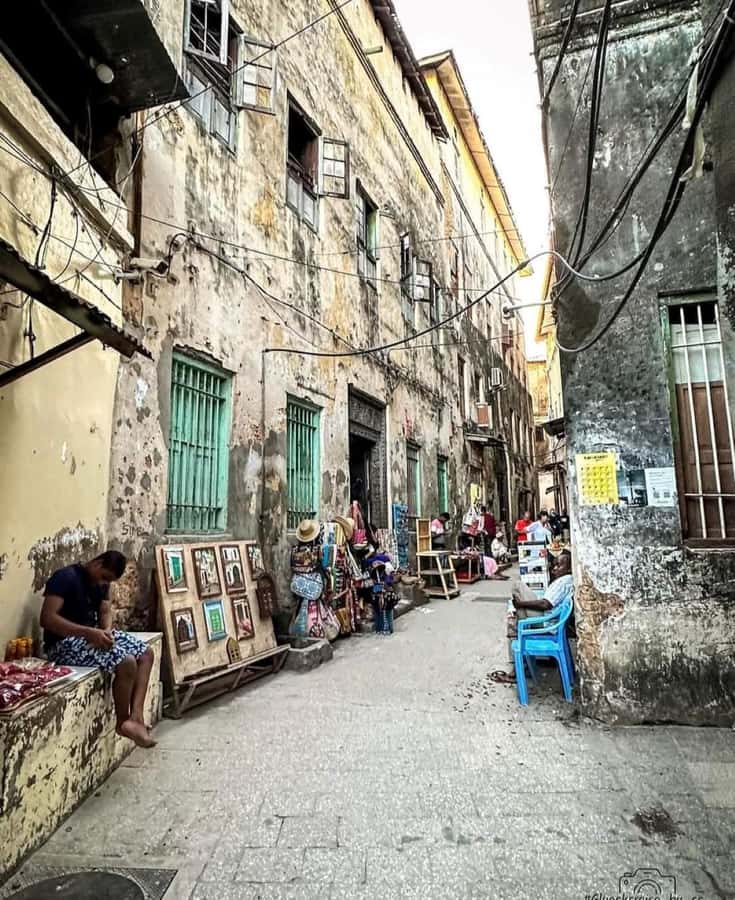
REVIEW · STONE TOWN HERITAGE WALKS
Zanzibar: Spice tour + Stone Town Walking tour
In This Review
- Zanzibar spice and Stone Town: what you get in 6 hours
- Key highlights you will remember
- Price and logistics: is $85 per person good value?
- Start with pickup, then head for the spice side of Zanzibar
- Spice plantation walking tour: what you actually do out there
- Stone Town walking tour: why the slave trade story is central
- Key Stone Town stops, and what each one adds
- Old slave market site
- Darajani fish market
- Freddie Mercury house
- House of Wonders
- Old fort
- The city’s mix of Persians, Portugal, Oman, and Britain
- Guide quality is a big deal here, and it shows
- How the two halves connect: spices and human history
- What to budget for beyond the tour price
- Who this tour fits best
- Before you go: small things that make the day smoother
- Should you book this Zanzibar Spice and Stone Town tour?
- FAQ
- How long is the Zanzibar Spice tour plus Stone Town walking tour?
- Is hotel pickup and drop-off included?
- Is this tour private?
- What is included in the entrance fees?
- Is food included?
- What languages are available for the guide?
Zanzibar spice and Stone Town: what you get in 6 hours
One hour in, you are already smelling the spices. This is a spice plantation walking tour paired with a private Stone Town walking tour, with time to learn how the plants grow and how Zanzibar became central to the trans-Atlantic slave trade.
I love the hands-on feel of the spice stop, where you can see, smell, and test tropical crops like cinnamon, cardamom, black pepper, ginger, vanilla, turmeric, nutmeg, and cloves. I also really like the way the town portion is handled as a story, not just photo stops, including the old slave market site and key landmarks around the old port city.
One consideration: this tour is 6 hours and food is not included, so plan on buying or arranging snacks and water for yourself. Also, the slave trade history is sobering by design, so it is not the type of tour to treat as casual sightseeing.
Other Stone Town walks we followed
- Zanzibar: Stone Town, Spice Tour, Prison Island with Lunch★ 4.4 · 1,219 reviews
- Zanzibar: Prison Island, Stone Town, & Spice Farm Tour★ 4.5 · 579 reviews
- Zanzibar: Stone Town, Spice tour & Prison Island with Lunch★ 4.6 · 453 reviews
- Stone Town Private Walking Tour★ 5.0 · 371 reviews
Key highlights you will remember

- Smell-and-test spice learning with a walk through how tropical spices are grown in Zanzibar
- Private, guided Stone Town route focused on the slave trade and the city’s shifting influences
- Real stops that frame the story such as Darajani fish market, House of Wonders, and the old fort
- Freddie Mercury house area and other classic Stone Town sights folded into the same walk
- A “human butterfly” coconut-climber moment with singing during the day’s spice side of things
- Guide time that can flex when you have questions, based on how the guides have worked with groups
Price and logistics: is $85 per person good value?
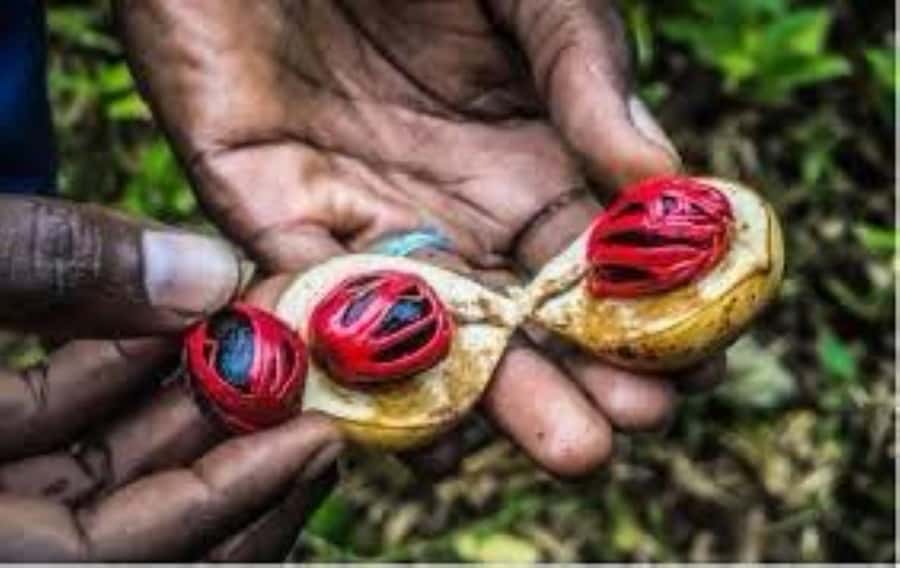
For $85 per person, you are paying for two guided experiences in one half-day: hotel pickup and drop-off, a guide, and entrance coverage tied to the spice firm and the slave market site. In practice, the value comes from reducing hassle. Instead of figuring out separate tickets and schedules, you get a single plan that stitches the island’s agriculture and the city’s history together.
The trade-off is that it is a packed 6-hour window, and you are walking. If you want slow, relaxed wandering with zero structure, this may feel too scheduled. If you like learning as you move, it is a solid setup.
Your group is private, which matters here because Stone Town history can get personal fast. A private format also makes it easier to ask questions when something feels unclear, especially during the slave trade portion, which runs through the 17th and 18th centuries.
Start with pickup, then head for the spice side of Zanzibar
Your day begins with pickup from your hotel in Zanzibar. The plan is built around comfort and timing, with a driver/guide meeting you at the hotel lobby and taking you to the spice plantation area.
Once you get started, the tone shifts from town pace to island pace. This part is less about monuments and more about senses: you are moving through a space where the scents are the main information. If you like food flavors and how they get from plant to kitchen, this segment is especially satisfying.
More spice farm afternoons on the island
Spice plantation walking tour: what you actually do out there
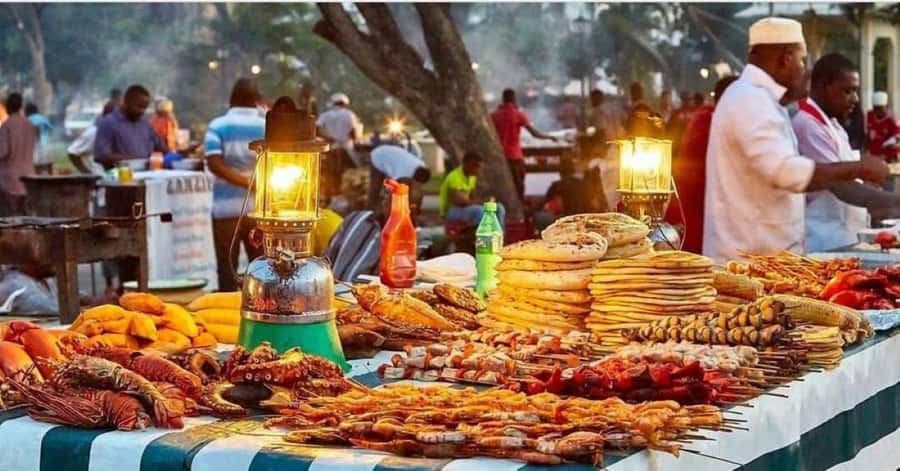
The spice portion is not just a look-and-go. You walk, you stop, and you are encouraged to interact with the plants. The tour gives you the chance to see, smell, and test spices and fruits grown on Zanzibar.
Here is what you should expect to encounter during the walk:
- Cinnamon, cardamom, black pepper
- Chili, ginger
- Vanilla stick
- Lemon grass, lemon mint
- Turmeric
- Nutmeg and cloves
You also get an explanation of the way these spices grow on Zanzibar, and that is the real point. Instead of treating spices like labels in a jar, you connect the flavor to the plant and the growing environment. That changes how you shop afterward, because you start noticing what you are buying.
A surprising, memorable add-on happens during this day segment: you may see someone known as the human butterfly climbing a coconut tree high up while singing the Hakuna matata song. It is unusual, and it gives the spice walk a bit of show-and-story energy before the day turns more serious in Stone Town.
Practical tip: this is part of the day where you will benefit from water and basic sun protection. The plan does not mention food being included, so if you get hungry between spice and town, you will want to handle that yourself.
Stone Town walking tour: why the slave trade story is central
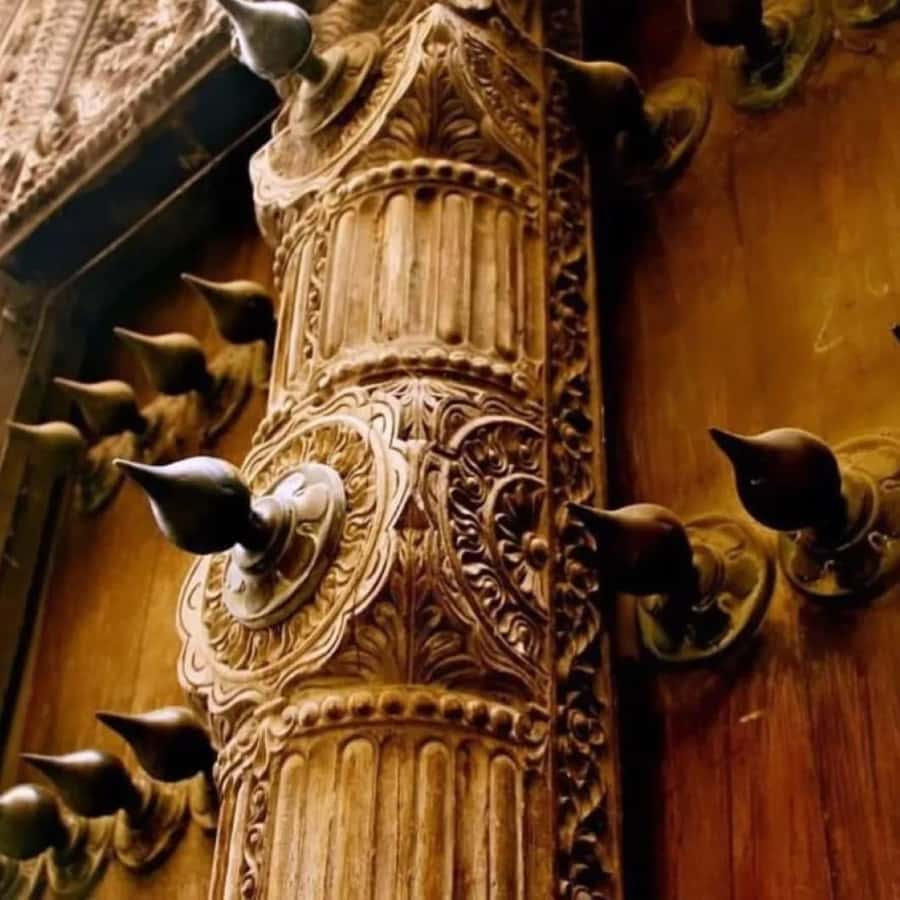
After the spice side, you head into Stone Town on a private walking tour with a guide who explains the city as a historical hub. This is where the tour gets weight. Zanzibar is presented as the center of slave trading, with special focus on the late 17th century and 18th century.
What makes this section valuable is that it is not only about the slave trade as an idea. You walk by places tied to that trade, so the history lands with physical context.
Key Stone Town stops, and what each one adds
You cover a route that mixes sobering sites with classic landmarks. Here is what to look for as you walk:
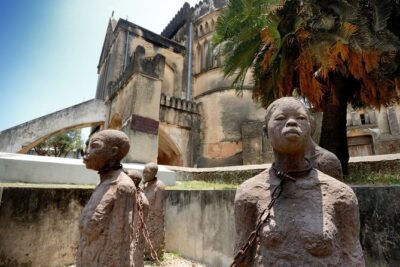
Old slave market site
This is the anchor stop for the day’s history portion. Seeing the old slave market site helps you understand why people refer to Stone Town as more than a scenic coastal city. It is a location where the human impact of that trade becomes impossible to ignore.
Darajani fish market
The Darajani fish market brings contrast. You go from the past of the slave trade into the present rhythm of the city, where daily life is loud and practical. It helps you remember that Stone Town is not a museum. It is lived-in.
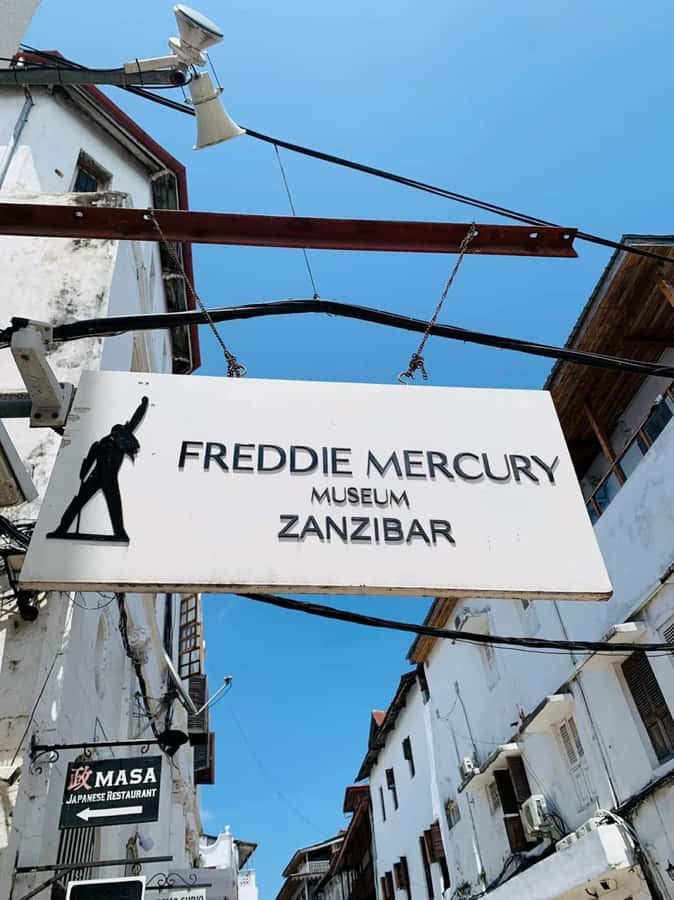
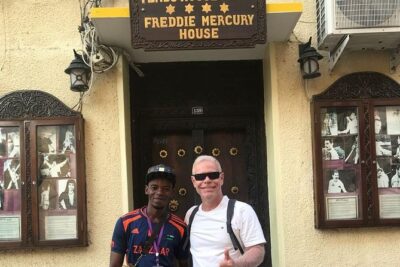
Freddie Mercury house
This stop gives a lighter cultural reference point without pulling you away from the larger story. It is a familiar landmark for many visitors, and it can be a mental reset during a heavy walk.
House of Wonders
House of Wonders is one of the big historic landmarks on the route. It adds architectural and political context, helping you connect who influenced Zanzibar and how power shaped the city.
Old fort
The old fort rounds out the walking circuit with a defensive, strategic feel. Forts make you think about control of trade routes, ports, and movement, which ties naturally back to why Zanzibar mattered.
The city’s mix of Persians, Portugal, Oman, and Britain

As you walk, your guide explains the layers of influence that shaped Stone Town. The story moves through several eras: early arrivals connected to Persians from Iran, a Portuguese period linked to Vasco da Gama, later influence tied to Arabs from Oman, and then the British.
This matters because it helps you understand why the city looks the way it does and why the history is complex. Zanzibar was not shaped by one group alone. Trade brought people in waves, and each wave left something behind.
Guide quality is a big deal here, and it shows
This tour depends on the guide, because you are walking through emotionally heavy context and then linking it to spice agriculture. The good news is the experience seems to deliver on that.
In one example, the guide Mu stood out for being very knowledgeable and patient, including with questions about Swahili life beyond the strict tour script. Another booking praised Mu’s ability to answer questions clearly, and also noted that if you have spare time, he can allow extra time rather than rushing you off the route.
For you, that means you will likely get more than a checklist of stops. You get explanations you can ask follow-ups on, and that is when Stone Town becomes more than scenery.
How the two halves connect: spices and human history

The structure is clever. Many tours pick one theme: either spices or Stone Town history. This one does both in the same day, so your brain keeps connecting ideas.
Here is the connection you can feel: Zanzibar’s spice production is part of why outsiders came, and trade is part of why cities like Stone Town became pivotal. The day does not pretend it is simple, which is why it works.
If you like tours that answer the obvious question, why was this island important, this setup gives you a straight path to the answer.
What to budget for beyond the tour price

The tour includes the guide and entrances at the spice firm and the slave market site, plus pickup and drop-off. Food is not included, and you will be walking for a full 6 hours.
So, budget for:
- a snack or lunch stop during the day
- water, especially if it is hot
If you have dietary needs, you will want to plan around them in advance since the tour does not provide meals.
Who this tour fits best
This is a great match if you:
- want a private guided experience rather than a large group shuffle
- enjoy hands-on learning, especially with plants and smells
- do not mind learning history that includes slavery and its trade mechanisms
- like combining practical island culture with serious context
It may not be the best fit if you:
- prefer only uplifting, light topics
- hate walking for hours
- expect the tour to include meals
Before you go: small things that make the day smoother
Because this is a walking-based day, I suggest you show up with comfortable footwear and plan for sun and hydration. Also, come ready to ask questions. The guide time is part of what you are buying, and the Stone Town portion works best when you treat it like a conversation, not a slideshow.
If you are pressed on time in Stone Town, this tour is still useful because it gives you a tight, high-impact route in 6 hours. If you love independent wandering, you can use this tour to get your bearings and then explore on your own afterward.
Should you book this Zanzibar Spice and Stone Town tour?
Yes, if you want a single, guided half-day that links spices to the real history of Zanzibar and gives you specific Stone Town stops, including the old slave market site and major landmarks. The private format and guide support are especially valuable for a topic that deserves context, and the spice walk is hands-on enough to feel worth the price.
Skip it only if heavy history is not your thing, or if you want meals included and a slower pace. Otherwise, this is a smart use of time in Zanzibar, with sensory spice learning and a town walk that actually explains why the city became important in the first place.
FAQ
How long is the Zanzibar Spice tour plus Stone Town walking tour?
The duration is 6 hours.
Is hotel pickup and drop-off included?
Yes, hotel pickup and drop-off are included, and the guide meets you at your hotel lobby.
Is this tour private?
Yes, it is a private group.
What is included in the entrance fees?
Entrance is included at the spice firm and at the slave market site.
Is food included?
No, foods are not included.
What languages are available for the guide?
The live tour guide is available in English, French, and German.
More Spice Farm Afternoons
- Zanzibar: Stone Town, Spice Tour, Prison Island with Lunch
★ 4.4 · 1,219 reviews - Zanzibar: Prison Island, Stone Town, & Spice Farm Tour
★ 4.5 · 579 reviews - Zanzibar: Stone Town, Spice tour & Prison Island with Lunch
★ 4.6 · 453 reviews - Full-Day Private Stone Town +Spice Farm and Prison Island Tour
★ 4.5 · 216 reviews - Zanzibar: Spice Tour & Stone Town Walking Tour
★ 4.8 · 115 reviews
Stone Town, Street by Street
- Zanzibar: Stone Town, Spice Tour, Prison Island with Lunch
★ 4.4 · 1,219 reviews - Zanzibar: Prison Island, Stone Town, & Spice Farm Tour
★ 4.5 · 579 reviews - Zanzibar: Stone Town, Spice tour & Prison Island with Lunch
★ 4.6 · 453 reviews - Stone Town Private Walking Tour
★ 5.0 · 371 reviews - Zanzibar: 3 Hours Private Stone Town walking Tour with Guide
★ 4.6 · 301 reviews
Just added from around Zanzibar City



Stone Town Heritage Walks, compared.
 ★ 4.4Zanzibar: Stone Town, Spice Tour, Prison Island with LunchFrom $681,219 reviews
 ★ 4.5Zanzibar: Prison Island, Stone Town, & Spice Farm TourFrom $70579 reviews
 ★ 4.3Zanzibar; Prison Island, Nakupenda, StoneTown Tour with BBQFrom $71457 reviews
★ 4.6Zanzibar: Stone Town, Spice tour & Prison Island with LunchFrom $55453 reviews
★ 4.3Zanzibar; Prison Island, Nakupenda, StoneTown Tour with BBQFrom $71457 reviews
★ 4.6Zanzibar: Stone Town, Spice tour & Prison Island with LunchFrom $55453 reviews
 ★ 5.0Stone Town Private Walking TourFrom $26371 reviews
 ★ 4.6Zanzibar: 3 Hours Private Stone Town walking Tour with GuideFrom $24301 reviews
 ★ 4.5Full-Day Private Stone Town +Spice Farm and Prison Island TourFrom $100216 reviews
 ★ 4.5Zanzibar: Stone Town Historical Cultural Walking Guided TourFrom $21179 reviews
Browse the lists this tour appears in