
REVIEW · ZANZIBAR SPICE FARMS AND PLANTATIONS
Zanzibar: Spice Farm Tour with Cooking lesson
Spices don’t just flavor Zanzibar food, they tell stories you can smell. I love the hands-on spice and vegetable harvest, and I love that the Swahili cooking lesson turns all that science and history into something you actually eat. One thing to consider: this is not for people with food allergies, because the class centers on tasting, cooking, and shared ingredients.
You start in town with a guided walk that helps you understand everyday Zanzibar life, then you head to the farm for a slower, more grounded experience. The chef-style approach matters here: you are not just watching, you are shopping, harvesting, smelling, and cooking your way through a traditional meal. If you care about the language, double-check that your booked language is available on the day, since the experience depends on your guide for clear step-by-step cooking.
At $66 per person and about 5 hours, it is a solid half-day way to connect Zanzibar markets, island agriculture, and real food habits. If you want a tour that feels practical, tasty, and locally anchored, this one fits. If you want a short, sit-down museum-like tour, you might find the walking and hands-on parts a bit active.
In This Review
- Key highlights worth your attention
- Darajani Market start: ingredients and local life before the farm
- The public ride to the spice farm: how to make the transfer painless
- Walking the farm and harvesting vegetables and spices
- Spice tasting with fruit: the smell game that teaches you fast
- Old cooking apparatus and traditional Swahili techniques
- Your cooking class: making a traditional Swahili meal with a local chef
- Lunch, tropical fruits, and cultural music and dance
- Price and logistics: is $66 per person good value?
- Who this Zanzibar spice farm tour suits, and who should skip
- Should you book Zanzibar spice farm with cooking lesson?
- FAQ
- How long is the Zanzibar spice farm tour with a cooking lesson?
- Where does the tour start?
- How do you get to the spice farm?
- What is included in the price?
- Are hotel pickups offered?
- What languages are available for the tour guide?
- Is this tour wheelchair accessible?
- Is this tour suitable for food allergies?
- What should I bring, and what is not allowed?
Key highlights worth your attention
- Darajani Market start: learn how people shop and pick up ingredients for your cooking class
- Harvest time on the farm: gather vegetables and spice ingredients for what you will cook
- Spice tasting with fruit: experience spices alongside coconut, watermelon, cloves, and banana flavors
- History plus medicinal uses: get the why behind spices, not just the what
- Traditional music and dance: a cultural break that keeps the day lively
- Meal plus drinks included: lunch and tropical fruits are part of the class, not an add-on
More spice farm afternoons on the island
- Zanzibar: Stone Town, Spice Tour, Prison Island with Lunch★ 4.4 · 1,219 reviews
- Zanzibar: Prison Island, Stone Town, & Spice Farm Tour★ 4.5 · 579 reviews
- Zanzibar: Stone Town, Spice tour & Prison Island with Lunch★ 4.6 · 453 reviews
- Full-Day Private Stone Town +Spice Farm and Prison Island Tour★ 4.5 · 216 reviews
Darajani Market start: ingredients and local life before the farm

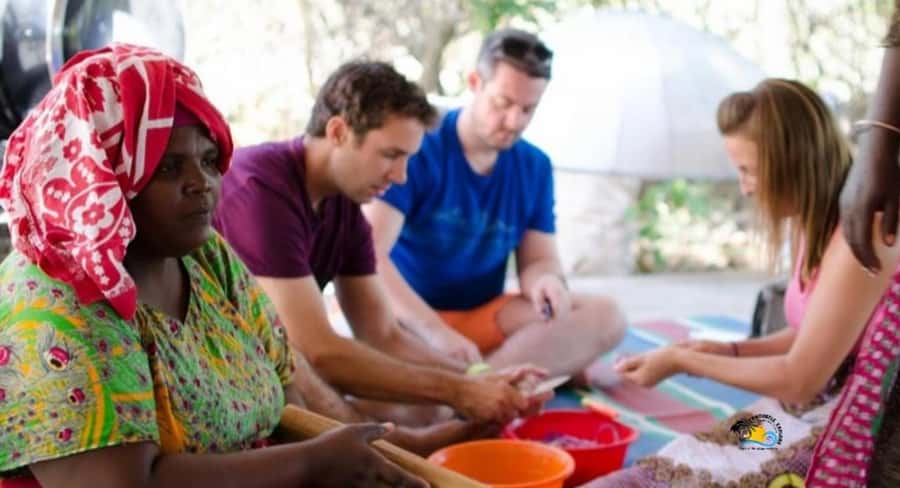
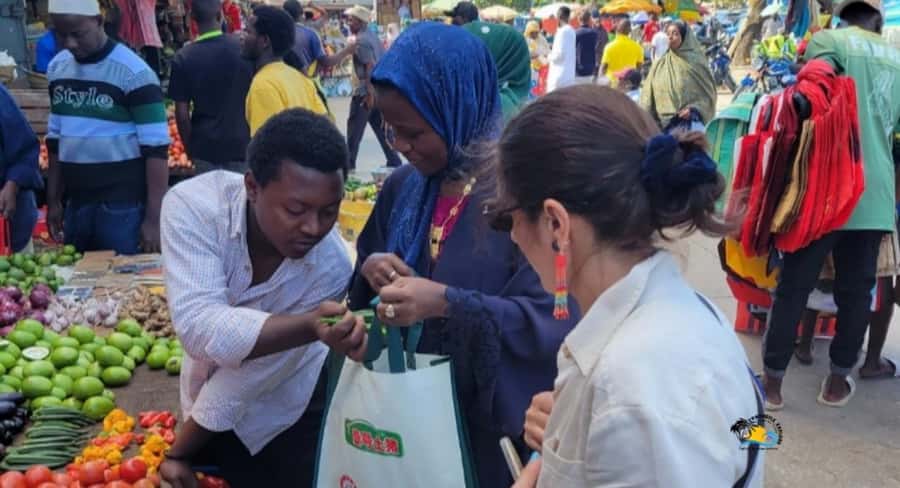
Your day begins with a guided walk through Darajani Market. This is more than a photo stop. You learn the local way of life, and you buy ingredients you will use later in your cooking class.
I like this start because it gives you context. When you finally reach the farm, you understand that spices and vegetables do not appear out of nowhere, they move from fields to markets to kitchens. You also get the chance to notice how people buy, talk, and choose goods in real time.
One practical note: markets mean walking. Wear comfortable shoes, and expect a bit of sensory overload, smell included. If you are the type who gets impatient with shopping, keep your expectations flexible. This part is there to make the cooking lesson make sense.
The public ride to the spice farm: how to make the transfer painless
After the market, you take a public vehicle to the spice farm. This keeps the day feeling grounded rather than staged. It also means you are traveling like locals do, not like you are bouncing between private photo spots.
Transfers can be a hidden make-or-break detail on half-day tours. Here, the timing works because you are not just riding to a destination. You arrive with a shopping list already in your head, so you know what you are looking for on the farm.
If you get motion-sensitive, bring what helps you on buses or shared rides. The data does not call out anything special, so treat it like a normal local transport segment.
Walking the farm and harvesting vegetables and spices
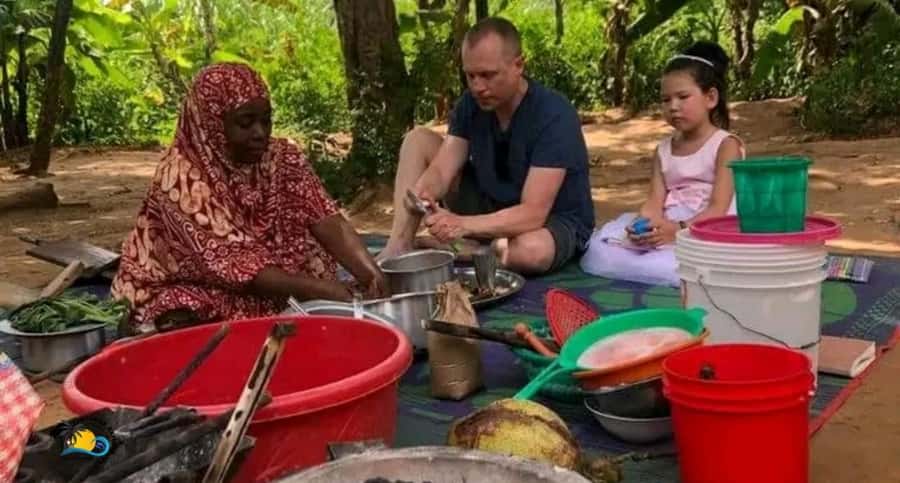
Once you arrive, you take a walking tour around the farm with your culinary expert. Then comes the part that most people remember: harvesting. You pick some of the ingredients you will use in the cooking class.
This harvest moment matters for two reasons. First, it sharpens your senses. When you see and gather the plants yourself, you smell more closely and cook more attentively. Second, it builds respect for the work behind island flavors. It is hard to be casual about spices after you have handled the plants that produce them.
The farm experience also connects agriculture to tradition. You learn about the origins of spices and why they shaped Zanzibar food culture. Even if you already know that Zanzibar was a spice crossroads, this is where it becomes practical and personal.
More Zanzibari kitchens to sit in
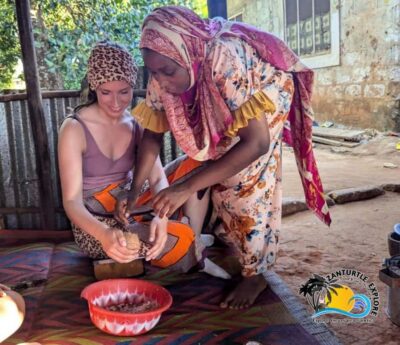

Spice tasting with fruit: the smell game that teaches you fast
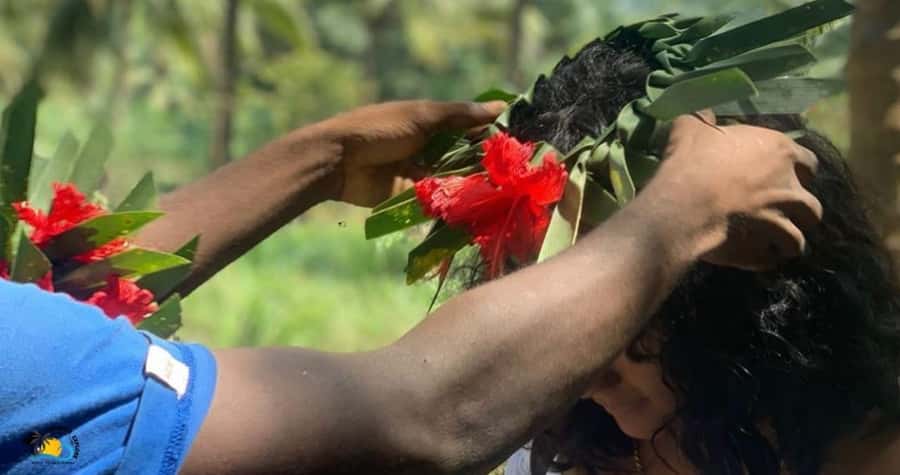
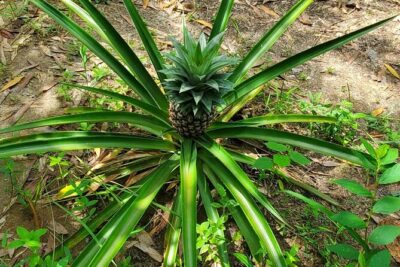
Spice farms are often about sights. This one leans into smell and flavor. You taste and experience the spices with fruits such as coconut, watermelon, cloves, and banana. The goal is not just variety, it is understanding how spices work with sweetness and freshness.
You will also hear about the origins of spices and their importance in Zanzibar cooking. There is emphasis on medicinal uses of spices and local herbs. That may not turn you into a herbalist overnight, but it gives you a useful lens for why certain combinations show up again and again.
Here is a practical way to enjoy this segment: do a quick, simple smell test. Sniff once, then again after you taste something fruity. You start to notice how spices change when paired with cooling flavors like coconut or watermelon.
If you are picky about strong smells, this is still manageable, but be honest with your guide and go slow. The point is to learn, not to overpower your senses.
Old cooking apparatus and traditional Swahili techniques

Back at the cooking area, you learn about traditional methods and the tools behind them. The cooking apparatuses are duplicated from bygone eras, so you get a sense of how coastal Zanzibar people handled food in earlier days.
This part is more than decoration. Old cooking gear often reflects how communities solved real problems: heat control, pacing, and the practical rhythms of daily meals. When you learn those basics, the recipe steps later feel less like a script and more like a method.
The tour also keeps pointing back to spice use. In other words, you are not just making dinner. You are building a map from spice to technique to final taste.
If you are curious about why flavors work, you will like this. If you just want the quickest path to a meal, focus on the instructions and follow the cooking process step by step.
Your cooking class: making a traditional Swahili meal with a local chef
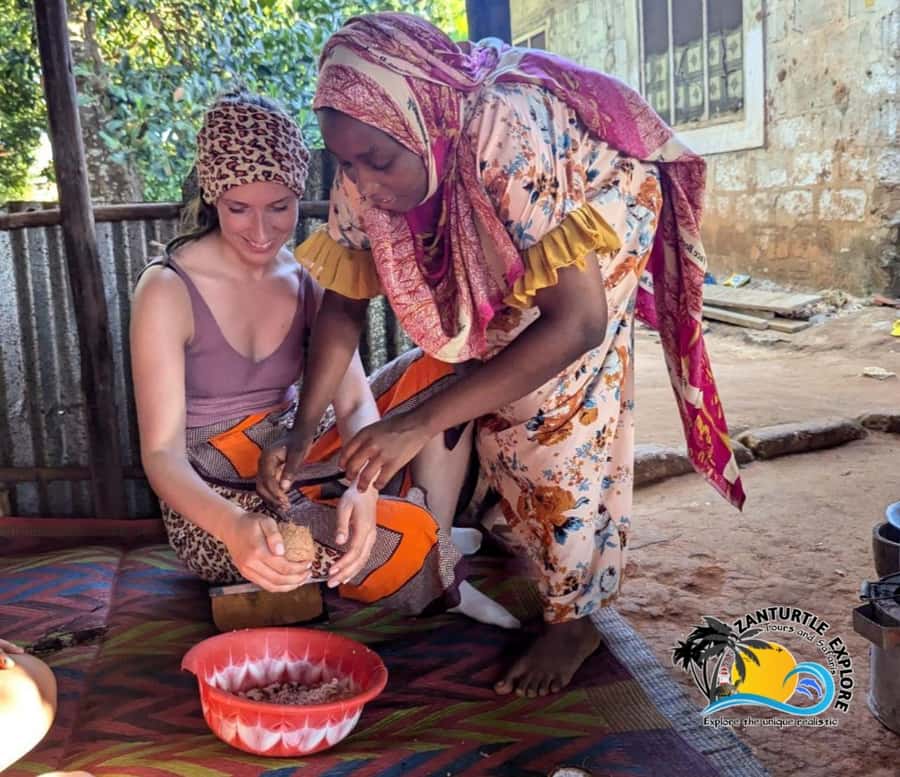
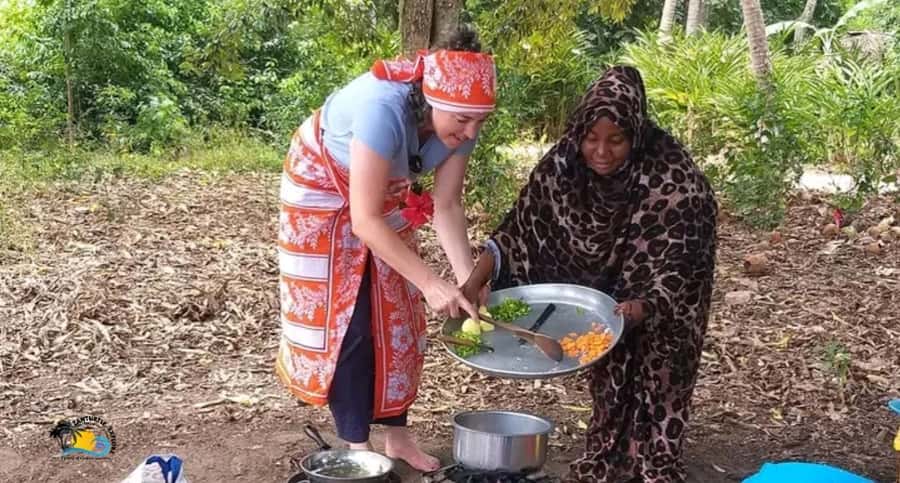
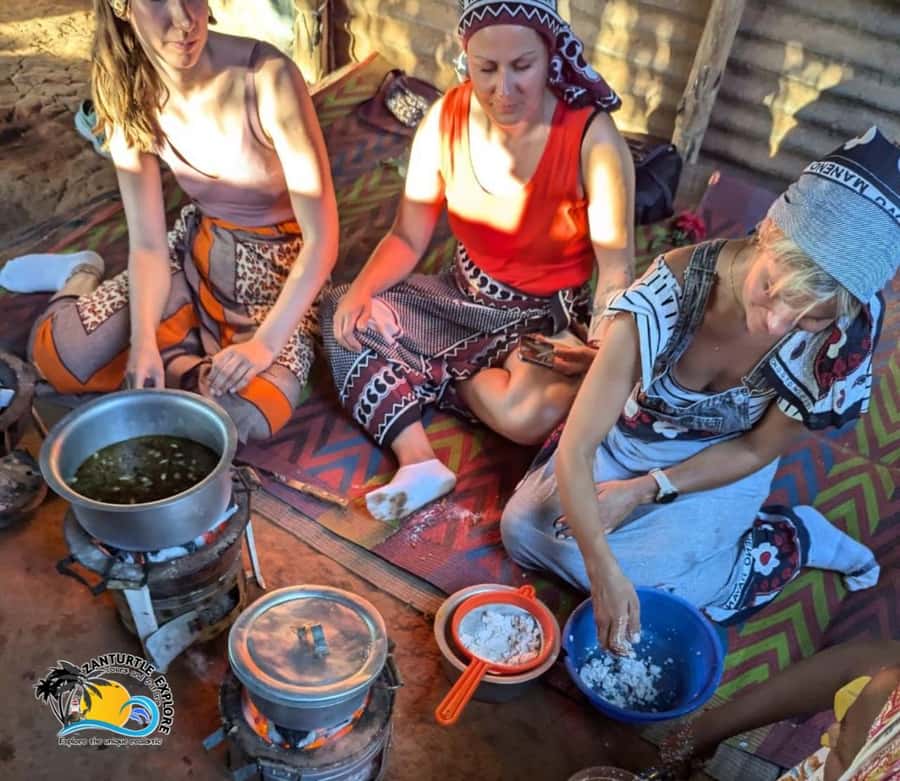
The main event is the cooking lesson with your chef. You work with cooking equipment and learn to make a traditional Swahili meal, using ingredients you harvested and bought earlier.
Your value here is the teaching style. The experience includes a guided class where you are involved at each step, not left standing around. In practice, that means more chances to ask questions about textures, timing, and when spices smell right.
You also get to connect the dots from the farm. If you harvested something green, you will likely cook with it. If you learned a spice’s purpose during tasting, you will see it show up in the finished dish. That makes it easier to recreate at home, which is one of the most common takeaways.
Practical tips for the cooking part:
- Be ready to get hands-on, even if you think you will just watch
- Keep your phone camera handy for steps, but wear shoes that can handle kitchen traffic
- Expect spice smells to linger on clothing for a while, that is normal
Lunch, tropical fruits, and cultural music and dance
After cooking, you eat what you made. Lunch and drinks are included, and the drinks feature tropical fruits you harvest during the day. This is a nice touch because it keeps the theme consistent: your efforts feed you, and the fruits are not just a random side dish.
There is also traditional music and dance as part of the experience. It helps break up the day, and it gives you a cultural layer that is not only food-based. You end up with something to talk about besides recipes.
If you like food experiences that feel like community moments, this portion delivers. The meal becomes the finish line for all the smelling, harvesting, and learning you did earlier.
Price and logistics: is $66 per person good value?
At $66 per person for about 5 hours, this sits in the mid-range for Zanzibar food tours. What makes the price feel fair is what is included, not just the activities.
Here is what your money covers:
- A trained, friendly guide and culinary expert support
- Hotel pickup and drop-off anywhere in Zanzibar
- Market ingredient shopping and farm harvesting
- Spice tour with tasting and smell experiences
- Cooking class with cooking equipment
- Lunch plus drinks with tropical fruits you harvest
- Traditional music and dance
- Entrance fee and conservation fee
- Government fees and taxes
That is a lot for one half-day. You are paying for guided time, transport between key points, and the fact that lunch is included as part of the lesson, not as a separate bill. Also, because you can buy spices and fruits during the activity, the tour can function as a flavor kit for home cooking.
The one possible value trap is if you do not enjoy active steps. This is not a passive tour. If you want a quick peek with minimal walking and zero hands-on, you might feel the cost less justified.
Who this Zanzibar spice farm tour suits, and who should skip
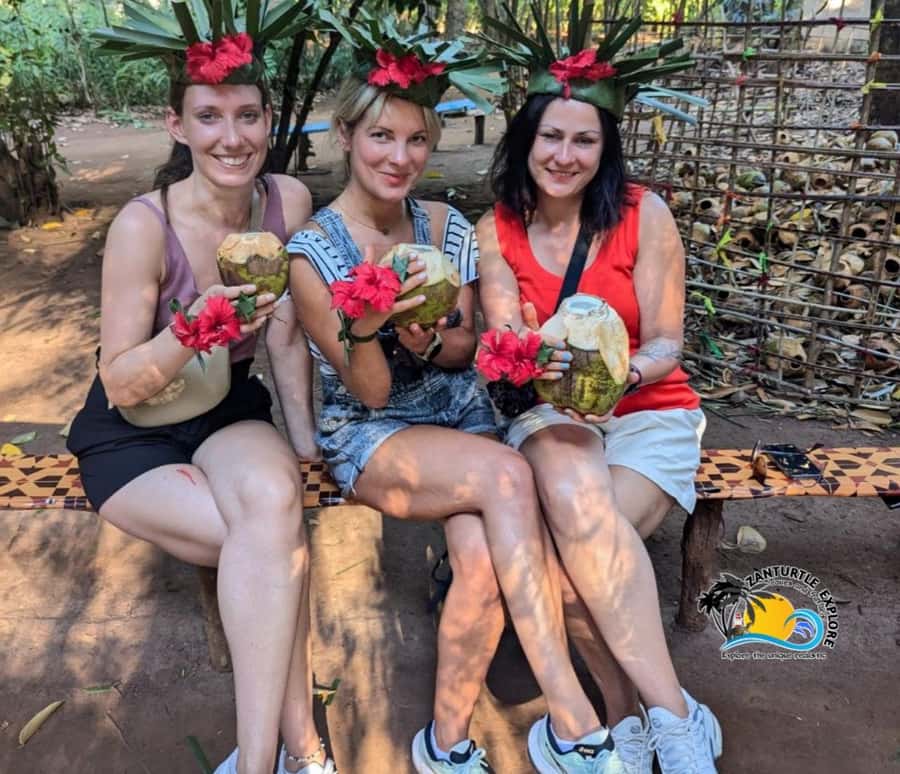
This is a great fit if you want a real cooking lesson tied to Zanzibar agriculture and everyday market life. It is also a strong choice for people who learn best by doing, not by reading. If you like spices and want to understand how they show up in Swahili meals, you will likely have a good time.
It is private group, so you should get more attention than you would in a large crowd setting. It is also listed as wheelchair accessible, which matters for comfort, even though farms can still have uneven paths.
It is not suitable for people with food allergies. Since the class includes harvesting, tasting, and cooking, you should not gamble if allergies are on the table. The smart move is to choose a different activity designed for dietary restrictions.
Finally, keep language in mind. The tour offers many languages, but your comfort depends on your guide matching the language you need. If clear cooking instructions are important for you, ask before you go.
Should you book Zanzibar spice farm with cooking lesson?
I would book this if you want a flavorful, hands-on Zanzibar experience with a market start and a chef-led cooking class. The biggest strengths are the harvest element, the smell and taste focus with fruits like coconut and watermelon, and the chance to learn why spices matter in Zanzibar food, including medicinal uses.
I would think twice if you have food allergies, or if you strongly prefer to observe rather than participate. Also, if you want a specific language for instruction, confirm that the day’s guide can deliver it.
If you fall in the first group, this tour is a practical way to bring Zanzibar home, not just in photos, but in ingredients you can cook with later.
FAQ
How long is the Zanzibar spice farm tour with a cooking lesson?
The duration is 5 hours.
Where does the tour start?
It starts with a guided walk through Darajani Market, where you learn local way of life and buy ingredients for your cooking class.
How do you get to the spice farm?
After shopping at the market, you take a public vehicle to the spice farm.
What is included in the price?
The tour includes a trained guide, government fees and taxes, hotel pickup and drop-off, harvesting vegetables, a spice tour with tasting, a cooking class with cooking equipment, lunch and drinks with tropical fruits, buying spices and fruits, traditional music and dance, and entrance and conservation fees.
Are hotel pickups offered?
Yes. Pickup and drop-off are included, and the pickup can be from any hotel in Zanzibar.
What languages are available for the tour guide?
The tour guide languages listed are Arabic, English, French, German, Italian, Polish, Spanish, Swahili, Russian, and Portuguese.
Is this tour wheelchair accessible?
Yes, the tour is wheelchair accessible.
Is this tour suitable for food allergies?
No. The tour is not suitable for people with food allergies.
What should I bring, and what is not allowed?
You should bring comfortable shoes, a camera, and cash. Intoxication, alcohol, and drugs are not allowed.
More Zanzibari Kitchens
- Zanzibar: The Swahili Spice Experience – Spice Tour + Culinary Journey
★ 4.7 · 96 reviews - A private half day spice farm with a cooking lesson
★ 5.0 · 13 reviews - Zanzibar: Spice Farm Tour and Cooking Class with Lunch
★ 4.2 · 11 reviews - Zanzibar:Stone town Street food market walking tour,transfer
★ 4.5 · 9 reviews - Zanzibar: Spice farm tour with Zanzibar fruits tasting
★ 3.8 · 7 reviews
More Spice Farm Afternoons
- Zanzibar: Stone Town, Spice Tour, Prison Island with Lunch
★ 4.4 · 1,219 reviews - Zanzibar: Prison Island, Stone Town, & Spice Farm Tour
★ 4.5 · 579 reviews - Zanzibar: Stone Town, Spice tour & Prison Island with Lunch
★ 4.6 · 453 reviews - Full-Day Private Stone Town +Spice Farm and Prison Island Tour
★ 4.5 · 216 reviews - Zanzibar: Spice Tour & Stone Town Walking Tour
★ 4.8 · 115 reviews
Just added from around Zanzibar City



Zanzibar Spice Farms and Plantations, compared.
 ★ 4.4Zanzibar: Stone Town, Spice Tour, Prison Island with LunchFrom $681,219 reviews
 ★ 4.5Zanzibar: Prison Island, Stone Town, & Spice Farm TourFrom $70579 reviews
★ 4.6Zanzibar: Stone Town, Spice tour & Prison Island with LunchFrom $55453 reviews
★ 4.5Zanzibar: Prison Island, Stone Town, & Spice Farm TourFrom $70579 reviews
★ 4.6Zanzibar: Stone Town, Spice tour & Prison Island with LunchFrom $55453 reviews
 ★ 4.5Full-Day Private Stone Town +Spice Farm and Prison Island TourFrom $100216 reviews
 ★ 4.5Spice Tour + Stone Town Tour + Prison IslandFrom $140130 reviews
 ★ 4.8Zanzibar: Spice Tour & Stone Town Walking TourFrom $95115 reviews
 ★ 4.5Zanzibar: Stone Town & Spice Farm Tour with LunchFrom $7397 reviews
 ★ 4.7Zanzibar: The Swahili Spice Experience – Spice Tour + Culinary JourneyFrom $2196 reviews
Browse the lists this tour appears in