
REVIEW · ZANZIBAR SPICE FARMS AND PLANTATIONS
Zanzibar Spice Adventure by Imani Zuberi
Zanzibar spice tours are the shortcut to the island mindset. The Zanzibar Spice Adventure by Imani Zuberi mixes spice tastings with practical stories about the medicinal value of plants, and it’s set up with reliable service at an affordable $71.80 per person. I also like that it feels flexible, so the guide can shift to what you want to focus on during your visit.
What makes this one especially satisfying is the way the day pulls you beyond theory. You’ll get a hands-on look at the spice trade through the local School of Agriculture, plus a coconut climber show with fresh young coconuts, then you slow down with a Swahili cuisine lunch and seasonal fruit.
One thing to plan around: the tour needs good weather. If the conditions are poor, you should expect changes like a different date or a refund.
In This Review
- Key highlights worth your time
- Zanzibar Spice Adventure: why spices feel personal in Zanzibar
- Who you’ll meet: guide Imani Zuberi and the pace of the visit
- The main stop at the School of Agriculture, from spice trade stories to tastings
- Coconut climber moment and fresh young coconuts
- Lunch that actually fits the theme: Swahili cuisine, fruit, and bottled water
- How long will it take, and how that affects your Zanzibar plans
- Value for $71.80: what you get beyond the plants
- Private tour benefits, and when this format is perfect
- Practical tips to get the most from your spice adventure
- Should you book Zanzibar Spice Adventure by Imani Zuberi?
- FAQ
- How long is the Zanzibar Spice Adventure?
- Is pickup available?
- Is this a private tour?
- What happens at the School of Agriculture?
- What is included in the price?
- Are beer or soda included?
- Do I get a mobile ticket?
- What if the weather is bad?
- What is the cancellation policy?
Key highlights worth your time
- Imani Zuberi’s guide style keeps things safe, friendly, and focused on your questions
- Spice tastings plus medicinal stories help you understand what you’re smelling and eating
- Coconut climber viewing adds a real Zanzibar moment, not just a lecture
- Swahili lunch is included with bottled water and seasonal fruit
- Private group setup means it’s just your group, not a crowded shuffle
More spice farm afternoons on the island
- Spice Tour + Stone Town Tour + Prison Island★ 4.5 · 130 reviews
- Zanzibar: Stone Town & Spice Farm Tour with Lunch★ 4.5 · 97 reviews
- Zanzibar Cooking Class & Spice Tour★ 4.5 · 77 reviews
- Zanzibar: Spice Farm Tour with Traditional Cooking Lesson★ 4.8 · 77 reviews
Zanzibar Spice Adventure: why spices feel personal in Zanzibar
If you think spices are just for kitchen shelves, Zanzibar will change your mind fast. This tour is built around the idea that spices are part food, part trade goods, and part everyday medicine in the local mindset. When a guide ties all three together, it stops being a souvenir hunt and starts being a story you can taste.
At $71.80 per person, it’s also priced in the zone where you can do it without guilt. And crucially, you are not paying extra for the important pieces. Your ticket includes admission for the main visit, plus lunch, bottled water, and fruit. For a short 2 to 4 hour experience, that adds real value.
You also get a private format. That matters on a spice tour because you’ll likely want to ask follow-up questions about what you’re tasting and how locals use plants. If you’re traveling with friends, family, or a small group, this setup usually makes the whole experience feel calmer.
Who you’ll meet: guide Imani Zuberi and the pace of the visit
This is guided by Imani Zuberi, and the consistent theme around him is trust. People describe him as a gentleman, with strong knowledge, a sense of humor, and a willingness to go the extra distance to make sure you stay safe and enjoy the day. That kind of attention matters, especially when you’re walking around farms and spending time in a working environment.
You can also expect Q and A to be part of the experience. The best spice guides do not just point at plants and move on. They explain why those plants mattered in Zanzibar’s spice trade and how their uses connect to everyday life.
Another practical plus is flexibility. The experience is described as adjustable to your needs, which is useful when someone in your group moves slower, has questions, or wants more time at the tastings. For a short tour, that flexibility can make the difference between checking a box and actually learning something useful.
The main stop at the School of Agriculture, from spice trade stories to tastings
Your time centers on the School of Agriculture, and that’s where the tour earns its name. You’ll learn about the history of the spice trade, and you’ll also taste different spice plants. That combination is the key. You’re not only being told what matters, you’re experiencing it through smell, flavor, and texture.
You’ll also be shown the medicinal value the spices are believed to have. The word medicinal can sound vague, but in this context it means you’ll hear how locals think about plants and their uses. Even if you do not change your habits when you get home, you’ll walk away with a clearer understanding of why these plants are treated with respect.
Another thoughtful part of this stop is the community angle. You’ll be exposed to spice products made by the local community, so you can connect the plants to real output. When a guide links farm life to what ends up on shelves, it helps you understand what you’re buying, why it has value, and what it costs to produce it.



Coconut climber moment and fresh young coconuts
This is the moment many people remember because it breaks the pattern. You’ll watch a coconut climber and enjoy fresh young coconuts. It’s not just scenic. It reinforces the Zanzibar idea that plants are everywhere, not in a separate attraction zone.
Young coconut also gives you a quick, natural reset during the tastings. Spices can be strong. A cool sip helps you keep your senses sharp for the rest of the explanations.
If your group is sensitive to heat, this segment can be a nice pause. You’ll still be outdoors, but it gives you a change of pace without dropping the theme of the day.
Lunch that actually fits the theme: Swahili cuisine, fruit, and bottled water
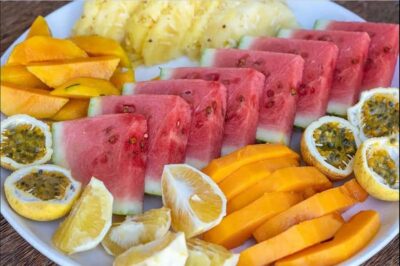
Food turns a spice tour into a full experience instead of a quick stop. Your lunch is Swahili cuisine, and it comes with bottled water and seasonal fruit. That is a solid package for a 2 hour main visit, especially because spice tours can make you forget to eat until you feel shaky.
I like that the tour does not oversell food as an afterthought. It’s included, it fits the cultural setting, and it gives you energy for tasting and walking. If you’ve ever done a half-day tour where the only refreshment is a vague suggestion to grab snacks later, you’ll appreciate this structure.
One thing to keep in mind: beer or soda is not included. If you want a drink beyond water, you’ll need to plan for it. Bottled water is 1.5 liters included, so for most people that covers hydration during the outing.
How long will it take, and how that affects your Zanzibar plans
The experience is listed as about 2 to 4 hours. The main stop at the School of Agriculture is described as 2 hours, so think of it as a half-day activity that can stretch depending on pacing and how many questions your group has.
That time window is useful in Zanzibar because it can slot into multiple kinds of days. If you like lighter mornings, you can do this early. If you prefer a slower start, you can treat it like a mid-day learning break and then settle back in after lunch.
Because the tour is private, your group tempo influences the schedule. If your group moves fast, you may finish closer to the shorter end. If you ask a lot of questions during tastings and product talk, you’ll probably take more time.
Value for $71.80: what you get beyond the plants
Price is not just about cost. It’s about what’s handled for you. For $71.80 per person, you are getting:
- A reliable guided experience with knowledge tied directly to what you see and taste
- Admission to the main attraction site
- Lunch, bottled water, and seasonal fruit
- A private setup where your group does not get mixed into other people’s schedules
- Pickup offered, depending on what’s arranged for you
That combination matters. A spice tour that only walks you around a farm without food, without admission clarity, or without time for questions can feel overpriced fast. This one includes the pieces that keep you comfortable and learning.
The biggest value is the guide. When people describe Imani Zuberi as a trusted, safe, funny guide who goes the extra distance, you can feel what they mean: you are not just consuming information, you’re being looked after.
Private tour benefits, and when this format is perfect
This is a private tour/activity, so it’s just your group. That’s not a small detail. On a spice tour, private time means you can:
- Ask follow-up questions without feeling rushed
- Move at the pace your group likes
- Spend more time on tastings or medicinal explanations if that’s what you care about
It’s also a strong option if you’re traveling with mixed ages or different energy levels. “Most travelers can participate” suggests the activity is accessible for a wide range of people, though you should still wear comfortable shoes because you’re visiting an agricultural setting.
If you’re the type who hates big group logistics, this format usually feels like a relief. You’re not counting on strangers to keep the conversation going. You and your group can shape the tour around what interests you.
Practical tips to get the most from your spice adventure
A spice tour works best when you show up ready to taste and ask questions. Bring a few habits and the experience will feel smoother.
- Hydrate and eat first when possible. Lunch is included, but your body still benefits from a calm start.
- Wear comfortable shoes for outdoor paths. Farms can be uneven.
- If you’re sensitive to strong aromas, pace yourself during tastings. A sip of young coconut can help reset your senses.
- Go in with questions. If you want medicinal value explanations, ask how locals think about use. If you want the trade angle, ask what made spices valuable over time.
Also remember the tour needs good weather. In Zanzibar, conditions can shift quickly. If your schedule is fixed, it helps to keep this on a day where you can be flexible.
Should you book Zanzibar Spice Adventure by Imani Zuberi?
I recommend booking this if you want a short, high-value experience that blends tasting, practical explanations, and real Zanzibar moments like coconut climbing. It’s especially a good fit for couples, friends, and small groups who want a guided day without crowds and who care about learning something that connects to local life.
Skip it if you only want shopping and quick photos. This tour is about understanding spice plants, their role in trade, and how locals view medicinal value, then sitting down for a Swahili lunch.
If you’re choosing between “see spices” and “learn spices,” this one leans hard toward learning, with comfort built in. For many visitors, that makes it one of the smarter ways to spend a half-day on Zanzibar.
FAQ
How long is the Zanzibar Spice Adventure?
The tour runs about 2 to 4 hours (approximately), with the main stop at the School of Agriculture taking about 2 hours.
Is pickup available?
Yes, pickup is offered.
Is this a private tour?
Yes. It’s private, so only your group participates.
What happens at the School of Agriculture?
You learn about the history of the spice trade, taste different spice plants, and discover medicinal value. You also see spice products made by the local community, watch a coconut climber, and enjoy fresh young coconuts.
What is included in the price?
Included are the Swahili cuisine lunch, 1.5 liters of bottled water, and seasonal fruit. Admission ticket for the main visit is included too.
Are beer or soda included?
No. Beer or soda are not included.
Do I get a mobile ticket?
Yes, you receive a mobile ticket.
What if the weather is bad?
The experience requires good weather. If it’s canceled due to poor weather, you will be offered a different date or a full refund.
What is the cancellation policy?
Free cancellation is available. You can cancel up to 24 hours in advance for a full refund. If you cancel less than 24 hours before the start time, you will not get a refund.
More Spice Farm Afternoons
- Spice Tour + Stone Town Tour + Prison Island
★ 4.5 · 130 reviews - Zanzibar: Stone Town & Spice Farm Tour with Lunch
★ 4.5 · 97 reviews - Zanzibar Cooking Class & Spice Tour
★ 4.5 · 77 reviews - Zanzibar: Spice Farm Tour with Traditional Cooking Lesson
★ 4.8 · 77 reviews - From Stone Town: Spice Tour of Zanzibar
★ 4.0 · 71 reviews
Just added from around Zanzibar






Zanzibar Spice Farms and Plantations, compared.
 ★ 4.4Zanzibar: Stone Town, Spice Tour, Prison Island with LunchFrom $681,219 reviews
 ★ 4.5Zanzibar: Prison Island, Stone Town, & Spice Farm TourFrom $70579 reviews
★ 4.6Zanzibar: Stone Town, Spice tour & Prison Island with LunchFrom $55453 reviews
★ 4.5Zanzibar: Prison Island, Stone Town, & Spice Farm TourFrom $70579 reviews
★ 4.6Zanzibar: Stone Town, Spice tour & Prison Island with LunchFrom $55453 reviews
 ★ 4.5Full-Day Private Stone Town +Spice Farm and Prison Island TourFrom $100216 reviews
 ★ 4.5Spice Tour + Stone Town Tour + Prison IslandFrom $140130 reviews
 ★ 4.8Zanzibar: Spice Tour & Stone Town Walking TourFrom $95115 reviews
 ★ 4.5Zanzibar: Stone Town & Spice Farm Tour with LunchFrom $7397 reviews
 ★ 4.7Zanzibar: The Swahili Spice Experience – Spice Tour + Culinary JourneyFrom $2196 reviews
Browse the lists this tour appears in