
REVIEW · ZANZIBAR SPICE FARMS AND PLANTATIONS
Zanzibar Cooking Class [Swahili food test ] and Spice farm Private tour
Spices in Zanzibar are the main event. On this private half day, you walk an organic spice farm where you can touch, smell, and taste herbs still growing, then finish with Swahili cooking with Mama Africa. I also love that the price includes lunch at the farm, so you are not juggling meal plans in the city. One consideration: alcoholic drinks are not included, so plan on water with your meal.
The guide you get makes a difference, and Amina comes up a lot in feedback for keeping everything friendly and on time. Expect hands-on moments like cassava leaf harvesting, coconut milk making, and even a coconut tree climber picking young coconuts for you to try.
In This Review
- Key takeaways for Zanzibar’s Tangawizi spice farm and Swahili cooking
- A 9:00 am private tour that feels like a real working farm day
- Entering the Tangawizi organic spice farm: cloves, nutmeg, cinnamon, pepper, vanilla
- The sensory tastings that make the day worth it
- Learning how spices travel from the plant to Swahili cooking
- Meet Mama Africa: cassava leaf harvest and Swahili cooking practice
- Coconut milk and young coconuts: farming you can taste
- Lunch at the farm, then a chance to buy spices
- Price and value: what $59 includes and why it feels fair
- Who should book this Zanzibar spice farm and Swahili cooking tour
- Should you book this spice farm and Swahili cooking class?
- FAQ
- How long is the Zanzibar Cooking Class and Spice Farm Private Tour?
- What does the $59 price include?
- Is pickup included?
- Is this a private tour?
- Are alcoholic beverages included?
- What is the cancellation policy?
Key takeaways for Zanzibar’s Tangawizi spice farm and Swahili cooking
![Zanzibar Cooking Class [Swahili food test ] and Spice farm Private tour - Key takeaways for Zanzibar’s Tangawizi spice farm and Swahili cooking](https://st.tanzaniainsider.com/wp-content/uploads/zanzibar-cooking-class-swahili-food-test-and-spice-farm-private-tour-1.jpg)
- Organic farm tastings you can do with your hands and nose (not just photos)
- Swahili cooking with Mama Africa, including cassava leaf harvest and coconut milk
- Young coconut tasting led by a coconut tree climber
- Lunch included at the spice farm, so the schedule stays simple
- Private transportation and pickup offered, with a mobile ticket for less hassle
- Bring cash or shillings for tips and spice shopping, as cards may not be used for those purchases
More spice farm afternoons on the island
- Zanzibar: Stone Town, Spice Tour, Prison Island with Lunch★ 4.4 · 1,219 reviews
- Zanzibar: Prison Island, Stone Town, & Spice Farm Tour★ 4.5 · 579 reviews
- Zanzibar: Stone Town, Spice tour & Prison Island with Lunch★ 4.6 · 453 reviews
- Full-Day Private Stone Town +Spice Farm and Prison Island Tour★ 4.5 · 216 reviews
A 9:00 am private tour that feels like a real working farm day
![Zanzibar Cooking Class [Swahili food test ] and Spice farm Private tour - A 9:00 am private tour that feels like a real working farm day](https://st.tanzaniainsider.com/wp-content/uploads/zanzibar-cooking-class-swahili-food-test-and-spice-farm-private-tour-2.jpg)
This experience runs about 5 hours, starting at 9:00 am. You get private transportation and pickup is offered, which matters in Zanzibar because timing can get messy once you’re on your own.
The vibe is also private in the best way: only your group participates. That means you can ask questions during the plant walk, slow down for tastings, and actually pay attention while people show you what to do in the kitchen.
Most travelers can participate, and service animals are allowed. If you have mobility limits, you might still be okay, but do plan for uneven ground around a farm.
Entering the Tangawizi organic spice farm: cloves, nutmeg, cinnamon, pepper, vanilla
Your first big chunk of time is at Tangawizi Spice Farm, guided from plant to plant. The whole point is Zanzibar’s spice industry, and the story behind why the archipelago is often called the Spice Islands.
On the walk, you’ll learn how spices like cloves, nutmeg, cinnamon, black pepper, and others are grown and used. The guide also explains how these plants show up as medication and flavor in local cooking. That mix, plant science plus everyday use, is the difference between a show-and-tell tour and one that actually sticks.
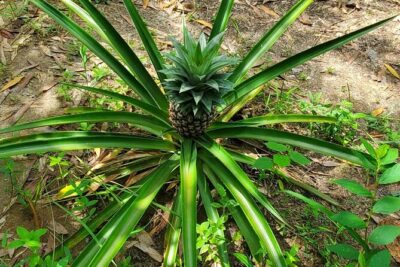
Then comes the part you will remember: you can touch, smell, and taste spices and herbs directly from plants. You are not sampling generic spice jars. You’re meeting the ingredient while it is still fresh, sometimes almost aromatic in a way that feels surprising.
The sensory tastings that make the day worth it
I love when a tour uses your senses in a practical way. Here, that means you get repeated chances to smell and taste while you’re still learning what each plant is and why locals use it.
You may also spot and taste fresh tropical fruits alongside the spice plants. That’s a nice change of pace from the stronger aromas, and it helps you understand how the farm day connects to everyday food.
If you are the type who hates strong smells, take it slowly. Some spices can hit your nose fast, especially when you are smelling from the plant itself. But if you can handle that, this is exactly the kind of experience that makes you look at cooking differently afterward.
More Zanzibari kitchens to sit in

Learning how spices travel from the plant to Swahili cooking
![Zanzibar Cooking Class [Swahili food test ] and Spice farm Private tour - Learning how spices travel from the plant to Swahili cooking](https://st.tanzaniainsider.com/wp-content/uploads/zanzibar-cooking-class-swahili-food-test-and-spice-farm-private-tour-4.jpg)
A lot of spice tours stop at the “here’s what it is” stage. This one tries to answer the bigger question: how do people actually use these flavors day to day?
During the farm portion, you’re shown how spices grow and what they contribute. The guide’s explanation includes both the flavor side and the traditional medicinal use side. Even if you take those ideas with a careful mindset, it gives you context for why spices matter so much on Zanzibar.
And the best part is that you are building a memory map. You are tasting and smelling as you go, so later when you cook with the same notes, the flavors make sense right away.
Meet Mama Africa: cassava leaf harvest and Swahili cooking practice
![Zanzibar Cooking Class [Swahili food test ] and Spice farm Private tour - Meet Mama Africa: cassava leaf harvest and Swahili cooking practice](https://st.tanzaniainsider.com/wp-content/uploads/zanzibar-cooking-class-swahili-food-test-and-spice-farm-private-tour-5.jpg)
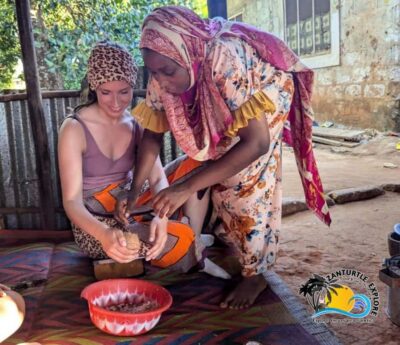
After the spice walk, the tour shifts gears. You meet with Mama Africa, and the focus becomes Swahili cooking using what you collected and learned.
This part includes a cassava leaf harvest. Watching and helping with the harvest is more than a photo moment. It connects the spice farm ingredients to the steps that happen before a dish reaches the plate.
Then you’ll make coconut milk and practice cooking Swahili food with a mix of the spices you’ve gathered. That hands-on practice is where the tour becomes more than a sightseeing stop. You’re learning how flavors work together, not just checking off ingredients.
If you like cooking, you’ll probably have the best time here. If you prefer to watch, you can still enjoy it, but the format is clearly built for participation.
Coconut milk and young coconuts: farming you can taste
Coconut shows up in two ways here. First, you have the chance to make coconut milk during the cooking session with Mama Africa. Second, there’s a moment where a coconut tree climber picks young coconut fruits for you to try.
That sequence helps you understand coconut as both a drinkable fruit and a cooking base. It also adds variety to the day, because you get both a hands-on agricultural moment and a taste right after.
If you’re sensitive to very sweet drinks, take small sips. Young coconut can be deliciously sweet, and it’s nice to pace it.
Lunch at the farm, then a chance to buy spices
![Zanzibar Cooking Class [Swahili food test ] and Spice farm Private tour - Lunch at the farm, then a chance to buy spices](https://st.tanzaniainsider.com/wp-content/uploads/zanzibar-cooking-class-swahili-food-test-and-spice-farm-private-tour-6.jpg)
You end with lunch at the spice farm, and it’s included. For me, this is a major value factor because it removes the usual Zanzibar problem where you find yourself hungry at a bad time, or you have to hunt for food between tours.
After lunch, there’s an opportunity to purchase spices from the shop. If you plan to do that, treat it like shopping with a purpose. Pick what you tasted and liked earlier in the day, not what sounds exotic at first glance.
One practical note: a recent tip was to bring cash or shillings, because cards may not be used for tips and some shop purchases. That advice saves real headaches, especially if you want to buy while you’re still on the spice high.
Price and value: what $59 includes and why it feels fair
The tour costs $59 per person and runs about 5 hours. For that price, you’re getting lunch, private transportation, and all fees and taxes. You also have admission included for the farm activities, which matters because spice tours can quietly charge extra once you add access.
So the real question is whether you’re paying for a plan or just a location. Here, you’re paying for a full day structure: farm guidance, sensory tastings, cooking instruction, and a meal. That’s why it often feels reasonable compared to cobbling together separate experiences.
What you should know before you go is that alcoholic beverages are not included. If you were counting on a drink with lunch, you’ll want to adjust expectations and stick to water.
Who should book this Zanzibar spice farm and Swahili cooking tour
Book this if you want more than a quick spice photo session. You’ll like it if you enjoy learning by doing, tasting real ingredients, and cooking with the flavors you just met on the plants.
It’s also a great choice if you want authentic culture tied to daily food habits. The cassava leaf harvest and the coconut milk steps give you a window into how ingredients turn into meals on Zanzibar.
You might skip it if you only want a gentle, low-participation experience. This day has movement and hands-on moments, and the cooking section is clearly designed for interaction.
Should you book this spice farm and Swahili cooking class?
I think this is a strong booking for most food lovers in Zanzibar, especially if you like practical learning. The big wins are the farm-to-table flow, the hands-on tastings, and the fact that lunch is included so your day stays smooth.
If you do book, come prepared to tip and shop with cash or shillings, and keep an open mind about the sensory strength of fresh spices. Do that, and you’ll leave with flavors you can actually use, not just memories you can scroll past.
FAQ
How long is the Zanzibar Cooking Class and Spice Farm Private Tour?
It lasts about 5 hours in total.
What does the $59 price include?
The price includes lunch, private transportation, all fees and taxes, and admission tickets for the activities.
Is pickup included?
Yes, pickup is offered. The tour also notes it is near public transportation.
Is this a private tour?
Yes. It is private, and only your group will participate.
Are alcoholic beverages included?
No. Alcoholic beverages are not included.
What is the cancellation policy?
You can cancel for free up to 24 hours in advance for a full refund. If you cancel less than 24 hours before the experience starts, the amount paid is not refunded.
More Zanzibari Kitchens
- Zanzibar: The Swahili Spice Experience – Spice Tour + Culinary Journey
★ 4.7 · 96 reviews - A private half day spice farm with a cooking lesson
★ 5.0 · 13 reviews - Zanzibar: Spice Farm Tour and Cooking Class with Lunch
★ 4.2 · 11 reviews - Zanzibar:Stone town Street food market walking tour,transfer
★ 4.5 · 9 reviews - Zanzibar: Spice farm tour with Zanzibar fruits tasting
★ 3.8 · 7 reviews
More Spice Farm Afternoons
- Zanzibar: Stone Town, Spice Tour, Prison Island with Lunch
★ 4.4 · 1,219 reviews - Zanzibar: Prison Island, Stone Town, & Spice Farm Tour
★ 4.5 · 579 reviews - Zanzibar: Stone Town, Spice tour & Prison Island with Lunch
★ 4.6 · 453 reviews - Full-Day Private Stone Town +Spice Farm and Prison Island Tour
★ 4.5 · 216 reviews - Zanzibar: Spice Tour & Stone Town Walking Tour
★ 4.8 · 115 reviews
Just added from around Zanzibar City



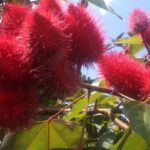
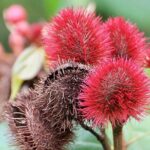
Zanzibar Spice Farms and Plantations, compared.
 ★ 4.4Zanzibar: Stone Town, Spice Tour, Prison Island with LunchFrom $681,219 reviews
 ★ 4.5Zanzibar: Prison Island, Stone Town, & Spice Farm TourFrom $70579 reviews
★ 4.6Zanzibar: Stone Town, Spice tour & Prison Island with LunchFrom $55453 reviews
★ 4.5Zanzibar: Prison Island, Stone Town, & Spice Farm TourFrom $70579 reviews
★ 4.6Zanzibar: Stone Town, Spice tour & Prison Island with LunchFrom $55453 reviews
 ★ 4.5Full-Day Private Stone Town +Spice Farm and Prison Island TourFrom $100216 reviews
 ★ 4.5Spice Tour + Stone Town Tour + Prison IslandFrom $140130 reviews
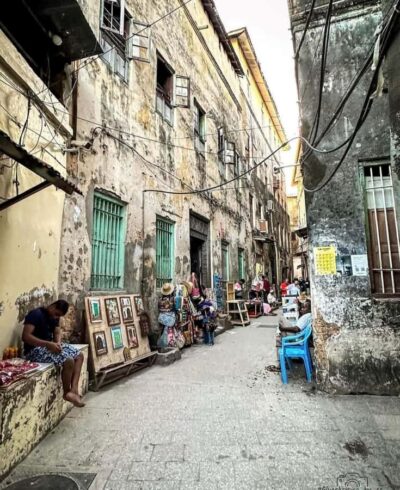 ★ 4.8Zanzibar: Spice Tour & Stone Town Walking TourFrom $95115 reviews
 ★ 4.5Zanzibar: Stone Town & Spice Farm Tour with LunchFrom $7397 reviews
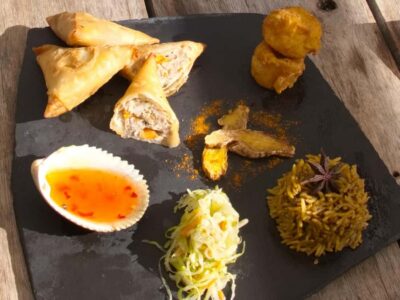 ★ 4.7Zanzibar: The Swahili Spice Experience – Spice Tour + Culinary JourneyFrom $2196 reviews
Browse the lists this tour appears in