
REVIEW · ZANZIBAR SPICE FARMS AND PLANTATIONS
Traditional Zanzibar Cooking Class including Spice Tour
Spices start before you ever taste, with a spice farm walk plus hands-on cooking focused on Zanzibar flavors. I especially love the spice farm tour, where you get to see, smell, and even harvest ingredients, and then shift straight into Zanzibari cooking where spices become something you can actually use in your own food.
One possible drawback to keep in mind is that the cooking setup can feel less like a formal classroom and more like a regular home kitchen, and there may be some comings and goings during the lesson.
In This Review
- Key Highlights You Should Care About
- A Half-Day That Turns Spices Into Real Food
- Price and Timing: Why the 09:30 Start Works
- From Stonetown to Kizimbani: The Ride in Comfort
- The Spice Farm Walk: Smell, Taste, and Harvest
- What You Learn About Spices (Beyond the Usual Clove Story)
- Cooking Class With a Local Host: Turning Harvest Into Dinner
- What About the Food: Expect a Shared Zanzibari Meal
- Pickup, Vehicle Comfort, and Group Setup That Affect Your Day
- Who This Tour Fits Best
- Quick Tips to Make the Most of It
- Should You Book This Zanzibar Spice Tour and Cooking Class?
- FAQ
- What time does the spice tour and cooking class start?
- Where does the tour begin?
- How long is the tour?
- Is pickup included?
- Is this a private tour?
- What is the cancellation policy?
Key Highlights You Should Care About
- Kizimbani farm location: about 15 km northeast of Stonetown, close enough for a true half-day plan
- Harvest-to-meal format: you taste and pick ingredients first, then cook with what you collected
- Air-conditioned travel: you ride to and from the farm in comfort
- Local women teaching the cooking: the meal is guided by a host who explains the process
- You eat what you make: the point is shared, sit-down tasting with your hosts
- Small, private group feel: it’s private for your group, so the guide can give personal attention
More spice farm afternoons on the island
- Spice Tour + Stone Town Tour + Prison Island★ 4.5 · 130 reviews
- Zanzibar: Stone Town & Spice Farm Tour with Lunch★ 4.5 · 97 reviews
- Zanzibar: Spice Farm Tour with Traditional Cooking Lesson★ 4.8 · 77 reviews
- Zanzibar Cooking Class & Spice Tour★ 4.5 · 77 reviews
A Half-Day That Turns Spices Into Real Food
This is the kind of Zanzibar activity that makes sense fast. You are not just reading about cloves, cinnamon, or nutmeg, you are walking among the plants, learning what each one is used for, and then cooking with the same ingredients. The format is simple, and that is the magic of it.
The tour runs for about 4 hours 30 minutes. It starts at 09:30 and typically gets you back around 14:00 to Stonetown or your hotel. That timing matters. If you are in Zanzibar for a short stay, you still get an authentic, hands-on experience without losing your whole day.
At $68 per person, the value depends on what you want. If you like food, this is a solid deal because you are paying for two real experiences in one: a guided spice farm visit plus a guided cooking session with a shared meal. If you just want a quick look at spices and a tasteless demo, then it may feel pricey. But for people who want to leave with cooking knowledge, it is a fair price.
Price and Timing: Why the 09:30 Start Works
The schedule is built around a morning farm visit. You start at 09:30 from the Kajificheni Street meeting point. Then you drive together to the spice farm in Kizimbani, about 15 km northeast of Stonetown.
After the cooking and meal, you head back at around 2 o’clock. In practical terms, this is great if:
- you want something structured early, before beach time
- you like tours that end while the day still feels fresh
- you prefer not to rush a full-day itinerary
One small note on planning: since it is a private tour for your group, you usually do not have to “wait your turn” the same way you might on big group bus tours. You can ask questions, and the guide can keep things moving at your pace.
Also worth knowing: the tour provider offers free cancellation up to 24 hours before the start time, and a mobile ticket is used. That combination makes it easier to hold a spot while you finalize your Zanzibar plans.
From Stonetown to Kizimbani: The Ride in Comfort
You leave Stonetown by air-conditioned vehicle. That sounds like a small detail, but on Zanzibar it matters. Roads and weather can be hot and a bit stop-and-go, so having AC for the trip helps you arrive ready to walk, smell, and pay attention.
The vibe here is not just sightseeing. The whole point of the ride is to get you to the farms with enough energy for a real walk. You are going to use your senses, and then you are going to cook.
If you are staying near Kajificheni Street, you can meet at the start point. Pickup is also offered, so if you want less hassle, confirm pickup early when you book.
More Zanzibari kitchens to sit in


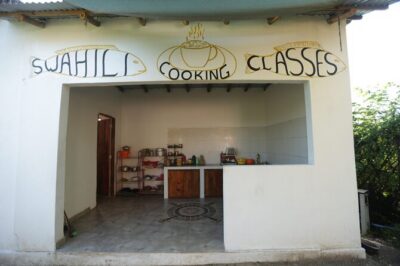
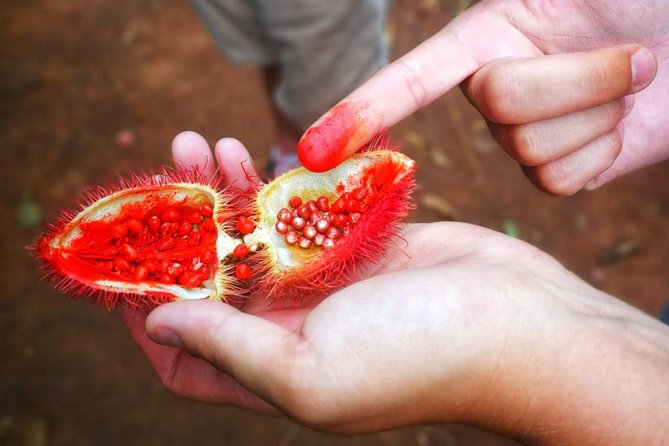
The Spice Farm Walk: Smell, Taste, and Harvest

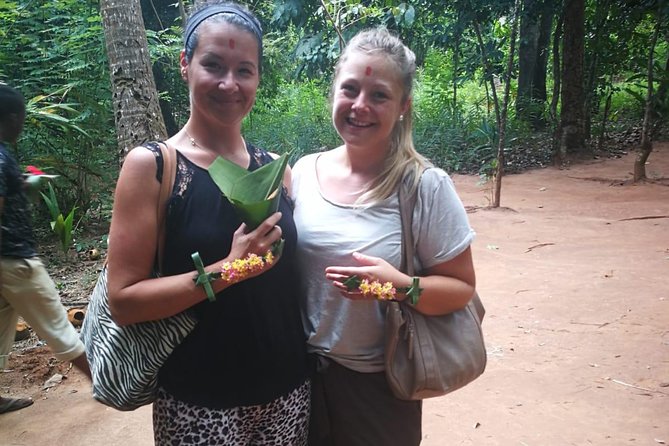
This is the centerpiece of the whole experience. You tour a carefully selected spice farm in Kizimbani with a guide who explains what grows there and why it matters. You are not just looking at plants behind a rope, you are learning how the ingredients actually show up in cooking.
The farm portion typically includes:
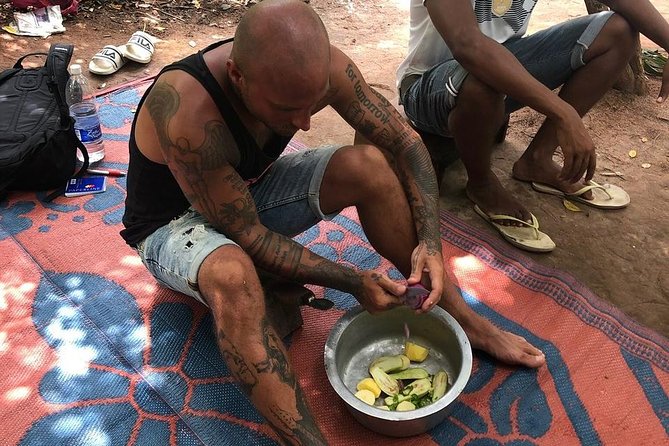
- a guided walk where you smell and taste different spices and fruits
- learning what each ingredient is used for
- harvesting some of the most important ingredients you will cook with later
That harvest part is important for your brain. When you pick an ingredient yourself, it stops being abstract. Later, when you see it in the pot, you remember the plant, the scent, and what you were told it does. It turns the cooking class from a demo into something you can repeat.
A few ingredient types and farm stories show up in past experiences. People have been guided at farms named Mtausa Spice Farm and Malanga Spice Farm, often with very interactive explanations. In one experience, a guide named Lukem led the spice tour, and it felt highly educational and hands-on.
If you want to maximize this portion, go with curiosity. Ask what the ingredient is best used for, and ask how long it takes to add it during cooking. Those are the kinds of details that make cooking at home possible.
What You Learn About Spices (Beyond the Usual Clove Story)
Zanzibar spice culture often gets reduced to a few famous names. Here, the learning is more practical. You should expect explanations that connect:
- the plant itself (how it grows)
- the ingredient you use (how it shows up in cooking)
- the timing and technique (when it goes in, and what it does to flavor)
In other words, you are learning cooking logic, not just facts. That is what you will carry with you when you cook later.
During the farm walk, you should pay attention to the guide’s comparisons, even if your cooking background is minimal. Spice lessons are easier when they are taught as “use this for this kind of flavor” rather than as chemistry.
And because you will harvest ingredients, you also learn which spices are easy to use and which ones need more care. That gives you a better sense of what is worth trying in your own kitchen.
Cooking Class With a Local Host: Turning Harvest Into Dinner
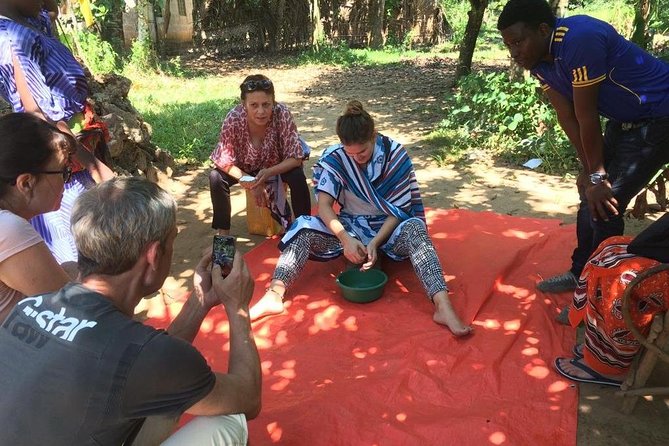
After the spice tour, you shift to the cooking portion where a local woman teaches and leads the lesson. This is where the experience becomes personal.
The structure usually looks like:
- you learn how ingredients are prepared
- you cook together as a group
- you share the meal you made
The most valuable part is that the cooking is not abstract. You are doing it. You are learning what gets chopped, what gets crushed, what gets added early, and what gets used for aroma versus actual flavor depth.
Past experiences highlight real warmth from the hosts and patience while cooking with a group. That matters because some cooking classes are rushed or overly formal. Here, the approach tends to feel like sharing, where the host wants you to get it right and understand why.
In one named example, participants were taught by Hassan after being guided through the farm by Lukem. That kind of pairing shows up often in how these tours work: a plant-and-spice guide plus a cooking teacher who makes the meal make sense.
What About the Food: Expect a Shared Zanzibari Meal
By the end, you eat what you cooked together. That shared meal is not a small extra. It is part of the learning. When you taste your own food, you connect the steps you followed with the final result.
You should expect local-style cooking, guided by your host, and built around the spices you harvested. Even if you do not catch every ingredient name, you will understand the flavor pattern: aromatic spices, warm notes, and the kind of seasoning that makes East African food so distinctive.
One detail you might consider: the cooking environment can vary. Some people have described it as more like a regular home setting than a dedicated restaurant kitchen. If you strongly prefer a private, quiet space with no other people nearby, it is worth asking what the class environment is like. The positive side is that home-style cooking often feels more human and less staged.
Pickup, Vehicle Comfort, and Group Setup That Affect Your Day
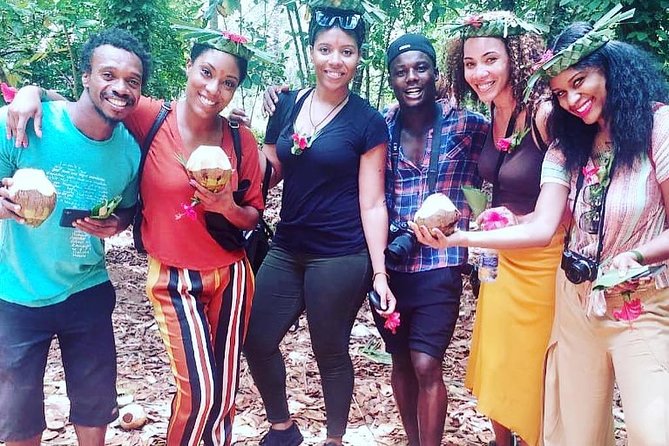
This is listed as a private tour/activity, meaning only your group participates. That matters for attention. You are not getting shoved into a corner behind a larger group. It is easier to ask questions and get your confusion cleared quickly.
At the same time, the cooking portion can still feel socially active depending on the setup. Some participants have noted people coming and going during their class time. That is not inherently bad, but it is good to know if you want maximum quiet.
The tour includes pickup offered. If you are staying in or near Stonetown, confirm pickup when booking so you do not waste energy figuring out transport at 09:00.
In a practical sense, also plan your expectations:
- you will likely walk on uneven ground during the farm portion
- you will be cooking and eating after learning, so plan for hands-on work
- you will finish early enough to keep evening plans open
Who This Tour Fits Best
This tour is a great match if you fall into any of these groups:
- you want an authentic Zanzibar food experience, not just a quick snack stop
- you like interactive learning where you smell, harvest, and cook
- you enjoy group cooking as a social activity
- you want a half-day plan that does not eat your whole schedule
It can be less ideal if you:
- hate hands-on cooking activities
- need a totally formal, restaurant-style teaching environment
- prefer very quiet, controlled settings during your experience
The good news is the private nature tends to help you get more personal attention than the standard “walk past, photo, move on” tours.
Quick Tips to Make the Most of It
You will enjoy this more if you show up ready to use your senses and participate. A few practical things to consider:
- wear closed shoes you can walk in comfortably on farm paths
- bring something simple for sun protection, like a hat or sunglasses
- be ready to get a bit hands-on during prep and cooking
- come with one or two questions you genuinely care about, like what makes the dish taste distinct or how to use a spice at home
If you are a spicy-food fan, ask how heat or spice balance is handled in Zanzibari cooking. If you are less comfortable with strong flavors, ask which ingredients tend to be more aromatic than intense.
Should You Book This Zanzibar Spice Tour and Cooking Class?
If your goal is to go beyond photos and actually understand how Zanzibar cuisine is built, I think this is an easy yes. The best part is the logic of the experience: you learn where spices come from, you harvest them, and then you cook with them in a guided, local-led session. That flow makes the knowledge stick.
Book it if you want:
- a half-day food experience that ends around mid-afternoon
- a spice farm tour in Kizimbani with guided explanation
- a hands-on cooking class with a host and a shared meal
Skip or choose something else if you are mainly looking for a passive, low-effort activity or if you are very sensitive to a home-style cooking environment where other movement might happen.
Finally, given the high satisfaction numbers you are seeing for this tour format, it is worth reserving early. The average booking timing is about 44 days ahead, which suggests demand stays steady. If this is on your Zanzibar must-do list, lock it in and then build your day around the early start.
FAQ
What time does the spice tour and cooking class start?
The experience starts at 09:30 in the morning.
Where does the tour begin?
The meeting point is Kajificheni Street, Kajificheni St, Zanzibar, Tanzania. The activity ends back at the meeting point.
How long is the tour?
The duration is approximately 4 hours 30 minutes, with return travel to Stonetown or your hotel around 2:00 PM.
Is pickup included?
Pickup is offered.
Is this a private tour?
Yes. It is listed as a private tour/activity, and only your group participates.
What is the cancellation policy?
Free cancellation is available. You can cancel up to 24 hours in advance for a full refund. Changes made less than 24 hours before the experience start time are not accepted, and refunds do not apply if you cancel less than 24 hours before the start time.
More Zanzibari Kitchens
- Stonetown: Food Markets and Street Food Walking Tour
★ 4.7 · 151 reviews - Zanzibar Cooking Class & Spice Tour
★ 4.5 · 77 reviews - Zanzibar: Spice Farm Tour with Traditional Cooking Lesson
★ 4.8 · 77 reviews - Authentic Street Food Tours in Stone Town, Zanzibar
★ 5.0 · 46 reviews - Mamas of Zanzibar – A Unique Cultural & Culinary Experience
★ 5.0 · 45 reviews
More Spice Farm Afternoons
- Spice Tour + Stone Town Tour + Prison Island
★ 4.5 · 130 reviews - Zanzibar: Stone Town & Spice Farm Tour with Lunch
★ 4.5 · 97 reviews - Zanzibar: Spice Farm Tour with Traditional Cooking Lesson
★ 4.8 · 77 reviews - Zanzibar Cooking Class & Spice Tour
★ 4.5 · 77 reviews - From Stone Town: Spice Tour of Zanzibar
★ 4.0 · 71 reviews
Just added from around Zanzibar





Zanzibar Spice Farms and Plantations, compared.
 ★ 4.4Zanzibar: Stone Town, Spice Tour, Prison Island with LunchFrom $681,219 reviews
 ★ 4.5Zanzibar: Prison Island, Stone Town, & Spice Farm TourFrom $70579 reviews
★ 4.6Zanzibar: Stone Town, Spice tour & Prison Island with LunchFrom $55453 reviews
★ 4.5Zanzibar: Prison Island, Stone Town, & Spice Farm TourFrom $70579 reviews
★ 4.6Zanzibar: Stone Town, Spice tour & Prison Island with LunchFrom $55453 reviews
 ★ 4.5Full-Day Private Stone Town +Spice Farm and Prison Island TourFrom $100216 reviews
 ★ 4.5Spice Tour + Stone Town Tour + Prison IslandFrom $140130 reviews
 ★ 4.8Zanzibar: Spice Tour & Stone Town Walking TourFrom $95115 reviews
 ★ 4.5Zanzibar: Stone Town & Spice Farm Tour with LunchFrom $7397 reviews
 ★ 4.7Zanzibar: The Swahili Spice Experience – Spice Tour + Culinary JourneyFrom $2196 reviews
Browse the lists this tour appears in