
REVIEW · STONE TOWN HERITAGE WALKS
Stone Town Tour, Prison Island and Spice Tour with Lunch
Stone Town can feel like a puzzle you solve by walking. This tour strings together the UNESCO lanes of Stone Town, a sensory spice farm visit, and an afternoon boat trip to Changuu, also known as Prison Island. You get a guided route that connects architecture and street life with the island’s deeper past, then finishes with the very gentle Aldabra giant tortoises.
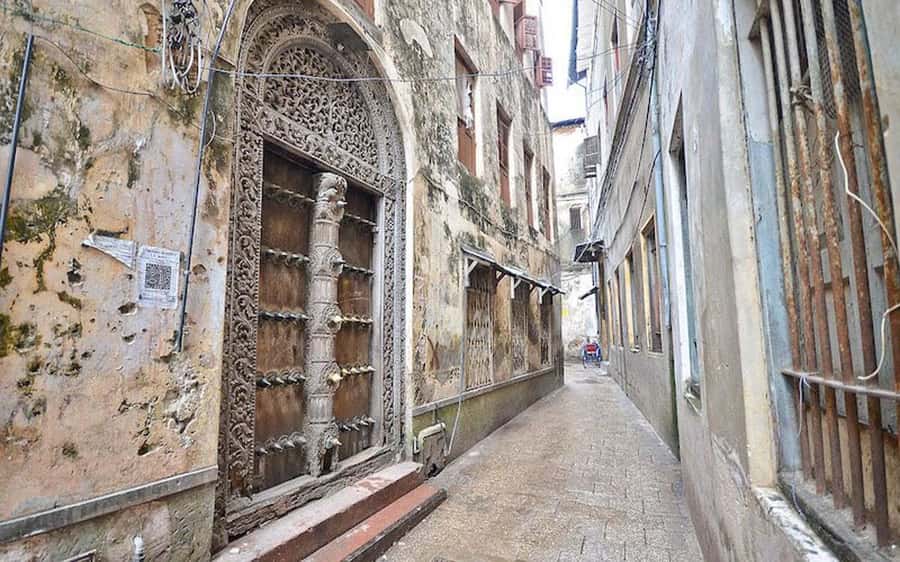
What I like most is the spice farm itself. You taste and smell your way through Zanzibar’s signature plants, and lunch on site actually matches what you learned during the walk. The second big win for me is Stone Town’s details, especially the narrow lanes and the carved Zanzibari hardwood doors, where the city’s Arab, Indian, Persian, and European mix is obvious in every doorway.
One possible drawback: Stone Town is the first stop, and it can feel a bit like a whirlwind. If you were hoping for a longer, slower wander of the markets and alleys, you might find the day’s pace a touch tight.
In This Review
- Key Things To Know Before You Go
- Stone Town’s narrow lanes and the doors you notice twice
- Spice Farm: cloves, fruits, and a Swahili lunch you’ll want to remember
- Prison Island (Changuu): Aldabra giant tortoises and a 1860s story
- Timing and comfort on a 9-hour Zanzibar day
- Price and value: what $125 gets you, and what you’re really buying
- Who should book this tour, and who might skip it
- Should you book Stone Town, Prison Island, and the Spice Tour?
- FAQ
- How long is the Stone Town, Prison Island and Spice tour with lunch?
- What is included in the price?
- Where does pickup happen?
- What languages is the live guide available in?
- Is lunch included?
- Is this a private tour or shared group?
- Is the tour suitable for older travelers?
Key Things To Know Before You Go
- Stone Town on foot first, so you can actually read the details in the streets and buildings
- A real spice farm walk with hands-on tasting of many common island ingredients
- Prison Island tortoises (Aldabra giant tortoises), plus the island’s 1860s prison context
- Swahili lunch included, so you eat what you just learned about
- Shared group minimums can affect timing, especially during hotel pickups
Other Stone Town walks we followed
- Zanzibar: Stone Town, Spice Tour, Prison Island with Lunch★ 4.4 · 1,219 reviews
- Zanzibar: Prison Island, Stone Town, & Spice Farm Tour★ 4.5 · 579 reviews
- Zanzibar: Stone Town, Spice tour & Prison Island with Lunch★ 4.6 · 453 reviews
- Stone Town Private Walking Tour★ 5.0 · 371 reviews
Stone Town’s narrow lanes and the doors you notice twice
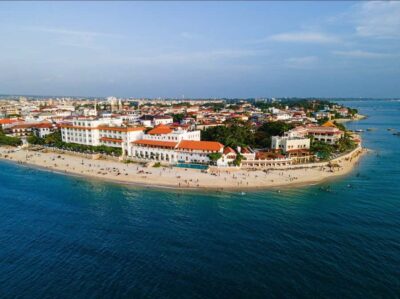
Stone Town is Zanzibar City’s historic heart, and this tour is built around the idea that the best way to understand it is to walk. After hotel pickup, you start with a guided walking tour through the maze of limestone buildings and narrow streets. It’s the kind of place where you keep turning corners and suddenly the street changes character, from market chatter to quiet residential facades.
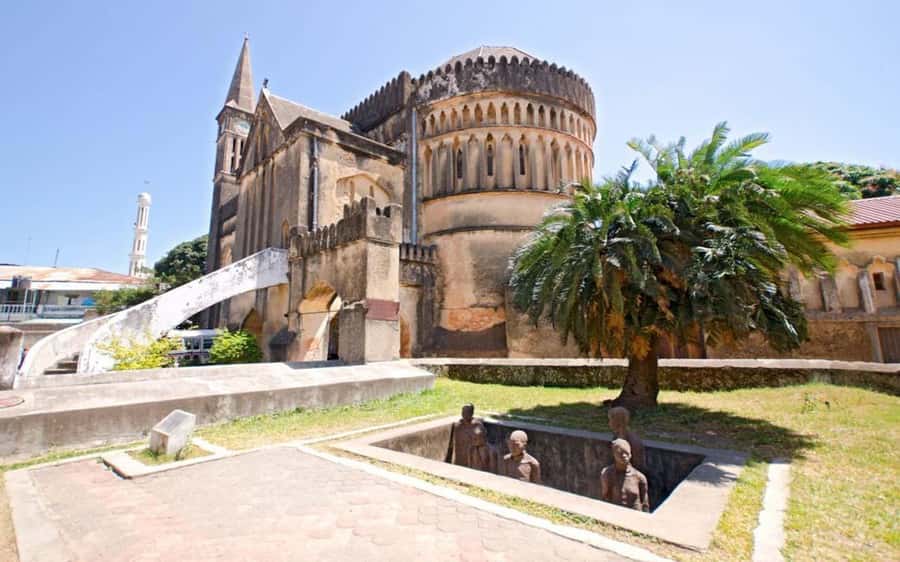
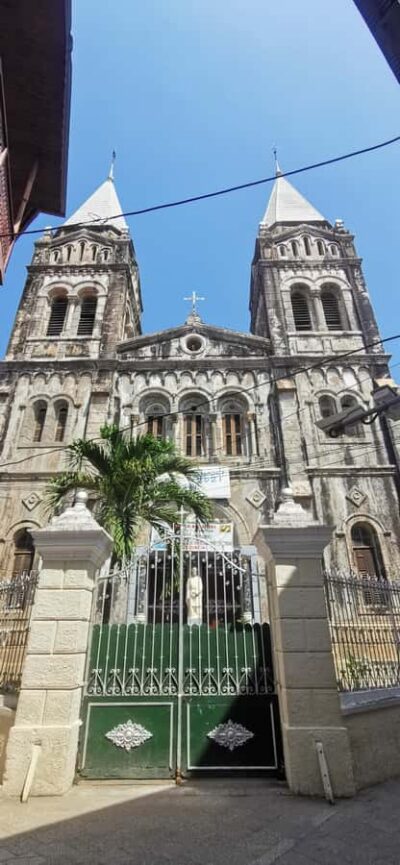
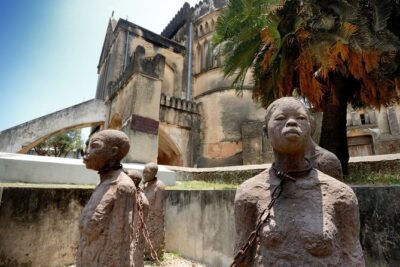
The stop list includes the big landmarks, but the real value is the way your guide ties them to what Zanzibar used to be. You visit the former slave market site, Sultan’s Palace, and older Arab mansions. The history is emotional, but it matters because Zanzibar’s story is not one-note. The island was shaped by multiple trading powers, and Stone Town reflects that blend through architecture and urban life that goes back to the 19th century.
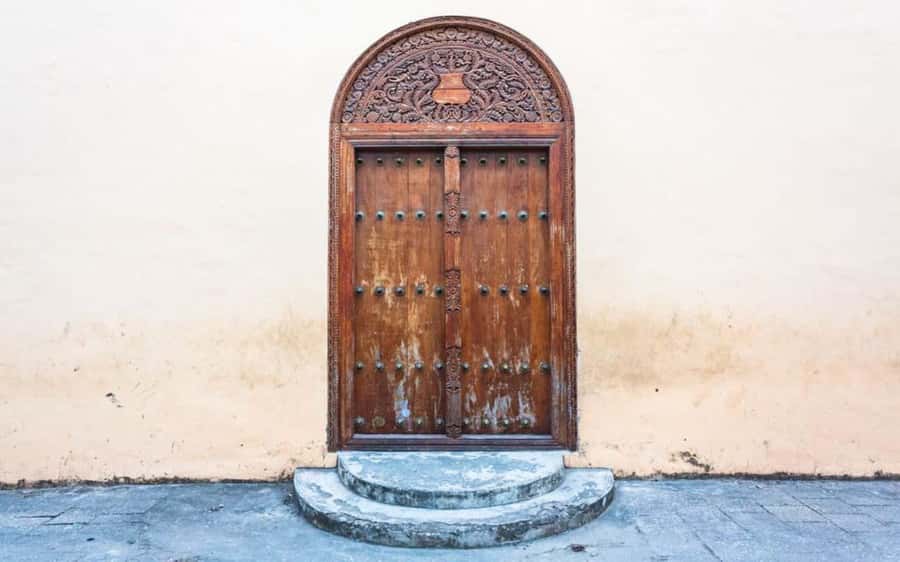
You’ll also get focused time on the streets themselves, including the Narrow Street. That little corridor matters because it shows how daily movement happened in tight spaces, where foot traffic and commerce shaped the rhythm of the neighborhood. And yes, the carved doors get attention for a reason. Zanzibari hardwood doors are often treated like decoration, but up close they show craftsmanship, status, and cultural influence in the details.
If you care about context, the guide approach here tends to help. One of the strongest points from past experiences is that the slave-history portion is handled clearly, not as a throwaway fact. It’s also a section that tends to stick with people long after the tour ends because it forces you to connect the city you’re seeing with the human stories behind it.
Spice Farm: cloves, fruits, and a Swahili lunch you’ll want to remember
After Stone Town, you drive out to an organic spice plantation. This isn’t just a photo stop. You go for a guided walk where you learn how spices and tropical crops are grown and how locals traditionally use them. The tour frames Zanzibar’s spice reputation with a specific historical note, including the Portuguese influence in the 16th century, when many spices and growing practices were introduced.
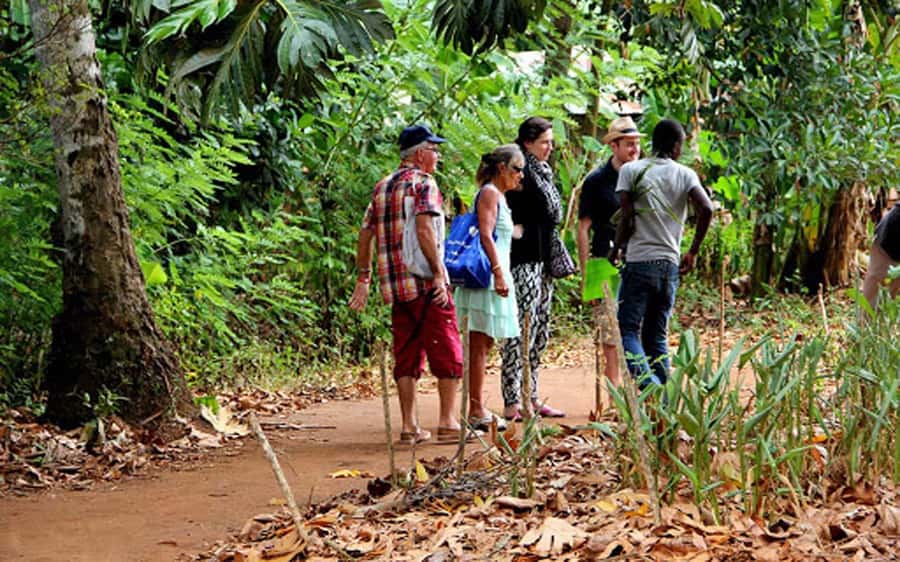
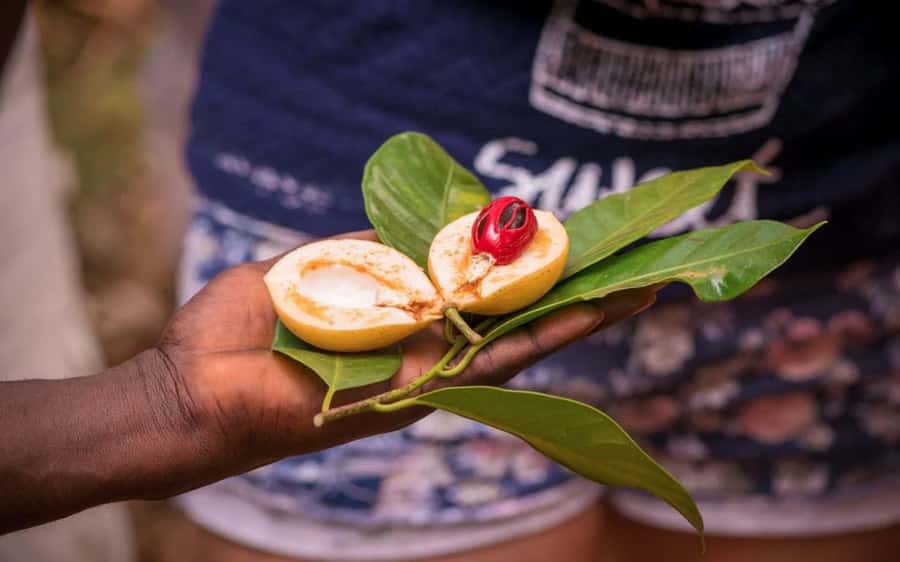
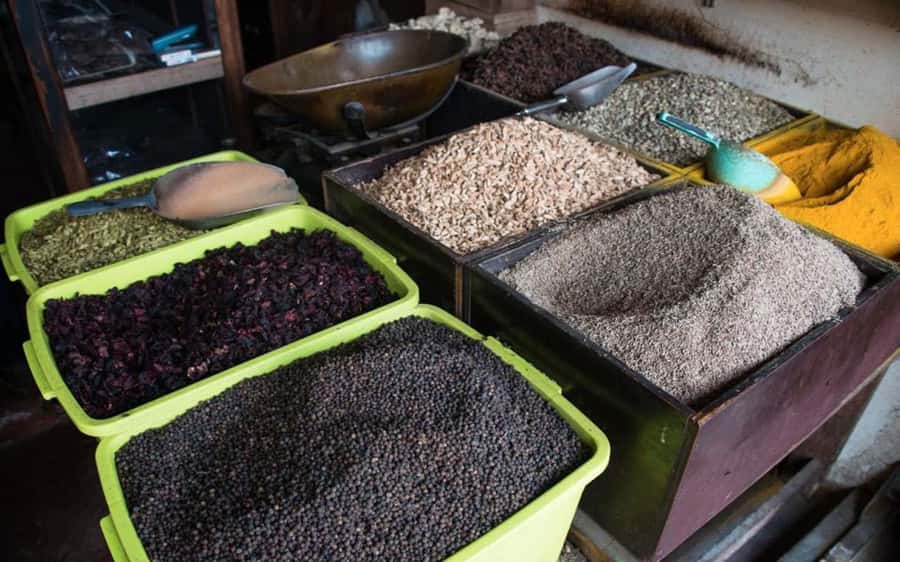
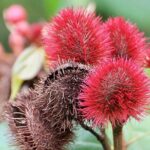
Here’s what makes this portion click: you don’t just hear about the plants, you meet them with your senses. You smell, touch, and taste a range of spices, herbs, and fruits. Depending on the day and the farm’s offerings, you may encounter many of the island’s common stars, including cloves, nutmeg, cinnamon, vanilla, cardamom, turmeric, black pepper, chili, lemongrass, and coconuts, plus fruits like papaya. You might also see cassava and other tropical crops as part of the farm walk.
This part is especially good if you’re the type who buys souvenirs that you actually want to cook with later. When you can connect the smell and the taste to what you’re holding, you’re less likely to end up with a jar of spice that feels like a mystery. It also makes the next part of the day more meaningful because you’ll recognize what spices are doing in the food.
Lunch is served at the farm, and the meal is Swahili lunch, designed to reflect the flavors of the spices you just experienced. That pairing is a practical advantage. Instead of eating first, then forgetting what you ate, you do the learning first, then you taste the result. If you’re trying to understand Zanzibar cuisine beyond seafood clichés, this is one of the easiest ways to get it.
One more practical tip: wear something comfortable for walking on farm paths. You’ll likely want sturdy footwear, because the “plant tour” stage still means moving around outside in warm light.
Prison Island (Changuu): Aldabra giant tortoises and a 1860s story
In the afternoon, you take a scenic boat ride to Prison Island, locally known as Changuu. This is the classic contrast moment in the day. Stone Town is streets and buildings, the spice farm is scent and taste, and Changuu is quiet time with animals.
The star attraction is the Aldabra Giant Tortoises. These are not small zoo animals. They were originally brought from the Seychelles, and some are over 100 years old. They can also reach impressive weights, with examples up to around 200 kg. If you like wildlife, you’ll appreciate how slow and calm the experience feels. It’s less about racing from one viewing spot to the next and more about standing back and letting the tortoises do their thing.
But Changuu is not just a nature stop. You also learn about its historical role as a prison for rebellious slaves in the 1860s. That context gives the island a heavier edge than you might expect from the word “Prison.” It turns the visit into a two-layer experience: meet the animals, then understand what this place used to represent.
If you’re the kind of traveler who likes your photos with meaning, this is one of the better combinations on Zanzibar. You get nature you can see clearly, and you get history that explains why the location became known as it did.
More boats out to the islands and sandbanks



Timing and comfort on a 9-hour Zanzibar day
This is a 9-hour day, and that length is exactly why it’s popular. You can fit Stone Town, spice farm, and Changuu into one outing without losing an entire day to transfers and separate ticket purchases. The schedule also helps you see Zanzibar’s different faces in the same lighting and weather window.
Pickup is from your hotel reception, and you’re asked to be ready about 5 minutes before departure. For shared group tours, there can be waiting time during pickups because the driver collects guests from different hotels. That matters if you hate uncertainty, because your clock can start a little late depending on how many stops are needed.
You also have to think about a boat landing. The tour recommends water shoes or sturdy, non-slip footwear. That’s not a fancy suggestion. It’s about staying balanced when you step off and on a boat in changing sand or slippery surfaces.
Packing common-sense items makes the day more comfortable. Bring a hat and sunglasses for sun protection and consider sunscreen. Even with a guide, you’ll be out in the open during walking segments, both in Stone Town and at the farm.
One practical note from real experiences: Zanzibar drivers can vary a lot in style. I’d take that seriously. If the driving feels too fast or rough, say something calmly during the trip. A patient, attentive guide can help manage comfort, and it’s better to address it early than to quietly brace for every turn.
Price and value: what $125 gets you, and what you’re really buying
At $125 per person, this tour sits in the mid-range for Zanzibar. The value is not just the checklist of stops. It’s the way the day is bundled: hotel pickup and drop-off, a live guide, and included admissions plus taxes. You also get soft drinks (water) during the tour and Swahili lunch at the spice farm.
To judge if it’s worth it for you, I’d focus on your priorities:
- If you want guided context in Stone Town, this helps. The slave market and Sultan’s Palace visits are more informative with a guide who can explain what you’re seeing without leaving you to guess.
- If you like food-related travel, the spice farm plus lunch is a strong combo. You’re not only tasting spices, you’re eating them in a Swahili meal.
- If you want a wildlife stop that doesn’t feel like a rushed zoo, Prison Island delivers something calmer.
If you already know a lot about Stone Town’s history and you mainly want photos, you might feel the day is a bit condensed. But if you want a structured route that connects the city, the crops, and the island’s historical layers, the price usually feels fair.
Private group options can also shift the value. If you’re traveling with family or want more control over shopping time and walking pace, a private group is often the easier way to match the tour to your style.
Who should book this tour, and who might skip it
This one fits best if you enjoy guided walking and hands-on learning. It’s also a good choice if you want to balance cultural sites with something lighter and animal-focused in the same day.
A few groups should be careful. The tour is not suitable for babies under 1 year, people over 95, and people over 70. That’s worth taking seriously because the day includes walking and a boat component.
If you dislike boats or you’re not comfortable with warm sun and outside walking, you might want to plan a different kind of Zanzibar day. But if you’re generally healthy and you can manage a full day, this is a solid, efficient way to see multiple highlights.
Should you book Stone Town, Prison Island, and the Spice Tour?
I think you should book it if you want a guided day that actually connects Zanzibar’s look, its flavors, and its history. Stone Town’s landmark walk plus the spice farm tastings plus Prison Island tortoises is a practical way to cover three major “must see” areas without piecing it together yourself.
Skip it if you’re craving long, slow, unstructured wandering in Stone Town, or if you expect the day to feel like a flexible choose-your-own-adventure. This is organized and scheduled for a reason, and you’ll get the most out of it when you go with that mindset.
If you do book, pack for sun and comfort, wear safe footwear for the boat landing, and ask your guide about anything that keeps popping up in conversation, especially the slave-history context and how spices fit into Zanzibar daily life. That’s how the day turns from sightseeing into understanding.
FAQ
How long is the Stone Town, Prison Island and Spice tour with lunch?
It lasts 9 hours.
What is included in the price?
Hotel pickup and drop-off, the guide fee, soft drinks (water), entry fee and all tax, and Swahili lunch.
Where does pickup happen?
Your driver picks you up directly from your hotel reception. You should be ready at the reception at least 5 minutes before the scheduled departure time.
What languages is the live guide available in?
The live tour guide is available in English, French, Italian, and German.
Is lunch included?
Yes. You have Swahili lunch at the spice farm.
Is this a private tour or shared group?
Shared group tours are available, and a private group is also available.
Is the tour suitable for older travelers?
It is not suitable for people over 70 years, people over 95, and babies under 1 year.
More Spice Farm Afternoons
- Zanzibar: Stone Town, Spice Tour, Prison Island with Lunch
★ 4.4 · 1,219 reviews - Zanzibar: Prison Island, Stone Town, & Spice Farm Tour
★ 4.5 · 579 reviews - Zanzibar: Stone Town, Spice tour & Prison Island with Lunch
★ 4.6 · 453 reviews - Full-Day Private Stone Town +Spice Farm and Prison Island Tour
★ 4.5 · 216 reviews - Zanzibar: Spice Tour & Stone Town Walking Tour
★ 4.8 · 115 reviews
Boats Out to the Islands
- Zanzibar: Stone Town, Spice Tour, Prison Island with Lunch
★ 4.4 · 1,219 reviews - Zanzibar: Prison Island, Stone Town, & Spice Farm Tour
★ 4.5 · 579 reviews - Zanzibar: Stone Town, Spice tour & Prison Island with Lunch
★ 4.6 · 453 reviews - Full-Day Private Stone Town +Spice Farm and Prison Island Tour
★ 4.5 · 216 reviews - Zanzibar: Prison Island and Nakupenda Sandbank With Lunch
★ 4.2 · 208 reviews
Stone Town, Street by Street
- Zanzibar: Stone Town, Spice Tour, Prison Island with Lunch
★ 4.4 · 1,219 reviews - Zanzibar: Prison Island, Stone Town, & Spice Farm Tour
★ 4.5 · 579 reviews - Zanzibar: Stone Town, Spice tour & Prison Island with Lunch
★ 4.6 · 453 reviews - Stone Town Private Walking Tour
★ 5.0 · 371 reviews - Zanzibar: 3 Hours Private Stone Town walking Tour with Guide
★ 4.6 · 301 reviews
Just added from around Zanzibar City



Stone Town Heritage Walks, compared.
 ★ 4.4Zanzibar: Stone Town, Spice Tour, Prison Island with LunchFrom $681,219 reviews
 ★ 4.5Zanzibar: Prison Island, Stone Town, & Spice Farm TourFrom $70579 reviews
 ★ 4.3Zanzibar; Prison Island, Nakupenda, StoneTown Tour with BBQFrom $71457 reviews
★ 4.6Zanzibar: Stone Town, Spice tour & Prison Island with LunchFrom $55453 reviews
★ 4.3Zanzibar; Prison Island, Nakupenda, StoneTown Tour with BBQFrom $71457 reviews
★ 4.6Zanzibar: Stone Town, Spice tour & Prison Island with LunchFrom $55453 reviews
 ★ 5.0Stone Town Private Walking TourFrom $26371 reviews
 ★ 4.6Zanzibar: 3 Hours Private Stone Town walking Tour with GuideFrom $24301 reviews
 ★ 4.5Full-Day Private Stone Town +Spice Farm and Prison Island TourFrom $100216 reviews
 ★ 4.5Zanzibar: Stone Town Historical Cultural Walking Guided TourFrom $21179 reviews
Browse the lists this tour appears in