

REVIEW · STONE TOWN HERITAGE WALKS
FROM NUNGWI: STONE TOWN, SPICE FARM TOUR AND PRISONAL ISLAND
Stone Town, then spice, then tortoises. This full-day route strings together the island’s big stories, from Arabic and Persian influence to clove trees you can actually taste. You also get the calm break of Changuu (Prison) Island after the cultural stop in the old town.
I especially like how the Stone Town guide turns scattered landmarks into one clear timeline. You’ll see the 17th-century Omanis fortress, the House of Wonders (Beit al-Ajaib), the Sultan’s Palace Museum, and the Slave Market and Anglican Cathedral area, with explanations that help everything click.
One thing to plan for: Stone Town includes a stop tied to the slave trade. If that theme is emotionally tough for you, go in with a bit of extra patience and quiet respect.
In This Review
- Key highlights you should care about
- How This Full-Day Route Fits Together
- Entering UNESCO Stone Town on Foot
- The Omanis Fortress and Beit al-Ajaib: The Big Stone Town Landmarks
- The Sultan’s Palace Museum and How Royal Power Showed Up
- The Former Slave Market and Anglican Cathedral Stop
- The Spice Farm: Smell, Taste, and Real Uses for Real Plants
- Changuu Island, Giant Aldabra Tortoises, and the Quiet Coast
- Price and What You Are Really Paying For ($108 per person)
- What to Bring, What to Watch, and Who This Tour Fits Best
- Should You Book This Tour?
- FAQ
- What sites does this full-day tour include?
- How much does the tour cost?
- What is included in the price?
- What languages are available for the tour?
- Is Prison Island the same as Changuu Island?
- Is the day a short trip or a full-day experience?
Key highlights you should care about
- UNESCO Stone Town walk with context, not just photo stops
- House of Wonders (Beit al-Ajaib), including its reputation as a first for East Africa electricity and an elevator
- Spice farm senses first, seeing, smelling, and sampling farm products
- Farm lessons you can use, from culinary to medicinal and cosmetic spice uses
- Changuu Island’s giant Aldabra tortoises, with animals over 100 years old
- Guide-guided logistics, including transportation and entry fees in one package
Other Stone Town walks we followed
- Zanzibar: Stone Town, Spice Tour, Prison Island with Lunch★ 4.4 · 1,219 reviews
- Zanzibar: Prison Island, Stone Town, & Spice Farm Tour★ 4.5 · 579 reviews
- Zanzibar: Stone Town, Spice tour & Prison Island with Lunch★ 4.6 · 453 reviews
- Stone Town Private Walking Tour★ 5.0 · 371 reviews
How This Full-Day Route Fits Together
This is a classic “best-of Zanzibar” day: Stone Town, then countryside, then the coast. It works well if you only have one day and you want more than one side of the island.
Because you start in the Nungwi area and go into Stone Town, expect travel time, plus extra time for getting boats to and from Changuu Island. The day is full, but the payoff is that you do three very different experiences without having to coordinate each one yourself.
Entering UNESCO Stone Town on Foot
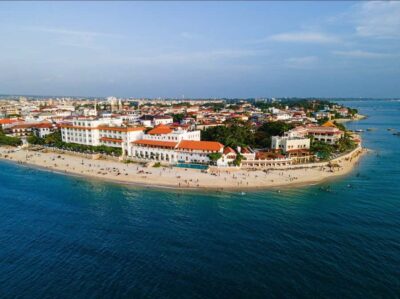
Stone Town is the kind of place where a walking route matters. The streets are narrow, the buildings show layers of influence, and the details can feel random unless someone ties them together.
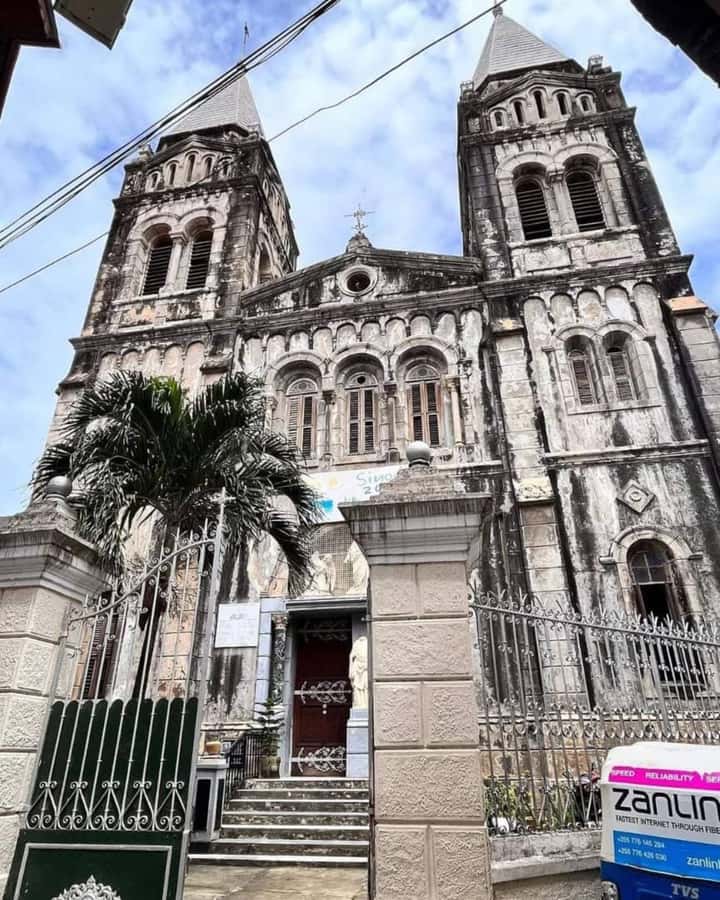
This tour’s Stone Town portion is built around that sense of place. You move through the old quarter where Arabic, Persian, Indian, and European influences show up in the architecture and layout. With a guide, you’re not just looking at doors and balconies, you’re learning why they exist and what they reflect about Zanzibar’s trading past.
A practical tip: wear shoes you trust. Stone Town is easy to enjoy at walking pace, but the uneven ground and tight alleys can wear down flimsy sandals fast.
The Omanis Fortress and Beit al-Ajaib: The Big Stone Town Landmarks
One of the strongest parts of the day is how the tour highlights a few signature buildings. The 17th-century fortress built by the Omanis to defend against Portuguese invasion is now a cultural hub with shops and exhibitions. Even if you only spend a little time there, it gives you a defensive history anchor for the whole walk.
Then you hit the House of Wonders, also called Beit al-Ajaib. This building is famous for being the first in East Africa to have electricity and an elevator. Whether you love architecture history or not, this is the kind of fact that changes how you see the place. It’s a reminder that Zanzibar wasn’t a sleepy backwater. It was plugged into technology and power, at least at moments in its story.
More spice farm afternoons on the island
The Sultan’s Palace Museum and How Royal Power Showed Up
After the big landmark stops, the tour shifts into the Sultan’s Palace Museum. This part is valuable because it gives you the royal lifestyle behind the buildings you just saw.
You’ll learn about the island’s historical ties to Oman, which helps explain why so much of Stone Town feels both local and linked to wider regional currents. Even if you’re not normally a museum person, a Sultan’s Palace Museum stop often pays off in Stone Town because you can picture the era in the streets around you.
If you like historical context you can connect to the real streets, this is one of the stops that delivers.
The Former Slave Market and Anglican Cathedral Stop
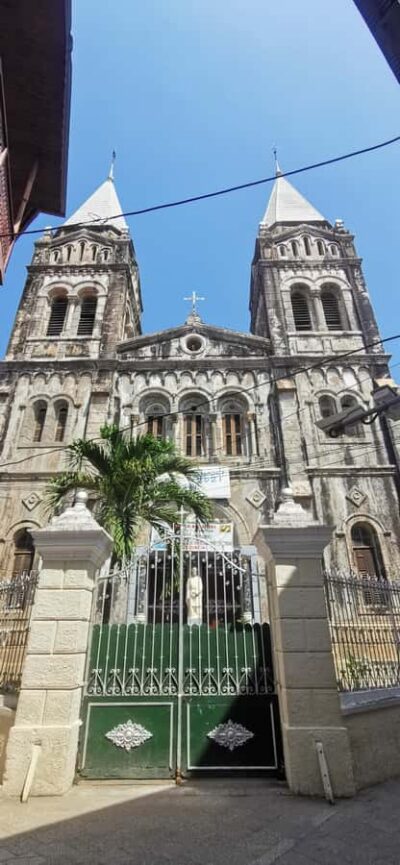
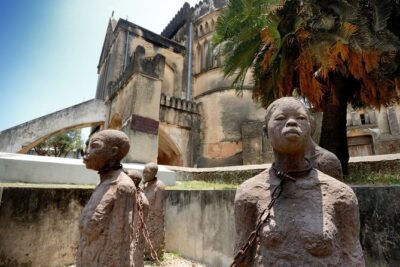
Stone Town includes a stop at the former Slave Market area and the Anglican Cathedral. This is the heavy part of the day, but it matters.
There are two reasons I think this stop is worth your attention. First, it completes the story of Zanzibar beyond trade goods and architecture. Second, the cathedral location ties into how communities shaped themselves over time, including during eras shaped by forced migration.
My practical advice is simple: don’t rush this segment. If you’re with a group that moves quickly, pause anyway. Let the guide’s explanation land. Then take a moment before moving back into the lighter, shop-and-street sections.
The Spice Farm: Smell, Taste, and Real Uses for Real Plants
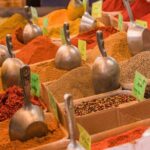
Next comes the countryside break, and this is where the tour becomes hands-on. The spice farm experience is interactive and built around your senses: you’ll see spices growing, then smell them, then taste what’s grown on-site.
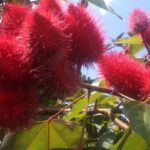
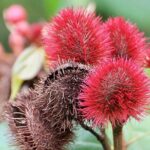
Common spices you can expect to hear about include cloves, nutmeg, cinnamon, vanilla, and turmeric. The guide explains how they’re cultivated and harvested, and that’s an important difference from a simple gift-shop “spice talk.” You get a sense of what a farm cycle looks like, and why Zanzibar spices became so valuable.
Then you move from the plant to the purpose. The tour covers medicinal, culinary, and cosmetic uses of these spices. After that, you typically sample fresh tropical fruits and locally made spice products.
If you’ve ever tasted a spice in a kitchen and wondered how it becomes that flavor, this stop answers that question in a way that sticks.
Changuu Island, Giant Aldabra Tortoises, and the Quiet Coast
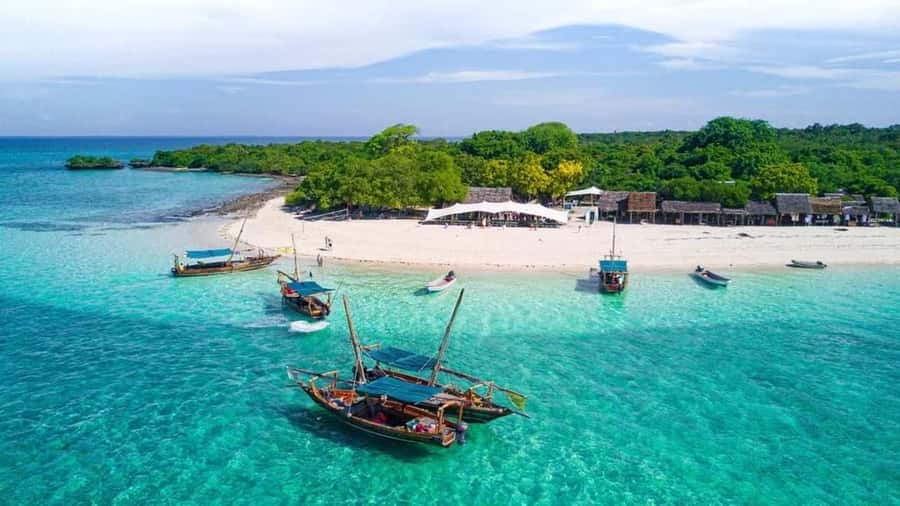
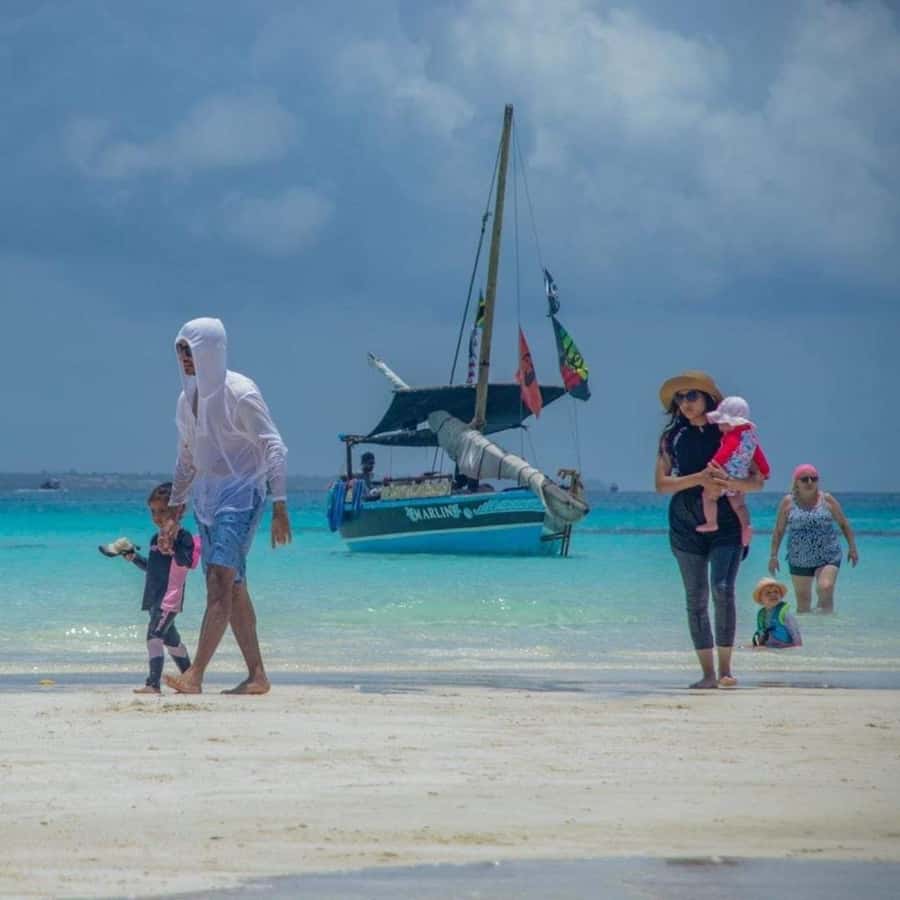
Prison Island is known as Changuu Island, and you reach it by a short boat ride from Stone Town. The boat time matters because it changes the pace. You go from stone alleys to open water and then to a calmer, beach-like feel once you arrive.
The island’s history is unusual. It was intended as a detention center for rebellious slaves and later used as a quarantine station. Today, it’s known for its colony of giant Aldabra tortoises, including animals over 100 years old.
I like this part because it gives you a visual reward with minimal effort. You’re not trying to “do” much once you’re there. You can slow down, watch the tortoises, and let the day reset before returning to town.
One thing to note: the tour you’re booking may or may not include snorkelling. In my research, snorkelling was mentioned as something some people weren’t doing, so if you care about water time beyond the island visit, ask before you go and confirm what’s actually included on your departure.
Price and What You Are Really Paying For ($108 per person)
At $108 per person, this tour isn’t the cheapest way to see Zanzibar. But it is usually good value if you consider what’s packaged together.
You get:
- a professional English-speaking guide
- transportation
- entry fees for the included stops
That combination matters most in Stone Town. The real cost of a Stone Town visit is not the tickets, it’s the understanding. When a guide points out why buildings look the way they do and what the Omanis, sultans, and Portuguese conflict mean in plain terms, the hour becomes worth it.
In addition, transport from the Nungwi area and boat logistics to Changuu Island save time and stress. If you tried to plan Stone Town on your own, then add a spice farm, then coordinate the island boat transfer, the day could turn into a patchwork of haggling and waiting.
So the question is not just whether it costs $108. It’s whether you want a guided day that handles the connections for you. If yes, this price can feel fair.
What to Bring, What to Watch, and Who This Tour Fits Best
This is a full-day schedule, so pack like you mean it. Bring water, sun protection, and a hat for Stone Town and the farm. For the coast, plan for a bit of humidity and salt air, and wear shoes that stay comfortable on uneven ground.
If you’re sensitive to difficult history, take the slave market stop seriously, and go at a pace that feels respectful. It’s educational, but it is also emotionally heavy.
Who this tour suits:
- You want a one-day overview that connects history, agriculture, and a wildlife moment
- You like guided interpretation, especially in Stone Town
- You enjoy food and spice culture, not just souvenirs
It may not be ideal if you want long free time in just one place, because you’re moving through three distinct areas.
Should You Book This Tour?
Book it if you want a guided “three chapter” day: Stone Town landmarks, a hands-on spice farm, and then Changuu Island tortoises. It’s especially strong when you value context, because the guide-led structure is what makes the day feel organized instead of random.
Skip or consider a different option if you dislike museums and historical sites with tough themes, or if you want lots of downtime. But if you’re the type who likes learning, tasting, and then relaxing, this one is a solid pick for a first visit to Zanzibar.
FAQ
What sites does this full-day tour include?
It includes a guided Stone Town tour, a spice farm experience, and a visit to Prison Island (Changuu Island).
How much does the tour cost?
The price listed is $108 per person.
What is included in the price?
The tour includes a professional English-speaking guide, transportation, and entry fees.
What languages are available for the tour?
The tour is available in English, French, Italian, and German.
Is Prison Island the same as Changuu Island?
Yes. Prison Island is also known as Changuu Island.
Is the day a short trip or a full-day experience?
It is a full-day tour.
North to Nungwi and Kendwa
- Quad Adventures in Zanzibar: Nungwi / Kendwa
★ 4.9 · 640 reviews - Zanzibar Full Day Mnemba Island, Nungwi and Kendwa Beach Tour
★ 4.0 · 49 reviews - Zanzibar Airport Taxi Nungwi, Paje, Jambiani & All
★ 5.0 · 13 reviews - From Nungwi: Prison Island & Nakupenda Sandbank Escape
★ 4.1 · 9 reviews - Horse Ride + Swimming with Turtles in Aquarium at Nungwi Beach
★ 4.5 · 8 reviews
More Spice Farm Afternoons
- Zanzibar: Stone Town, Spice Tour, Prison Island with Lunch
★ 4.4 · 1,219 reviews - Zanzibar: Prison Island, Stone Town, & Spice Farm Tour
★ 4.5 · 579 reviews - Zanzibar: Stone Town, Spice tour & Prison Island with Lunch
★ 4.6 · 453 reviews - Full-Day Private Stone Town +Spice Farm and Prison Island Tour
★ 4.5 · 216 reviews - Zanzibar: Spice Tour & Stone Town Walking Tour
★ 4.8 · 115 reviews
Stone Town, Street by Street
- Zanzibar: Stone Town, Spice Tour, Prison Island with Lunch
★ 4.4 · 1,219 reviews - Zanzibar: Prison Island, Stone Town, & Spice Farm Tour
★ 4.5 · 579 reviews - Zanzibar: Stone Town, Spice tour & Prison Island with Lunch
★ 4.6 · 453 reviews - Stone Town Private Walking Tour
★ 5.0 · 371 reviews - Zanzibar: 3 Hours Private Stone Town walking Tour with Guide
★ 4.6 · 301 reviews
Just added from around Zanzibar City


Stone Town Heritage Walks, compared.
 ★ 4.4Zanzibar: Stone Town, Spice Tour, Prison Island with LunchFrom $681,219 reviews
 ★ 4.5Zanzibar: Prison Island, Stone Town, & Spice Farm TourFrom $70579 reviews
 ★ 4.3Zanzibar; Prison Island, Nakupenda, StoneTown Tour with BBQFrom $71457 reviews
★ 4.6Zanzibar: Stone Town, Spice tour & Prison Island with LunchFrom $55453 reviews
★ 4.3Zanzibar; Prison Island, Nakupenda, StoneTown Tour with BBQFrom $71457 reviews
★ 4.6Zanzibar: Stone Town, Spice tour & Prison Island with LunchFrom $55453 reviews
 ★ 5.0Stone Town Private Walking TourFrom $26371 reviews
 ★ 4.6Zanzibar: 3 Hours Private Stone Town walking Tour with GuideFrom $24301 reviews
 ★ 4.5Full-Day Private Stone Town +Spice Farm and Prison Island TourFrom $100216 reviews
 ★ 4.5Zanzibar: Stone Town Historical Cultural Walking Guided TourFrom $21179 reviews
Browse the lists this tour appears in