
REVIEW · DAR ES SALAAM CITY AND COASTAL ESCAPES
Dar es Salaam: Tuk-Tuk Tour, Street Food & Local Lifestyle
One hour in, you already get the city’s rhythm. This 4-hour tuk-tuk loop blends Kariakoo Market energy, Swahili food tastings, and craft stops with a local guide who keeps things practical. I especially like the hands-on feel of seeing artisans at the Mwenge Woodcarvers’ Market, and I like that you get Village Museum context without it turning into a lecture.
One possible drawback: it depends on clean pickup communication, and one booking reported no hotel pickup and no response that day. If you book, double check the meeting point and your contact details so the ride does not slip away.
In This Review
- Key Things I’d Put on Your Radar
- Why a Tuk-Tuk City Loop Works in Dar es Salaam
- Kariakoo Market: Spices, Shopping, and Getting Your Bearings Fast
- Swahili Street Food Tastings: Chapati, Mishkaki, Roasted Maize, and Fresh Juice
- Mwenge Woodcarvers’ Market: Masks, Furniture, and Artisans at Work
- Village Museum: Traditional Huts and Tanzanian Tribal Traditions
- A Swahili Cafe Pause for Chai ya Tangawizi and Coconut Water
- Time, Pace, and Pickup Details (So You Do Not Miss Your Tuk-Tuk)
- Price Value: What $65 Buys in Real Experience Time
- Who This Tour Suits Best, and Who Should Skip It
- Should You Book This Dar es Salaam Tuk-Tuk Tour?
- FAQ
- How long is the Tuk-Tuk Tour?
- Where do we meet for pickup?
- What are the main stops on the tour?
- What street food is included in the tasting?
- Are entrance fees included?
- What is included in the price?
- What languages is the guide available in?
- Can I cancel for free?
Key Things I’d Put on Your Radar
- Kariakoo Market first, so you start smelling spices and fruits right away
- Swahili street food tastings like chapati, mishkaki, roasted maize, and fresh juice
- Mwenge woodcarvers on view, with artisans working and souvenirs to shop
- Village Museum tribal huts, giving you quick cultural grounding for what you see around town
- Short cafe stop for chai ya tangawizi (spiced tea) or fresh coconut water
- Tuk-tuk neighborhoods ride, which helps you connect the stops into one city story
Still weighing it up? These Dar Es Salaam trips came out well when we reviewed them.
- Dar es Salaam: City Tour★ 4.7 · 159 reviews
- Dar es Salaam City Center: Walking Tour★ 4.8 · 102 reviews
- Dar es Salaam City Tour – Everyday★ 5.0 · 64 reviews
- MIKUMI NATIONAL PARK – 3 Days★ 4.5 · 63 reviews
Why a Tuk-Tuk City Loop Works in Dar es Salaam
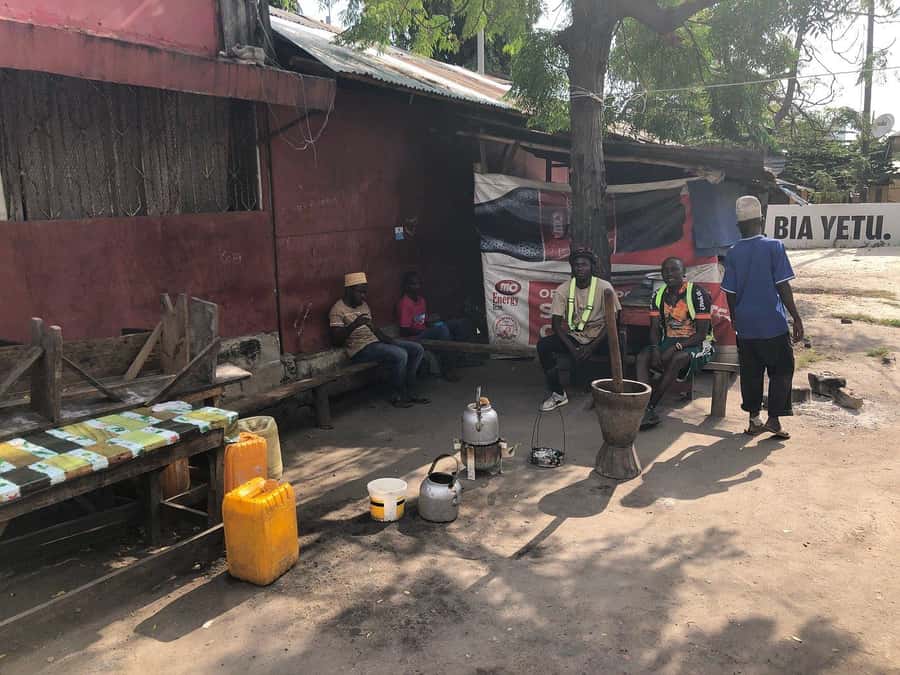
In a city like Dar es Salaam, a tuk-tuk route makes sense because it keeps you moving without feeling rushed into a bus tour bubble. You start at your hotel, then you roll into the places that shape daily life, markets for errands, craft workshops for souvenirs, and local neighborhoods for that lived-in feel.
This is also a good format if you like your cultural experiences to be active. You are not just looking at landmarks from the sidelines. You are walking through a big market with a guide, sampling street food, watching woodcarvers at work, and then getting cultural context at the Village Museum.
The pacing is designed for four hours, so expect a steady flow of short walks and quick stops. If you want to linger for a long time inside each location, you may feel time pressure, especially in crowded markets.
Kariakoo Market: Spices, Shopping, and Getting Your Bearings Fast
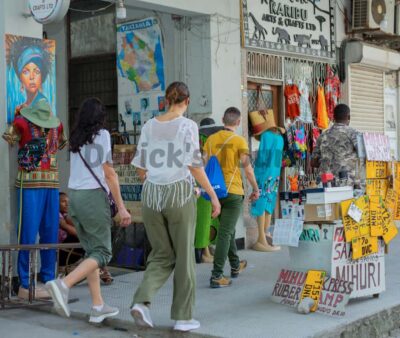
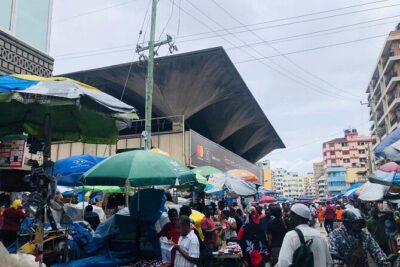
Kariakoo is where the city’s everyday heartbeat shows up. You get about 1.5 hours to visit, shop, sightsee, and walk with your guide, and you will likely notice how people buy food, household items, and produce in real time. This is the part of the tour where the senses kick in first, spices in the air, tropical fruits on display, and constant motion around you.
What I like here is that a market stop early in the day (or afternoon) helps you understand the city’s logic. Markets are not just for tourists. They are where locals pick up daily essentials, so your guide can point out what you are seeing beyond the obvious.
Practical tip: wear comfortable shoes you trust. You will be on your feet, and Kariakoo is the kind of place where you want grip and support. Also bring cash, because markets and small purchases are part of the experience, and cash is specifically recommended.
If you prefer quiet sightseeing, Kariakoo may feel intense. It is lively, crowded, and focused on real transactions, not slow browsing.
Swahili Street Food Tastings: Chapati, Mishkaki, Roasted Maize, and Fresh Juice
Food is where this tour earns its keep. You get a street food tasting with snacks plus fresh juice, and the menu examples are clear: chapati, mishkaki (meat skewers), roasted maize, and fresh juice. That is a smart mix because it covers both filling street staples and lighter bites.
I like that your guide handles the food stop timing and ordering logic. In markets, it can be hard to know what is best or what is tourist-friendly, especially if you are not watching the process carefully. Having a local driver-guide means you spend less time second-guessing and more time eating like you belong for an hour.
How to make the tasting work for you:
- Start with one or two items, then follow your hunger
- Take small bites first, then decide what you want more of
- Sip fresh juice to reset between spicy bites
One consideration: street food is not an allergy test. The tour data lists specific items, but it does not mention dietary customization. If you have allergies or strict dietary needs, you should ask before you go.
More around Dar es Salaam and its islands
Mwenge Woodcarvers’ Market: Masks, Furniture, and Artisans at Work
Next comes Mwenge Woodcarvers’ Market, about 1.5 hours to visit, shop, and sightsee. This stop is different because it is not only about buying. You are meant to see artisans carving intricate wooden masks, furniture, and souvenirs, so the craft process is part of the payoff.
What I like about this is the way it turns shopping into observation. You can watch how the work is made, then buy with more context. Souvenirs feel less random when you understand what shapes take time, what details cost effort, and what kinds of finishing are typical.
If you like taking photos, bring your camera. Just be ready to move quickly through vendor areas, because this is a market and attention is part of the environment. Also keep an eye on what you are purchasing. The tour includes a shop time, so take a moment to check the size and materials before you walk away.
This is also where a great guide matters. One strongly positive account highlighted a guide named Glory, praising flexibility around wishes and needs. That matters in a craft market, because you might want more time asking questions or comparing items.
Village Museum: Traditional Huts and Tanzanian Tribal Traditions
After the markets and crafts, the tour shifts into cultural context at the Village Museum. You get about 2 hours for a guided visit, sightseeing, and learning, and entrance fees are included.
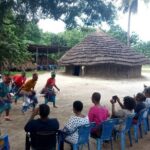
This stop works well as a reset. After you have seen day-to-day commerce and bought into the look and feel of Dar es Salaam, the Village Museum gives you a framework for how different Tanzanian tribal traditions shaped domestic life. The key idea is traditional huts from different tribes, with insights about rural lifestyle, culture, and heritage.
Why it is valuable: it helps you connect what you saw earlier to the wider picture. Markets show modern daily needs. The museum explains historical and cultural foundations, so you end the day with more meaning than photos alone.
One consideration: museum time can feel like a slower pace compared to the market chaos. If you get impatient waiting for explanations, remind yourself this is the tour’s anchor for understanding. It is also longer than each market segment, so it has room to breathe.
A Swahili Cafe Pause for Chai ya Tangawizi and Coconut Water
By the end, you get a calmer stop at a Swahili café. This is where you try either chai ya tangawizi (spiced tea) or fresh coconut water, then you ride back through local streets to your hotel or meeting point.
I like this part because it is a practical recovery moment. Markets and walking can heat you up fast, and the tour explicitly recommends sunscreen and sun protection. A warm spiced tea or cold coconut water can feel like the perfect reset after price-checking, tasting, and museum walking.
It also keeps the tour grounded in local everyday routines. Coffee shops for sightseeing are fine, but this is a Swahili cafe stop that ties into the food theme.
Time, Pace, and Pickup Details (So You Do Not Miss Your Tuk-Tuk)
This tour is listed as 4 hours, and the day flows from hotel pickup through Kariakoo, Mwenge Woodcarvers’ Market, and the Village Museum, then a ride back. The location blocks are given as 1.5 hours for Kariakoo, 1.5 hours for Mwenge, and 2 hours for the traditional village, so the actual experience will likely be a tightly managed timeline with quick transitions and ride time.
That is why your timing matters. The plan expects pickup at your hotel in Dar es Salaam, and it also notes that hotel transfers outside central Dar es Salaam are not included. If you are staying at the edge of town, confirm logistics ahead of time so you understand where the meetup really happens.
About that one snag: one booking reported that they were not picked up and received no response about whether pickup would happen. I cannot predict your outcome, but I can tell you the safest move is to confirm your meeting point and your contact method before the tour starts, then again shortly before departure.
If you want extra peace of mind, keep cash ready and carry essentials like sunscreen, a hat, and water. Bottled water is included, but the sun still does what the sun does.
Price Value: What $65 Buys in Real Experience Time
The price is listed as $65 per group, up to 1, with a 4-hour duration. That structure suggests it may be most cost-effective when you are booking as a single traveler or a very small group, because you still get the full tuk-tuk transport and a professional local driver-guide.
What you are getting for that money is not just transportation. Included items cover:
- Tuk-tuk transport for the full 4 hours
- A professional local driver-guide
- Street food tasting (snacks and fresh juice)
- Village Museum entrance fees
- Bottled water
When you add up the tour rhythm, the value comes from the access and time. You are combining three major stops that typically take coordination, plus guided context at the museum, plus tasting food without having to figure it out alone in the market.
What is not included matters too. Additional meals, personal shopping, and alcoholic drinks are not part of the price. Since markets and artisan shopping are part of the experience, budgeting a bit extra for purchases helps.
Who This Tour Suits Best, and Who Should Skip It
This is a strong fit if you want a compact, street-level introduction to Dar es Salaam. It is especially good for first-timers who want markets, craft sights, and local food in one organized half-day.
It also suits people who like moving on a guided route but still enjoy walking and seeing how things work. The tour has a minimum age of 6 years, so it is aimed at travelers who can handle market walking and attention spans.
It is listed as wheelchair accessible, which is a plus for mobility planning. That said, you should expect market environments to be active and may include uneven surfaces, so go in with realistic expectations and discuss any needs with your guide when you meet.
You might want a different option if you dislike crowds or you want a slower, museum-heavy pace. You might also prefer a more customized tour if you have strict dietary restrictions, because the included tastings are described with specific food items.
Should You Book This Dar es Salaam Tuk-Tuk Tour?
I’d book it if you want a practical half-day that mixes shopping, food, crafts, and cultural context, all stitched together by tuk-tuk rides. The biggest win is the combination: Kariakoo Market for daily life, Mwenge woodcarvers for real-making-in-progress, and the Village Museum for tribal heritage context, plus street food tastings that keep the tour fun and grounded.
I would book with one added caution. Because there has been at least one reported issue with pickup, confirm your meetup details clearly before the start time. Do that, and this tour can be an easy, high-value way to get the feel of Dar es Salaam without planning every stop yourself.
FAQ
How long is the Tuk-Tuk Tour?
The tour lasts 4 hours.
Where do we meet for pickup?
You meet your Tuk-Tuk driver-guide at your hotel in Dar es Salaam. Hotel transfers outside central Dar es Salaam are not included.
What are the main stops on the tour?
You visit Kariakoo Market, Mwenge Woodcarvers’ Market, and the Village Museum, plus you ride through local neighborhoods.
What street food is included in the tasting?
The tasting includes snacks and fresh juice, with examples like chapati, mishkaki (meat skewers), roasted maize, and fresh juice.
Are entrance fees included?
Yes, entrance fees for the Village Museum are included.
What is included in the price?
Included are Tuk-Tuk transport for 4 hours, a professional local driver-guide, street food tasting (snacks and fresh juice), Village Museum entrance fees, and bottled water.
What languages is the guide available in?
The tour offers a live guide in English and French, and it is also listed as operating in German.
Can I cancel for free?
Yes, you can cancel up to 24 hours in advance for a full refund.
Dar es Salaam and Its Coast
- Dar es Salaam: City Tour
★ 4.7 · 159 reviews - Dar es Salaam City Center: Walking Tour
★ 4.8 · 102 reviews - Dar es Salaam City Tour – Everyday
★ 5.0 · 64 reviews - 2 Days 1 Night Mikumi National Park from Dar es salaam
★ 5.0 · 60 reviews - The Best/Top Rated Cultural City Tour in Dar es Salaam
★ 5.0 · 57 reviews
Just added from around Dar Es Salaam



Dar es Salaam City and Coastal Escapes, compared.
 ★ 4.7Dar es Salaam: City TourFrom $77159 reviews
 ★ 4.8Dar es Salaam City Center: Walking TourFrom $30102 reviews
 ★ 5.0Dar es Salaam City Tour – EverydayFrom $9764 reviews
 ★ 5.02 Days 1 Night Mikumi National Park from Dar es salaamFrom $67060 reviews
 ★ 5.0The Best/Top Rated Cultural City Tour in Dar es SalaamFrom $9057 reviews
 ★ 5.0Private Full-Day Trip to Mikumi National Park from Dar es SalaamFrom $55054 reviews
 ★ 5.0Dar Es Salaam City Tour (Full Day With Private Guide And Car)From $14539 reviews
 ★ 4.5Full-Day Private Tour of Dar es SalaamFrom $16037 reviews
Browse the lists this tour appears in