
REVIEW · DAR ES SALAAM CITY AND COASTAL ESCAPES
Dar es Salaam City Center: Walking Tour
Two hours, and Dar starts making sense. This walk links big landmarks in the city center, so you can read the city’s layers fast, from St. Joseph Cathedral to Azania Front Church. I also like that it balances architecture, war memorials, and everyday ocean life, not just sightseeing.
I especially like ending at Kivukoni Fish Market, where you can see how the seafood trade works in real time. One reason this stop lands well is that your guide Derick Lawrence keeps the pace human, and he has even adjusted timing for heat and comfort. The main thing to watch is the fish market smell, which can be strong if you are sensitive.
If you want your time in Dar to feel practical, this is a great 2 hour orientation. You get an English-speaking local guide, you move on foot between major sights, and you can request a route tweak based on what you care about.
In This Review
- Key highlights at a glance
- A tight, smart way to see Dar es Salaam on foot
- St. Joseph Cathedral and Azania Front Church: more than pretty walls
- Askari Monument: a World War I story that hits closer
- Botanical Garden break: shade and a calmer pace
- Kivukoni Fish Market: where Dar’s ocean life becomes real
- Old Boma: reading colonial-era architecture in the present
- A quick stop for local art you can actually use
- Why Derick Lawrence is the real engine here
- Price and value: what $30 buys you in real terms
- Who this tour fits best (and who should think twice)
- Quick tips to make your 2 hours smoother
- FAQ
- How long is the Dar es Salaam City Center walking tour?
- What does the tour cost?
- What language is the live tour guide?
- Which key stops are included in the walking tour?
- Can I customize the route?
- Is there free cancellation or a pay later option?
- Should you book this Dar es Salaam city center walking tour?
Key highlights at a glance
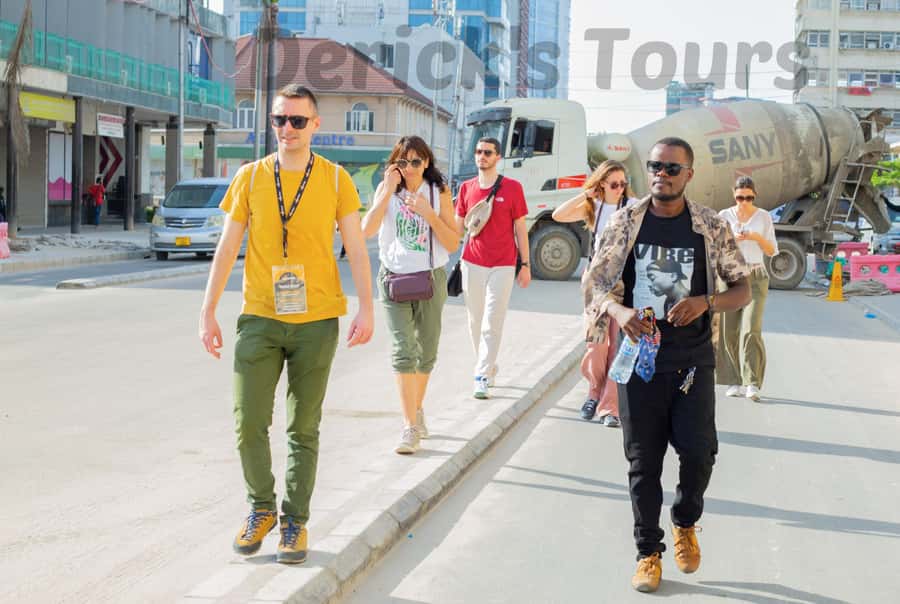
- St. Joseph Cathedral to Azania Front Church for a close look at German-era architectural influence in Dar’s center
- Askari Monument and the story of African soldiers who served during World War I
- Botanical Garden reset to break the walking and cool off in the middle of town
- Kivukoni Fish Market as the finale to see the seafood trade and local street-food rhythm
- Old Boma to connect the city’s present to surviving colonial-era buildings
- Derick Lawrence adapts on the spot, including timing changes and topic-driven questions
More around Dar es Salaam and its islands
- Dar es Salaam: City Tour★ 4.7 · 159 reviews
- Dar es Salaam City Center: Walking Tour★ 4.8 · 102 reviews
- Dar es Salaam City Tour – Everyday★ 5.0 · 64 reviews
- 2 Days 1 Night Mikumi National Park from Dar es salaam★ 5.0 · 60 reviews
A tight, smart way to see Dar es Salaam on foot
A city center walking tour sounds simple until you realize Dar is big in feeling, even if you cover a lot of ground quickly. This one works because the stops are spaced to match your attention span: churches and monuments for context, a garden for a breath, and a market to end with the city’s daily pulse.
The duration matters too. Two hours is long enough to feel oriented, short enough that you are not trapped in a timeline. In practice, I like tours that stop before you hit your personal limit, especially in warm weather.
Also, the guide being live and English-speaking is a big value add. You are not just “watching sites,” you are getting explanations you can use later when you decide what to explore on your own.
St. Joseph Cathedral and Azania Front Church: more than pretty walls
You start with St. Joseph Cathedral, an impressive Gothic-style church and one of the city’s best-known landmarks. Here’s what you should focus on: how the building signals European influence while still fitting into Dar’s everyday streetscape. Even if you are not a church architecture buff, the scale helps you understand why this area became a focal point.
From there you walk to Azania Front Lutheran Church. This stop is especially useful because it connects architecture to historical power. One of the most interesting angles is the German colonial influence you can see in the church’s style and presence. Instead of treating history like a distant textbook topic, you are standing in the physical results.
Practical note: churches are usually calmer than markets, so this is a nice early win. It gives you a mental anchor before you move into hotter, noisier areas.
Askari Monument: a World War I story that hits closer

Then you move to the Askari Monument, dedicated to African soldiers who served during World War I. This is one of those places where the meaning matters more than the view from the sidewalk.
What I like about including it in a short city walk is that it adds depth without derailing your day. You get a human, local angle on a global event, which helps your later conversations in Tanzania make more sense. You also get a reminder that Dar’s story is shaped by movement of people, work, and power, not just trade and buildings.
If you like learning by contrast, this stop does the job. One minute you are in church architecture, the next you are in a memorial that reframes the city’s past.

Botanical Garden break: shade and a calmer pace
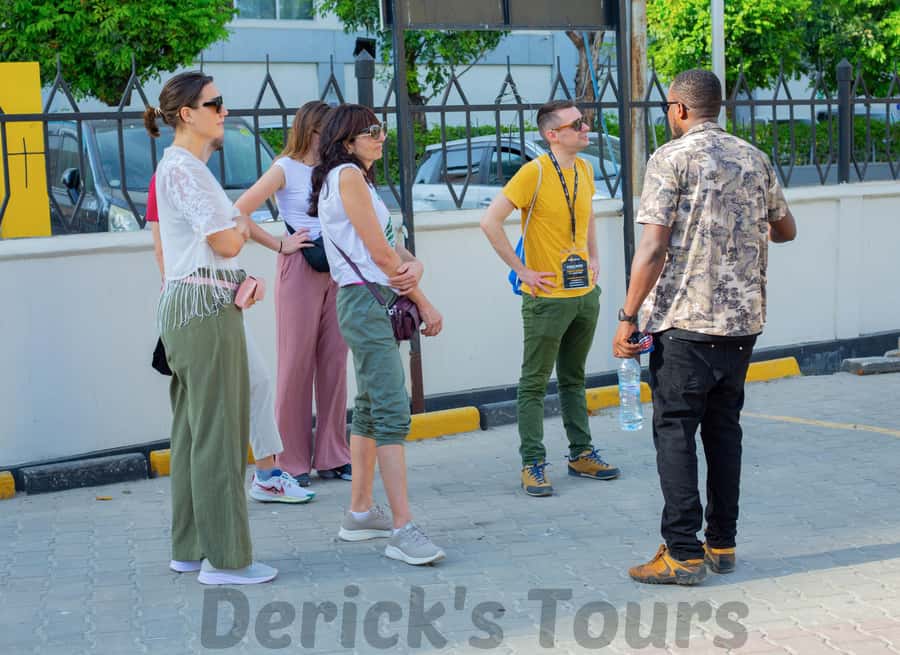
Between history stops, you get a pause at the Botanical Garden. For me, this is the hidden value of the route. Gardens can sound like filler, but in a short walking tour they function like a reset button.
You can step away from the city center noise and breathe. You also get time to slow down and take in tropical plants and trees without feeling like you are racing a stopwatch. It is a useful moment if you are arriving from travel fatigue or you know the next part of the walk involves crowds.
This stop also helps manage weather. In the reviews, people specifically mention timing adjustments to avoid the hottest conditions, and the garden fits well into that idea because it is a natural cooling break.
Kivukoni Fish Market: where Dar’s ocean life becomes real
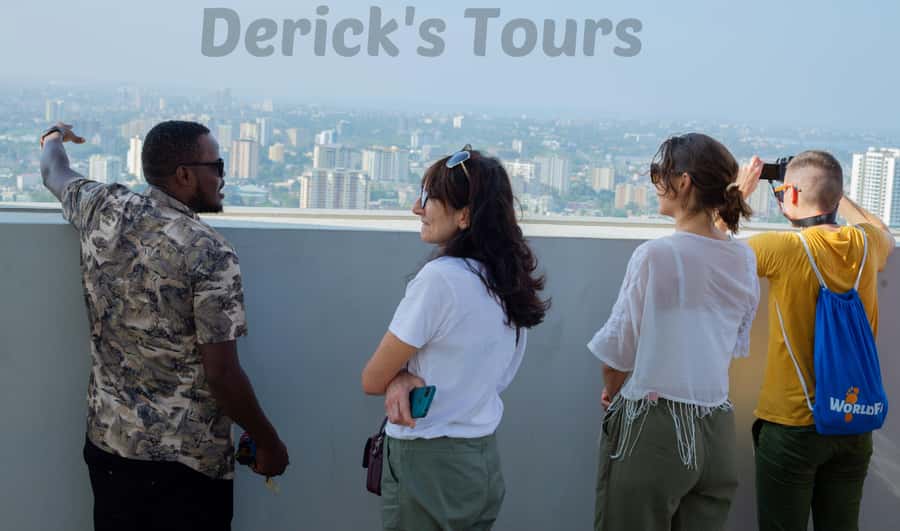
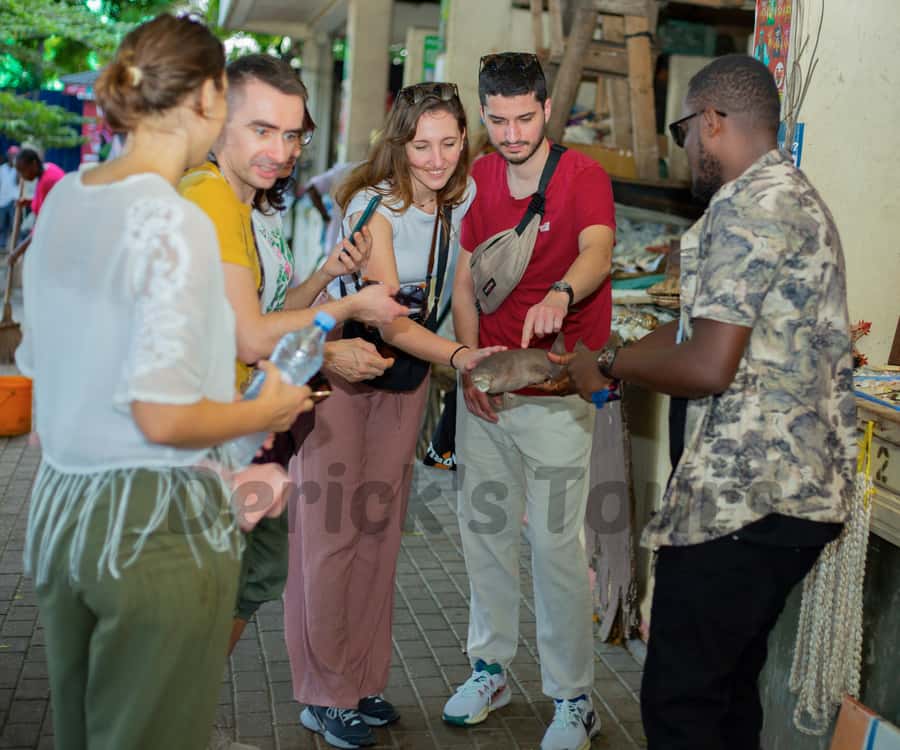
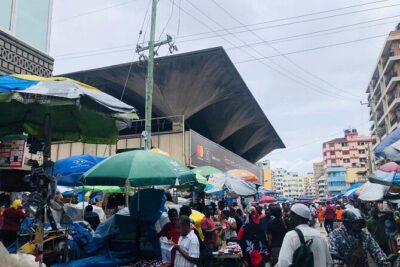
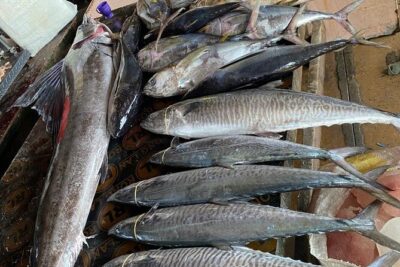
The tour’s emotional finish is Kivukoni Fish Market. This is where you see the city in motion, not staged. You can watch seafood being traded and get a feel for the rhythm of everyday life by the water.
What makes this stop work well is that it is sensory and observational. You notice how fishermen handle nets, how sellers present fresh catches, and how the market’s energy pulls you into local routines. For one guest, the end of the tour also included street-food tasting with Derick, and the food was described as delicious and fresh. Even if you do not plan to eat, it helps to know the tour can be flexible around food choices.
One more practical reality: the smell can be strong. If you are sensitive, you should tell the guide. In one case, someone requested to avoid the fish market due to an allergic reaction, and the guide substituted another nearby experience instead. That kind of adjustment is exactly why I think this tour is better booked than “just wandering,” because you are not forced into one fixed ending.
Also, think about photo time. One reviewer felt the tour moved a bit quickly for pictures. If photography is your priority, set expectations early with Derick and ask for brief photo pauses rather than trying to shoot nonstop while walking.
Old Boma: reading colonial-era architecture in the present
Next up is Old Boma, one of the oldest surviving buildings in Dar es Salaam. This is a valuable stop because it gives you something to look at that does not require a museum ticket.
What you should do here is treat the building like a clue. Pay attention to the structure itself, its position in the city center, and how it sits next to more modern life. It helps you connect the idea of colonial-era history to actual physical space that you can see and revisit.
In a short tour, Old Boma works because it is not only about the past. It is also about continuity. Dar’s identity shows up in what remains, not just what changed.
A quick stop for local art you can actually use
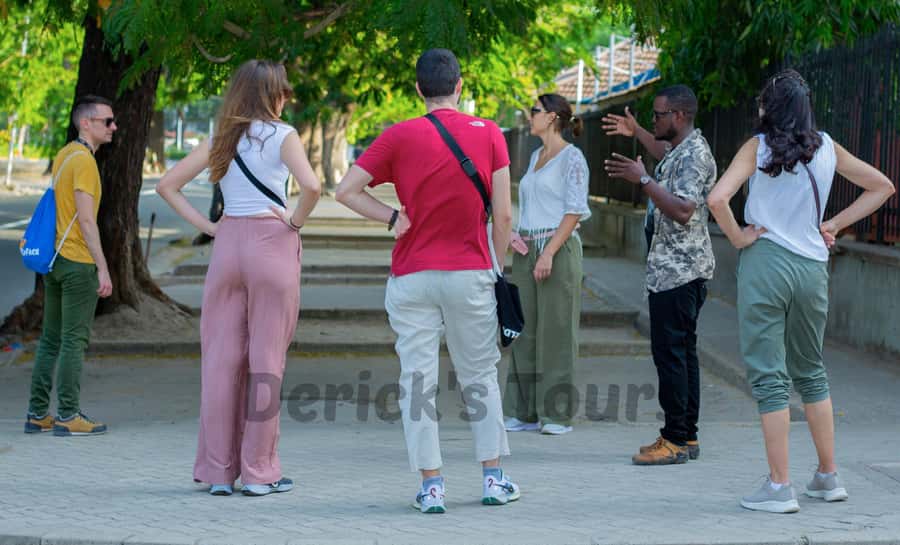
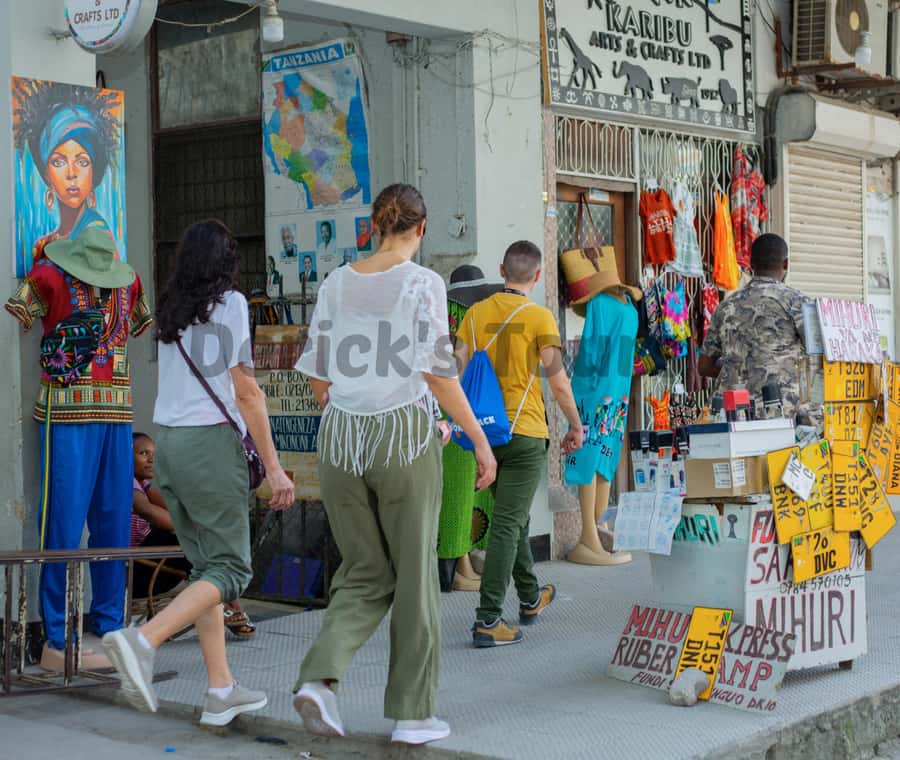
Your route also includes a stop at a local art gallery. This matters because it shifts the tour away from strictly monumental sites. Art spaces are one of the easiest ways to learn what locals care about right now.
In your free time after the walk, that gallery stop can also become your roadmap. If you see pieces you connect with, it becomes easier to track down similar styles later. Even if you just glance, you walk away with a sense of contemporary creativity in Dar, not only historical influence.
Why Derick Lawrence is the real engine here
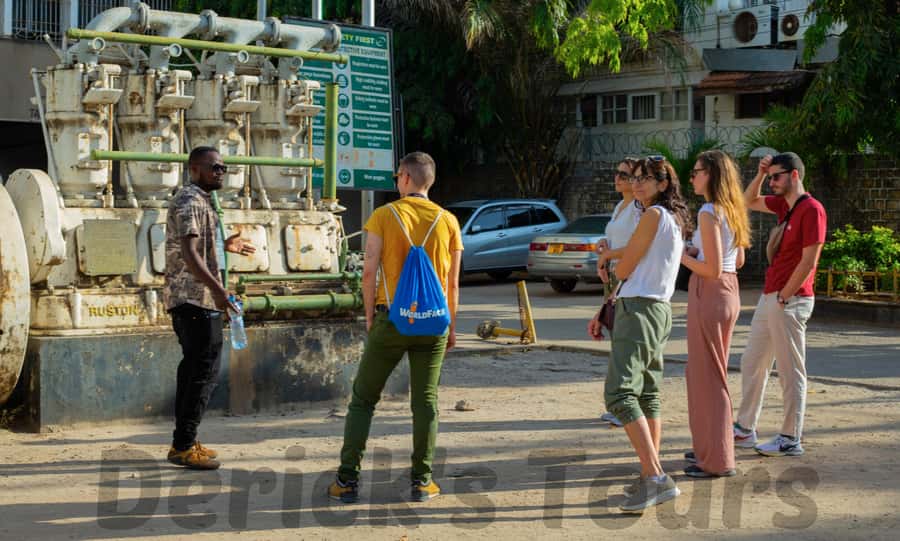
A good walking tour depends less on the map and more on the guide’s ability to connect dots. Derick Lawrence repeatedly stands out for clear communication and for taking the time to answer questions.
Here’s what I’d call out as practical, not fluffy:
- He is flexible with timing, including moving the start time when conditions like heat are better later.
- He keeps the pace friendly for a 2 hour walk, so you do not feel dropped into long gaps.
- He can adapt your route based on needs, including someone avoiding the fish market due to allergy and receiving an alternative stop.
- He is punctual and reaches the meeting point as arranged, which makes the start feel organized.
- He has even taken a solo traveler around using a motorbike when that was the best option for the schedule, showing he is thinking about how you experience Dar, not just checking boxes.
There is also something reassuring about comfort and safety for solo visitors. One review mentioned feeling comfortable as a female solo traveler. That kind of real-world confidence matters when you are walking in a place you do not know yet.
Price and value: what $30 buys you in real terms
The price is $30 per person for 2 hours, and the value comes from what is included, not the headline number.
You get:
- An expert local guide
- Guided visits to each of the listed landmarks
- The option to customize the route based on your preferences
- English live interpretation
In other words, you are paying for less guesswork. You are not trying to figure out which direction to walk between sites, how they relate historically, or what you should pay attention to once you arrive. For many first-timers, that alone is worth it.
Is it a bargain? If you compare it to the cost and time of arranging multiple separate sights on your own, the guided structure often ends up feeling efficient. And if you ask questions, the guide time becomes even more valuable.
Who this tour fits best (and who should think twice)
This tour fits best if you want a first impression that blends history with daily life. Churches and monuments give you context, the botanical garden gives you breathing space, and the fish market puts you back in the real Dar experience.
It is also a strong choice if you like walking tours that feel personal. You can request changes ahead of time, and the guide has shown he will adjust when it improves comfort.
Think twice if:
- Strong fish odors are a problem for you, since the route typically ends at Kivukoni Fish Market.
- You prefer very long stops for photos. The pace is designed for a 2 hour structure, so you may need to ask for extra time at specific points.
Quick tips to make your 2 hours smoother
I’d plan around the walk being active and weather-sensitive. Start early if you can, wear comfortable shoes, and bring a light layer if you run into cool indoor church spaces.
At the fish market, decide your comfort level in advance. If you are sensitive to smell, tell Derick so he can guide you through options, including potential substitutions.
Finally, show up ready to ask questions. This tour gives you the best results when you treat it like a guided conversation. Derick handles lots of different interests, from colonial-era architecture to what everyday market work looks like.
FAQ
How long is the Dar es Salaam City Center walking tour?
The tour lasts 2 hours.
What does the tour cost?
It costs $30 per person.
What language is the live tour guide?
The tour is conducted in English.
Which key stops are included in the walking tour?
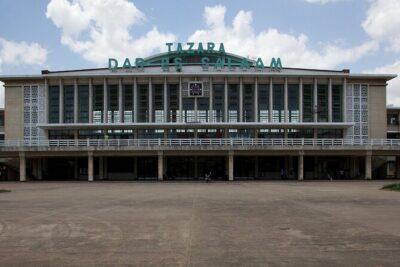
The tour includes St. Joseph Cathedral, Azania Front Lutheran Church, Askari Monument, Botanical Garden, Kivukoni Fish Market, Old Boma, and also a stop for local art at a gallery.
Can I customize the route?
Yes. There is an option to customize the route based on your preferences.
Is there free cancellation or a pay later option?
Yes. You can cancel up to 24 hours in advance for a full refund. You can also reserve now and pay later, so you can book without paying today.
Should you book this Dar es Salaam city center walking tour?
If you want an efficient way to understand Dar es Salaam, yes, book it. You get a tight route through major landmarks, and the guide, Derick Lawrence, brings the history to life while staying flexible with timing and your interests.
If fish odors are a dealbreaker for you, message in advance and ask about options. With that heads-up, this walk can still work as a strong orientation to the city’s center.
Dar es Salaam and Its Coast
- Dar es Salaam: City Tour
★ 4.7 · 159 reviews - Dar es Salaam City Tour – Everyday
★ 5.0 · 64 reviews - 2 Days 1 Night Mikumi National Park from Dar es salaam
★ 5.0 · 60 reviews - The Best/Top Rated Cultural City Tour in Dar es Salaam
★ 5.0 · 57 reviews - Private Full-Day Trip to Mikumi National Park from Dar es Salaam
★ 5.0 · 54 reviews
Just added from around Dar Es Salaam





Dar es Salaam City and Coastal Escapes, compared.
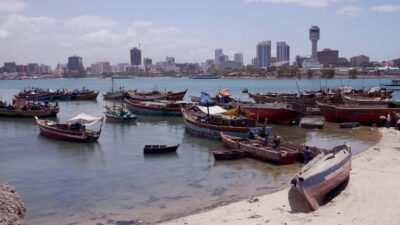 ★ 4.7Dar es Salaam: City TourFrom $77159 reviews
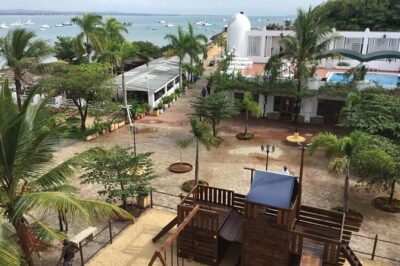 ★ 5.0Dar es Salaam City Tour – EverydayFrom $9764 reviews
 ★ 5.02 Days 1 Night Mikumi National Park from Dar es salaamFrom $67060 reviews
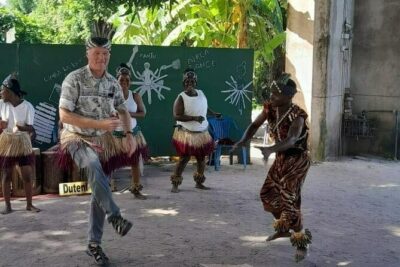 ★ 5.0The Best/Top Rated Cultural City Tour in Dar es SalaamFrom $9057 reviews
 ★ 5.0Private Full-Day Trip to Mikumi National Park from Dar es SalaamFrom $55054 reviews
 ★ 5.0Dar Es Salaam City Tour (Full Day With Private Guide And Car)From $14539 reviews
 ★ 4.5Full-Day Private Tour of Dar es SalaamFrom $16037 reviews
 ★ 5.0Dar es Salaam History and Architectural ToursFrom $15036 reviews
Browse the lists this tour appears in