
REVIEW · DAR ES SALAAM CITY AND COASTAL ESCAPES
The Best/Top Rated Cultural City Tour in Dar es Salaam
Dar es Salaam hits you fast. This half-day cultural tour links the National Museum of Tanzania with the Kivukoni fish market, with a small-group guide who keeps things moving. You get a mix of big-picture history and everyday city life, all in a 3 to 5 hour window.
I love the way this tour gives you an instant overview, especially if Dar es Salaam feels like a blur when you first arrive. I also like the practical pacing, plus the included bottled water and air-conditioned vehicle that help you stay comfortable in traffic. The standout for me is the fish market, because it shows how central seafood really is here.
One consideration: a couple of stops can shift or turn into a drive-by depending on time, traffic, and weather. That means you should expect a flexible route, not a rigid script.
In This Review
- Key highlights at a glance
- Dar es Salaam in one tight, logical circuit
- Price and value: what $90 buys you
- Timing, comfort, and the reality of traffic
- Stop 1: National Museum of Tanzania and the Olduvai fossil story
- Stop 2: Kivukoni Fish Market and why it feels like a living classroom
- Azania Front Lutheran Church: German architecture, plus flexible stop timing
- Askari Monument: WWI tribute, plus photo rules
- Slipway versus Mwenge: shopping by the coast or in the workshops
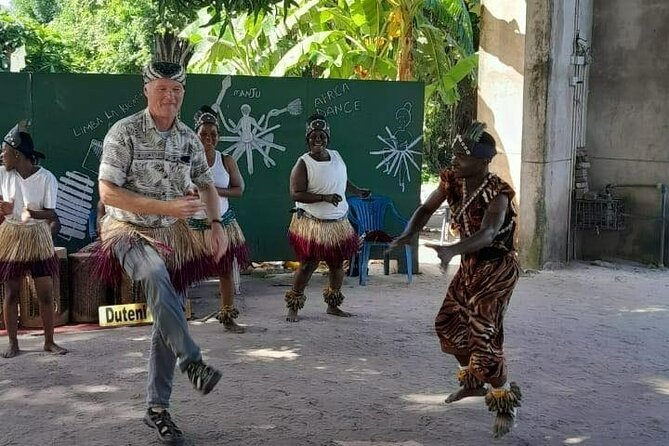
- Village Museum in Mikocheni: huts, hands-on culture, and the dance part
- Kariakoo market: the city’s heartbeat, watched from the road
- Guides make the tour: Gideon, Mike, Tersem, and Ebony
- Who should book this tour, and who might skip it
- Should you book the best cultural city tour in Dar es Salaam?
- FAQ
- How long is the Dar es Salaam cultural city tour?
- What time does the tour start, and can I choose morning or afternoon?
- Where does the tour start, and do they offer pickup?
- How much does it cost per person?
- What is included in the price?
- Is lunch or dinner included?
- Which sites require tickets, and which are free?
- Can the itinerary change due to traffic or weather?
- What is the cancellation and weather policy?
Key highlights at a glance
- National Museum of Tanzania with Olduvai Gorge fossil context, including Zinjanthropus sometimes called nutcracker man
- Kivukoni Fish Market for a quick, high-energy look at seafood trading and pricing
- German-built Azania Front Lutheran Church and the Askari Monument for colonial and WWI-era history
- Slipway or Mwenge swap depending on weather and road conditions, with similar craft-shopping options
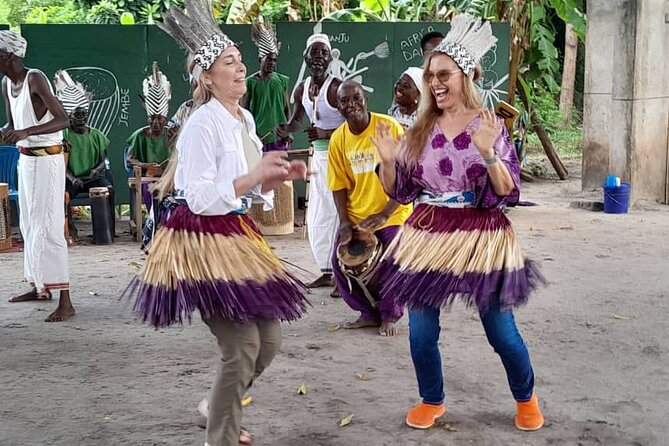
- Village Museum dance stop where you can join in with traditional moves
- Kariakoo market from the road since you do not walk through it
More around Dar es Salaam and its islands
- Dar es Salaam: City Tour★ 4.7 · 159 reviews
- Dar es Salaam City Center: Walking Tour★ 4.8 · 102 reviews
- Dar es Salaam City Tour – Everyday★ 5.0 · 64 reviews
- 2 Days 1 Night Mikumi National Park from Dar es salaam★ 5.0 · 60 reviews
Dar es Salaam in one tight, logical circuit
This is the kind of tour that helps you make sense of a city quickly. You are not just getting photos of landmarks, you are seeing how Dar es Salaam works, from a major museum to seafood commerce and craft markets.
The route is built for a short stay. In practice, that means you spend most of your time in places that explain the country, then you shift to spots where you can feel modern life.
I like that the tour keeps the group small. Even with a listed maximum of 50 travelers, the small-group approach is what makes the stories easier to follow and the questions easier to ask.
Price and value: what $90 buys you
At $90 per person for a half-day, you are paying for more than sightseeing. You are paying for transportation in an air-conditioned vehicle, plus bottled water and the included fees.
Most importantly, a key museum admission ticket is included, so you are not doing last-minute ticket math. Other stops are free, which keeps the overall cost under control for a short day.
Lunch is not included, and tips are not included either. So if you tend to eat while you travel, you will likely need to plan for a meal after the tour, or grab something nearby on your own.
Timing, comfort, and the reality of traffic

You can choose a morning or afternoon tour time, and the listed start time is 9:00 am. Duration is about 3 to 5 hours, so it feels like a purposeful morning or a strong early afternoon plan.
Dar es Salaam traffic can change fast, and the itinerary reflects that. Some locations are “visit if time allows,” while others are primarily picture stops from the vehicle.
You also get round-trip transfers from your accommodation, and the tour ends back at the meeting point. The meeting point is Classic Mall at Mbezi Beach, and that matters if you are arriving by cruise or using local transport.

Stop 1: National Museum of Tanzania and the Olduvai fossil story
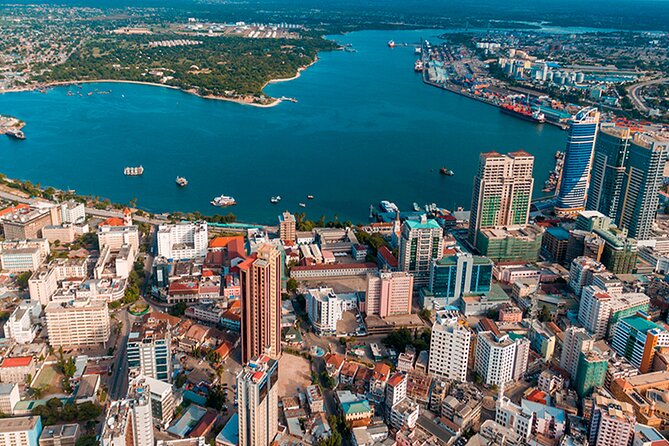
The National Museum of Tanzania is the tour’s anchor. You get about 45 minutes inside, and the admission ticket is included.
What makes this stop work for first-time visitors is that it does not only do “pretty exhibits.” It connects Tanzania’s deep past to the mosaic of cultures you see today. You can see fossil-related displays linked to Olduvai Gorge, including a copy of Zinjanthropus often associated with the nutcracker man nickname, plus other archaeological finds.
The museum also frames major historical threads, including the Shirazi civilization of Kilwa, the Zanzibar slave trade, and the German and British colonial periods. Even if you only take a handful of notes, you leave with a clearer timeline, and the rest of the tour makes more sense.
Practical tip: this is the stop where your attention will pay off most. Use the time to pick a couple of themes, like early history and cultural mixing, and let the guide connect them to later stops.
Stop 2: Kivukoni Fish Market and why it feels like a living classroom
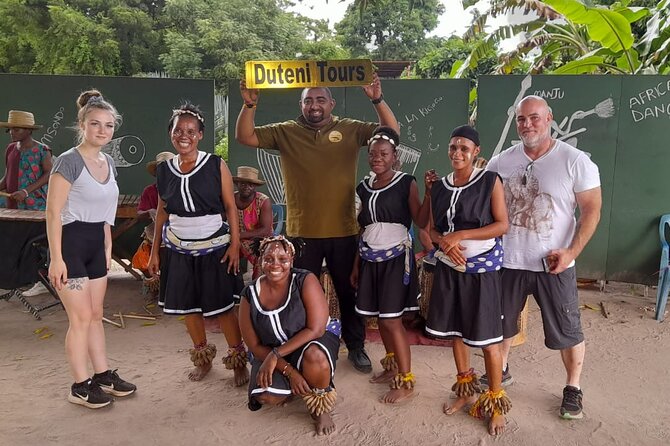
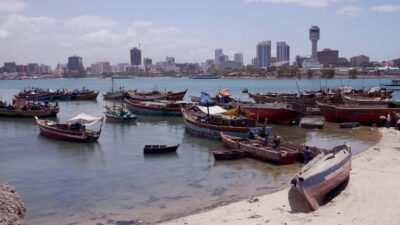
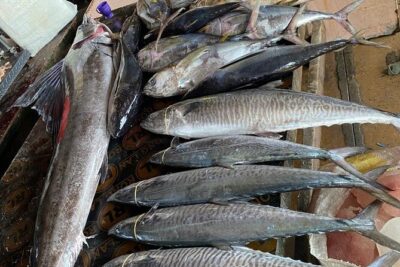
Next comes Kivukoni Fish Market, a free stop with about 20 minutes on the schedule. This is one of those places where you do not need a lecture to understand what matters. Fish is the daily rhythm here.
You see seafood arriving and trading throughout the day, and people from across the city come to buy. The market is known for having different kinds of seafood and for lower prices compared to what many visitors expect.
Because you only have a short visit, the goal is not to shop for a specific item. Instead, treat it like a sensory snapshot: how stalls are set up, how trading moves, and what different seafood looks like in a real commercial setting.
A small drawback: markets have smells. If you are sensitive, you might want to hold your breath for a few seconds during the busiest moments and focus on photos at the edges.
Azania Front Lutheran Church: German architecture, plus flexible stop timing
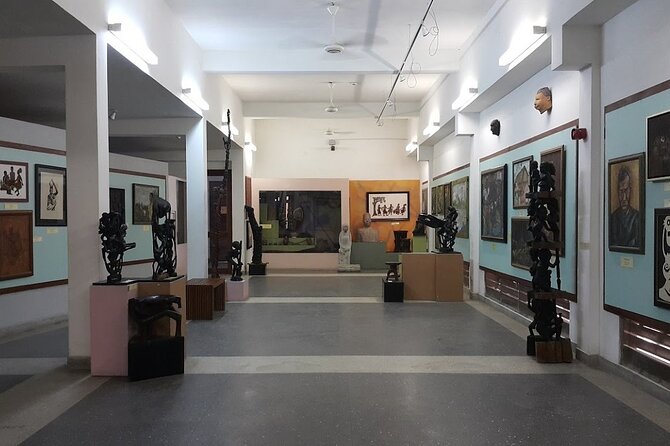
Azania Front Lutheran Chruch is built by German missionaries at the end of the 19th century, and it is a visual change from the market-energy pace. It is a free stop, but it is not guaranteed as a full walk-in.
Depending on time and traffic, you may drive by, stop and visit, or skip it entirely. The most interesting part is that it contains original German works and inscriptions.
This is a good stop if you like architecture and you enjoy spotting history in details. It is also a good counterpoint to the more commercial locations, because you are seeing religion and European-era influence expressed in building design.
Practical tip: if the guide says you may not stop, do not assume you will get the inside view. This is one of those “your day decides” stops, like so many city tours in busy places.
Askari Monument: WWI tribute, plus photo rules
The Askari Monument sits at a roundabout connecting Samora Avenue with Maktaba Street. It was built in 1927 as a tribute to African soldiers who fought in World War I on the allied side in Africa.
There is also a layered history here: a German statue used to be at the location, and the British removed it after arriving in Dar es Salaam in 1916. That gives the monument more context than a quick roadside photo.
Stopping is not permitted, so you get your pictures from inside the vehicle. That sounds limiting, but it is still useful if you position yourself for a clean window photo as the vehicle slows.
If you care about photos, this is where good timing matters. The vehicle pass can be quick, so keep your phone ready rather than digging for your camera after the van moves.
Slipway versus Mwenge: shopping by the coast or in the workshops
Slipway Shopping Centre is an outdoor shopping area along the ocean coastline. It is a free stop, and it is built for browsing, photos, and practical souvenir shopping.
You can find fabrics, sandals, beaded necklaces, and more, plus restaurants and walkways with ocean views. Bargaining is part of the culture here, and prices can vary by stall, so it helps to compare before you buy.
Now the trade-off: Slipway can be replaced with Mwenge depending on tour, time, weather, road closures, and traffic. The useful part is that Mwenge offers similar craft-shopping options, so you are not losing the “craft experience” if Slipway is skipped.
Mwenge Woodcarvers Market is another free stop, focused on community-owned workshops run by local artists. You might see wood carvings, paintings, drums, jewelry, and everyday items like keyrings and kitchen goods.
One more reality check: Mwenge can flood sometimes, so weather can decide whether you go there or keep the plan at Slipway. It is not a problem with the tour, it is just how outdoor markets behave.
Practical tip: if you are shopping, prioritize quality over speed. The route is short, so you want to buy from the stalls that look consistent rather than grabbing the first thing that fits your hand.
Village Museum in Mikocheni: huts, hands-on culture, and the dance part
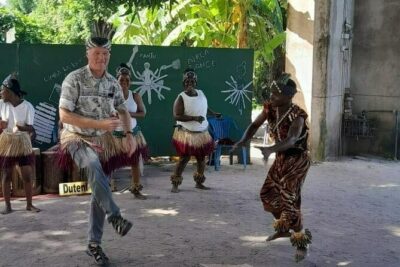
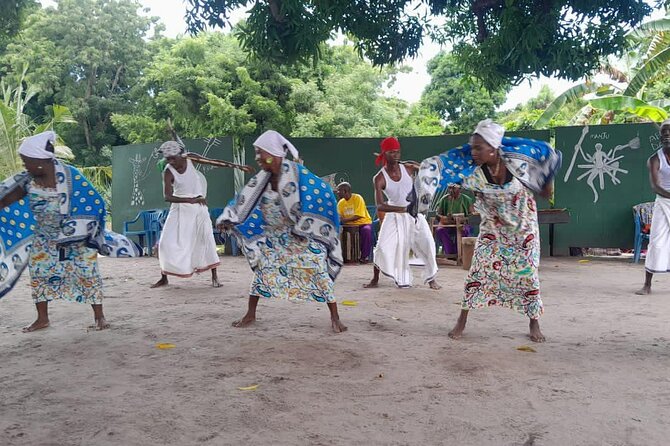
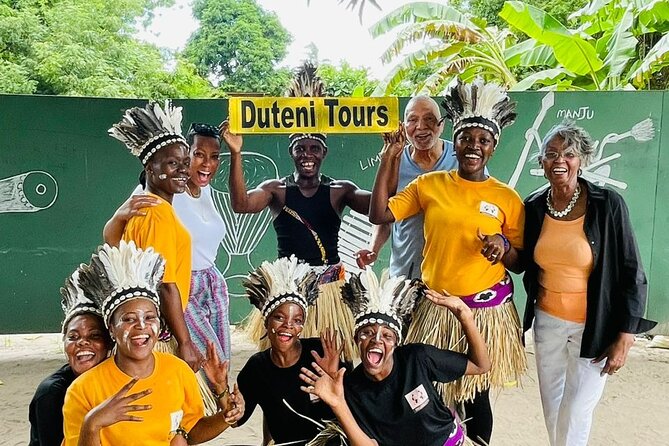
Kijiji cha Makumbusho, also called the Village Museum in Mikocheni, is the tour’s most hands-on stop. You get about 1 hour here, and admission is free.
The focus is cultural context through physical spaces. You can see traditional African huts from different tribes, which helps you understand the variety of living styles and design choices across Tanzania.
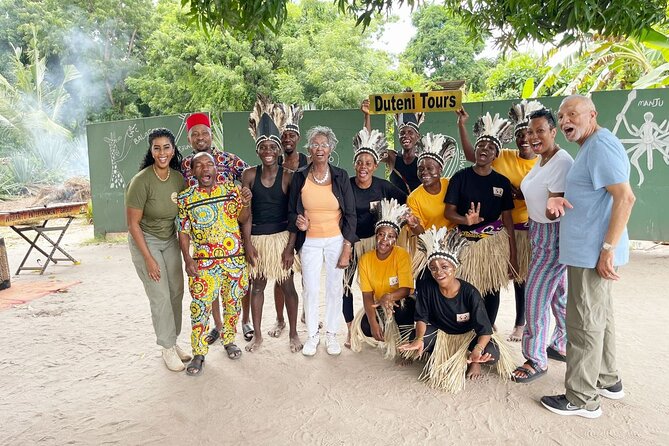
Then comes the best part if you like doing rather than just watching. There is a traditional village dance, and you are welcome to join in and learn some moves.
This is one of the stops where the guide matters. Good guidance helps you understand what you are seeing, and it also helps you feel comfortable participating. If you prefer just watching, you can still enjoy it, but joining in is what makes this stop feel memorable.
A timing note: if you have limited mobility, you might want to tell the guide at the start. You will still see the huts, but the dancing portion may be easier to enjoy if you know your comfort level upfront.
Kariakoo market: the city’s heartbeat, watched from the road
Kariakoo market is described as Dar es Salaam’s local heartbeat, with “any and all items” and the classic market mix of sights, sounds, crowds, and buildings. It is a cultural experience even if you never step out of the vehicle.
Here is the important constraint: you do not walk through Kariakoo. You only drive through, and it may or may not be included depending on time, traffic, and weather.
So think of this as an overview moment. You are getting the energy and scale of the place, not a structured shopping stroll.
If you like street-level travel, this works well as a quick finale. If you want an orderly, ticketed experience, you may find it more chaotic than the rest of the stops. Either way, it adds that sense of real city life.
Guides make the tour: Gideon, Mike, Tersem, and Ebony
What really drives the high rating is the way the guide connects dots. In the stories I gathered from this tour, names like Gideon and Mike show up for engaging explanations and calm driving through congested streets.
Calm driving sounds basic, but in a city like Dar es Salaam it changes how you experience everything else. If you feel rushed or jostled, even interesting stops turn into blur.
Other mentions include Tersem, especially for making the most of a short window in Dar es Salaam, and Ebony, who is described as leading the team. The common thread is that you are not stuck with facts only in a classroom way. You get explanations that connect museum content to what you see outside.
There are also examples of flexibility. One tour started with a coffee stop that was requested, which tells me the team tries to fit small preferences when timing allows.
Who should book this tour, and who might skip it
This tour is ideal if you want a practical first look at Dar es Salaam. If you have only a few hours, it gives you a balanced mix of museum history, market life, and craft shopping without making you plan transport.
It is also a good fit if you enjoy culture that feels active. The Village Museum dance stop gives you a chance to participate, not just watch from a distance.
You might want to skip or choose a different format if you hate uncertainty. Because some stops can be drive-by or replaced, you need to be comfortable with a plan that adapts to traffic and weather.
Should you book the best cultural city tour in Dar es Salaam?
Yes, if you want your time to count. At $90, with bottled water, air-conditioned transport, and included or free admissions, it is priced like a “smart hour use” tour, not a costly add-on.
Book it if you like history that has real-world connections. The museum fossil material and the German and WWI-era landmarks help you understand the background behind what you see in neighborhoods and markets.
Think twice if your travel style demands perfect stop consistency. Slipway can swap with Mwenge, church visits can depend on timing, and Kariakoo is a drive-through. If that sounds fine, this is a strong way to get a clear overview fast.
If you do book, show up ready to move through the day with patience. Dar es Salaam runs on momentum, and a calm guide plus a short route is exactly what makes this work.
FAQ
How long is the Dar es Salaam cultural city tour?
The tour runs about 3 to 5 hours.
What time does the tour start, and can I choose morning or afternoon?
You can choose from a morning or afternoon tour time, and the listed start time is 9:00 am.
Where does the tour start, and do they offer pickup?
The meeting point is Classic Mall, Mbezi Beach, Dar es Salaam, and the tour ends back at the meeting point. Pickup is offered, depending on your accommodation arrangements.
How much does it cost per person?
It costs $90.00 per person.
What is included in the price?
Included items are bottled water, an air-conditioned vehicle, and all fees and taxes.
Is lunch or dinner included?
No. Lunch is not included, and breakfast, dinner, and snacks are also not included. A snack bag can be purchased during the tour if you inform them before the tour begins.
Which sites require tickets, and which are free?
National Museum of Tanzania includes an admission ticket. Stops like Kivukoni Fish Market, Azania Front Lutheran Chruch, Slipway Shopping Centre, Kijiji cha Makumbusho (Village Museum), and Mwenge Woodcarvers are listed as free.
Can the itinerary change due to traffic or weather?
Yes. Azania Front Lutheran Chruch may be visited or skipped depending on time and traffic. Slipway may be replaced by Mwenge, and Mwenge may be changed due to weather since it can flood. Kariakoo may or may not be included depending on time, traffic, and weather.
What is the cancellation and weather policy?
You can cancel for a full refund if you cancel at least 24 hours before the experience’s start time. The experience requires good weather, and if it is canceled due to poor weather, you will be offered a different date or a full refund.
Dar es Salaam and Its Coast
- Dar es Salaam: City Tour
★ 4.7 · 159 reviews - Dar es Salaam City Center: Walking Tour
★ 4.8 · 102 reviews - Dar es Salaam City Tour – Everyday
★ 5.0 · 64 reviews - 2 Days 1 Night Mikumi National Park from Dar es salaam
★ 5.0 · 60 reviews - Private Full-Day Trip to Mikumi National Park from Dar es Salaam
★ 5.0 · 54 reviews
Just added from around Dar es Salaam





Dar es Salaam City and Coastal Escapes, compared.
 ★ 4.7Dar es Salaam: City TourFrom $77159 reviews
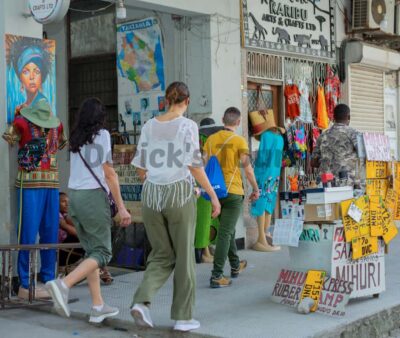 ★ 4.8Dar es Salaam City Center: Walking TourFrom $30102 reviews
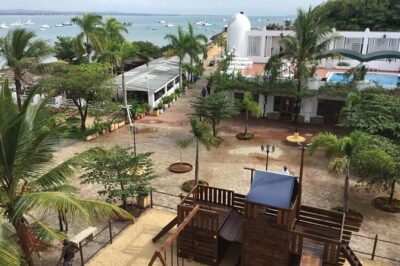 ★ 5.0Dar es Salaam City Tour – EverydayFrom $9764 reviews
 ★ 5.02 Days 1 Night Mikumi National Park from Dar es salaamFrom $67060 reviews
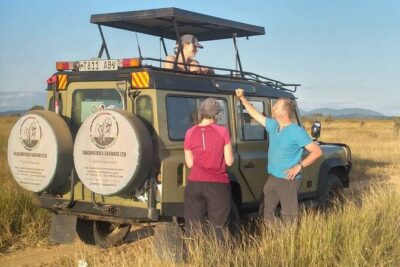 ★ 5.0Private Full-Day Trip to Mikumi National Park from Dar es SalaamFrom $55054 reviews
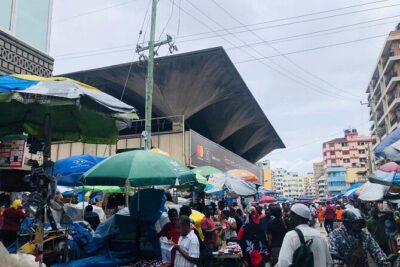 ★ 5.0Dar Es Salaam City Tour (Full Day With Private Guide And Car)From $14539 reviews
 ★ 4.5Full-Day Private Tour of Dar es SalaamFrom $16037 reviews
 ★ 5.0Dar es Salaam History and Architectural ToursFrom $15036 reviews
Browse the lists this tour appears in