
REVIEW · DAR ES SALAAM CITY AND COASTAL ESCAPES
Dar es Salaam History and Architectural Tours
Dar es Salaam has layers, not a single story. This 7-hour architecture and history tour strings together the city’s religious buildings, everyday markets, and art in a way that actually makes sense.
I especially love how the guide, Bernard, connects past and present as you move from one neighborhood feel to the next. Two standout perks: lunch is included (often with great views at Akemi, a revolving restaurant) and you get bottled water plus snacks to keep the day comfortable.
One thing to consider is pacing. Several stops are about 30 minutes, so if you want long photo sessions or lots of shopping time, you may need to be selective and prioritize what you care about most.
In This Review
- Key highlights to plan for
- Dar es Salaam Architecture in a Single, Practical Day
- 9:00 AM Start, Private Group Comfort, and Heat Tactics
- St. Joseph’s Cathedral (1903) and the Azania Front Lutheran Church Lookbook
- Village Museum: Traditional Homes and Living Conditions Up Close
- Mwenge Woodcarvers Market: Ebony Art You Can Actually Shop
- Kivoni Fish Market and Kariakoo: Where Dar’s Economy Shows
- National Museum of Tanzania: A Five-Museum Set of Context
- Mlimani City Mall: Modern Contrast on Sam Nujoma Road
- Tingatinga Arts Cooperative Society: Understanding the Art Style Before Buying
- Lunch at Akemi and the Food You’ll Thank Yourself For
- Price and Value: Is $150 Per Person a Good Deal?
- Who This Tour Fits Best
- Should You Book This Dar es Salaam Architecture Tour?
- FAQ
- What time does the tour start?
- How long is the Dar es Salaam history and architectural tour?
- Is pickup offered?
- Is lunch included in the price?
- Are admission tickets included for the stops?
- Do I get a mobile ticket?
- Is alcohol included?
- Is dinner included?
- Is this a private tour?
Key highlights to plan for
- Bernard’s storytelling links architecture, religion, society, art, and music into one easy-to-follow thread
- St. Joseph’s Cathedral and its early mosque connection adds real depth in a short stop
- Village Museum turns “history” into something you can see and understand through traditional homes and daily living
- Kivukoni Fish Market and Kariakoo show how the city works, not just how it looks
- Tingatinga Arts Cooperative Society is a practical way to understand the art style and buy with confidence
- Lunch and bottled water included help you handle the heat without scrambling
More around Dar es Salaam and its islands
- Dar es Salaam: City Tour★ 4.7 · 159 reviews
- Dar es Salaam City Center: Walking Tour★ 4.8 · 102 reviews
- Dar es Salaam City Tour – Everyday★ 5.0 · 64 reviews
- 2 Days 1 Night Mikumi National Park from Dar es salaam★ 5.0 · 60 reviews
Dar es Salaam Architecture in a Single, Practical Day
If you only have a day or two in Dar es Salaam, this tour helps you get your bearings fast. It’s built around buildings and places that shape daily life, so you don’t just see landmarks, you understand why they matter.
What makes it work is the mix of old and new. You start with major religious architecture, then shift into cultural and market spaces, and end with modern shopping and contemporary art. That gives you a realistic feel for how Dar grows and reinvents itself.
9:00 AM Start, Private Group Comfort, and Heat Tactics
The tour starts at 9:00 am, which is smart. Morning gives you more comfortable temperatures before the day heats up, especially when you’re walking through markets.
You’ll also have support built in. Pickup is offered, bottled water is provided, and snacks come before lunch. It’s not glamorous, but it keeps the day from turning into a dehydration contest.
This is a private tour, so it’s only your group. That usually means the guide can slow down when you’re curious and speed up when you’re not, instead of treating everyone like copy-paste travelers.
St. Joseph’s Cathedral (1903) and the Azania Front Lutheran Church Lookbook
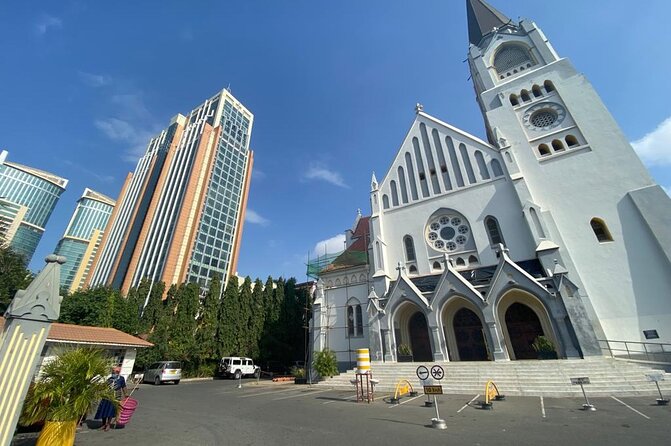
Stop 1 is St. Joseph’s Cathedral of the Archdiocese of Dar es Salaam. The key detail is that the cathedral built in 1903 sits on the same spot as Dar’s first mosque. That one connection helps you grasp how layered the city’s spiritual landscape has been.
You’ll have around 30 minutes here, plus admission is included. Use that time to look beyond the main façade, because the value of this stop is in the context, not just the photos. It’s also a good first anchor point, since the rest of the day moves into more everyday settings.
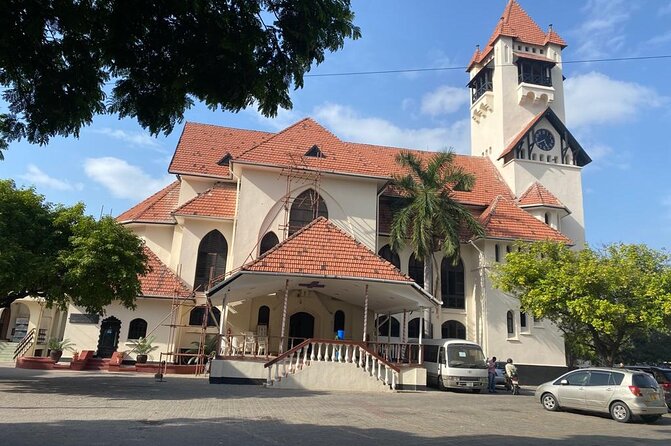
Stop 2 is Azania Front Lutheran Church, described as Bavarian style and surrounded by palm trees. The architecture is inspired by churches in Latin America and India, which is a surprisingly useful clue about historical cultural links. If you like comparing styles, this is where the tour starts feeling like an architectural class with street-level examples.

Village Museum: Traditional Homes and Living Conditions Up Close
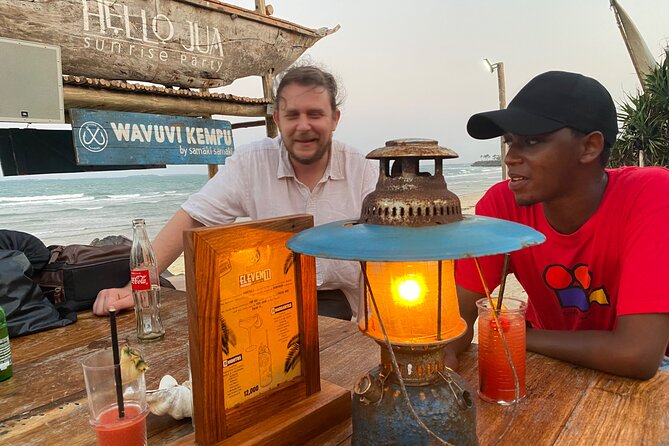
Next you head to the Village Museum, with about 1 hour on the clock. This is a hands-on style museum showing traditional homes and living conditions from several Tanzanian tribes.
The practical value here is that you learn “how people lived” instead of only “what the past was.” When you later see markets and woodcarving, these earlier ideas help the day feel connected rather than random stops.
Since it’s a museum-style environment, you can slow down. That makes it a helpful break after cathedral photos and before busier market areas.
Mwenge Woodcarvers Market: Ebony Art You Can Actually Shop
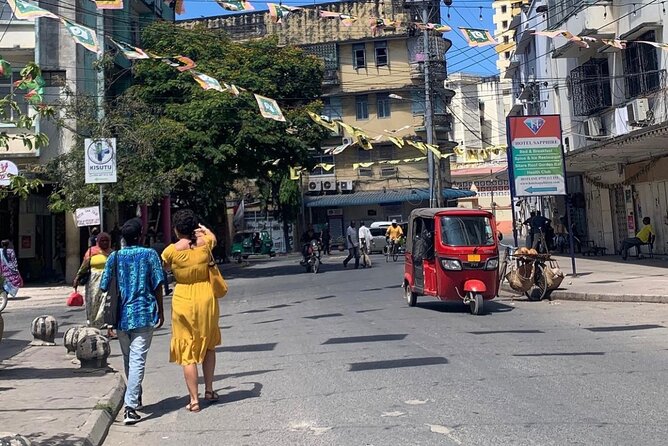
At Mwenge Woodcarvers Market, the focus turns to making, not just viewing. You get about 1 hour at a central spot full of statues, masks, and chests, carved from strong black wood described as ebony.
This is a great place to ask questions, even if you do not plan to buy right away. Look closely at what’s carved, how patterns repeat, and what kinds of pieces are most common. That lets you buy smarter later, because you’ll recognize craftsmanship versus mass production faster.
The only caution is time. One hour goes by quickly in a market, especially if you like browsing. If you’re serious about purchasing, decide your budget early and keep an eye on what you genuinely want to carry.
Kivoni Fish Market and Kariakoo: Where Dar’s Economy Shows

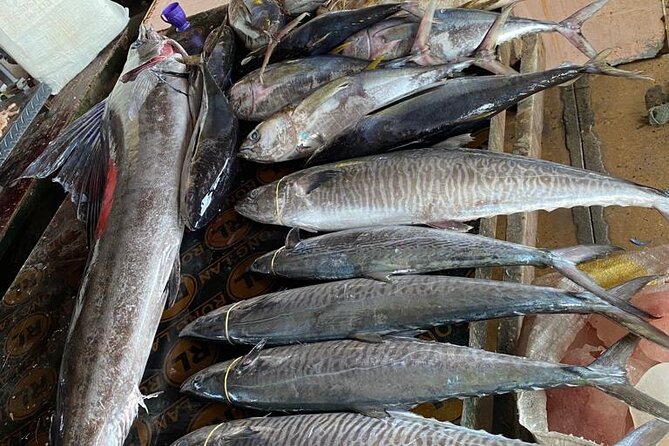
Stop 5 is Kivukoni Fish Market, about 30 minutes. It’s known for bustling energy and fresh seafood, and it plays a major role in Dar’s cultural and economic life. Even in a short visit, you’ll understand that this is not a tourist backdrop, it’s work.
This is also one of the easier stops to “accidentally learn things.” Watch how seafood is handled and how quickly things move. That tells you why locals build routines around market days and why fish culture is such a visible part of life.
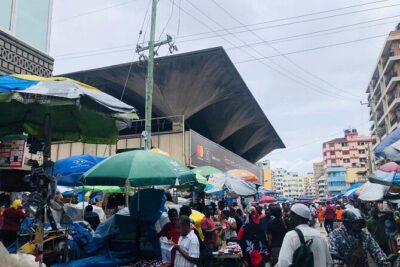
Then you go to Kariakoo Market for about 1 hour. Kariakoo is famous for spreading over many city blocks, with an impact that reaches across the city’s commercial life. For you, this is the chance to see the scale of trade, not just one stall or one street.
One practical tip: markets can be noisy and crowded, so wear comfortable shoes. If shopping is your goal, keep your plan simple. Pick a few items and compare, because this kind of market environment can make decision-making feel rushed.
National Museum of Tanzania: A Five-Museum Set of Context
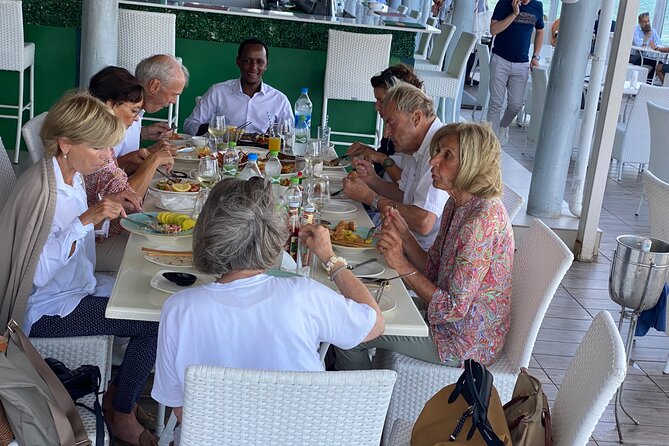
After the markets, you get a breather at the National Museum of Tanzania. You’ll have around 1 hour, and the museum is described as a consortium of five Tanzanian museums.
The big idea is that it preserves and shows exhibits about Tanzania’s history and natural environment. That mix matters because it gives you a fuller picture of what shaped the country, not just what was built in cities. It’s a good way to reset your brain after the intensity of market spaces.
If you like structured learning, this stop delivers it in a time-friendly way. If you prefer to keep moving, treat this as a “choose-your-own-exhibit” hour and focus on the sections that catch your attention.
Mlimani City Mall: Modern Contrast on Sam Nujoma Road

Next comes Mlimani City Mall on Sam Nujoma Road in Ubungo. You’ll have about 1 hour, and it’s described as one of the largest malls in the country with 30,000 m2 (320,000 sq ft).
Why include a mall on an architecture and history-focused tour? Because contrast is part of understanding Dar today. This stop shows how modern consumption and city life coexist with older religious and cultural spaces you saw earlier.
Use this time strategically. If you want a break, sit down, cool off, and reset. If you want practical shopping, malls can be easier for purchasing basics without the same outdoor market pressure.
Tingatinga Arts Cooperative Society: Understanding the Art Style Before Buying
The final stop is Tingatinga Arts Cooperative Society for about 30 minutes. Tingatinga is a distinctive painting style developed in the second half of the 20th century in Tanzania.
You’ll learn what to look for: the paintings tend to be striking in color and are made on masonite. The tour also points out why it’s popular with visitors, including that the artwork is easier to transport than some other mediums.
This is one of the best places on the day to buy a souvenir that feels connected to a living creative tradition. Because the style has a specific origin and material, you’re less likely to end up with a random print that doesn’t match what you think you’re getting.
Lunch at Akemi and the Food You’ll Thank Yourself For
Lunch is included, labeled as local lunch, and snacks come before lunch. In at least some versions of the day, it can include Akemi, a revolving restaurant with magnificent views.
That matters more than you might think. After a morning of churches and museums and then markets, you want one planned meal that feels safe, timed well, and not another rushed decision in the heat.
Also, because your transport and admissions are covered, lunch becomes a real part of the itinerary rather than a gap you have to solve on your own. That reduces stress and keeps the day feeling like it has a spine.
Price and Value: Is $150 Per Person a Good Deal?
The tour costs $150 per person and runs about 7 hours. For Dar es Salaam, you’re paying for a private guide, private transportation, admissions, and the included meal setup.
That’s the key value math. A day like this is hard to recreate alone because the pricing isn’t just the guide, it’s also entry tickets plus moving between multiple neighborhoods efficiently. If you’ve ever tried to “DIY” stops across city areas on a tight schedule, you know time disappears fast.
The day also includes bottled water and snacks, which is not a small detail in a hot city. If you add those practical comforts, the price starts to feel more reasonable because the tour removes small friction points that can ruin your day.
What’s not included is alcohol and dinner. The information you’re given suggests alcohol and dinner commonly run $30 to $50 per person, and the guide can take you to sport bars or best bars. If you want to add drinks or a full dinner plan, budget for it early.
Who This Tour Fits Best
This works best for you if you want context, not just sightseeing. You’ll likely enjoy it if you like architecture and also want cultural meaning behind buildings and everyday spaces.
It’s also a solid choice if you’re traveling as a couple or small group because the private setup makes it easier to ask questions. Bernard’s style of storytelling, connecting religion, society, art, and music, is the kind of guidance that turns “what is this?” into “now I get it.”
If you hate markets or dislike crowds, you can still enjoy the museum and church architecture, but you may want to lean on the guide to focus you on the parts you’ll enjoy most.
Should You Book This Dar es Salaam Architecture Tour?
Book it if you want a structured day with real variety and a guide who explains what you’re seeing. Bernard’s enthusiasm and strong explanations are clearly the engine of the experience, and the built-in lunch, admissions, and water make it easier to enjoy.
Skip it or choose a different option if you want a slow, in-depth crawl where you can spend long hours in one place. With several stops around 30 minutes, you’ll get a taste, not an all-day deep study.
If you’re aiming to understand Dar es Salaam beyond the headlines, this tour is a smart way to do it in one day.
FAQ
What time does the tour start?
The tour starts at 9:00 am.
How long is the Dar es Salaam history and architectural tour?
It runs for about 7 hours.
Is pickup offered?
Yes, pickup is offered.
Is lunch included in the price?
Yes, lunch is included as local lunch, and snacks are served before lunch.
Are admission tickets included for the stops?
Yes, admission tickets are included for the listed stops.
Do I get a mobile ticket?
Yes, the tour includes a mobile ticket.
Is alcohol included?
No, alcoholic beverages are not included.
Is dinner included?
No, dinner is not included.
Is this a private tour?
Yes, it is a private tour, and only your group participates.
Dar es Salaam and Its Coast
- Dar es Salaam: City Tour
★ 4.7 · 159 reviews - Dar es Salaam City Center: Walking Tour
★ 4.8 · 102 reviews - Dar es Salaam City Tour – Everyday
★ 5.0 · 64 reviews - 2 Days 1 Night Mikumi National Park from Dar es salaam
★ 5.0 · 60 reviews - The Best/Top Rated Cultural City Tour in Dar es Salaam
★ 5.0 · 57 reviews
Just added from around Dar es Salaam





Dar es Salaam City and Coastal Escapes, compared.
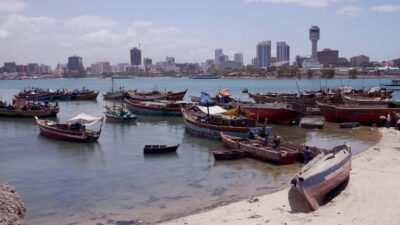 ★ 4.7Dar es Salaam: City TourFrom $77159 reviews
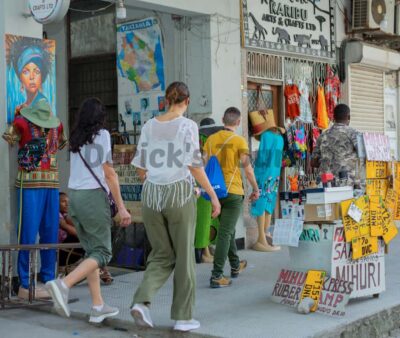 ★ 4.8Dar es Salaam City Center: Walking TourFrom $30102 reviews
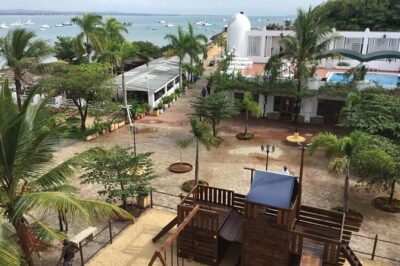 ★ 5.0Dar es Salaam City Tour – EverydayFrom $9764 reviews
 ★ 5.02 Days 1 Night Mikumi National Park from Dar es salaamFrom $67060 reviews
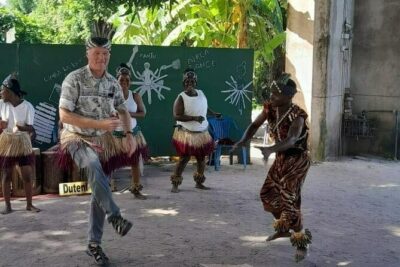 ★ 5.0The Best/Top Rated Cultural City Tour in Dar es SalaamFrom $9057 reviews
 ★ 5.0Private Full-Day Trip to Mikumi National Park from Dar es SalaamFrom $55054 reviews
 ★ 5.0Dar Es Salaam City Tour (Full Day With Private Guide And Car)From $14539 reviews
 ★ 4.5Full-Day Private Tour of Dar es SalaamFrom $16037 reviews
Browse the lists this tour appears in