
REVIEW · DAR ES SALAAM CITY AND COASTAL ESCAPES
Dar es Salaam City Tour – Visit all attractive places
Dar es Salaam feels bigger when someone else handles the driving. This private city tour puts you on a smart loop through Kariakoo Market, major cathedrals, the National Museum, and local markets, with transport and ticketed stops built in. You also get provided drinking water, plus the kind of timing help that matters when you are juggling a cruise schedule or tight hotel plans.
What I like most is how practical it is for a first visit: you get hotel or port pickup options, and you do not have to calculate entrance fees on the spot. One consideration: lunch is not included, so you will need to budget for it directly with your hotel during the break.
In This Review
- Key things to know before you go
- A smart first-day sampler of Dar es Salaam
- Pickup and transport that remove the day’s biggest hassle
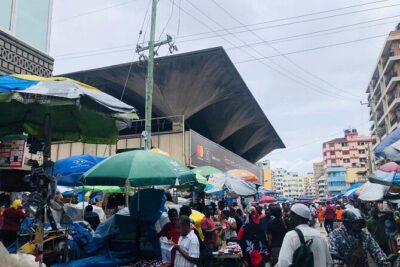
- Kariakoo Market: Carrier Corps Market origins and real street life
- St Joseph’s Cathedral: Gothic details, harbour views, and German inscriptions
- Askari Monument: a 15-minute history snapshot
- National Museum of Tanzania: Museum and House of Culture for culture lovers
- Kivukoni Fish Market: eight zones, auctions, and the working day
- Village Museum, Kijiji cha Makumbusho: traditional houses and ngoma dance
- Mwenge Woodcarvers Market: ebony crafts and souvenir reality
- Price and value: what $117 covers and why it can be fair
- Logistics you will actually care about
- Who should book this Dar es Salaam city tour
- Should you book it
- FAQ
- How long is the Dar es Salaam City Tour?
- How much does the tour cost?
- Is pickup included?
- Are entrance fees included?
- Is lunch included?
- Is the tour private?
- Do I receive a ticket on my phone?
- What happens if the weather is bad?
- What is the cancellation policy?
Key things to know before you go
Hotel or port pickup options make it easier to start on time.
All fees and taxes included so you can focus on the sights, not transactions.
A full day in about 6 to 7 hours keeps momentum without feeling endless.
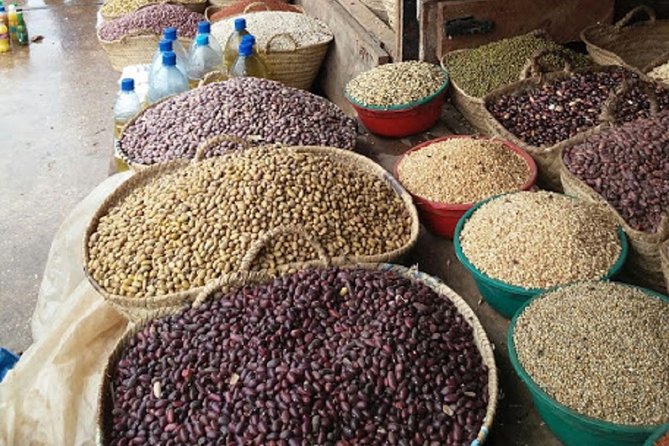
Kariakoo, Kivukoni, and Mwenge give you a real mix of markets and crafts.
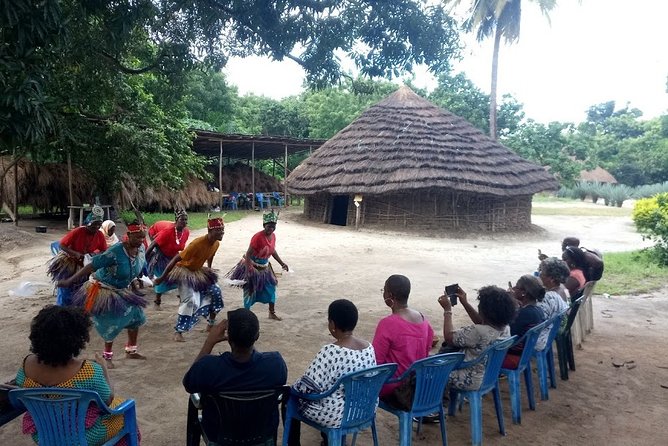
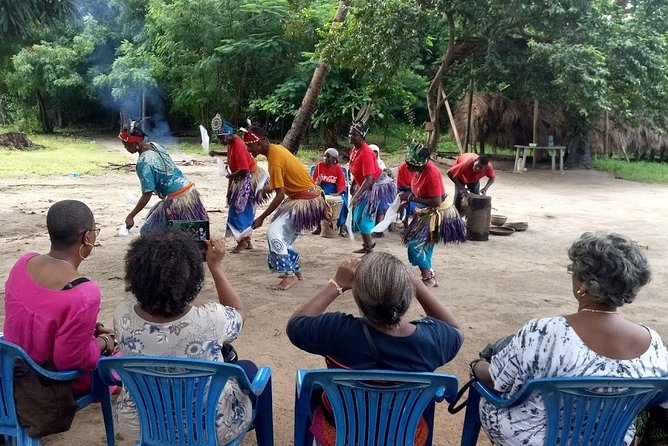
Village Museum includes a traditional ngoma session (dance) arranged for your visit.
Private means just your group and your guide can pace the day.
More around Dar es Salaam and its islands
- Dar es Salaam: City Tour★ 4.7 · 159 reviews
- Dar es Salaam City Center: Walking Tour★ 4.8 · 102 reviews
- Dar es Salaam City Tour – Everyday★ 5.0 · 64 reviews
- 2 Days 1 Night Mikumi National Park from Dar es salaam★ 5.0 · 60 reviews
A smart first-day sampler of Dar es Salaam
If you have never been to Dar es Salaam, this tour gives you the kind of outline you need fast. You see religious landmarks, heritage stops, and working local markets in one continuous route. It is not trying to do everything in town, it is aiming for the places that help you understand the city’s identity quickly.
I also like the tone of the tour. It is private, so you can move at your pace, and the schedule is realistic enough for a single half to full day. And with bottled drinking water included, you can stay comfortable while you hop between sites.
Pickup and transport that remove the day’s biggest hassle
Pickup is offered, including hotel pickup plus options for ferry or port pickup. That matters in Dar es Salaam, because getting taxi logistics right can eat up your energy. You start with a clear meeting point at the Ferry Ticket Office (57JW+4XH), but pickup is part of the experience when it is available for your situation.
Transport is included throughout, and the day uses a mix of public and private transport. After Kivukoni Fish Market, you ride from Kivukoni toward Morocco Road, then take a tuk tuk (rickshaw) to the Village Museum. It sounds like extra steps, but it is also a fun local rhythm and helps you avoid feeling trapped in just one vehicle all day.
One small detail that shows up in the experience: the guide handling your day may bring cold water along, and the vehicle condition is part of the comfort factor. In a past trip, the guide Mansoor stayed in contact ahead of time, communicated clearly about timing, and had cold water ready in the mini van. That kind of setup can make the whole day feel smoother.
Kariakoo Market: Carrier Corps Market origins and real street life
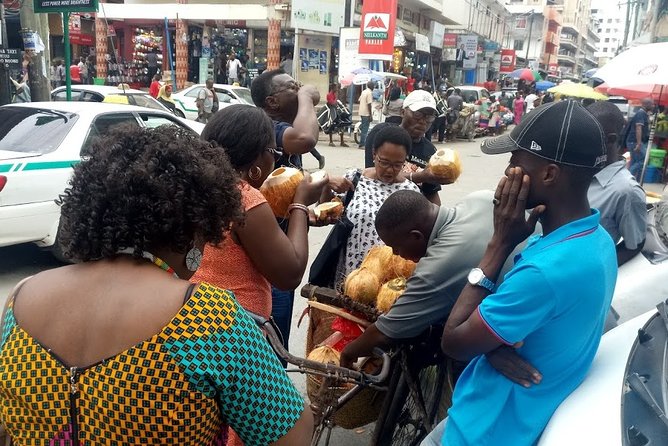
Your tour begins at Kariakoo Market, a place with roots going back to 1916. After the British captured Dar es Salaam from the Germans during World War I, the British built a depot for their carrier corps that was no longer needed. The governor then allowed the building to be used as a market, and the name evolved into what people recognize today.
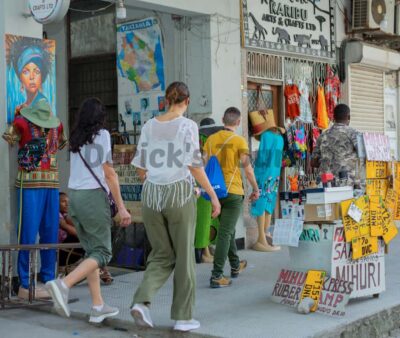
This is not a museum stop. Plan on walking, looking, and getting a feel for how people trade and negotiate. You have about one hour here, with an admission ticket included. That hour is a good length for a first encounter, especially if you want photos and a careful look without getting tired.
If you are sensitive to crowds, Kariakoo can feel intense because it is active and practical. Go with a calm mindset, dress comfortably, and keep your phone secure.
St Joseph’s Cathedral: Gothic details, harbour views, and German inscriptions
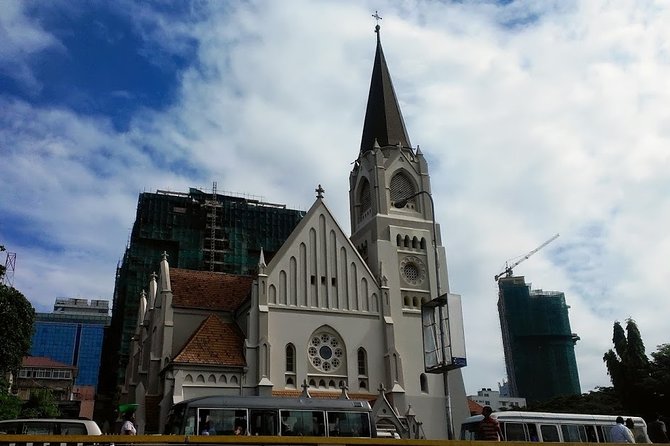
After Kariakoo, you pass major landmarks around Mnazi Mmoja, including Uhuru Torch Monument, and you head toward the Roman Catholic Cathedral with views over the harbour. The stop is St Joseph’s Cathedral of the Archdiocese of Dar es Salaam, and it is considered the first Roman Catholic Cathedral on Tanzania’s mainland.
This is a short stop, about 30 minutes, but it has strong visual payoffs. The main building took five years to complete (1897 to 1902) and was consecrated on October 15, 1908. The cathedral is Gothic in style, with a shingled spire and a vaulted interior, plus carved relief above the main altar.
One detail I love for visitors is that the interior still retains original German inscriptions. That is the kind of layered colonial footprint you usually only notice when you can actually stand in the space. If you enjoy architecture and want a break from market noise, this stop gives your eyes something different.
Askari Monument: a 15-minute history snapshot
From the cathedral area, the route continues toward Askari Monument. The stop is brief, about 15 minutes, and the admission is free.
Askari Monument reflects shifting control in the early 1900s. It was built by the British colonial government in 1911 to replace an earlier statue mounted by the German colonial government. That earlier German statue commemorated Major Herman von Wissmann, appointed as governor of German East Africa in 1895. After Germany’s defeat in World War I, the British demolished the statue in 1916.
Even in a short visit, you can see how the monument fits into Dar es Salaam’s layered past. If you love history, you will probably wish you could linger, but the time is still enough to grasp the story.
National Museum of Tanzania: Museum and House of Culture for culture lovers
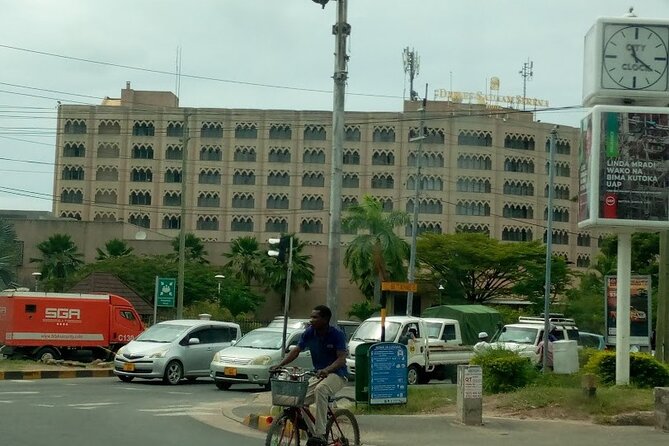
Next up is the National Museum of Tanzania, also known as Museum and House of Culture (MHC). This museum is the first National Museum established in Tanzania, with origins starting in 1937 and opening to the public on December 7, 1940. It was initially called the King George V Memorial Museum, then renamed to the National Museum in 1962.
You get about 45 minutes, with the admission ticket included. That might sound short, but for many visitors it is the sweet spot for getting oriented. You can see key collections and understand the museum’s purpose without feeling rushed all day.
The name Museum and House of Culture hints at what to expect: cultural context rather than only objects. If you want a stop that gives meaning to the day, this one does the job.
Kivukoni Fish Market: eight zones, auctions, and the working day
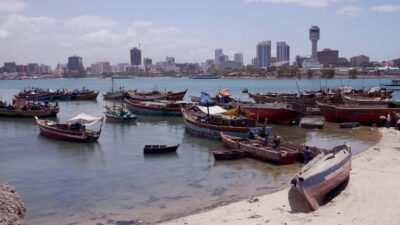
This part is for people who like real local life. Kivukoni Fish Market is active, and you will see fishers selling their catch to restaurant owners and home shoppers. The market is organized into two main sections with eight zones, one of which is the auction area.
As you move through, you can see what happens after the catch. In some zones fish are cleaned and cooked, then resold at prices that are typically higher than the initial catch price. That detail matters because it shows you the whole value chain, not just the moment fish hits the floor.
Before you head down to the market, you pass along the Tanzania State House, and taking pictures is not allowed there. Keep that in mind if you love quick photo stops. You do have about one hour at Kivukoni, with an admission ticket included.
Practical tip: wear shoes that handle wet floors or uneven surfaces. Even if you only look, the market environment is meant for work, not for slow strolling.
Village Museum, Kijiji cha Makumbusho: traditional houses and ngoma dance
After the fish market, the day shifts from the coast to a more cultural, village-style experience. You take transport toward Morocco Road and then a tuk tuk to Village Museum, also called Kijiji cha Makumbusho.
You spend about 1 hour 30 minutes here, and admission is included. The museum features around twenty traditional houses representing over 120 ethnic groups found in Tanzania. Visitors can get into the houses, so it is not just viewing from behind a barrier.
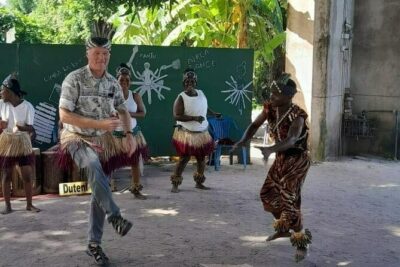
This stop has two parts: walking through the homes and learning what each space represents, then a chance to watch traditional ngoma (dance) sessions that have been arranged for your visit. If you like performances but you do not want a late night, this is a strong fit. It is structured, and it is easier than hunting for a separate cultural show.
If your schedule is tight, you may want to pace yourself here. The Village Museum is the kind of place where you can keep wandering if you get interested, so watch the guide’s timing.
Mwenge Woodcarvers Market: ebony crafts and souvenir reality
To end, you visit Mwenge Woodcarvers Market. This is your chance to see wood carvers at work and browse finished products made from African black tree, often called ebony.
You get about 30 minutes, with admission included. That is enough time to look closely, understand the variety, and grab something meaningful without turning the final leg into a long shopping detour.
If you are shopping for gifts, set a simple rule for yourself before you arrive: decide what kind of item you want, and compare craftsmanship rather than just price. Markets like Mwenge can offer everything from small carvings to larger pieces, and the best finds usually come from asking questions and looking carefully.
Price and value: what $117 covers and why it can be fair
The price is $117.00 per person, and it usually gets booked about 58 days in advance on average. The total duration is around 6 to 7 hours, which is a full practical day without feeling like a marathon.
What makes the value feel reasonable is what is included. You get pickup options, transport, and all fees and taxes. Many visitors struggle with the added costs of entrance fees when they travel independently. Here, tickets are included for multiple stops like Kariakoo Market, St Joseph’s Cathedral, the National Museum, Kivukoni Fish Market, Village Museum, and Mwenge Woodcarvers Market.
Two costs to keep in mind. First, lunch is not included, so you pay directly to your hotel during the break. Second, you may still want to plan a budget for small tips. Tips for driver or guide are not included.
Also, check whether group discounts apply to your booking. Since the tour is private and only your group participates, discounts may depend on how you book.
Logistics you will actually care about
This is a private tour, meaning only your group goes with the guide. That can feel more comfortable in markets and indoor stops because you are not constantly adjusting around strangers. It also helps when you want photos at a church or want a calmer pace at the museum.
You get a mobile ticket and confirmation at booking. The tour also includes provided bottled drinking water, which is a simple but important detail in warm weather.
Good weather matters. The experience requires good weather, and if it is canceled due to poor weather, you will be offered a different date or a full refund.
If you are sensitive to long walking stretches, note that the day includes walking through markets and visiting indoor spaces. There is no stated accessibility detail beyond the note that most travelers can participate, so it is wise to plan based on your own mobility needs.
Who should book this Dar es Salaam city tour
This tour is a great match if you want a first-time overview that is still grounded in everyday places. It works well for cruise passengers or anyone with a limited window, since pickup coordination can be handled and the day is time-managed.
It is also a solid choice if you like a mix of categories: one hour in a major market, short architecture time at St Joseph’s Cathedral, a quick history stop at Askari Monument, then culture at the National Museum and Village Museum. Ending with Mwenge gives you a practical souvenir option.
If you only want beaches or a long relaxing afternoon, this is not that type of tour. This is active city sightseeing with real local stops.
Should you book it
I think you should book this Dar es Salaam city tour if your priority is clear value and less hassle. Pickup, transport, and ticketed stops remove a lot of friction. The day’s mix also makes sense: working markets for texture, landmark architecture for perspective, and a cultural village stop with ngoma for emotion.
You might skip or adjust your plans if you dislike structured schedules or you hate market crowds. Also, factor in that lunch is on you, so do not expect the day to be fully covered from start to finish.
If your idea of a great day is seeing how Dar es Salaam functions, not just snapping photos from the car, this tour fits the bill.
FAQ
How long is the Dar es Salaam City Tour?
The tour lasts about 6 to 7 hours.
How much does the tour cost?
It costs $117.00 per person.
Is pickup included?
Yes. The tour offers pickup, including hotel pickup, and it also allows ferry or port pickup.
Are entrance fees included?
All fees and taxes are included. Admission tickets are included for Kariakoo Market, St Joseph’s Cathedral, the National Museum of Tanzania, Kivukoni Fish Market, Village Museum, and Mwenge Woodcarvers Market. Askari Monument is free.
Is lunch included?
No. Lunch is not included, and you will pay directly to the hotel during the lunch break.
Is the tour private?
Yes. It is a private tour/activity, and only your group will participate.
Do I receive a ticket on my phone?
Yes. A mobile ticket is included.
What happens if the weather is bad?
The experience requires good weather. If it is canceled due to poor weather, you will be offered a different date or a full refund.
What is the cancellation policy?
You can cancel for free. You can cancel up to 24 hours in advance for a full refund. If you cancel less than 24 hours before the start time, the amount paid is not refunded.
Dar es Salaam and Its Coast
- Dar es Salaam: City Tour
★ 4.7 · 159 reviews - Dar es Salaam City Center: Walking Tour
★ 4.8 · 102 reviews - Dar es Salaam City Tour – Everyday
★ 5.0 · 64 reviews - 2 Days 1 Night Mikumi National Park from Dar es salaam
★ 5.0 · 60 reviews - The Best/Top Rated Cultural City Tour in Dar es Salaam
★ 5.0 · 57 reviews
Just added from around Dar es Salaam




Dar es Salaam City and Coastal Escapes, compared.
 ★ 4.7Dar es Salaam: City TourFrom $77159 reviews
 ★ 4.8Dar es Salaam City Center: Walking TourFrom $30102 reviews
 ★ 5.0Dar es Salaam City Tour – EverydayFrom $9764 reviews
 ★ 5.02 Days 1 Night Mikumi National Park from Dar es salaamFrom $67060 reviews
 ★ 5.0The Best/Top Rated Cultural City Tour in Dar es SalaamFrom $9057 reviews
 ★ 5.0Private Full-Day Trip to Mikumi National Park from Dar es SalaamFrom $55054 reviews
 ★ 5.0Dar Es Salaam City Tour (Full Day With Private Guide And Car)From $14539 reviews
 ★ 4.5Full-Day Private Tour of Dar es SalaamFrom $16037 reviews
Browse the lists this tour appears in