
REVIEW · SERENGETI NATIONAL PARK SAFARIS
4 Days Tarangire, Serengeti, Ngorongoro Group Camping Safari
First night under the stars sets the tone. This 4-day camping safari stitches together Tarangire elephants, Serengeti big-plains wildlife, and the Ngorongoro Crater for a concentrated wildlife run that starts and ends in Arusha. I especially like that the experience is shaped by the guide, with past groups praising guides like Steve and Anthony for finding animals and keeping the drives safe and fun.
Two other things I like a lot: the small group setup (up to 6 people), and the camping rhythm that keeps you close to the action, with meals handled in camp so you are not hunting down snacks after long drives. One drawback to consider is vehicle comfort. One verified booking criticized the safari car as being in bad shape, so it is smart to ask how your vehicle will be maintained for road time.
In This Review
- Key things that make this safari feel worth it
- Why this 4-day Tarangire to Ngorongoro route is a smart use of time
- Camping under the stars: what you get and what to plan for
- Day at Tarangire National Park: elephants and baobabs first, no overthinking
- Serengeti on the plains: where predator energy meets huge views
- Ngorongoro Crater day: the UNESCO caldera where sightings get stacked
- Guide quality and small group size: what you feel during the drive
- Price and value: what $1,150 buys, and what you should sanity-check
- Packing and safari rules that actually affect your day
- Who should book this camping safari, and who should skip it
- Should you book this 4-day Tarangire, Serengeti, Ngorongoro camping safari?
Key things that make this safari feel worth it
- Tarangire elephant herds plus classic baobab views, with game drives planned for good sightings
- Serengeti wide-open plains where you have a real shot at predators on the move
- Ngorongoro descent into the UNESCO caldera, often the best place on this route for dense wildlife viewing
- Camping with meals included, so you can focus on the game drives instead of logistics
- Shared binoculars in the vehicle, helpful if you do not want to carry your own
More of the Serengeti, drive by drive
- 4 Days Tarangire, Serengeti, Ngorongoro Group Camping Safari★ 4.7 · 30 reviews
- 3 Days Serengeti & Ngorongoro Group Camping Safari★ 4.8 · 7 reviews
Why this 4-day Tarangire to Ngorongoro route is a smart use of time
Four days is not long in safari terms, so you have to do the right kind of trip. This one is built around three top Tanzanian areas that each do something different. Tarangire leans elephant and baobabs, Serengeti leans broad-plains predators, and Ngorongoro concentrates wildlife inside one volcanic bowl.
You also get a practical pacing. Game drives happen early and again later in the day, then you transition between parks with 4×4 vehicle transport. That makes it easier to keep your energy for the moments you actually came for: animals, not sitting.
And since it starts and ends in Arusha, you avoid extra travel days just to position yourself. For many people, that alone makes the whole trip feel smoother.
Camping under the stars: what you get and what to plan for
This is a camping safari, not lodge-only. You will spend nights at camps connected to the wildlife areas you are visiting, with accommodation and meals included during the safari.
That camping setup changes your safari mood. The days are about being out on the ground in the wild, then camp brings you back to quiet moments, sounds at night, and the simple routines of safari life. In one booking, the food experience stood out, with a chef preparing meals multiple times a day, and that kind of camp service is a big part of why people rate these trips so highly.
The main planning issue is weather. Even in Tanzania, nights can get cold, and the guidance here is to bring a warm sweater, socks, and a jacket. They mention temperatures dropping to around 5°C at night, so plan like it is a cool mountain evening, not a tropical bedtime.
Day at Tarangire National Park: elephants and baobabs first, no overthinking
Tarangire is often the easiest park on the route to fall for, and this plan leans into it right away. After an early departure from Arusha, you reach Tarangire and go straight into your first game drive.
Tarangire is famous for large elephant herds and for the baobab trees that shape the whole scenery. That combination matters because it gives you both spectacle and texture. You are not only spotting animals, you are seeing them in a landscape that looks instantly recognizable.
You will get a full morning drive, lunch in the park, then an afternoon game drive. I like this split because morning is often when animals feel more active, and afternoon adds a second chance without making your day feel rushed. When you are in a short trip, getting two drive blocks in one park is a real value move.
Practical note: the safari rules here include no touching animals, and no feeding. That is not just for ethics. It also keeps the experience safe and avoids dangerous habits around wildlife.
Serengeti on the plains: where predator energy meets huge views
On day two, you move from Tarangire toward Serengeti National Park. The drive itself is part of the day, but your time in Serengeti is what you are here for: big cat territory, zebras, and the constant motion of the ecosystem.
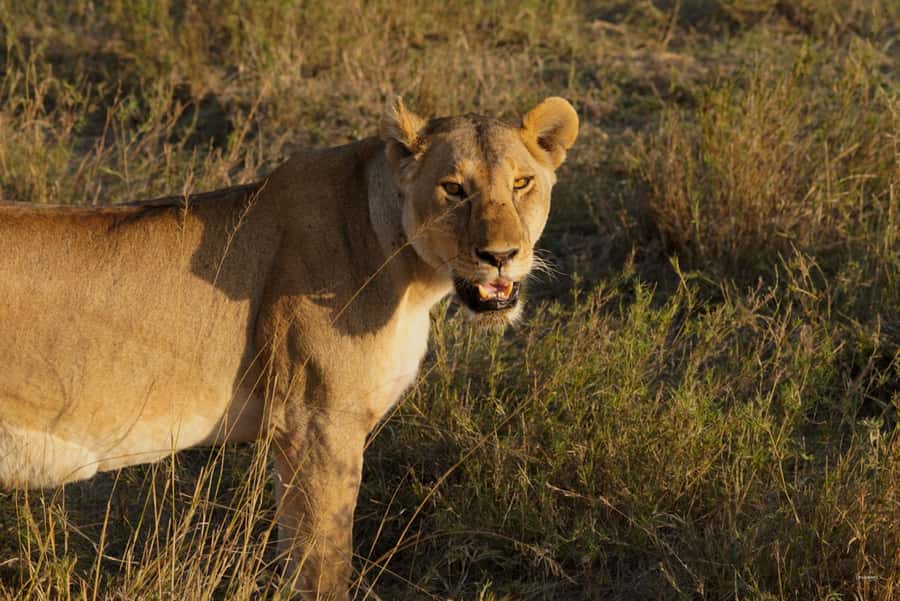
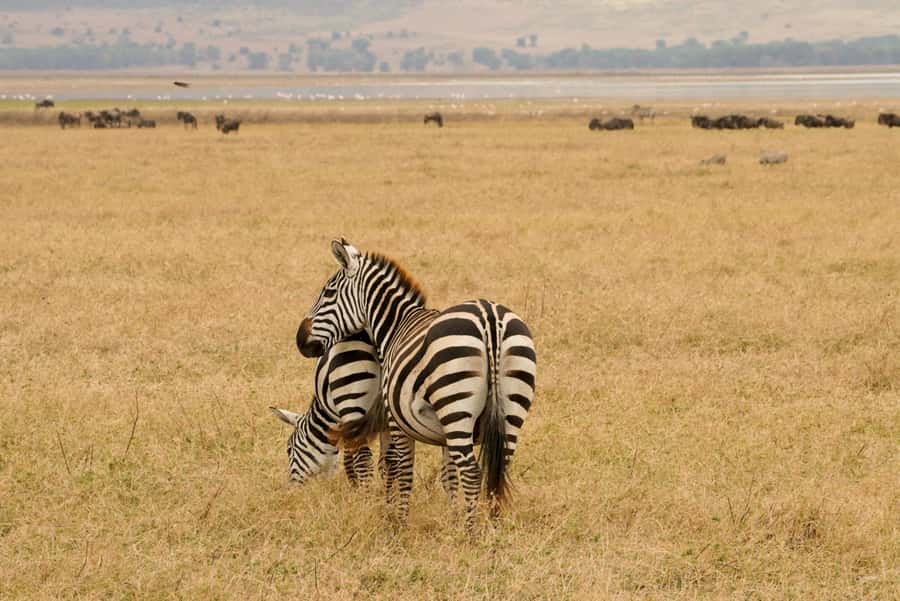
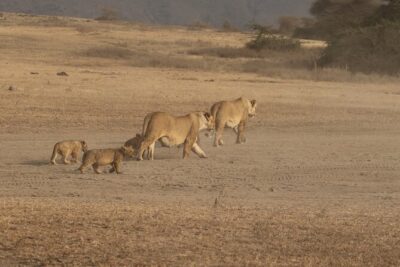
You get an afternoon game drive once you arrive in Serengeti. Lions, cheetahs, zebras, and more are on the list of possible sightings, and the vibe in Serengeti is different from the more niche-feeling parts of Tarangire. Here, you are watching animals use distance, open ground, and timing.
Then day three starts early with a sunrise game drive. Sunrise drives matter because predator behavior can shift at dawn, and light conditions help you spot animals at longer distances. If you care about seeing movement as much as you care about seeing species, sunrise is where your odds climb.
I also like that you get camp time after morning viewing, with lunch back at camp and then a transfer toward Ngorongoro later. It keeps the days from feeling like one long grind.
Ngorongoro Crater day: the UNESCO caldera where sightings get stacked
Ngorongoro is the endgame for many safari plans, and this one gives it a full day of focused time. You descend into the crater for a game drive in a UNESCO World Heritage site setting.
The crater is a volcanic caldera, and what makes it special is the density effect. Instead of scattering your search, you work within a defined space where wildlife concentrates. The information here also highlights the possibility of seeing the Big Five in the crater, which is why this stop gets so much attention.
You drive down for the morning viewing, then head back up to the rim and return to Arusha in the afternoon. That means you get the wow factor of the crater experience, then you do not spend your last day dragging through transfers without a payoff.
One small consideration: the day includes both long viewing and a descent and ascent. The tour is not suitable for people with back problems, and wheelchair users are not included. If your body does not handle rougher conditions well, it is worth thinking through your comfort before committing.
Guide quality and small group size: what you feel during the drive
This safari runs with a professional English-speaking guide, and the group is limited to 6 participants. That smaller cap changes how your day feels. You are less likely to get stuck in a one-size-fits-all rhythm, and you are more likely to get the guide’s full attention.
In the reviews you can spot the guide effect clearly. One booking praised Steve for friendliness and for helping the group see big wildlife, plus memorable camping and food. Another booking called out Anthony for being cheerful and for guiding well even on rougher paths, with especially strong meal service.
You also get a shared tool setup. Binoculars are mentioned as available for sharing within the vehicle. If you wear glasses or have a preferred model, you might still want to bring your own, but if you do not, the guide-provided option should cover the basics.
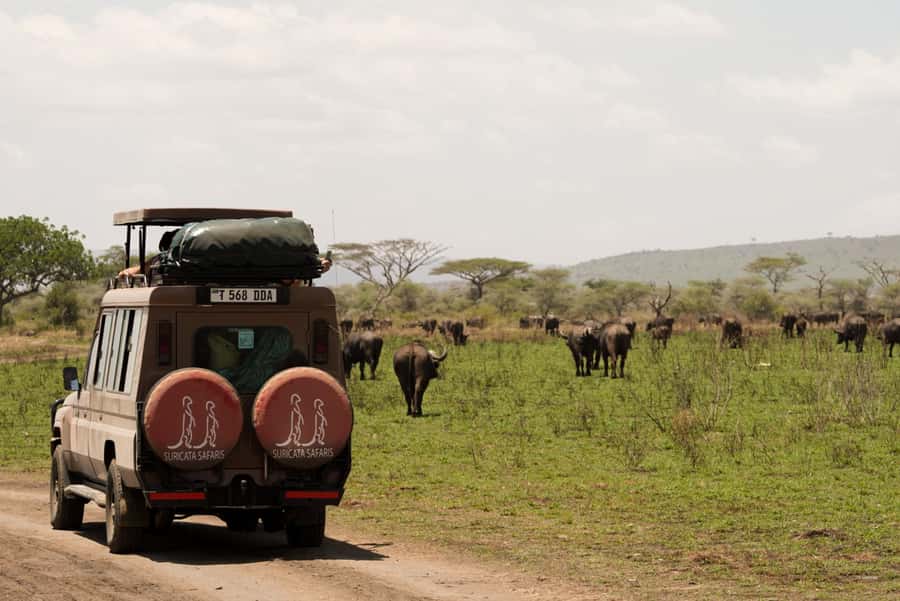
Transport is by 4×4 safari vehicle, with mineral water provided during the safari. The ride time is a big part of the experience, so vehicle condition matters. Since one verified booking complained about the car, I would treat vehicle comfort as a legitimate checklist item when you confirm your departure.
Price and value: what $1,150 buys, and what you should sanity-check
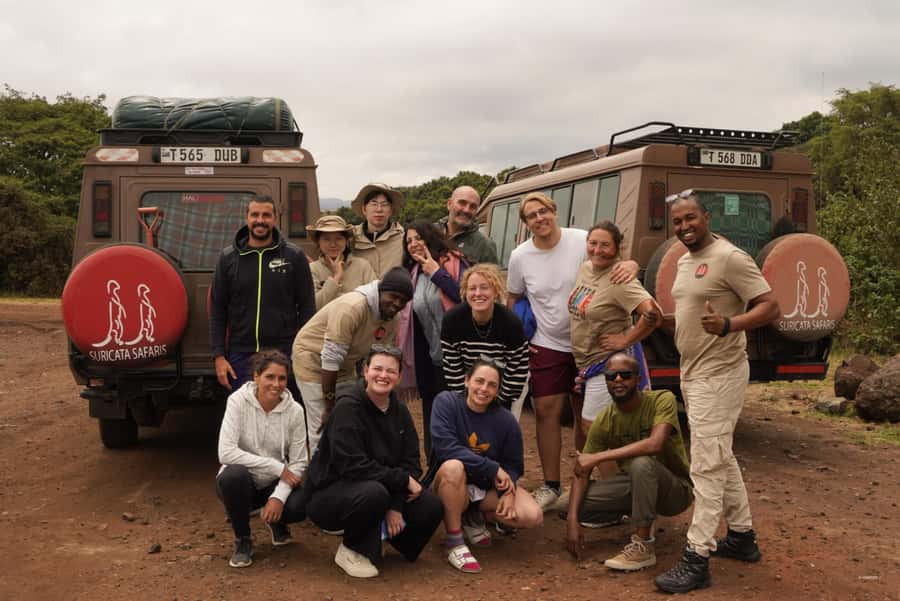
At $1,150 per person for 4 days, you are paying for a bundle: park access, a guide, transport in a 4×4 vehicle, and your accommodation plus meals during the safari. You are not just buying game drives. You are buying time in three major conservation areas with a guide handling the hard parts.
The included list matters here:
- 4×4 safari vehicle transportation
- Professional English-speaking guide
- Park entrance fees
- Mineral water during the safari
- Accommodation and meals during the safari
That is important because safari costs add up fast when you are paying separately for guides, vehicle, and entry fees. Bundling tends to be better value when you want the route done efficiently.
What is not included is also crucial for budgeting. Visa and flights are not included, and travel insurance is not included. You should also plan your own transport costs for getting to Arusha. For most travelers, those are the two budget items that can surprise you if you only look at the safari price.
So is it good value? For the combination of parks, the small group size, and camping with meals included, the structure looks like it aims to give you a high-sighting, low-logistics trip. The main value risk is if vehicle comfort does not meet your standards, given that one booking criticized the car. That is solvable with one question before you go.
Packing and safari rules that actually affect your day
You have clear guidance on what to wear and carry. They recommend neutral colors like white, beige, and green. That is about visibility and minimizing disturbance while you are watching animals at close range.
At night, temperatures can drop to about 5°C, so bring a warm sweater, socks, and a jacket. Long drives plus cool evenings can catch people off guard, especially if you pack like it is a beach trip.
You are also given practical limits:
- Luggage limit: 10 kg per person
- Duffel bags are recommended
- Additional luggage can be stored at the hotel storage room
If you are traveling with extra camera bags or shopping bags, that 10 kg cap can become the difference between a smooth day and an annoying repacking session. Build your packing like a minimalist traveler.
Mosquito protection is specifically suggested: mosquito repellent with a high mint concentration. Pack it in a way you can reach it quickly when you are settling into camp.
And stick to the in-park rules:
- Feeding animals is not allowed
- Bright colors are not allowed
- Touching animals is not allowed
Those rules keep you safe and keep animals wild. They also help the guide control the situation if you happen to get tempted by a close encounter.
Who should book this camping safari, and who should skip it
This is a good match if you:
- Want a wildlife-heavy trip across Tarangire, Serengeti, and Ngorongoro in a short time
- Prefer a small group and a guide-led experience
- Are comfortable with camping and cool nights
It is not a great match if you:
- Have back problems (the route includes rougher conditions)
- Use a wheelchair (wheelchair users are not suitable)
- Are traveling with a baby under 1 year
- Are over 95 years (not suitable)
If any of those are you, do not gamble. Ask for an alternative format with different vehicle and comfort assumptions.
Should you book this 4-day Tarangire, Serengeti, Ngorongoro camping safari?
My practical call: book it if you want the classic Tanzania route, you are okay with camping and cold nights, and you value a small group with a strong guide. The way this trip is put together gives you multiple drive blocks and focuses your time where wildlife viewing is most likely.
Before you pay, do two things. First, confirm how vehicle comfort will be handled for your specific departure date, since one past booking criticized the car condition. Second, pack for cold evenings and stick to neutral clothing, because those choices affect how comfortable you feel and how smoothly the safari rules go.
If you want an efficient, wildlife-first safari with camping life built in, this one makes a lot of sense for four days in Tanzania.
Still Thinking About the Crater?
- 3 Days Serengeti & Ngorongoro Group Camping Safari
★ 4.8 · 7 reviews
The Serengeti, Three More Ways
- Serengeti National Park: Balloon Safari at Dawn
★ 4.2 · 14 reviews - 3 Days Serengeti & Ngorongoro Group Camping Safari
★ 4.8 · 7 reviews
Just added from around Serengeti National Park
Serengeti National Park Safaris, compared.
 ★ 5.0Serengeti Balloon Safari and authentic bush breakfastFrom $5502,480 reviews
 ★ 5.0Balloon Safari & Bush Breakfast in Serengeti – Miracle ExperienceFrom $5991,646 reviews
 ★ 5.03 Days Serengeti & Ngorongoro Group Camping SafariFrom $815574 reviews
 ★ 5.05-Day Highlights mid-Range Crater, Serengeti, TarangireFrom $2,327296 reviews
 ★ 5.0Safari Serengeti And NgorongoroFrom $2,845288 reviews
 ★ 5.03-Day Classic Serengeti SafariFrom $1,455263 reviews
 ★ 5.0Private 6-Day Tarangire Manyara Crater and Serengeti with Mid-Range LodgesFrom $2,685238 reviews
 ★ 5.05 Days Camping Tarangire, Serengeti & Ngorongoro crater & Visiting MaasaiFrom $1,254229 reviews