
REVIEW · SERENGETI NATIONAL PARK SAFARIS
3 Days Serengeti & Ngorongoro Group Camping Safari
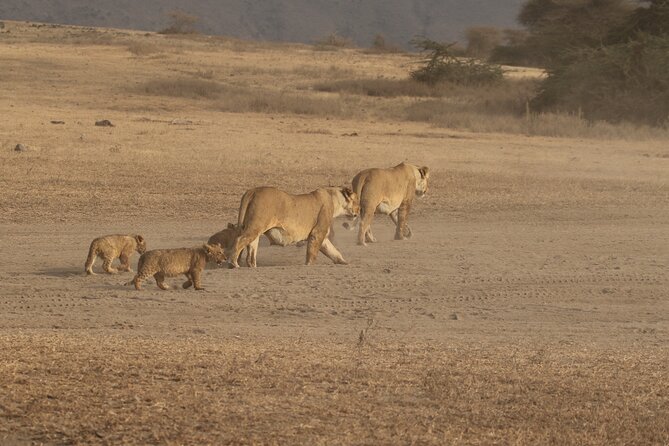
Serengeti nights beat most movie scenes. I like the small-group setup (max 6) because it keeps the safari feel personal, and I love how the game drives are run with expert eyes for animals and behavior, not just hoping for luck. When guides like Adam and Gerald are on top of sightings, you spend more time watching and less time guessing.
Here is the one real tradeoff: camping means you should expect chilly evenings and basic comfort. Even with good camp organization and hot shower options at Ngorongoro, you’ll still be living closer to nature than on a lodge trip.
In This Review
- Key things that make this safari feel worth it
- Why this 3-day Serengeti and Ngorongoro group camping trip makes sense
- Day 1: Arusha to Serengeti plains game drive and night under canvas
- Day 2: Sunrise Serengeti spotting, then the road to Ngorongoro
- Day 3: Descend into Ngorongoro Crater for concentrated wildlife viewing
- Camping comfort, food, and what nighttime really feels like
- Guides and vehicles: how you get closer without disturbing wildlife
- Price and logistics: is $900 a good deal?
- Packing list that saves you on safari (neutral clothes, 10kg limit, repellent)
- Safari rules that keep wildlife wild (and your photos better)
- Who should book this tour, and who should skip it
- Should you book this Serengeti and Ngorongoro camping safari?
- FAQ
- How long is the Serengeti and Ngorongoro group camping safari?
- Where does the safari start and end?
- What group size is this safari?
- Is there an English-speaking guide?
- What is included in the price?
- What is not included?
- How much luggage can I bring?
- Are binoculars provided?
- What should I avoid doing during wildlife viewing?
Key things that make this safari feel worth it
- Small group size (up to 6) helps you hear the guide and get more focused attention.
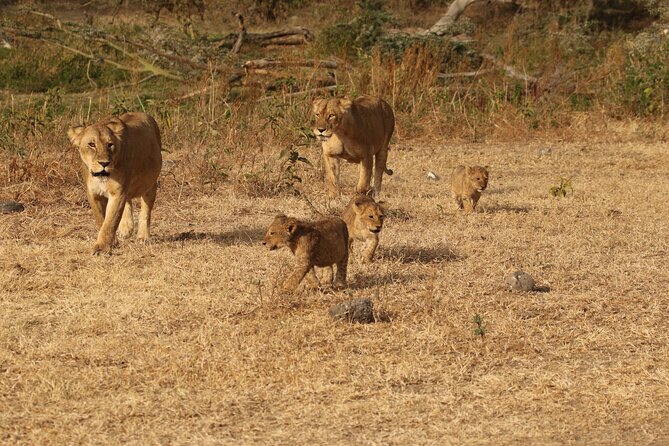
- Big Five focus for lions, elephants, buffalo, leopards, and rhino sightings planning.
- Camp locations that change the vibe between Serengeti plains nights and Ngorongoro crater mornings.
- Guides with strong animal know-how such as Adam, Gerald, and John, who aim for close viewing without bothering wildlife.
- Food handled by the camp team, including Tito, who is praised for delicious meals.
- Early starts, big results with sunrise game drives in Serengeti and a crater descent on Day 3.
More of the Serengeti, drive by drive
- 4 Days Tarangire, Serengeti, Ngorongoro Group Camping Safari★ 4.7 · 30 reviews
- 3 Days Serengeti & Ngorongoro Group Camping Safari★ 4.8 · 7 reviews
Why this 3-day Serengeti and Ngorongoro group camping trip makes sense
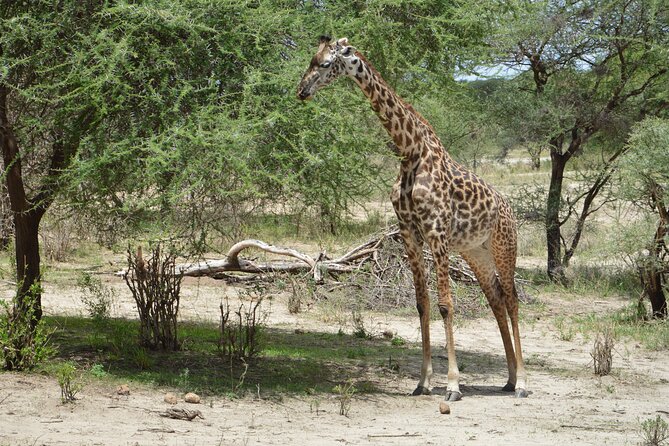
This is a classic Tanzania combo: Serengeti National Park first, then Ngorongoro Conservation Area for the crater finale. You get three full days of safari time with a real rhythm, not a rushed “see everything” checklist.
The value is in what’s included. Your 4×4 safari vehicle is lined up, park entrance fees are covered, and you’re fed and housed during the safari. For many people, that matters more than trying to piece together drivers, permits, and meals yourself.
I also like that the trip is built around camping, not a switch to luxury halfway through. Camping is not everyone’s choice, but it does make wildlife feel closer because you wake up to the sound of the savanna and go to bed under the sky.
Day 1: Arusha to Serengeti plains game drive and night under canvas
Day 1 starts with an early departure from Arusha, with pickup handled by a company representative who meets you at your hotel reception, holding a sign with your name. That simple “find the group” step saves time and stress on arrival day.
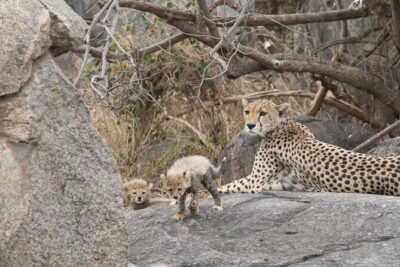
You’ll drive toward Serengeti and stop for lunch once you arrive. Then comes the afternoon game drive, when the light is softer and animals often move in predictable patterns across the plains. This is the day where you start training your eye: look for movement, watch how predators position themselves, and don’t ignore the smaller species that show up once you slow down.
At night, you camp in the Serengeti. In one account, the camp experience is described as a bit outside comfort, with less shower comfort and loud wildlife nearby. That’s not a flaw for the right traveler. It’s part of the point. If you want your safari to feel real, not just photo-real, this is where it begins.
Day 2: Sunrise Serengeti spotting, then the road to Ngorongoro
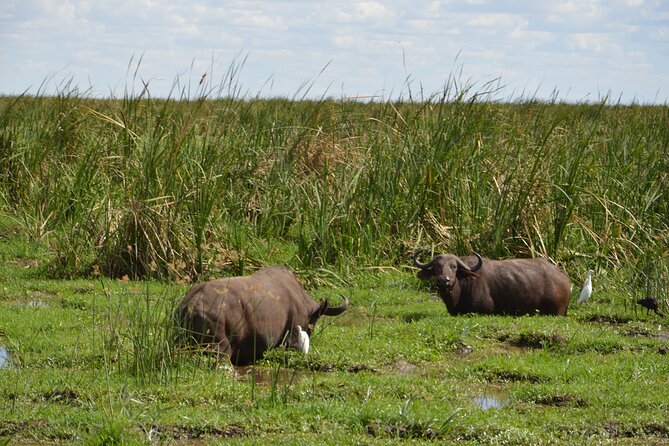
Day 2 begins with an early morning game drive in Serengeti. Sunrise is prime time because animals are active and visibility is better before the heat thickens the air. You’ll have a chance to build on Day 1 sightings, and that repetition is useful, because once you know what you’re looking at, you start seeing more.
After lunch, you drive away from Serengeti and head to the Ngorongoro Conservation Area. The road trip matters more than you might think. It’s when the trip tempo shifts from wide-open plains to the dramatic crater world ahead. This day also gives you a chance to rest, hydrate, and get ready for the big finale.
Then you overnight near Ngorongoro, with camp set up so you can wake early on Day 3. In one described experience, Ngorongoro camp provides better creature comforts like hot showers, plus memorable wildlife moments close to camp, like a zebra sighting.
Day 3: Descend into Ngorongoro Crater for concentrated wildlife viewing
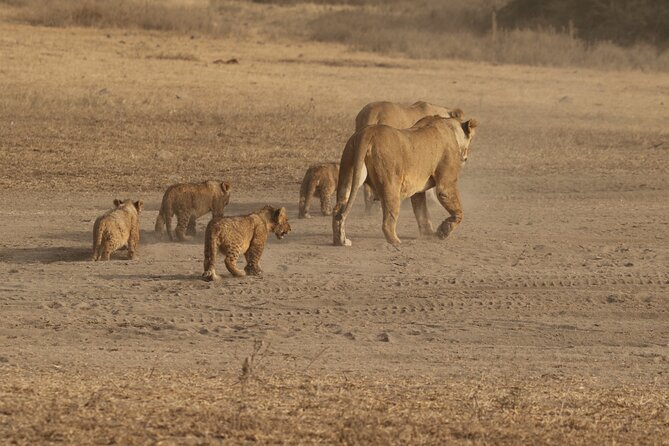
Day 3 is the money day. You wake early, then descend into the Ngorongoro Crater for a game drive. This crater is a UNESCO World Heritage site, and the main reason people love it is simple: wildlife concentrates in a smaller area, so you get more encounters in less time.
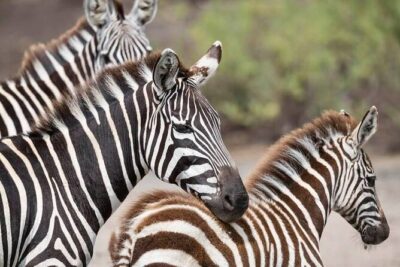
The crater is home to species you’ll recognize and some you may not. Expect to see elephants, lions, zebras, and flamingos, among other animals. The views also work like a natural amphitheater. You don’t just spot animals, you also watch how they move through the crater’s terrain.
After your morning drive, you head back to Arusha. You should plan for an afternoon arrival. This finish is ideal because you’re not stuck rushing into the next day’s plans while you still feel safari-tired.
Camping comfort, food, and what nighttime really feels like
Camping is a big decision for a safari. I like that this trip is honest about what you should pack and what conditions to expect.
You’ll want warm layers. The guidance for this safari suggests nighttime temperatures can drop to around 5°C. That’s cold enough to make a difference if you arrive thinking “it’s Africa, so I’ll be fine.” Bring a warm sweater, socks, and a jacket. Even on days with great sun, the temperature swing can sneak up on you.
Shower and toilet comfort depends on the camp setup. One experience notes that the Serengeti camp may have no hot water, while Ngorongoro camp offers hot showers. That variation is normal in the camping world, so set your expectations before you go.
Food is one of the standout positives. The camp cook is praised for amazing meals, with specific mention that you can’t wait to see what’s served next. Tito is named for delicious food in at least one account, and that kind of repeat praise tells me meal quality is being taken seriously, not treated like an afterthought.
Small but important details matter too. You should bring a towel for shower and toilet paper since those are not included.
Guides and vehicles: how you get closer without disturbing wildlife
This safari works because the guiding focuses on animal viewing skills. The guides are English-speaking and help you spot wildlife, understand behavior, and position the vehicle for good sightlines.
In the accounts I read, people specifically praise how guides get as close as possible without messing with animals. That’s the line you want to walk. On safari, your job is observation, not intervention. If a guide like Adam or John is steering the experience, you’re likely to spend time watching real behavior rather than bouncing around for pictures.
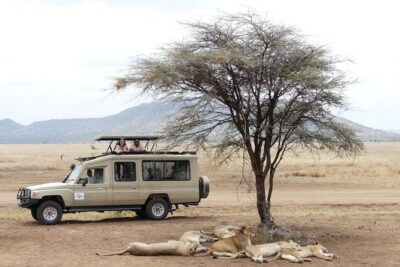
The vehicle is a 4×4 safari truck, built for park roads and changing conditions. Grouping matters here too. With a maximum of 6 participants, you’re not stuck behind a crowd trying to see over shoulders. You also usually get more interaction, because the guide has fewer people to manage at once.
One more practical detail: binoculars. You should expect that guides have binoculars to share in the vehicle. That’s helpful if you didn’t bring your own.
Price and logistics: is $900 a good deal?
At $900 per person for a 3-day trip, the value depends on what you’d have to arrange yourself. Here, a lot of the “hard to coordinate” parts are already handled.
Included items are clear: 4×4 transport, an English-speaking professional guide, park entrance fees, mineral water during the safari, plus accommodation and meals during the safari. Those are big costs if you try to DIY.
What’s not included is also important for budgeting. Visa, international and domestic flights, tips for driver and guide and chef, plus travel insurance are separate. Also remember you’ll likely want to pay for things like souvenirs, extra drinks, and anything personal you didn’t plan.
As a quick reality check, this price becomes easier to justify if you want a guided experience with park access, food, and camping logistics handled. If you’re comfortable organizing those parts on your own, you might find cheaper options. But for most people, the convenience is worth real money.
The booking approach also offers flexibility, including free cancellation up to 24 hours in advance and a reserve now, pay later option.
Packing list that saves you on safari (neutral clothes, 10kg limit, repellent)
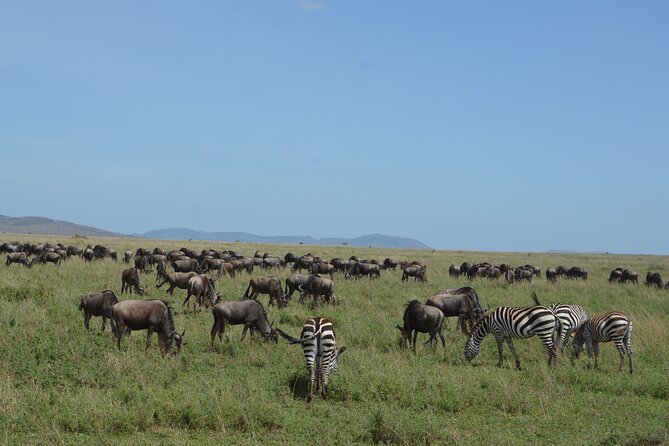
Pack light and pack smart. This safari has a luggage limit of 10kg per person. If you have extra, you can store additional luggage in the hotel storage room. A duffel bag is recommended because it’s practical in vehicle and camp setups.
Clothing should be neutral. The guidance says neutral colors like white, beige, and green work best. Bright colors are not allowed on the safari, and that’s not just a rule, it’s also about blending in with the environment and animals’ comfort.
Bring a mosquito repellent with a high mint concentration, and plan for early mornings and cold nights. Comfortable socks help too, because you’ll be moving around camps and game viewing stops more than you expect.
Two things you might forget: binoculars and a towel. Binoculars are addressed by the safari team via shared availability, but towel and toilet paper are not included.
Finally, remember you also have behavior rules to follow, like no feeding animals and no touching animals. If you keep that in mind, packing becomes easier because you’re not planning for anything messy or complicated.
Safari rules that keep wildlife wild (and your photos better)
This trip includes standard park and wildlife etiquette rules, and they’re easy to follow once you know them.
- No drones.
- Do not feed animals.
- No bright colors.
- Do not touch animals.
Those rules matter because they protect wildlife and also keep the experience safer for you and for the animals. Also, when animals aren’t being disturbed, your guide can focus on what animals are naturally doing, not what they’re doing because of people.
If you’re photographing, stick with normal behavior. Let the guide call the shots about where to park and when to move.
Who should book this tour, and who should skip it
This is best for people who want classic safari days and don’t mind camping. I’d especially recommend it if you value a small group, early morning drives, and a guide who talks you through what you’re seeing.
It’s also a good pick if you care about the Big Five and want a route that includes both Serengeti game drives and Ngorongoro crater viewing.
That said, it is not suitable for everyone. It’s not recommended for people with back problems, wheelchair users, or babies under 1 year. It’s also not suitable for people over 95 years.
If you fall into any of those categories, you’ll need a different trip style and likely a more accessible vehicle and lodging setup.
Should you book this Serengeti and Ngorongoro camping safari?
If you want a true safari experience where sleep is under the stars, mornings start early, and wildlife viewing is the main event, this is a solid choice. The small group size, the 4×4 transport, the included park fees, and the emphasis on expert guiding make the trip feel focused and good value.
Book it if camping sounds like part of the adventure to you, not a hassle. Bring warm layers, follow the wildlife rules, and treat the experience like a wildlife workshop, not a hotel stay.
Skip it if cold nights and basic camping comfort would stress you out, or if the physical requirements won’t work for your body. Also, if you need a fully luxury setup with consistent shower comfort, choose a different style of safari.
If you want, tell me your travel month and whether you prefer more comfort or more adventure. I can help you decide if camping here matches your style and what to prioritize in packing.
FAQ
How long is the Serengeti and Ngorongoro group camping safari?
It runs for 3 days.
Where does the safari start and end?
It starts and ends in Arusha.
What group size is this safari?
It is limited to a small group of 6 participants.
Is there an English-speaking guide?
Yes. The tour includes a live English-speaking guide.
What is included in the price?
Included are 4×4 safari vehicle transportation, a professional guide, park entrance fees, mineral water during the safari, and accommodation and meals during the safari.
What is not included?
Visa, international and domestic flights, tips for the driver and guide and chef, and travel insurance are not included.
How much luggage can I bring?
The luggage limit is 10kg per person. Additional luggage can be stored in the hotel storage room.
Are binoculars provided?
Yes. Binoculars are available to share in the vehicle through the guide.
What should I avoid doing during wildlife viewing?
Drones are not allowed, and you should not feed or touch animals. Bright colors are also not allowed.
More Under Canvas
- 4 Days Tarangire, Serengeti, Ngorongoro Group Camping Safari
★ 4.7 · 30 reviews
Still Thinking About the Crater?
- 4 Days Tarangire, Serengeti, Ngorongoro Group Camping Safari
★ 4.7 · 30 reviews
The Serengeti, Three More Ways
- 4 Days Tarangire, Serengeti, Ngorongoro Group Camping Safari
★ 4.7 · 30 reviews - Serengeti National Park: Balloon Safari at Dawn
★ 4.2 · 14 reviews
Just added from around Serengeti National Park
Serengeti National Park Safaris, compared.
 ★ 5.0Serengeti Balloon Safari and authentic bush breakfastFrom $5502,480 reviews
 ★ 5.0Balloon Safari & Bush Breakfast in Serengeti – Miracle ExperienceFrom $5991,646 reviews
 ★ 5.03 Days Serengeti & Ngorongoro Group Camping SafariFrom $815574 reviews
 ★ 5.05-Day Highlights mid-Range Crater, Serengeti, TarangireFrom $2,327296 reviews
 ★ 5.0Safari Serengeti And NgorongoroFrom $2,845288 reviews
 ★ 5.03-Day Classic Serengeti SafariFrom $1,455263 reviews
 ★ 5.0Private 6-Day Tarangire Manyara Crater and Serengeti with Mid-Range LodgesFrom $2,685238 reviews
 ★ 5.05 Days Camping Tarangire, Serengeti & Ngorongoro crater & Visiting MaasaiFrom $1,254229 reviews
Browse the lists this tour appears in