
REVIEW · MAASAI VILLAGE AND CULTURAL EXPERIENCES
3 Hour Community Walking Tour
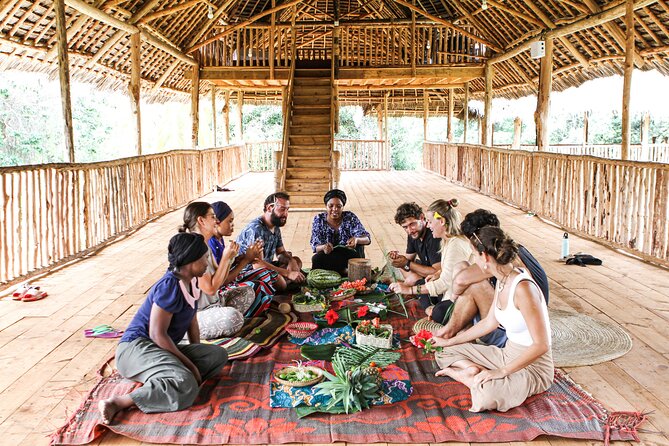
Want Zanzibar, beyond the beach? This 3-hour walk with the Assalam Community Foundation takes you into local life in Kizimkazi Mkunguni, with stops in a fishing village, a farm project, and a community school. You also get coffee and snacks with sea views before finishing with a cooking lesson and the lunch you make.
I especially like the focus on real community support, not just scenery, and the small group size, capped at 10 people, so your guide can answer questions without rushing you. One thing to think about: it runs on good weather, so plan for possible schedule changes if conditions are rough.
In This Review
- Key Things I’d Plan For on This 3-Hour Zanzibar Community Walk
- Why This Zanzibar Walking Tour Feels More Real Than the Usual Stops
- Getting There: Meeting at Assalam Community Foundation in Kizimkazi Mkunguni
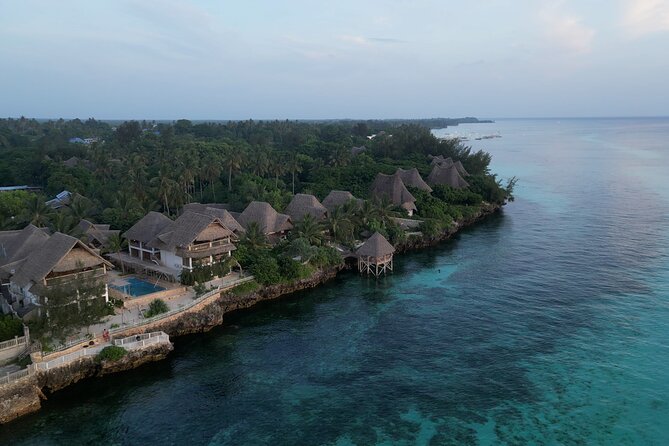
- Mkunguni Fishing Village Walk: Sea Life, Work Details, and Village Scale
- Coffee and Sea Views: A Short Pause That Changes the Whole Mood
- Permaculture Farm Tour: When Food Systems Become a Community Lesson
- Community School Visit: Education and Women Empowerment in One Stop
- Cooking Lesson and Lunch: Turn Learning Into a Meal
- Price, Timing, and Who This Tour Fits Best
- Tips That Make the Day Easier and More Respectful
- Should You Book This Assalam Community Foundation Walking Tour?
Key Things I’d Plan For on This 3-Hour Zanzibar Community Walk
- Small group size (max 10 travelers) keeps the experience personal and question-friendly
- Fishing village walking time in Mkunguni gives you a grounding point for island life
- Permaculture farm stop helps you connect food, farming, and community projects in one flow
- Community school visit shows education in action, including work linked to women empowerment
- Cooking lesson plus lunch means you eat what you learn, not just watch from the sidelines
Other visits hosted by Maasai communities
- Maasai World★ 5.0 · 46 reviews
- Zanzibar Tumbatu Island Cultural Experience★ 5.0 · 4 reviews
Why This Zanzibar Walking Tour Feels More Real Than the Usual Stops
Zanzibar can be a blur of beaches, spice markets, and history tours that skim the surface. This one slows things down and points you toward everyday island rhythms. You start by meeting the Assalam Community Foundation where it’s based in Kizimkazi Mkunguni, then you walk and learn in places tied directly to the community’s work.
The best part is the way the day connects different pieces. You see the fishing village setting, you tour a farm approach, you visit a community school, and then you finish with a cooking lesson. It’s not random. It’s a simple story arc: how people live, how they learn, and how they feed themselves.
You’ll also get those small moments that make a tour feel human. Coffee and snacks with sea views is the kind of break that stops the tour from feeling like a checklist. You get to catch your breath, look around, and ask questions while things are calm.
Getting There: Meeting at Assalam Community Foundation in Kizimkazi Mkunguni
Your tour starts and ends at Assalam Community Foundation in Kizimkazi Mkunguni, Tanzania. The start time is 10:00 am, and the day loops back to the same meeting point.
For logistics, I like that it’s near public transportation. That matters in Zanzibar, where taxi time can disappear quickly. If you’re staying in the general area, you may be able to line up a simple ride or local option rather than locking in a full day of private transport.
Bring the basics for a 3-hour walk: water, sun protection, and something light for your skin if you plan to spend time outdoors. Since the experience depends on good weather, having a small rain layer also helps. The tour is designed for most travelers to participate, including service animals, so you should be able to move comfortably at a community pace.
Mkunguni Fishing Village Walk: Sea Life, Work Details, and Village Scale
The day begins with a village walk in Mkunguni, described as one of the best fisherman villages in Zanzibar where the foundation operates. This is your first “anchor” stop, and it sets the tone. Instead of launching straight into a classroom or a farm tour, you start where many island livelihoods begin: the water and the work around it.
The pace here is the point. Walking helps you notice scale, layout, and daily movement. You’re not just looking at buildings from a distance. You’re moving through the village experience, which makes it easier to understand how the community functions and why certain projects matter locally.
One practical note: the Mkunguni stop includes an admission ticket that’s marked free for this part. That’s good value, and it also signals the focus here is access and learning, not paying entry fees at each step.
If you’re the type who loves small questions, this is usually where your guide can shine. Ask about daily work, what’s changing, what stays the same, and how the foundation connects to local needs. A good community tour works when you treat it like conversation, not sightseeing.


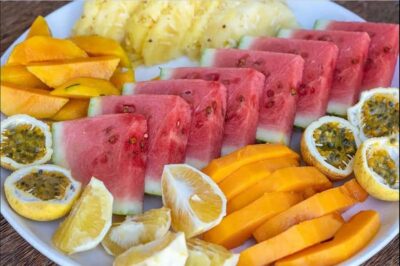
Coffee and Sea Views: A Short Pause That Changes the Whole Mood
After the village portion, the experience builds in a break with coffee and snacks while you take in sea views. This is more than a perk. It’s a pacing tool.
In real-life community visits, timing matters. People need moments to explain, and visitors need a moment to reset. That coffee break is where you often get clearer context, like how the foundation’s projects fit together and why certain visits are timed the way they are.
I also like that the tour is structured so you’re not rushing straight from walking to more walking. You get a chance to hydrate and cool down, especially important in Zanzibar’s heat.
Permaculture Farm Tour: When Food Systems Become a Community Lesson
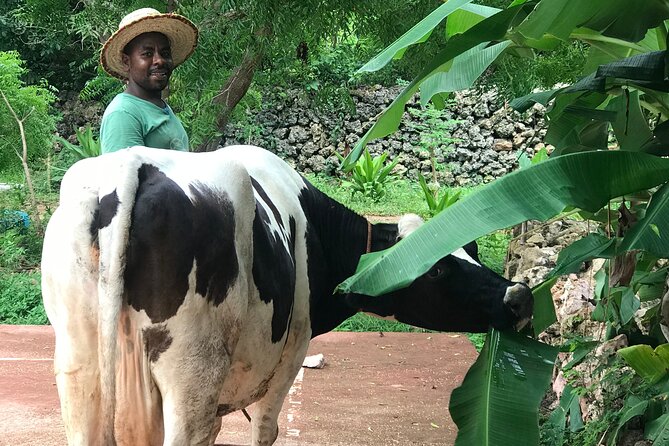
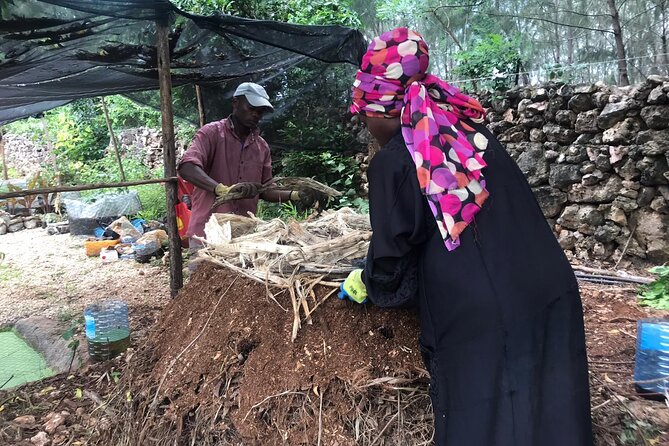
Next comes the tour of a permaculture farm. This is where the day quietly becomes more useful for everyday life. You start connecting what you’re learning to how people grow food, think about land, and manage resources.
Even if you’re not a gardening person, a permaculture stop is a strong “aha” moment. It reframes food from something you buy to something tied to planning, water use, and community effort. The tour doesn’t require you to already know anything. You’re there to see the approach and understand why it matters locally.
From the broader descriptions of the experience, the foundation’s grounds are also associated with nature and animals. That usually means you’re not just staring at plants. You’re seeing how a living site works as an environment, not a background.
What to do here: stay curious. Ask how permaculture is practiced on the ground, what goals the project supports, and how the community benefits over time. You’ll get more out of this farm segment if you treat it like a learning station instead of a photo stop.
Community School Visit: Education and Women Empowerment in One Stop
The tour then shifts to a community school. This is the part that helps you understand the “why” behind the other visits.
The experience is described as offering insight into what the staff and volunteers do to help local children and villages. That focus is exactly what a school visit should do. You’re not just observing a building. You’re getting a sense of how education support shows up in daily life and long-term opportunity.
A key theme that comes through in descriptions of the foundation is women empowerment. One review specifically points to a community school with opportunities, and mentions women’s sewing work. That matters, because empowerment projects often fail when they’re seen as separate from education. Here, the school and community support appear linked to broader skill building.
I’d approach this stop with two attitudes: respect and questions. Respect because it’s a working community place. Questions because a school visit is not about checking boxes. Ask what kinds of support exist, how the school connects to local families, and how volunteers or staff contribute.
If you’re worried about feeling out of place, don’t be. The tour’s small size and guided format are meant to help you fit naturally into the flow of the visit.
Cooking Lesson and Lunch: Turn Learning Into a Meal
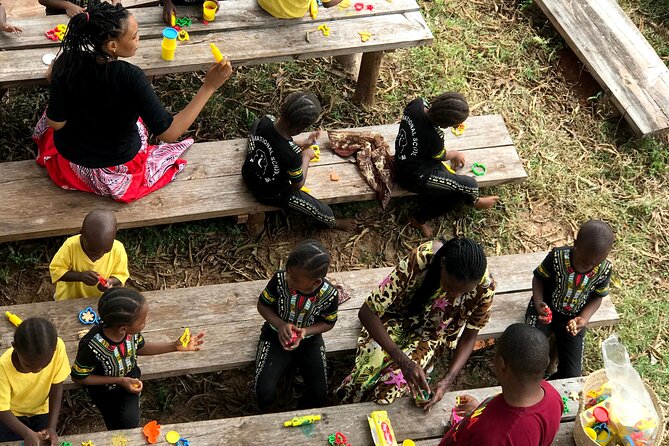
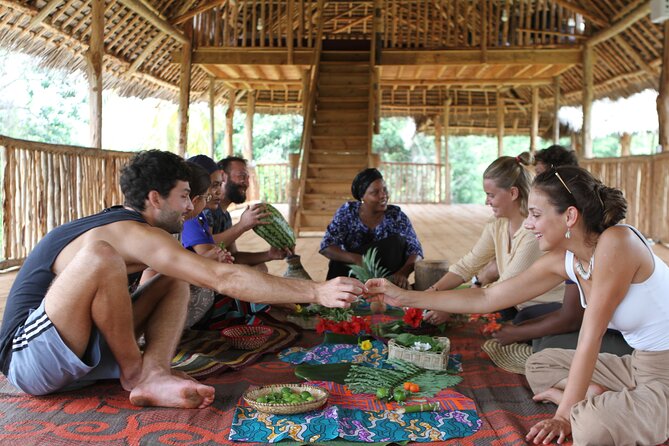
The tour ends with a cooking lesson and lunch. This is where the experience becomes memorable in a different way. Food tours can be passive. Here you get hands-on time, which tends to stick with you long after the walk is over.
Zanzibari cooking isn’t just about taste. It’s a way to understand local ingredients and daily habits. A cooking lesson also lets you ask practical questions you wouldn’t think to ask on a regular restaurant visit, like how flavors are built and what makes the dishes work.
And yes, you eat what you make. That’s an important value point: you’re paying for a full cultural experience, not only guided sightseeing. In a single morning, you get coffee and snacks plus a meal you create.
If you have dietary needs, I’d consider messaging the operator before you go, since the tour data here does not list specific dietary accommodation details. With a small group tour, the more you communicate early, the easier it is to plan safely.
Price, Timing, and Who This Tour Fits Best
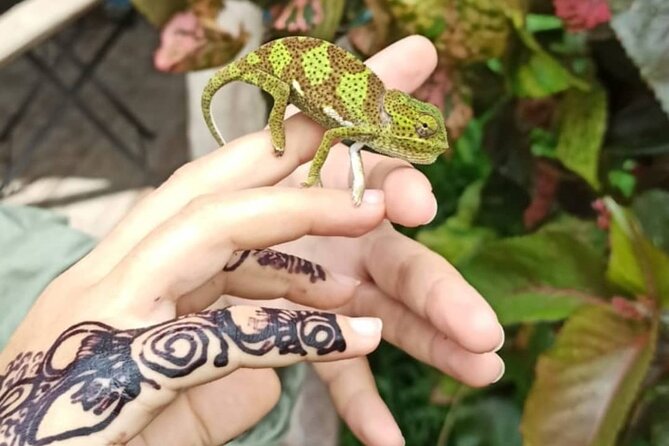
The price is $20 per person for about 3 hours. For Zanzibar, that’s in the category of affordable and thoughtfully packed. The key reason it feels like good value is what’s included: a guided community walk, a farm tour, a school visit, coffee and snacks, plus a cooking lesson and lunch.
It also helps that the group cap is 10 travelers. That’s not a huge marketing line. In real life, it affects your ability to ask questions and get context. You’ll spend less time waiting for people and more time learning in the places that matter.
When to book: the tour is commonly booked around 9 days in advance on average. If you’re traveling during peak periods, earlier booking is smart because small-group tours can fill.
Who should book this?
- You want more than beaches and want a community-focused day
- You like walking tours but also want a clear structure and a meaningful ending
- You’re interested in education, women empowerment, and practical sustainability through permaculture
Who might skip it?
- You only want strict wildlife or strictly historic sites, and you dislike school or community-focused visits
- You need a fully hands-off experience with zero involvement beyond watching and taking photos
- Weather is a deal-breaker for you, since the experience requires good weather
Tips That Make the Day Easier and More Respectful
A community tour is only as good as your behavior in the moment. Here are a few things that help everything run smoothly.
Dress in a way that fits community settings. Light clothing is fine, but avoid anything too revealing. Bring sun protection because much of the day is outdoors.
Keep your phone use polite. If someone is explaining something important, give them your eyes and ears. Photos can wait.
And come with one or two prepared questions. For example:
- How does the foundation support local children?
- What does women empowerment look like here?
- How does permaculture address real needs on the island?
Guides can handle curiosity, but they work best when you show respect and let the questions flow naturally.
Should You Book This Assalam Community Foundation Walking Tour?
I’d book it if you want a Zanzibar experience that feels grounded in daily life. This isn’t about collecting sights. It’s about learning how island community projects connect education, sustainability, and food, then ending with a meal you make yourself. At $20 for about 3 hours, with lunch and a cooking lesson included, it’s also a strong value play.
Book it with your eyes open if you hate walking or you’re very weather-sensitive. The schedule depends on good conditions. If the forecast is iffy, consider how flexible you are.
If you want one morning that adds real meaning to your trip, this is the kind of tour that does the job.
Time With Maasai Hosts
- Maasai World
★ 5.0 · 46 reviews - Zanzibar Tumbatu Island Cultural Experience
★ 5.0 · 4 reviews
Just added from around Zanzibar


Maasai Village and Cultural Experiences, compared.
 ★ 5.05 Days Camping Tarangire, Serengeti & Ngorongoro crater & Visiting MaasaiFrom $1,254229 reviews
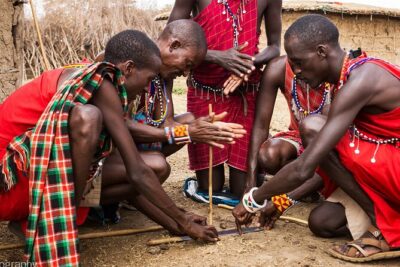 ★ 4.5Maasai village visit, Materuni waterfalls & coffee experienceFrom $15495 reviews
★ 5.05 Days Camping Tarangire, Serengeti & Ngorongoro crater & Visiting MaasaiFrom $1,28058 reviews
★ 4.5Maasai village visit, Materuni waterfalls & coffee experienceFrom $15495 reviews
★ 5.05 Days Camping Tarangire, Serengeti & Ngorongoro crater & Visiting MaasaiFrom $1,28058 reviews
 ★ 5.0Hidden Arusha Waterfall, Coffee & Village Tour (All-Inclusive)From $4042 reviews
 ★ 4.7Massai village & Baraka turtules aquariumFrom $5742 reviews
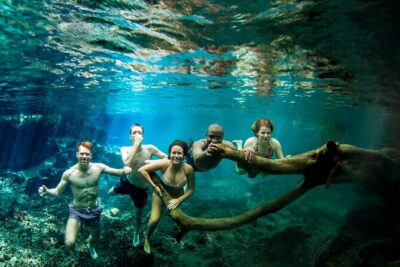 ★ 5.0Maasai village visit and Chemka hot-springs with hot lunch.From $12233 reviews
 ★ 4.3Zanzibar: Maasai village Tour with Sunset Dhow CruiseFrom $5232 reviews
 ★ 4.9Kilimanjaro: Maasai Village Visit, Waterfalls, & Coffee TourFrom $18527 reviews
Browse the lists this tour appears in