
REVIEW · JOZANI FOREST AND RED COLOBUS MONKEYS
Zanzibar:Jozani forest, Spice farm with Swahili Cuisine clas
Red monkeys and spices in one half day. On this 5-hour Zanzibar trip, you get a guided walk through Jozani Chwaka Bay National Park to search for the friendly red colobus monkeys, and you also spend time at a spice plantation where you smell, taste, and learn Swahili cooking basics. One potential drawback to plan for: the spice-farm stop can come with extra selling and tip pressure, so bring a clear budget and stay in control.
I like that the day is built around real nature plus hands-on flavor, not just quick photo stops. Pickup is offered from nine popular areas, and you can choose whether you start with the forest or the spice farm, with guides speaking English, German, or French and a dedicated Swahili cuisine class component.
In This Review
- Key Highlights to Expect
- How This 5-Hour Zanzibar Day Flows (and Why It Works)
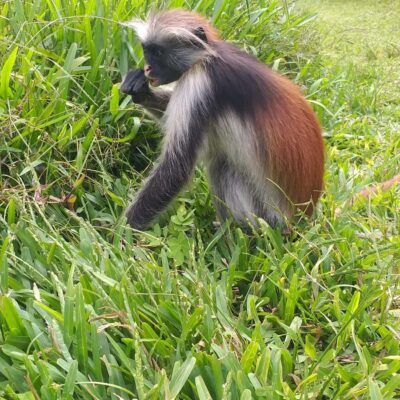
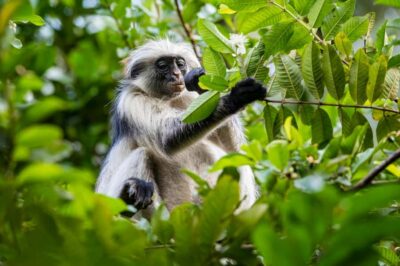
- Jozani Chwaka Bay National Park, Where the Red Colobus Steals the Show
- Mangroves by Chwaka Bay: Learning How Coastal Trees Actually Grow
- Shabuta Spice Farm: Smell, Taste, and Learn Zanzibar’s Spice Logic
- Swahili Cuisine Class: Connecting Spices to Real Cooking
- Price and Logistics: What $94 Gets You, and What to Watch
- What to Bring, Rules to Follow, and Who Should Skip This One
- Should You Book This Zanzibar Jozani and Spice Farm Tour?
- FAQ
- How long is the tour?
- What does it cost?
- Where are the pickup locations?
- What are the main stops during the experience?
- What is included in the price?
- Is food included?
- What languages are available for the guide?
- Can I choose whether I start with the forest or the spice farm?
- What should I bring?
- Who is this tour not suitable for?
Key Highlights to Expect
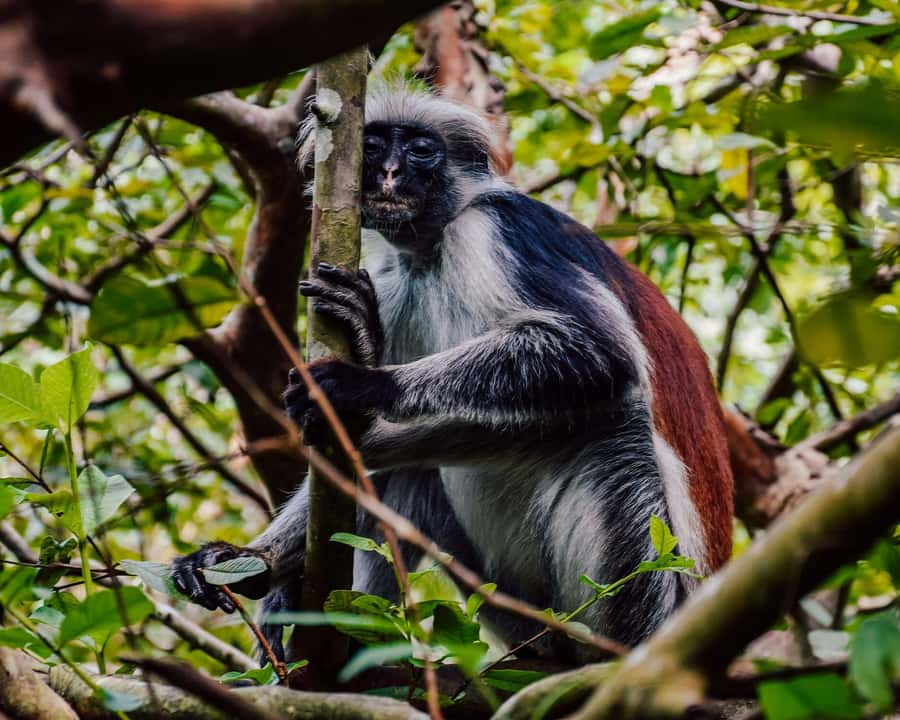
- Red colobus monkey walk in Jozani, with chances to spot the white-chested, red-backed monkeys up close
- Mangrove viewing and learning, including how these trees grow in the coastal wetlands
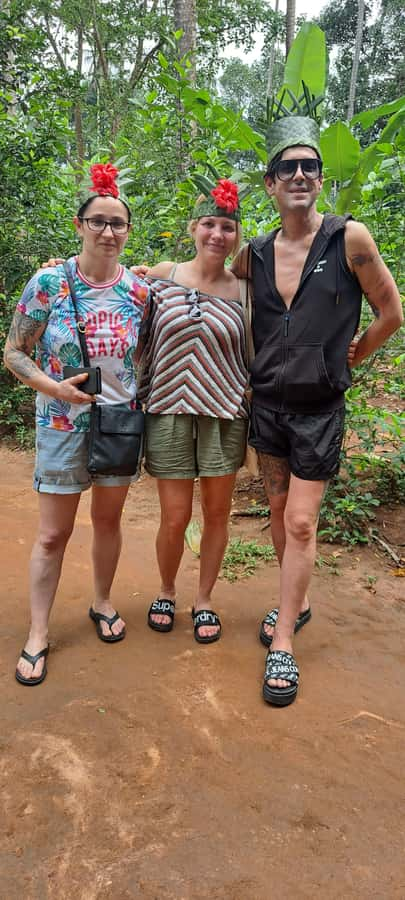
- Spice farm tastings of cinnamon, cardamom, black pepper, chili, ginger, vanilla, lemongrass, lemon mint, turmeric, nutmeg, and cloves
- Coconut climber performance while you’re at the farm
- A Swahili cooking class, tied directly to the flavors you’re learning about
Jozani Forest, other times and other guides
- Zanzibar: Jozani Forest & Red Colobus Monkeys Private Tour★ 4.5 · 13 reviews
- Zanzibar Nature Combo: Salaam Cave Swim & Jozani Forest Tour★ 4.8 · 11 reviews
- ZANZIBAR; JOZANI FOREST★ 3.9 · 6 reviews
- Mnemba Island, Prison Island, Secret Garden, Jozani Forest★ 4.4 · 5 reviews
How This 5-Hour Zanzibar Day Flows (and Why It Works)
This is a compact half-day that hits two of Zanzibar’s best “on-the-ground” experiences: Jozani Forest for wildlife, then a spice farm for aromas and ingredients. With a total duration of about 5 hours, you get enough time to walk, learn, and take photos without feeling like your whole day is gone.
The timing also matters because you spend real time outdoors twice. The forest portion includes a guided walk around 1.5 hours, and the spice farm stop also includes roughly 1.5 hours of guided exploring plus some free time. If you prefer short days with variety, this format is a good fit.
One smart detail: you can choose your start order, either starting with Jozani forest or with the spice farm. That helps if you want your wildlife time first, or if you’d rather ease in with the farm after pickup.
Jozani Chwaka Bay National Park, Where the Red Colobus Steals the Show
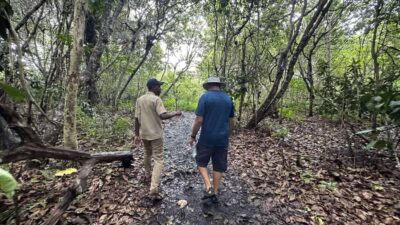
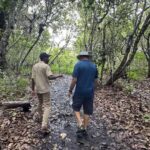
Jozani Chwaka Bay National Park is where you go to see Zanzibar’s famous red colobus monkeys, and this tour is designed around that moment. After pickup, your walk begins in the forest with a guided tour and time to pause for photos. Expect a nature-focused route where you’ll look for movement in the trees, not just scenery.
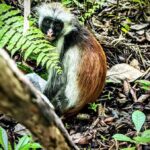
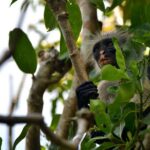
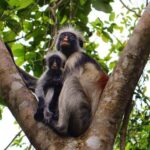
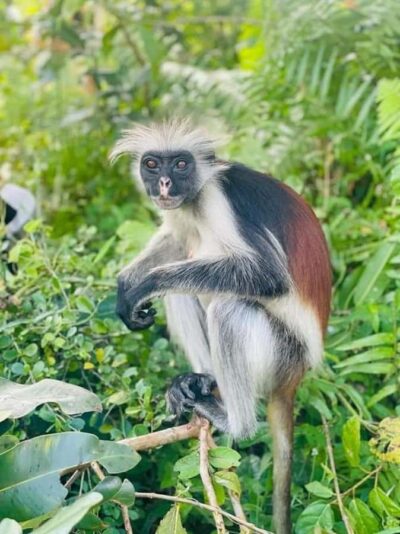
What makes these monkeys extra interesting is how distinct they are. You’ll learn that they have four fingers and no thumb, with a white patch on the chest and a red coat on the back. You’ll also hear about their diet, which centers on green leaves and young fruits and vegetables.
The forest walk can also turn up other small wildlife. You might spot digidig, elephant shrew, and chameleons if conditions and timing are right. Even if you do not see everything, the guide’s explanations can make the walk feel like a living classroom, not a checklist.
The main practical thing to know: bring comfortable shoes. This is a walk in natural terrain, so you want footwear that handles uneven ground and keeps your feet happy.
Mangroves by Chwaka Bay: Learning How Coastal Trees Actually Grow
After the forest walk, you shift to the mangroves area. Mangroves are not just “pretty trees near water.” They’re specialized plants that handle salty conditions and changing water levels, which is why they matter ecologically in places like Zanzibar.
On this tour, you don’t just pass by. You stop to learn how mangroves are grown and how they survive in that coastal setup. For many people, this is the part that turns a quick photo into a real understanding of why the coast looks the way it does.
Mangroves also tend to be calm and different from the denser forest. That rhythm change can be a nice break after monkey-watching on foot. You still feel like you’re outdoors, but it’s less intense and more about observation and explanation.
If you’re the type who likes to understand how things work in the real world, this mangrove segment gives you more payoff than a typical “walk and move on” stop.

Shabuta Spice Farm: Smell, Taste, and Learn Zanzibar’s Spice Logic
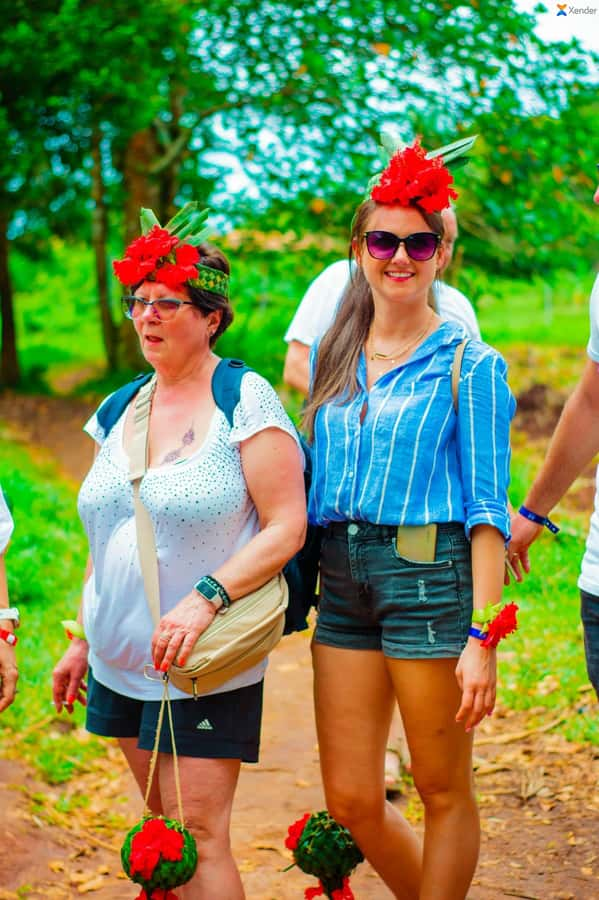
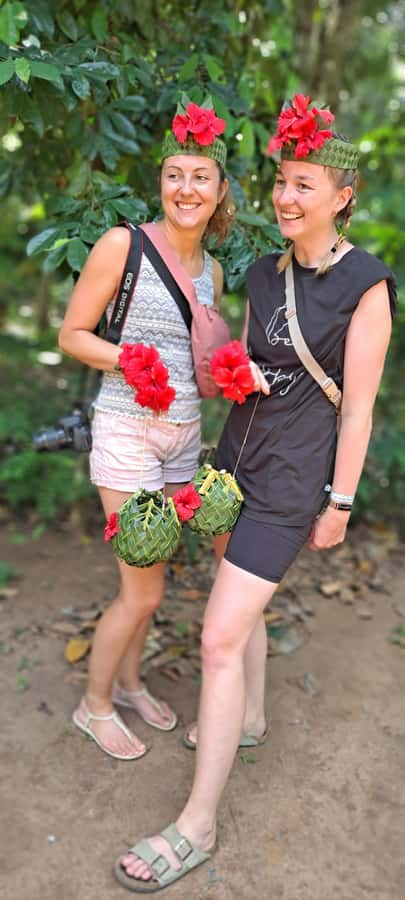
Then comes the spice farm experience, centered around a guided visit at Shabuta Spice Farm with some breaks and free time. The value here is sensory learning. You’ll be shown, you’ll smell, and you’ll get chances to taste several Zanzibar staples.
The tour highlights include spices and aromatic plants like cinnamon, cardamom, black pepper, chili, ginger, vanilla stick, lemon grass, lemon mint, turmeric, nutmeg, and cloves. That list matters because it mirrors how Zanzibar’s spice identity is actually built, not just what shows up in souvenirs.
What I like about this kind of farm visit is that it helps you connect the ingredient to the plant. Even without deep chemistry, you start picking up patterns like how certain spices are used, how their flavors differ, and what makes them valuable in cooking.
One thing to keep your expectations balanced: the farm segment can involve a lot of interaction. In a worst-case scenario, some people feel the experience becomes tip-heavy or that sales pressure ramps up during shop stops. That does not automatically mean it will happen to you, but it is smart to plan for it. Set a spending limit before you arrive, and remember that you can enjoy the plants without buying everything you are shown.
Swahili Cuisine Class: Connecting Spices to Real Cooking
This tour includes a Swahili cuisine class, tied to the same day’s spice learning. The idea is simple and practical: you spend time identifying and tasting spices at the farm, then you shift into a cooking context so the flavors make more sense.
What you can reasonably expect is a hands-on or instruction-focused experience centered on Swahili cooking basics. The listing info does not spell out the exact dishes, so treat it as a cooking learning session rather than a specific “cook X meal” guarantee.
Even so, a Swahili cooking class is often one of the best ways to get beyond souvenir aromas. Spices behave differently in food than they do in a jar, and that cooking context helps you understand why Zanzibar’s flavors taste the way they do.
If you want food memory that lasts, take the class seriously. Taste what you’re learning, ask how the ingredients are used, and think about how you would recreate part of it back home.
Price and Logistics: What $94 Gets You, and What to Watch
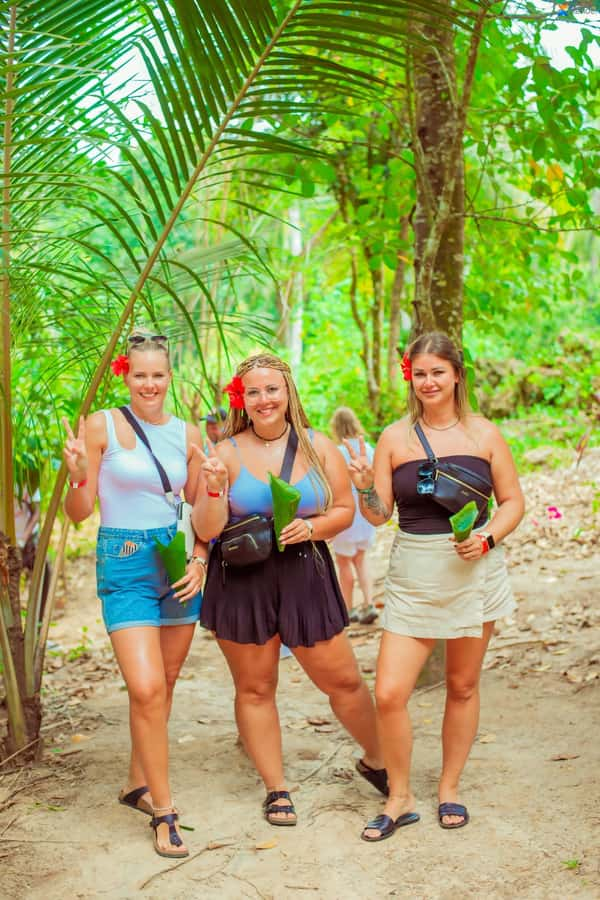
At $94 per person for a 5-hour experience, you’re paying for a lot more than “entry tickets.” The price includes hotel pickup and return transport, entrance fees, guide fee, government tax, and bottled water. That package matters because Zanzibar wildlife and farm visits often feel more expensive once you add those pieces one by one.
Value-wise, the mix is strong. Jozani’s guided walk plus the chance to see red colobus monkeys, then the educational mangrove stop, and then the spice farm tastings and Swahili cuisine class create a full half-day of variety.
The one area to be careful with is the spice farm’s human factor. If your group meets many different staff members during the visit, it can sometimes feel like tips and purchases are expected at every turn. In the clearest unfavorable example shared, the spice portion was described as disappointing due to tip expectations and pressure to buy items. The takeaway for you is simple: enjoy the farm experience, but do not let it push you into spending more than you planned.
If you like buying a couple of items as a souvenir, that can still work. Just do it deliberately, not reactively.
What to Bring, Rules to Follow, and Who Should Skip This One
Bring comfortable shoes because you’ll be walking twice, each with a guided walk portion. A camera is helpful for the monkeys and plantation scenes, and cash is listed as useful, especially if you choose to purchase anything at the farm.
This is not a day for slow pacing. You should also be ready to move between stops without long breaks. Water is provided, but you will still feel the sun if you get bright midday timing.
Know the limits too. This tour is not suitable for people with diabetes, babies under 1 year, and people over 70 years. If any of those apply to you, choose a different experience that matches your needs and mobility.
There are also basic conduct rules: no alcohol and drugs, and no littering. Simple rules, but they matter in protected areas and working farms.
Should You Book This Zanzibar Jozani and Spice Farm Tour?
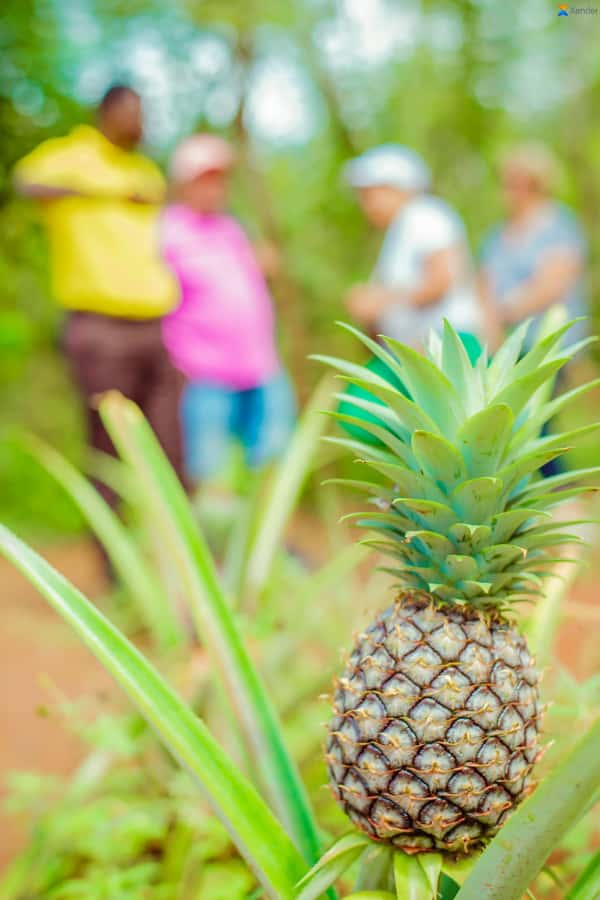
Book it if you want a balanced half day with wildlife plus real spice education, and especially if you’re excited about seeing the red colobus monkeys in Jozani Forest. The day structure is efficient, and the combination of a mangrove stop, spice tastings, and a Swahili cuisine class makes it feel like more than a standard “tour bus day.”
I’d hesitate only if you hate sales pressure and you know you get worn down by repeated asks for tips or purchases. If that’s you, go in with a firm spending plan and keep your focus on the spices, the mangroves, and the cooking part.
Finally, guide quality can make or break experiences like this. This operation has included guides such as Othman and Hassan, and they’ve been praised for making the day feel informative and well run. If you want a smoother, more story-driven walk, that’s a good sign to look for when your guide is assigned.
FAQ
How long is the tour?
The tour duration is 5 hours.
What does it cost?
The price is listed at $94 per person.
Where are the pickup locations?
Pickup is offered from Stone Town, Zanzibar Island, Uroa, Pwani mchangani, Nungwi, Kiwengwa, Paje, Michamvi, and Jambiani. Drop-off is also available in several of these same areas.
What are the main stops during the experience?
You visit Jozani Chwaka Bay National Park for a guided forest walk, then you go to the mangroves area, and you also visit a spice plantation for spice learning and tastings. The experience also includes a Swahili cuisine class.
What is included in the price?
Included are pickup transport and return, entrance fees, guide fee, all government tax, and bottled water.
Is food included?
Food and drinks are not included. You can request lunch.
What languages are available for the guide?
The live tour guide is available in English, German, and French.
Can I choose whether I start with the forest or the spice farm?
Yes. You have the opportunity to choose where to start between Jozani forest or the spice farm.
What should I bring?
Bring comfortable shoes, a camera, and cash.
Who is this tour not suitable for?
It is not suitable for people with diabetes, babies under 1 year, and people over 70 years.
More Zanzibari Kitchens
- ZANZIBAR:Amazing tour Nakupenda SandBank with fruits
★ 5.0 · 3 reviews
Back Into Jozani Forest
- Zanzibar: Jozani Forest & Red Colobus Monkeys Private Tour
★ 4.5 · 13 reviews - Zanzibar Nature Combo: Salaam Cave Swim & Jozani Forest Tour
★ 4.8 · 11 reviews - ZANZIBAR; JOZANI FOREST
★ 3.9 · 6 reviews - Mnemba Island, Prison Island, Secret Garden, Jozani Forest
★ 4.4 · 5 reviews - Zanzibar: Jozani forest, Butterfly center & Salaam cave tour
★ 4.8 · 4 reviews
Just added from around Jozani Chwaka Bay National Park
Jozani Forest and Red Colobus Monkeys, compared.
 ★ 4.6Zanzibar: Jozani Forest & Sea Tortoises Sanctuary TourFrom $75204 reviews
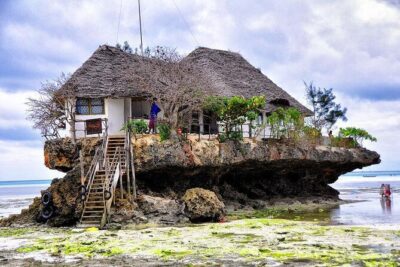 ★ 4.5Dolphin tour, Jozani Forest, Jambiani Kuza Cave, Paje Beach &The Rock restaurentFrom $130164 reviews
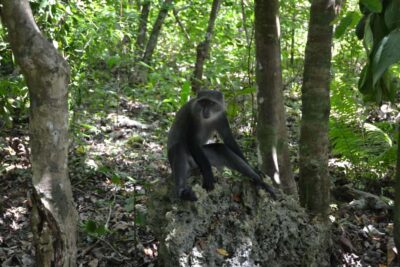 ★ 4.7Zanzibar full day Jozani forest + Spice farm and stone townFrom $9090 reviews
 ★ 4.5Zanzibar: Jozani nature walk and wildlife tourFrom $9889 reviews
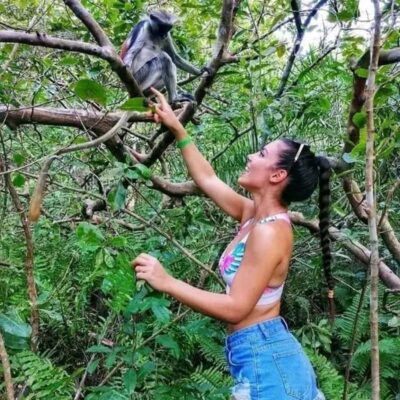 ★ 4.5Zanzibar: Red Colobus Monkeys in Jozani Forest Guided TourFrom $9980 reviews
 ★ 4.2Zanzibar: Jozani Forest, Salaam Cave & The Rock RestaurantFrom $10577 reviews
 ★ 4.2Zanzibar: Prison Island, Tortoise, Jozani Forest Guided TourFrom $10068 reviews
 ★ 4.7Zanzibar: The Rock, Paje Beach, Jozani Forest, Salaam CaveFrom $14057 reviews
Browse the lists this tour appears in