
REVIEW · JOZANI FOREST AND RED COLOBUS MONKEYS
Zanzibar: Jozani Forest & Sea Tortoises Sanctuary Tour
A single morning in Zanzibar can feel like two different worlds, and this tour does it on purpose. I like how it pairs Jozani Forest National Park wildlife with a sea turtle conservation stop at Salaam Cave. The day has a good pace, with a real guided focus on what you’re seeing, from monkeys to tiny jungle life. One drawback to know up front: the turtle cave experience is physically a bit more demanding because getting in the water involves uneven, rocky steps.
You’ll get two Zanzibar-specific hits that are hard to replace elsewhere: the endemic red colobus monkey and the chance to observe sea turtles in a protected setting. I also like the mangrove add-on, where you can spot black crabs working away beneath the roots. If you hate crowds, plan to manage expectations at Salaam Cave, since it can feel busy depending on the day.
If you’re traveling with limited time, this is a smart value play. For about $75 per person (about a half-day), you’re paying for park access, a guide, and the drive between two sites, plus a bottle of water. Just remember lunch is not included, so you’ll want to eat before or after.
In This Review
- Key Highlights You’ll Notice Fast
- Why Jozani and Kizimkazi Fit Together So Well
- Getting There From Your Hotel: Drive Time and Timing
- Jozani Forest National Park: Red Colobus and Jungle Life
- Mangrove Walk at Jozani: Black Crabs Under the Wooden Trail
- The Transfer to Kizimkazi: Time for a Reset
- Salaam Cave Sea Turtle Sanctuary: Conservation Meets Up-Close Viewing
- Swimming Tips That Make a Big Difference (Yes, Bring Water Shoes)
- Your Guide and Driver: What Makes the Experience Feel Right
- Price and Value: Is $75 a Good Deal?
- What to Bring (and What to Leave Behind)
- Who Should Book This Tour, and Who Should Rethink It
- Should You Book This Zanzibar Jozani and Turtles Tour?
- FAQ
- How long is the Zanzibar Jozani Forest and Sea Tortoises Sanctuary Tour?
- What does the tour cost?
- Is lunch included?
- Does the tour include hotel pickup and drop-off?
- What animals will I see during the tour?
- Will I be able to swim with the turtles?
- What should I bring to be comfortable?
Key Highlights You’ll Notice Fast
- Red colobus monkeys in Jozani, plus other native forest animals you can only see in this part of Zanzibar
- Guided spotting in the forest, where your guide helps you notice small species like elephant shrews and frogs
- Mangrove wooden trail with black crabs, plus the fun, slightly weird chance to hear mangroves at work
- Salaam Cave sea turtle conservation, built around care and rehabilitation
- Time to swim near turtles, with the cave’s clear water making it a memorable close-up
Jozani Forest, other times and other guides
- Zanzibar: Jozani Forest & Sea Tortoises Sanctuary Tour★ 4.6 · 204 reviews
- Zanzibar: Jozani nature walk and wildlife tour★ 4.5 · 89 reviews
- Zanzibar: Red Colobus Monkeys in Jozani Forest Guided Tour★ 4.5 · 80 reviews
- Zanzibar: Prison Island, Tortoise, Jozani Forest Guided Tour★ 4.2 · 68 reviews
Why Jozani and Kizimkazi Fit Together So Well
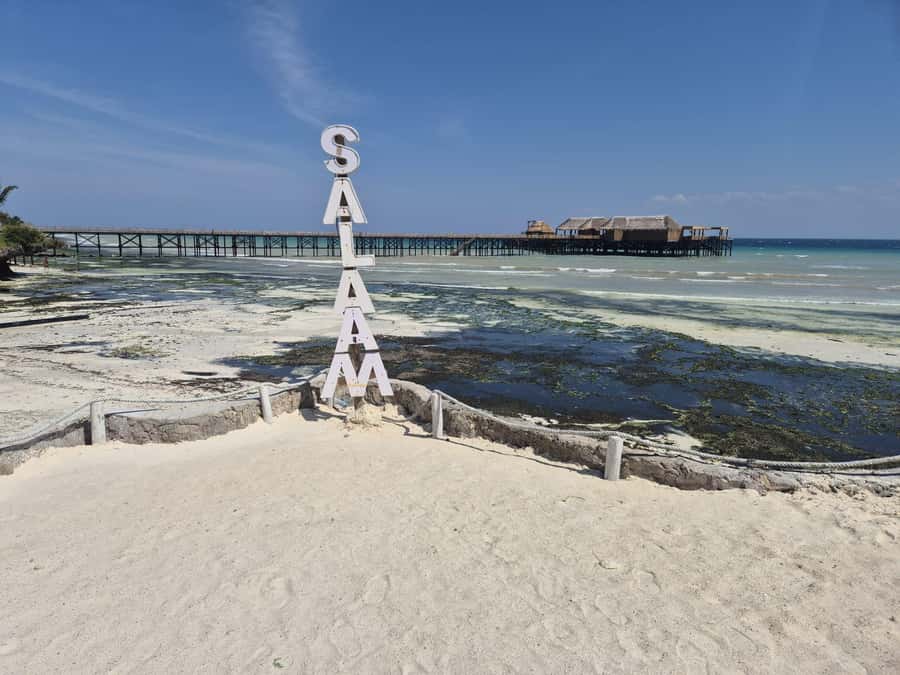
Zanzibar is famous for beaches, but this day trip is for the wildlife side of the island. It works because Jozani and Kizimkazi are totally different habitats. In Jozani, you’re in the forest and mangroves, where life moves quietly and you have to look closely. In Kizimkazi at Salaam Cave, you’re in shallow, clear water where turtles feel unhurried and close.
That contrast is the point. You’re not just collecting photos, you’re seeing how Zanzibar’s ecosystems link together, forest feeding the coast and the coast protecting sea life. I also like that the tour keeps the time tight. You’ll be back at your hotel the same day, without losing your entire afternoon to transit.
A final practical benefit: you get a guide for both stops. That matters in Jozani, where animals can be hard to spot without help, and it matters at Salaam Cave, where rules and water safety are part of the experience.
Getting There From Your Hotel: Drive Time and Timing
Most people start with hotel pickup. The trip is designed as a half-day outing, and it begins with a van ride of about 1 hour to Jozani National Park. From there, you’ll move on to Kizimkazi after the forest portion, with a short transfer of about 30 minutes.
In real terms, this means you should plan your day around a morning window. A lot of departures tend to start around 8:30 or 9:00, and most people return by mid-afternoon, depending on your drop-off location. If you’re staying farther from Jozani and Kizimkazi, expect your schedule to stretch toward the later end.
Also, confirm your pickup point the day before. The tour has many possible drop-off spots across the island, so it’s worth being clear on where your driver will meet you and where you’ll end the day.
Jozani Forest National Park: Red Colobus and Jungle Life
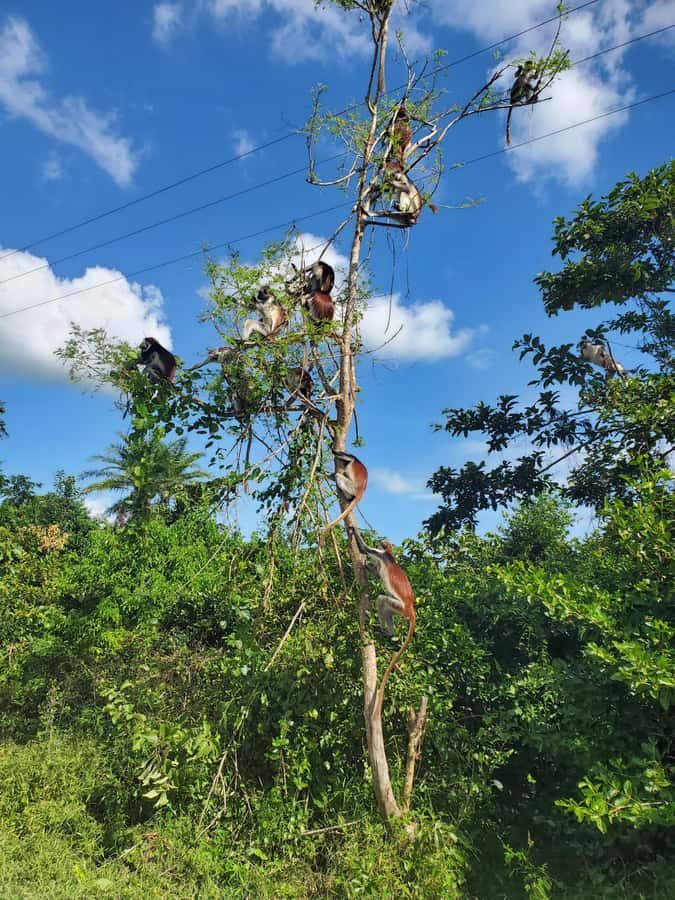
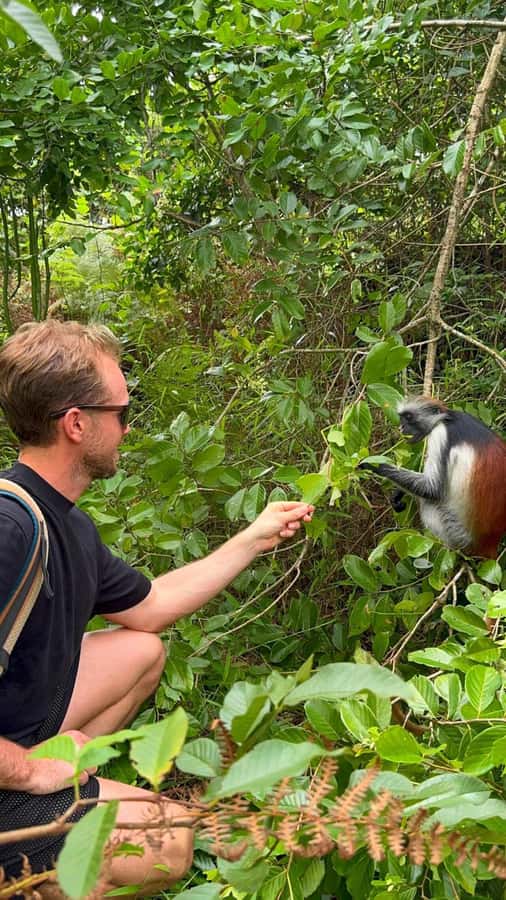
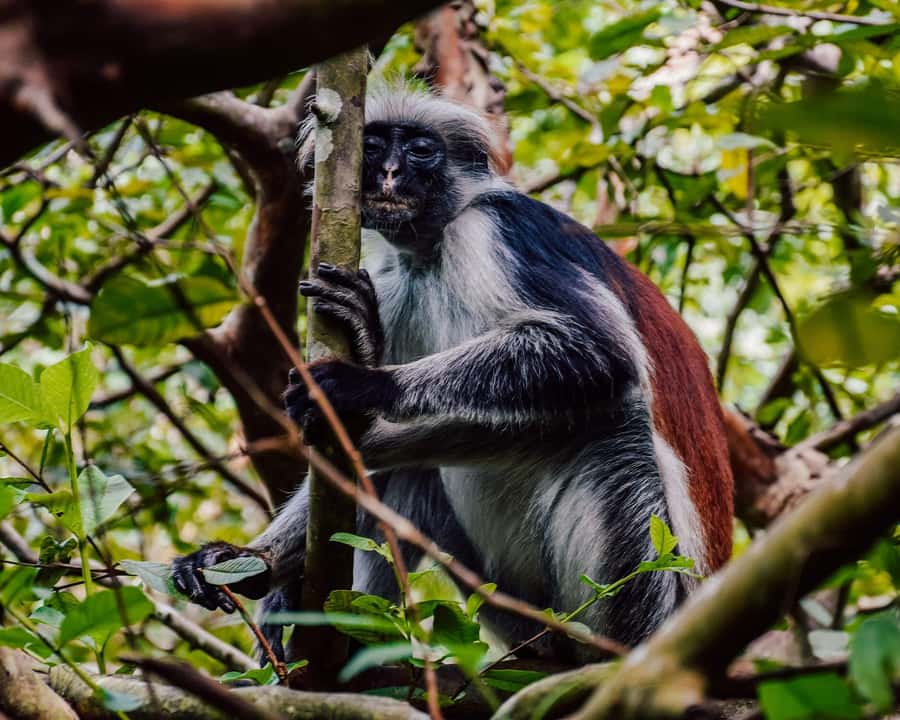
Jozani is the star for endemic wildlife. Your first stop includes a photo stop and a guided walk inside Jozani National Park for about 2.5 hours. This is where you go looking for monkeys, but it’s also where you learn how the ecosystem works.
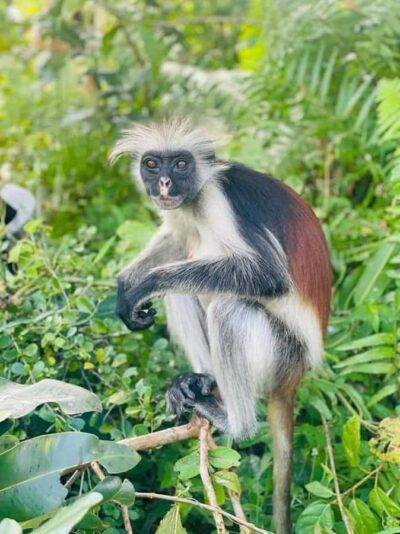
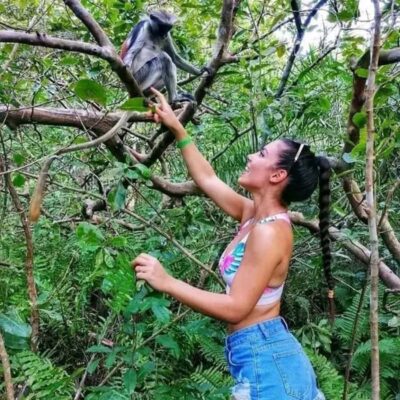
The headline sight is the Zanzibar red colobus monkey, which is endemic to the island. You’ll have a guide with you who helps you spot monkeys and teaches you what to look for. In the forest, it’s not only about the big animals. Your guide also points out smaller life, including elephant shrews and frogs, and they’ll help you interpret plant and animal clues as you walk.
One thing I like about this kind of guided forest time is that it changes your viewing. Without a guide, the jungle can feel like background noise and random leaves. With the guide, you start noticing how movement signals safety, feeding, or where something might be hiding.
Group size is typically private or small, which helps. The small-group setup makes it easier to stay together and keep your attention on the trail instead of getting separated in the trees.
Mangrove Walk at Jozani: Black Crabs Under the Wooden Trail
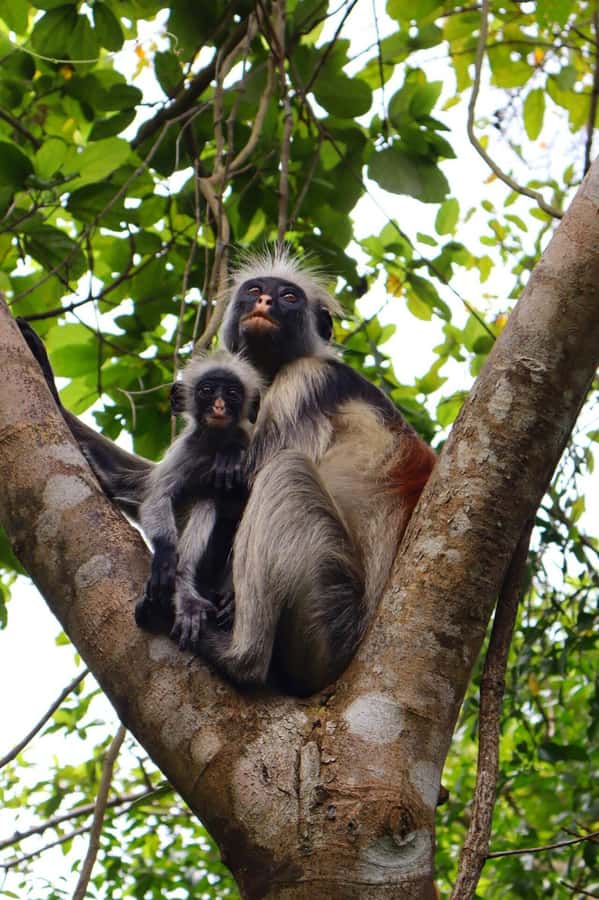
After the main forest walk, you’ll do a short additional visit inside the park area and then head toward the mangroves. This is the section many visitors don’t expect, because it’s not the usual postcard view.
You’ll walk a wooden trail through the mangroves, and you can spot black crabs working under the roots. The tour description even includes the playful idea that you might hear the mangroves making sounds. It’s more about paying attention than believing a fairy tale. If you slow down and listen, you’ll catch the tiny rhythms that make mangroves feel alive.
This stop is also a good break. Jozani’s forest portion is active and requires focus. The mangrove walk is still walking, but it’s calmer, and it gives you a different perspective on Zanzibar’s coastal ecology.
Practical tip: go with closed shoes you can trust on wooden boards and uneven ground. You’re in a wet, rooty environment, so grip matters.
The Transfer to Kizimkazi: Time for a Reset
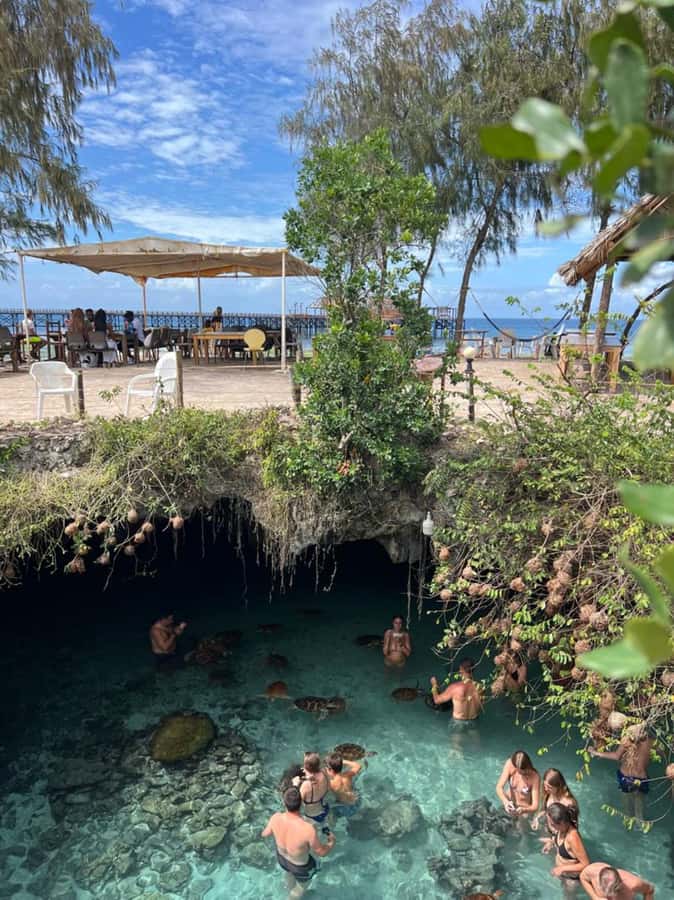
Once you leave Jozani, you drive for about 35 minutes toward Kizimkazi hamlet. This is a straightforward travel leg, and it’s long enough for a breather, not so long you feel like you lost the whole day.
Your goal at the next stop is Salaam Cave Aquarium, and the timing is tight enough that it helps to be ready when you arrive. You’ll have a photo stop and then time for the main sea-life viewing.
If you tend to get motion-sick, bring a basic remedy you trust. Zanzibar island roads can be a mix of smooth stretches and bumpy segments, and the trip is short enough that you want to stay comfortable.
Salaam Cave Sea Turtle Sanctuary: Conservation Meets Up-Close Viewing
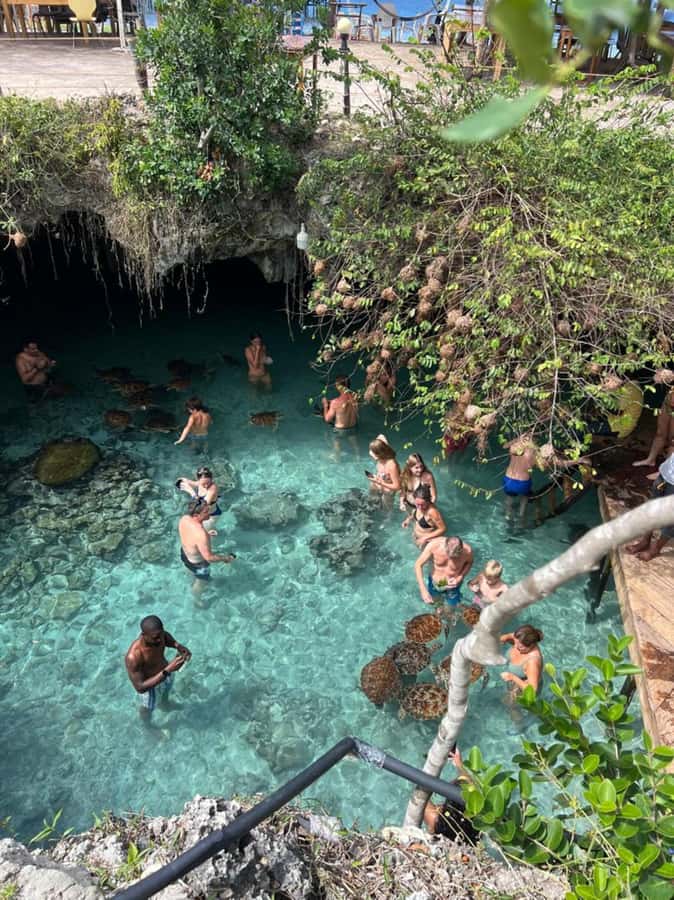
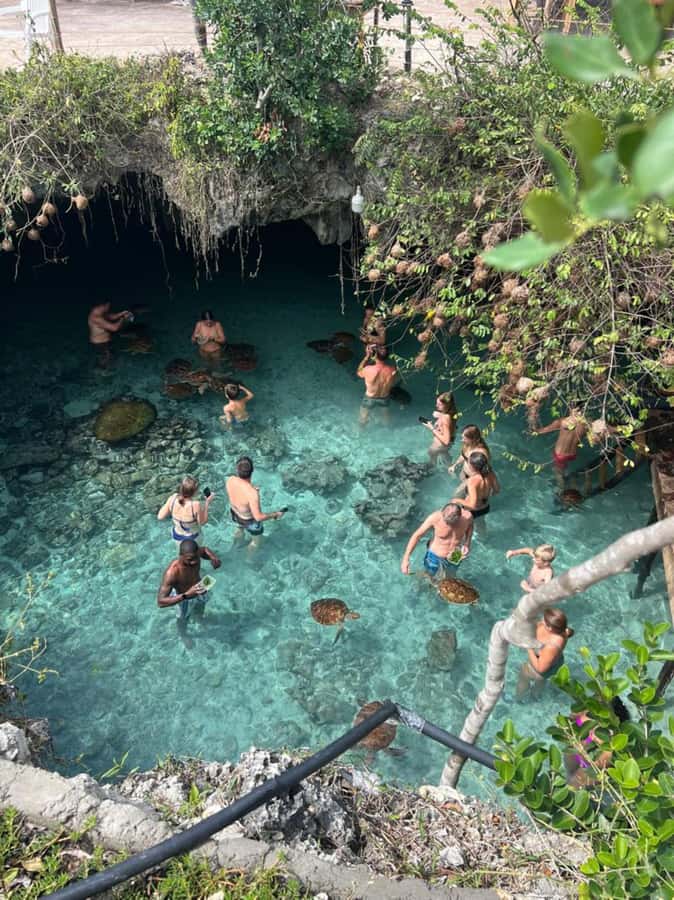
Salaam Cave is designed around sea turtle care and rehabilitation. The cave houses and tends turtles in a safe environment, and you’ll learn about the conservation effort and how the center supports the animals.
Then comes the most memorable part: the chance to swim alongside the turtles. The water experience is framed as crystal-clear, where turtles float gently by. It feels special because the focus is not a performance. It’s observation and respectful contact, helped by the center’s setup and your guides’ direction.
You should also know that it can be busy. Even when you share space with other visitors, you can still find calmer moments. One practical trick is to stay flexible and move to a quieter area when the crowd density spikes.
Another practical point: the “cave” aspect matters. Getting in the water involves stairs and a bit of a steep, rocky descent. That’s not a dealbreaker, but it changes what you should wear and how you move.
Swimming Tips That Make a Big Difference (Yes, Bring Water Shoes)
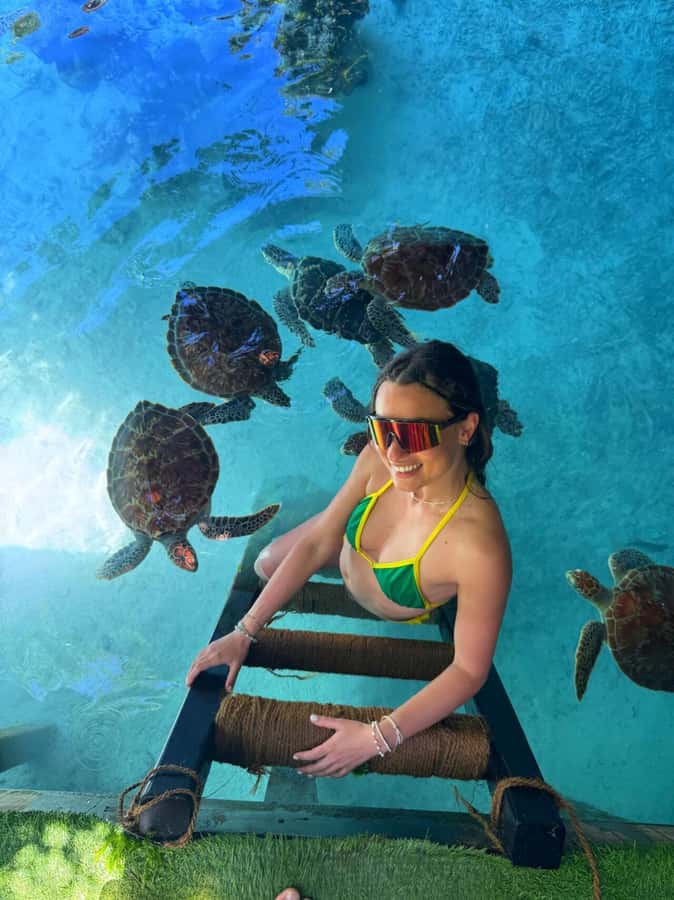
This is the part where small details really save your day.
First, bring water shoes if you have them. The cave floor can be rocky, and good grip reduces stress. Even if you’re a strong swimmer, you still need secure footing at the edge and during the descent.
Second, change your plan from frantic filming to steady observation. A camera takes attention. If you’re swimming, focus on one or two quick moments rather than constant shooting. Try to position yourself so you’re not kicking up sand or bumping others.
Third, wear what you can manage in and out of the water. The tour recommends change of clothes, and that makes sense. You’ll go from forest heat and walking to cave water and back again. Having dry clothes ready helps you feel normal at the end of the tour.
Finally, be mindful of the other people in the water. Some guides set expectations for calm behavior. Follow their lead, not your adrenaline.
Your Guide and Driver: What Makes the Experience Feel Right
This tour tends to do one thing extremely well: it brings wildlife knowledge into plain language and keeps the day friendly. Names you may run into include Hussien and Abdul, as well as Ali and Osman. These guides are repeatedly praised for being helpful, patient, and willing to explain what you’re seeing instead of rushing you through.
That matters in both locations. In Jozani, your guide helps you understand what signals to look for, and they help you spot red colobus monkeys when they’re not posing for you. At Salaam Cave, the guide supports your safety and helps you get the most from the turtle conservation viewing.
Drivers also get credit because they keep the schedule smooth and help the trip feel seamless from pickup to drop-off. That’s especially helpful if you’re doing this on a busy travel day, like your last day or a day with transport connections.
Price and Value: Is $75 a Good Deal?
At $75 per person for about 5.5 to 6 hours, the value is mostly about what’s included.
You’re getting:
- entrance fees
- guide fee
- hotel pickup and drop-off if you select that option
- a bottle of mineral water
Lunch is not included, so you’ll want to budget time and money for a meal on either end. But when a tour covers entrance fees and a guide, you avoid the hidden costs that often sneak up later.
Also, this is not a single-site nature stop. You’re paying for two wildlife experiences with a transfer between them. That combination is what makes the half-day format work. You’re not just paying for time, you’re paying for expert guidance at two different habitats.
For the kind of itinerary you’re getting, it can be a smart buy if:
- you want Zanzibar wildlife without committing to a full-day trip
- you care about endemic species like red colobus
- you want a structured turtle conservation encounter rather than a casual beach stop
What to Bring (and What to Leave Behind)
Plan for a mix of walking and water time.
Bring:
- hiking shoes (or sturdy closed shoes)
- long-sleeved shirt (for comfort in the forest)
- beachwear (you will likely need it for the water part)
- a change of clothes
- camera (and a way to keep it protected around water)
- water-friendly footwear like water shoes
Tour rules include no alcohol and no drugs, and you should avoid littering. It’s also worth respecting the wildlife setting by moving slowly and not touching more than you’re instructed to.
If you’re sensitive to sun, add sunscreen and a hat. Those aren’t listed in the essentials, but practical sun protection is always smart in Zanzibar.
Who Should Book This Tour, and Who Should Rethink It
This tour fits best if you:
- want wildlife and conservation in one half-day
- like guided nature walks where someone helps you spot animals
- enjoy being hands-on with water experiences, as long as you’re comfortable with rocky entry points
It may be a tougher fit if you:
- have very limited mobility. The cave access involves stairs and uneven surfaces.
- are traveling with extremely young children. The tour is not suitable for babies under 1 year.
- are in the older adult bracket. People over 70 years are listed as not suitable.
It also helps if you’re okay with crowds at the cave sometimes. If you can handle a busy environment, you can still have a great turtle experience, but it’s not the kind of private, silent setting you might wish for.
Should You Book This Zanzibar Jozani and Turtles Tour?
I’d book this tour if you want real Zanzibar nature on a schedule that won’t swallow your whole day. The combination of Jozani red colobus monkey viewing and a Salaam Cave sea turtle conservation experience is exactly the kind of pairing that gives you variety without chaos.
Book it when:
- you’re short on time but want something more meaningful than a beach-only day
- you value guided wildlife spotting in Jozani
- you’re interested in sea turtle conservation and the chance to swim alongside turtles
Skip or reconsider if:
- you’re not comfortable with rocky, steep cave steps
- you prefer a fully quiet experience with zero crowd energy
- you don’t want any structured schedule at all, because this is a set route with timed stops
If your goal is memorable wildlife in Zanzibar, this one makes a strong case. Just pack the right shoes, go in with a calm mindset for the cave, and you’ll be set for a day that feels like forest life and ocean life in one smooth arc.
FAQ
How long is the Zanzibar Jozani Forest and Sea Tortoises Sanctuary Tour?
The tour lasts about 5.5 to 6 hours.
What does the tour cost?
The price is $75 per person.
Is lunch included?
No. Lunch is not included.
Does the tour include hotel pickup and drop-off?
Hotel pickup and drop-off are included if you select the pickup option.
What animals will I see during the tour?
In Jozani, you’ll look for monkeys, including the Zanzibar red colobus monkey, plus other local wildlife. At Salaam Cave, you’ll visit the sea turtle conservation area and view sea turtles.
Will I be able to swim with the turtles?
The tour description says you can swim beside the turtles in Salaam Cave. A rocky entry into the cave is part of the experience.
What should I bring to be comfortable?
Bring change of clothes, a camera, hiking shoes, a long-sleeved shirt, and beachwear. Water shoes are also a smart choice because the cave area can be rocky in the water.
Back Into Jozani Forest
- Zanzibar: Jozani nature walk and wildlife tour
★ 4.5 · 89 reviews - Zanzibar: Red Colobus Monkeys in Jozani Forest Guided Tour
★ 4.5 · 80 reviews - Zanzibar: Prison Island, Tortoise, Jozani Forest Guided Tour
★ 4.2 · 68 reviews - Zanzibar: The Rock, Paje Beach, Jozani Forest, Salaam Cave
★ 4.7 · 57 reviews - Dolphin Tour, Jozani Forest Tour, Kuza Cave Tour, Paje Beach,The Rock Restaurant
★ 4.5 · 37 reviews
Just added from around Zanzibar


Jozani Forest and Red Colobus Monkeys, compared.
 ★ 4.5Dolphin tour, Jozani Forest, Jambiani Kuza Cave, Paje Beach &The Rock restaurentFrom $130164 reviews
 ★ 4.7Zanzibar full day Jozani forest + Spice farm and stone townFrom $9090 reviews
 ★ 4.5Zanzibar: Jozani nature walk and wildlife tourFrom $9889 reviews
 ★ 4.5Zanzibar: Red Colobus Monkeys in Jozani Forest Guided TourFrom $9980 reviews
 ★ 4.2Zanzibar: Jozani Forest, Salaam Cave & The Rock RestaurantFrom $10577 reviews
 ★ 4.2Zanzibar: Prison Island, Tortoise, Jozani Forest Guided TourFrom $10068 reviews
 ★ 4.7Zanzibar: The Rock, Paje Beach, Jozani Forest, Salaam CaveFrom $14057 reviews
 ★ 4.6Zanzibar: Jozani Forest, Salaam & Maalum Caves and SunsetFrom $15053 reviews
Browse the lists this tour appears in